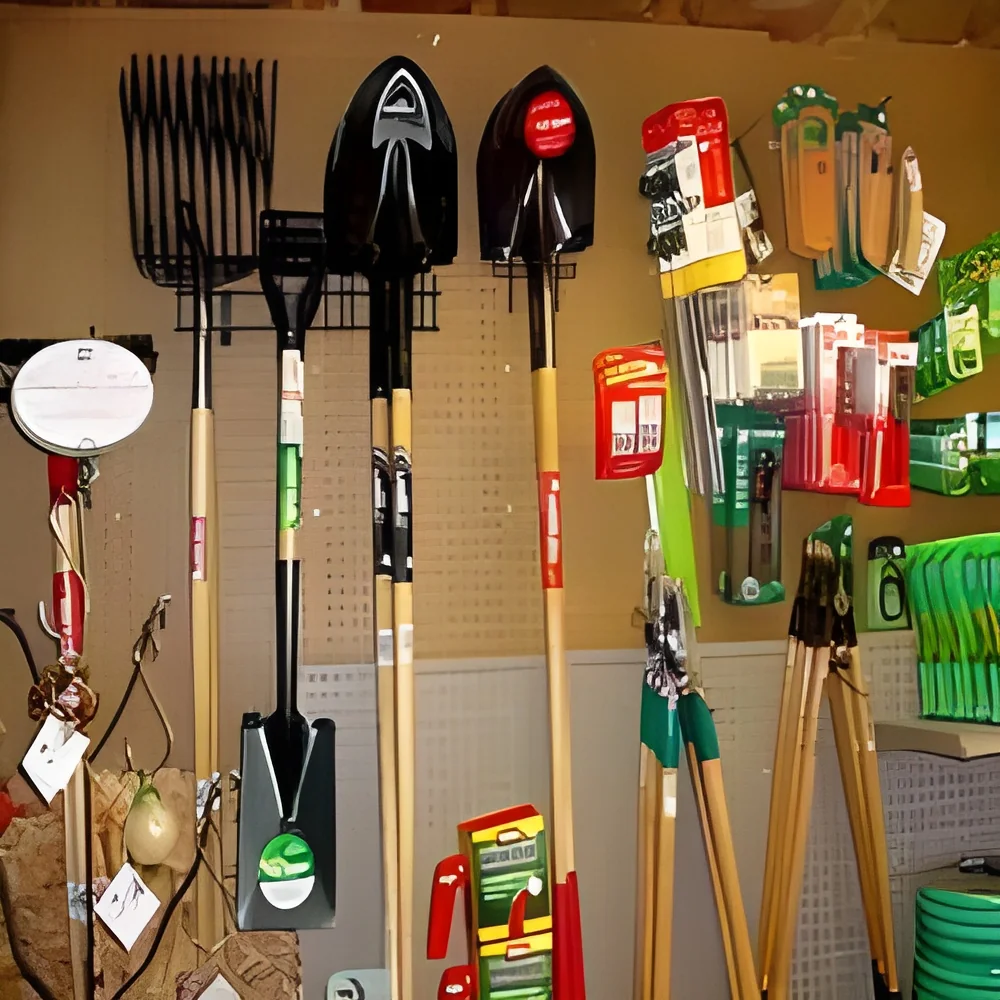
What are Garden Hoes?
Garden hoes are versatile hand tools designed for cultivating soil, removing weeds, and preparing garden beds. Characterized by a long handle and a flat blade, these tools allow users to effectively break up compacted soil and create furrows for planting. The design of a garden hoe can vary, with different blade shapes serving specific functions, making them essential for both amateur gardeners and professional landscapers.
The primary uses of garden hoes extend beyond simple gardening tasks. They are commonly used in agriculture, horticulture, and landscaping to manage soil health and promote plant growth. Businesses in these sectors rely on garden hoes to enhance productivity and reduce labor costs. In an industry where efficiency and reliability are crucial, having the right tools can significantly impact the outcome of gardening and farming projects.
The market for garden hoes is diverse, encompassing various types tailored to specific tasks and user preferences. With the growing trend towards sustainable gardening practices, the demand for high-quality garden hoes is on the rise. Companies seeking to provide their customers with effective gardening solutions are increasingly focusing on sourcing robust and ergonomically designed hoes that meet industry standards.
Key Features and Specifications
Garden hoes come with a range of features that cater to different gardening needs. Understanding these specifications is essential for selecting the right tool.
Key specifications include:
1. Blade Material
- Typically made from steel or carbon steel
- High durability and resistance to wear
2. Handle Length
- Varies from 48 inches to 60 inches
- Longer handles provide better leverage for deeper soil cultivation
3. Blade Width
- Common widths range from 6 inches to 10 inches
- Wider blades cover more ground and are suitable for larger gardens
4. Weight
- Generally weighs between 1.5 to 3 pounds
- Lightweight options reduce user fatigue during extended use
5. Blade Shape
- Available in different shapes: pointed, square, or rounded
- Each shape serves specific functions, such as weeding or soil aeration
6. Ergonomic Design
- Some models feature contoured handles
- Designed to reduce strain on hands and wrists
7. Corrosion Resistance
- Many hoes come with rust-resistant coatings
- Enhances longevity and performance in various weather conditions
Garden hoes are essential tools that combine functionality and durability, making them a valuable investment for any gardener or agricultural professional.
Common Applications and Use Cases
Garden hoes serve a variety of industries, each benefiting from their unique features and capabilities.
1. Agriculture: Farmers utilize garden hoes for soil preparation, weeding, and planting crops. They are essential for maintaining healthy soil conditions.
2. Horticulture: Professional landscapers and horticulturists rely on garden hoes to manage flower beds and ensure optimal growth for ornamental plants.
3. Gardening: Home gardeners use hoes for general maintenance, including tilling, aerating soil, and controlling weeds in vegetable and flower gardens.
4. Nursery Operations: Plant nurseries employ garden hoes to prepare planting areas and manage young plants effectively.
5. Community Gardening: Urban gardening initiatives utilize garden hoes to promote sustainable practices and foster community engagement in horticulture.
6. Landscaping Services: Landscapers incorporate hoes into their toolkit for site preparation and maintaining landscaped areas.
7. Educational Institutions: Agricultural programs use garden hoes as teaching tools to educate students about soil management and cultivation techniques.
Product Variants and Subcategories
Garden hoes come in various designs, each suited for specific gardening tasks. This diversity allows users to select tools that best fit their needs.
Standard Garden Hoe
This traditional model features a flat blade and a long handle, ideal for general gardening tasks such as weeding and soil cultivation.
Stirrup Hoe
Characterized by a triangular blade, the stirrup hoe is perfect for quickly cutting through weeds at the soil surface, making it efficient for large areas.
Draw Hoe
Designed with a wide blade and a right angle, the draw hoe allows users to push or pull the tool for effective soil turning and shaping.
Hand Hoe
A smaller version of the garden hoe, the hand hoe is perfect for tight spaces and detailed work, such as weeding around delicate plants.
Benefits and Advantages
Garden hoes offer numerous advantages that support efficient gardening practices.
Key benefits include:
1. Ergonomic Design: Many garden hoes feature handles designed to minimize user fatigue, allowing for extended use without discomfort.
2. Versatility: With various blade shapes and sizes, garden hoes can handle a wide range of tasks, from weeding to soil preparation.
3. Durability: Made from high-quality materials, garden hoes are built to withstand heavy use and resist wear over time.
4. Cost-Effectiveness: Investing in a reliable garden hoe reduces the need for multiple tools, saving costs in the long run.
5. Improved Soil Health: Regular use of garden hoes helps aerate the soil and improve drainage, promoting healthier plant growth.
6. Enhanced Productivity: By simplifying labor-intensive tasks, garden hoes increase efficiency and allow for more effective garden management.
Buying Guide for B2B Buyers
When sourcing garden hoes for business needs, several factors should be considered to ensure the best purchase decision.
1. Quality Assessment: Evaluate the materials and construction of the hoe. Look for durable blades and ergonomic handles to ensure longevity and effectiveness.
2. Supplier Verification: Vet potential suppliers to confirm their reputation and reliability. Consider checking reviews and ratings from other businesses.
3. Pricing and MOQ: Understand the pricing structure and minimum order quantities. This will help determine budget constraints and supplier options.
4. Delivery and Lead Times: Inquire about delivery schedules to ensure that the products arrive when needed. Timely delivery is crucial for maintaining project timelines.
5. Compliance Requirements: Ensure that the garden hoes meet relevant industry standards and regulations, including safety certifications, to avoid compliance issues.
Compliance and Certifications
Compliance with industry standards is vital for ensuring the quality and safety of garden hoes.
Relevant quality standards such as ISO 9001 guarantee that manufacturing processes meet rigorous quality management criteria. Additionally, industry certifications like CE indicate that products conform to European safety standards.
Safety and testing requirements must be adhered to, ensuring that tools are safe for use and free from defects. This includes assessments for materials used and structural integrity.
Regional compliance considerations may vary based on local regulations. It is essential to familiarize oneself with specific requirements to ensure that the products sourced meet all necessary legal standards.
Why Source Garden Hoes from Pepagora?
Pepagora offers a reliable platform for sourcing garden hoes with several notable advantages.
Verified Supplier Network: The platform features a curated list of verified suppliers, ensuring that buyers have access to trustworthy manufacturers. This network reduces the risk associated with sourcing products.
Streamlined RFQ Process: Pepagora simplifies the request for quotation process, making it easier for buyers to obtain competitive pricing and product information from multiple suppliers.
Trade Assurance and Support: Buyers benefit from trade assurance programs that protect their purchases, providing peace of mind during transactions. Customer support is also readily available to address any concerns.
Regional Coverage: With a strong presence in India, the GCC, and Southeast Asia, Pepagora connects buyers with suppliers across these regions, enhancing access to quality garden hoes that meet diverse market needs.

 IN
IN
 India
India