
 IN
Furniture Anchors
1 products available
What are Furniture Anchors?
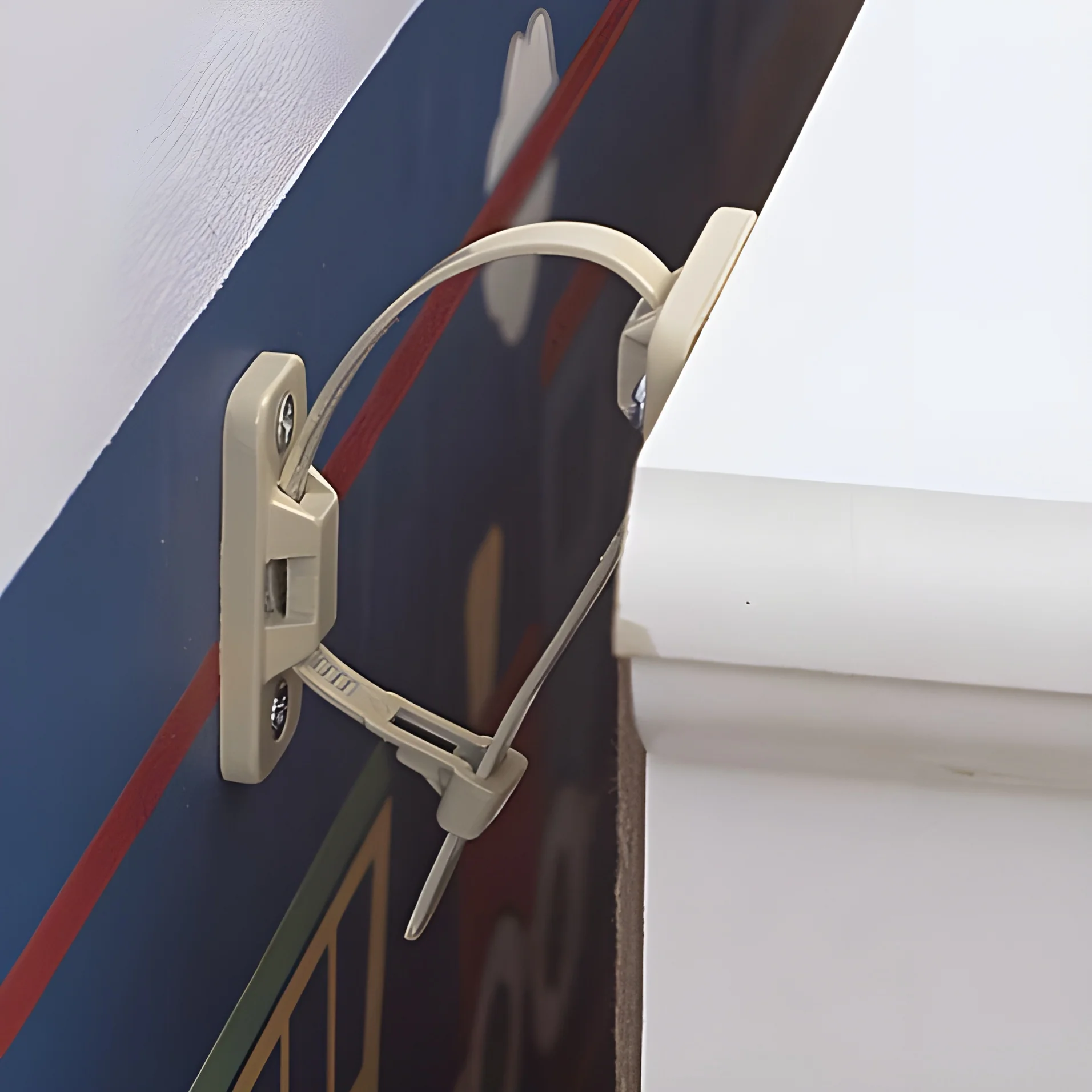
Furniture anchors are essential hardware components designed to secure furniture to walls or other structures. Their primary function is to prevent tipping or accidental movement, particularly in environments where safety is a concern. By anchoring furniture, these products help maintain stability, especially for heavy or tall items like bookshelves, cabinets, and dressers.
These anchors are commonly used in residential, commercial, and educational settings. They play a crucial role in preventing accidents, especially in homes with children or pets. Businesses such as schools, hospitals, and offices also utilize furniture anchors to ensure that their furnishings remain safe and secure. The growing awareness of safety standards in various industries has made furniture anchors increasingly relevant in the market.
The demand for furniture anchors is rising alongside the increased focus on safety regulations in many sectors. Market trends indicate a shift towards products that not only enhance aesthetics but also prioritize safety. As such, furniture anchors are becoming a vital component in the design and functionality of modern spaces.
Key Features and Specifications
Furniture anchors come with several key features that enhance their performance and usability. Understanding these specifications helps in selecting the right product for specific applications.
Key specifications include:
1. Material Composition
- Typically made from durable metals or high-strength plastics.
- Ensures longevity and resistance to wear and tear.
2. Load Capacity
- Designed to support varying weights depending on the type of anchor.
- Commonly ranges from 50 to 300 pounds for standard applications.
3. Installation Type
- Available in various installation methods such as wall-mounted or bracket-based.
- Facilitates ease of use and adaptability to different furniture styles.
4. Size Variations
- Offered in multiple sizes to accommodate different furniture dimensions.
- Ensures a secure fit for diverse applications.
5. Safety Features
- May include features like anti-tipping mechanisms or locking systems.
- Enhances overall safety by preventing accidental dislodgment.
6. Compliance Standards
- Often meets industry safety standards like CE certification.
- Ensures reliability and safety in use.
In summary, these specifications highlight the importance of choosing the right furniture anchors based on material, load capacity, and installation type, ensuring safety and compliance in various environments.
Common Applications and Use Cases
Furniture anchors serve multiple industries and applications, providing safety and stability across various environments.
1. Residential Homes: In homes, furniture anchors are used to secure tall furniture items such as bookshelves and cabinets, preventing them from tipping over, especially in households with young children.
2. Educational Institutions: Schools and daycare centers utilize furniture anchors to ensure that classroom furniture remains stable, minimizing the risk of accidents during playtime or in crowded environments.
3. Healthcare Facilities: Hospitals and clinics employ furniture anchors to secure medical equipment and furniture, helping to maintain a safe environment for patients and staff.
4. Retail Spaces: In retail settings, furniture anchors are used to stabilize display units and shelving, preventing accidents and ensuring products remain safely displayed.
5. Office Environments: Offices use furniture anchors to secure desks and cabinets, providing a safer workspace that minimizes the risk of injury from tipping furniture.
6. Hospitality Industry: Hotels and restaurants utilize furniture anchors to ensure that seating and other furniture remain stable, enhancing guest safety and comfort.
7. Public Spaces: Libraries and community centers also use furniture anchors to secure furnishings, promoting safety in high-traffic areas.
Product Variants and Subcategories
Furniture anchors come in various types, each designed for specific applications and environments.
Wall-Mounted Anchors
These anchors are designed to attach directly to the wall and are ideal for securing tall furniture. They typically feature a bracket or strap system that ensures stability.
L-Bracket Anchors
L-bracket anchors provide additional support by attaching at a right angle to both the furniture and the wall. This variant is especially useful for heavy items that require extra stability.
Expansion Anchors
These anchors expand when installed, providing a secure grip in drywall or masonry. They are suitable for a wide range of applications, from residential to commercial.
Toggle Bolt Anchors
These are ideal for heavier items and provide superior holding power in hollow walls. Toggle bolts are designed to spread the load over a larger area, enhancing stability.
Benefits and Advantages
Furniture anchors offer several key benefits that enhance safety and stability in various environments.
1. Enhanced Safety: By securing furniture, anchors significantly reduce the risk of tipping accidents, making spaces safer for children and pets.
2. Improved Stability: Anchors provide added stability for heavy and tall furniture, ensuring that items remain in place even under pressure.
3. Versatility: Available in various designs and sizes, furniture anchors can be used in multiple settings, from homes to commercial applications.
4. Compliance with Safety Standards: Using furniture anchors helps businesses meet safety regulations and standards, reducing liability and enhancing overall safety.
5. Easy Installation: Many furniture anchors come with straightforward installation instructions, allowing for quick and efficient setup.
6. Cost-Effectiveness: Investing in furniture anchors can prevent costly accidents and damage, making them a wise choice for businesses and homeowners alike.
Buying Guide for B2B Buyers
When sourcing furniture anchors, several factors should be considered to ensure the right selection.
1. Quality Assessment: Evaluate the materials and construction of the anchors. High-quality options will offer better durability and safety.
2. Supplier Verification: Verify suppliers to ensure they provide reliable products that meet industry standards. Look for reviews and certifications.
3. Pricing and MOQ: Understand the pricing structure and minimum order quantities. This helps in budgeting and ensuring you have enough inventory.
4. Delivery and Lead Times: Inquire about logistics, including delivery times. Timely delivery is essential for project planning and execution.
5. Compliance Requirements: Ensure that the furniture anchors meet necessary regulatory requirements and safety standards relevant to your industry.
Compliance and Certifications
Furniture anchors must adhere to specific quality standards to ensure safety and reliability. Key compliance standards often include ISO 9001, which emphasizes quality management systems, and CE certification, indicating that products meet European safety requirements.
Industry certifications ensure that furniture anchors are tested for performance and safety. These may include compliance with safety protocols for use in sensitive environments, such as healthcare facilities.
Safety and testing requirements are critical in verifying that anchors can withstand designated loads and stresses. Manufacturers should provide documentation of compliance with relevant standards.
Regional compliance considerations may vary, so it's important to review local regulations that may affect the use and installation of furniture anchors in specific areas.
Why Source Furniture Anchors from Pepagora?
Pepagora provides a trusted platform for sourcing furniture anchors, offering several key advantages for businesses.
Verified Supplier Network: Pepagora connects buyers with a network of pre-vetted suppliers, ensuring access to high-quality products that meet safety standards.
Streamlined RFQ Process: The platform simplifies the request for quotation process, allowing buyers to efficiently compare prices and terms from multiple suppliers.
Trade Assurance and Support: Pepagora offers buyer protection through trade assurance, ensuring that transactions are secure and reliable.
Regional Coverage: With a reach that extends across India, the GCC, and Southeast Asia, Pepagora provides comprehensive access to a diverse range of furniture anchors, catering to businesses in various geographic regions.


 India
Frequently Asked Questions
What are Furniture Anchors?
Furniture anchors are devices used to secure furniture to walls or other structures to prevent tipping or movement. They are commonly used in homes, especially for heavy or tall furniture pieces, enhancing safety and stability.
What are the different types of Furniture Anchors?
There are several types of furniture anchors, including wall anchors, adhesive anchors, and corner braces. Each type is designed for specific applications depending on the furniture's weight, height, and the surface it is being anchored to.
How do I choose the right Furniture Anchors?
To choose the right furniture anchors, consider the weight and size of the furniture, the wall type, and the anchor's load capacity. It is also important to select anchors that are easy to install and suitable for indoor or outdoor use, depending on your needs.
What are the standard specifications for Furniture Anchors?
Standard specifications for furniture anchors generally include load capacity, material type, and length. Common materials include steel, plastic, and nylon, and the specifications may vary based on the intended use and environmental conditions.
What is the price range for Furniture Anchors?
The price range for furniture anchors can vary significantly based on type and quality, typically ranging from INR 50 to INR 500 per piece. Bulk purchases may offer better pricing options.
What quality standards apply to Furniture Anchors?
Quality standards for furniture anchors often include compliance with safety regulations and durability tests. Look for anchors that meet industry standards for strength and reliability to ensure safety.
Where can I find Furniture Anchors suppliers in India?
Furniture anchors suppliers in India can be found through B2B marketplaces like Pepagora.com, hardware stores, and specialized manufacturers. Online searches can also help locate reputable suppliers and manufacturers.
Can Furniture Anchors be customized?
Yes, many manufacturers offer customization options for furniture anchors, allowing you to tailor them to specific requirements. Customization may include variations in size, material, or load capacity.
What is the typical minimum order quantity for Furniture Anchors?
The typical minimum order quantity (MOQ) for furniture anchors can vary by supplier, often ranging from 50 to 100 pieces. It's advisable to check with individual suppliers for their specific MOQs.
What is the typical lead time for Furniture Anchors?
The typical lead time for furniture anchors can range from a few days to several weeks, depending on the supplier, order size, and whether the items are in stock. It's best to confirm lead times directly with the supplier.
Why Businesses Trust Pepagora
Thousands of companies trust Pepagora to source smarter and sell faster
Expand Your Sales Globally

Source Smarter,Grow Faster
