
 IN
Frozen Sweet Corn
2 products available
What are Frozen Sweet Corn?
Frozen sweet corn is a popular processed agricultural product made from harvested corn kernels that are quickly blanched and frozen to preserve their flavor, color, and nutritional value. This freezing process locks in the freshness, allowing for year-round availability. The product is known for its sweet taste and tender texture, making it a favorite for many culinary applications.
Frozen sweet corn is widely used in various sectors, including food service, retail, and food manufacturing. It is commonly found in frozen vegetable mixes, soups, salads, and side dishes. Restaurants and caterers appreciate its convenience and long shelf life, while food manufacturers utilize it as an ingredient in prepared meals and snacks. The growing demand for healthy and convenient food options has positioned frozen sweet corn as a staple in both home and commercial kitchens.
The market for frozen sweet corn continues to expand, driven by rising consumer preferences for frozen vegetables over canned products. This shift is largely due to perceptions of better taste and nutritional benefits. As the food industry evolves, frozen sweet corn remains relevant, serving as a versatile ingredient suitable for diverse culinary creations.
Key Features and Specifications
Frozen sweet corn offers several key features that contribute to its quality and versatility. Understanding these specifications is essential for businesses looking to incorporate this product into their offerings.
Key specifications include:
1. Quality Standards
- Typically adheres to industry standards such as CE certification.
- Ensures safe consumption and quality assurance.
2. Packaging Options
- Available in various packaging sizes, including bulk and retail packaging.
- Designed to maintain freshness and facilitate easy handling.
3. Shelf Life
- Generally has a shelf life of 12 to 24 months when stored properly.
- Requires consistent freezing conditions to prevent quality degradation.
4. Nutritional Content
- Rich in vitamins A, C, and dietary fiber.
- Provides a low-calorie option for health-conscious consumers.
5. Processing Method
- Usually blanched before freezing to retain color and nutrients.
- Processed in facilities that comply with safety regulations.
6. Flavor Profile
- Characterized by a sweet and slightly nutty flavor.
- Maintains natural sweetness due to quick freezing.
In summary, frozen sweet corn is a high-quality product that meets various industry standards, making it suitable for multiple applications.
Common Applications and Use Cases
Frozen sweet corn is utilized across several industries, demonstrating its versatility and appeal.
1. Food Service: Restaurants and catering services use frozen sweet corn as a quick ingredient for side dishes and salads, allowing chefs to create flavorful meals without compromising on quality.
2. Retail: Grocery stores often stock frozen sweet corn to meet consumer demand for convenient, nutritious meal options. It is commonly sold in family-sized bags for easy preparation at home.
3. Food Manufacturing: Processors incorporate frozen sweet corn into frozen meals, soups, and snacks, capitalizing on its flavor and texture to enhance product offerings.
4. Institutional Catering: Schools and hospitals utilize frozen sweet corn due to its ease of preparation and long shelf life, ensuring that nutritious meals can be served consistently.
5. Meal Kits: Companies producing meal kits often include frozen sweet corn as a complementary ingredient for recipes, catering to consumers seeking convenient cooking solutions.
6. Snack Foods: Frozen sweet corn can be used in the production of snacks, such as corn fritters and mixed vegetable chips, appealing to health-conscious snackers.
7. Frozen Dinners: Many frozen dinner brands feature sweet corn as part of vegetable medleys, making it a staple in convenient meal options.
Product Variants and Subcategories
Frozen sweet corn is available in diverse forms to meet different consumer and business needs.
Whole Kernel Corn
This variant consists of individual kernels that are frozen directly after blanching. It is ideal for use in salads, soups, and as a side dish.
Cream Style Corn
This variant is pureed and mixed with a small amount of liquid to create a creamy texture, making it perfect for use in casseroles and side dishes.
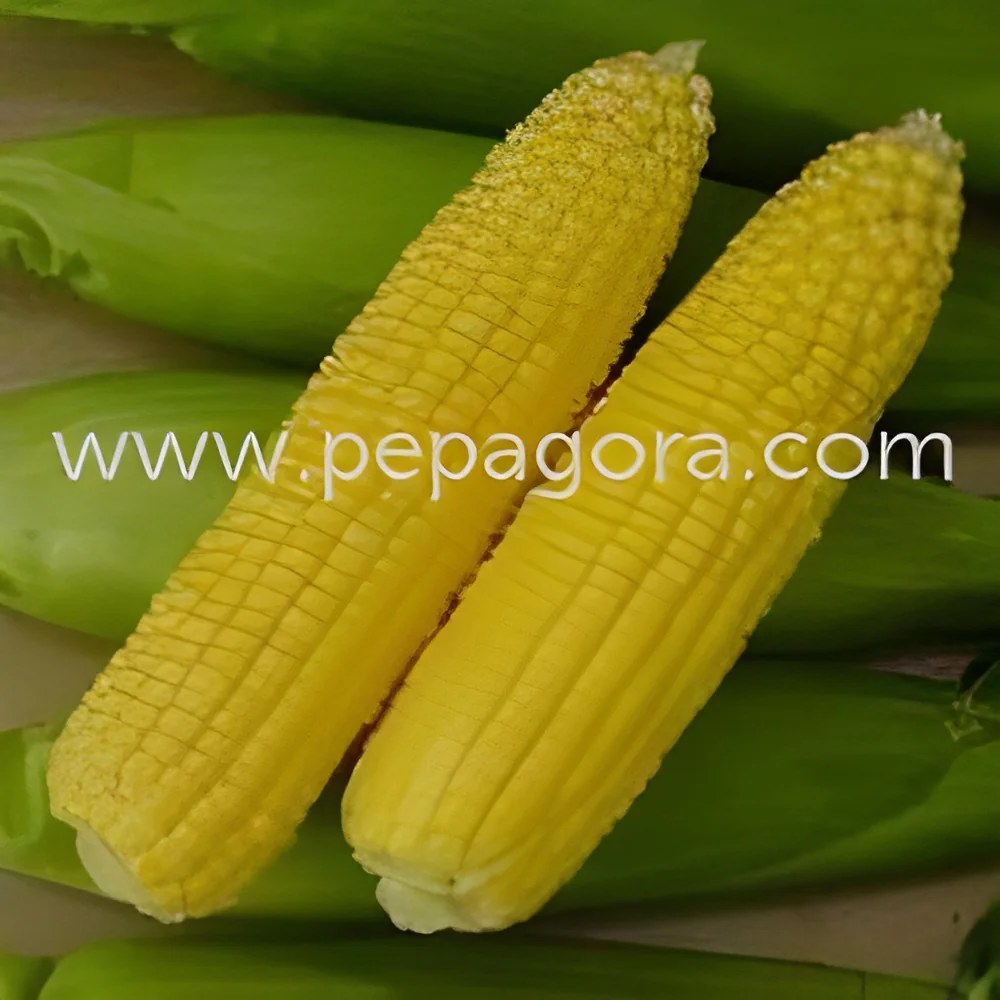
Corn on the Cob
This variant features whole ears of corn that are frozen to preserve their natural sweetness. It is a favorite for grilling and barbecues.
Benefits and Advantages
Frozen sweet corn offers numerous benefits that make it an attractive option for B2B buyers.
1. Convenience: Frozen sweet corn saves preparation time, allowing businesses to serve customers quickly without sacrificing quality.
2. Long Shelf Life: With a shelf life of up to two years, frozen sweet corn reduces food waste and ensures availability for extended periods.
3. Nutritional Value: Frozen sweet corn retains its essential vitamins and minerals, making it a healthy choice for various meals.
4. Cost-Effectiveness: Bulk purchasing options provide cost savings for businesses, making it a budget-friendly ingredient.
5. Versatility: Its sweet flavor and adaptable texture make frozen sweet corn suitable for a wide range of dishes across different cuisines.
6. Year-Round Availability: Unlike fresh corn, frozen sweet corn is available throughout the year, ensuring consistent supply regardless of season.
Buying Guide for B2B Buyers
When sourcing frozen sweet corn, B2B buyers should consider several key factors to ensure they make informed purchasing decisions.
1. Quality Assessment: Look for suppliers that meet industry standards and certifications. Ensure that the product has undergone quality checks to guarantee safety and freshness.
2. Supplier Verification: Research potential suppliers through reviews and ratings. Verify their credibility and reliability to ensure a consistent supply chain.
3. Pricing and MOQ: Understand the pricing structure and minimum order quantities (MOQ) required by suppliers. Compare costs to ensure competitive pricing without compromising quality.
4. Delivery and Lead Times: Inquire about delivery schedules and lead times to ensure that the product arrives when needed. Timely logistics are crucial for maintaining inventory levels.
5. Compliance Requirements: Be aware of any regional regulations and compliance requirements concerning food safety and labeling. Ensure that the supplier adheres to relevant laws to avoid potential issues.
Compliance and Certifications
Frozen sweet corn must adhere to specific quality and safety standards to ensure its suitability for consumption. Common certifications include ISO 9001 for quality management systems and HACCP for food safety management. These standards guide suppliers in maintaining high-quality processing and handling practices.
In addition to quality certifications, industry-specific certifications like CE provide assurance of compliance with European safety regulations. Buyers should also consider safety and testing requirements that verify the product's safety for consumption.
Regional compliance is vital as different countries may have unique regulations regarding frozen food products. Buyers should ensure that their suppliers meet local standards to facilitate smooth importing and distribution.
Why Source Frozen Sweet Corn from Pepagora?
Pepagora offers a reliable platform for sourcing frozen sweet corn, bringing several advantages to B2B buyers.
Verified Supplier Network: Pepagora provides access to a network of verified suppliers, ensuring that buyers can source high-quality products from reputable sources.
Streamlined RFQ Process: The request for quotation process on Pepagora is designed to be user-friendly, allowing buyers to receive competitive pricing and quick responses from suppliers.
Trade Assurance and Support: Pepagora offers trade assurance to protect buyers, providing support throughout the sourcing process to address any concerns or challenges.
Regional Coverage: With a strong presence in India, GCC countries, and Southeast Asia, Pepagora ensures that buyers can access frozen sweet corn from diverse suppliers across multiple regions, enhancing sourcing flexibility.

 India

Frequently Asked Questions
What are Frozen Sweet Corn?
Frozen Sweet Corn refers to kernels of corn that are harvested at their peak ripeness, blanched, and quickly frozen to preserve their flavor, texture, and nutritional value. This product is commonly used in a variety of culinary applications, from salads to main dishes.
What are the different types of Frozen Sweet Corn?
Different types of Frozen Sweet Corn include whole kernel corn, creamed corn, and corn on the cob. Each type varies in preparation and presentation, catering to diverse culinary needs and preferences.
How do I choose the right Frozen Sweet Corn?
When choosing Frozen Sweet Corn, consider factors such as the form (whole kernel, creamed, etc.), packaging, and the source of the corn. Additionally, check for certifications and quality indicators to ensure you are selecting a premium product.
What are the standard specifications for Frozen Sweet Corn?
Standard specifications for Frozen Sweet Corn typically include moisture content, size grading, and the absence of foreign materials. It's essential to adhere to food safety regulations and quality benchmarks set by relevant authorities.
What is the price range for Frozen Sweet Corn?
The price range for Frozen Sweet Corn can vary based on factors like quality, packaging, and supplier. Generally, prices may start from a few hundred rupees per kilogram and can go up depending on the specifications and market demand.
What quality standards apply to Frozen Sweet Corn?
Quality standards for Frozen Sweet Corn include compliance with FSSAI regulations and adherence to international food safety standards. These standards ensure that the product is safe for consumption and meets the expected quality parameters.
Where can I find Frozen Sweet Corn suppliers in India?
Frozen Sweet Corn suppliers in India can be found on various B2B marketplaces, including Pepagora.com. These platforms provide a wide range of suppliers, allowing you to compare products and services to find the best fit for your needs.
Can Frozen Sweet Corn be customized?
Yes, Frozen Sweet Corn can be customized based on specific customer requirements, such as packaging or blending with other ingredients. Many manufacturers offer tailored solutions to meet the diverse needs of their clients.
What is the typical minimum order quantity for Frozen Sweet Corn?
The typical minimum order quantity (MOQ) for Frozen Sweet Corn can vary by supplier but usually ranges from 100 to 500 kilograms. It is advisable to confirm the MOQ with the supplier before placing an order.
What is the typical lead time for Frozen Sweet Corn?
The typical lead time for Frozen Sweet Corn orders can range from a few days to several weeks, depending on the supplier's inventory and production capacity. It's important to discuss timelines with the supplier to ensure timely delivery.
Why Businesses Trust Pepagora
Thousands of companies trust Pepagora to source smarter and sell faster
Expand Your Sales Globally

Source Smarter,Grow Faster
