
 IN
Frozen Spring Rolls
2 products available
What are Frozen Spring Rolls?
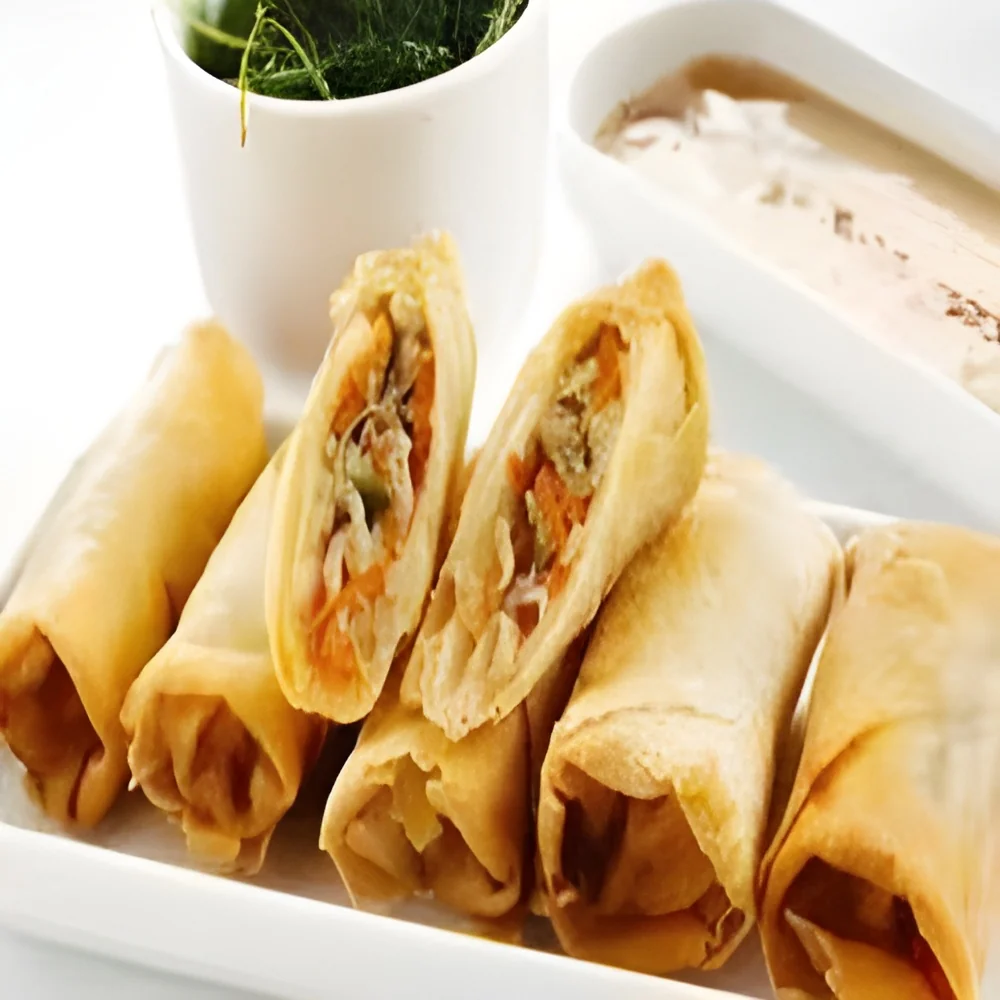
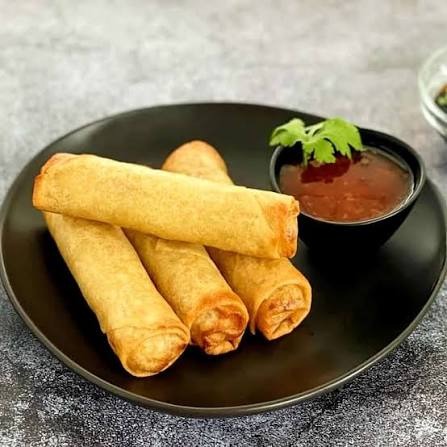
Frozen spring rolls are a popular Asian appetizer made from thin pastry wrappers filled with a variety of ingredients. These rolls are typically filled with vegetables, meats, or a combination of both, then rolled tightly and flash-frozen to preserve freshness. They are versatile, easy to prepare, and can be cooked in various ways, including frying, baking, or steaming.
In the B2B context, frozen spring rolls are widely used in restaurants, catering services, and foodservice establishments. Their convenience allows for quick preparation and serving, making them an ideal choice for busy kitchens. Additionally, they can be customized to fit specific dietary preferences or culinary themes, making them a valuable addition to any menu.
The market for frozen spring rolls is growing, driven by the increasing demand for convenient and ready-to-eat food products. As more consumers seek diverse dining experiences, businesses are expanding their offerings to include international flavors. This trend highlights the relevance of frozen spring rolls in the food industry, as they cater to both traditional tastes and contemporary culinary innovations.
Key Features and Specifications
Frozen spring rolls come with a range of features and specifications designed to meet the needs of various foodservice applications. Their quality and consistency are essential to ensure customer satisfaction.
Key specifications include:
1. Ingredients
- Typically made with wheat flour, water, and various fillings
- May contain vegetables, meats, or seafood
2. Size and Dimensions
- Standard lengths range from 2 to 6 inches
- Width varies depending on the filling and manufacturer
3. Packaging
- Available in bulk packaging or retail-ready packs
- Designed for easy storage and handling
4. Cooking Methods
- Suitable for frying, baking, or steaming
- Specific instructions for each method are usually provided
5. Shelf Life
- Typically 12 months when stored at -18°C or below
- Recommended to check packaging for specific expiration dates
6. Allergens
- Common allergens may include gluten, soy, or shellfish
- Clear labeling to inform consumers of potential allergens
7. Nutritional Information
- Varies by recipe but generally includes calories, fat content, and sodium levels
- Nutritional labeling is often provided for compliance
In summary, understanding the key features and specifications of frozen spring rolls helps buyers make informed decisions based on their operational needs.
Common Applications and Use Cases
Frozen spring rolls are utilized across various industries, showcasing their versatility and appeal.
1. Restaurants: Many restaurants incorporate frozen spring rolls into their appetizer menus, serving them as a popular starter or snack.
2. Catering Services: Catering companies often use frozen spring rolls for events, offering a convenient and customizable option for large gatherings.
3. Food Trucks: Food trucks frequently feature frozen spring rolls as part of their unique offerings, capitalizing on their ease of preparation and portability.
4. Supermarkets: Retailers sell frozen spring rolls in their frozen food aisles, providing consumers with a quick meal solution.
5. Bars and Pubs: Many bars and pubs serve frozen spring rolls as finger food, enhancing their menu with a variety of dipping sauces.
6. Hospitality Industry: Hotels and resorts often include frozen spring rolls in their buffet offerings, appealing to diverse tastes and preferences.
7. Schools and Institutions: Educational institutions may use frozen spring rolls in their meal programs, providing students with a tasty and nutritious option.
Product Variants and Subcategories
Frozen spring rolls come in various forms to meet different culinary preferences and market demands.
Vegetable Spring Rolls: These variants are filled with a mix of fresh vegetables, providing a vegetarian option. They are often enjoyed with dipping sauces and are a popular choice for health-conscious consumers.
Chicken Spring Rolls: Featuring shredded chicken and aromatic spices, these spring rolls cater to those looking for a meatier option. They are ideal for cafes and casual dining establishments.
Shrimp Spring Rolls: Packed with shrimp and often complemented by vegetables, these spring rolls appeal to seafood lovers. They are a great addition to seafood-themed menus.
Mini Spring Rolls: Smaller versions of traditional spring rolls, mini spring rolls are perfect for tapas-style dining or as bite-sized appetizers for events.
Benefits and Advantages
Selecting frozen spring rolls offers numerous benefits to B2B buyers.
1. Convenience: Frozen spring rolls are easy to store and prepare, allowing for quick service in busy kitchens.
2. Versatility: Their adaptability to different cooking methods and fillings makes them suitable for a variety of cuisines and occasions.
3. Consistency: Frozen spring rolls maintain quality and taste, ensuring a reliable product for restaurants and vendors.
4. Cost-Effective: Purchasing frozen spring rolls in bulk can reduce food costs while providing high-quality menu items.
5. Customization: Many suppliers offer customization options, allowing businesses to create unique flavors that cater to their target market.
6. Appeal: The visual and culinary appeal of spring rolls can enhance a menu, attracting customers looking for unique dining experiences.
Buying Guide for B2B Buyers
When sourcing frozen spring rolls, there are several important factors to consider.
1. Quality Assessment: Evaluating the quality of ingredients and manufacturing processes is crucial. Look for products that meet industry standards and have positive reviews.
2. Supplier Verification: Vetting suppliers ensures reliability and consistency. Check for certifications and their track record in the industry.
3. Pricing and MOQ: Understand the pricing structure and minimum order quantities. Compare different suppliers to find the best value for your business.
4. Delivery and Lead Times: Timely delivery is essential for maintaining inventory levels. Discuss lead times with suppliers to ensure they align with your operational needs.
5. Compliance Requirements: Be aware of regional regulations and compliance standards. Ensure that the products meet safety and labeling requirements.
Compliance and Certifications
Frozen spring rolls are subject to various compliance and certification standards that ensure product safety and quality.
ISO 9001 is a key quality management standard that applies to food manufacturers. Adhering to this standard ensures that production processes are efficient and consistent.
HACCP, or Hazard Analysis and Critical Control Points, is a systematic approach to food safety. It helps identify and manage potential hazards in the production of frozen spring rolls.
CE certification indicates that the product meets European health, safety, and environmental protection standards. This certification is essential for products sold in the European market.
Safety and testing requirements are critical in ensuring that frozen spring rolls are free from contaminants and safe for consumption. Regular testing and quality checks are necessary.
Regional compliance considerations may also apply, particularly regarding local food safety regulations. Businesses should ensure that suppliers are compliant with the relevant standards in their area.
Why Source Frozen Spring Rolls from Pepagora?
Pepagora provides a trusted platform for sourcing frozen spring rolls, offering several key advantages to B2B buyers.
Verified Supplier Network: Pepagora connects buyers with a network of verified suppliers, ensuring that all products meet stringent quality standards. This network helps streamline the sourcing process and minimizes risks.
Streamlined RFQ Process: The request for quotation (RFQ) process on Pepagora is designed to be efficient, allowing buyers to quickly obtain pricing and availability information from multiple suppliers. This feature supports informed decision-making.
Trade Assurance and Support: Buyers benefit from trade assurance measures that protect their purchases. This added layer of security provides peace of mind when sourcing products.
Regional Coverage: Pepagora has a wide geographic reach, covering markets in India, the GCC, and Southeast Asia. This extensive network ensures that buyers can find suitable suppliers regardless of location.
Choosing Pepagora for frozen spring rolls not only simplifies the sourcing process but also enhances the overall purchasing experience for businesses looking to expand their menu offerings.

 India
 India
Frequently Asked Questions
What are Frozen Spring Rolls?
Frozen Spring Rolls are pre-prepared snacks made from a mixture of vegetables, meat, or seafood, wrapped in a thin pastry. They are typically deep-fried or baked before serving and are stored in a frozen state to preserve freshness and flavor.
What are the different types of Frozen Spring Rolls?
There are various types of Frozen Spring Rolls, including vegetarian, chicken, shrimp, and mixed varieties. Each type may feature different fillings and flavors, catering to diverse culinary preferences.
How do I choose the right Frozen Spring Rolls?
When selecting Frozen Spring Rolls, consider the filling ingredients, cooking methods, and any dietary restrictions. Additionally, reviewing product labels for nutritional information and sourcing from reputable suppliers can help ensure quality.
What are the standard specifications for Frozen Spring Rolls?
Standard specifications for Frozen Spring Rolls typically include size, weight, and ingredient composition. Commonly, they are made with a specific pastry thickness and filled with a predetermined ratio of ingredients to maintain consistency.
What is the price range for Frozen Spring Rolls?
The price range for Frozen Spring Rolls can vary widely based on factors such as brand, quality, and ingredient sourcing. Generally, prices may range from INR 200 to INR 800 per kilogram, depending on the supplier and type.
What quality standards apply to Frozen Spring Rolls?
Frozen Spring Rolls must adhere to food safety regulations and quality standards set by local authorities. This includes guidelines on hygiene, shelf life, and labeling, ensuring that the products are safe for consumption.
Where can I find Frozen Spring Rolls suppliers in India?
You can find Frozen Spring Rolls suppliers in India through online B2B marketplaces, food trade shows, and local food distributors. Platforms like Pepagora.com offer a variety of suppliers specializing in frozen food products.
Can Frozen Spring Rolls be customized?
Yes, many manufacturers offer customization options for Frozen Spring Rolls. This can include specific fillings, sizes, and packaging according to client preferences or dietary requirements.
What is the typical minimum order quantity for Frozen Spring Rolls?
The typical minimum order quantity (MOQ) for Frozen Spring Rolls varies by supplier but usually ranges from 10 to 100 kilograms. It is advisable to confirm the MOQ with individual suppliers before placing an order.
What is the typical lead time for Frozen Spring Rolls?
The typical lead time for Frozen Spring Rolls can range from 1 to 4 weeks, depending on the supplier and order size. Factors such as customization and shipping distance may also influence the lead time.
Why Businesses Trust Pepagora
Thousands of companies trust Pepagora to source smarter and sell faster
Expand Your Sales Globally

Source Smarter,Grow Faster
