
 IN
Frozen Chicken (Whole, Cuts)
6 products available
Key Features and Specifications
Frozen chicken products come with a variety of features and specifications that cater to different business requirements. These specifications ensure that the products meet quality standards and are suitable for various applications.
Key specifications include:
1. Quality Assurance
- Frozen chicken must adhere to stringent quality control measures.
- Common standards include freshness, flavor, and texture.
2. Packaging Requirements
- Products are typically vacuum-sealed for optimal freshness.
- Packaging must be durable to withstand transportation and storage.
3. Temperature Control
- Frozen chicken should be stored at -18 degrees Celsius or lower to maintain quality.
- Temperature monitoring during storage and transport is crucial.
4. Shelf Life
- Frozen chicken generally has a shelf life of 12 months from the date of freezing.
- Proper storage conditions can help maximize this timeframe.
5. Cut Variability
- Available cuts include whole birds, breasts, thighs, wings, and drumsticks.
- Each cut may have specific handling and cooking requirements.
6. Compliance Standards
- Must comply with food safety regulations such as HACCP and FDA guidelines.
- Certifications like CE ensure adherence to industry standards.
7. Allergen Information
- Should be labeled to inform consumers of potential allergens.
- Important for compliance with food safety regulations.
8. Traceability
- Products should include information on the source and processing.
- Essential for quality assurance and recall management.
In summary, understanding these features and specifications helps businesses select the right frozen chicken products for their needs, ensuring they meet quality, safety, and operational standards.
Common Applications and Use Cases
Frozen chicken products serve various industries, each with unique applications that leverage the benefits of frozen meat.
1. Food Service: Restaurants and catering services rely on frozen chicken for menu items. The convenience of frozen products allows for easy storage and preparation.
2. Retail Grocery: Grocery stores offer frozen chicken to consumers looking for convenient meal options. This category is popular due to its versatility and long shelf life.
3. Meal Preparation Services: Businesses that provide meal prep solutions frequently use frozen chicken for its consistent quality and ease of portioning.
4. Fast Food Chains: Fast food outlets utilize frozen chicken for quick service meals, ensuring product availability and cost control.
5. Institutional Catering: Schools and hospitals use frozen chicken in large-scale meal programs, benefiting from bulk purchasing and longer shelf-life.
6. Export Markets: Countries with limited access to fresh poultry often import frozen chicken, providing a vital protein source.
7. Food Processing: Manufacturers of processed foods use frozen chicken as an ingredient in products like soups, sauces, and ready-to-eat meals.
Product Variants and Subcategories
Frozen chicken comes in a range of variants to meet diverse customer needs. The flexibility in options allows businesses to select products that best fit their operations.
Whole Chicken
This variant is typically sold whole, offering versatility for various cooking methods. Whole chickens are ideal for roasting or grilling, making them a favorite for family meals or larger gatherings.
Chicken Breasts
Boneless and skinless chicken breasts are a popular choice for health-conscious consumers. They are easy to prepare and can be used in a variety of dishes, from salads to stir-fries.
Chicken Thighs
These cuts provide a richer flavor and are often more affordable than breasts. Thighs are ideal for slow-cooking or grilling, making them a staple in many cuisines.
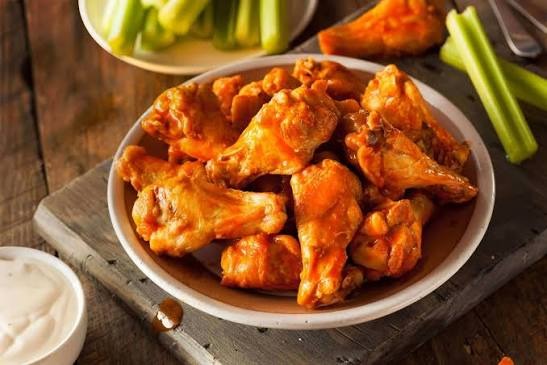
Chicken Wings
Perfect for appetizers or snacks, chicken wings are a favorite for parties and gatherings. They can be prepared in various styles, including buffalo, teriyaki, or grilled.
Drumsticks
This cut is popular for its flavor and ease of cooking. Drumsticks are often used in family meals and are well-suited for baking or frying.
Benefits and Advantages
Sourcing frozen chicken offers numerous benefits that can enhance operational efficiency and customer satisfaction.
1. Cost-Effectiveness: Frozen chicken typically offers lower prices compared to fresh alternatives, making it an economical choice for businesses.
2. Extended Shelf Life: The freezing process allows for a longer shelf life, reducing waste and ensuring product availability.
3. Convenient Storage: Frozen chicken requires less frequent deliveries and can be stored easily, streamlining inventory management.
4. Versatile Applications: Products can be used in a wide range of recipes, appealing to diverse consumer preferences.
5. Consistent Quality: Frozen chicken maintains its quality over time, ensuring a reliable product for food preparation.
6. Health Benefits: Frozen chicken retains its nutritional value, offering a healthy protein option for consumers.
Buying Guide for B2B Buyers
When sourcing frozen chicken, it is essential for businesses to consider several key factors to ensure they make informed purchasing decisions.
1. Quality Assessment: Buyers should evaluate the quality of frozen chicken based on color, texture, and packaging integrity. Conducting sensory evaluations can help determine product suitability.
2. Supplier Verification: It is crucial to vet suppliers for reliability and compliance with food safety regulations. Checking references and certifications can help ensure quality sourcing.
3. Pricing and MOQ: Understanding pricing structures and minimum order quantities is essential for budget planning. Comparing quotes from multiple suppliers can help identify the best value.
4. Delivery and Lead Times: Buyers should inquire about delivery schedules and lead times to ensure they can meet their operational needs without interruptions.
5. Compliance Requirements: Familiarity with regulatory requirements, including food safety standards and labeling, is important to avoid compliance issues and ensure product safety.
Compliance and Certifications
Compliance with quality standards is critical in the frozen chicken industry to ensure safety and consumer trust. Relevant standards include ISO 9001, which focuses on quality management systems, and HACCP, which identifies and controls food safety hazards.
Industry certifications, such as CE, demonstrate compliance with European health, safety, and environmental protection standards. These certifications are essential for suppliers looking to enter international markets and assure buyers of product safety and quality.
Safety and testing requirements also play a significant role in the sourcing of frozen chicken. Regular testing for pathogens and contaminants is crucial to maintaining high safety standards. Additionally, regional compliance considerations may vary, requiring businesses to stay informed about specific local regulations.
Why Source Frozen Chicken (Whole, Cuts) from Pepagora?
Pepagora offers a trusted platform for sourcing frozen chicken with several key advantages that benefit B2B buyers.
Verified Supplier Network: Pepagora maintains a network of verified suppliers to ensure product quality and reliability. This verification process helps buyers find trustworthy partners in the frozen chicken market.
Streamlined RFQ Process: The request for quotation (RFQ) system simplifies the procurement process, allowing buyers to request quotes from multiple suppliers quickly. This efficiency saves time and helps in making informed purchasing decisions.
Trade Assurance and Support: Pepagora provides buyer protection through trade assurance, ensuring that transactions are secure. This support helps mitigate risks associated with sourcing products online.
Regional Coverage: With a focus on India, the GCC, and Southeast Asia, Pepagora offers geographic reach that meets the sourcing needs of businesses in these regions. This broad coverage facilitates access to diverse product offerings and supplier options.

 India

 India
 India
Frequently Asked Questions
What are Frozen Chicken (Whole, Cuts)?
Frozen Chicken (Whole, Cuts) refers to chicken that has been processed and frozen to preserve its freshness. This category includes whole chickens as well as various cuts such as breasts, thighs, wings, and drumsticks, making it versatile for different culinary applications.
What are the different types of Frozen Chicken (Whole, Cuts)?
The different types of Frozen Chicken include whole chickens, chicken breasts, thighs, wings, and drumsticks. Additionally, there are options for boneless cuts and marinated varieties, catering to different cooking preferences and recipes.
How do I choose the right Frozen Chicken (Whole, Cuts)?
When choosing Frozen Chicken, consider factors such as the cut type, packaging, and brand reputation. It's also important to check for any certifications or quality guarantees to ensure you're purchasing high-quality meat.
What are the standard specifications for Frozen Chicken (Whole, Cuts)?
Standard specifications for Frozen Chicken include criteria such as weight, packaging type, and storage temperature. Typically, chicken should be stored at or below -18°C to maintain its quality and safety.
What is the price range for Frozen Chicken (Whole, Cuts)?
The price range for Frozen Chicken varies based on factors like cut type, brand, and quantity purchased. Generally, prices can range from INR 120 to INR 300 per kg, depending on these variables.
What quality standards apply to Frozen Chicken (Whole, Cuts)?
Quality standards for Frozen Chicken are regulated by food safety authorities and typically include guidelines for hygiene, processing, and storage. Ensure that the supplier adheres to standards such as FSSAI certification in India.
Where can I find Frozen Chicken (Whole, Cuts) suppliers in India?
You can find Frozen Chicken suppliers in India through online B2B marketplaces, local distributors, and food service wholesalers. Websites like Pepagora.com can help connect you with reputable suppliers.
Can Frozen Chicken (Whole, Cuts) be customized?
Yes, some suppliers offer customization options for Frozen Chicken, such as specific cuts or marination preferences. It's advisable to discuss your requirements directly with the supplier to see what can be accommodated.
What is the typical minimum order quantity for Frozen Chicken (Whole, Cuts)?
The typical minimum order quantity (MOQ) for Frozen Chicken can vary by supplier, but it generally ranges from 10 kg to 100 kg. Always check with the supplier for specific MOQs before placing an order.
What is the typical lead time for Frozen Chicken (Whole, Cuts)?
The typical lead time for Frozen Chicken orders can range from 3 to 7 days, depending on the supplier's location and stock availability. It is recommended to confirm the lead time when placing your order.
Why Businesses Trust Pepagora
Thousands of companies trust Pepagora to source smarter and sell faster
Expand Your Sales Globally

Source Smarter,Grow Faster
