
 IN
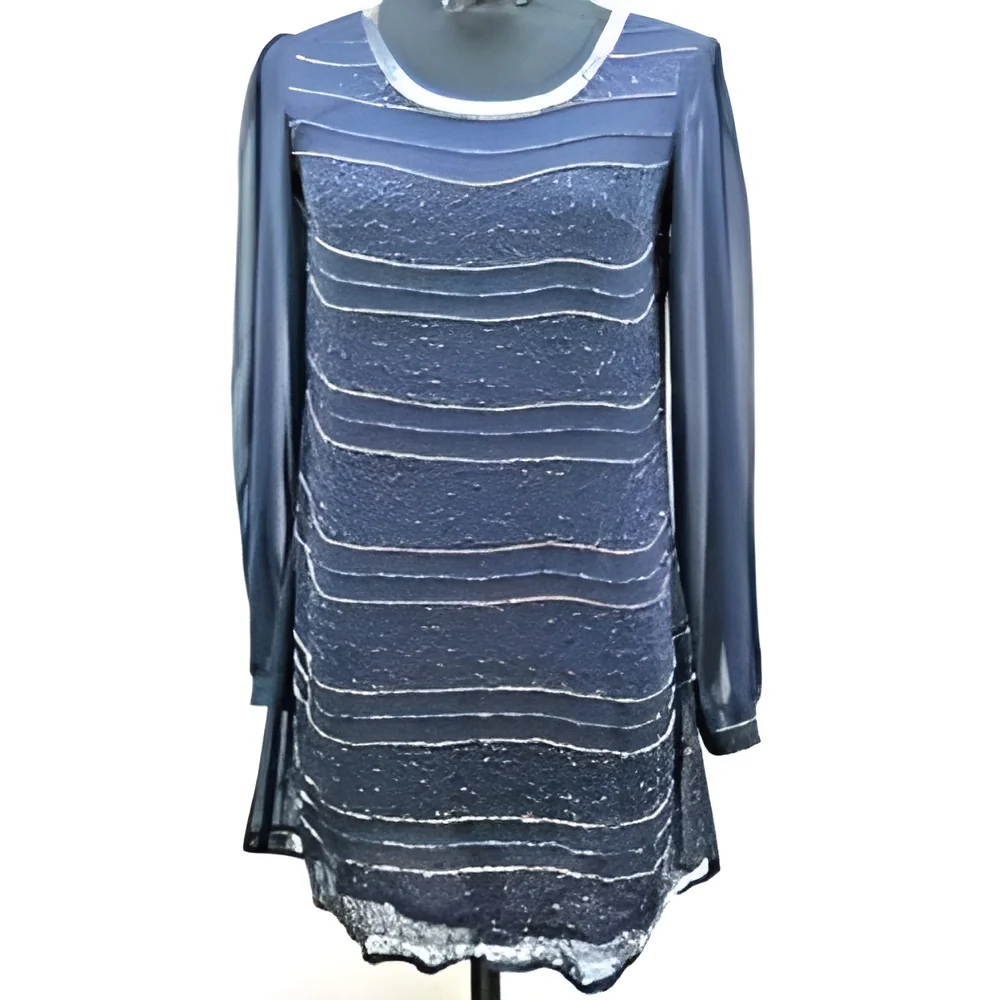
Embroidered Kurtis
4 products available
What are Embroidered Kurtis?
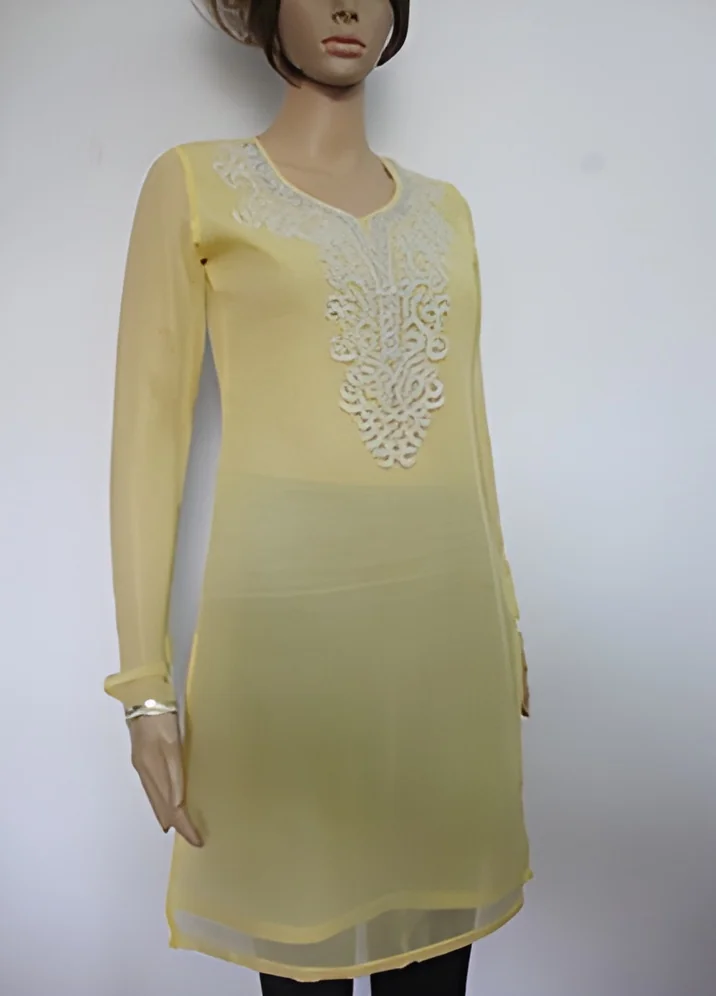
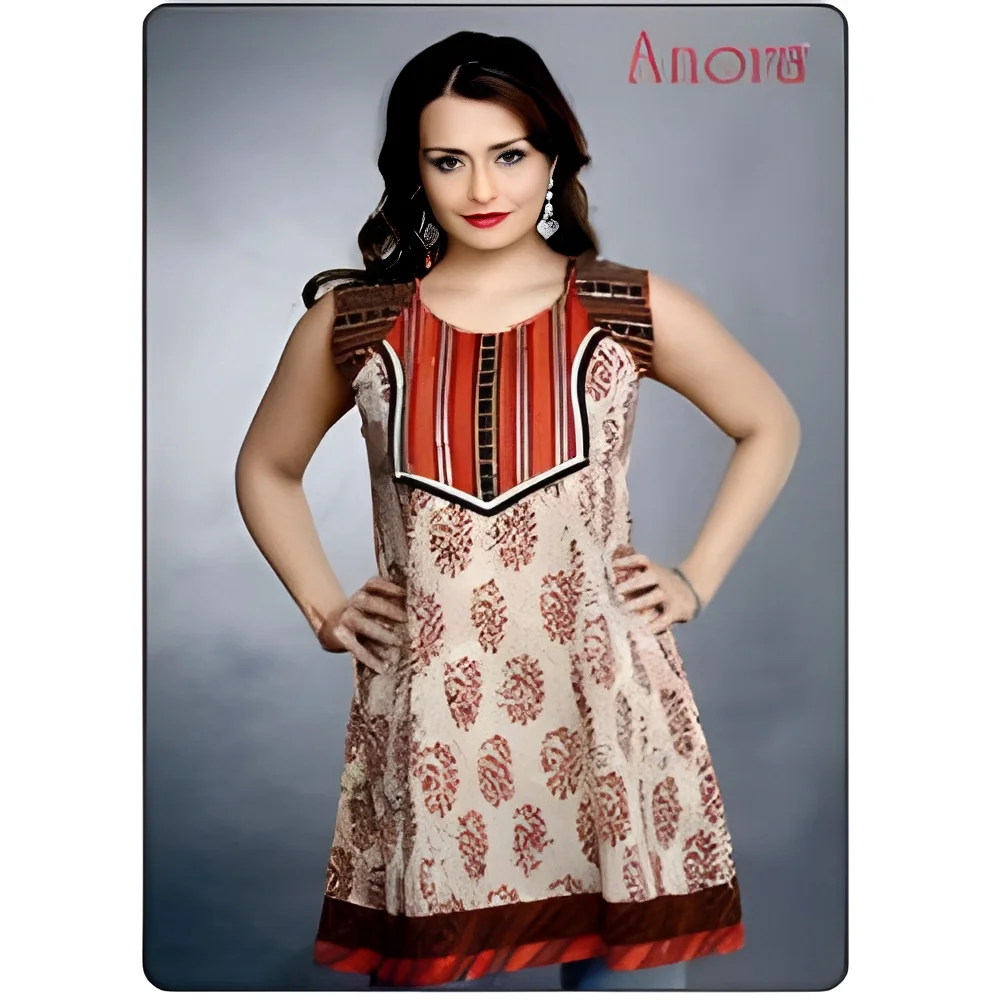
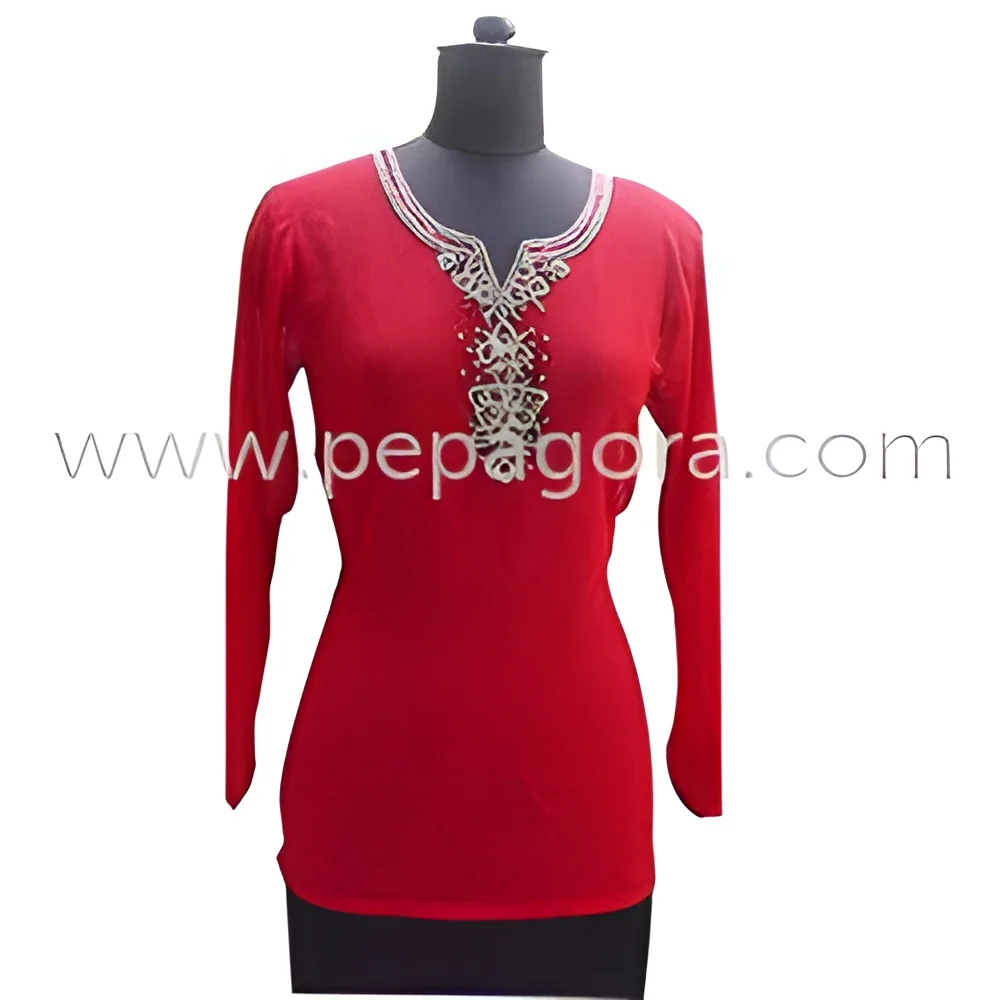
Embroidered Kurtis are traditional Indian garments characterized by intricate embroidery designs that adorn their fabric. Typically worn by women, these kurtis blend comfort with style, making them a popular choice for both casual and formal occasions. The embroidery can range from simple patterns to elaborate motifs, often reflecting regional art forms and cultural influences.
These garments are widely used in the fashion industry, retail outlets, and during festive events. Businesses often source embroidered kurtis for bulk resale, catering to customers looking for quality ethnic wear. Additionally, they can serve as corporate gifts or promotional items that reflect cultural heritage. The growing trend towards ethnic fashion in modern settings has further increased their market relevance.
The embroidery industry is thriving, driven by consumer demand for unique and aesthetically pleasing clothing. As more brands focus on sustainability and craftsmanship, embroidered kurtis are positioned well within the market, appealing to both traditional and contemporary fashion sensibilities.
Key Features and Specifications
Embroidered kurtis are rich in features that cater to diverse customer preferences. The following specifications outline essential aspects of these garments.
Key specifications include:
1. Fabric Quality
- Usually made from cotton, silk, or polyester
- Varies in texture and durability
2. Embroidery Type
- Can include thread, sequins, or beadwork
- Varieties like machine-embroidered or hand-embroidered
3. Sizes Available
- Typically range from small to plus sizes
- Custom sizing options may be available
4. Color Options
- Available in a wide spectrum of colors
- Can include traditional and modern color palettes
5. Design Styles
- Features A-line, straight cut, and flared designs
- Can incorporate regional motifs and patterns
6. Care Instructions
- Usually machine washable but may require special care for embroidered sections
- Follow specific guidelines for longevity
7. Price Range
- Varies based on fabric, embroidery, and brand reputation
- Typically ranges from economical to premium pricing
8. Minimum Order Quantity (MOQ)
- Usually set by manufacturers, often starting at 50 units
- Higher quantities may attract bulk discounts
With these features, embroidered kurtis stand out as versatile and fashionable choices for various occasions.
Common Applications and Use Cases
Embroidered kurtis find application across multiple sectors, catering to a diverse clientele.
1. Fashion Retail: Retailers often stock embroidered kurtis to meet the demand for ethnic wear, especially during festival seasons.
2. Corporate Gifts: Businesses may choose embroidered kurtis as gifts for employees or clients, reflecting cultural appreciation and style.
3. Event Rentals: Event planners may offer embroidered kurtis for occasions such as weddings or cultural festivals, providing guests with authentic attire.
4. Cultural Organizations: Cultural institutions may use embroidered kurtis to promote traditional craftsmanship and engage in community outreach.
5. Online Marketplaces: E-commerce platforms frequently feature embroidered kurtis, allowing global access to traditional Indian fashion.
6. Boutique Shops: Small boutiques focus on unique and artisanal embroidered kurtis, catering to niche markets.
7. Export Market: Many manufacturers export embroidered kurtis to international markets, tapping into the global interest in ethnic clothing.
Product Variants and Subcategories
Embroidered kurtis come in various styles and designs, catering to different tastes and occasions. The diversity in this product line enhances its appeal to a broader audience.
Anarkali Kurtis
These kurtis feature a flared silhouette that adds elegance. Often embellished with intricate embroidery, they are suitable for festive occasions and formal gatherings.
Straight Cut Kurtis
Characterized by a straight silhouette, these kurtis are versatile and can be paired with leggings or palazzos. They are ideal for both casual wear and semi-formal events.
High-Low Kurtis
This modern variant has a hem that is shorter in the front and longer in the back. It offers a contemporary twist to traditional attire and is popular among younger consumers.
Layered Kurtis
These kurtis have multiple layers or hemlines, adding dimension and style. They can be worn for special events or casual outings, making them a fashionable choice.
Benefits and Advantages
Sourcing embroidered kurtis offers several key advantages for businesses.
1. Unique Design: Each piece often features distinct designs, enhancing the appeal for customers looking for individuality in their attire.
2. Cultural Relevance: Embroidered kurtis represent rich traditions, making them suitable for cultural events and celebrations.
3. Versatility: These garments can be dressed up or down, fitting various occasions from casual outings to formal gatherings.
4. Comfort: Made from breathable fabrics, embroidered kurtis provide comfort, making them ideal for all-day wear.
5. Sustainable Practices: Many manufacturers emphasize ethical production methods, appealing to environmentally conscious buyers.
6. Strong Market Demand: The growing trend for ethnic wear ensures a steady demand for embroidered kurtis, beneficial for businesses in the fashion sector.
Buying Guide for B2B Buyers
When sourcing embroidered kurtis, buyers should consider several important factors to ensure quality and satisfaction.
1. Quality Assessment: Evaluate the fabric and embroidery quality by requesting samples. Look for durability and craftsmanship to meet customer expectations.
2. Supplier Verification: Vet suppliers by checking their reputation, customer reviews, and business credentials. Ensure they adhere to ethical production practices.
3. Pricing and MOQ: Compare prices across different suppliers. Understand the minimum order quantities and potential discounts for bulk purchases.
4. Delivery and Lead Times: Discuss logistics with suppliers to confirm delivery times. Reliable shipping is crucial for maintaining inventory levels.
5. Compliance Requirements: Ensure that the products meet any local or international regulations, including safety standards and labeling requirements.
Compliance and Certifications
Embroidered kurtis must adhere to relevant quality standards and certifications to ensure consumer safety and product integrity.
Standards such as ISO 9001 focus on quality management systems, ensuring that manufacturers maintain high-quality production processes.
Certifications like CE signify that products meet European health, safety, and environmental protection standards, which is essential for exporting to European markets.
Additionally, safety testing may be required to ensure that fabrics are free from harmful chemicals.
Regional compliance considerations are also crucial, particularly in areas with specific textile regulations, ensuring that all products meet local laws and consumer protection standards.
Why Source Embroidered Kurtis from Pepagora?
Pepagora provides an efficient and reliable platform for sourcing embroidered kurtis, offering numerous advantages to B2B buyers.
Verified Supplier Network: Pepagora connects buyers with a network of verified suppliers, ensuring that businesses are dealing with reputable manufacturers who meet quality standards.
Streamlined RFQ Process: The request for quotation process is user-friendly, allowing buyers to easily compare offers and make informed purchasing decisions.
Trade Assurance and Support: Pepagora offers trade assurance, protecting buyers against discrepancies and ensuring that transactions are secure and reliable.
Regional Coverage: With a strong presence in India, the GCC, and Southeast Asia, Pepagora facilitates access to a wide range of embroidered kurtis, catering to diverse market needs and consumer preferences.


 India
Frequently Asked Questions
What are Embroidered Kurtis?
Embroidered Kurtis are traditional Indian garments characterized by intricate embroidery designs on fabric. They are typically worn by women and can be paired with various bottom wear, offering both comfort and style.
What are the different types of Embroidered Kurtis?
There are several types of Embroidered Kurtis, including Anarkali Kurtis, A-line Kurtis, straight-cut Kurtis, and high-low Kurtis. Each type features unique cuts and styles that cater to different occasions and personal preferences.
How do I choose the right Embroidered Kurtis?
When selecting an Embroidered Kurti, consider factors such as the occasion, fabric type, embroidery style, and fit. Additionally, it is important to choose a color that complements your skin tone and personal style.
What are the standard specifications for Embroidered Kurtis?
Standard specifications for Embroidered Kurtis may include fabric composition, embroidery techniques used, sizing information, and care instructions. Common fabrics include cotton, silk, and polyester, each providing different aesthetics and comfort levels.
What is the price range for Embroidered Kurtis?
The price range for Embroidered Kurtis can vary widely based on factors such as fabric quality, complexity of embroidery, and brand. Generally, prices can start from around INR 500 and go up to several thousand rupees for high-end designs.
What quality standards apply to Embroidered Kurtis?
Quality standards for Embroidered Kurtis typically include fabric durability, stitching quality, and the intricacy of embroidery. It is essential to ensure that the garments are made with high-quality materials and craftsmanship to ensure longevity.
Where can I find Embroidered Kurtis suppliers in India?
You can find Embroidered Kurtis suppliers in India through various platforms, including online B2B marketplaces like Pepagora, trade fairs, and wholesale markets. Networking within the textile and fashion industry can also lead to reliable suppliers.
Can Embroidered Kurtis be customized?
Yes, many manufacturers and suppliers offer customization options for Embroidered Kurtis. You can choose specific designs, colors, and sizes to create a unique garment that meets your requirements.
What is the typical minimum order quantity for Embroidered Kurtis?
The typical minimum order quantity (MOQ) for Embroidered Kurtis can vary by supplier, but it usually ranges from 10 to 50 pieces. It is advisable to check with individual suppliers for their specific MOQ policies.
What is the typical lead time for Embroidered Kurtis?
The typical lead time for Embroidered Kurtis can range from 2 to 6 weeks, depending on factors such as order size, customization requests, and supplier capabilities. It is best to confirm lead times directly with suppliers when placing an order.
Why Businesses Trust Pepagora
Thousands of companies trust Pepagora to source smarter and sell faster
Expand Your Sales Globally

Source Smarter,Grow Faster
