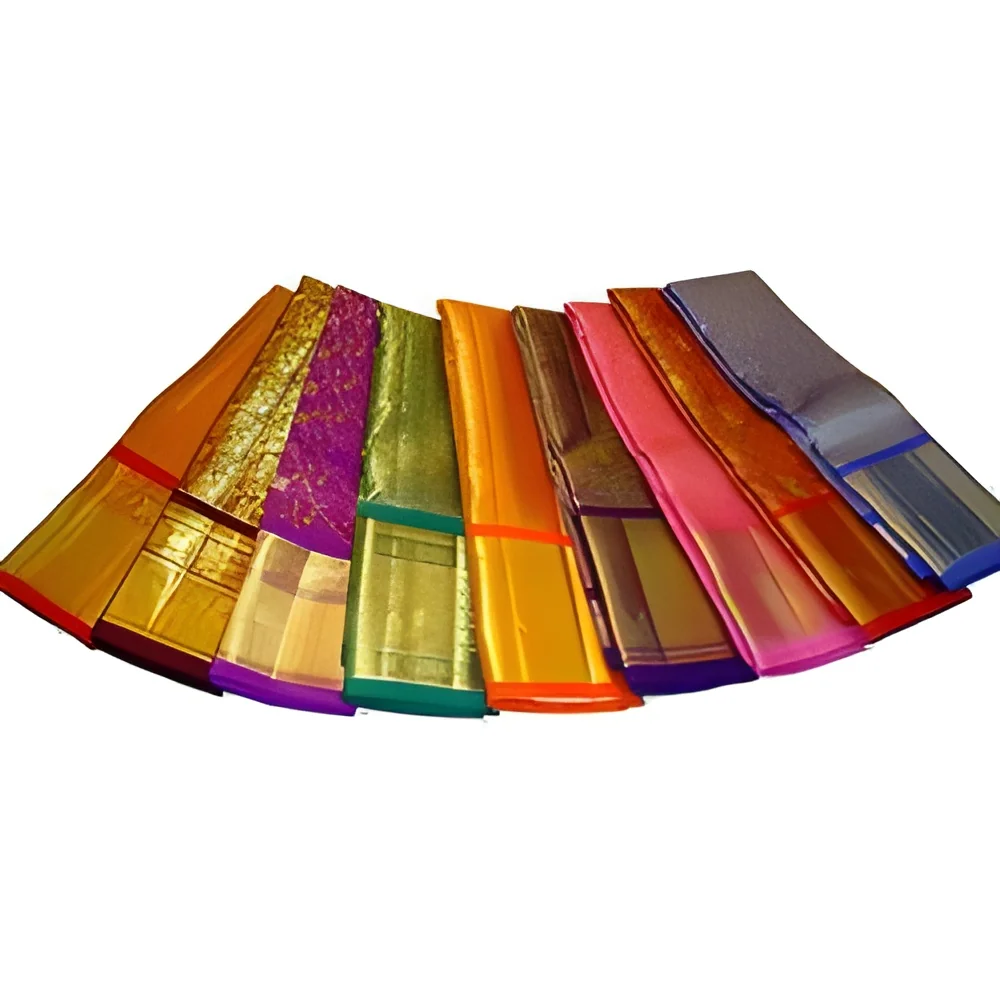
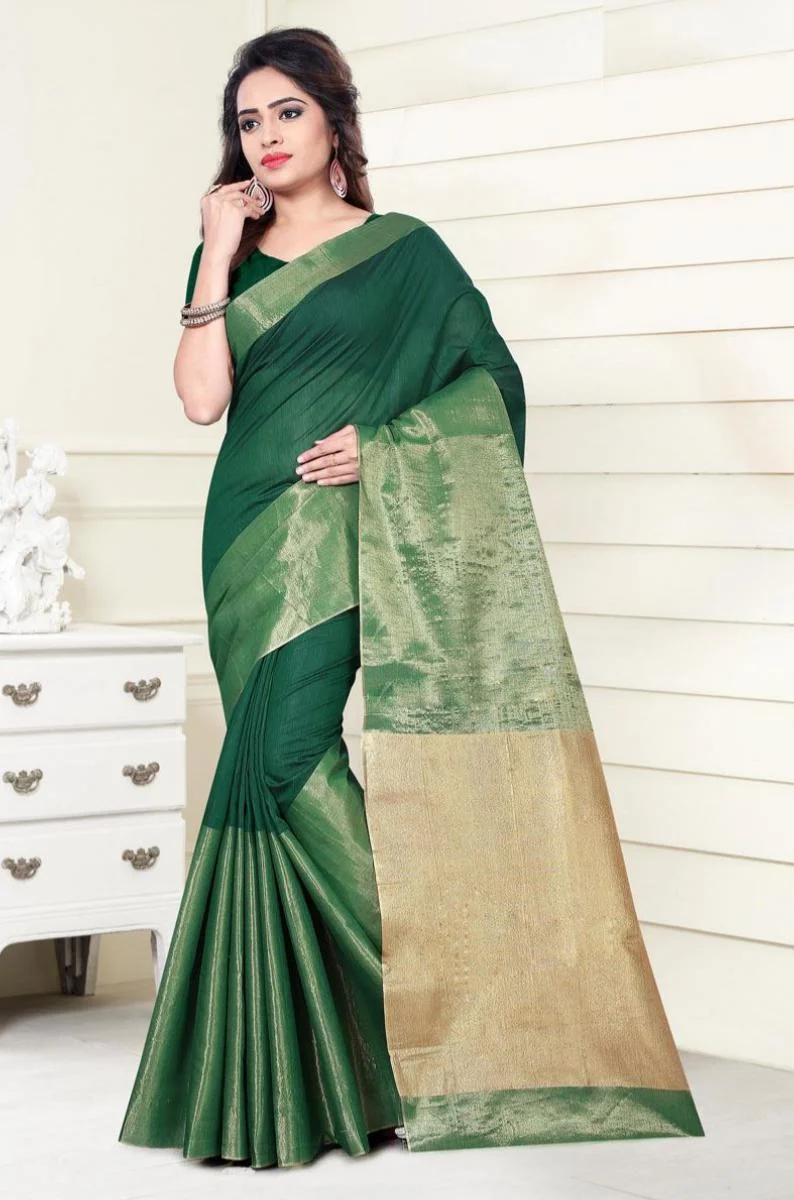
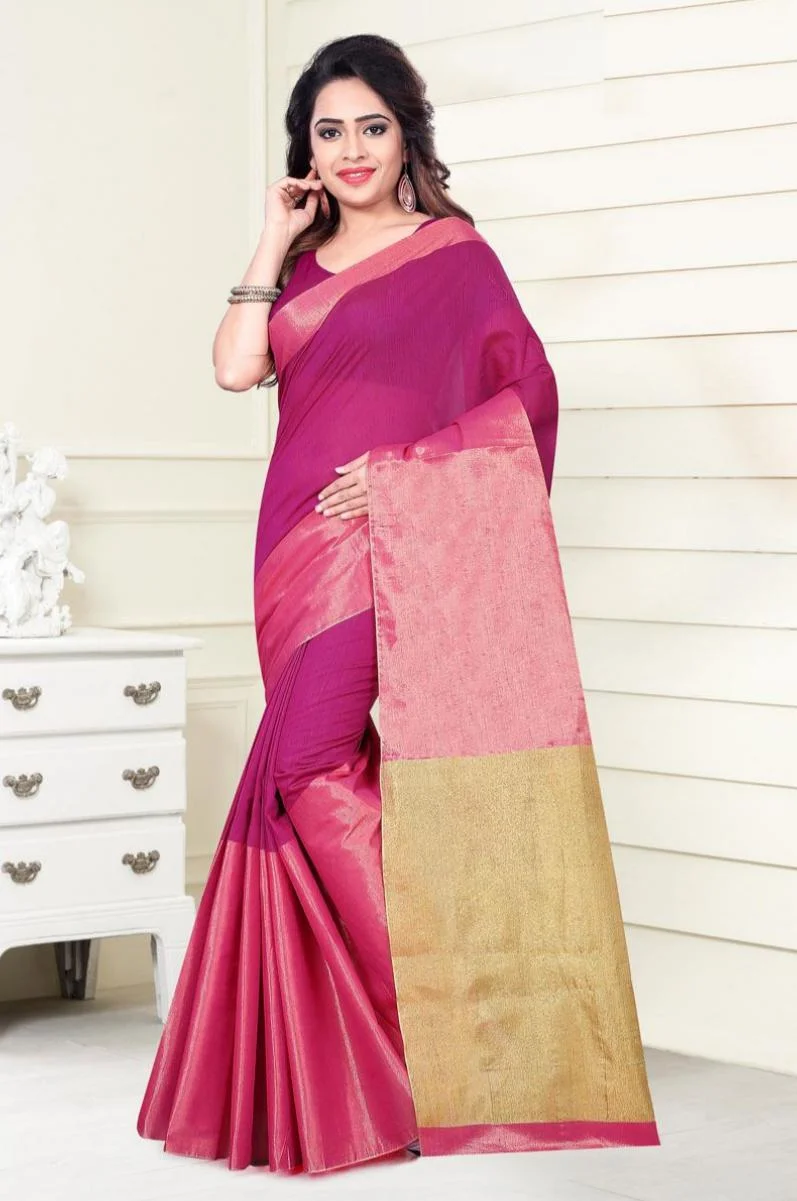
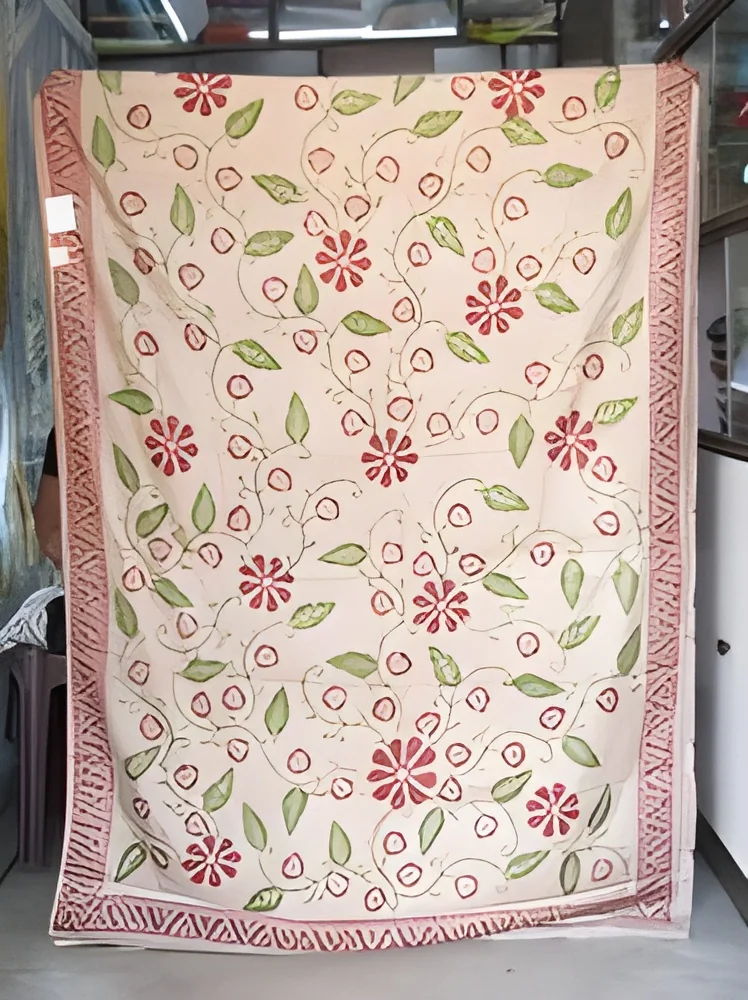
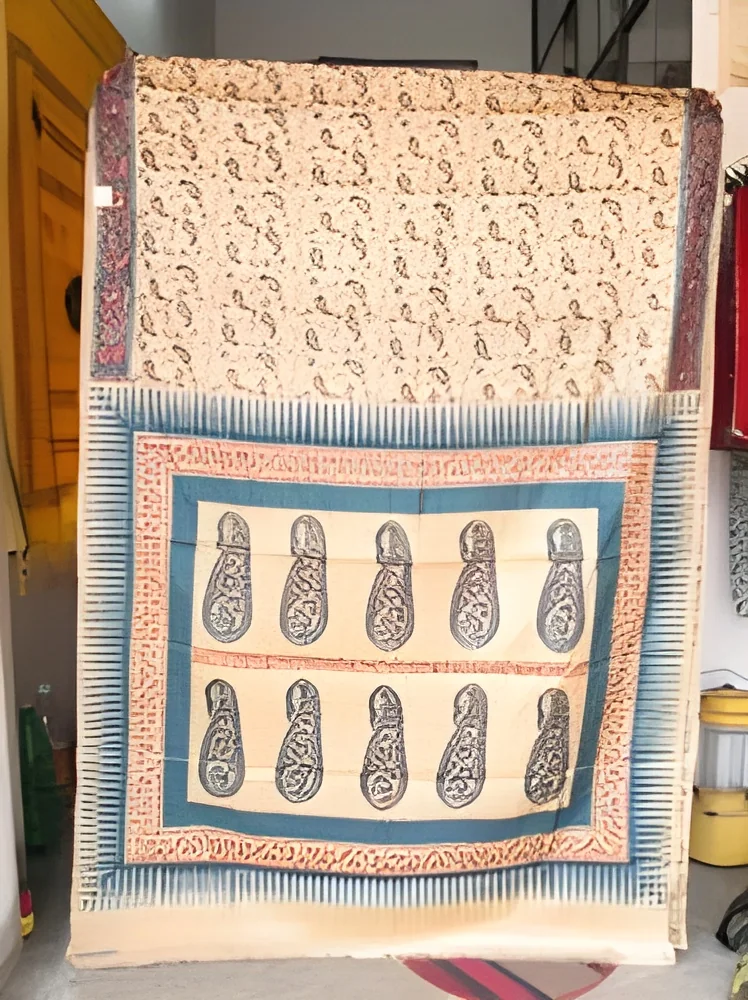
What are Silk Sarees?
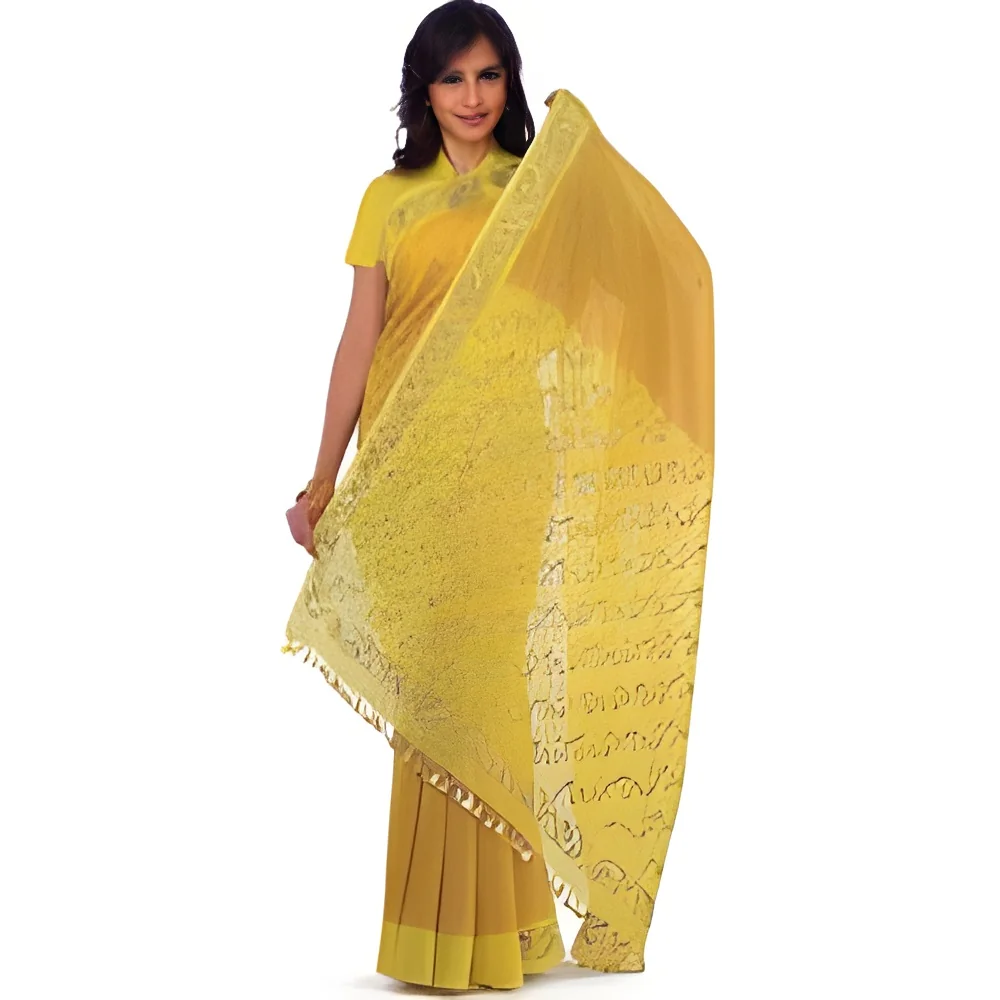
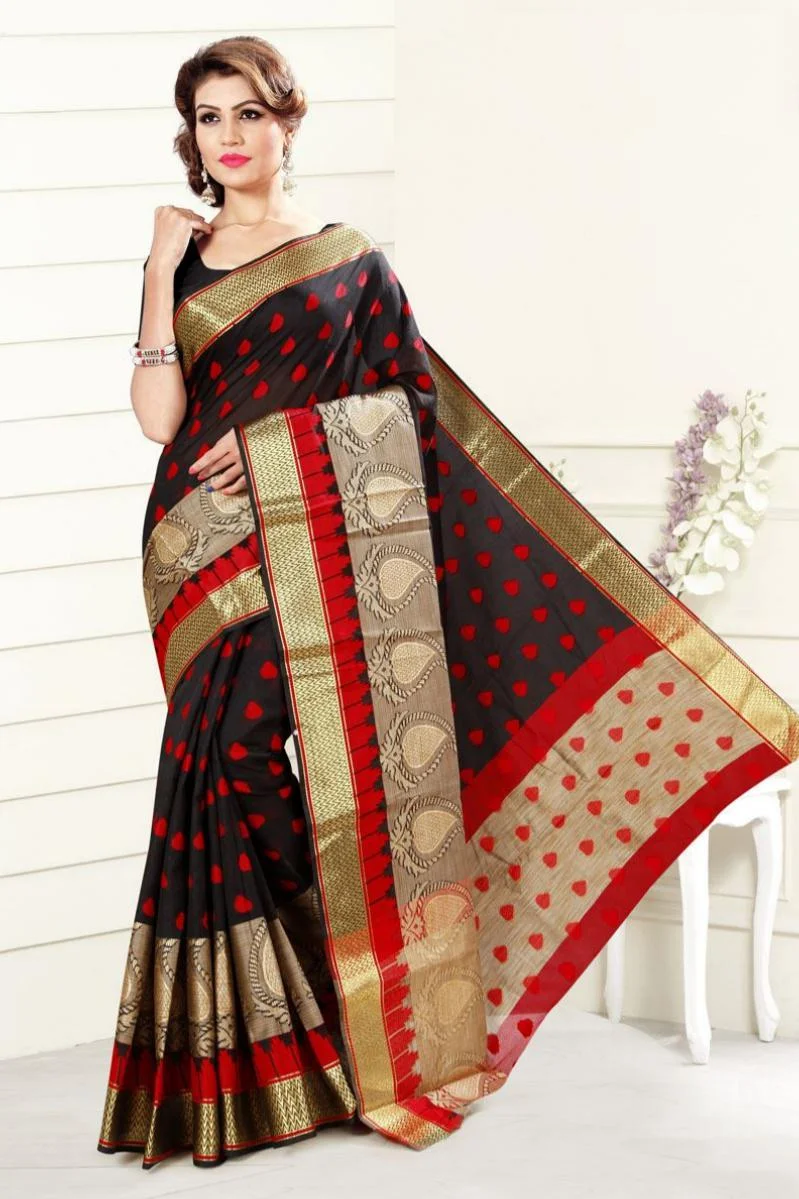
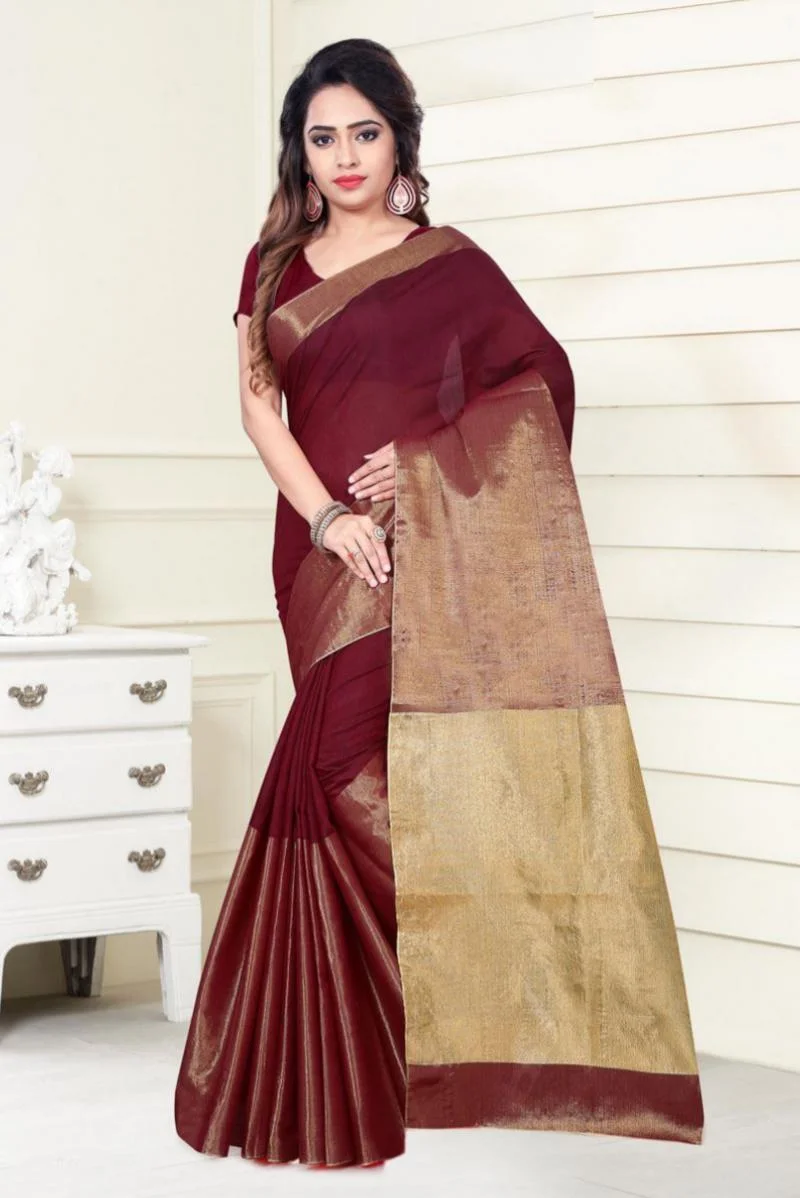
Silk sarees are traditional Indian garments made from silk fabric, known for their luxurious feel, vibrant colors, and intricate designs. These garments are draped elegantly around the body and are typically worn by women during special occasions, festivals, and ceremonies. Silk sarees are renowned for their rich texture and luster, making them a symbol of elegance and sophistication.
In the business context, silk sarees have significant applications in the fashion industry, retail, and cultural events. They are often marketed as premium products, appealing to customers seeking high-quality apparel for weddings and festivities. The silk saree market is highly competitive, with numerous regional variations and designs, catering to diverse consumer preferences. The global demand for silk sarees reflects a growing appreciation for traditional craftsmanship and sustainable fashion practices.
Key Features and Specifications
Silk sarees are distinguished by several key features that contribute to their appeal and functionality. These features are essential for B2B buyers to consider when sourcing silk sarees for retail or distribution.
Key specifications include:
1. Fabric Quality
- Made from 100% pure silk or silk blends
- Varies in weight and texture
2. Weave Type
- Common weaves include Banarasi, Kanjivaram, and Tussar
- Each weave offers unique patterns and durability
3. Design Patterns
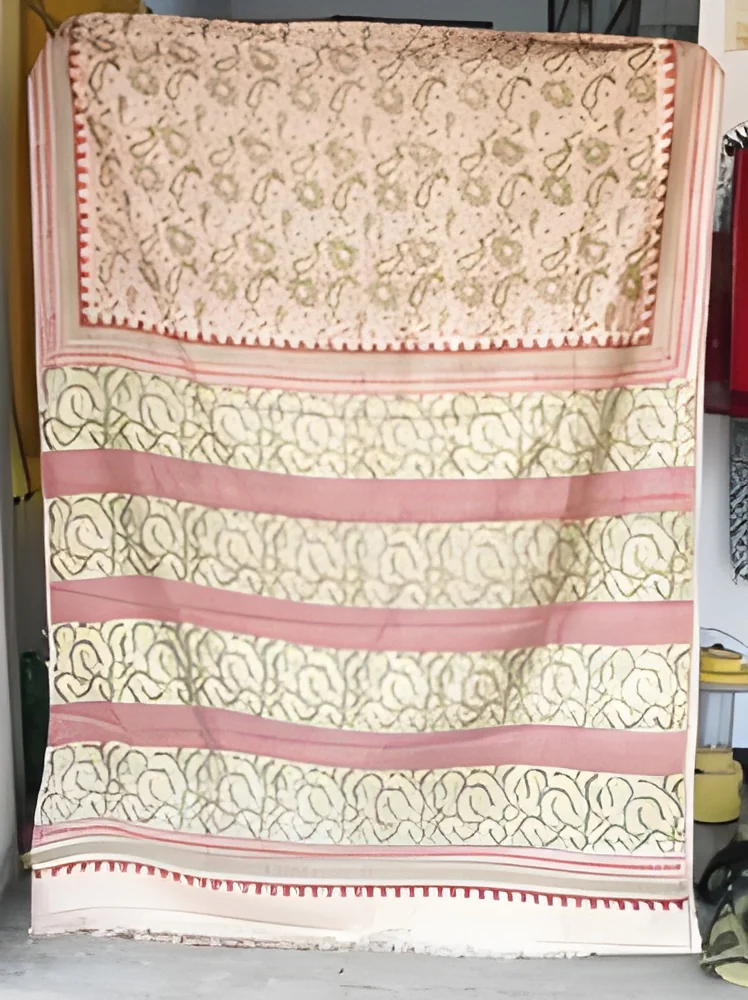
- Includes traditional motifs, floral designs, and contemporary styles
- Customization options available for specific designs
4. Color Fastness
- High-quality dyes ensure vibrant colors resist fading
- Tested for color retention under various washing conditions
5. Length and Width
- Standard saree length is typically around 5.5 to 6.5 meters
- Width can vary to accommodate different draping styles
6. Maintenance Requirements
- Dry cleaning recommended for preserving silk quality
- Care instructions often included with each saree
7. Pricing Range
- Price varies based on fabric quality, design complexity, and market demand
- Typical price range can be from affordable to high-end luxury
8. Supplier Compliance
- Suppliers must adhere to industry standards and certifications
- Essential for maintaining product integrity and safety
Silk sarees are characterized by their exquisite craftsmanship and varied designs, making them a valuable addition to any fashion lineup.
Common Applications and Use Cases
Silk sarees serve various industries, reflecting their versatility and cultural significance.
1. Fashion Retail: Retailers often stock silk sarees as part of their ethnic wear collections, catering to customers seeking traditional attire for weddings and festivals.
2. Event Management: Silk sarees are frequently used in cultural events, fashion shows, and exhibitions, showcasing the richness of Indian textiles.
3. Bridal Wear: Specialized bridal boutiques offer silk sarees as part of their wedding collections, appealing to brides looking for luxurious options.
4. Export and Trade: Manufacturers export silk sarees to international markets, where demand for authentic Indian textiles remains high.
5. Handicraft Promotion: Organizations promoting handicrafts utilize silk sarees to support artisans and traditional weaving techniques.
6. Gift Retail: Silk sarees are often chosen as premium gifts for special occasions, highlighting their cultural importance.
7. Textile Museums: Silk sarees are displayed in museums to educate visitors about the history and craftsmanship of Indian textiles.
Product Variants and Subcategories
Silk sarees come in various styles and designs, catering to a wide range of tastes and occasions.
Kanjivaram Silk Sarees: Known for their vibrant colors and rich patterns, Kanjivaram sarees are made from pure silk and are often chosen for weddings. They feature intricate zari work that enhances their beauty.
Banarasi Silk Sarees: Originating from Varanasi, these sarees are famous for their opulent designs and gold or silver brocade. They are ideal for formal occasions and are highly sought after for bridal wear.
Tussar Silk Sarees: Tussar silk is known for its textured finish and natural gold sheen. These sarees often feature organic designs and are popular for casual and semi-formal wear.
Mysore Silk Sarees: Characterized by their simplicity and elegance, Mysore silk sarees are lightweight and comfortable. They are preferred for everyday wear and special occasions alike.
Chanderi Silk Sarees: These sarees are known for their fine texture and sheer quality. They are often adorned with intricate patterns and are suitable for festive celebrations.
Benefits and Advantages
Silk sarees offer numerous advantages that make them a preferred choice for consumers and businesses alike.
1. Luxurious Feel: The soft texture of silk provides unmatched comfort, making silk sarees a pleasure to wear.
2. Durability: High-quality silk sarees are long-lasting, with proper care ensuring they maintain their beauty over time.
3. Versatile Styling: Silk sarees can be styled in various draping techniques, making them suitable for different occasions.
4. Cultural Significance: Wearing silk sarees helps preserve traditional craftsmanship and promotes cultural identity.
5. Eco-Friendly Option: Silk is a natural fiber, making silk sarees a sustainable choice for environmentally conscious consumers.
6. Investment Value: High-quality silk sarees can appreciate in value, making them a wise investment for buyers.
Buying Guide for B2B Buyers
When sourcing silk sarees, B2B buyers should consider several key factors to ensure they make informed purchasing decisions.
1. Quality Assessment: Evaluate the fabric quality, weave type, and design intricacy. Request samples to assess texture and durability.
2. Supplier Verification: Conduct background checks on suppliers to ensure they have a good reputation and adhere to ethical manufacturing practices.
3. Pricing and MOQ: Understand the pricing structure and minimum order quantities. Compare offers from multiple suppliers to get the best value.
4. Delivery and Lead Times: Discuss logistics and expected delivery times. Timely delivery is crucial for meeting market demands.
5. Compliance Requirements: Ensure that suppliers comply with relevant industry standards and certifications to guarantee product integrity and safety.
Compliance and Certifications
Silk sarees must adhere to certain quality standards and certifications to ensure they meet market expectations.
Relevant quality standards include ISO 9001, which focuses on maintaining quality management systems. This standard helps ensure consistent product quality and customer satisfaction.
CE certification is also applicable, indicating that the silk sarees meet European safety, health, and environmental protection standards. This certification is crucial for suppliers looking to enter international markets.
Safety and testing requirements involve assessing the fabric for harmful substances and ensuring it meets established safety regulations.
Regional compliance considerations may vary, impacting how silk sarees are marketed and sold in different regions. B2B buyers should be aware of these regulations to ensure compliance.
Why Source Silk Sarees from Pepagora?
Pepagora provides a trusted platform for sourcing silk sarees, offering several key advantages to buyers.
Verified Supplier Network: Pepagora connects buyers with a network of verified suppliers, ensuring that all partners adhere to quality standards and ethical practices. This reduces the risk associated with sourcing textile products.
Streamlined RFQ Process: The platform features a streamlined request for quotation (RFQ) process, allowing buyers to easily obtain multiple quotes from suppliers. This simplifies decision-making and enhances competitive pricing.
Trade Assurance and Support: Pepagora offers trade assurance to protect buyers during transactions. This includes support for any disputes or quality issues, giving buyers peace of mind.
Regional Coverage: With a strong presence in regions like India, the GCC, and Southeast Asia, Pepagora enables buyers to access a wide variety of silk sarees and expand their market reach. This broad geographic coverage provides opportunities for diverse sourcing options.

 IN
IN