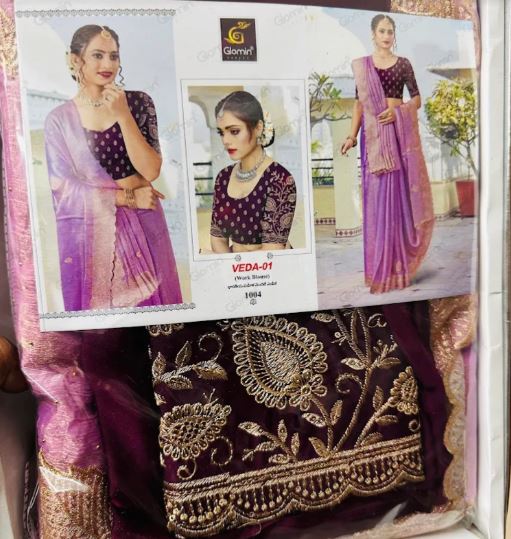
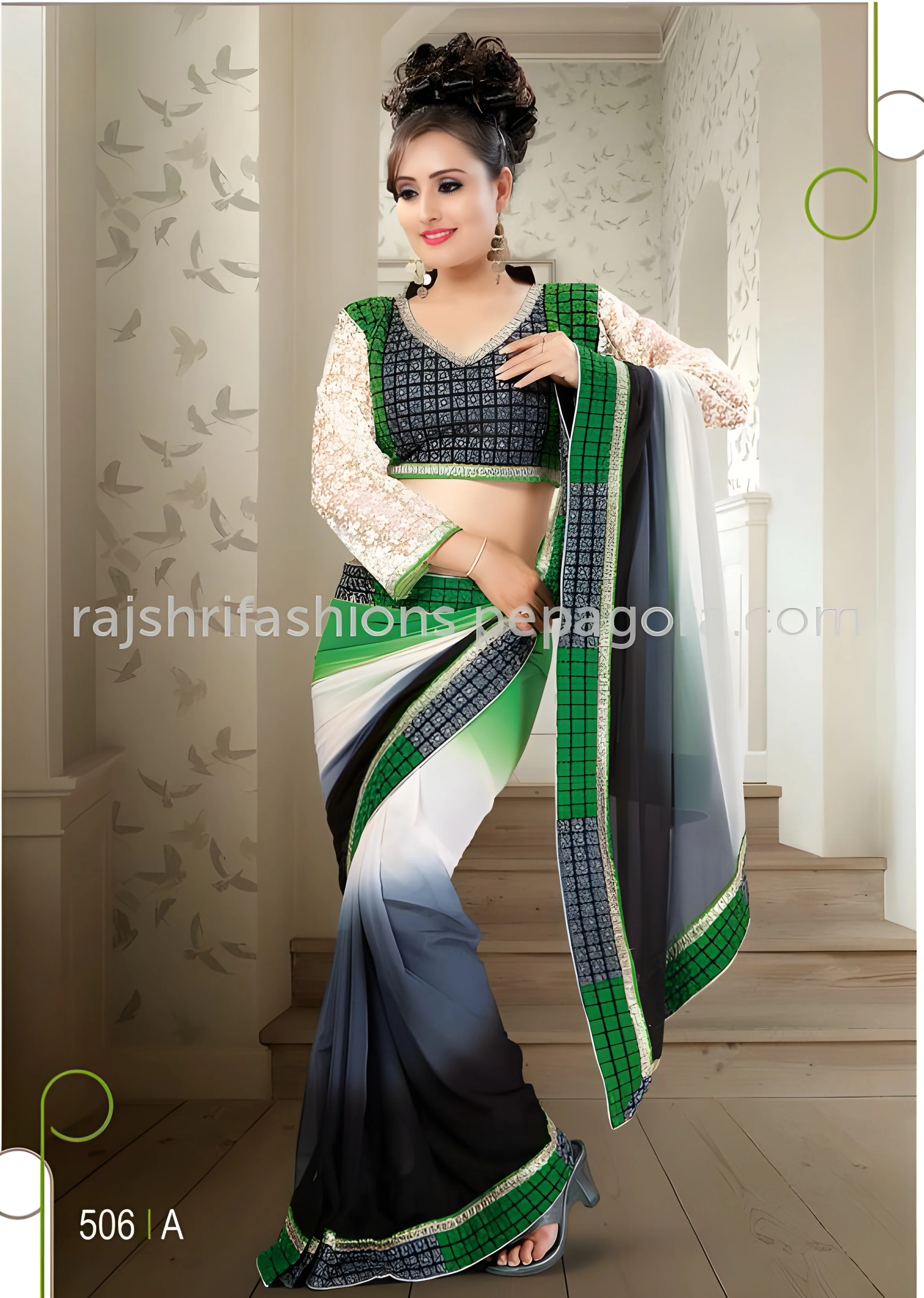
What are Designer Sarees?
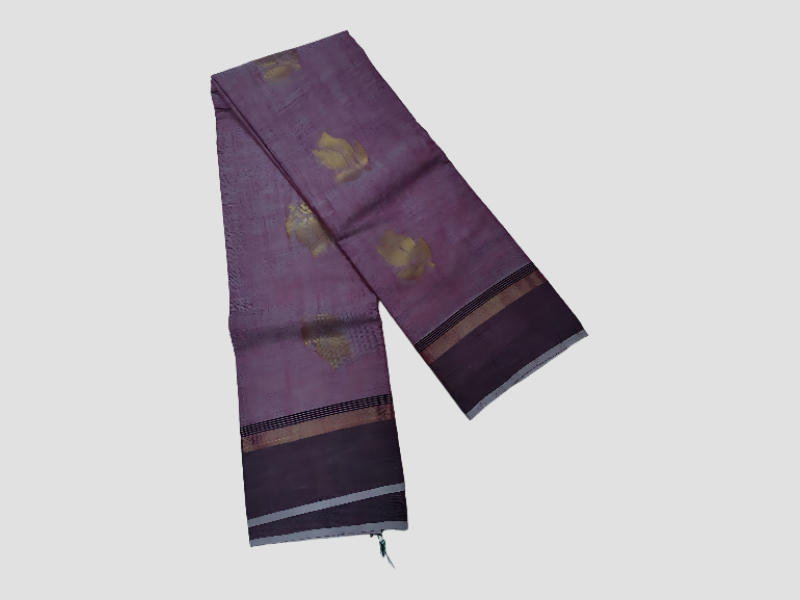
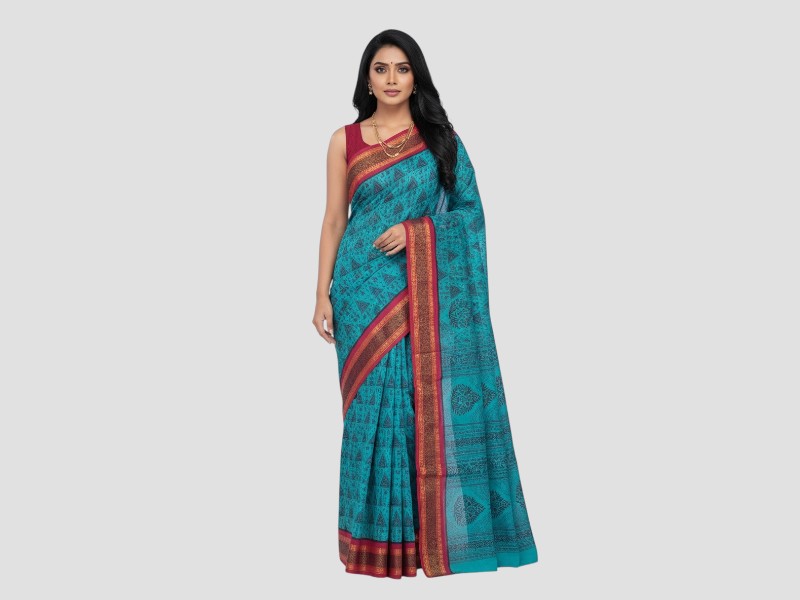
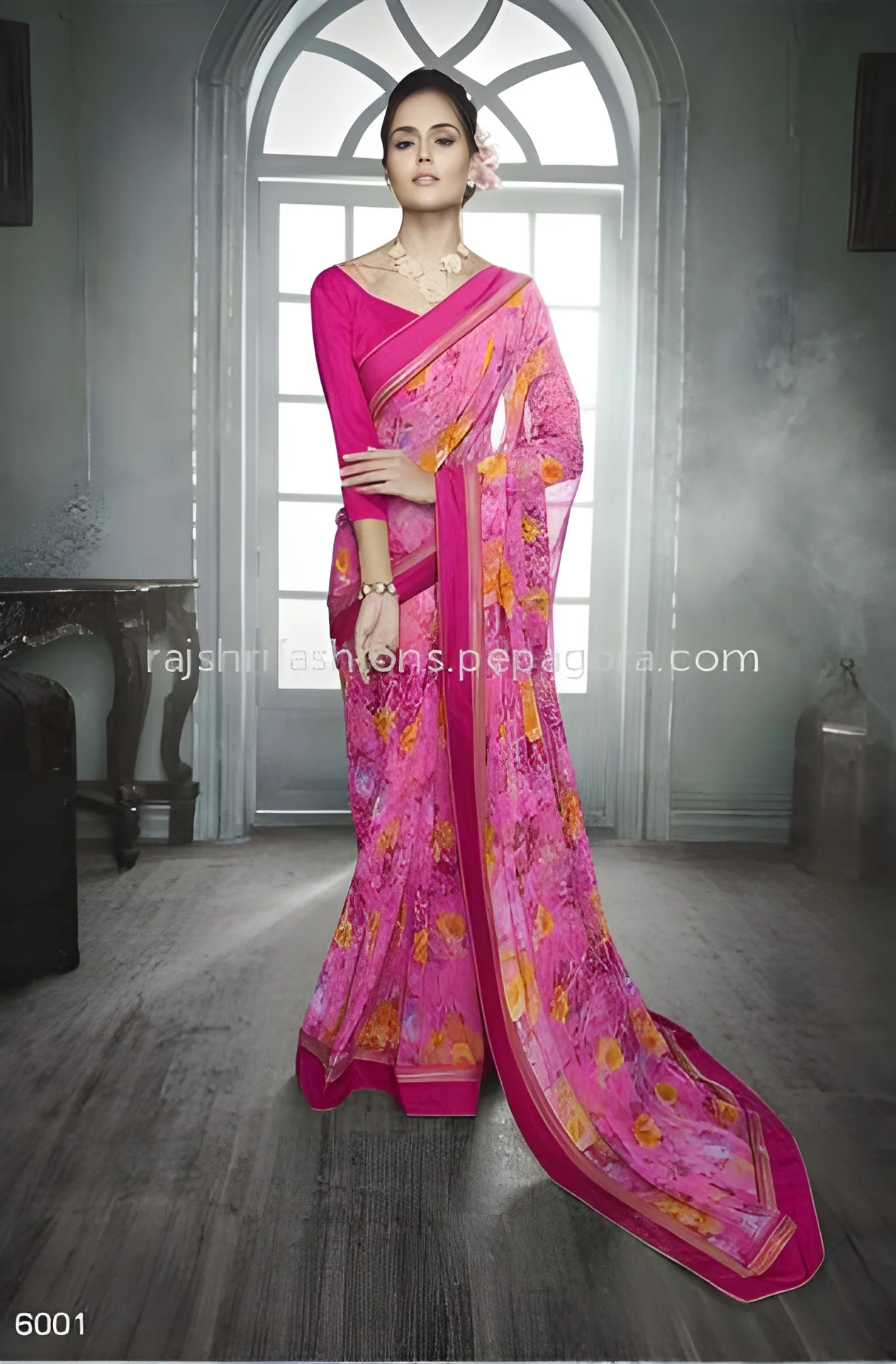
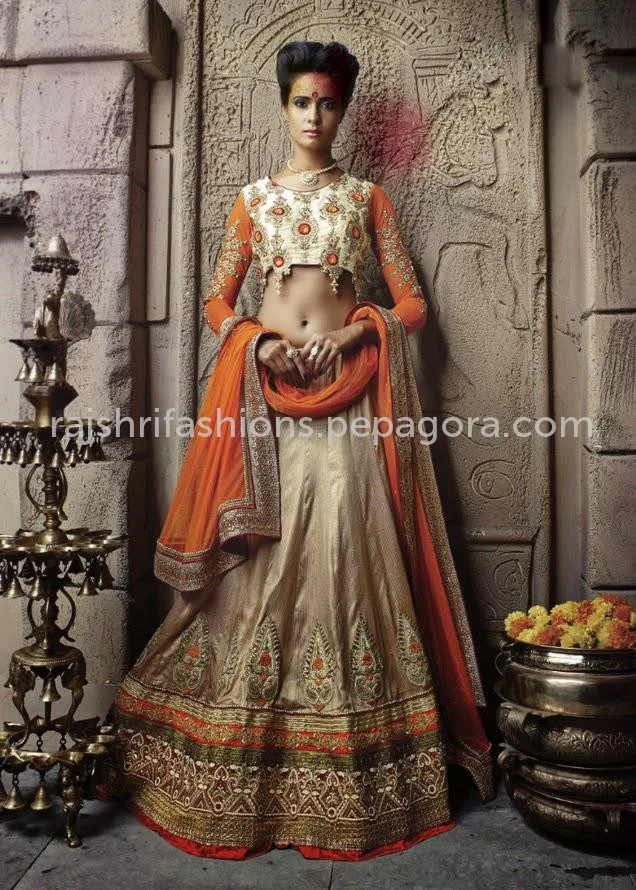
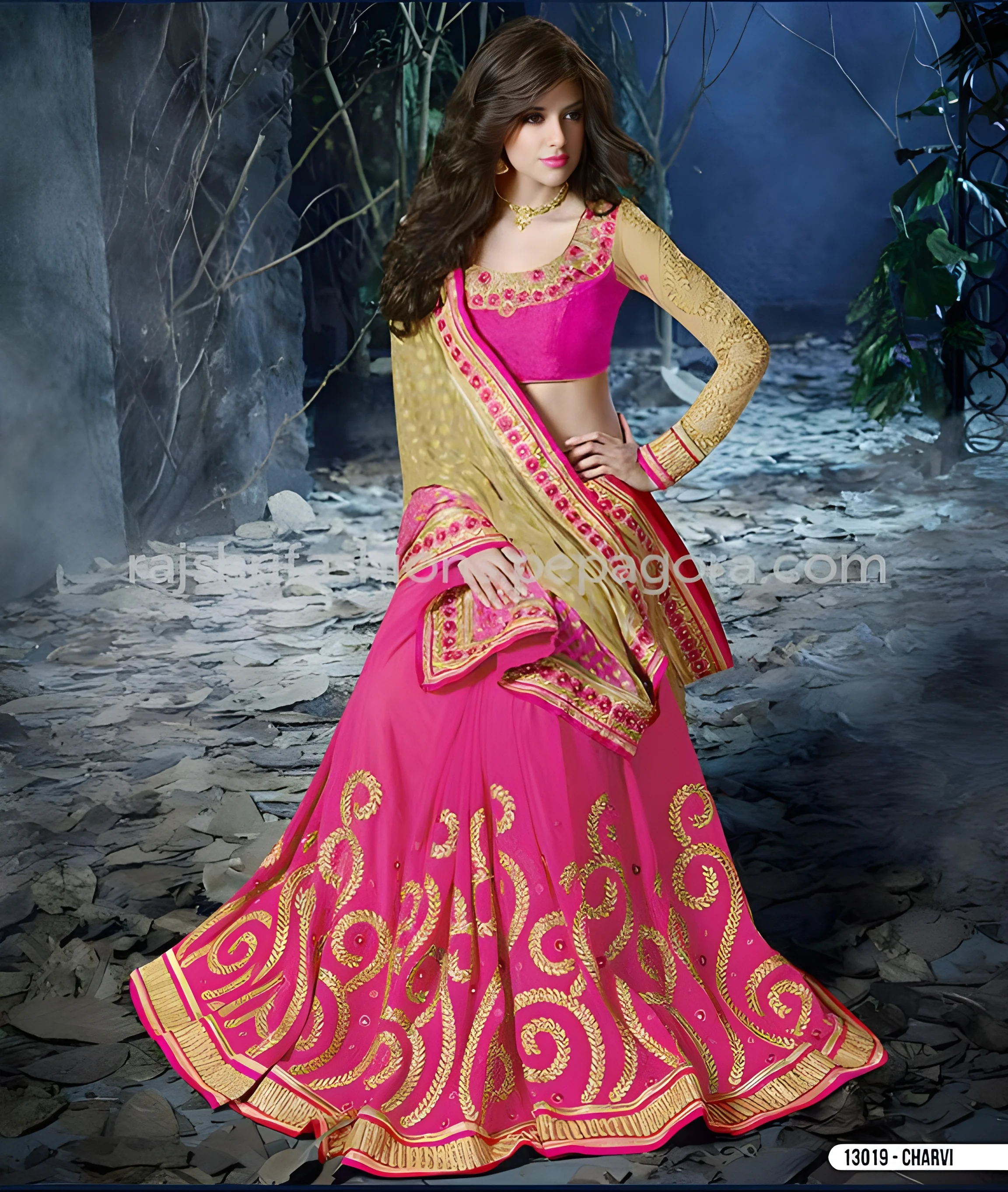
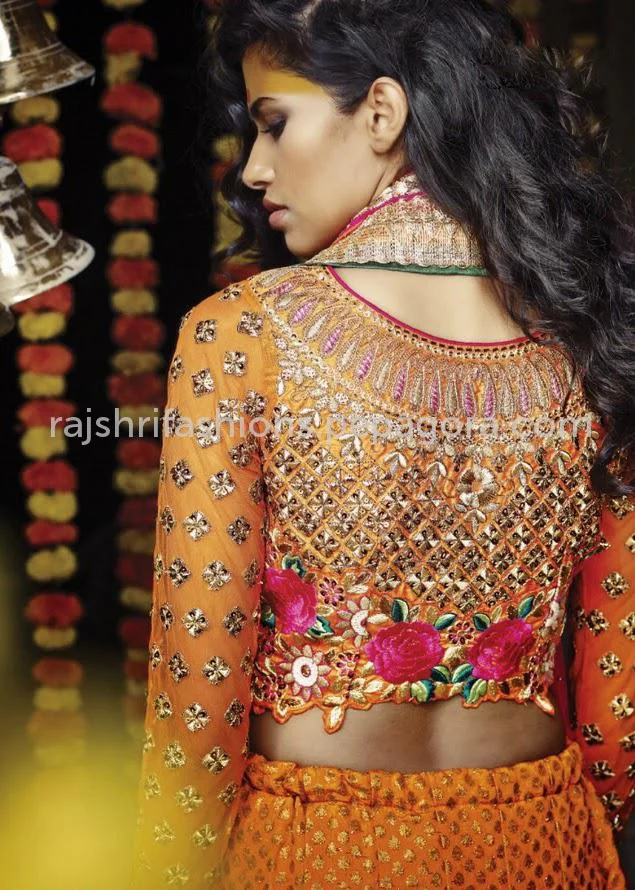
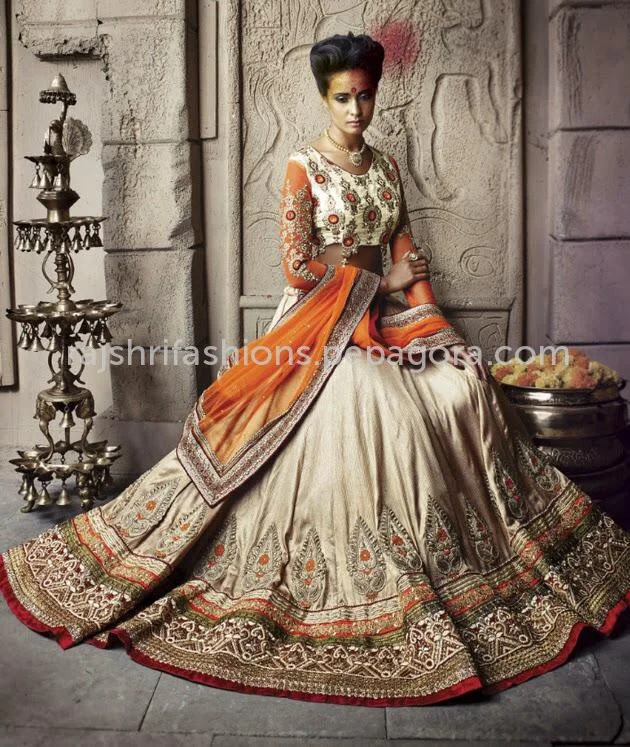
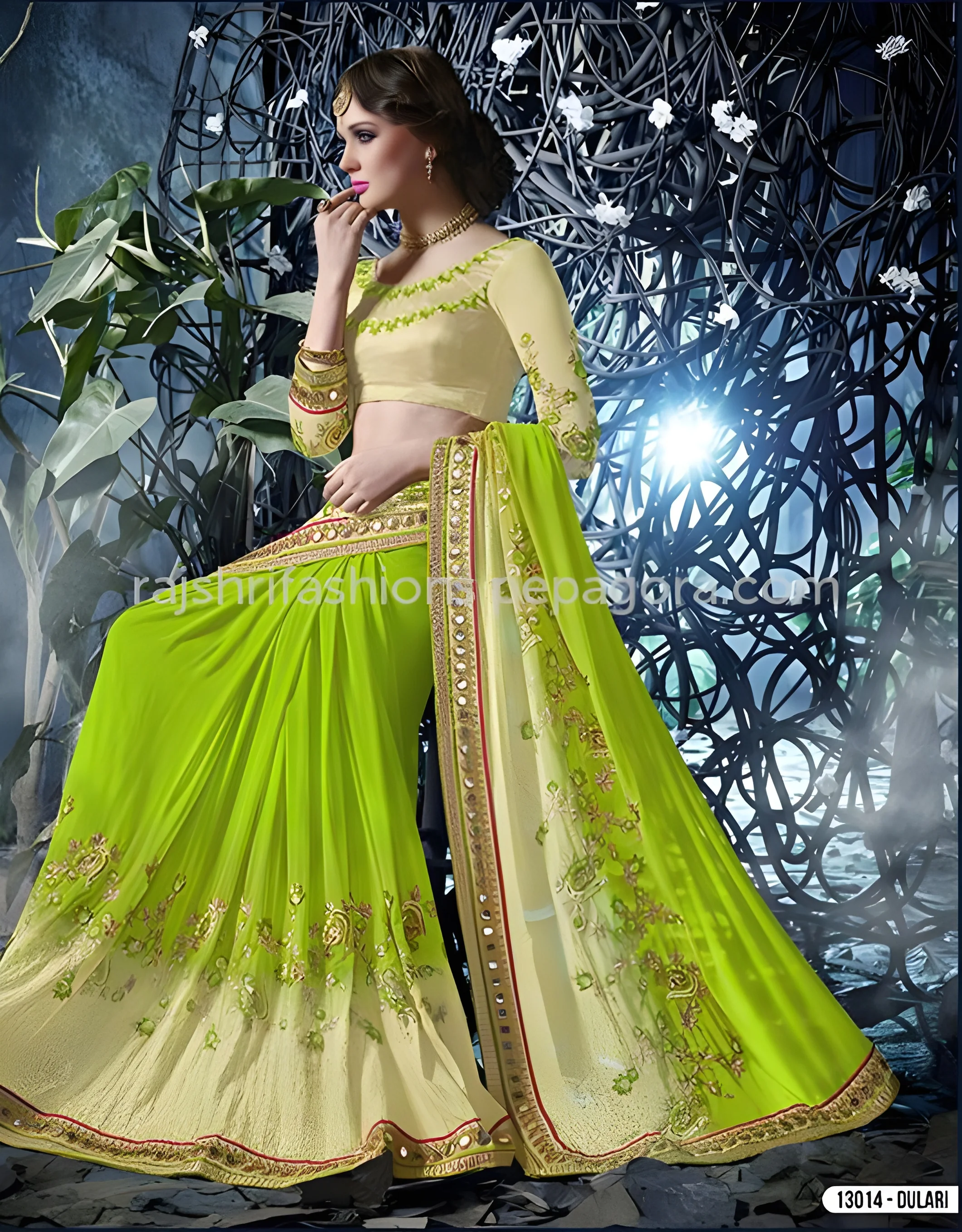
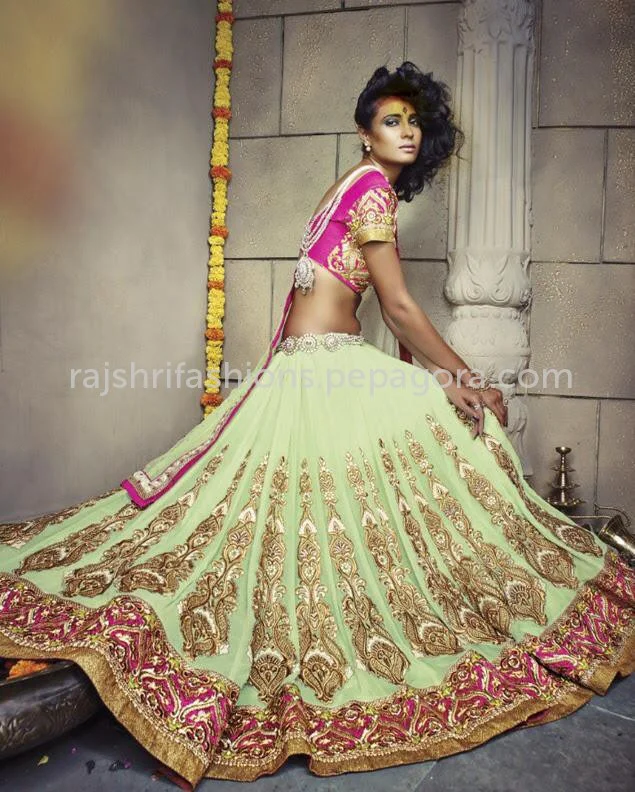
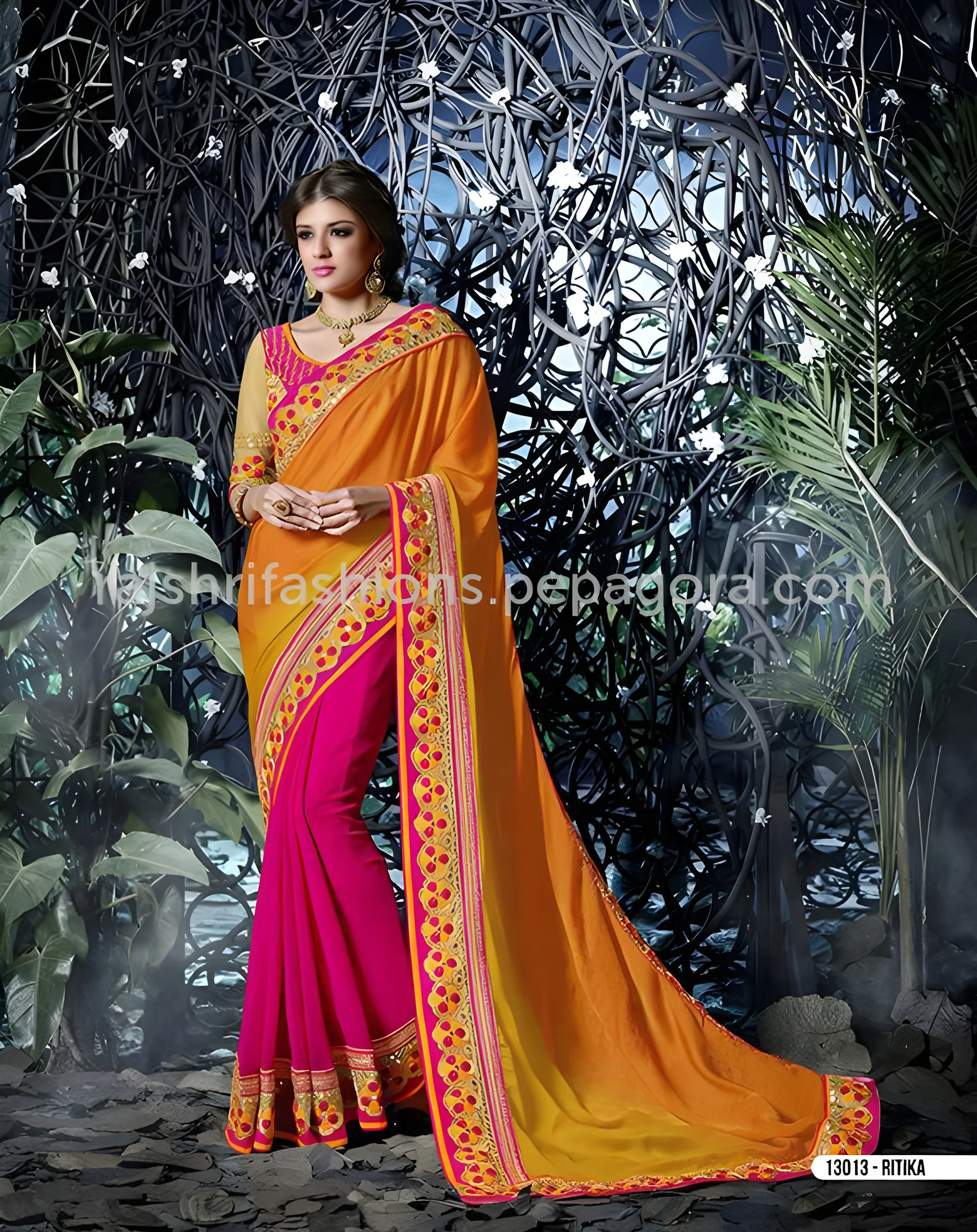
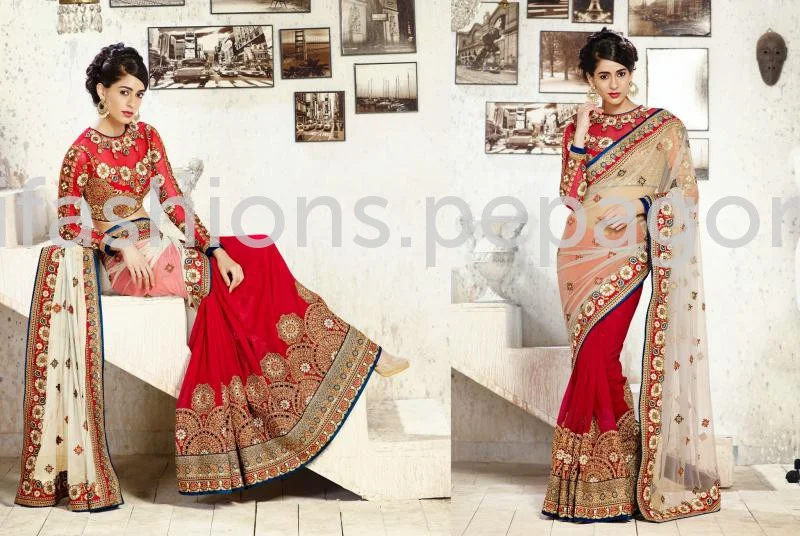
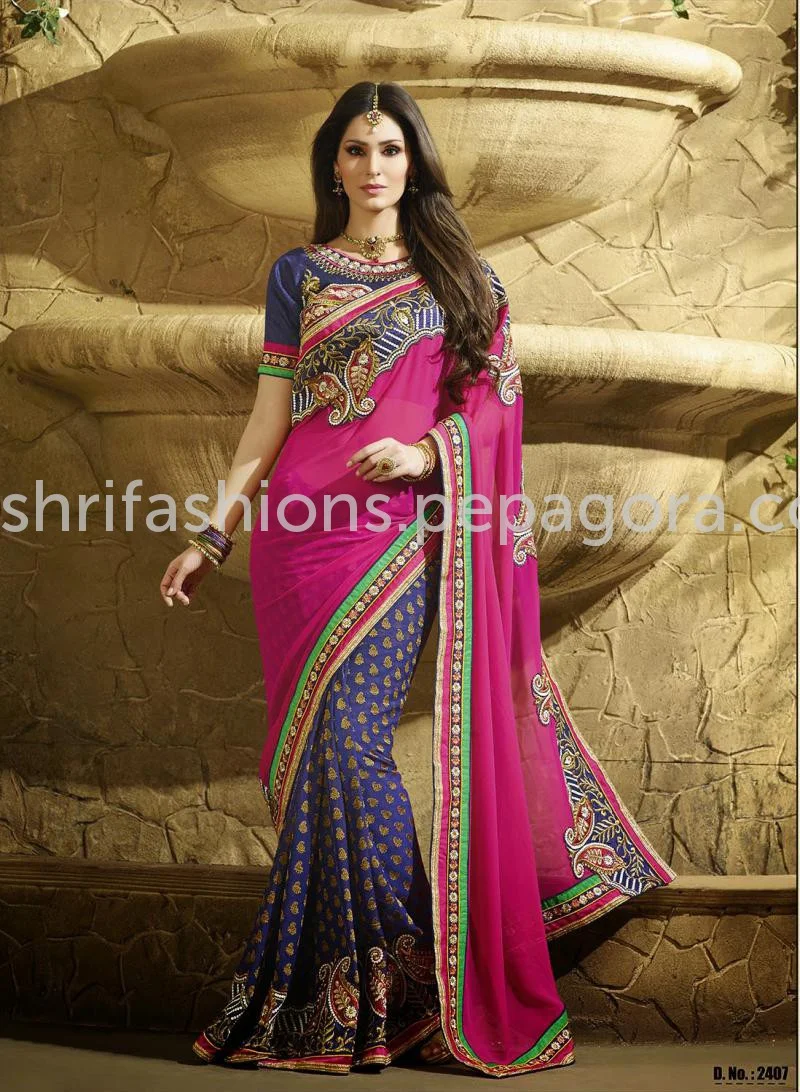
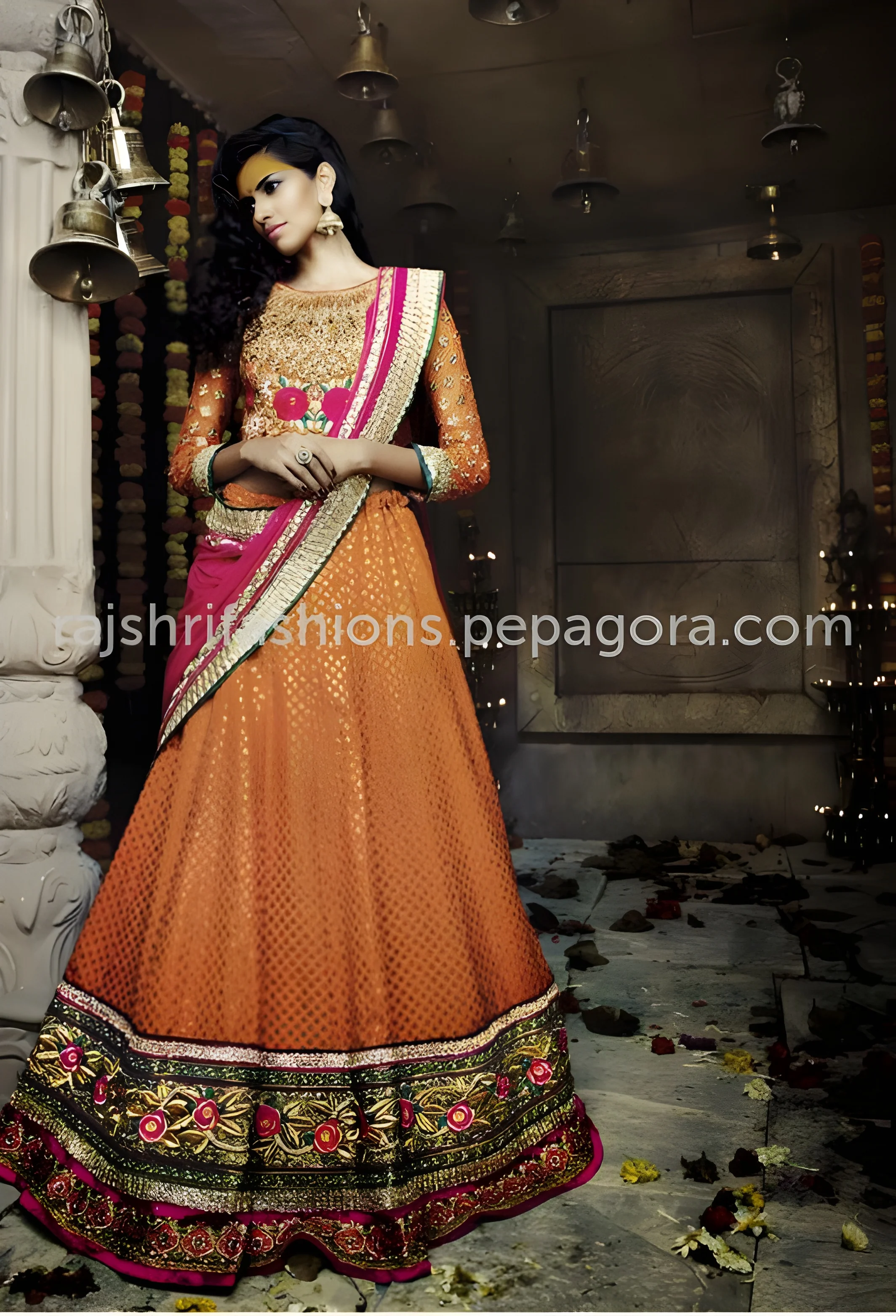
Designer sarees are high-quality, intricately crafted garments representing a blend of traditional Indian attire and modern fashion sensibilities. These sarees are designed by skilled artisans and fashion designers, often featuring unique patterns, luxurious fabrics, and elaborate embellishments. The craftsmanship involved in creating designer sarees elevates them from standard sarees to luxury fashion items, making them highly sought after in both domestic and international markets.
Designer sarees are primarily used in formal occasions, weddings, and cultural celebrations. They offer businesses a way to cater to clients looking for premium attire that stands out in terms of style and quality. Retailers, boutiques, and event planners often stock designer sarees to meet the demands of a discerning customer base that values both tradition and contemporary design. The growing trend of customization and personalized fashion further enhances the relevance of designer sarees in the market, positioning them as a lucrative segment in the fashion industry.
Key Features and Specifications
Designer sarees come with several key features that distinguish them from mass-produced garments. These features are essential for B2B buyers to consider when sourcing these products.
Key specifications include:
1. Fabric Quality
- Typically made from premium materials such as silk, chiffon, georgette, or cotton blends.
- Each fabric type offers varying levels of durability, draping quality, and comfort.
2. Embellishments
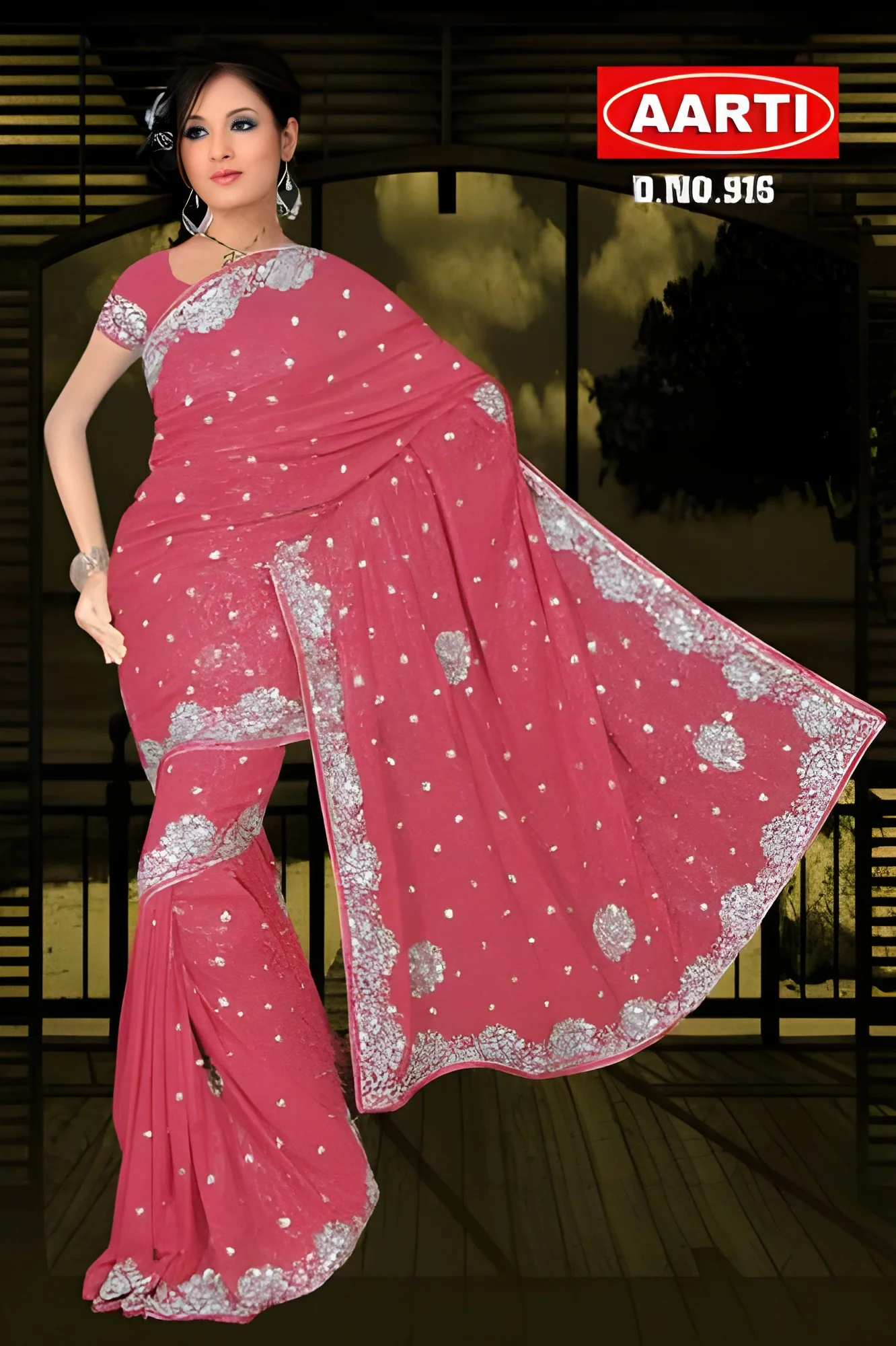
- Common embellishments include embroidery, sequins, and beadwork, enhancing the saree's aesthetic appeal.
- The complexity of embellishments can vary based on design and price point.
3. Design Patterns
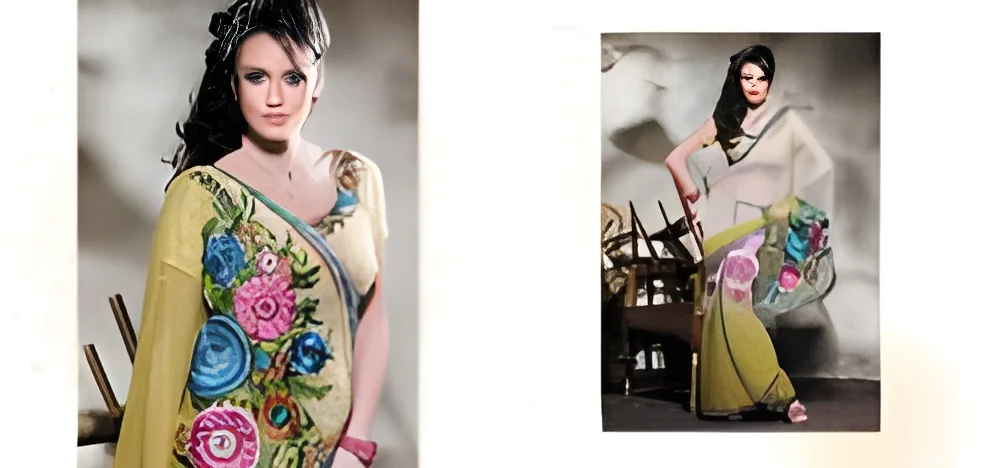
- Designer sarees feature a range of patterns, including floral, geometric, and abstract designs.
- Custom designs may be available based on client specifications.
4. Color Variations
- Available in a wide array of colors, catering to different tastes and occasions.
- Seasonal collections often introduce unique color palettes.
5. Size and Length
- Standard length typically ranges between 5.5 to 6.5 meters, with variations in width.
- Custom sizing options may be available to accommodate specific needs.
6. Care Instructions
- Designer sarees often require specific care, such as dry cleaning or gentle hand washing.
- Proper care instructions ensure longevity and maintain the garment's quality.
7. Certificate of Authenticity
- Many designer sarees come with certificates to verify their authenticity and quality.
- This certification is crucial for establishing trust with buyers.
8. Regional Craftsmanship
- Many sarees are crafted in specific regions known for traditional techniques, such as Banarasi or Kanjivaram.
- Regional craftsmanship often adds value and uniqueness to each piece.
In summary, the key features and specifications of designer sarees are vital for buyers to understand as they seek high-quality, fashionable attire for their clientele.
Common Applications and Use Cases
Designer sarees find applications across various industries, enhancing their marketability.
1. Fashion Retail: Retailers stock designer sarees to attract customers looking for exclusive and stylish options for weddings and festive occasions.
2. Event Planning: Event planners often incorporate designer sarees into their offerings for clients seeking elegant attire for special events.
3. Luxury Fashion Boutiques: Boutiques specializing in high-end fashion curate collections of designer sarees to appeal to affluent customers.
4. Online E-commerce: E-commerce platforms provide a wide selection of designer sarees, catering to a global audience interested in unique fashion items.
5. Customized Fashion Services: Some businesses offer customization options, allowing customers to create their own designer sarees based on personal preferences.
6. Cultural Festivals: Organizations and cultural groups may use designer sarees for performances, celebrations, or traditional events, showcasing cultural heritage.
7. Gifting and Personal Occasions: Designer sarees are popular gifts for significant life events, such as weddings, anniversaries, and festivals, making them a versatile product.
Product Variants and Subcategories
Designer sarees exhibit a variety of styles and designs, catering to different tastes and needs.
Traditional Designer Sarees
These sarees often feature classic designs with intricate embroidery and traditional motifs. They are popular for weddings and cultural events, appealing to customers who value heritage.
Contemporary Designer Sarees
These sarees blend modern elements with traditional designs, featuring innovative cuts and contemporary fabrics. They cater to the fashion-forward clientele looking for something unique.
Bridal Designer Sarees
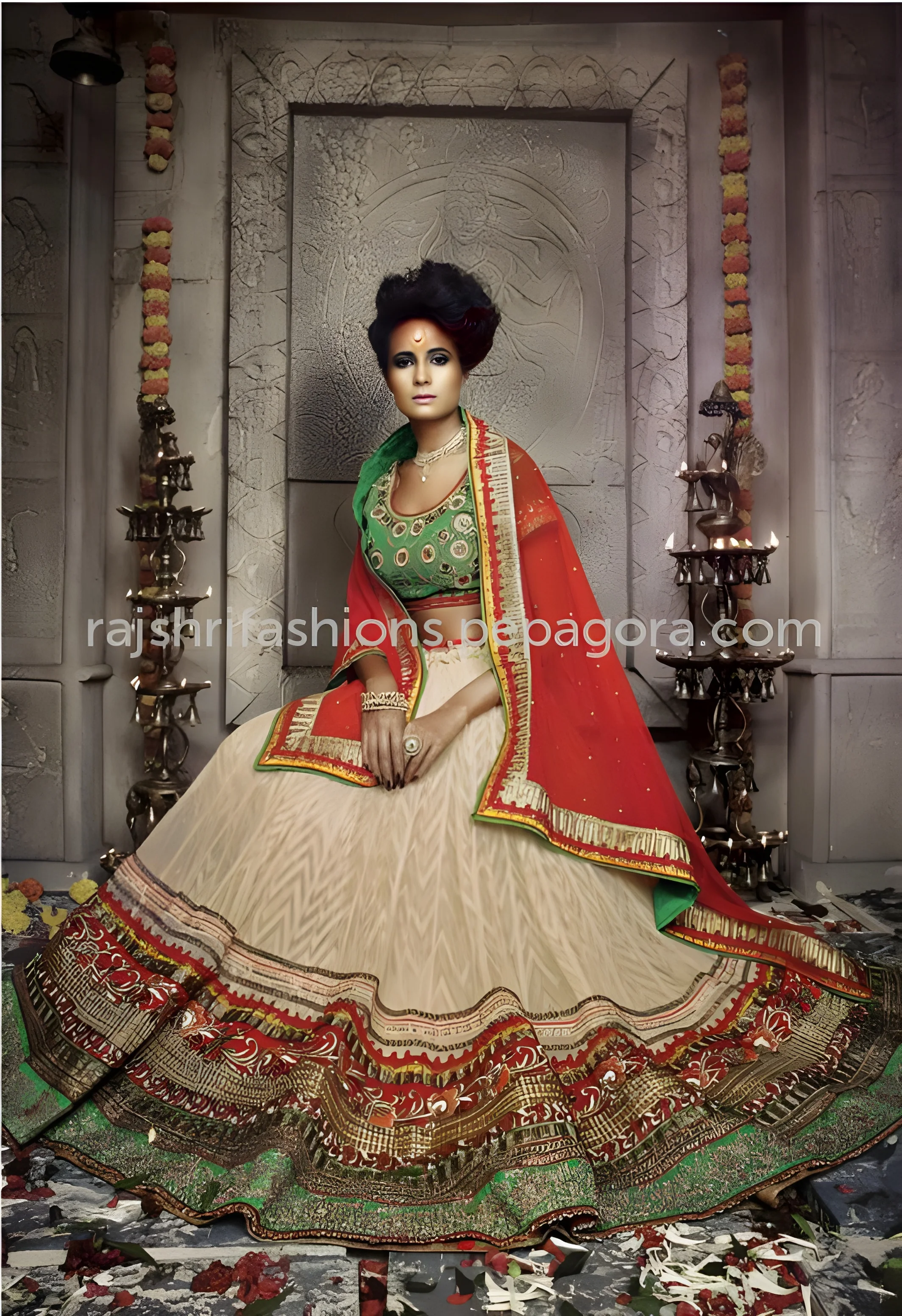
Tailored specifically for brides, these sarees are often heavier in fabric and embellishments. They come in various styles, each designed to make the wearer look stunning on their special day.
Party Wear Designer Sarees
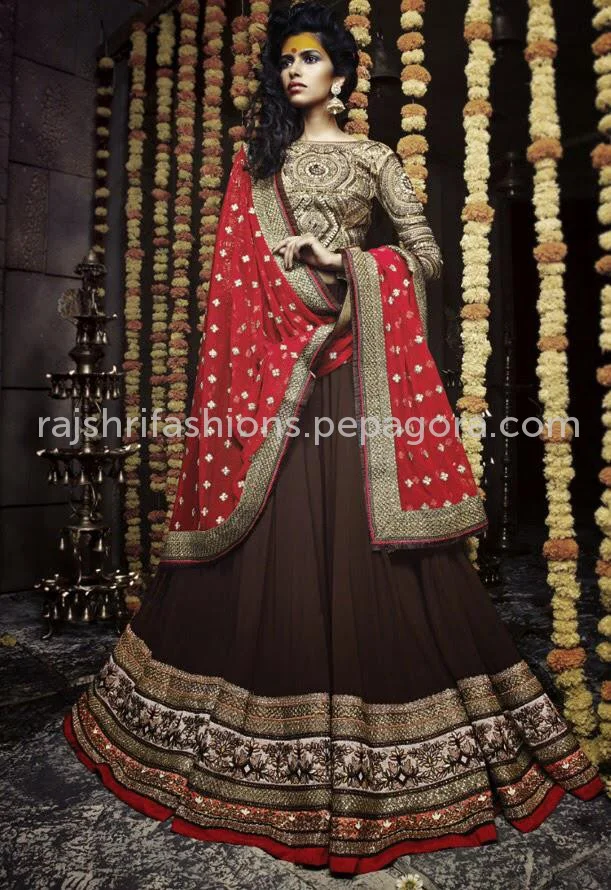
These sarees are designed for social gatherings and parties, often featuring vibrant colors and eye-catching designs. They strike a balance between elegance and modern style.
Benefits and Advantages
Designer sarees provide numerous benefits that make them an attractive choice for B2B buyers.
1. Unique Aesthetic: Designer sarees stand out due to their distinctive designs and high-quality craftsmanship, appealing to customers seeking individuality.
2. Quality Assurance: The use of premium materials and skilled artisans ensures a higher level of quality compared to mass-produced alternatives.
3. Versatility: Suitable for various occasions, designer sarees can be worn at weddings, parties, and cultural events, increasing their market appeal.
4. Brand Reputation: Carrying designer sarees can enhance a retailer's or boutique's reputation as a provider of high-end fashion, attracting a more affluent clientele.
5. Customization Options: Many designers offer customization, allowing businesses to cater to specific customer preferences and enhance customer satisfaction.
6. Growing Market Demand: With the rising interest in ethnic wear and luxury fashion, designer sarees are increasingly in demand, providing lucrative business opportunities.
Buying Guide for B2B Buyers
When sourcing designer sarees, B2B buyers should keep several key factors in mind.
1. Quality Assessment: Evaluate the fabric, embellishments, and overall craftsmanship to ensure the sarees meet quality standards. Look for samples before making bulk purchases.
2. Supplier Verification: Conduct thorough vetting of suppliers to ensure they are reputable and capable of delivering high-quality products consistently. Check reviews and request references.
3. Pricing and MOQ: Understand the pricing structure, including any minimum order quantities (MOQ). Ensure that the pricing aligns with your budget while maintaining quality.
4. Delivery and Lead Times: Confirm lead times for production and delivery. Timely delivery is essential to meet customer demands and avoid disruptions in your supply chain.
5. Compliance Requirements: Ensure that the sarees meet any relevant regulatory standards and certifications. Compliance with quality standards is critical for maintaining brand integrity.
Compliance and Certifications
Designer sarees must adhere to various compliance and certification standards to ensure quality and safety.
Relevant quality standards include ISO 9001, which outlines requirements for a quality management system, ensuring that products meet customer and regulatory requirements. Certifications like CE indicate compliance with European safety and health regulations, reflecting the product's quality and marketability.
Additionally, industry certifications ensure that the manufacturing processes are safe and sustainable. Buyers should also consider regional compliance requirements, as they may vary based on location and market.
Why Source Designer Sarees from Pepagora?
Pepagora provides a trusted platform for sourcing designer sarees, offering several key advantages to B2B buyers.
Verified Supplier Network: Pepagora features a network of verified suppliers, ensuring that buyers can connect with reputable manufacturers and designers. This reduces the risk of acquiring subpar products.
Streamlined RFQ Process: The request for quotation (RFQ) process on Pepagora is designed to be efficient, allowing buyers to receive multiple quotes from suppliers quickly. This helps in making informed purchasing decisions.
Trade Assurance and Support: Pepagora offers trade assurance, providing buyers with protection against potential issues related to quality and delivery. Comprehensive support ensures that buyers can resolve any concerns promptly.
Regional Coverage: With a strong presence in India and reach into the Gulf Cooperation Council (GCC) and Southeast Asia, Pepagora allows buyers to tap into a diverse market for designer sarees, facilitating international trade opportunities.

 IN
IN