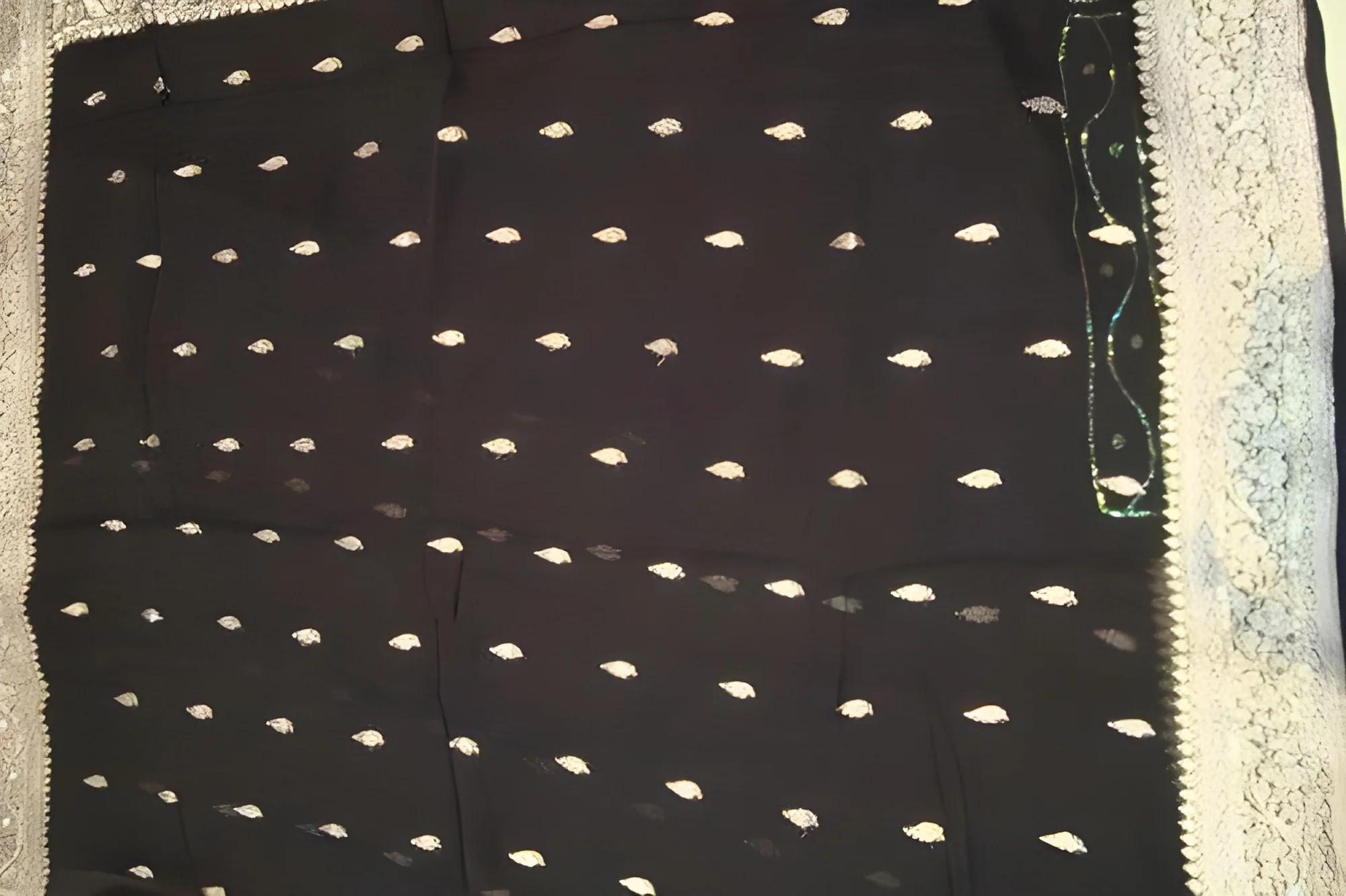
What are Banarasi Sarees?
Banarasi sarees are traditional Indian garments known for their intricate designs and luxurious fabric. Originating from Varanasi, these sarees are typically made from silk and feature rich patterns that often include gold and silver brocade. The craftsmanship involved in creating Banarasi sarees is exceptional, with skilled artisans dedicating considerable time and effort to produce each piece. The fabric is often enriched with elaborate motifs inspired by Mughal art, making them a symbol of cultural heritage and artistry.
These sarees are primarily used in formal occasions such as weddings, festivals, and celebrations. Businesses in the fashion and textile industries frequently purchase Banarasi sarees for retail, catering to clients seeking high-quality traditional wear. The market for Banarasi sarees remains strong, driven by the demand for ethnic fashion both in India and abroad. As a result, they hold significant relevance in the textile market, serving as a bridge between traditional craftsmanship and contemporary fashion needs.
Key Features and Specifications
Banarasi sarees stand out due to their unique features and specifications that cater to both aesthetic and functional needs. These sarees are characterized by their rich textures, vibrant colors, and detailed craftsmanship. The specifications often reflect the quality of materials and artistry involved in their creation.
Key specifications include:
1. Fabric Type
- Typically made from silk, though variations may include cotton or synthetic blends.
- Known for their soft texture and sheen, contributing to the luxurious feel.
2. Weaving Technique
- Handwoven using traditional techniques, often requiring several weeks to complete a single saree.
- Features intricate brocade work, with patterns woven directly into the fabric.
3. Design Patterns
- Common motifs include floral designs, paisley, and geometric shapes.
- Use of gold and silver zari threads enhances the visual appeal.
4. Color Variations
- Available in a wide range of colors, from vibrant jewel tones to pastel shades.
- Color combinations often reflect cultural significance and regional preferences.
5. Length and Width
- Standard dimensions typically range from 5.5 to 6.5 meters in length.
- Width usually falls between 1 to 1.2 meters, suitable for draping.
6. Care Instructions
- Requires dry cleaning to maintain fabric quality and design integrity.
- Avoid exposure to direct sunlight to prevent color fading.
Banarasi sarees are renowned for their quality and craftsmanship, making them a preferred choice for both consumers and retailers.
Common Applications and Use Cases
Banarasi sarees find their place across various industries due to their cultural significance and aesthetic appeal.
1. Fashion Retail: Retailers often stock Banarasi sarees to cater to customers seeking traditional wear for weddings and festive occasions.
2. Event Management: Event planners utilize Banarasi sarees for functions like weddings, creating a culturally rich atmosphere.
3. Cultural Events: Organizations involved in cultural promotion often employ Banarasi sarees for performances, exhibitions, and regional festivals.
4. Export Market: Exporters source Banarasi sarees to meet the demands of international markets, particularly in regions with a strong appreciation for traditional Indian attire.
5. Handicraft Promotion: NGOs and handicraft organizations promote Banarasi sarees to support local artisans and preserve traditional weaving techniques.
6. Custom Fashion: Designers incorporate Banarasi sarees in their collections, blending traditional elements with modern styles.
Product Variants and Subcategories
Banarasi sarees come in a variety of styles and designs, each offering unique features that appeal to different preferences.
Classic Banarasi Saree
This variant features traditional designs with intricate zari work, ideal for formal occasions and weddings.
Katan Banarasi Saree
Made from pure silk, this variant is known for its smooth texture and vibrant colors, perfect for festive celebrations.
Organza Banarasi Saree
Lightweight and sheer, this variant offers a contemporary twist while retaining the classic design elements of Banarasi sarees.
Satin Banarasi Saree
This variant combines the opulence of silk with a smooth satin finish, making it suitable for both formal and semi-formal events.
Benefits and Advantages
Banarasi sarees offer a range of benefits, making them a valuable investment for both consumers and businesses.
1. Cultural Heritage: Wearing Banarasi sarees connects individuals to rich Indian traditions and craftsmanship.
2. Versatile Fashion: Suitable for various occasions, from weddings to formal events, making them a versatile addition to any wardrobe.
3. Unique Artistry: Each saree reflects the skill of artisans, ensuring that no two pieces are exactly alike.
4. High-Quality Materials: Crafted from premium silk and other materials, they provide durability and longevity.
5. Elegant Appearance: The luxurious look of Banarasi sarees enhances the wearer's overall presentation.
6. Support Local Artisans: Purchasing Banarasi sarees helps sustain traditional weaving communities and promotes local craftsmanship.
Buying Guide for B2B Buyers
When sourcing Banarasi sarees, various factors should be taken into account to ensure a successful purchase.
1. Quality Assessment: Evaluate the fabric quality, design intricacy, and overall craftsmanship. Inspect samples if possible to ascertain standards.
2. Supplier Verification: Conduct background checks on suppliers to confirm their reputation and reliability in delivering quality products.
3. Pricing and MOQ: Understand the pricing structure and minimum order quantities to ensure they align with your business needs.
4. Delivery and Lead Times: Discuss logistics with suppliers to establish expected delivery schedules and lead times for orders.
5. Compliance Requirements: Ensure that the sarees meet any regional compliance standards, especially if exporting to international markets.
Compliance and Certifications
Banarasi sarees are subject to various quality standards and compliance regulations. Although specific certifications for Banarasi sarees are not widely documented, certain industry standards apply.
Quality standards such as ISO 9001 ensure that the manufacturing processes meet international quality management criteria. This certification helps maintain consistency and reliability in production.
Additionally, Banarasi sarees may have CE marking indicating compliance with European safety standards. This certification is crucial for businesses looking to export products to European markets.
Safety and testing requirements can include evaluating the materials used for harmful substances, ensuring that the final product is safe for consumers.
Regional compliance considerations may vary, especially for businesses operating in international markets. Understanding local regulations is essential to ensure that products meet specific legal requirements.
Why Source Banarasi Sarees from Pepagora?
Pepagora offers a trusted platform for sourcing Banarasi sarees, providing numerous advantages to B2B buyers.
Verified Supplier Network: Pepagora connects buyers with a network of verified suppliers, ensuring that you work with reputable manufacturers who adhere to quality standards.
Streamlined RFQ Process: The platform simplifies the request for quotation process, allowing buyers to quickly receive pricing and availability information from multiple suppliers.
Trade Assurance and Support: Pepagora provides buyer protection through trade assurance, ensuring that your investment is secure and that you receive the products as promised.
Regional Coverage: With a strong presence in India, the GCC, and Southeast Asia, Pepagora facilitates easy access to Banarasi sarees, catering to diverse market needs and preferences.

 IN
IN