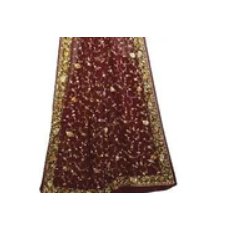
What are Bridal Sarees?
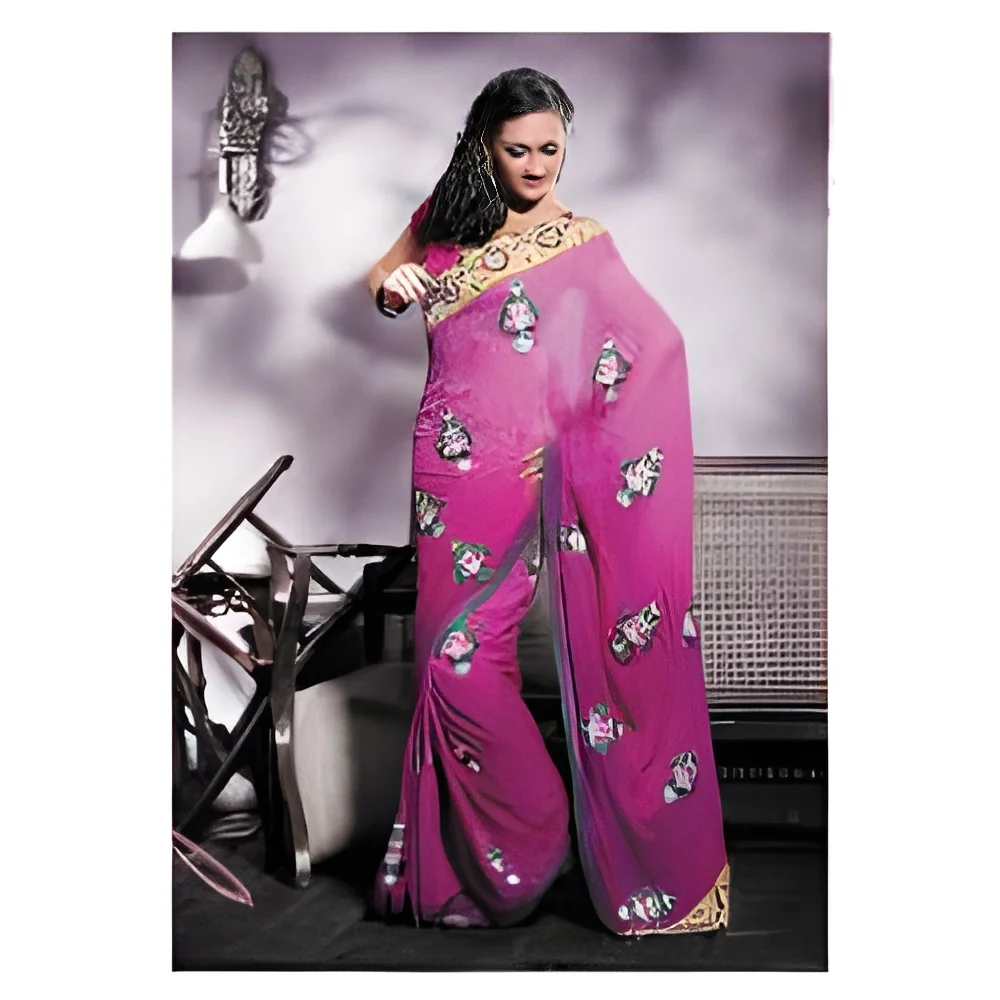
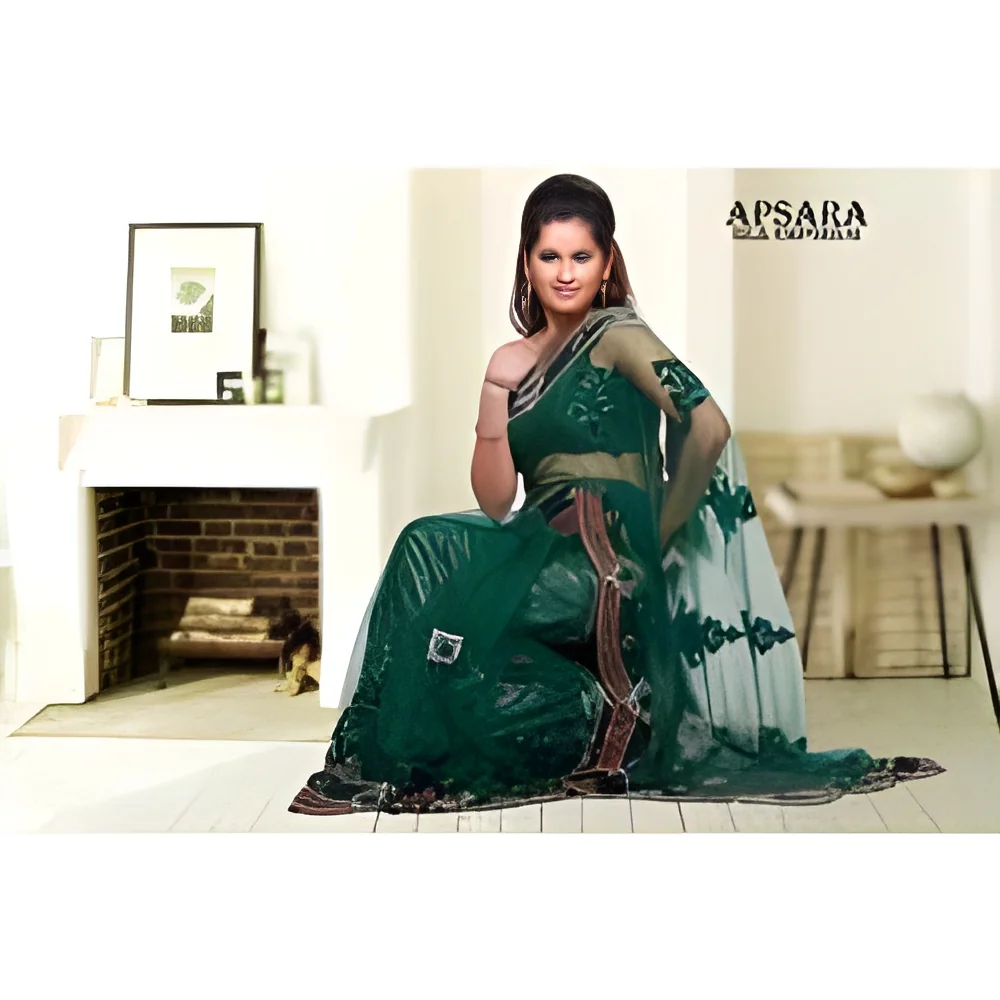
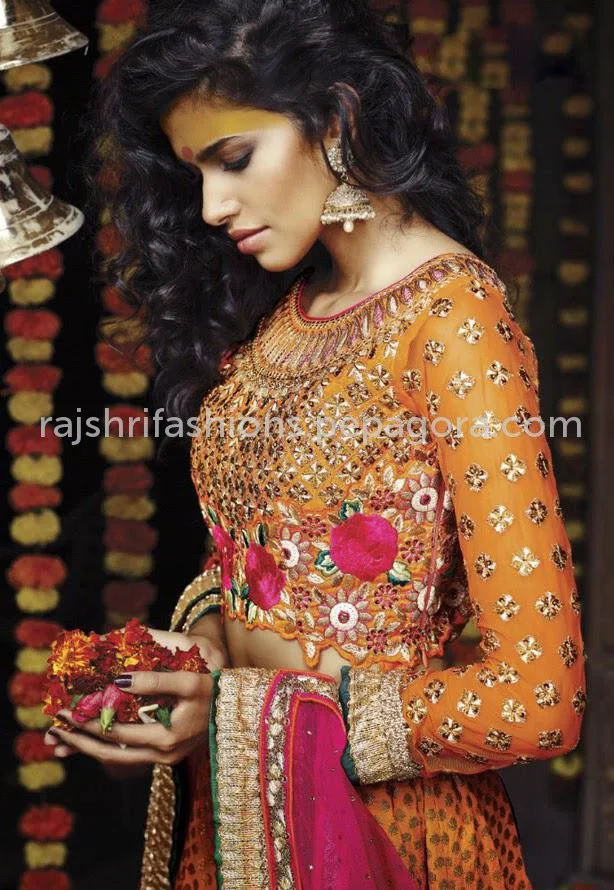
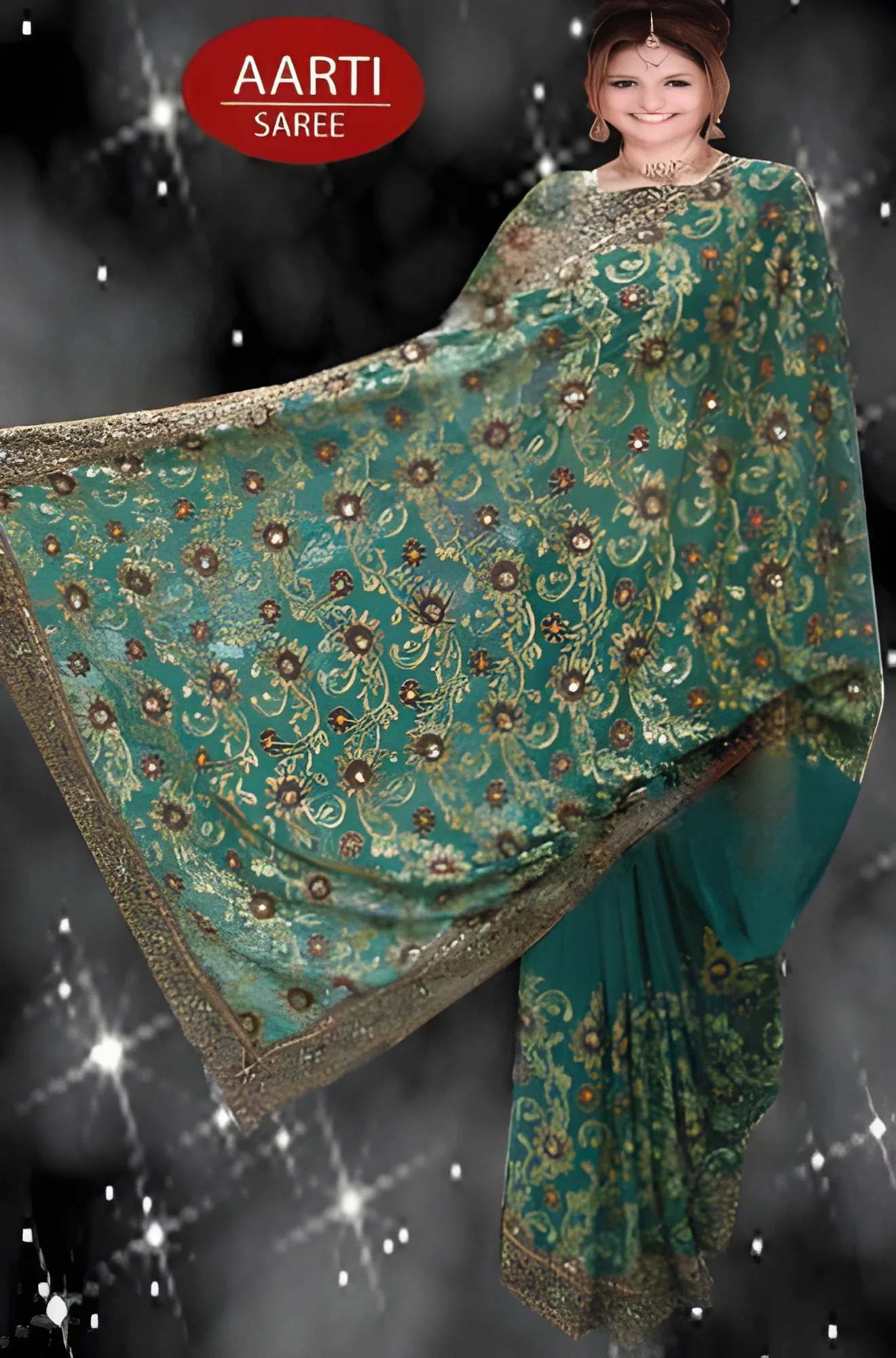
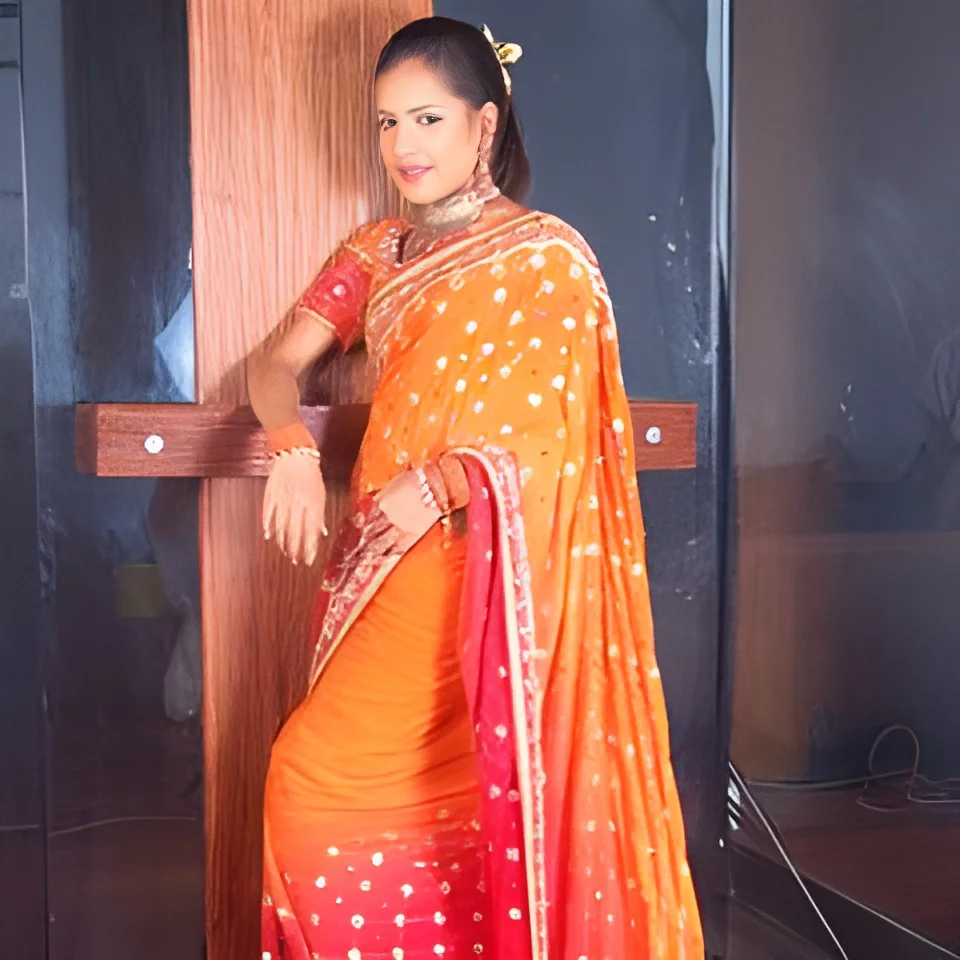
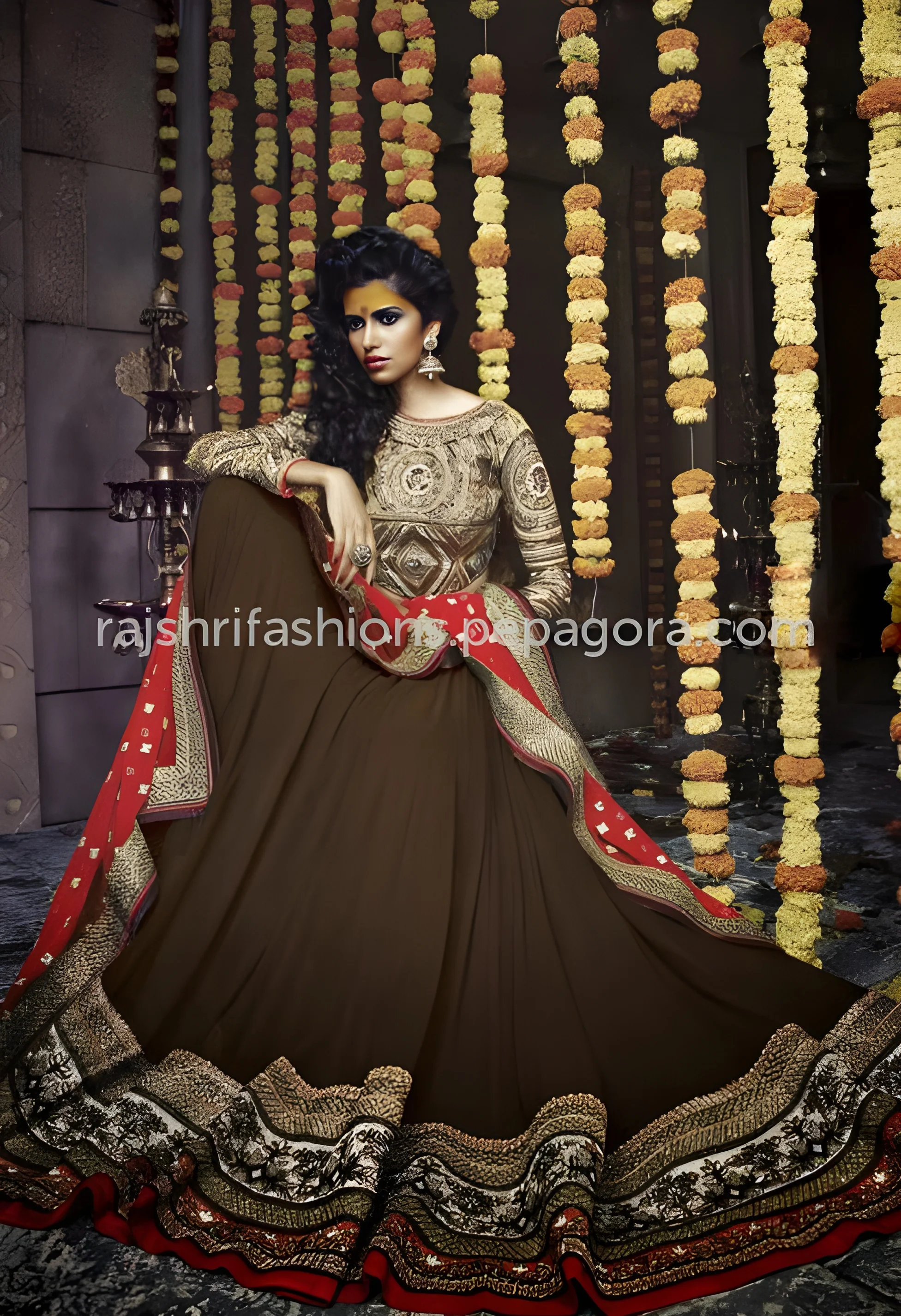
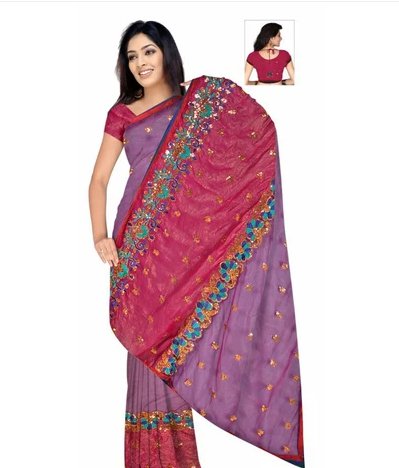
Bridal sarees are traditional Indian garments worn by brides during wedding ceremonies. These beautiful and intricately designed sarees are typically made from luxurious fabrics such as silk, chiffon, or georgette. They often feature elaborate embroidery, embellishments, and vibrant colors, making them a centerpiece of bridal attire. The saree is draped in various styles, each reflecting the cultural significance and personal preference of the bride.
Bridal sarees serve a key role in various business applications, particularly in the fashion and textile industries. They are essential for bridal boutiques, clothing retailers, and online marketplaces. These sarees are often customized to meet specific customer preferences, leading to opportunities for businesses to differentiate themselves in a competitive market. The demand for bridal sarees is significant in regions with rich wedding traditions, contributing to a thriving market for both manufacturers and retailers.
Key Features and Specifications
Bridal sarees are characterized by their unique features and specifications that cater to the specific needs of brides and the wedding industry. Understanding these specifications is crucial for B2B buyers looking to source high-quality products.
Key specifications include:
1. Fabric Type
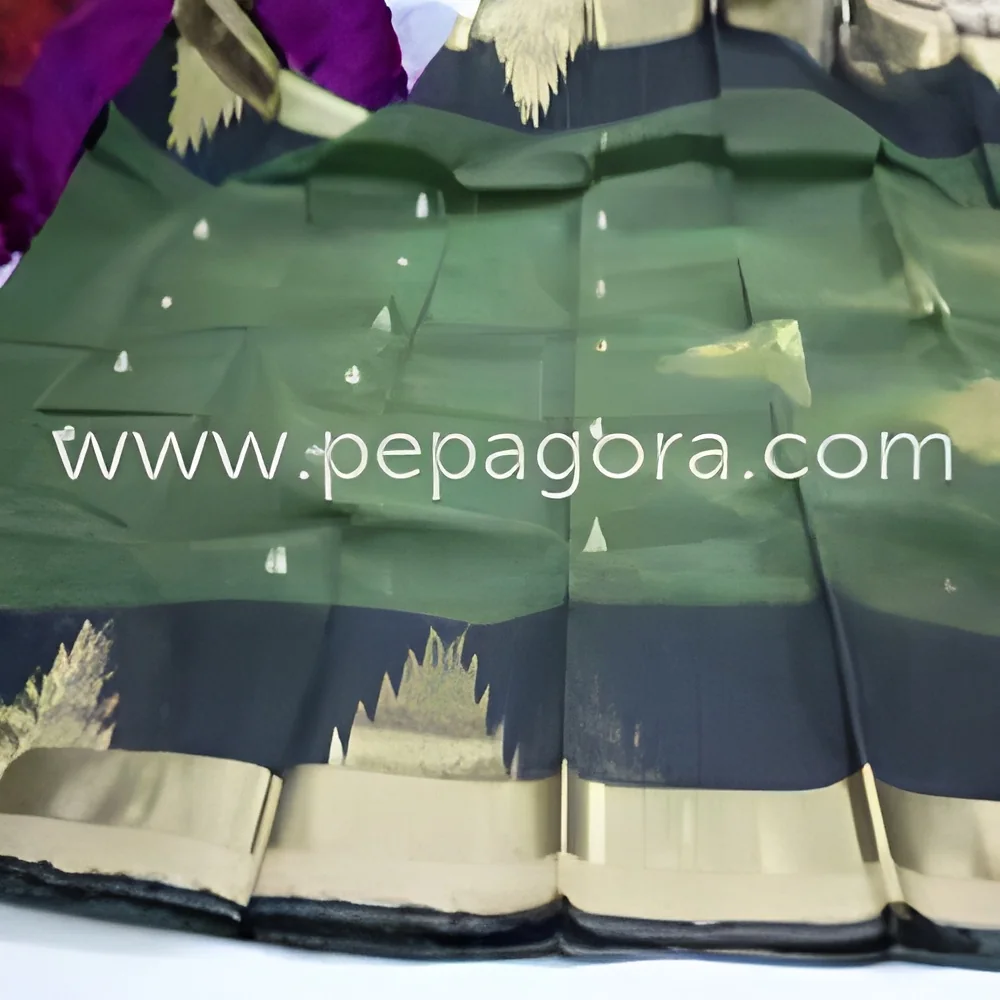
- Commonly used fabrics include silk, chiffon, and georgette.
- These materials are chosen for their durability, comfort, and aesthetic appeal.
2. Embellishments
- Sarees often feature embroidery, sequins, and beadwork.
- The level of embellishment can vary, catering to different tastes and budgets.
3. Color Range
- Available in a wide spectrum of colors, from traditional reds and golds to contemporary pastels.
- Custom color options may be available based on client requests.
4. Size and Length
- Standard saree length is typically around 5 to 6 meters.
- Custom lengths can be ordered to accommodate individual preferences.
5. Drape Style
- Various draping styles can be offered, including the traditional Nivi style.
- Some retailers provide guidance on draping techniques for brides.
6. Care Instructions
- Specific care instructions are provided for different fabrics and embellishments.
- Buyers should consider the ease of maintenance when selecting sarees.
7. Minimum Order Quantity (MOQ)
- Typical MOQs may range from 10 to 50 pieces, depending on the supplier.
- Custom orders may have different MOQ requirements.
8. Lead Time
- Standard lead times usually range from 2 to 6 weeks for production and delivery.
- Factors such as customization may affect these timelines.
In summary, understanding the key features and specifications of bridal sarees is essential for making informed purchasing decisions. Buyers should consider fabric types, embellishments, and customization options to meet client demands effectively.
Common Applications and Use Cases
Bridal sarees find their primary applications in various sectors, primarily related to fashion and events.
1. Bridal Boutiques: These establishments offer a range of bridal sarees for customers looking for unique wedding attire. They often feature exclusive designs that appeal to brides.
2. Online Retailers: E-commerce platforms provide a convenient way for brides to explore and purchase bridal sarees from the comfort of their homes. Online retailers often showcase a diverse selection.
3. Rental Services: Some businesses specialize in renting out bridal sarees for weddings, providing an affordable option for brides who prefer not to purchase.
4. Tailoring and Customization Services: Tailors and designers work with bridal sarees to create personalized garments that fit the bride's vision and measurements.
5. Cultural Events and Festivals: Besides weddings, bridal sarees are also worn during cultural events and festivals, expanding their market reach.
6. Fashion Shows: Designers often showcase bridal sarees in fashion shows, promoting new trends and styles to potential buyers and the public.
7. Export Markets: There is a growing demand for Indian bridal sarees in international markets, making them a popular export product.
Product Variants and Subcategories
Bridal sarees come in various styles and designs, catering to diverse preferences and cultural backgrounds.
Traditional Bridal Sarees
These sarees often feature intricate designs and vibrant colors, reflecting regional customs. They are typically made from rich fabrics like silk and adorned with heavy embroidery.
Contemporary Bridal Sarees
These sarees blend traditional elements with modern aesthetics. They may use lighter fabrics and simpler designs, appealing to brides who prefer a minimalist look.
Designer Bridal Sarees
Created by renowned designers, these sarees emphasize unique craftsmanship and exclusive designs. They often come with a premium price tag due to their high-quality materials and artistry.
Eco-Friendly Bridal Sarees
These sarees are made from sustainable materials and dyes, catering to environmentally conscious brides. They are becoming increasingly popular in the market.
Benefits and Advantages
Bridal sarees offer several benefits that make them a valuable choice for brides and B2B buyers alike.
1. Cultural Significance: Bridal sarees hold deep cultural meaning, making them an essential part of wedding traditions in many communities.
2. Variety of Styles: With numerous styles and designs available, brides can find sarees that perfectly match their personal tastes and wedding themes.
3. Customization Options: Many suppliers offer customization, allowing for unique designs that cater to individual preferences.
4. High-Quality Materials: Bridal sarees are typically made from premium fabrics that enhance comfort and durability, providing long-lasting value.
5. Versatility: Apart from weddings, bridal sarees can be worn for various events, making them a versatile addition to any wardrobe.
6. Investment Potential: High-quality bridal sarees may retain value over time, making them a worthwhile investment for buyers.
Buying Guide for B2B Buyers
When sourcing bridal sarees, B2B buyers should consider several key factors to ensure they make informed decisions.
1. Quality Assessment: Evaluate the fabric quality, stitching, and embellishments to ensure the sarees meet industry standards. Look for suppliers who provide samples for inspection.
2. Supplier Verification: Research suppliers to ensure they are reputable and have a track record of delivering quality products. Check for reviews and testimonials from previous clients.
3. Pricing and MOQ: Understand the pricing structure and minimum order quantities offered by suppliers. Compare prices but also consider the quality to ensure a good return on investment.
4. Delivery and Lead Times: Confirm delivery timelines and lead times for orders. It's essential to align these with your business needs to avoid any disruptions.
5. Compliance Requirements: Ensure that the sarees meet any relevant regulatory standards and certifications in your region. This can include quality certifications such as CE.
Compliance and Certifications
Bridal sarees must adhere to specific quality standards and certifications to ensure they meet industry requirements. Common standards include ISO 9001, which focuses on quality management systems, ensuring that manufacturers maintain consistent product quality.
Additionally, CE certification is significant for products entering certain markets, as it indicates conformity with health, safety, and environmental protection standards.
Safety and testing requirements may also be applicable, depending on the materials used in the sarees. It is crucial for manufacturers to conduct tests for colorfastness and fabric durability.
Regional compliance considerations can vary. Buyers should familiarize themselves with local regulations regarding textiles to ensure that the sarees they source comply with relevant laws and standards.
Why Source Bridal Sarees from Pepagora?
Pepagora offers a trusted platform for sourcing bridal sarees, providing several key advantages to B2B buyers.
Verified Supplier Network: Pepagora maintains a network of verified suppliers, ensuring that buyers connect with reputable businesses known for quality and reliability.
Streamlined RFQ Process: The platform simplifies the request for quotation (RFQ) process, making it easier for buyers to compare offers and select the best options for their needs.
Trade Assurance and Support: Pepagora provides trade assurance, protecting buyers throughout the transaction process. This includes support for any potential disputes that may arise.
Regional Coverage: With a focus on regions such as India, the GCC, and Southeast Asia, Pepagora offers extensive geographic reach, connecting buyers with a diverse range of suppliers to meet their specific demands.

 IN
IN