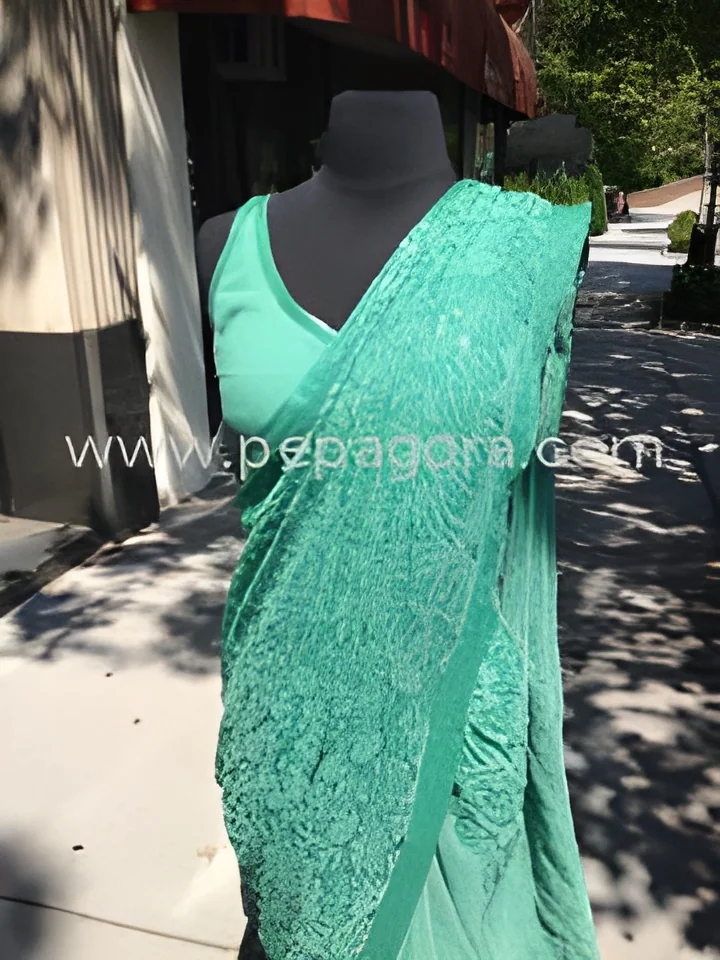
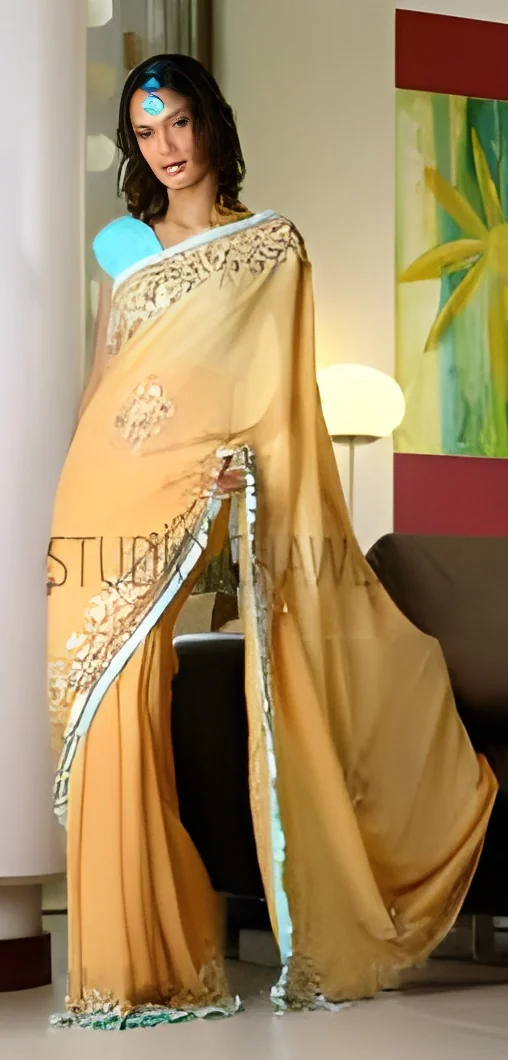
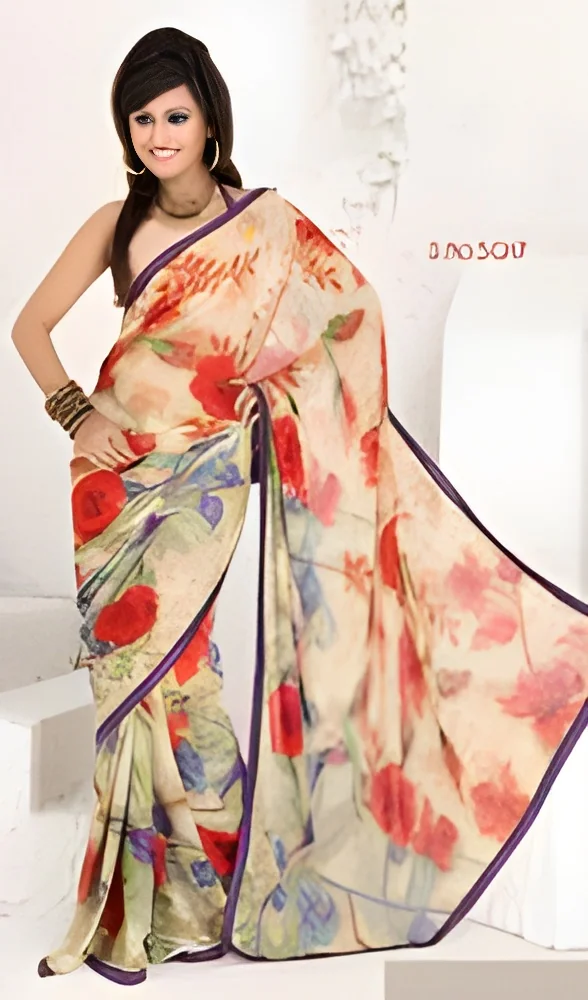
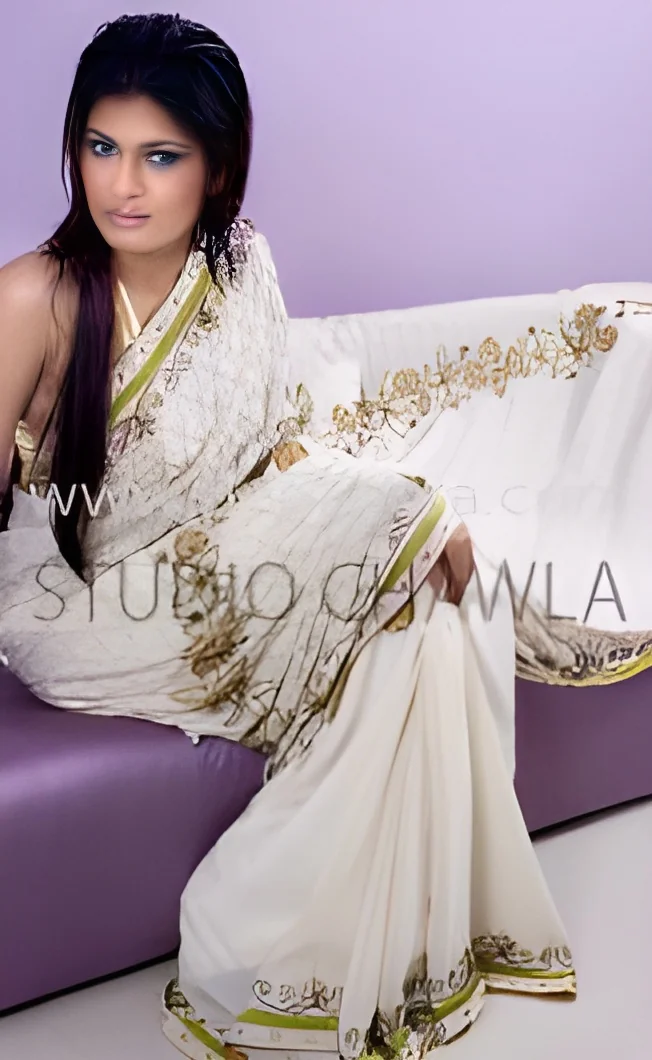
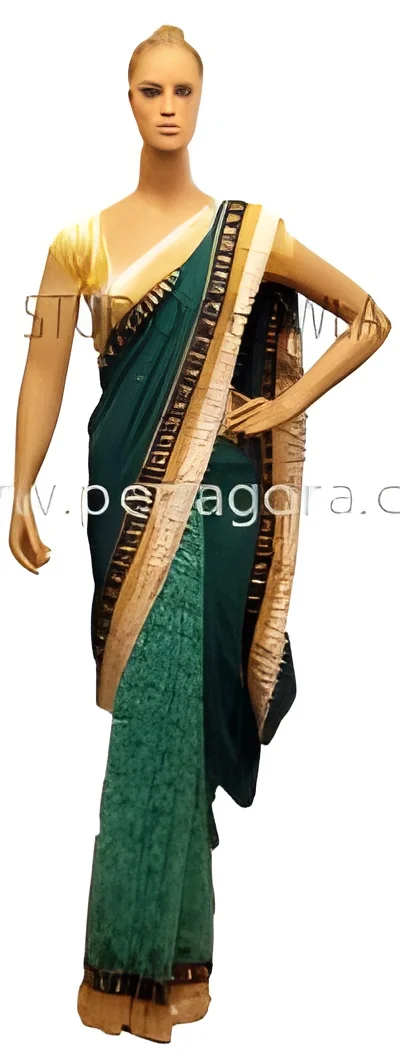
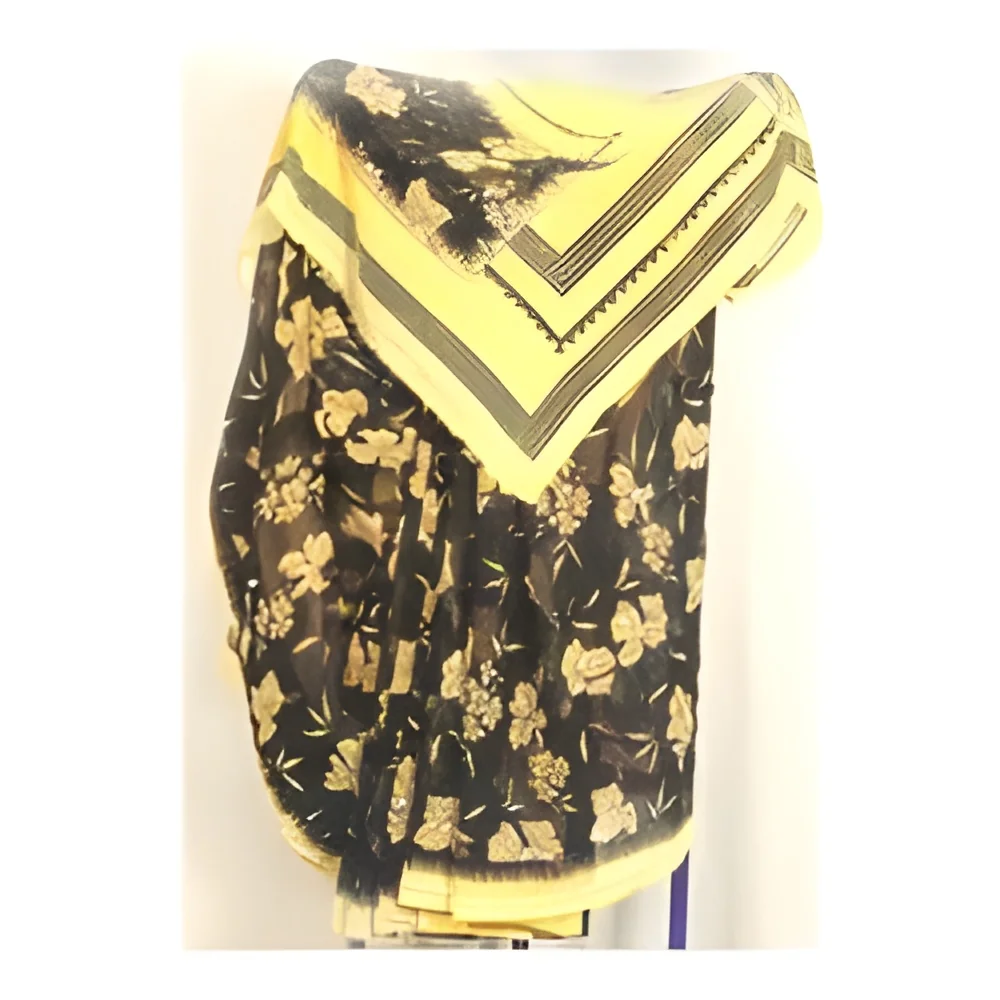
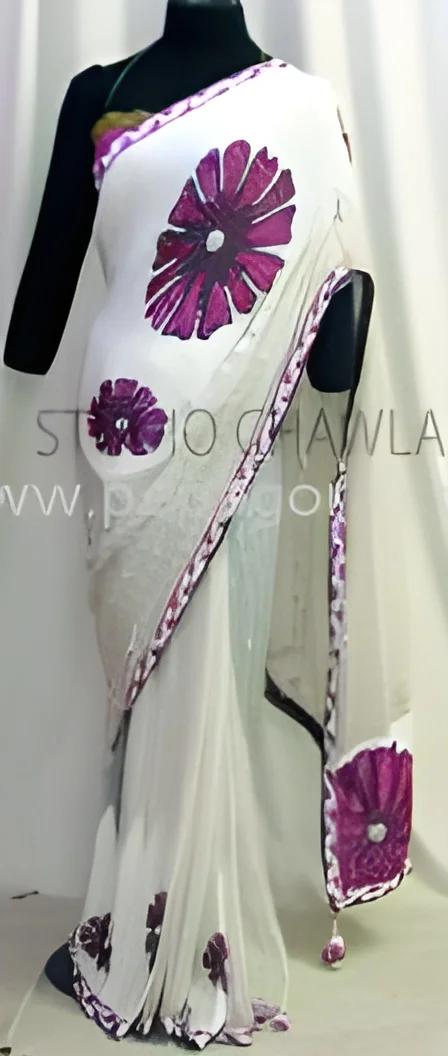
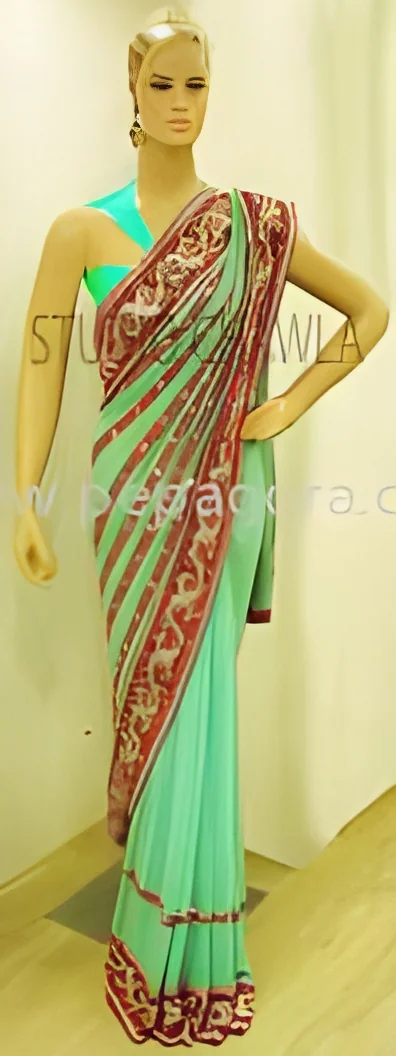
What are Printed Sarees?
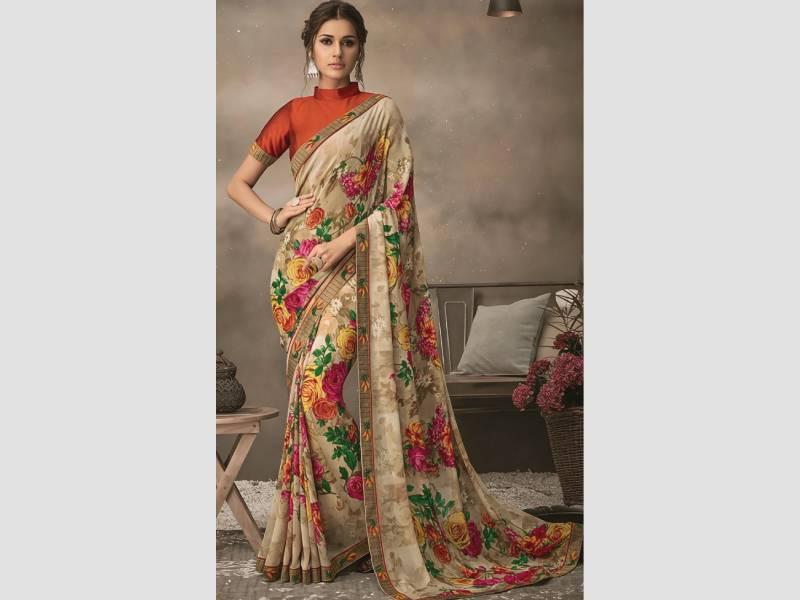
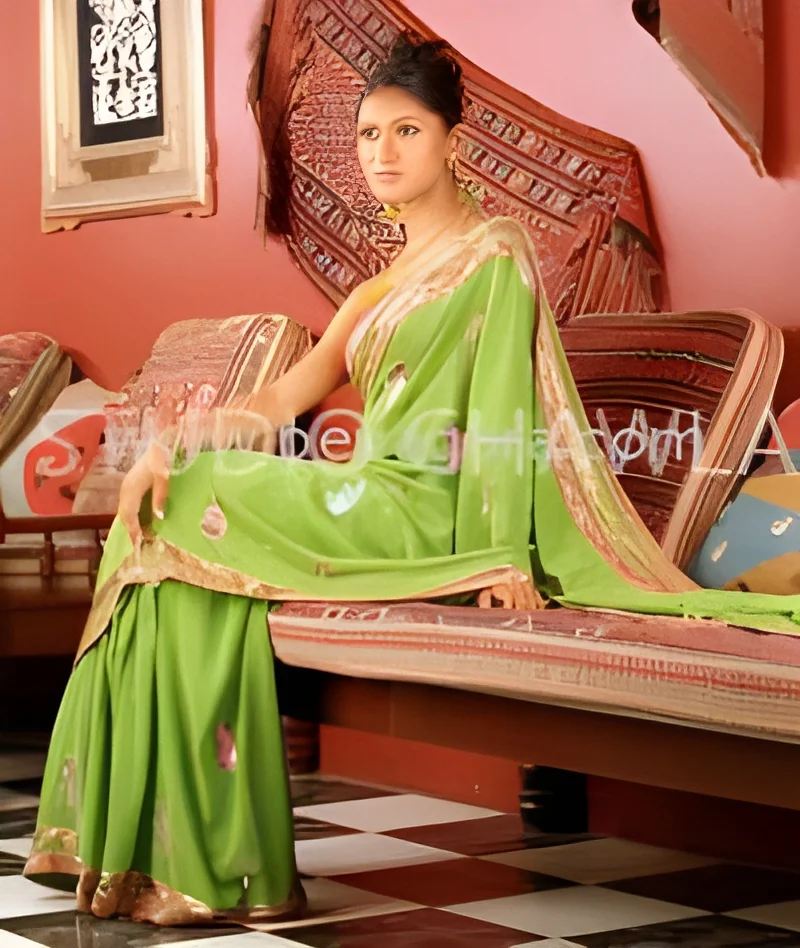
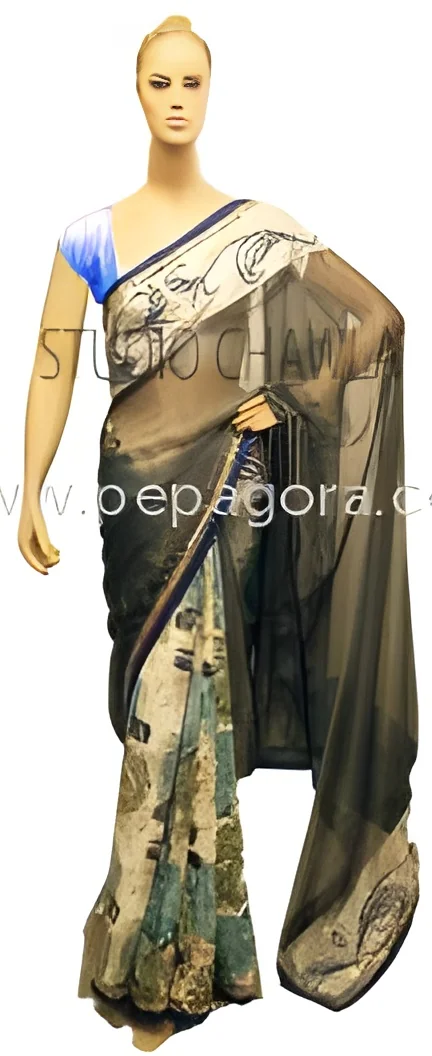
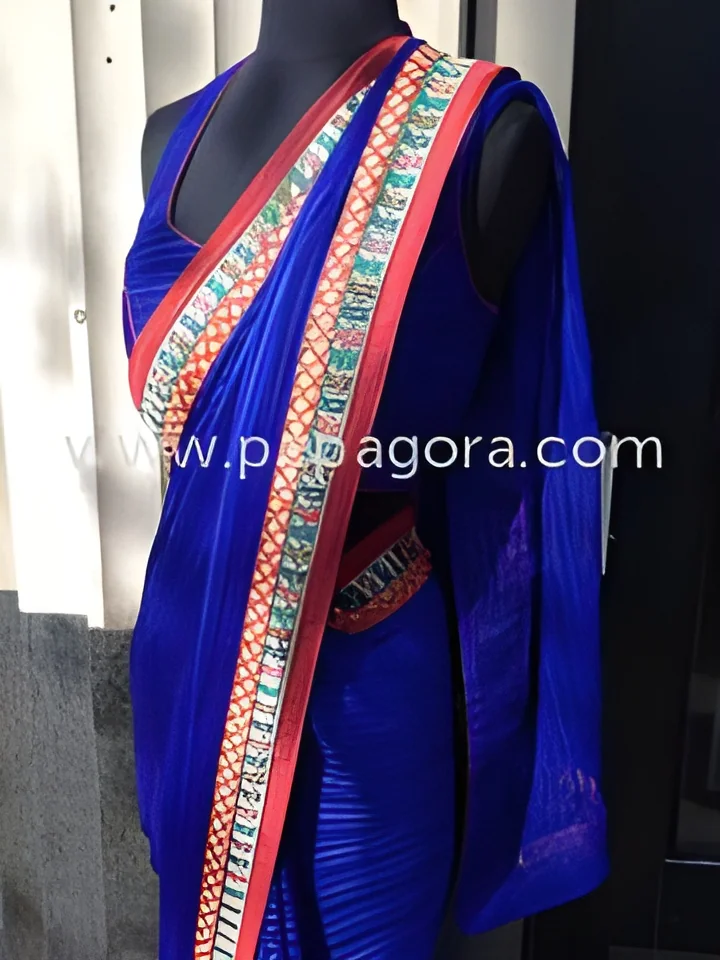
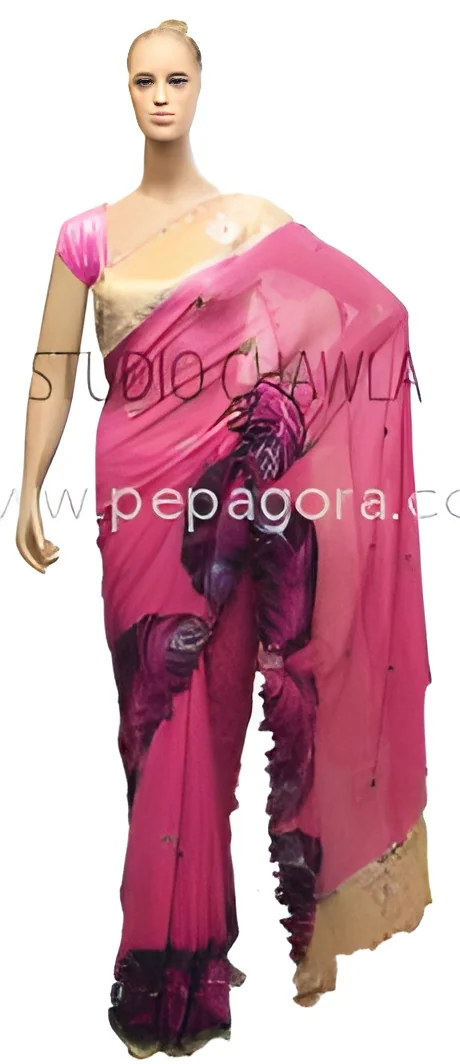
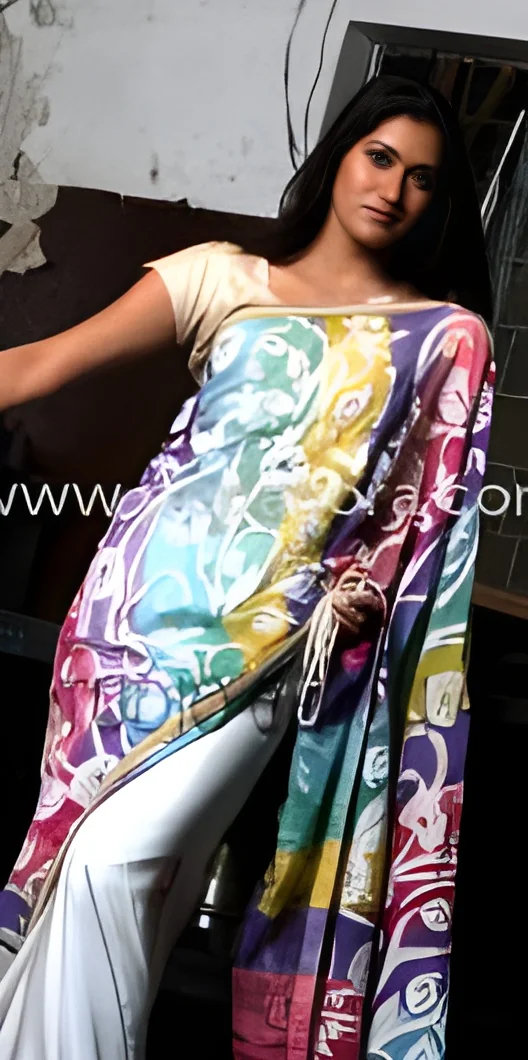
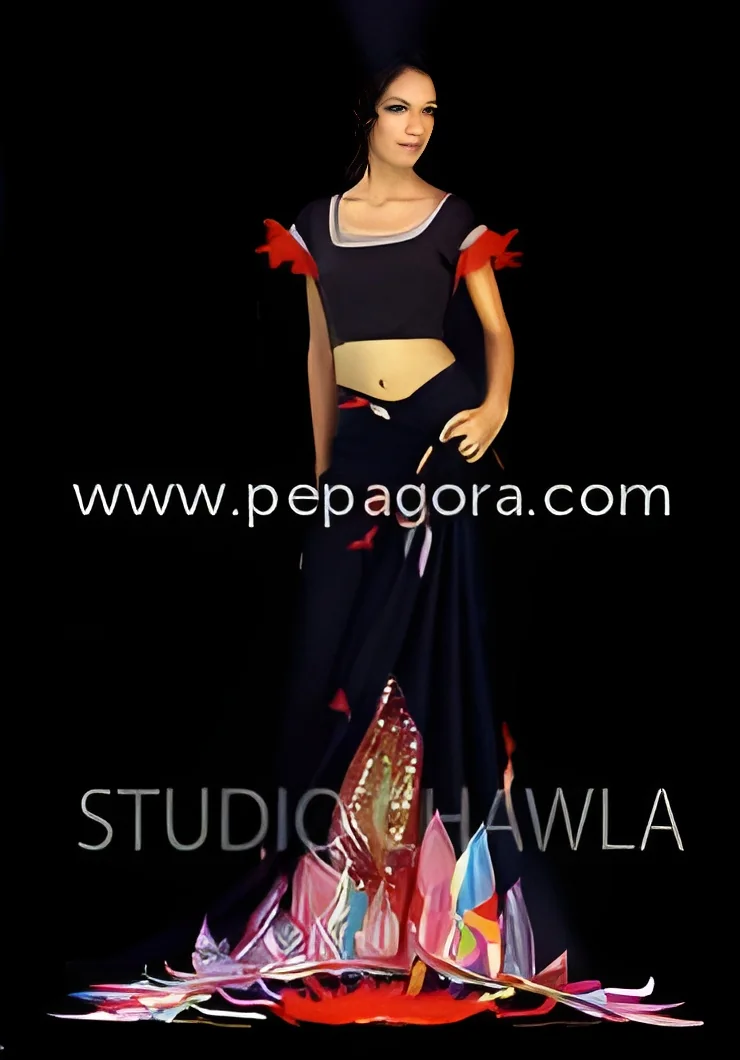
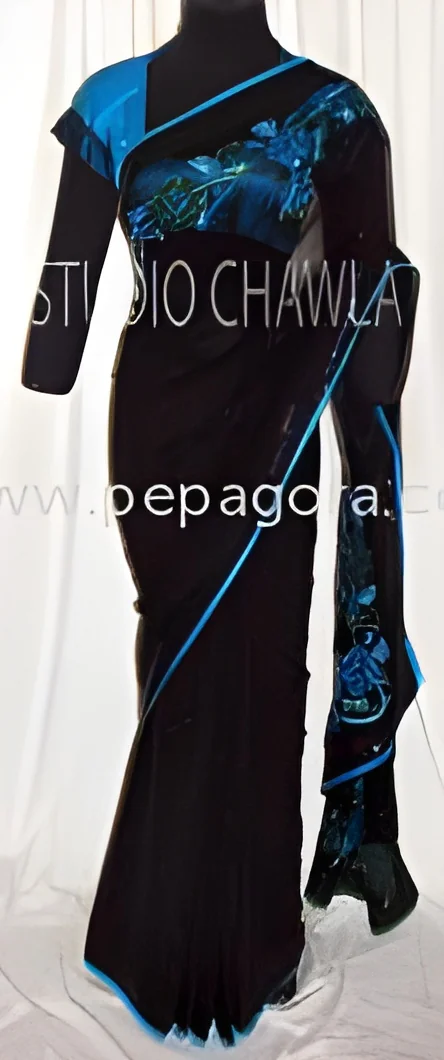
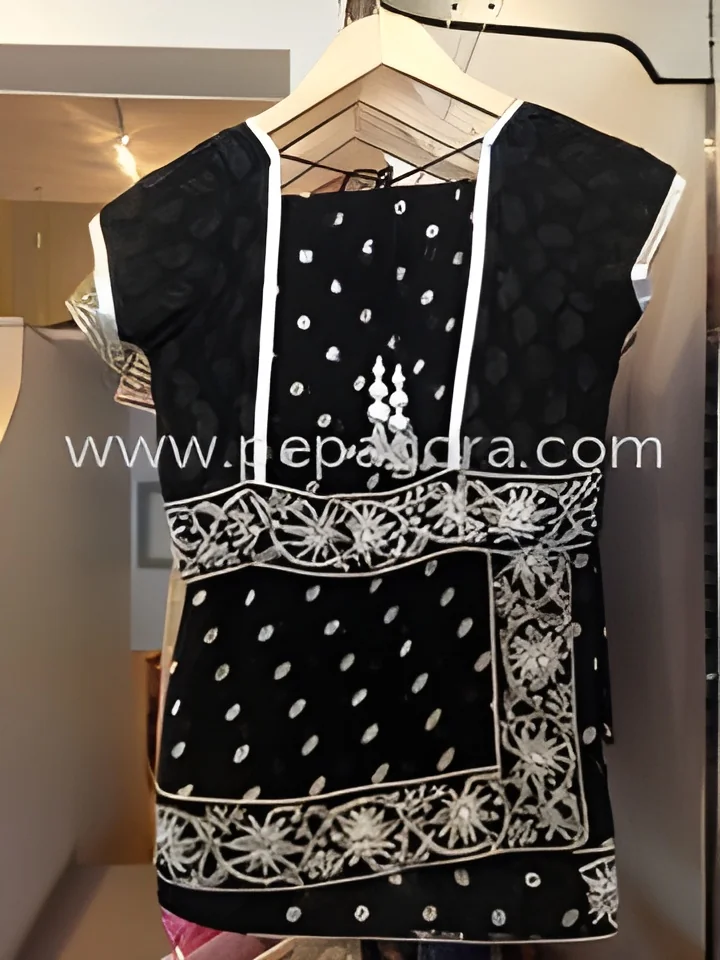
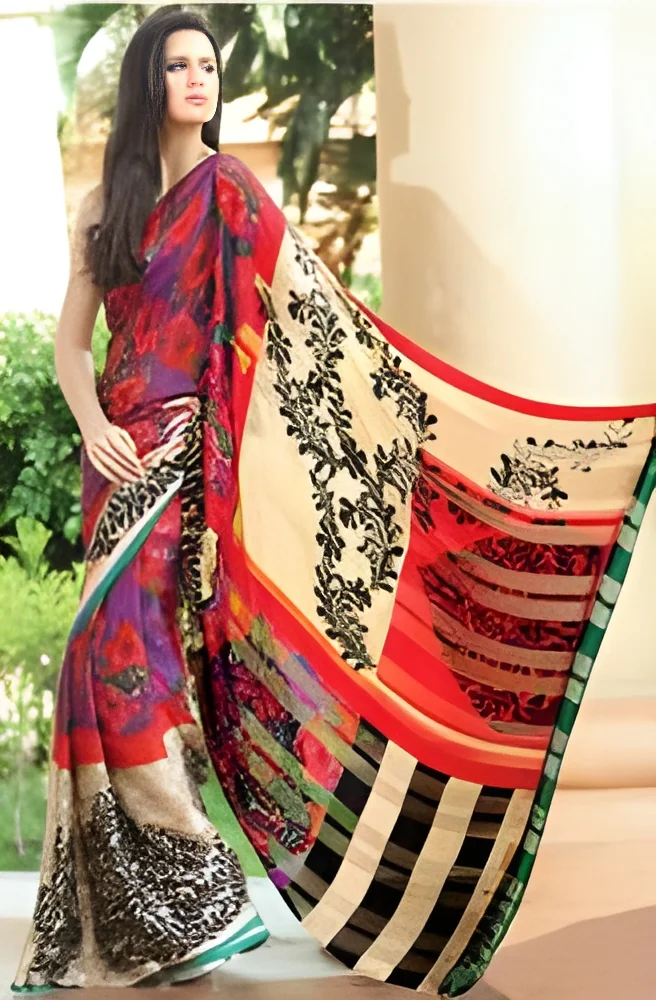
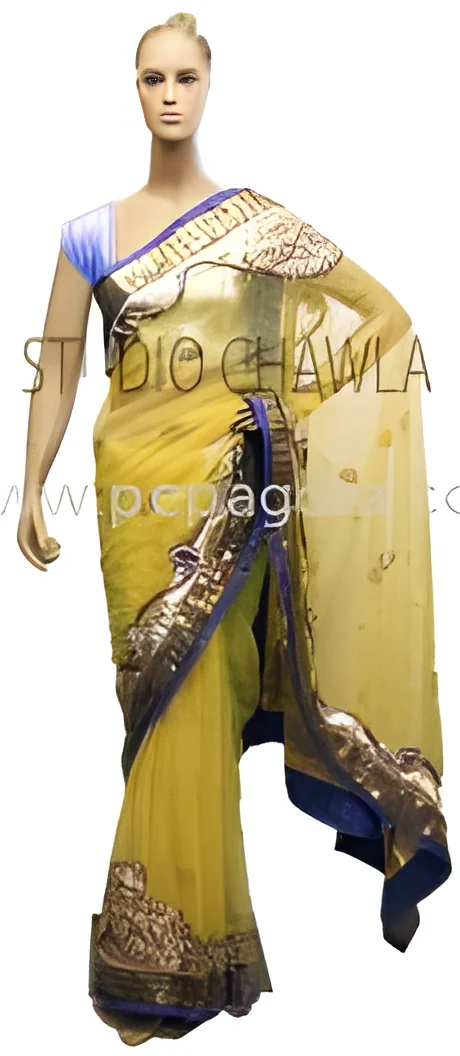
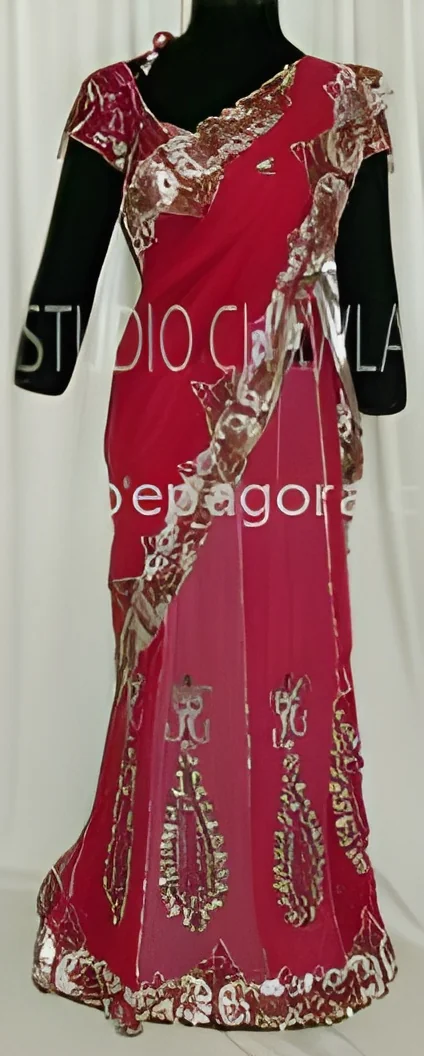
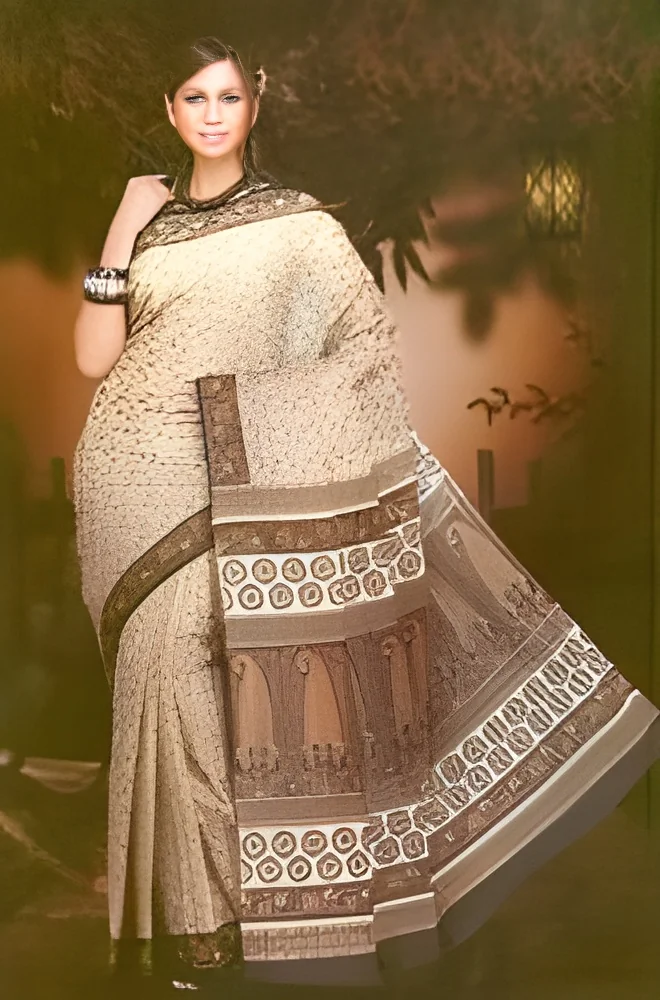
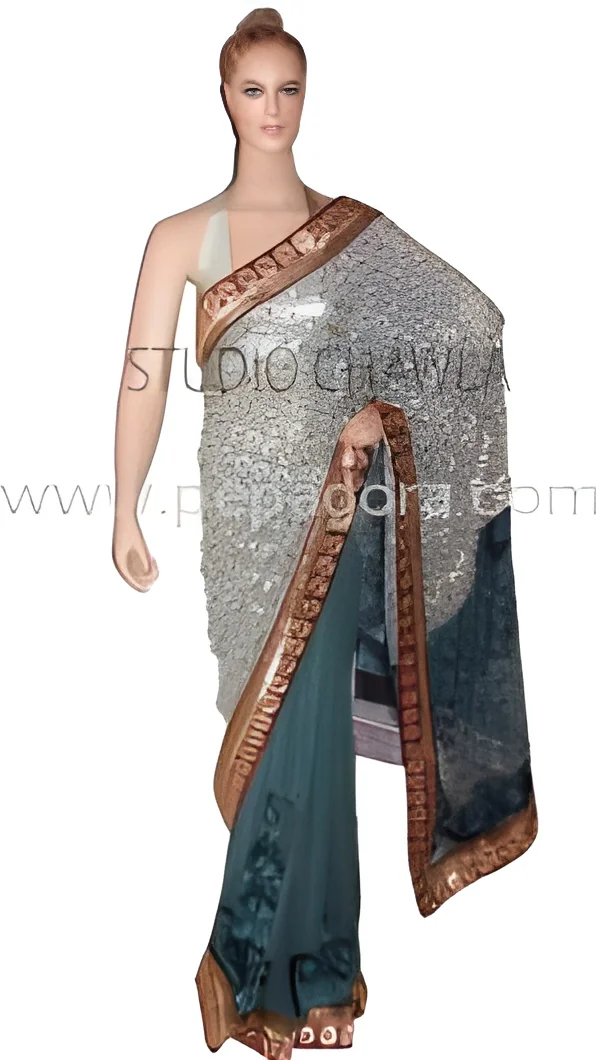
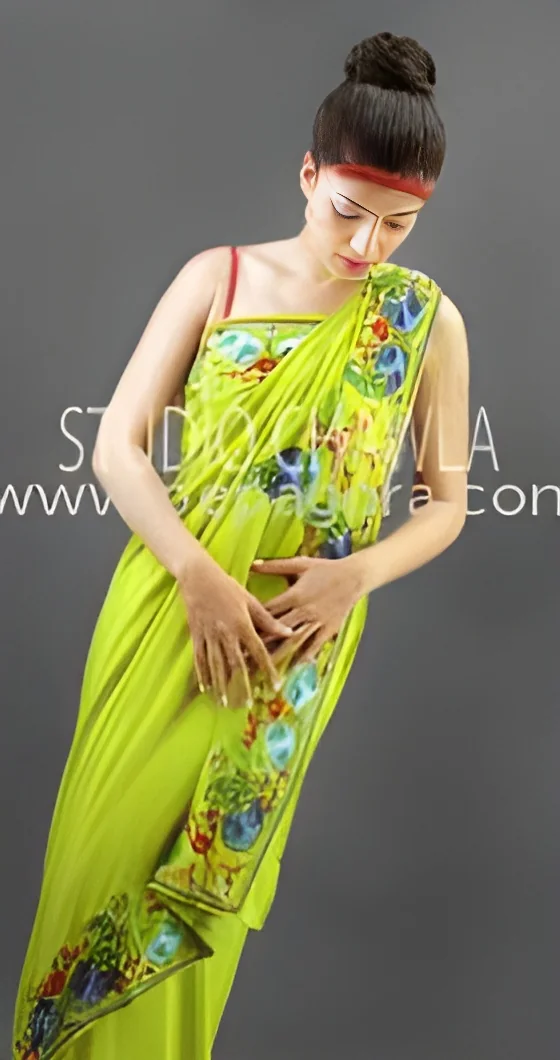
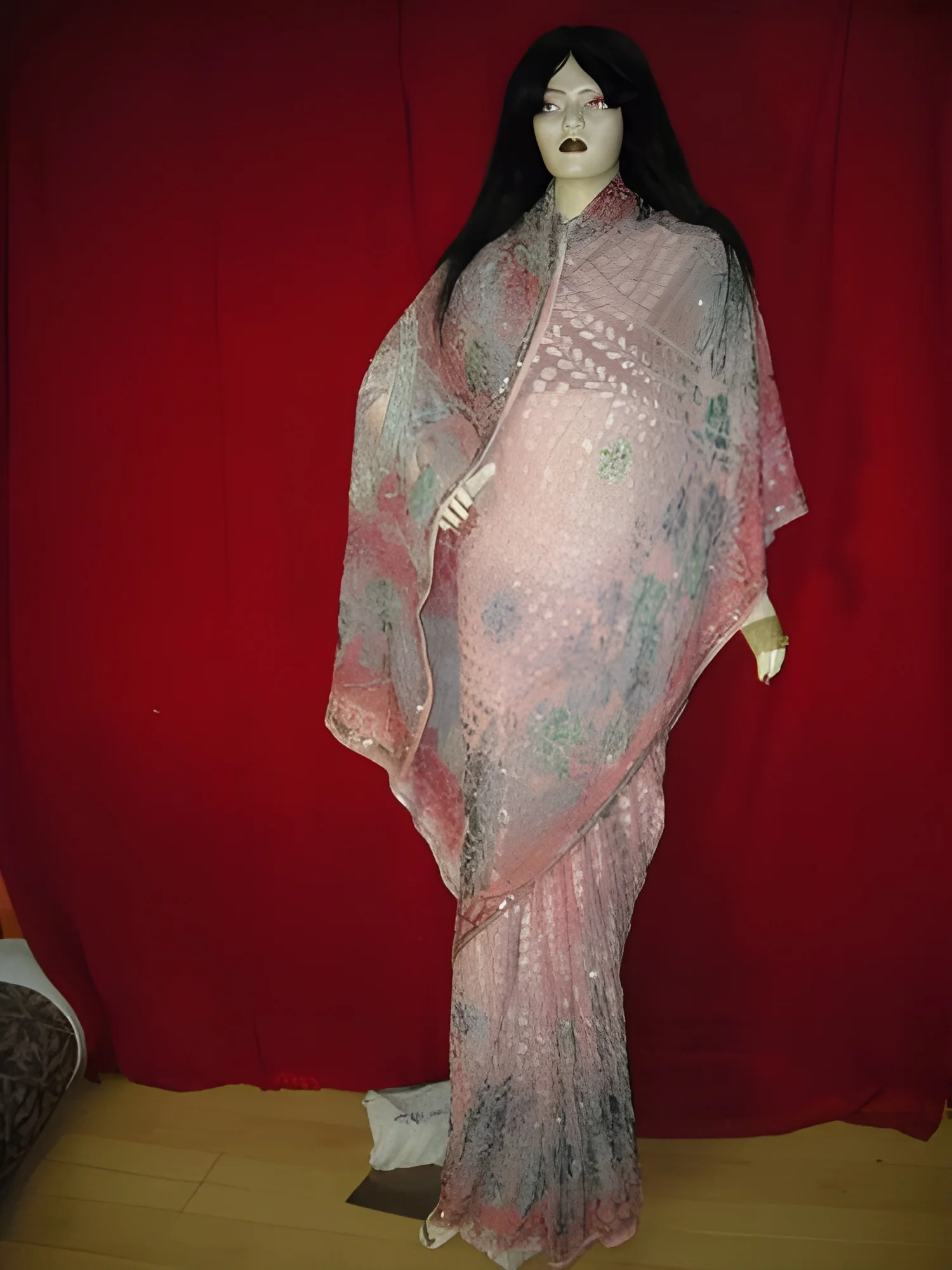
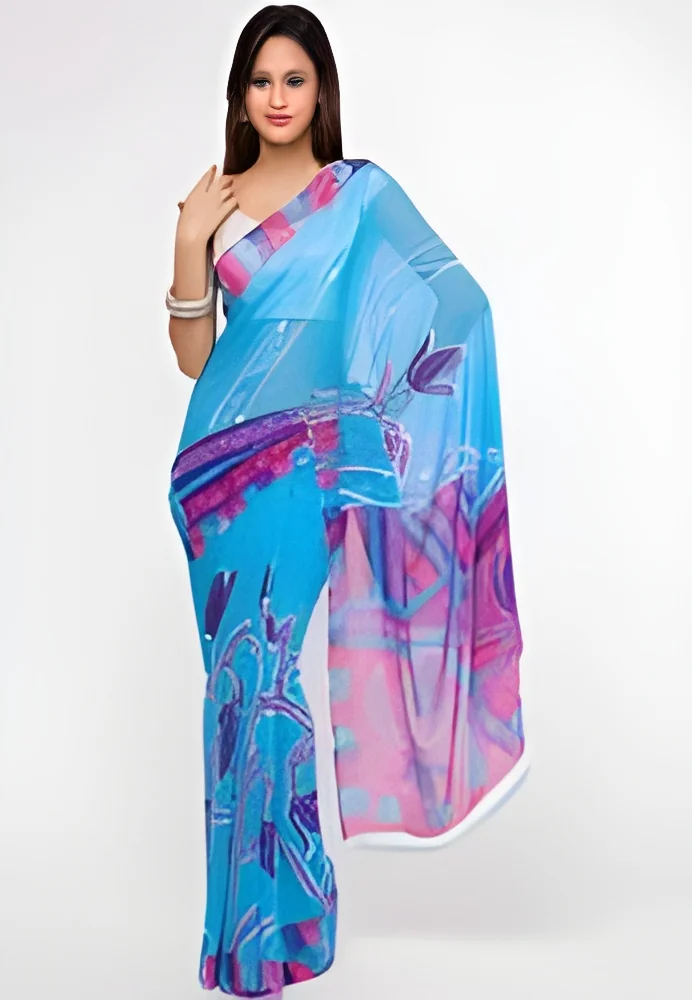
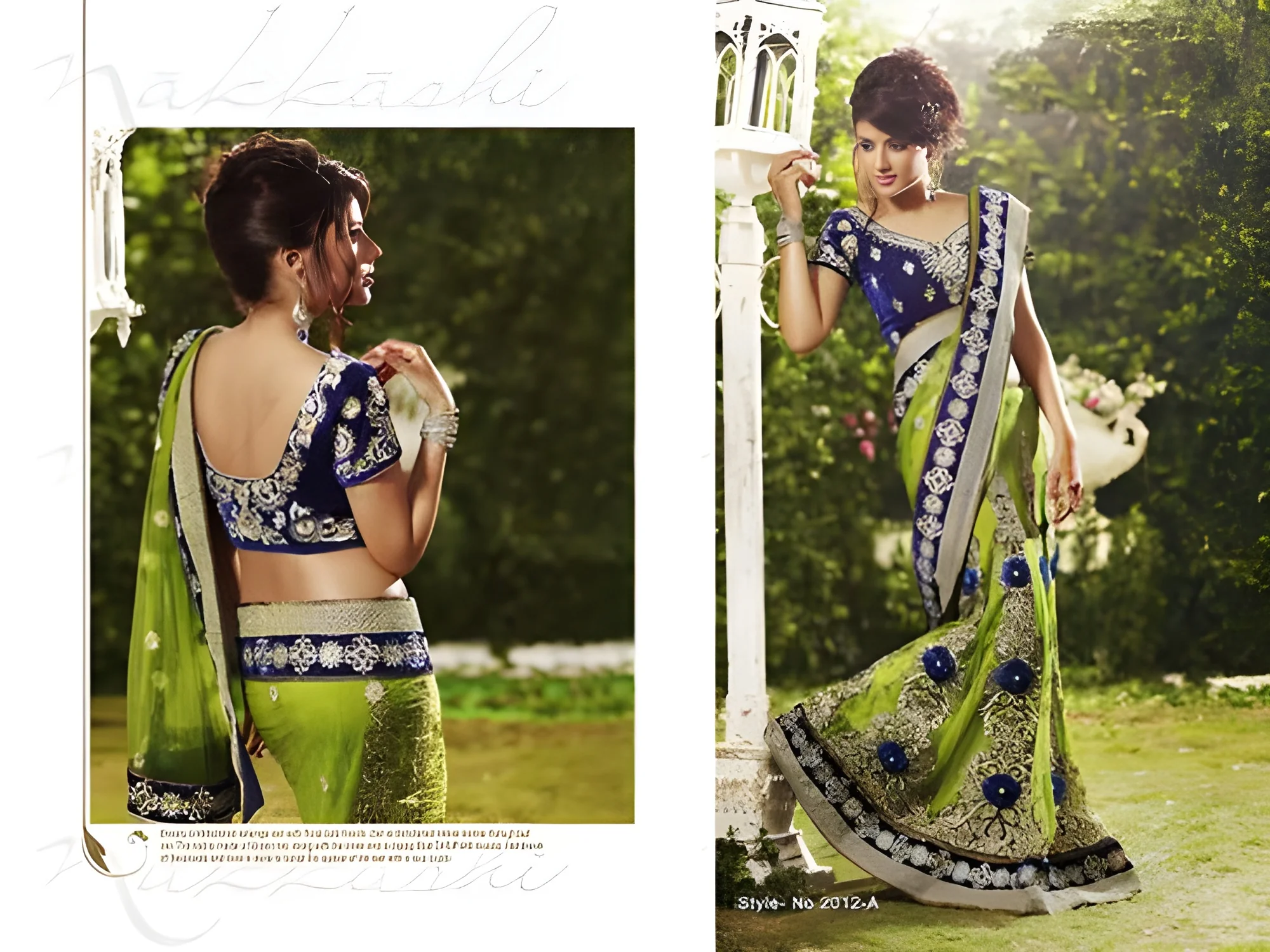
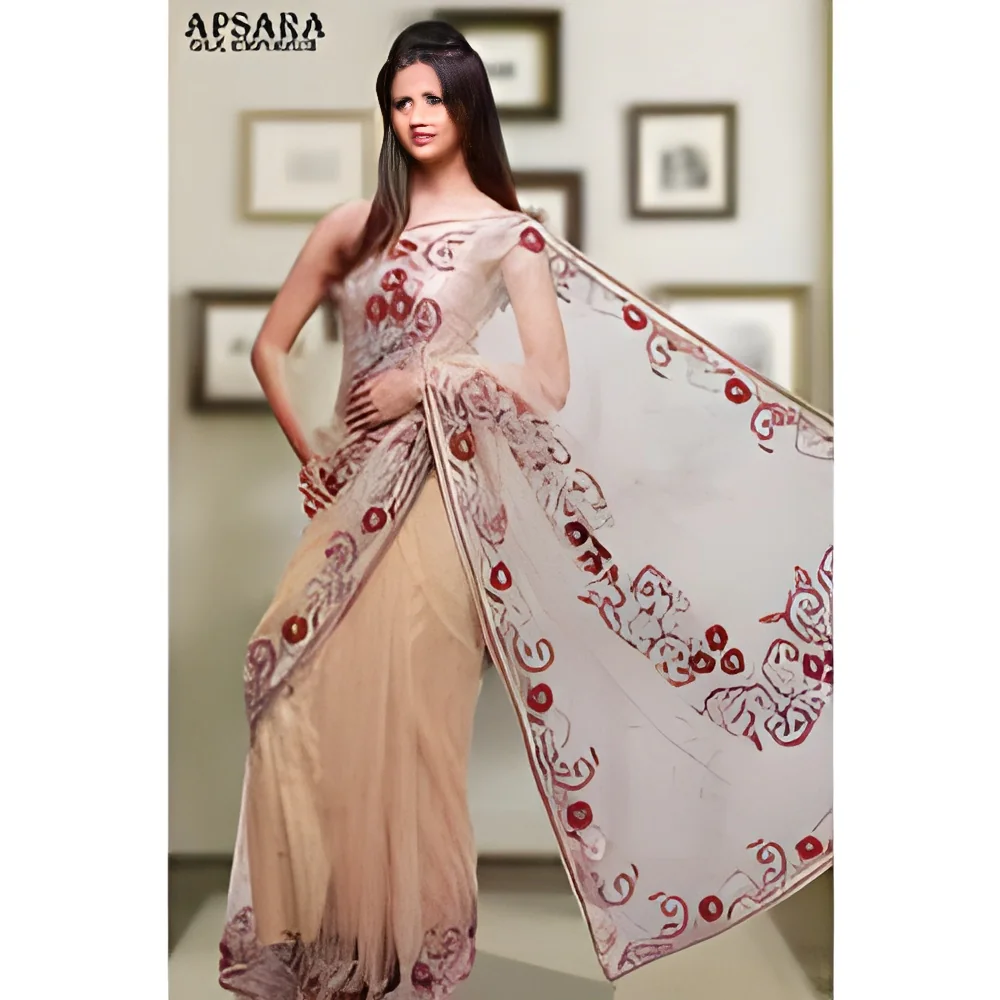
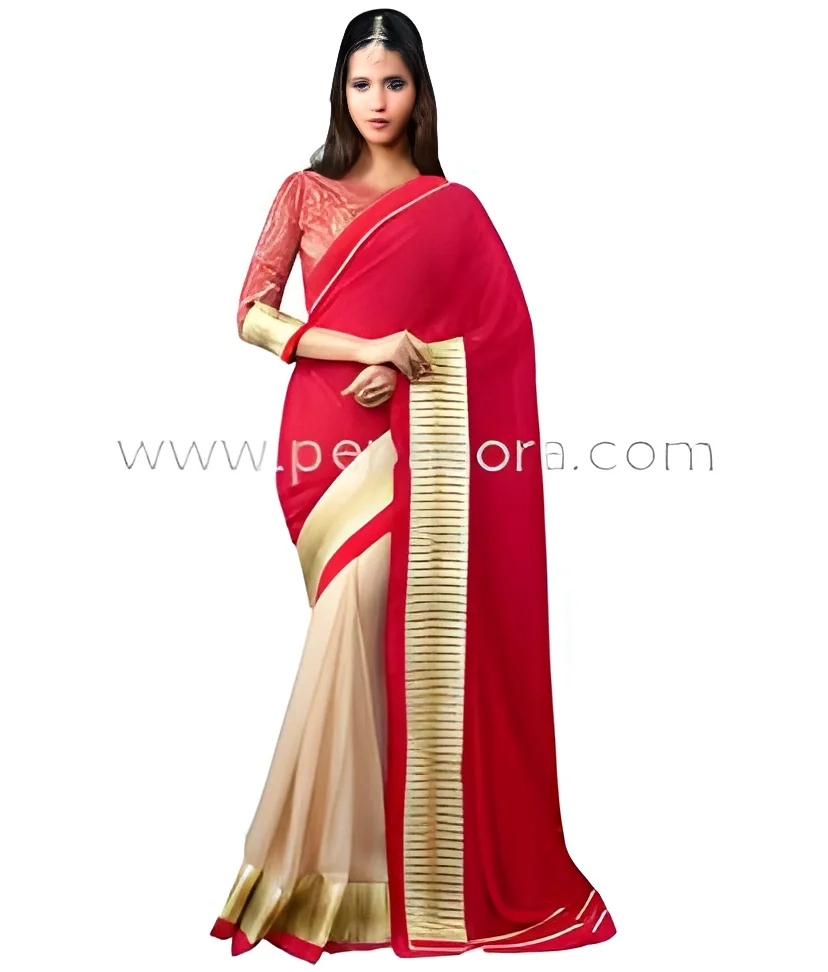
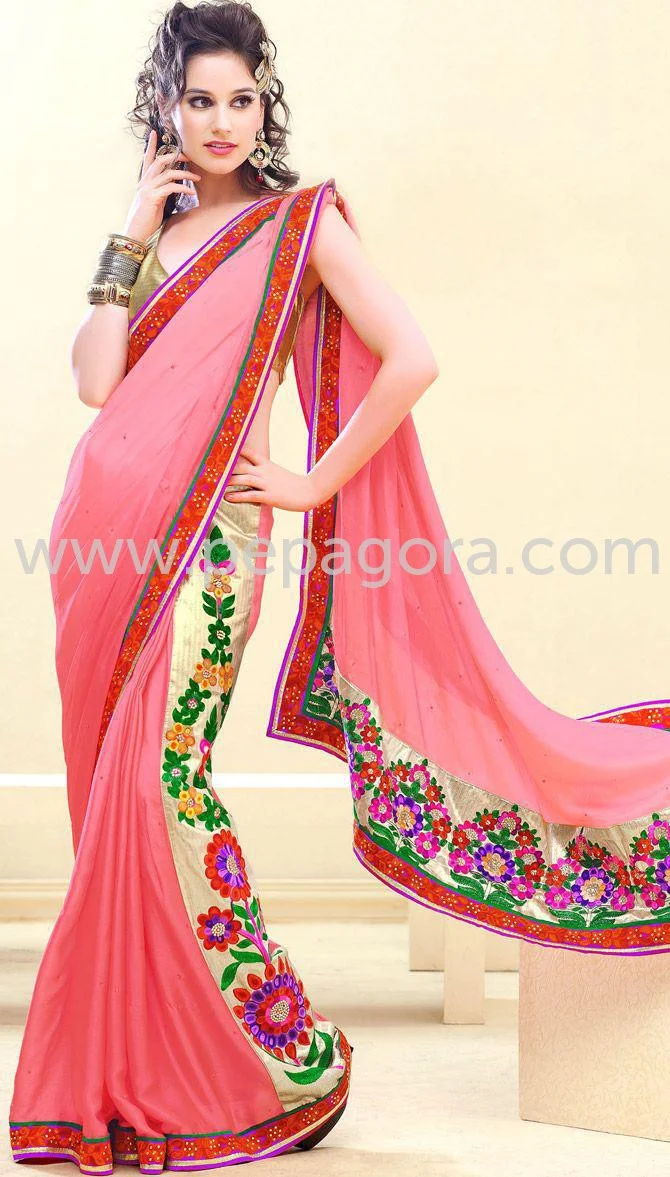
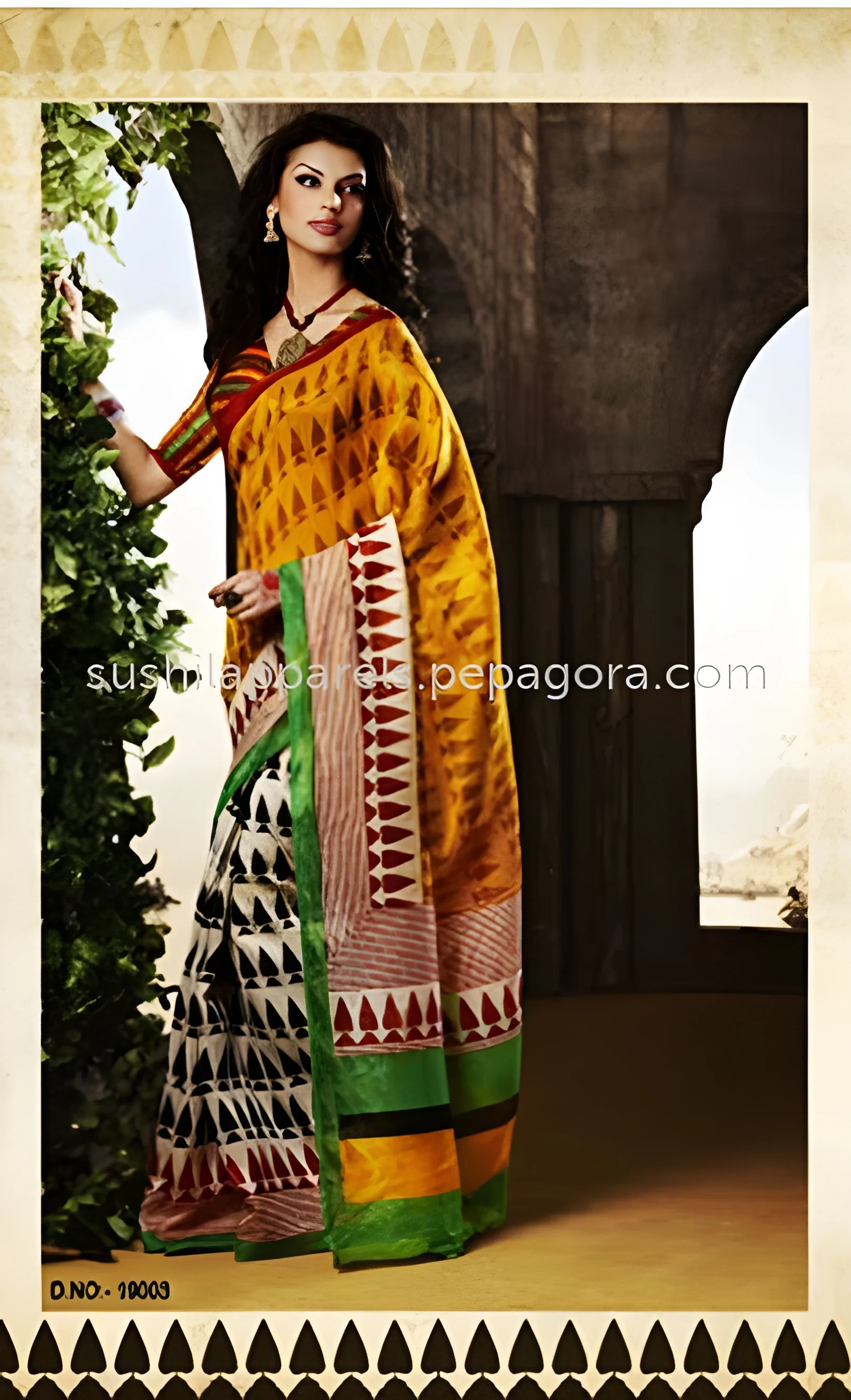
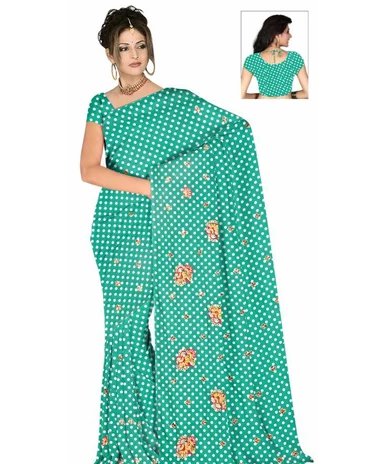
Printed sarees are traditional Indian garments adorned with various designs and patterns created using printing techniques. These sarees are typically made from a variety of fabrics, including cotton, silk, and synthetic blends. The printing methods used can vary, including block printing, screen printing, and digital printing. Each technique contributes to the distinct look and feel of the saree, making it appealing to a wide range of consumers.
In the business context, printed sarees are extensively used in the fashion industry for retail and wholesale markets. They are popular among retailers looking to offer vibrant, ready-to-wear options for consumers. Additionally, printed sarees are often utilized in cultural events, festivals, and weddings, leading to a steady demand throughout the year. The market for printed sarees remains robust, supported by the growing interest in traditional attire and the increasing number of fashion designers embracing ethnic wear.
Key Features and Specifications
Printed sarees are known for their aesthetic appeal and versatility. They come with a range of features that cater to various customer preferences. The specifications can vary widely based on fabric type, print method, and design.
Key specifications include:
1. Fabric Type
- Available in cotton, silk, polyester, and blends
- Each fabric offers different draping qualities and comfort levels
2. Printing Techniques
- Includes block printing, screen printing, and digital printing
- Each technique imparts unique design intricacies
3. Dimensions
- Standard length usually ranges from 5.5 to 6.5 meters
- Width typically around 1 meter
4. Weight
- Varies between 150 to 500 grams depending on fabric and design
5. Color Fastness
- Must meet specific standards to ensure vibrancy and durability
- Key for maintaining quality after multiple washes
6. Design Patterns
- Can include floral, geometric, abstract, and traditional motifs
- Custom designs are often available for bulk orders
In summary, printed sarees are a blend of traditional craftsmanship and modern design, offering a wide range of specifications to meet customer needs.
Common Applications and Use Cases
Printed sarees find applications in various sectors, making them a versatile product.
1. Fashion Retail: Printed sarees are a staple in clothing stores, appealing to customers looking for traditional yet stylish attire.
2. Event Management: These sarees are frequently used in weddings and cultural events, providing an elegant option for attendees.
3. Export Industry: Many businesses export printed sarees to international markets, catering to the growing demand for ethnic wear globally.
4. Handicrafts: Artisans utilize printed sarees in creating unique handicrafts, enhancing their aesthetic appeal through vibrant designs.
5. E-commerce: Online platforms selling ethnic wear prominently feature printed sarees, reaching a wider audience.
6. Fashion Shows: Designers use printed sarees in runway shows to highlight traditional clothing's beauty and versatility.
Product Variants and Subcategories
Printed sarees offer a rich diversity of styles and options to cater to different consumer preferences.
Traditional Printed Sarees
These sarees showcase classic designs and are often made from natural fabrics. They are perfect for formal occasions and cultural events.
Contemporary Printed Sarees
With modern designs and vibrant colors, these sarees appeal to younger audiences. They often combine traditional elements with contemporary styles.
Festive Printed Sarees
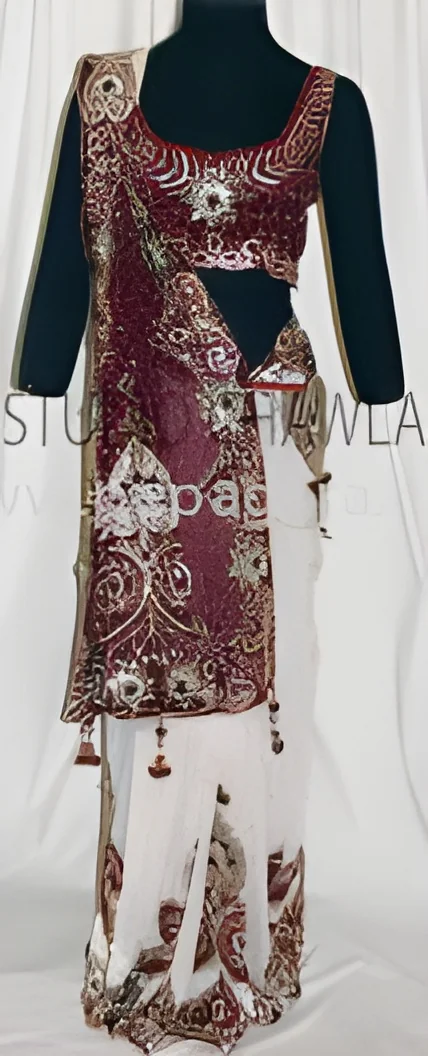
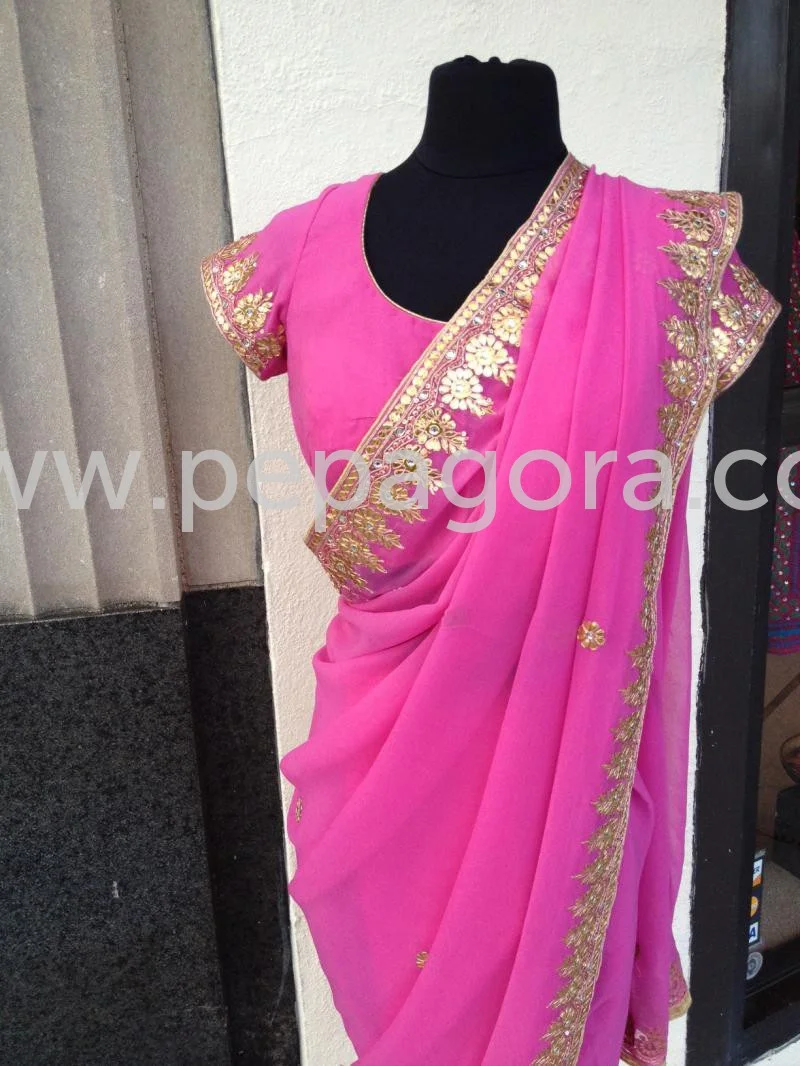
Specifically designed for celebrations, these sarees feature bold prints and embellishments. They are ideal for weddings and festivals.
Eco-Friendly Printed Sarees
Made from sustainable materials, these sarees appeal to environmentally conscious consumers. They often feature organic prints and dyes.
Benefits and Advantages
Choosing printed sarees comes with several advantages for both consumers and businesses.
1. Versatility: Printed sarees can be worn for various occasions, from casual outings to formal events.
2. Customization: Many suppliers offer customization options, allowing businesses to create unique designs for their clientele.
3. Cultural Appeal: Printed sarees represent rich cultural heritage, making them attractive to consumers interested in traditional attire.
4. Cost-Effective: Printed sarees often provide a balance of quality and affordability, appealing to a broad customer base.
5. Easy Maintenance: Most printed sarees are machine-washable, making them convenient for everyday wear.
6. Trendy: The incorporation of modern designs keeps printed sarees relevant in the ever-evolving fashion industry.
Buying Guide for B2B Buyers
When sourcing printed sarees, several factors should be considered to ensure quality and reliability.
1. Quality Assessment: Examine fabric quality, print durability, and overall craftsmanship. Requesting samples can help evaluate these criteria.
2. Supplier Verification: Vet suppliers thoroughly by checking references, reviews, and certifications. A reliable supplier will have a proven track record.
3. Pricing and MOQ: Understand the pricing structure and minimum order quantities to ensure they align with your budget and inventory needs.
4. Delivery and Lead Times: Confirm shipping timelines and logistics to ensure timely delivery for your business requirements.
5. Compliance Requirements: Ensure that the printed sarees meet relevant quality standards and regulations in your region, including any necessary certifications.
Compliance and Certifications
Printed sarees must adhere to certain quality standards and regulations to ensure they meet industry expectations. Compliance with ISO 9001 ensures that manufacturers maintain quality management systems, delivering consistent products.
Additionally, CE certification indicates that the products meet European safety, health, and environmental requirements. This is particularly important for businesses looking to enter international markets.
Safety and testing requirements should also be considered. Printed sarees should be tested for color fastness and fabric safety, ensuring they do not cause adverse reactions in consumers.
Regional compliance considerations may vary, so it is essential to stay informed about local regulations affecting textile imports and sales.
Why Source Printed Sarees from Pepagora?
Pepagora provides a trusted platform for sourcing printed sarees, offering numerous advantages for B2B buyers.
Verified Supplier Network: Pepagora connects businesses with verified suppliers, ensuring that they can source high-quality printed sarees with confidence. This network reduces the risk of dealing with unreliable vendors.
Streamlined RFQ Process: The platform facilitates a straightforward request for quotation (RFQ) process, allowing buyers to quickly obtain pricing and product information from multiple suppliers. This saves time and enhances decision-making.
Trade Assurance and Support: Pepagora offers trade assurance, protecting buyers' investments by ensuring that suppliers adhere to agreed-upon terms. Additionally, their support team is available to assist with any issues that may arise during transactions.
Regional Coverage: With a focus on markets in India, the Gulf Cooperation Council (GCC), and Southeast Asia, Pepagora has a significant reach in the textile industry. This geographic coverage enables businesses to tap into diverse markets and customer bases.

 IN
IN