
 IN
Cotton Sarees
32 products available
What are Cotton Sarees?
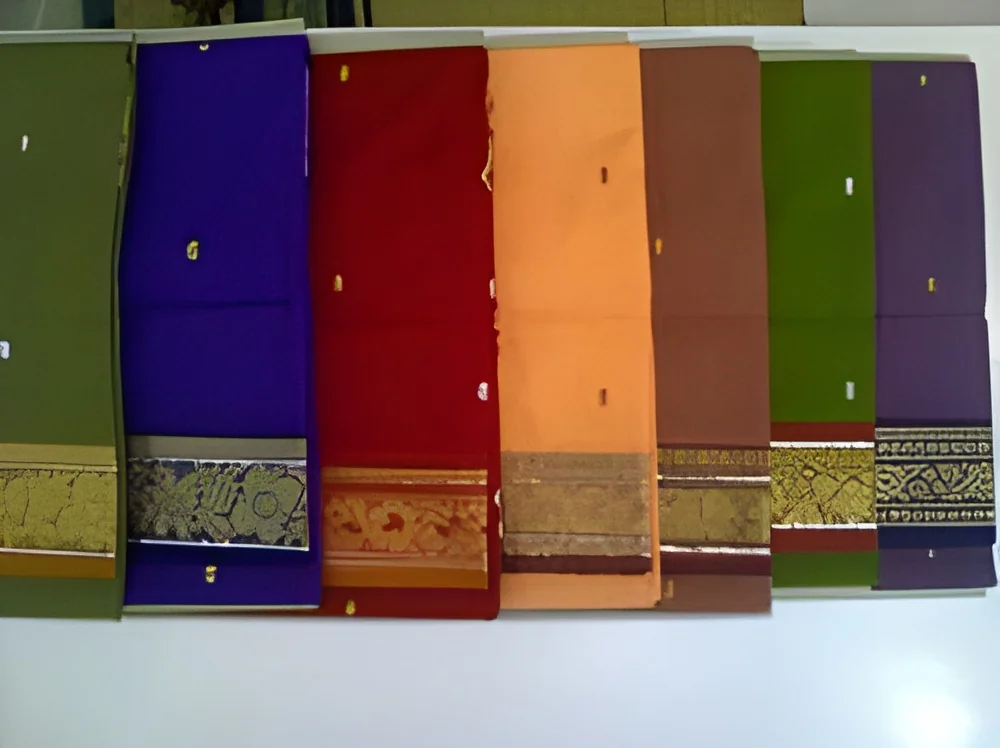
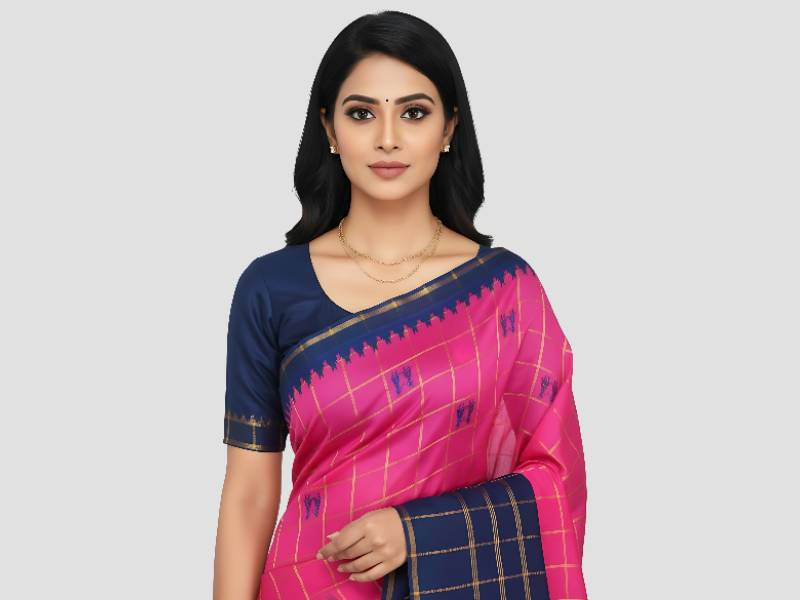
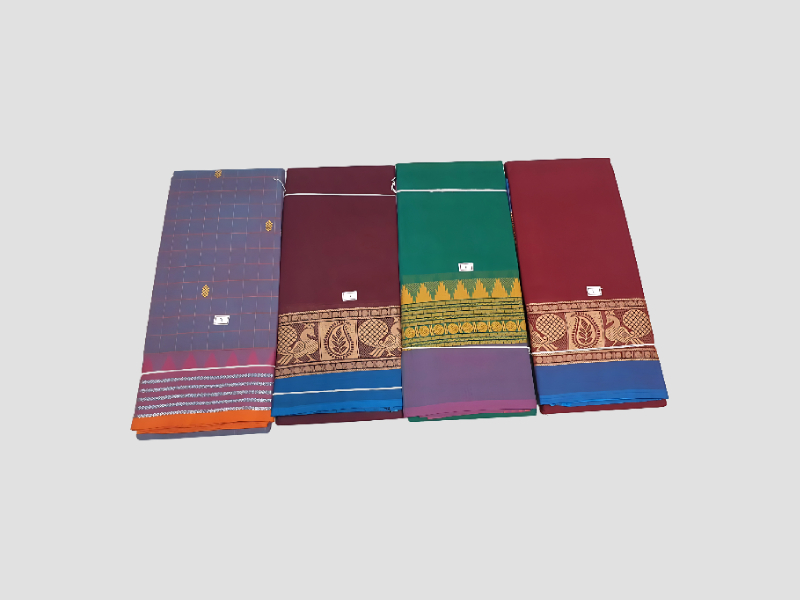
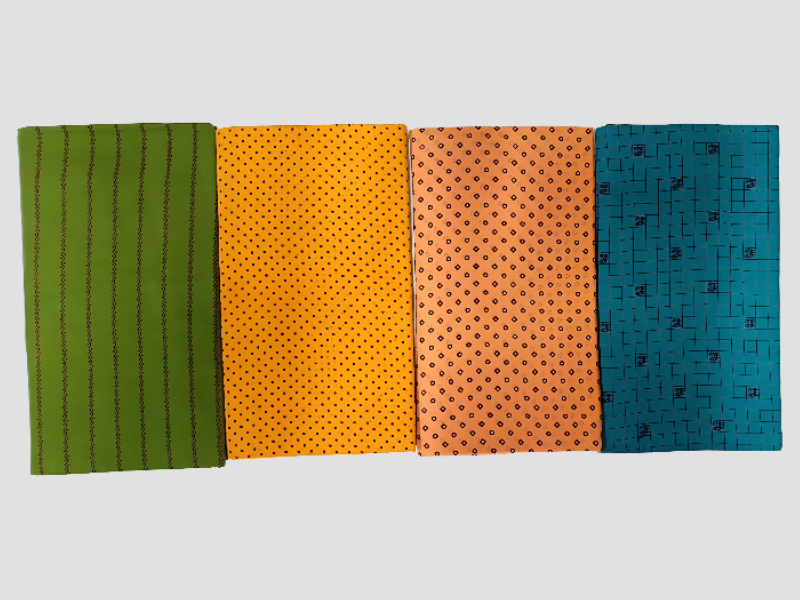
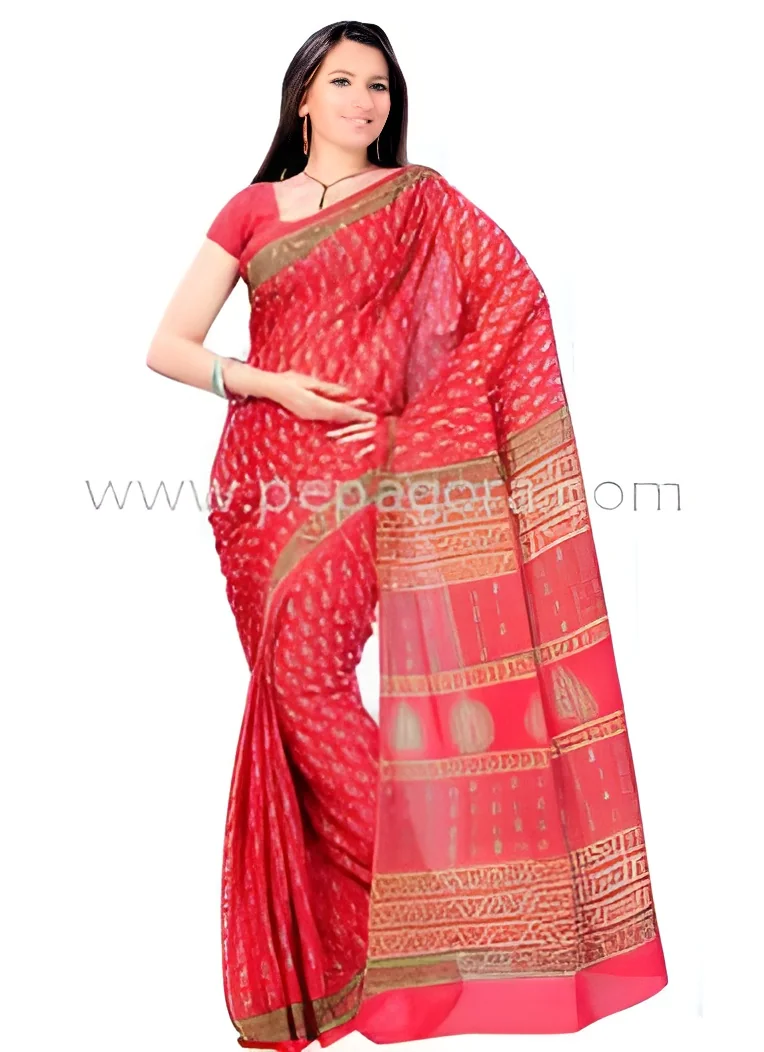
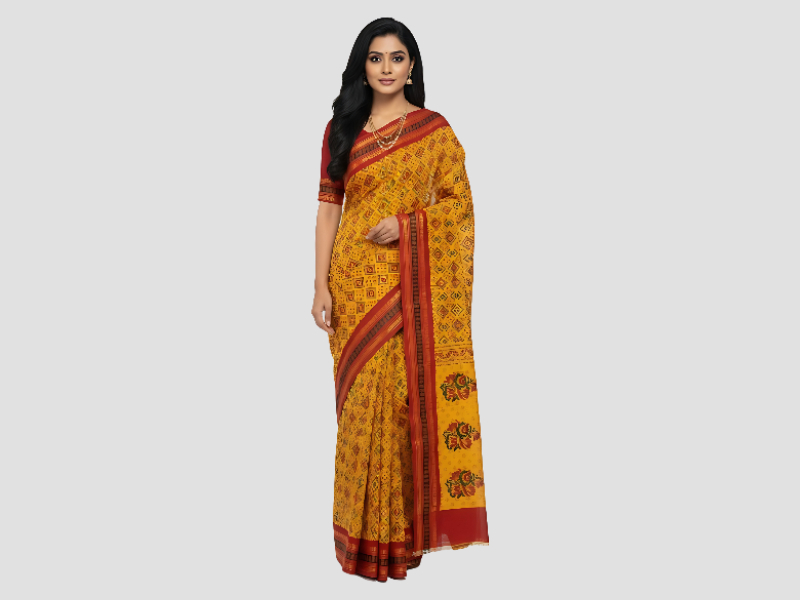
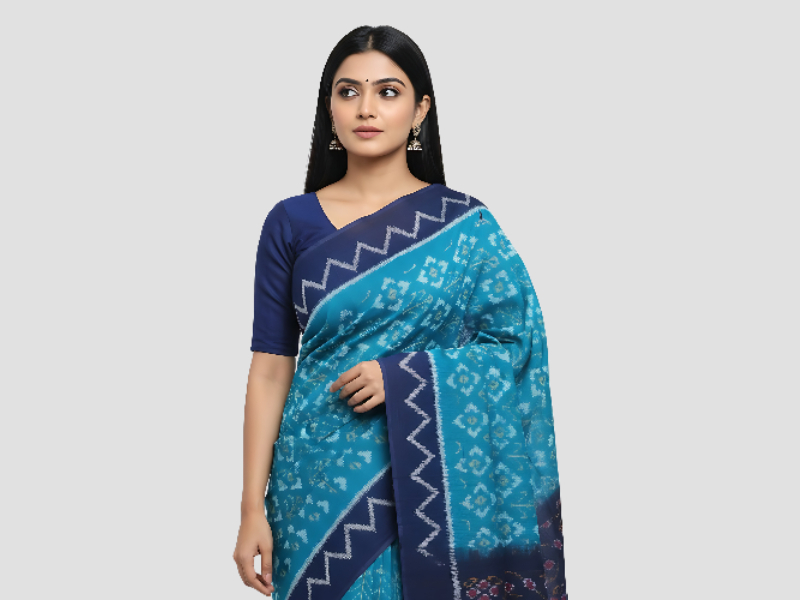
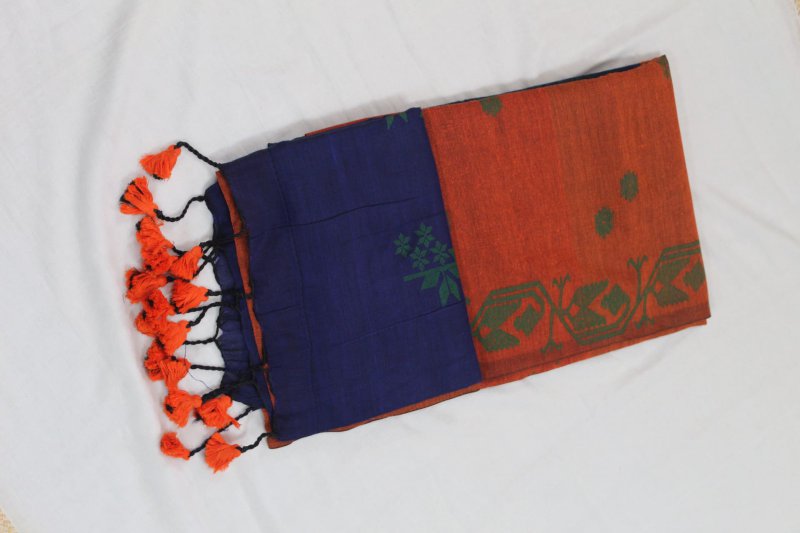
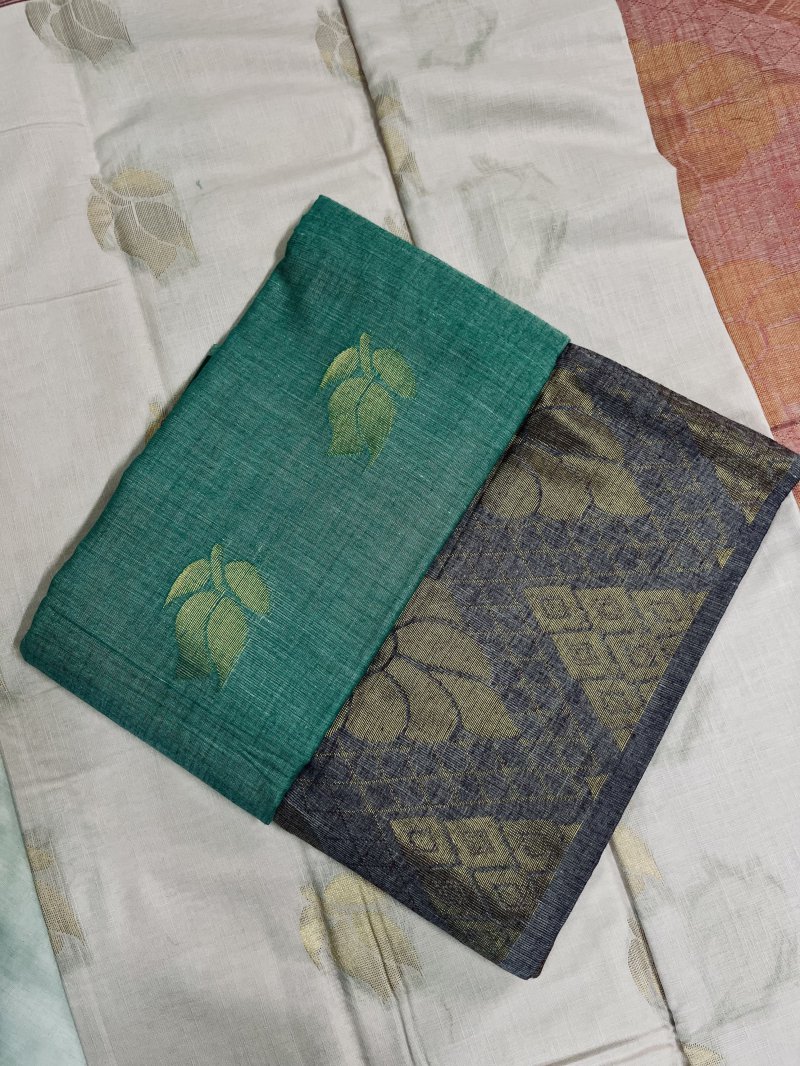
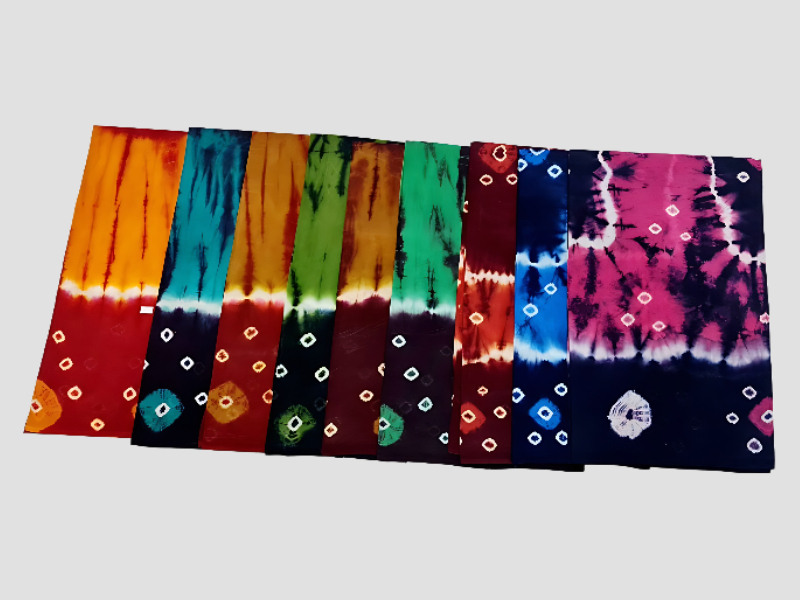
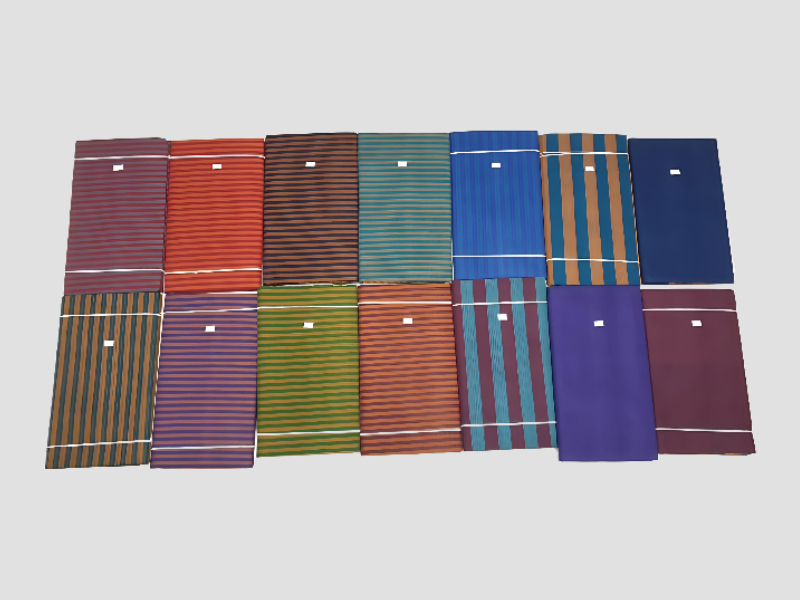
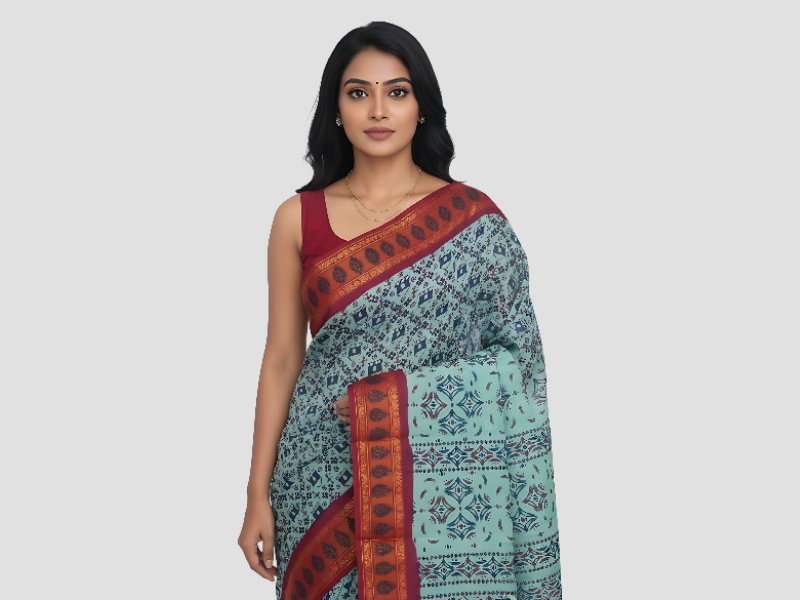
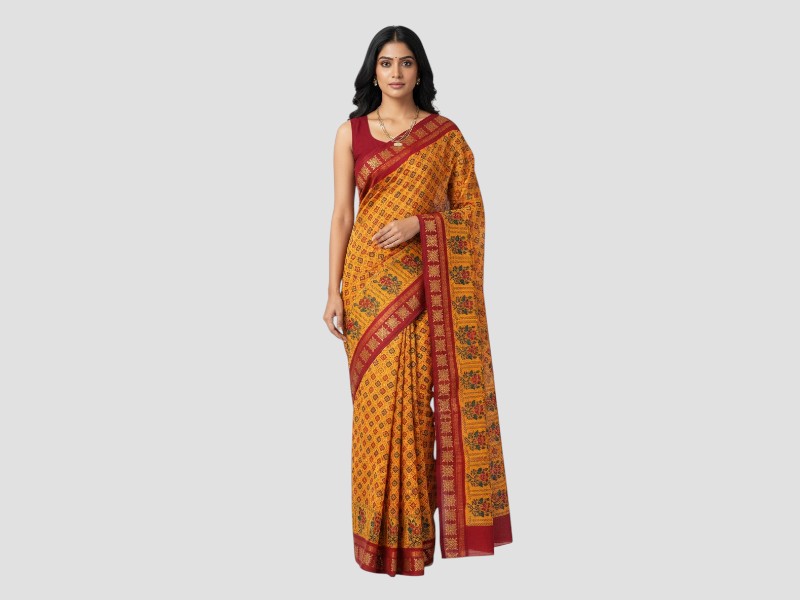
Cotton sarees are traditional Indian garments made from cotton fabric. They are characterized by their long, unstitched length which is typically draped around the body in various styles. Cotton sarees are known for their breathability, comfort, and versatility, making them suitable for both casual and formal occasions. They come in a variety of colors, patterns, and designs, which reflect the rich cultural heritage of India.
In the business context, cotton sarees serve multiple purposes. They are often worn by women in various professional settings, cultural events, and festivals. Retailers and wholesalers frequently stock cotton sarees to cater to the demand from consumers who appreciate both style and comfort. The market for cotton sarees is significant, especially in regions where traditional clothing is preferred over western attire.
The textile industry recognizes cotton sarees as a key product in the apparel sector. With growing interest in sustainable and eco-friendly fashion, cotton sarees are gaining traction globally. Their appeal lies in their natural fibers, which are often produced through environmentally friendly practices. This positions cotton sarees as not just a garment but also as a product that aligns with contemporary values of sustainability.
Key Features and Specifications
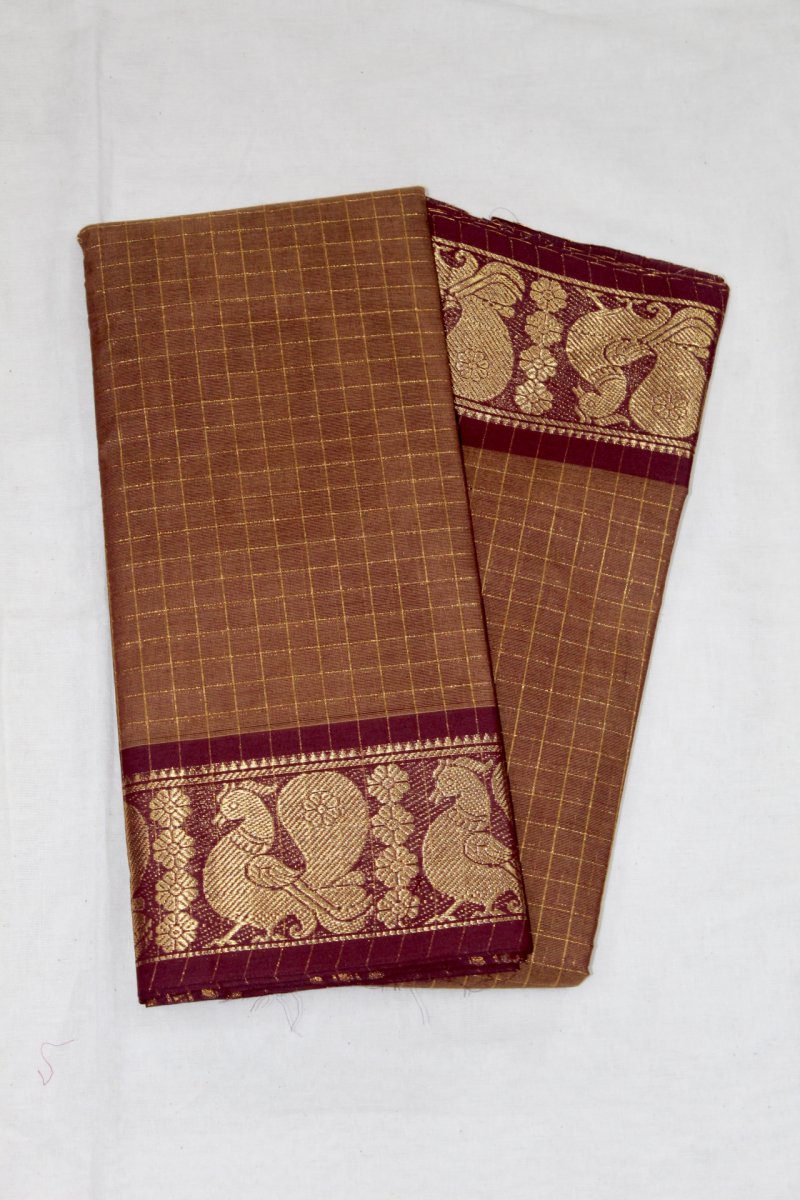
Cotton sarees combine a blend of traditional craftsmanship and modern design elements, making them highly desirable. They are crafted from 100% cotton, ensuring softness and comfort. The production process often involves hand-weaving techniques, which add uniqueness to each piece.
Key specifications include:
1. Fabric Type
- 100% cotton
- Soft and breathable texture
2. Length
- Typically 5 to 6 meters
- Allows for versatile draping styles
3. Width
- Standard width of 1.2 meters
- Provides ample coverage
4. Weave Type
- Various weaves such as plain, jacquard, and woven patterns
- Enhances aesthetics and texture
5. Color Variations
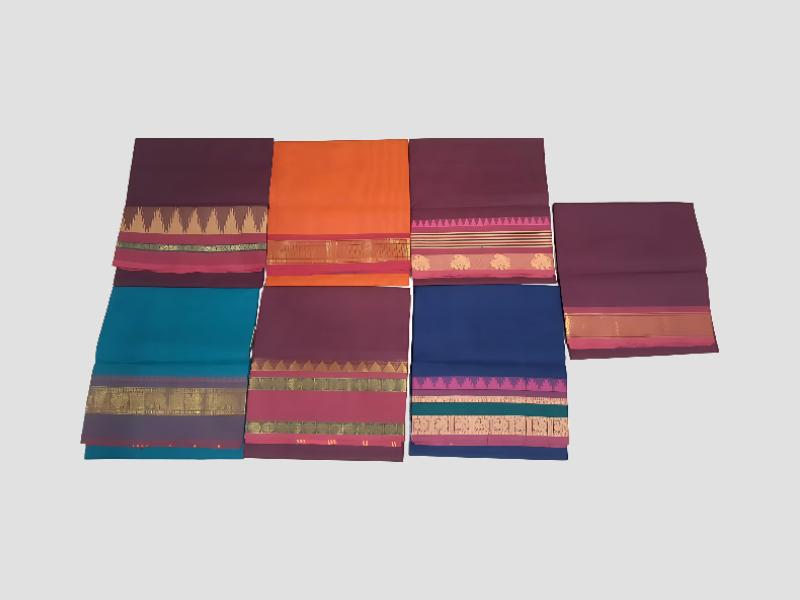
- Wide range of colors and patterns
- Customization options available
6. Weight
- Lightweight options available for ease of wear
- Heavier options for formal occasions
7. Maintenance
- Machine washable and easy to care for
- Retains quality after multiple washes
8. Design Features
- Embroidery, prints, and embellishments
- Reflects cultural motifs and contemporary trends
In summary, cotton sarees offer a combination of comfort, style, and versatility. Their specifications reflect their suitability for various occasions and preferences.
Common Applications and Use Cases
Cotton sarees are versatile and have applications across different industries.
1. Fashion Retail: Retailers often stock cotton sarees to cater to customers seeking traditional attire for festivals or weddings.
2. Corporate Events: Many women choose cotton sarees for formal business meetings, providing a blend of professionalism and cultural representation.
3. Cultural Events: Cotton sarees are a popular choice for cultural festivals where traditional attire is encouraged, allowing wearers to celebrate their heritage.
4. Hospitality: Hotels and resorts may offer cotton sarees as part of their cultural experiences for guests, showcasing local traditions.
5. Education: Institutions may host events where students and staff wear cotton sarees to promote cultural awareness and diversity.
6. Crafts and Artisans: Artisans specializing in textile arts produce cotton sarees, providing livelihood opportunities while preserving traditional crafts.
7. Online Retail: E-commerce platforms are increasingly featuring cotton sarees, expanding their market reach and accessibility.
Product Variants and Subcategories
Cotton sarees come in a variety of styles and designs, catering to diverse tastes and occasions.
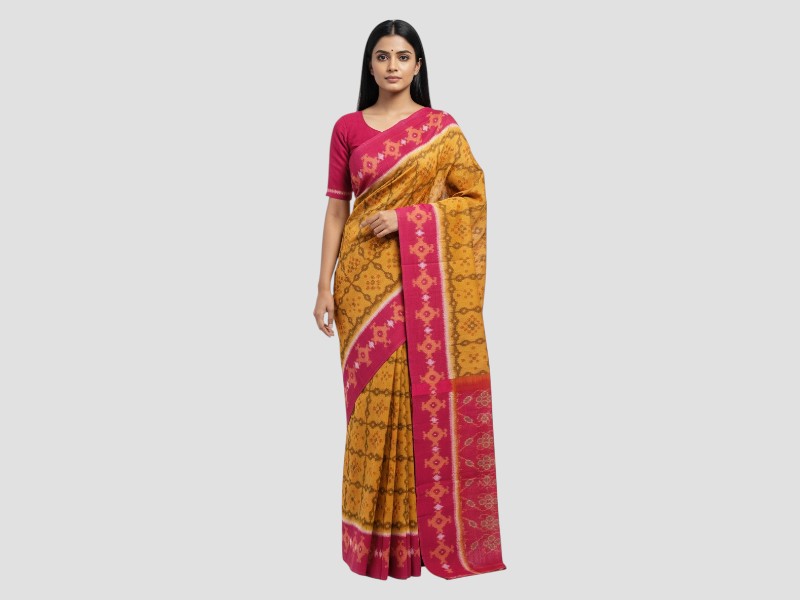
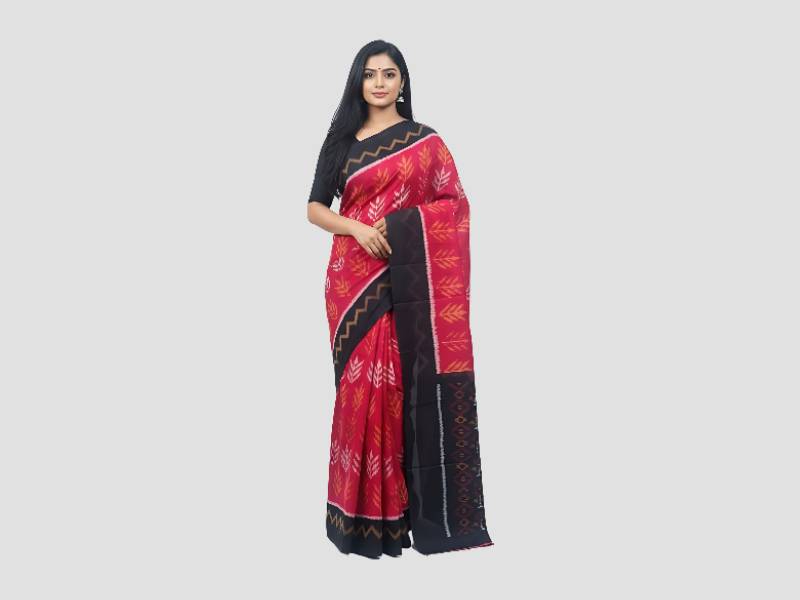
Traditional Cotton Sarees
These sarees often feature intricate weaving and traditional motifs. They are ideal for cultural events and ceremonies.
Casual Cotton Sarees
Lightweight and easy to wear, casual cotton sarees are perfect for everyday use. They come in vibrant colors and simple patterns.
Designer Cotton Sarees
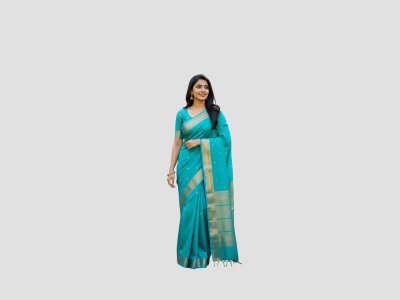
These sarees are crafted by renowned designers and often feature unique designs and embellishments, suitable for special occasions.
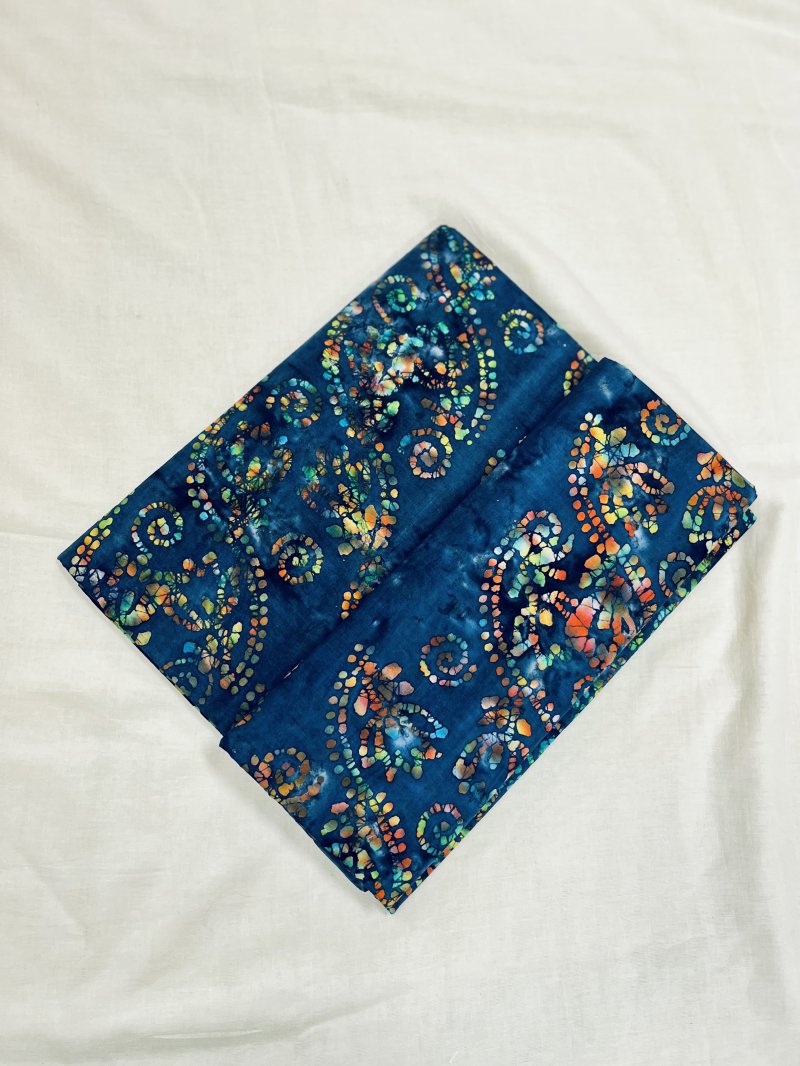
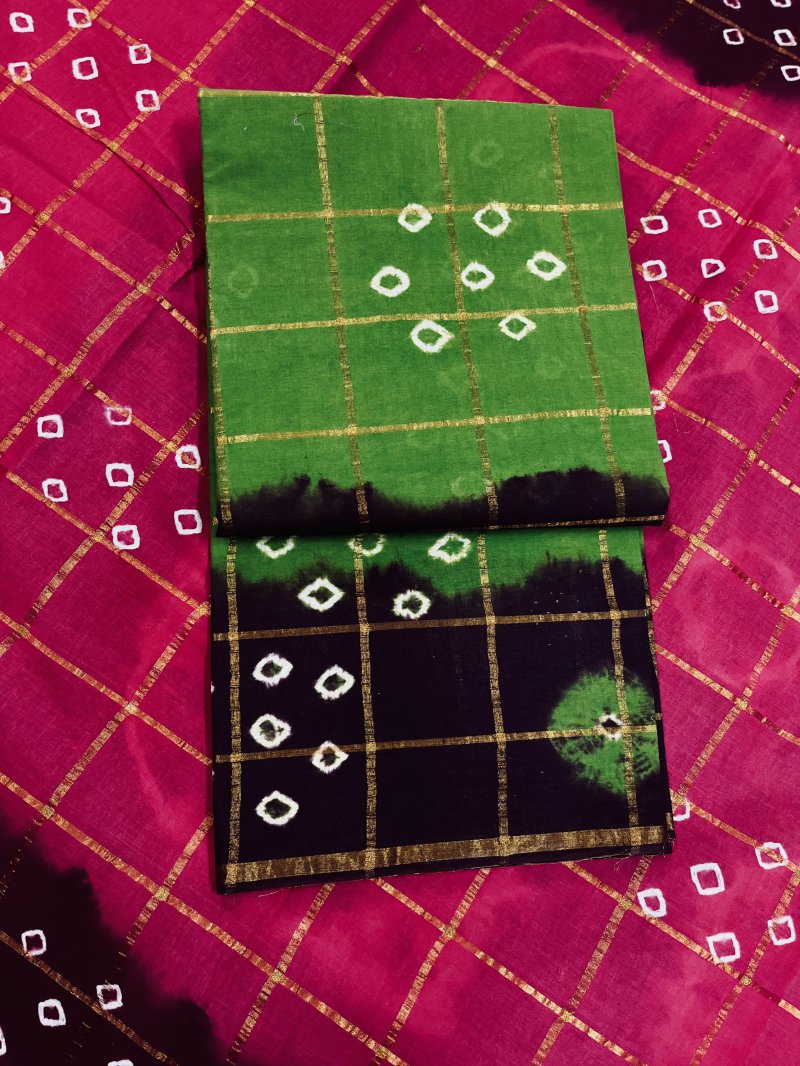
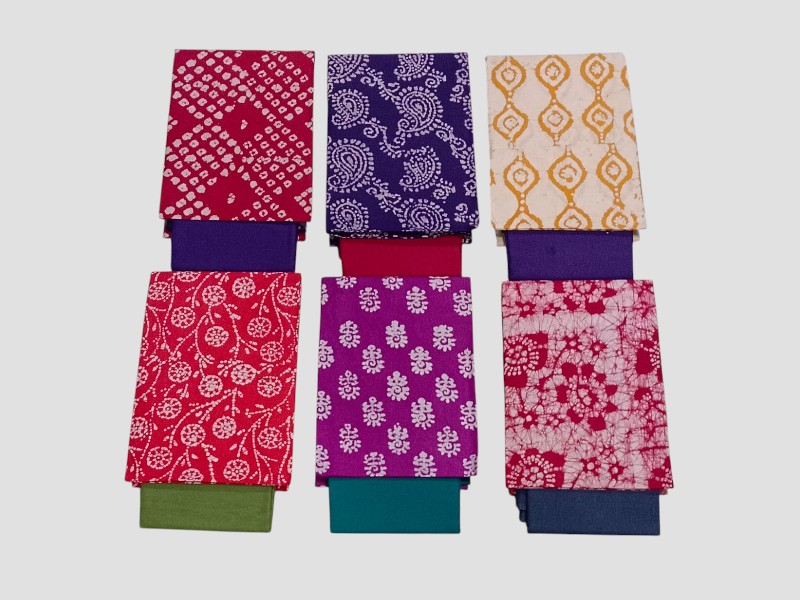
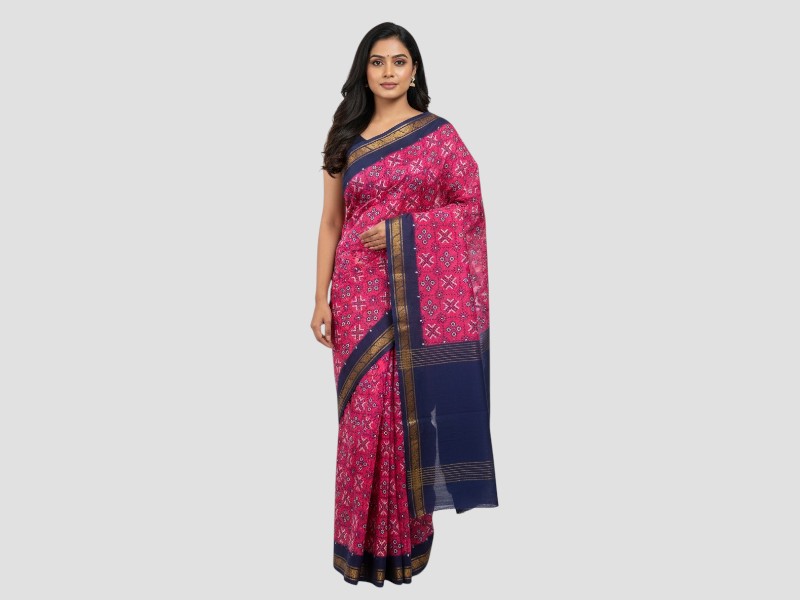
Printed Cotton Sarees
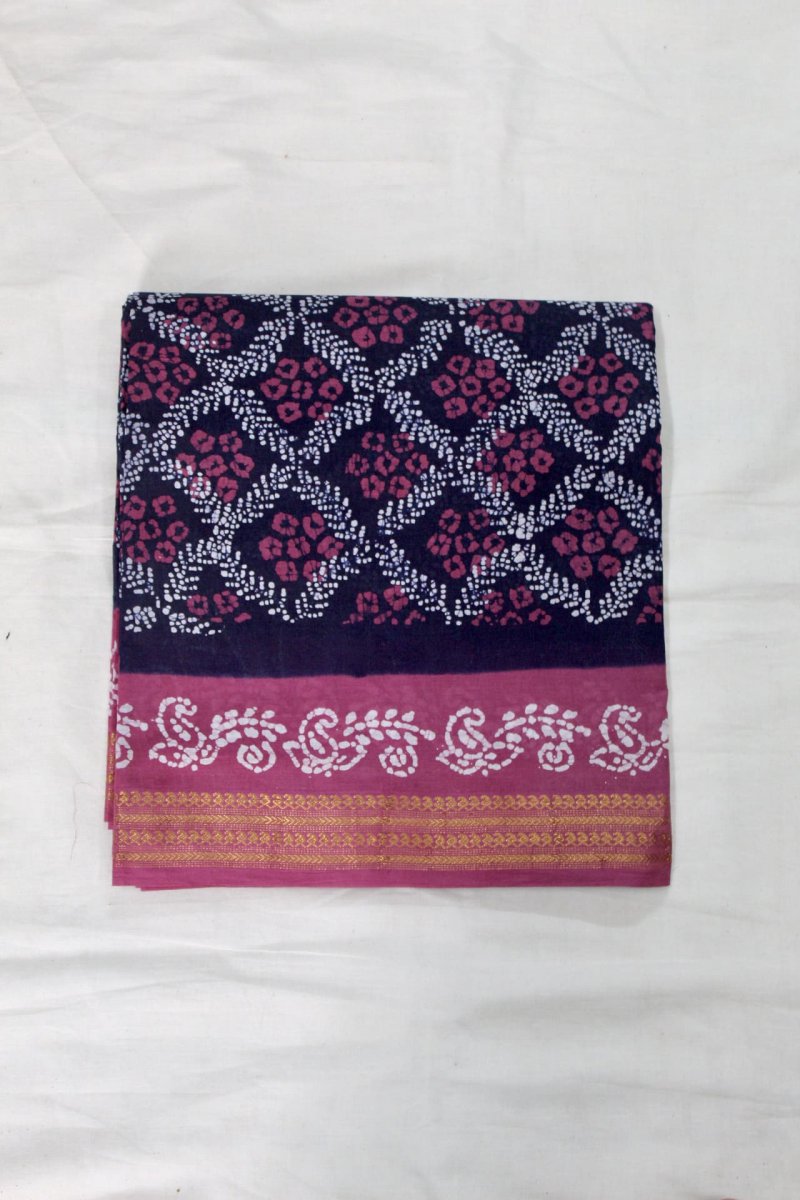
With a focus on modern prints and patterns, these sarees appeal to younger demographics looking for trendy options.
Benefits and Advantages
Cotton sarees offer numerous benefits that make them a preferred choice for consumers and businesses alike.
1. Comfort: The soft and breathable nature of cotton ensures all-day comfort, making them suitable for various occasions.
2. Versatility: Cotton sarees can be styled in multiple ways, allowing for different looks while maintaining traditional aesthetics.
3. Eco-friendly: Being made from natural fibers, cotton sarees are a sustainable choice, appealing to environmentally conscious consumers.
4. Durability: Cotton fabric is known for its strength and longevity, ensuring that sarees withstand regular use.
5. Easy Maintenance: Cotton sarees are generally easy to wash and care for, retaining their quality over time.
6. Cultural Significance: Wearing cotton sarees connects individuals to their cultural roots, fostering a sense of identity and tradition.
Buying Guide for B2B Buyers
When sourcing cotton sarees for business purposes, several key factors should be considered to ensure quality and suitability.
1. Quality Assessment: Evaluate the fabric quality and craftsmanship of the sarees. Look for softness, durability, and attention to detail in stitching and finishing.
2. Supplier Verification: It is essential to verify suppliers to ensure they adhere to ethical practices and can deliver consistent quality. Request references and check online reviews.
3. Pricing and MOQ: Understand the pricing structure and minimum order quantities (MOQ) offered by suppliers. Compare prices to ensure competitiveness while considering quality.
4. Delivery and Lead Times: Discuss delivery timelines and logistics to avoid disruptions in inventory levels. Confirm lead times for bulk orders.
5. Compliance Requirements: Be aware of any regional compliance standards for textile products. Ensure that suppliers meet safety and quality certifications.
Compliance and Certifications
Compliance and certifications are vital in the production and distribution of cotton sarees. Relevant quality standards such as ISO 9001 ensure that manufacturers maintain a consistent quality management system. This standard helps in fostering continuous improvement and customer satisfaction.
Industry certifications like CE indicate that products meet European safety and health requirements, ensuring that cotton sarees are safe for consumers. Additionally, adherence to safety and testing requirements is critical, particularly for products exported to international markets.
Regional compliance considerations may vary based on location. Buyers should be informed about specific regulations that apply to cotton textiles in their respective regions to ensure legal compliance and avoid potential issues.
Why Source Cotton Sarees from Pepagora?
Pepagora provides a trusted platform for sourcing cotton sarees, offering several key advantages to B2B buyers.
Verified Supplier Network: Pepagora has a robust network of verified suppliers, ensuring that buyers can find quality cotton sarees from reliable sources. Each supplier undergoes thorough vetting to maintain high standards.
Streamlined RFQ Process: The platform facilitates a streamlined request for quotation (RFQ) process, allowing buyers to easily compare offers from multiple suppliers. This efficiency helps in making informed purchasing decisions.
Trade Assurance and Support: Pepagora offers trade assurance to buyers, protecting their purchases and providing support throughout the sourcing process. This builds trust and confidence in transactions.
Regional Coverage: With a strong presence in India, GCC, and Southeast Asia, Pepagora can connect buyers with suppliers from diverse regions, enhancing access to a wide variety of cotton sarees while accommodating regional preferences.









Frequently Asked Questions
What are Cotton Sarees?
Cotton sarees are traditional Indian garments made from cotton fabric. They are known for their breathability, comfort, and versatility, making them suitable for various occasions, from casual wear to formal events.
What are the different types of Cotton Sarees?
There are several types of cotton sarees, including handloom cotton sarees, printed cotton sarees, and woven cotton sarees. Each type features unique designs, weaving techniques, and regional specialties, reflecting the rich diversity of Indian textiles.
How do I choose the right Cotton Sarees?
When selecting cotton sarees, consider factors such as the occasion, fabric quality, and design preferences. It is also important to take into account the draping style and color that best suits your personal taste and body type.
What are the standard specifications for Cotton Sarees?
Standard specifications for cotton sarees include dimensions, typically around 5 to 6 meters in length, and fabric weight, which can vary between 100 to 300 grams per meter. Additionally, specifications may include the type of weave, color fastness, and thread count.
What is the price range for Cotton Sarees?
The price range for cotton sarees varies widely depending on factors such as quality, brand, and craftsmanship. Generally, you can find cotton sarees priced from INR 500 to INR 5,000 or more for premium or designer options.
What quality standards apply to Cotton Sarees?
Quality standards for cotton sarees typically include fabric durability, color fastness, and finishing techniques. Many manufacturers adhere to specific industry standards to ensure the sarees are free from defects and meet customer expectations.
Where can I find Cotton Sarees suppliers in India?
You can find cotton sarees suppliers in India through online B2B marketplaces, textile exhibitions, and local wholesale markets. Platforms like Pepagora offer a comprehensive directory of manufacturers and suppliers to cater to your sourcing needs.
Can Cotton Sarees be customized?
Yes, many manufacturers offer customization options for cotton sarees, allowing buyers to choose specific colors, designs, and sizes. Customization can help meet specific branding or personal preferences for retailers and individuals alike.
What is the typical minimum order quantity for Cotton Sarees?
The typical minimum order quantity (MOQ) for cotton sarees varies by supplier, but it often ranges from 50 to 100 pieces. It's advisable to check with individual suppliers for their specific MOQ requirements.
What is the typical lead time for Cotton Sarees?
The typical lead time for cotton sarees can range from 2 to 6 weeks, depending on the order size, customization options, and supplier location. It's best to confirm lead times directly with the supplier to ensure timely delivery.
Why Businesses Trust Pepagora
Thousands of companies trust Pepagora to source smarter and sell faster
Expand Your Sales Globally

Source Smarter,Grow Faster
