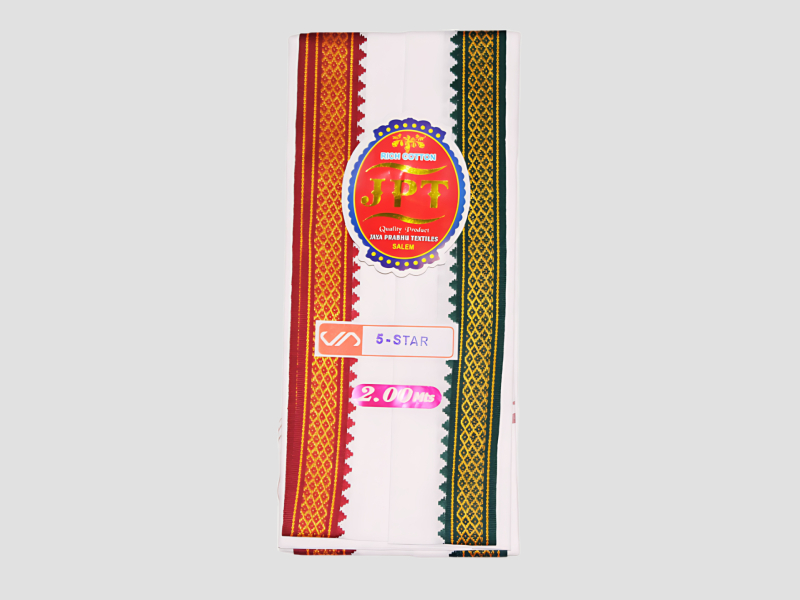
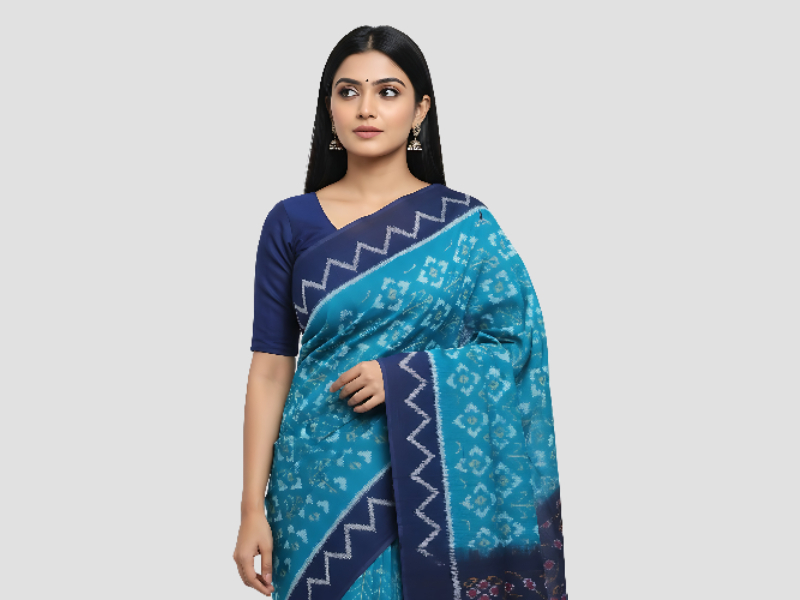
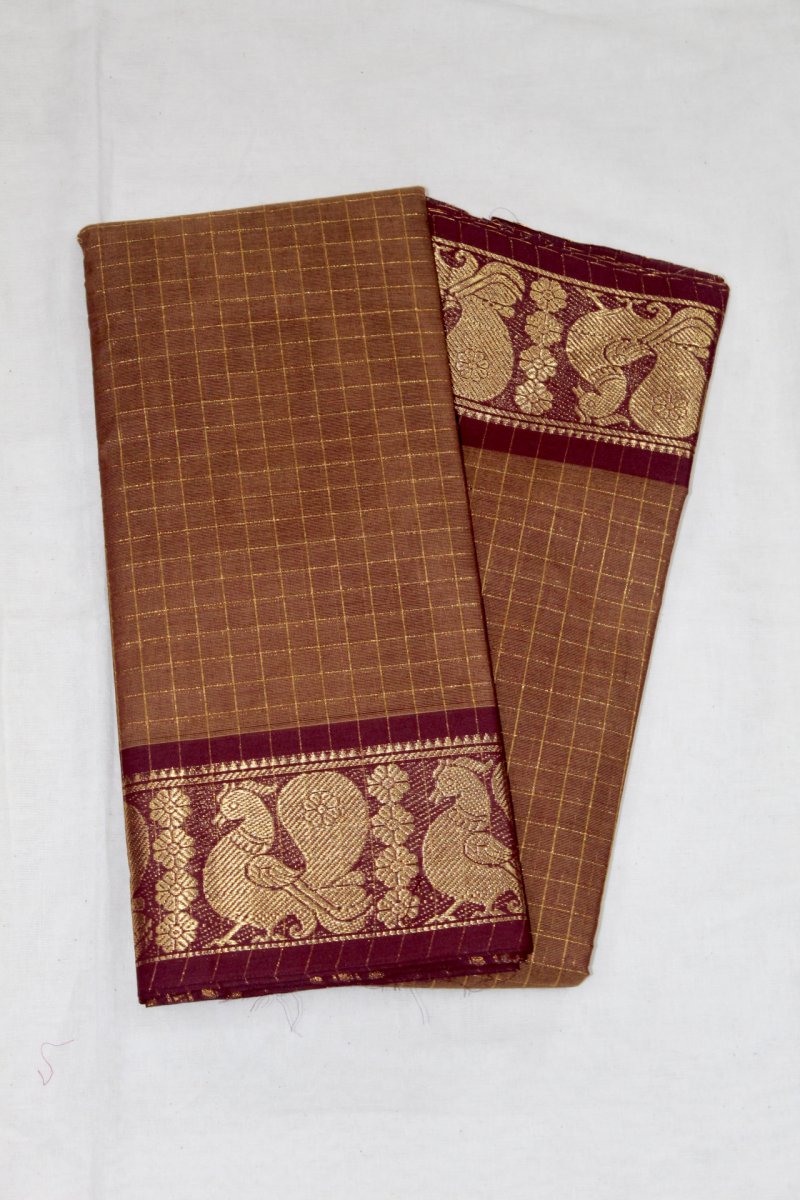
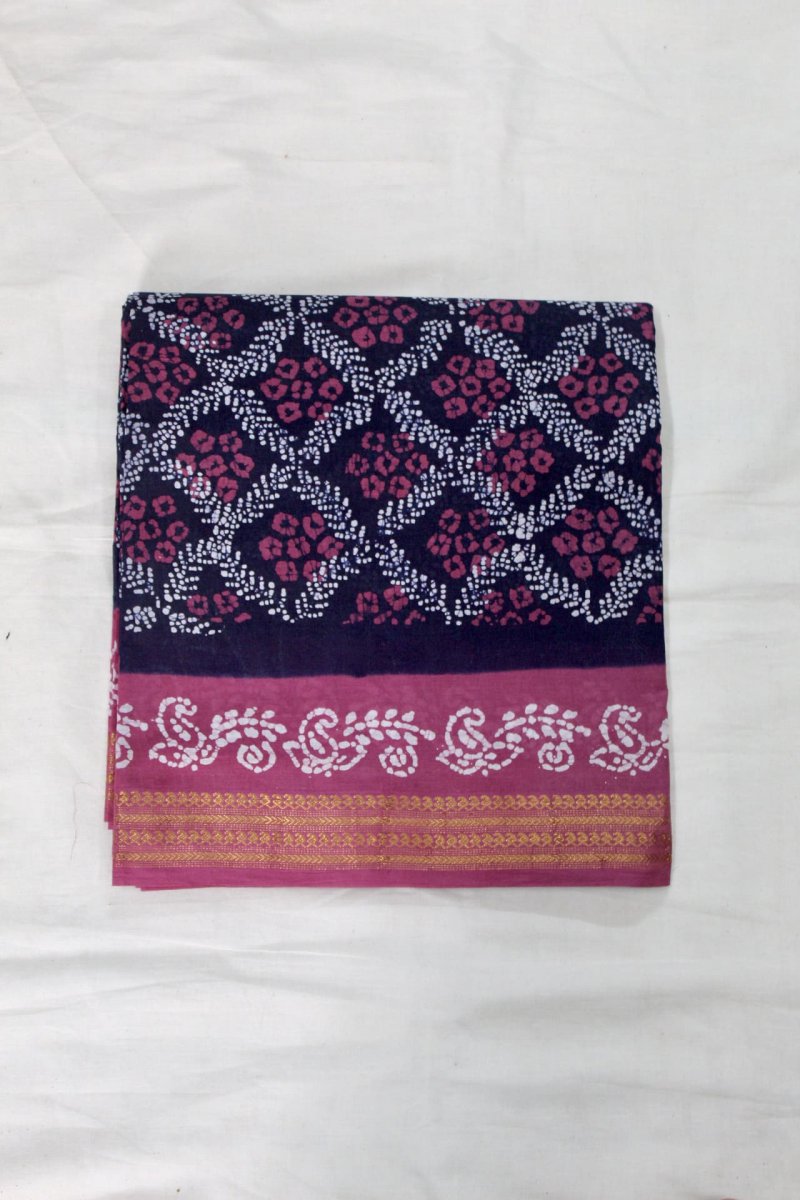
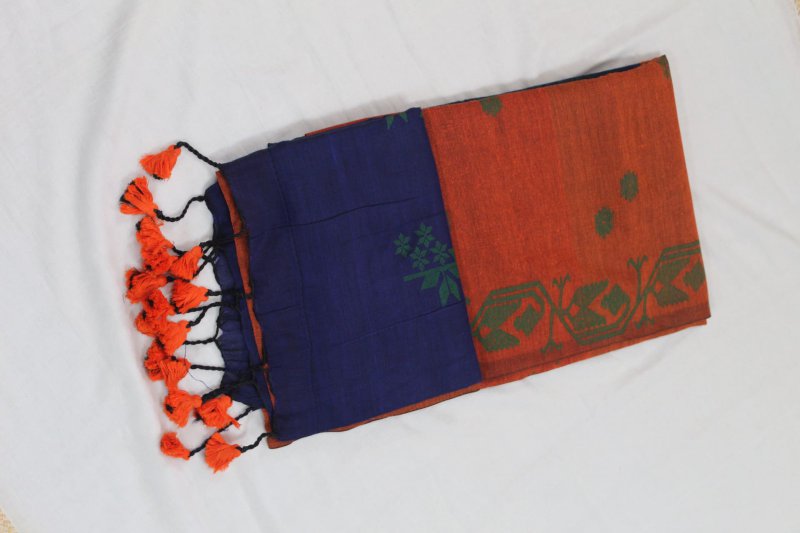
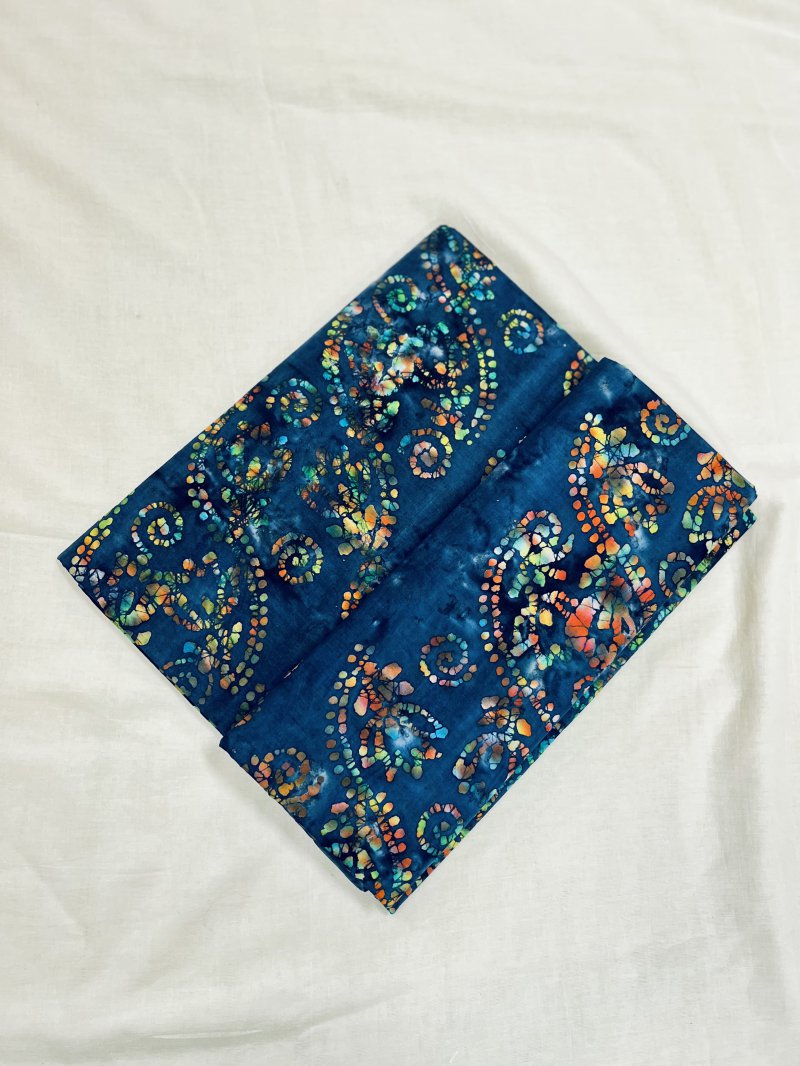
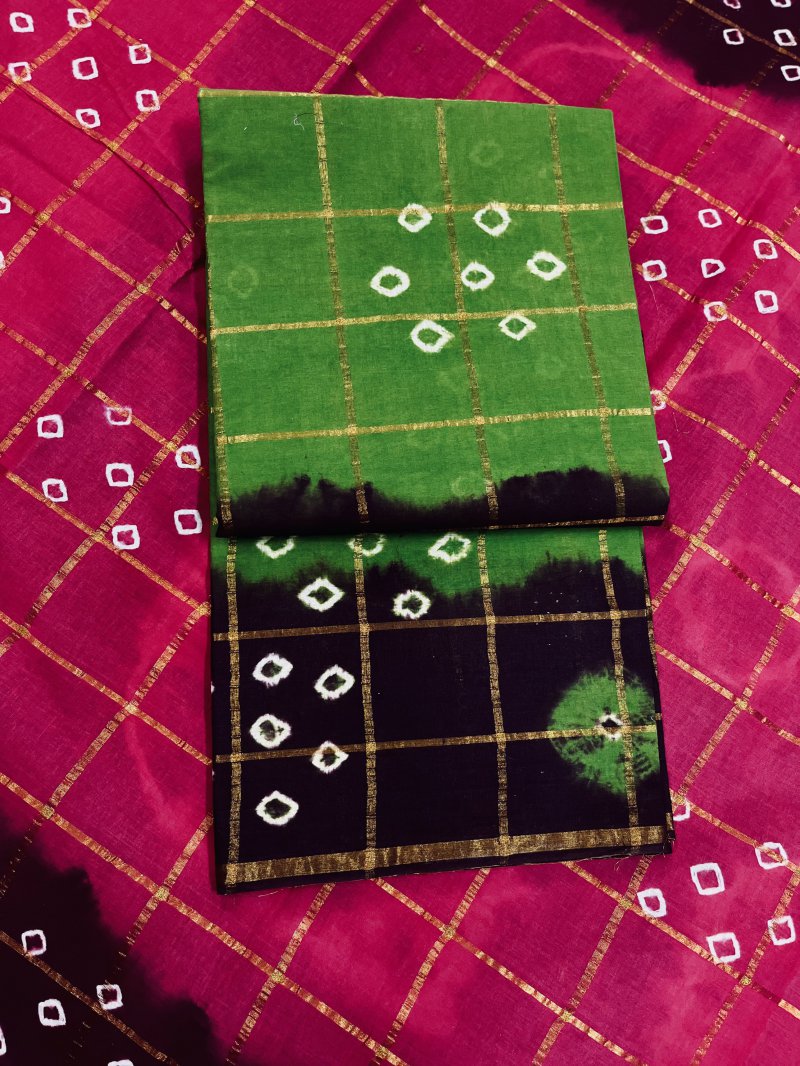
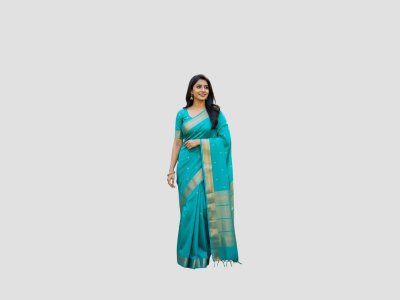
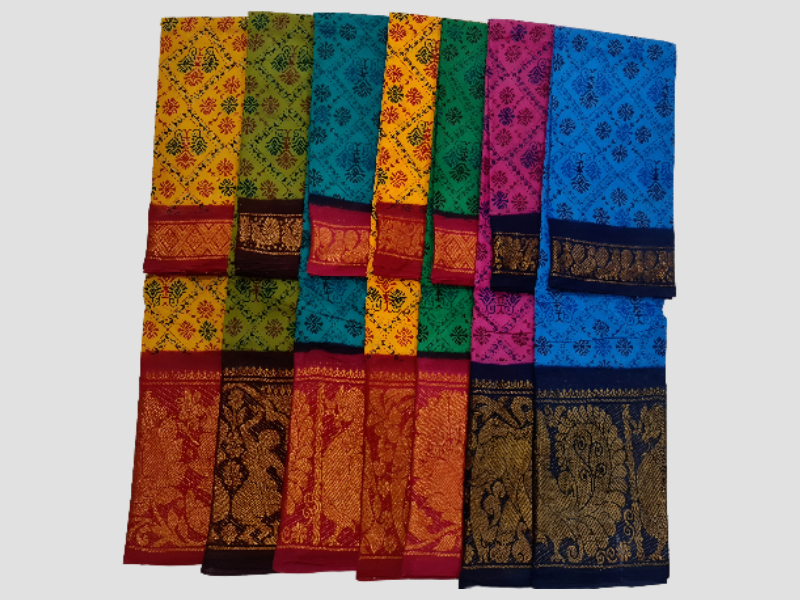
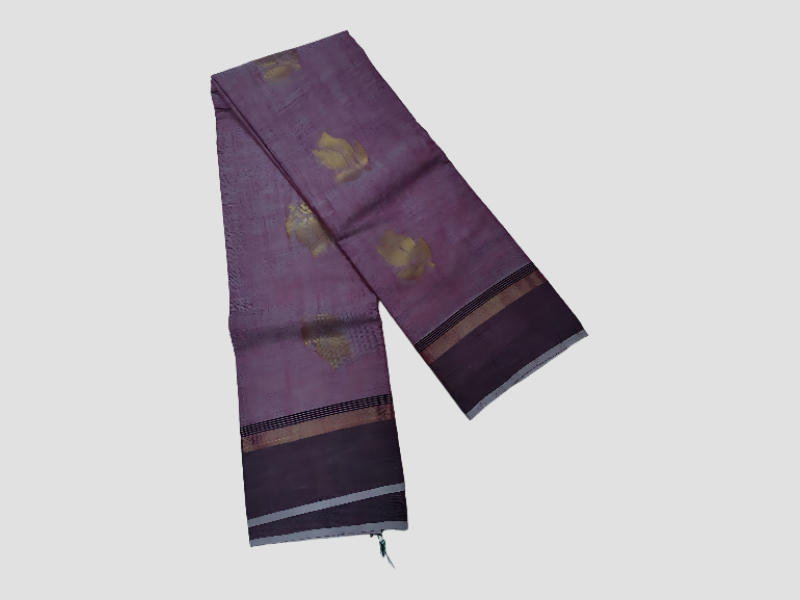
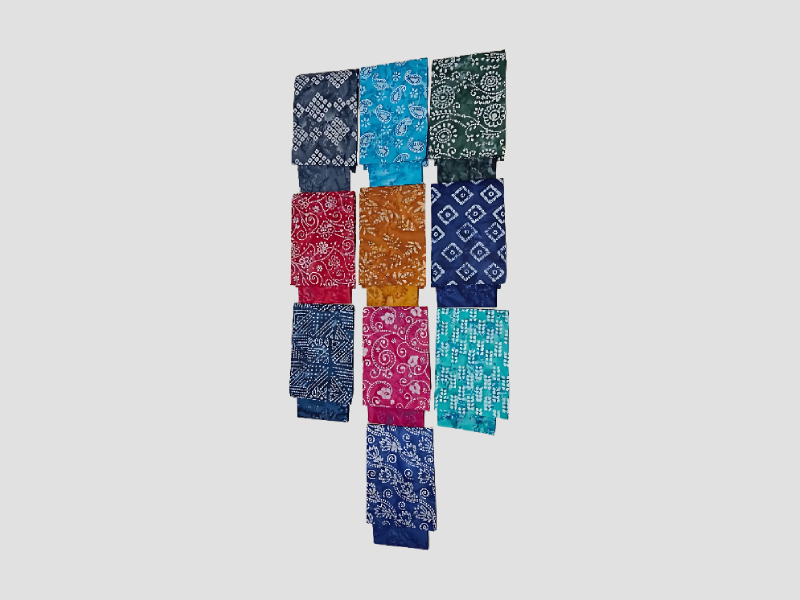
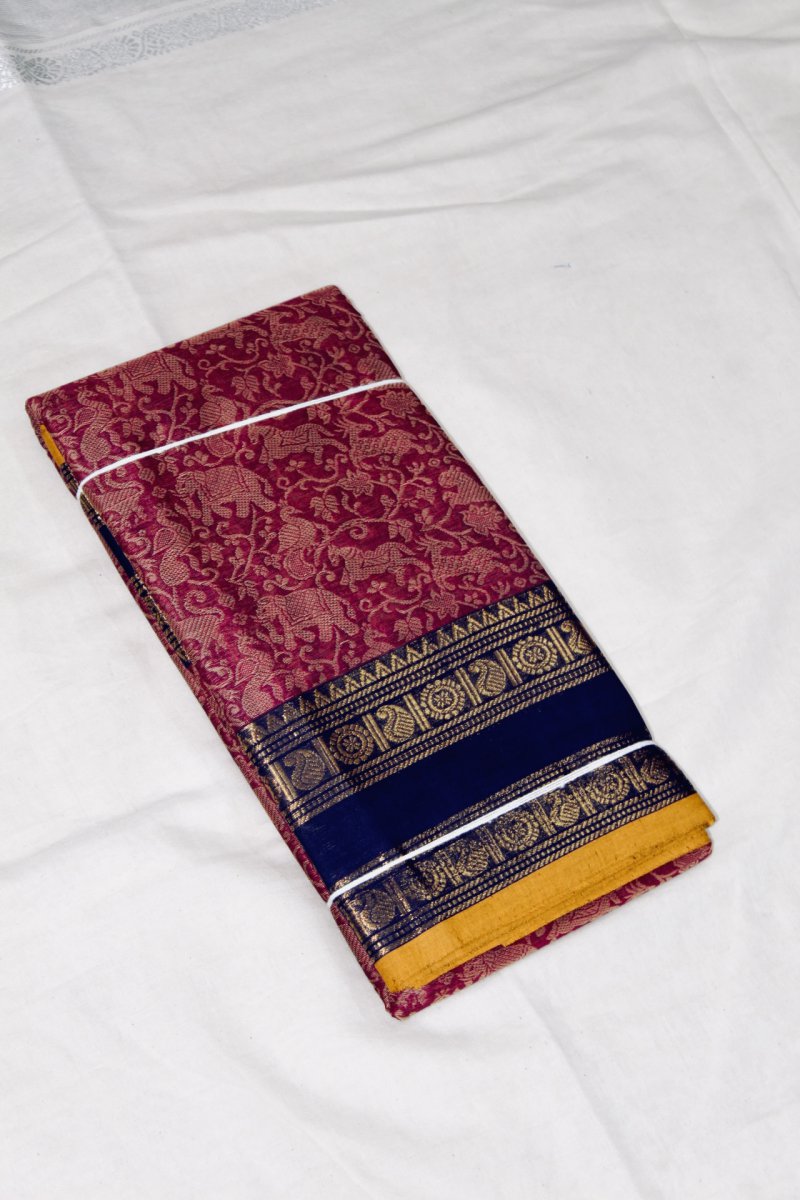
𝗪𝗵𝗮𝘁 𝗮𝗿𝗲 𝗦𝗮𝗿𝗲𝗲𝘀, 𝗞𝘂𝗿𝘁𝗶𝘀, 𝗦𝗮𝗹𝘄𝗮𝗿 𝗦𝗲𝘁𝘀?
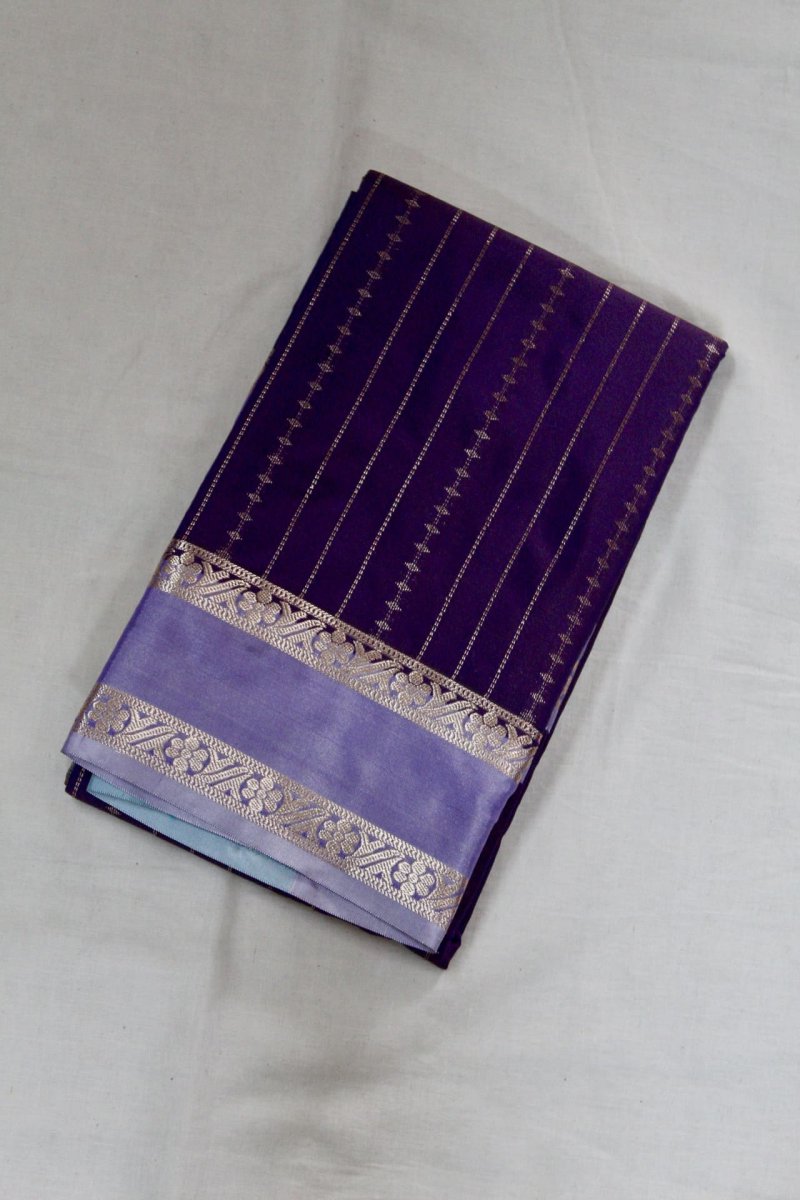
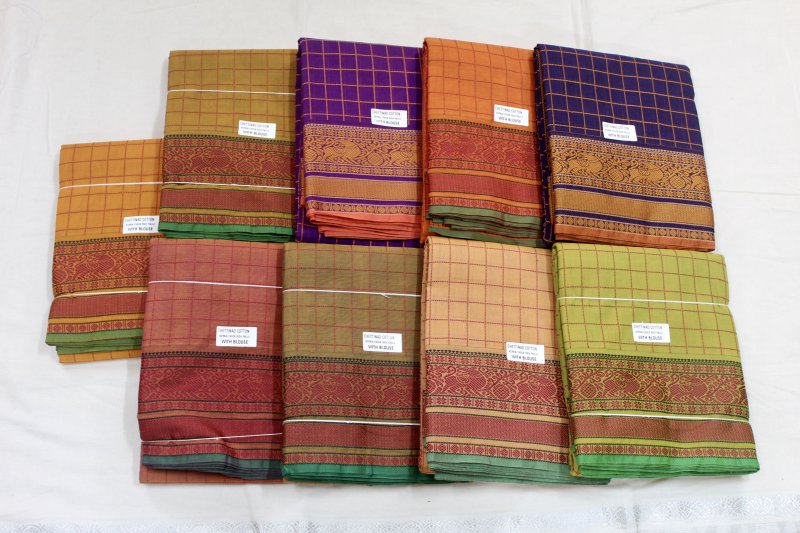
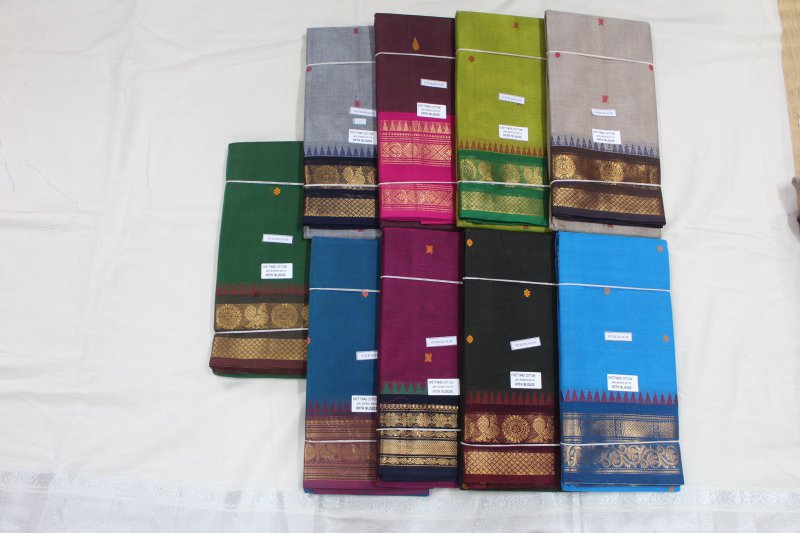
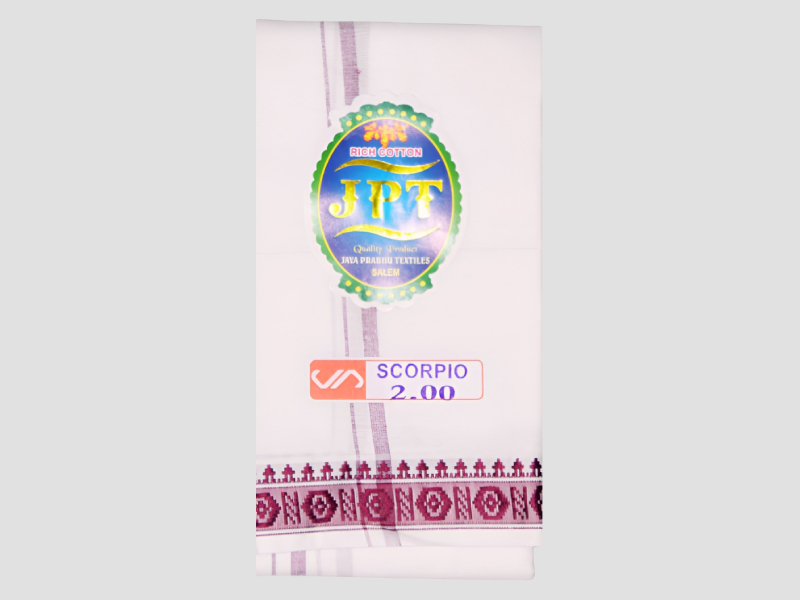
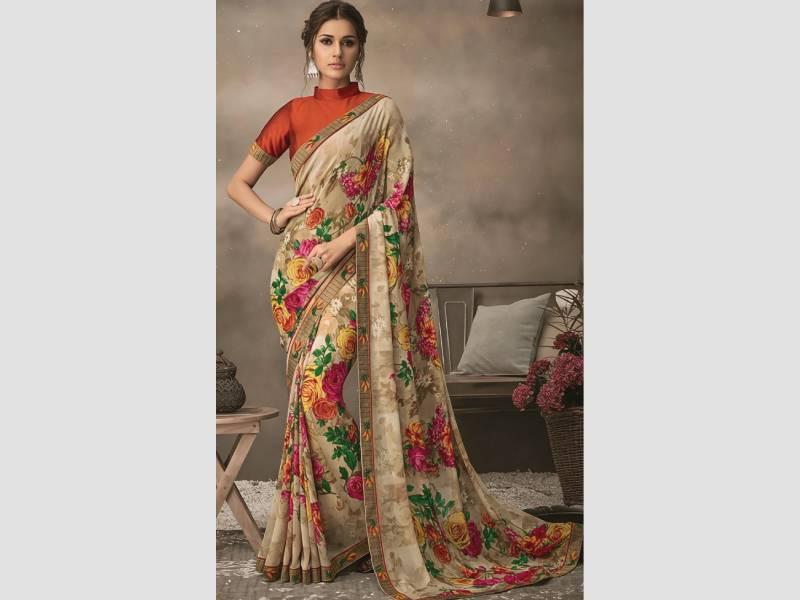
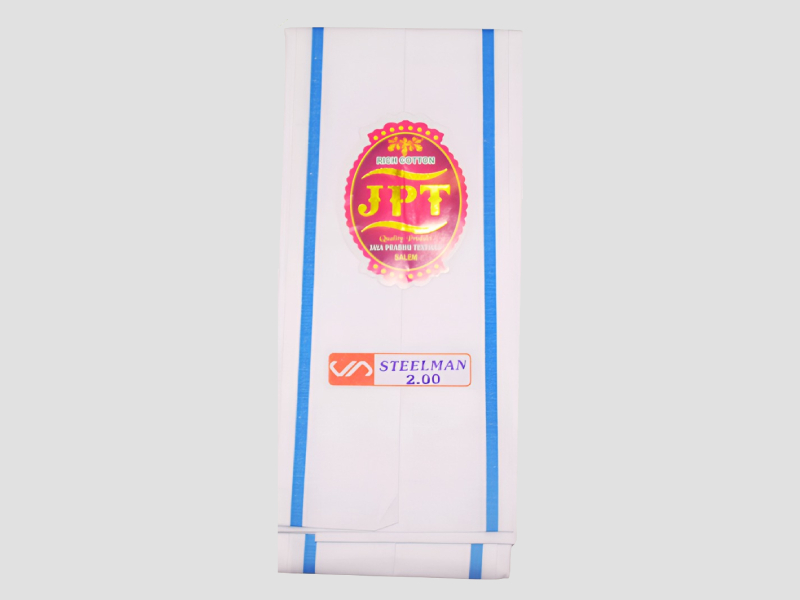
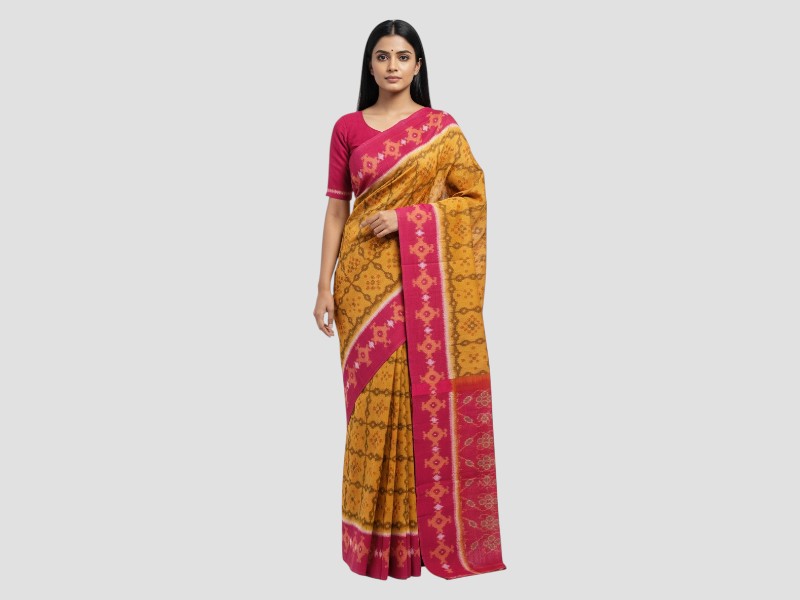
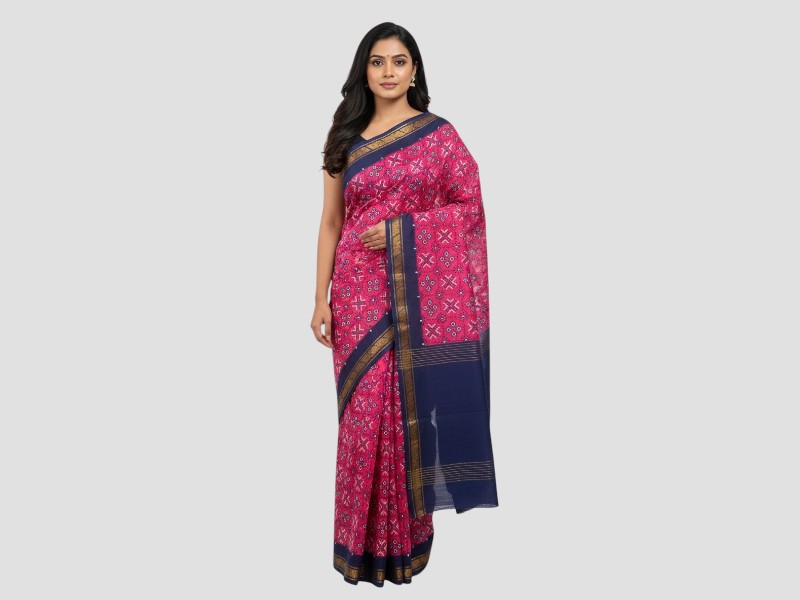
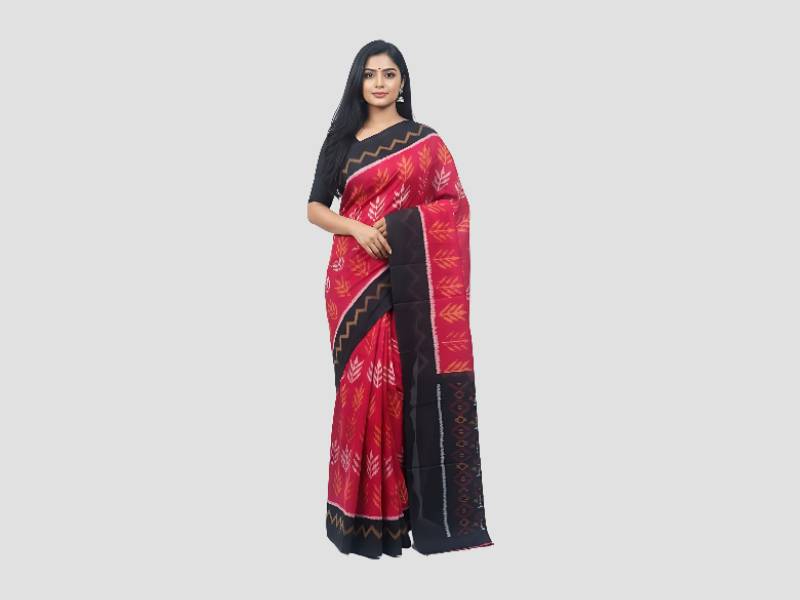
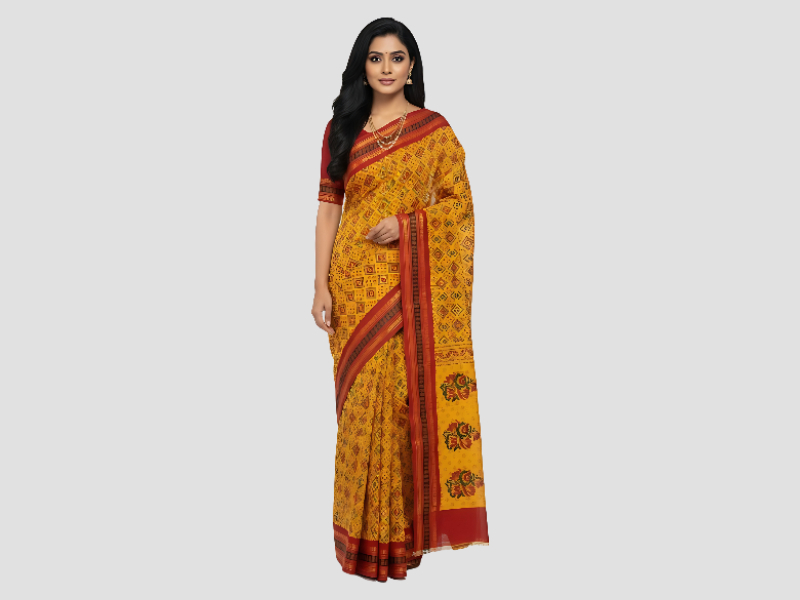
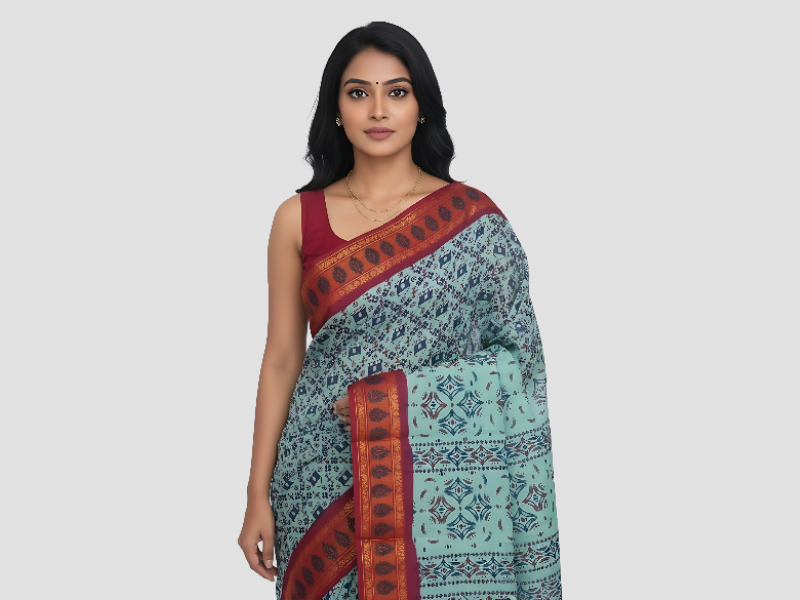
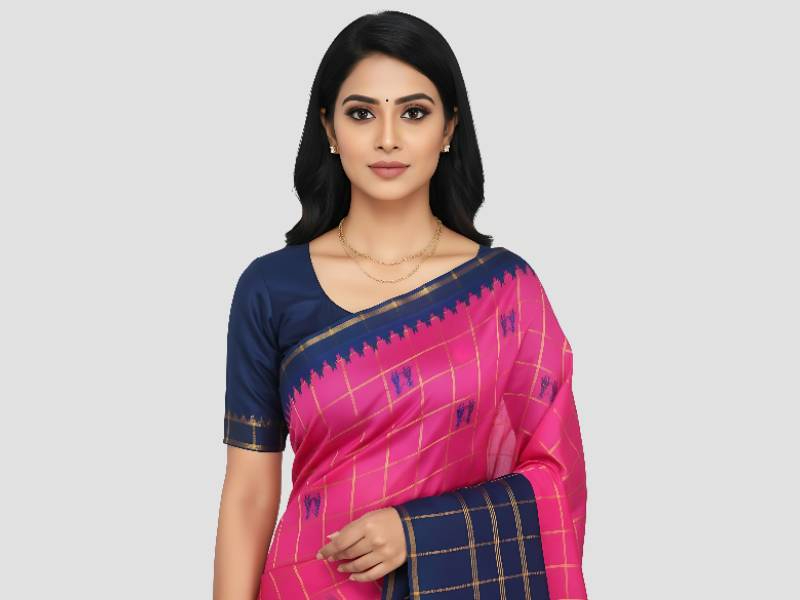
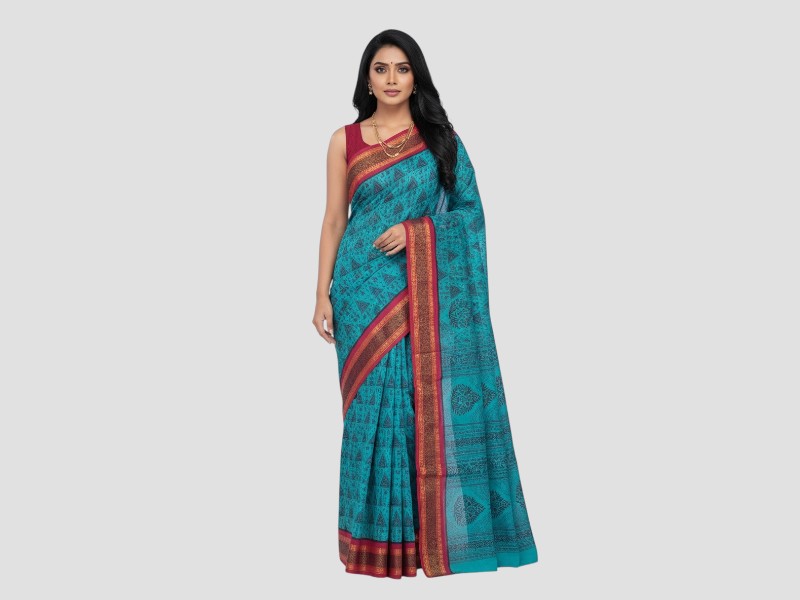
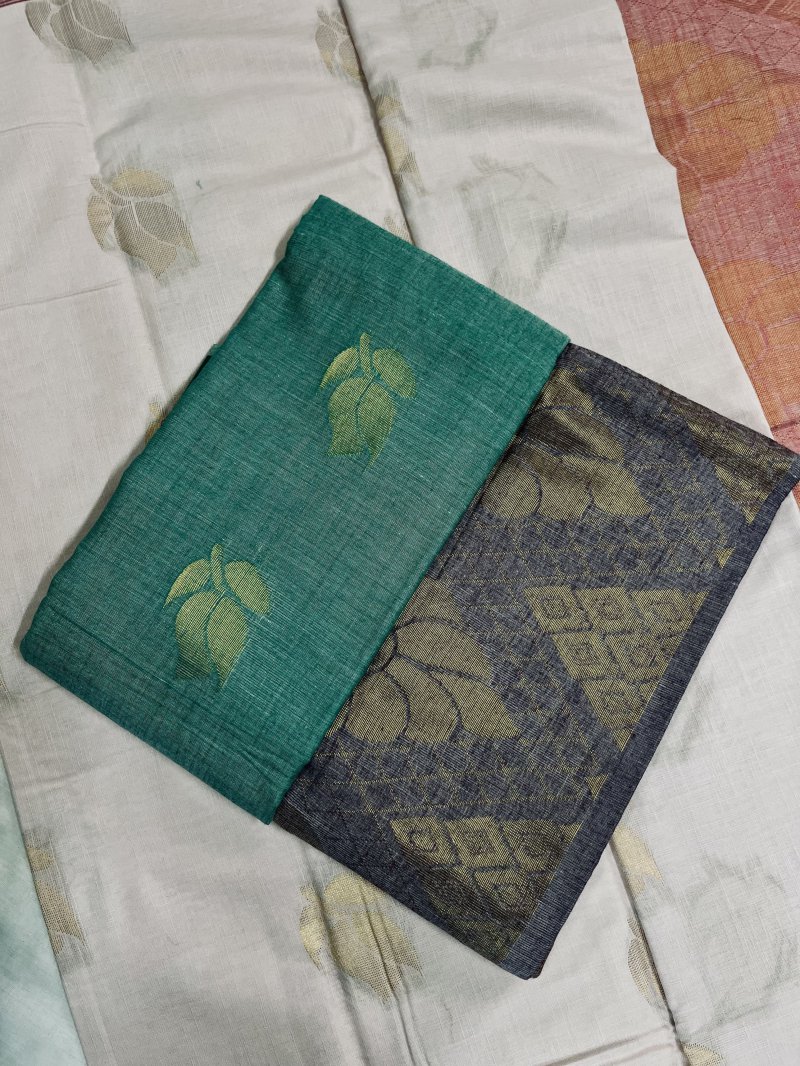
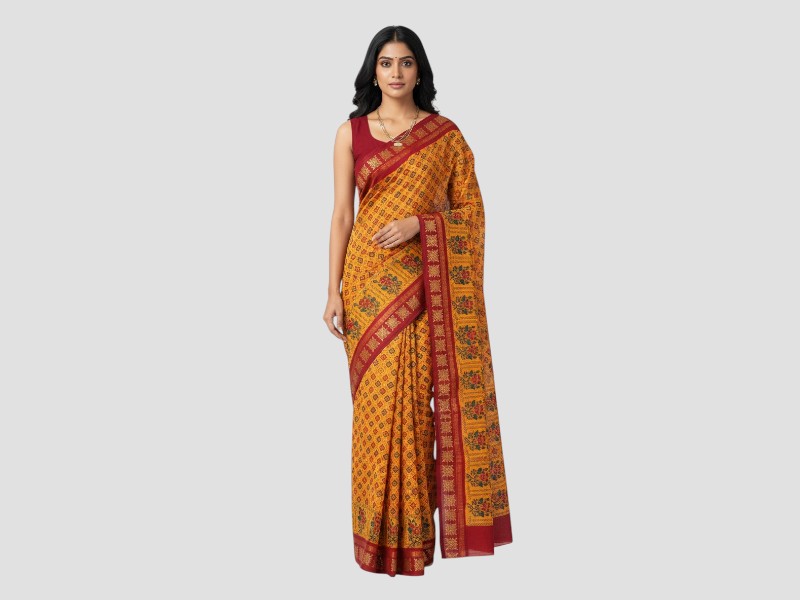
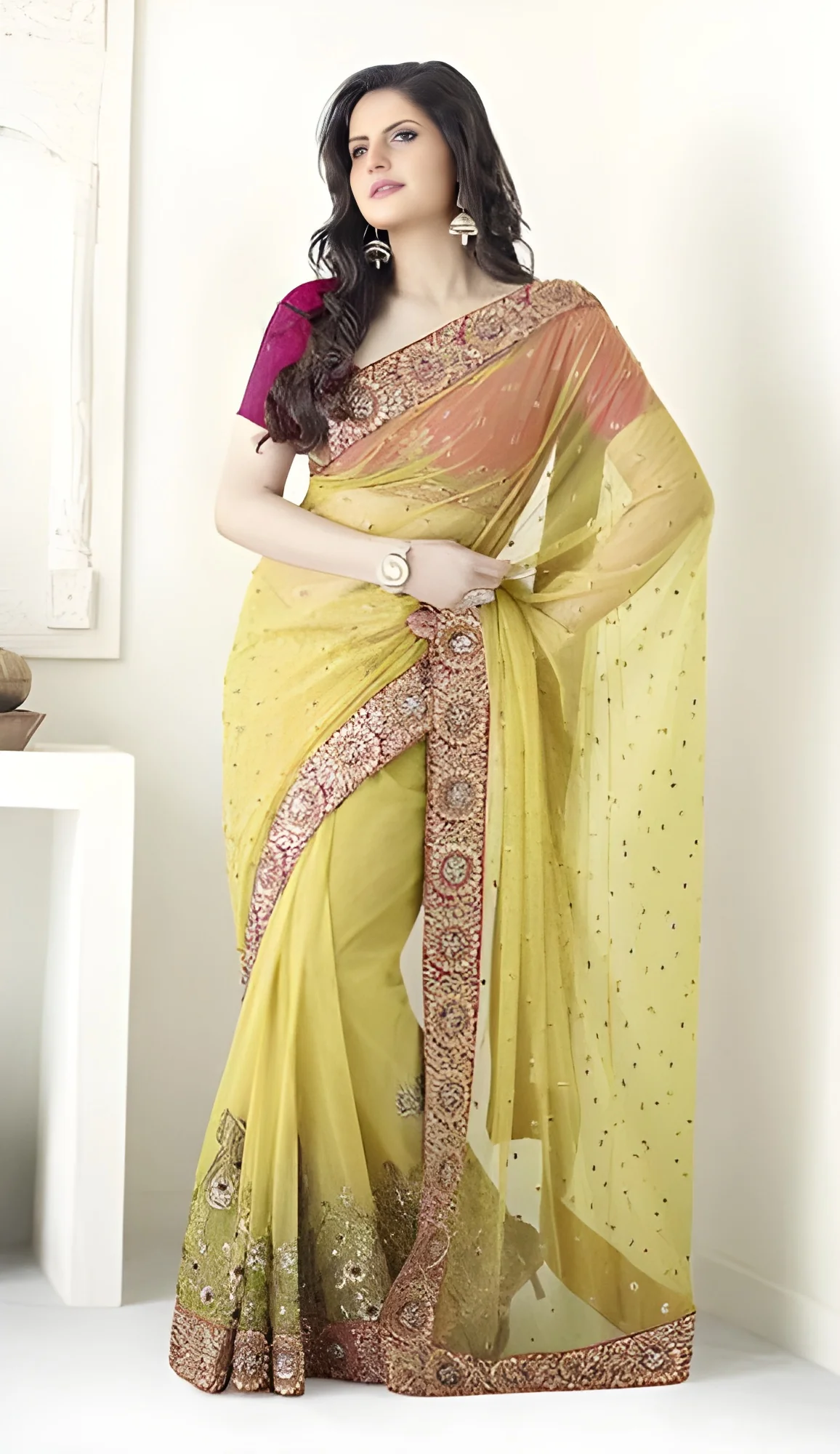
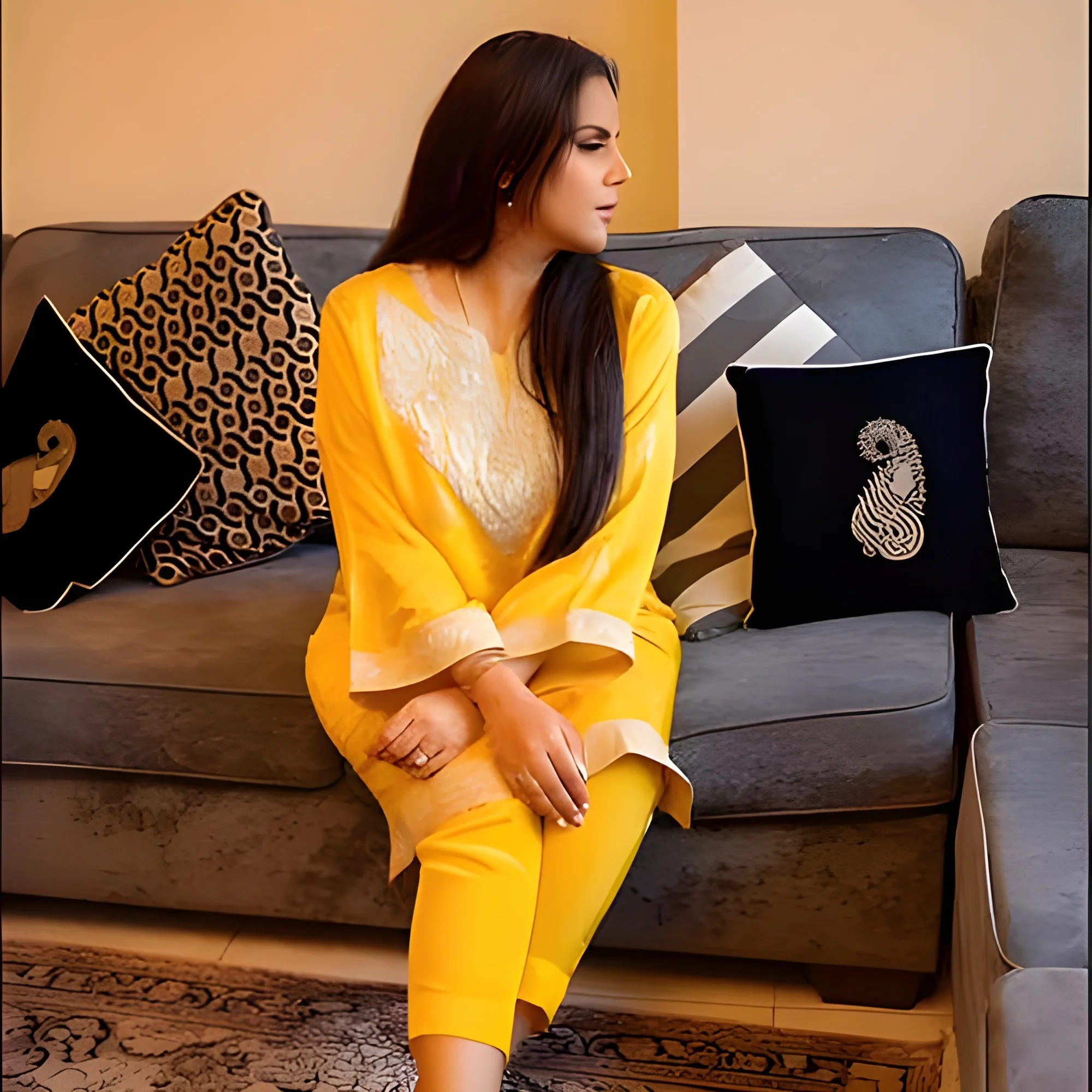
Sarees, Kurtis, and Salwar Sets are traditional garments widely worn in South Asia, particularly in India. A saree is a long piece of fabric, typically ranging from five to nine yards, that is draped elegantly around the body. Kurtis are semi-formal tunics that can be paired with various bottoms, while Salwar Sets consist of a long tunic paired with trousers known as salwars. These garments are characterized by their vibrant colors, intricate designs, and various fabrics, making them a staple in both casual and formal attire.
These garments are primarily used in the fashion and textile industry for retail and wholesale purposes. They cater to various occasions, including weddings, festivals, and everyday wear. Businesses involved in clothing retail, manufacturing, and export often stock these items to meet consumer demands. The popularity of these traditional garments has led to a growing market, with many brands aiming to blend traditional aesthetics with modern trends. This relevance has also bolstered the export market as international interest in South Asian textiles continues to rise.
𝗞𝗲𝘆 𝗙𝗲𝗮𝘁𝘂𝗿𝗲𝘀 𝗮𝗻𝗱 𝗦𝗽𝗲𝗰𝗶𝗳𝗶𝗰𝗮𝘁𝗶𝗼𝗻𝘀
Sarees, Kurtis, and Salwar Sets come with diverse features that appeal to various consumer preferences. Buyers should consider the specifications that will align with their market needs.
Key specifications include:
1. Fabric Type
- Common fabrics include cotton, silk, chiffon, and georgette.
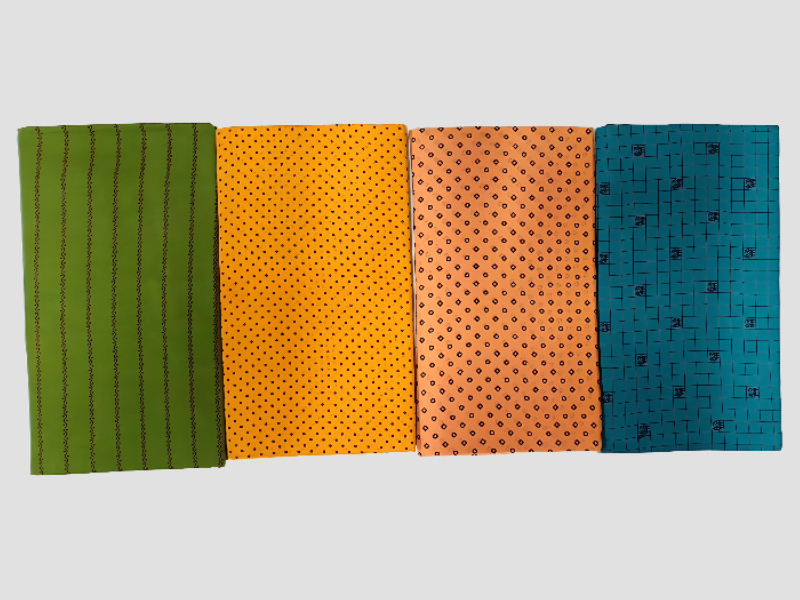
- Each fabric offers unique qualities such as breathability, shine, and texture.
2. Design Patterns
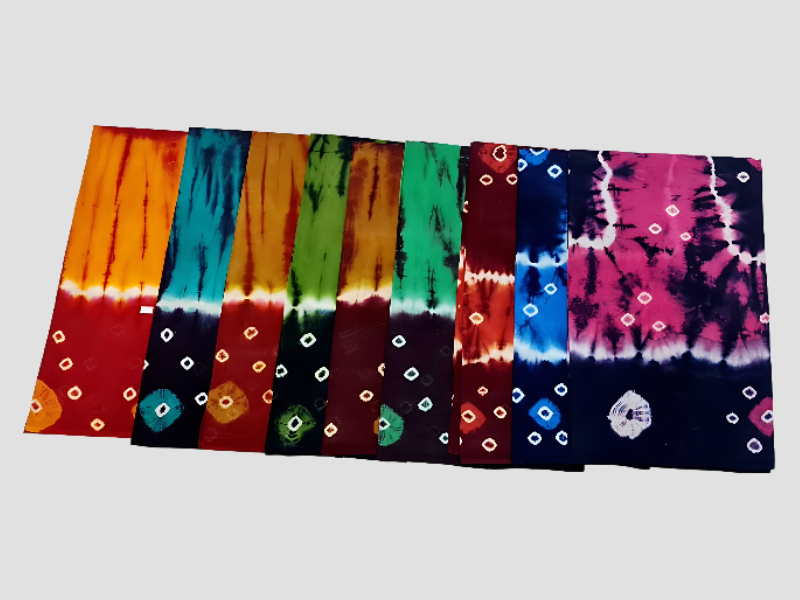
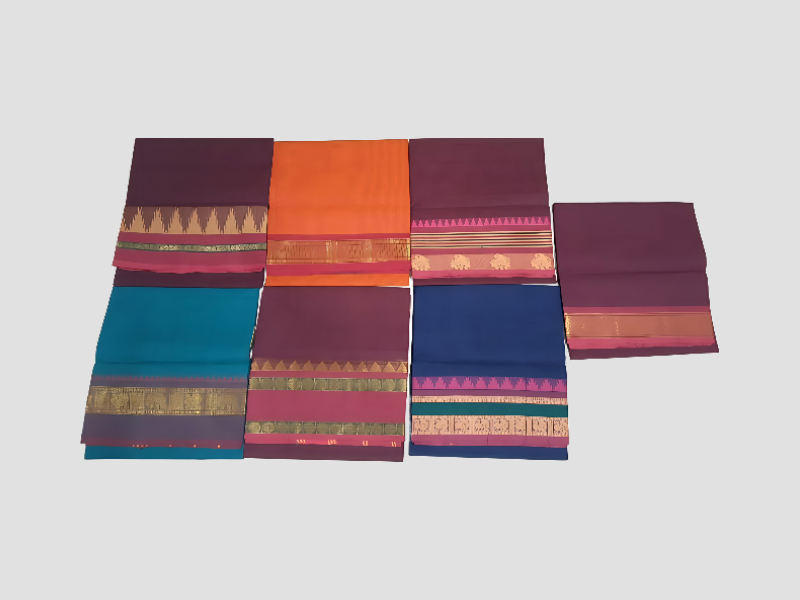
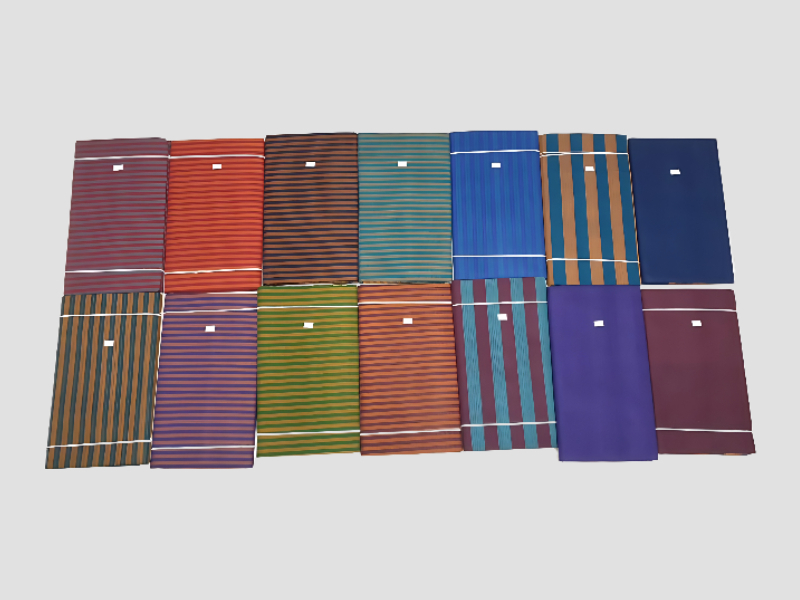
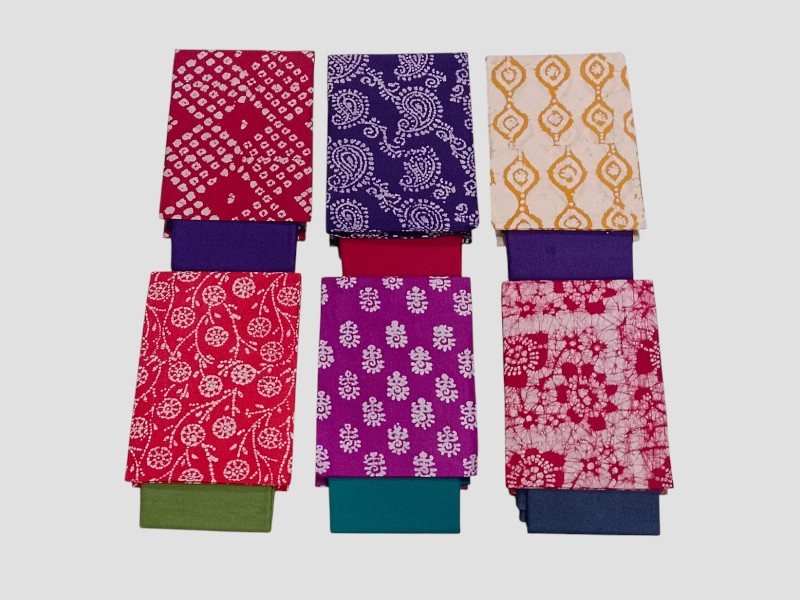
- Available designs include printed, embroidered, or woven patterns.
- Customization options may include traditional motifs or modern prints.
3. Size Range
- Available in standard sizes, typically ranging from small to extra-large.
- Custom sizing options may be available based on supplier capabilities.
4. Color Variations
- A wide range of colors ensures options for different occasions.
- Seasonal colors may be introduced to align with fashion trends.
5. Care Instructions
- Washing instructions may vary based on fabric type.
- Certain fabrics may require dry cleaning while others can be machine washed.
6. Minimum Order Quantity (MOQ)
- MOQs often vary by supplier and can range from small batches to bulk orders.
- Understanding MOQ is crucial for effective inventory management.
7. Lead Time
- Lead times can vary from a few days to several weeks based on order size and supplier capabilities.
- Timely delivery is critical, especially for seasonal demands.
8. Certifications
- Specific garments may have certifications such as CE to ensure quality standards.
- Compliance with industry regulations can affect marketability.
In summary, understanding the key features and specifications of Sarees, Kurtis, and Salwar Sets is essential for B2B buyers when sourcing these products. This knowledge allows businesses to select items that meet quality standards and customer expectations.
𝗖𝗼𝗺𝗺𝗼𝗻 𝗔𝗽𝗽𝗹𝗶𝗰𝗮𝘁𝗶𝗼𝗻𝘀 𝗮𝗻𝗱 𝗨𝘀𝗲 𝗖𝗮𝘀𝗲𝘀
Sarees, Kurtis, and Salwar Sets find extensive applications across various industries, making them versatile products for B2B buyers.
1. Fashion Retail: These garments are essential for clothing stores and boutiques that aim to provide traditional and contemporary attire options to customers.
2. Event Management: Many event planners utilize these garments for cultural events, weddings, and festivals, offering rental options or purchasing them for clients.
3. Export and Trade: Businesses involved in international trade often export these garments to meet global demand for South Asian textiles.
4. Online Retail: E-commerce platforms have seen a rise in sales of these garments, with many consumers seeking convenient shopping options.
5. Costume Design: The film and theater industry frequently uses these garments for costume design, creating authentic cultural representations.
6. Textile Manufacturing: Manufacturers may produce these garments in bulk, incorporating sustainable practices and innovative designs to meet market needs.
7. Custom Apparel: Businesses that specialize in custom clothing can offer personalized Sarees, Kurtis, and Salwar Sets, catering to individual customer preferences.
𝗣𝗿𝗼𝗱𝘂𝗰𝘁 𝗩𝗮𝗿𝗶𝗮𝗻𝘁𝘀 𝗮𝗻𝗱 𝗦𝘂𝗯𝗰𝗮𝘁𝗲𝗴𝗼𝗿𝗶𝗲𝘀
The diversity in Sarees, Kurtis, and Salwar Sets allows businesses to cater to various customer preferences and market segments.
Sarees
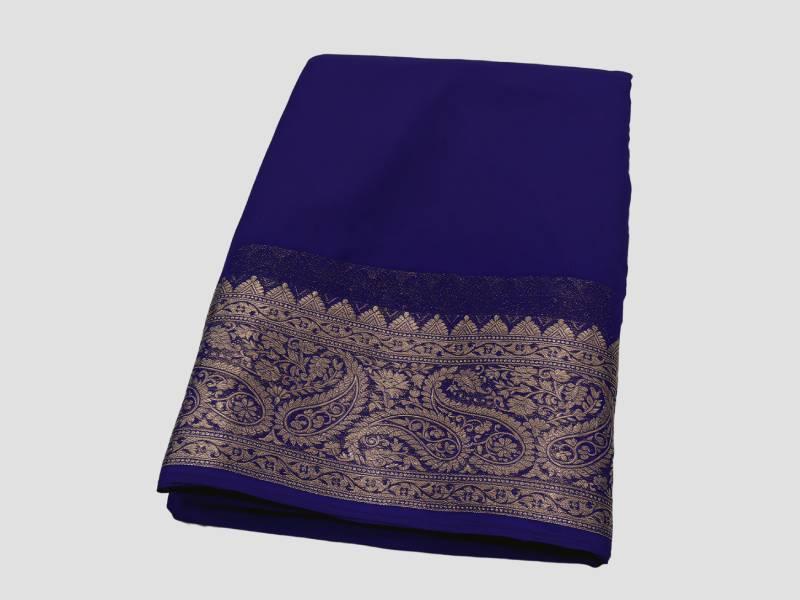
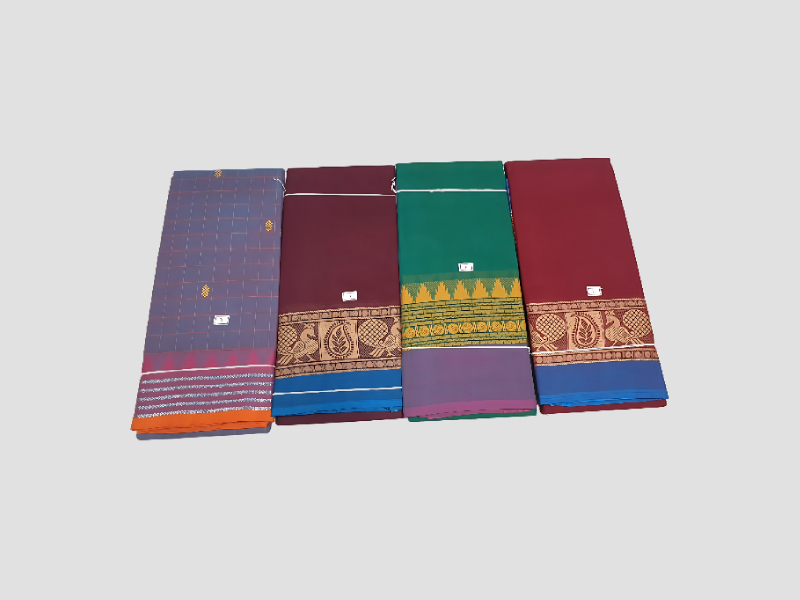
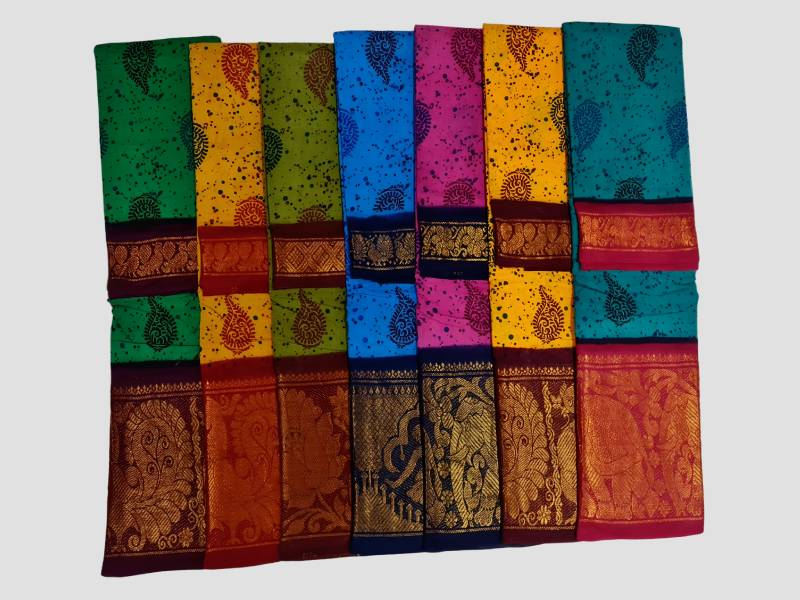
Sarees come in numerous styles, including Banarasi, Kanjeevaram, and chiffon sarees. Each type offers distinct textures, patterns, and draping styles, making them suitable for both casual and formal occasions.
Kurtis
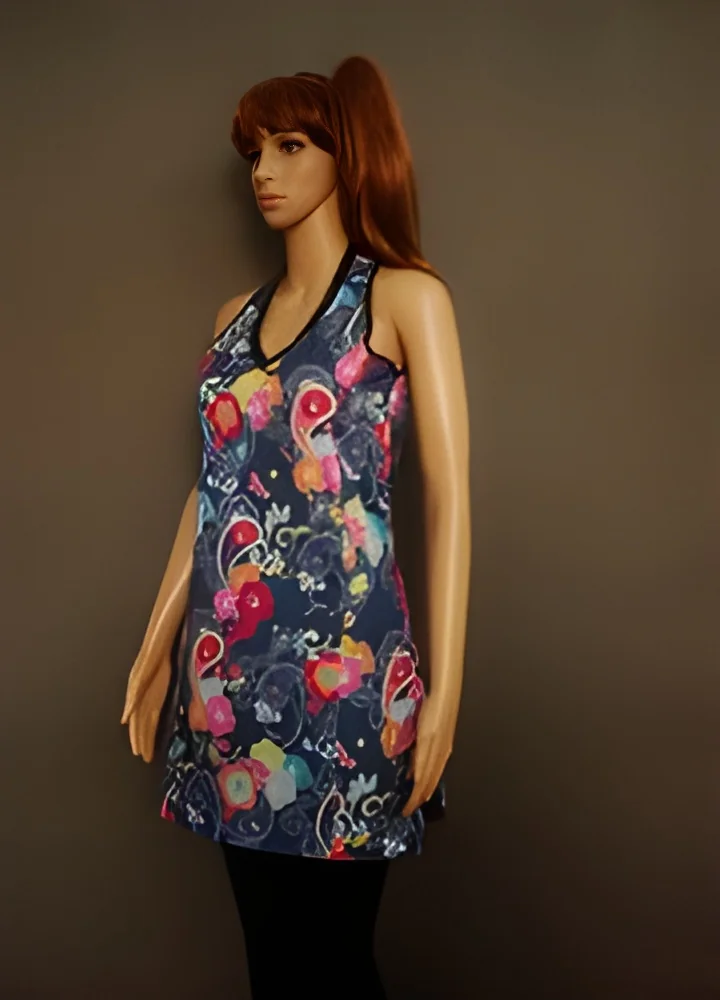
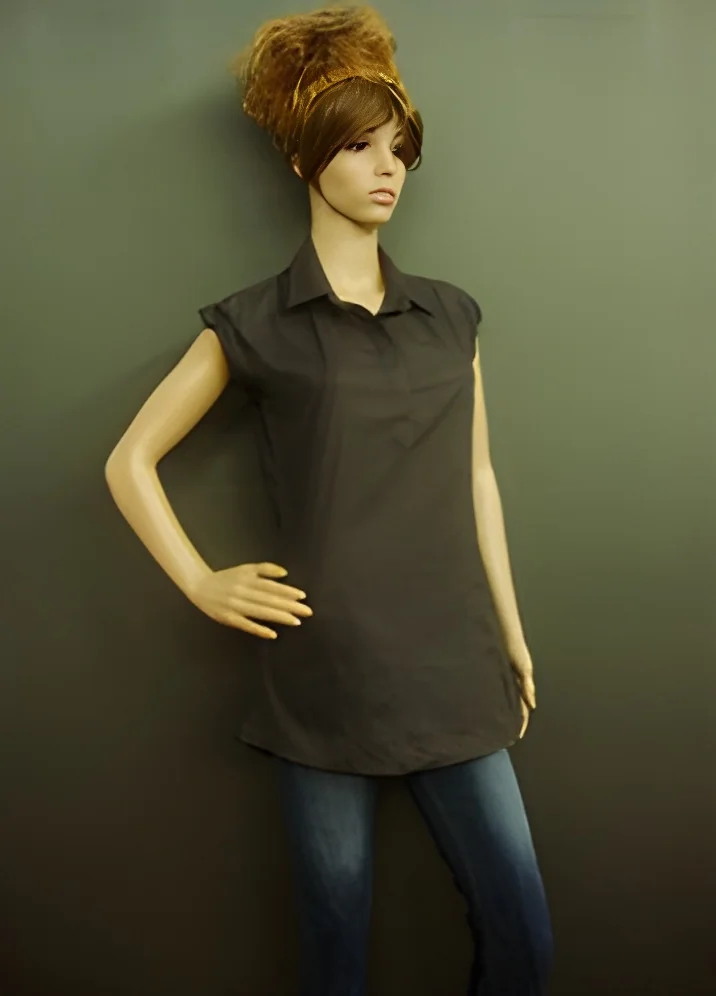
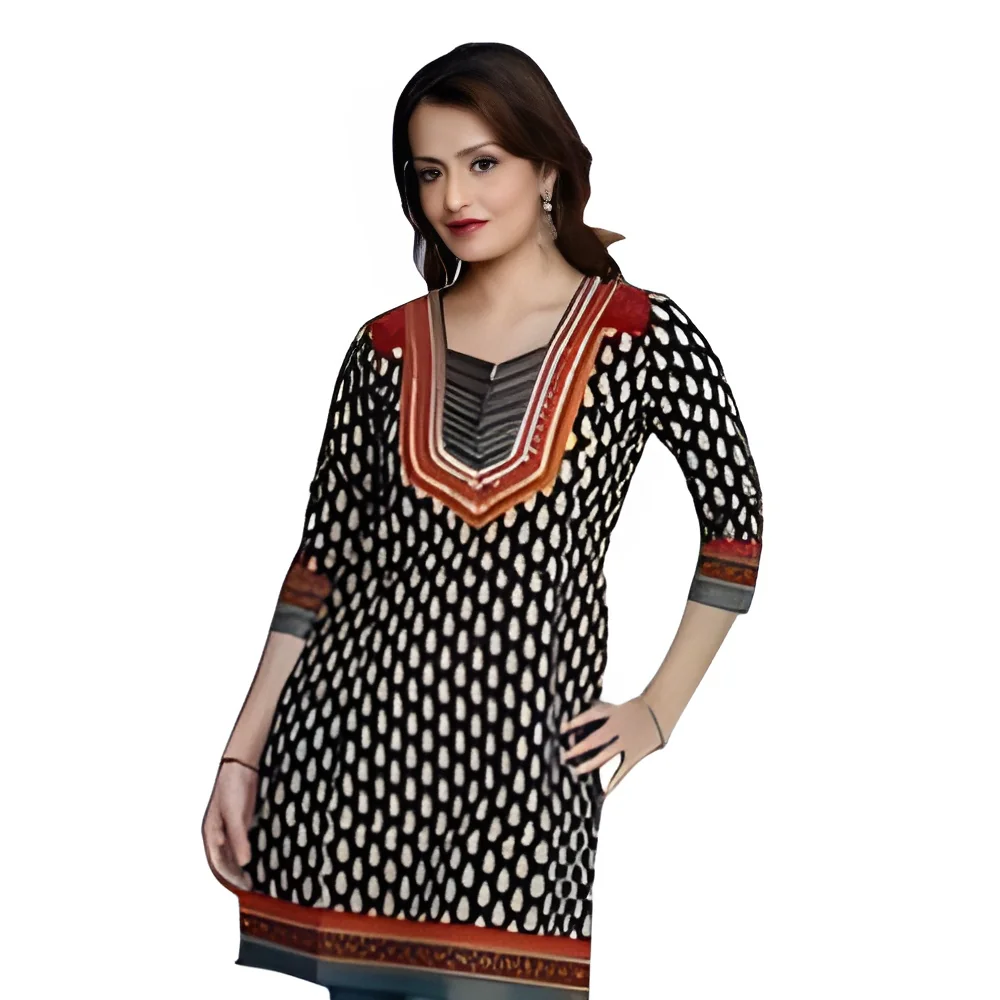
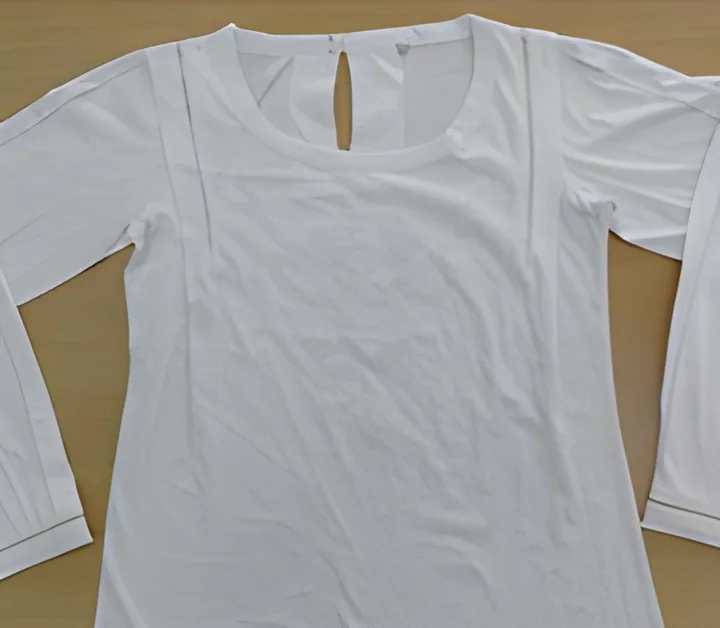
Kurtis are available in various lengths, from short to long, and can be paired with different bottoms such as leggings or palazzos. They are perfect for both office wear and festive occasions, providing versatility in fashion.
Salwar Sets
Salwar Sets offer a coordinated look with tunics and trousers. They often come in various styles, such as straight-cut or anarkali, catering to different tastes and body types.
𝗕𝗲𝗻𝗲𝗳𝗶𝘁𝘀 𝗮𝗻𝗱 𝗔𝗱𝘃𝗮𝗻𝘁𝗮𝗴𝗲𝘀
Sourcing Sarees, Kurtis, and Salwar Sets offers several advantages for businesses.
1. Cultural Appeal: These garments resonate with cultural significance, attracting customers interested in traditional attire.
2. Versatility: The ability to dress these garments up or down makes them suitable for various occasions, enhancing their marketability.
3. Customization: Many suppliers offer customization options, allowing businesses to create unique products that cater to specific customer preferences.
4. Sustainable Options: Increasing awareness of sustainability has led to the availability of eco-friendly fabrics, appealing to environmentally conscious consumers.
5. Profit Margins: The demand for traditional clothing often leads to healthy profit margins, making these garments a lucrative product for retailers.
6. Growing Market: The increasing interest in ethnic wear, both locally and globally, signifies a growing market for these garments, ensuring long-term business potential.
𝗕𝘂𝘆𝗶𝗻𝗴 𝗚𝘂𝗶𝗱𝗲 𝗳𝗼𝗿 𝗕𝟮𝗕 𝗕𝘂𝘆𝗲𝗿𝘀
When sourcing Sarees, Kurtis, and Salwar Sets, B2B buyers should consider several critical factors to ensure successful procurement.
1. Quality Assessment: Evaluate the quality of fabrics and craftsmanship. Look for consistency in stitching, finishing, and overall appearance to meet customer expectations.
2. Supplier Verification: Conduct thorough checks on suppliers to ensure they have a reliable reputation. Assess their experience, customer reviews, and manufacturing capabilities.
3. Pricing and MOQ: Understand the pricing structure and minimum order quantities. Compare quotes from different suppliers to find competitive pricing without compromising quality.
4. Delivery and Lead Times: Confirm expected lead times for orders to ensure timely delivery, especially for seasonal demands. Discuss logistics and shipping options with suppliers.
5. Compliance Requirements: Ensure that the products meet necessary regulatory standards and certifications. Compliance with local and international requirements is crucial for market entry.
𝗖𝗼𝗺𝗽𝗹𝗶𝗮𝗻𝗰𝗲 𝗮𝗻𝗱 𝗖𝗲𝗿𝘁𝗶𝗳𝗶𝗰𝗮𝘁𝗶𝗼𝗻𝘀
Compliance and certifications play an essential role in the sourcing of Sarees, Kurtis, and Salwar Sets. Adhering to relevant quality standards such as ISO 9001 ensures that products meet specific requirements for quality management systems. This certification can enhance credibility in the marketplace.
Additionally, industry certifications like CE indicate that products comply with health, safety, and environmental protection standards. Suppliers should provide documentation to support these certifications, assuring buyers of their commitment to quality.
Safety and testing requirements are also critical. Garments should be tested for colorfastness, shrinkage, and fabric safety to ensure they are safe for consumer use. Regional compliance considerations may vary, so understanding local regulations is vital for businesses exporting these products.
𝗪𝗵𝘆 𝗦𝗼𝘂𝗿𝗰𝗲 𝗦𝗮𝗿𝗲𝗲𝘀, 𝗞𝘂𝗿𝘁𝗶𝘀, 𝗦𝗮𝗹𝘄𝗮𝗿 𝗦𝗲𝘁𝘀 𝗳𝗿𝗼𝗺 𝗣𝗲𝗽𝗮𝗴𝗼𝗿𝗮?
Pepagora provides a trusted platform for sourcing Sarees, Kurtis, and Salwar Sets, offering several key advantages for B2B buyers.
Verified Supplier Network: Pepagora maintains a network of verified suppliers, ensuring buyers can access high-quality products from reputable manufacturers. This reduces risks associated with sourcing.
Streamlined RFQ Process: The platform features a streamlined request for quotation (RFQ) process, allowing businesses to quickly obtain competitive quotes from multiple suppliers. This efficiency saves time and facilitates better decision-making.
Trade Assurance and Support: Buyers benefit from trade assurance programs that protect their investments. Pepagora offers support throughout the purchasing process, ensuring that businesses receive the products they expect.
Regional Coverage: With a broad geographic reach, including India, the Gulf Cooperation Council (GCC), and Southeast Asia, Pepagora connects buyers with diverse suppliers. This regional coverage ensures access to a wide array of styles and fabrics, catering to various market needs.

 IN
IN