IN
IN₹
Apparel & Fashion
Loading subcategories...
View More
Description
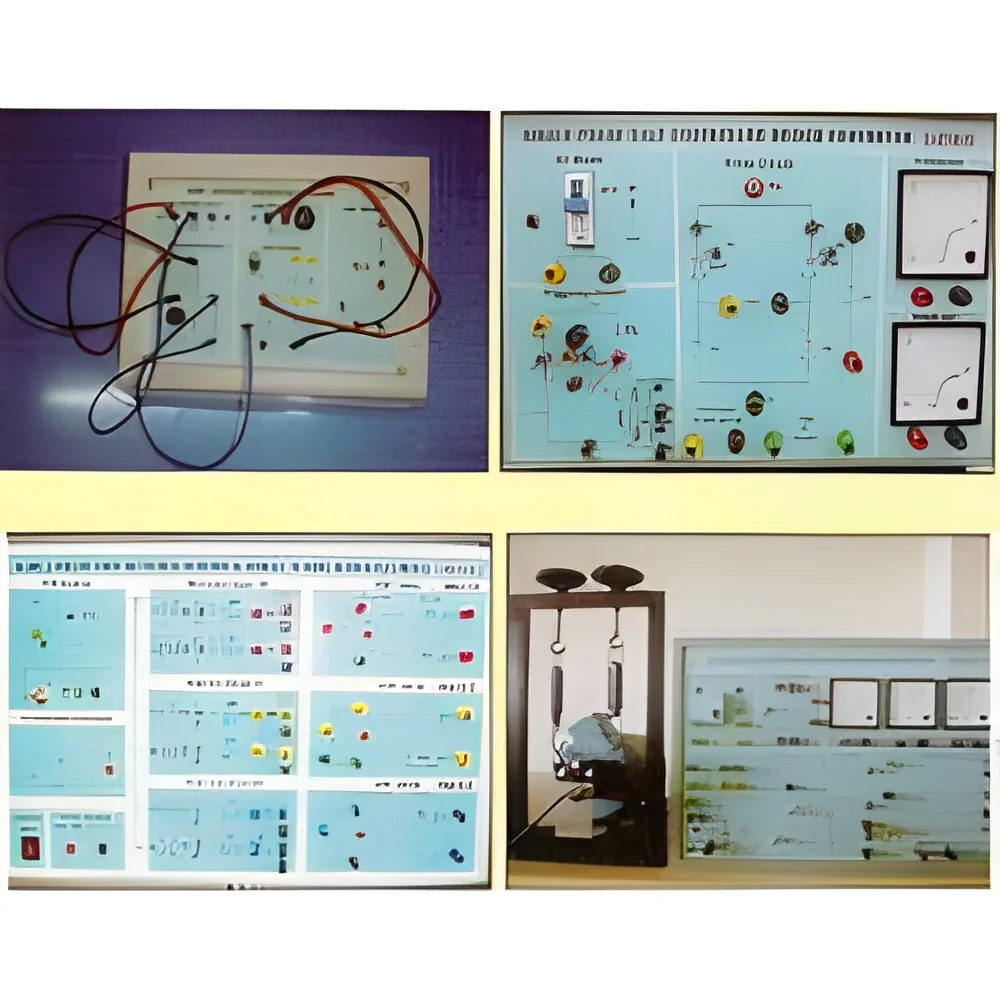
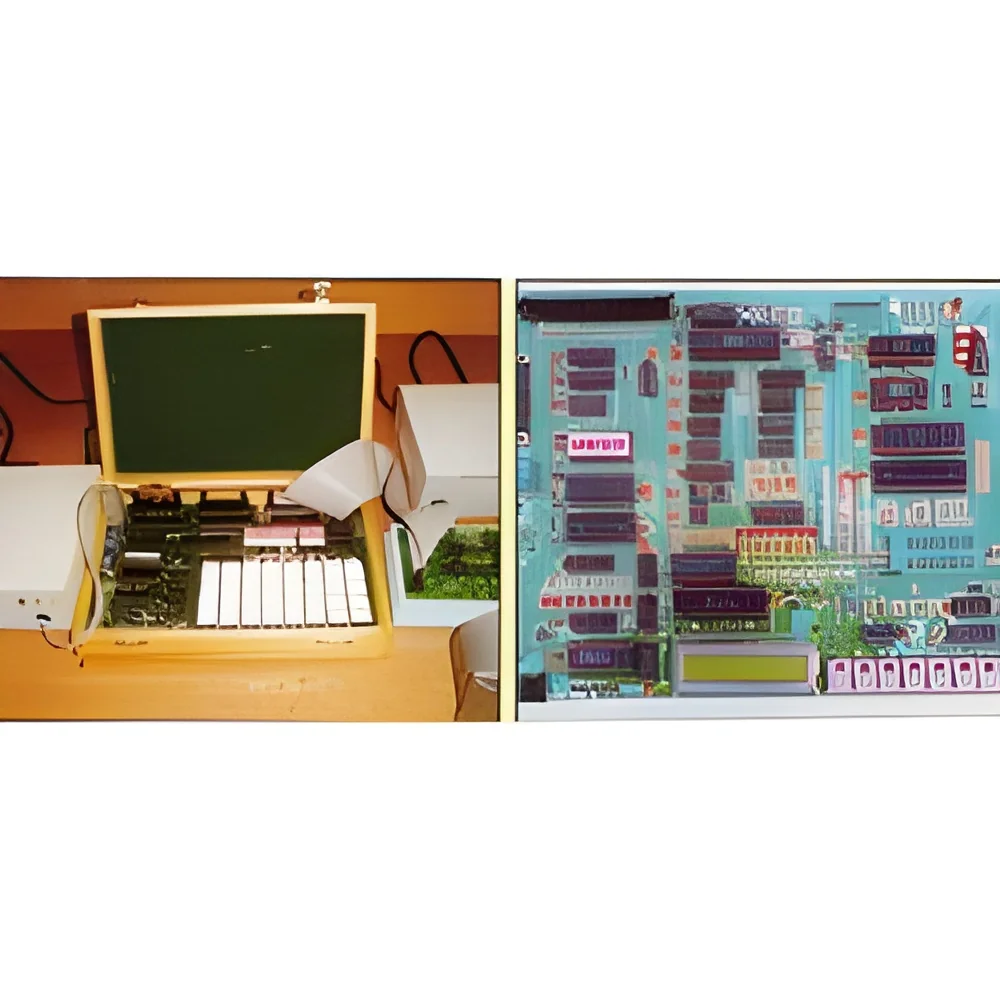
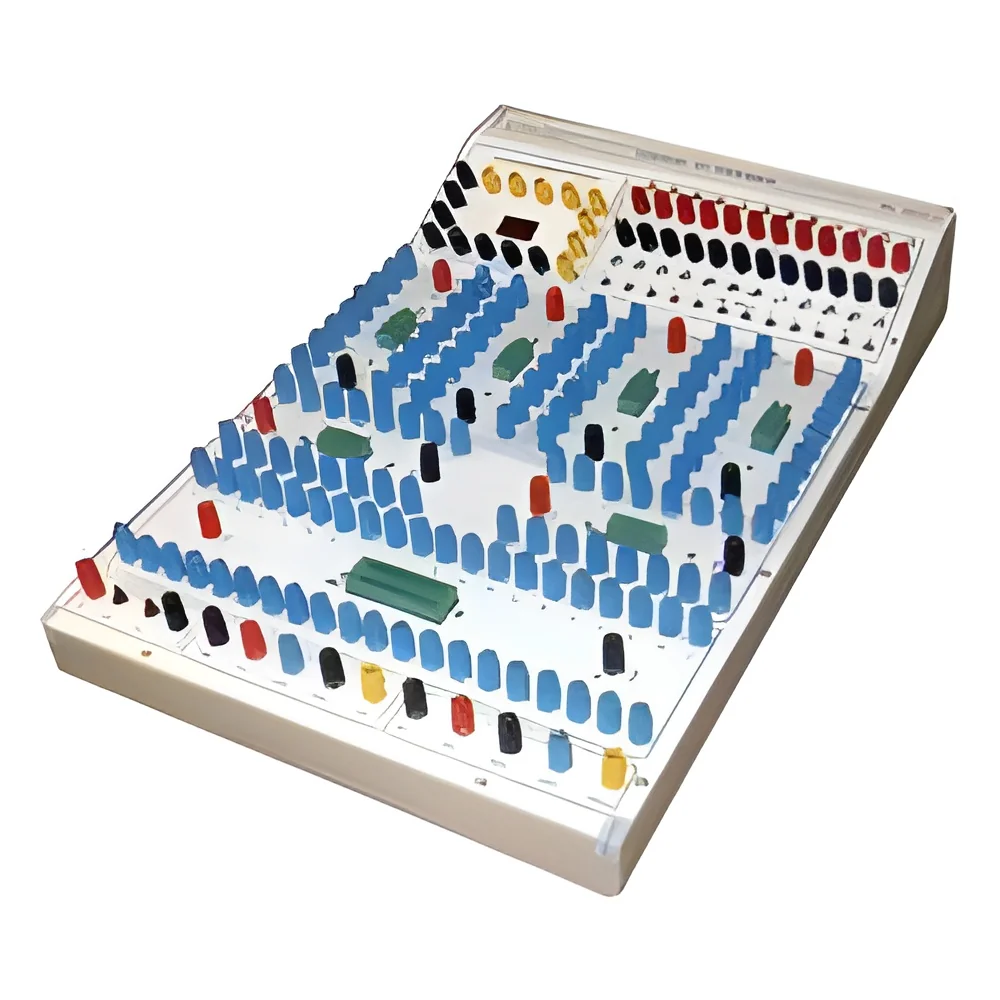
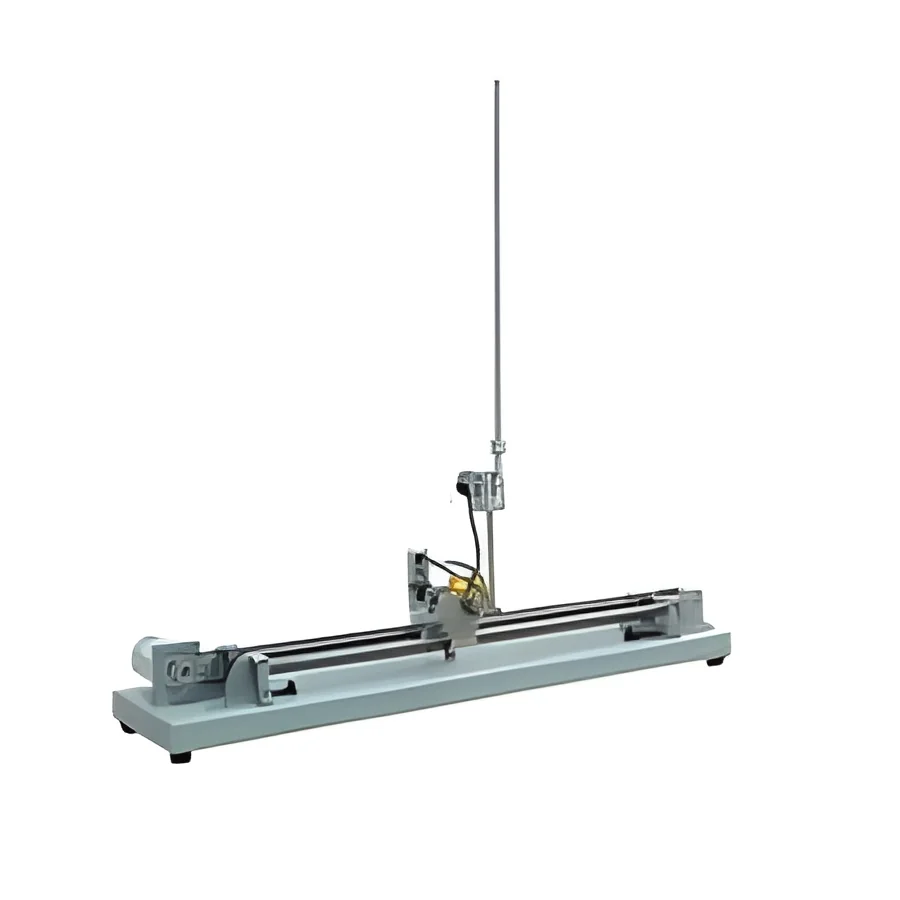
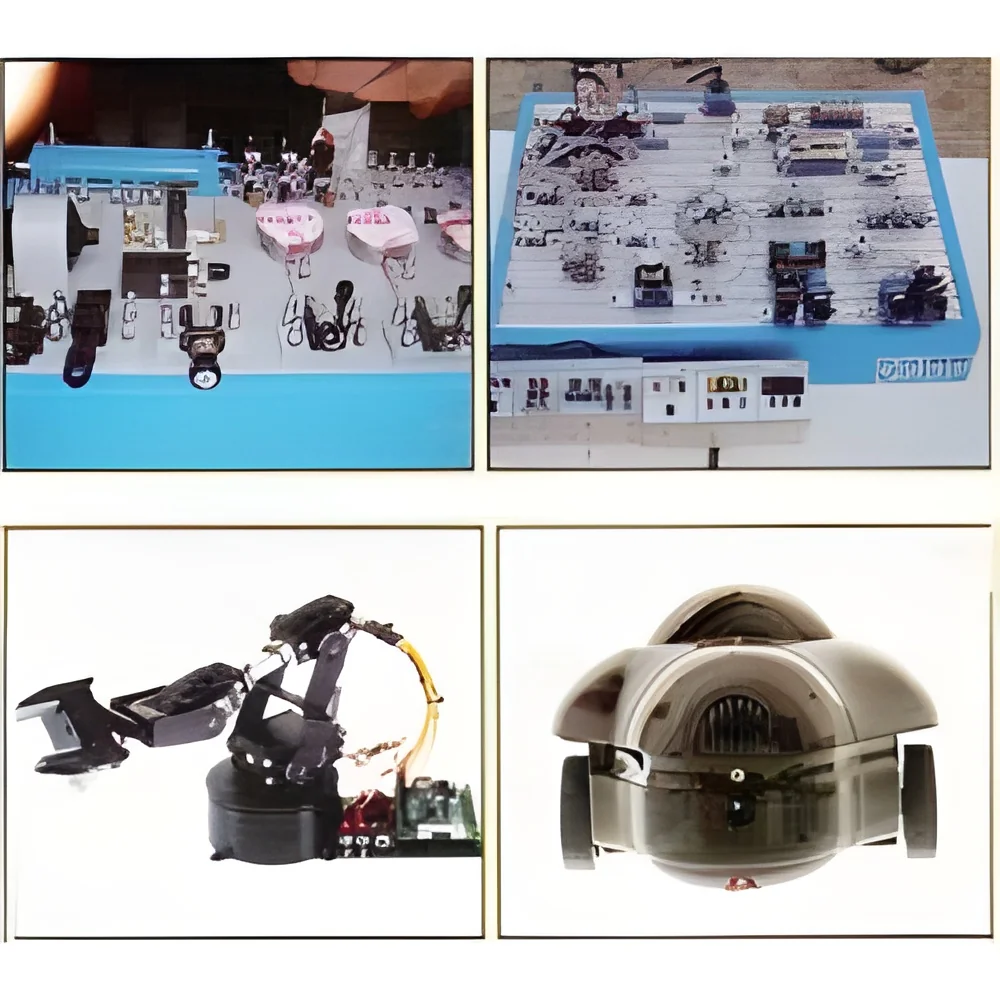
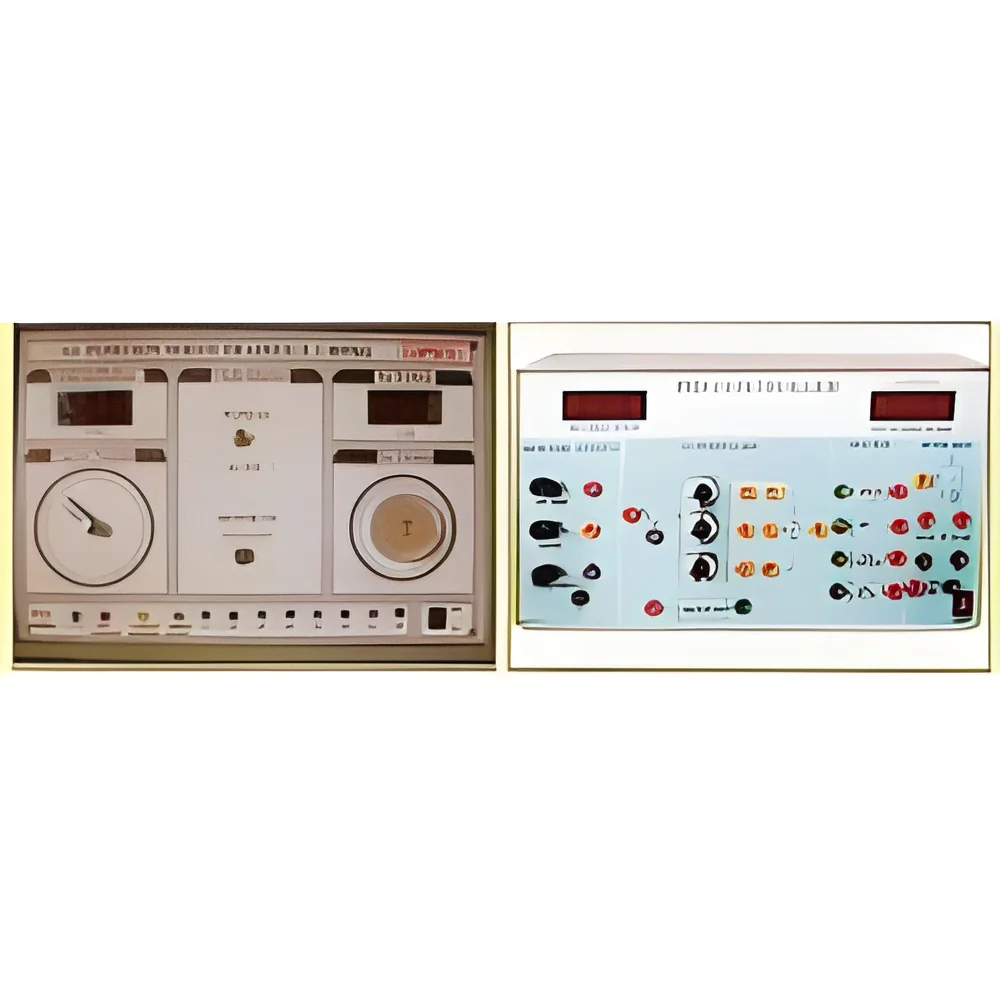
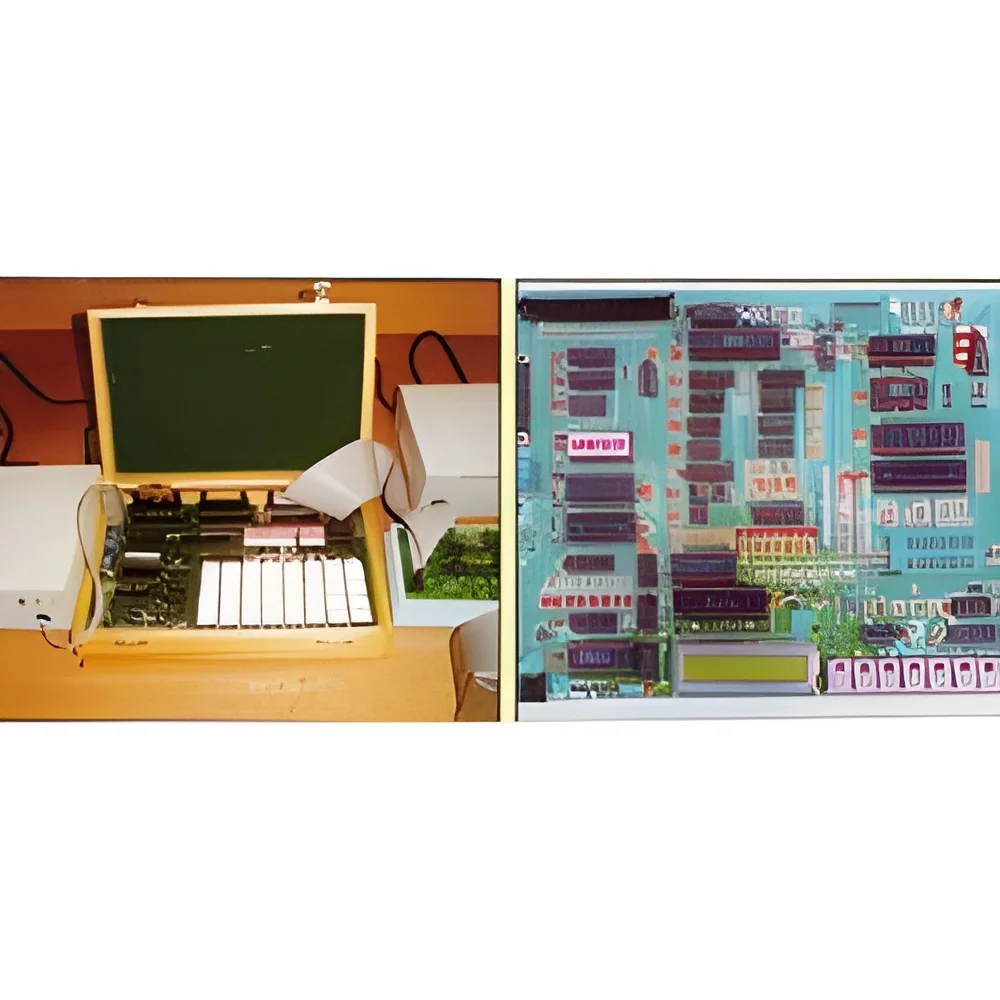
Our Engineering Education Measurement Instrumentation Lab Trainers provide comprehensive hands-on learning solutions for electrical and instrumentation engineering education. These robust training systems include multiple specialized models such as the Anderson Bridge (LT-3004), Student Type Potentiometer (LT-3017) for precise calibration of ammeters, voltmeters, and wattmeters, Burglar Alarm System (LTPC-020) for security training, and diverse flow measurement units including Magnetic Flow Meters (LTPC-021, LTPC-028), Venturi Flow Meters (LTPC-022), Rotameters (LTPC-026), Turbine Type Flow Meters (LTPC-027), and Orifice Plate systems (LTPC-029). Each unit is engineered with educational clarity as the priority, featuring transparent instrumentation, logical component layout, and practical experimentation capabilities that enable students to understand complex measurement concepts through direct interaction and systematic observation.

These laboratory trainers serve electrical engineer...
Our Engineering Education Measurement Instrumentation Lab Trainers provide comprehensive hands-on learning solutions for electrical and instrumentation engineering education. These robust training systems include multiple specialized models such as the Anderson Bridge (LT-3004), Student Type Potentiometer (LT-3017) for precise calibration of ammeters, voltmeters, and wattmeters, Burglar Alarm System (LTPC-020) for security training, and diverse flow measurement units including Magnetic Flow Meters (LTPC-021, LTPC-028), Venturi Flow Meters (LTPC-022), Rotameters (LTPC-026), Turbine Type Flow Meters (LTPC-027), and Orifice Plate systems (LTPC-029). Each unit is engineered with educational clarity as the priority, featuring transparent instrumentation, logical component layout, and practical experimentation capabilities that enable students to understand complex measurement concepts through direct interaction and systematic observation.

These laboratory trainers serve electrical engineering departments, instrumentation technology programs, and industrial training facilities across multiple technical sectors. Engineering colleges and polytechnic institutions implement them for undergraduate and diploma programs in electrical, electronics, and instrumentation engineering disciplines. Industrial training centers incorporate these systems into technician certification programs for power generation facilities, manufacturing plants, and process industries. Research and development laboratories utilize these trainers for prototyping activities and testing measurement methodologies. The product range's versatility ensures relevance across educational institutions, vocational training centers, and industrial maintenance departments seeking effective practical instrumentation training solutions.

The inherent business value of these laboratory trainers lies in their exceptional reliability, educational effectiveness, and adaptability. Constructed to withstand frequent student usage, they incorporate durable components, precise calibration markings, and safety-protected electrical circuits. Educational institutions benefit from reduced maintenance expenditures and extended equipment lifespan. The modular design philosophy permits tailored configurations that align with specific curriculum requirements or industrial training objectives. These trainers enable educational institutions to enhance their laboratory capabilities while providing industries with practical tools for workforce development, establishing them as valuable investments for organizations committed to advancing practical engineering education.

Key Features:
- Comprehensive bridge circuit models including Anderson, Wheatstone, Kelvin, and Schering Bridge configurations
- Complete calibration systems for ammeters, voltmeters, and wattmeters using student-type potentiometers
- Multiple flow measurement technologies: magnetic, venturi, rotameter, turbine, and orifice plate systems
- Integrated burglar alarm system for security instrumentation and control training applications
- Advanced power measurement capabilities using two-wattmeter and three-ammeter/voltmeter methodologies

Benefits:
- Enhanced student comprehension through hands-on experimentation with professional-grade instrumentation
- Reduced operational costs through durable construction and minimal maintenance requirements
- Curriculum flexibility with modular systems adaptable to various educational and training objectives
- Industry-relevant skill development preparing students for real-world measurement challenges
- Long-term investment value through robust design and reliable performance in demanding environments
Specifications
| Additional Information | |
|---|---|
| Country of Origin | India |
| Customisable | No |
Application
These measurement and instrumentation lab trainers serve engineering colleges, polytechnics, and vocational training centers with comprehensive hands-on learning systems. Students master calibration techniques, circuit analysis, and sensor operation through practical experiments covering bridge circuits, power measurement, and flow meter principles essential for electrical and instrumentation engineering curricula.
Industrial training facilities and R&D laboratories utilize these robust trainers for technician upskilling and prototype development. The modular design supports specific learning objectives while durable construction ensures long-term reliability in demanding educational environments. Clear instrumentation and logical layouts facilitate skill development from fundamental concepts to advanced industrial applications.
- Calibrating ammeters, voltmeters, and wattmeters using student-type potentiometers in electrical laboratories
- Teaching bridge circuit principles with Anderson, Wheatstone, Kelvin, and Schering Bridge configurations
- Demonstrating flow measurement techniques using venturi meters, rotameters, and magnetic flow systems
- Implementing burglar alarm systems for security instrumentation and control training applications
- Conducting power measurement experiments through two-wattmeter and three-ammeter/voltmeter methodologies
Trade Details
| Available Stock | In Stock |
| Sample Availability | No |
Payment Terms
| Payment Terms |
|
Company Profile
Labtech Electronics Pvt Ltd, Tamil Nadu
 Tamil Nadu, India
Tamil Nadu, IndiaElectronics & Electrical•Manufacturer
Factory Details
Factory SizeBelow 1000 sqm
Annual Production Capacity0
Engineering Education Measurement Instrumentation Lab Trainers Anderson Bridge
Engineering Education Measurement Instrumentation Lab Trainers featuring Anderson Bridge, potentiometer calibration kits, and flow meters for accurate electrical measurement training in educational and industrial settings.
Min. Order Quantity: 1 unit
Shipping
Shipping fee and delivery date to be negotiated. Contact supplier now for more details.
Labtech Electronics Pvt Ltd
 Tamil Nadu, India
Tamil Nadu, IndiaElectronics & ElectricalManufacturer