
 IN
Door Locks (Mortise, Deadbolt, Smart)
53 products available
Key Features and Specifications
When selecting door locks for industrial applications, it is important to understand their key features and specifications. These specifications help buyers make informed decisions based on their specific security needs.
Key specifications include:
1. Lock Type
- Mortise, deadbolt, and smart locks
- Varying levels of security and application suitability
2. Material
- Typically made from steel, brass, or other durable materials
- Resistance to corrosion and wear
3. Security Ratings
- ANSI/BHMA ratings classify locks based on strength and security
- Ratings range from Grade 1 (highest) to Grade 3 (lowest)
4. Keying Options
- Standard key, master key, or keyless entry
- Customization for specific security needs
5. Installation Method
- Surface-mounted or mortise installation
- Compatibility with different door types
6. Smart Features
- Bluetooth, Wi-Fi connectivity, and mobile app integration
- Remote access control and monitoring capabilities
7. Weather Resistance
- Designed to withstand various environmental conditions
- Suitable for outdoor applications
8. Warranty and Support
- Manufacturer warranties vary by product
- Availability of customer support for installation and maintenance
In summary, understanding these specifications assists businesses in choosing the right door locks that meet their security requirements while ensuring functionality.
Common Applications and Use Cases
Door locks find numerous applications across various industries, each requiring specific security solutions.
1. Residential: Used in homes to secure entry points and provide peace of mind for families.
2. Commercial: Essential for offices, retail spaces, and warehouses to protect assets and sensitive information.
3. Hospitality: Hotels and resorts use door locks to ensure guest safety and privacy.
4. Healthcare: Hospitals and clinics implement secure locking systems to protect patient information and restrict access to sensitive areas.
5. Education: Schools and universities require robust security measures to ensure the safety of students and staff.
6. Government: Public buildings use high-security locks to protect confidential materials and facilities.
7. Industrial: Manufacturing plants and warehouses utilize heavy-duty locks to safeguard equipment and inventory.
Product Variants and Subcategories
The diversity of door locks allows businesses to choose options that best fit their security needs.
Mortise Locks
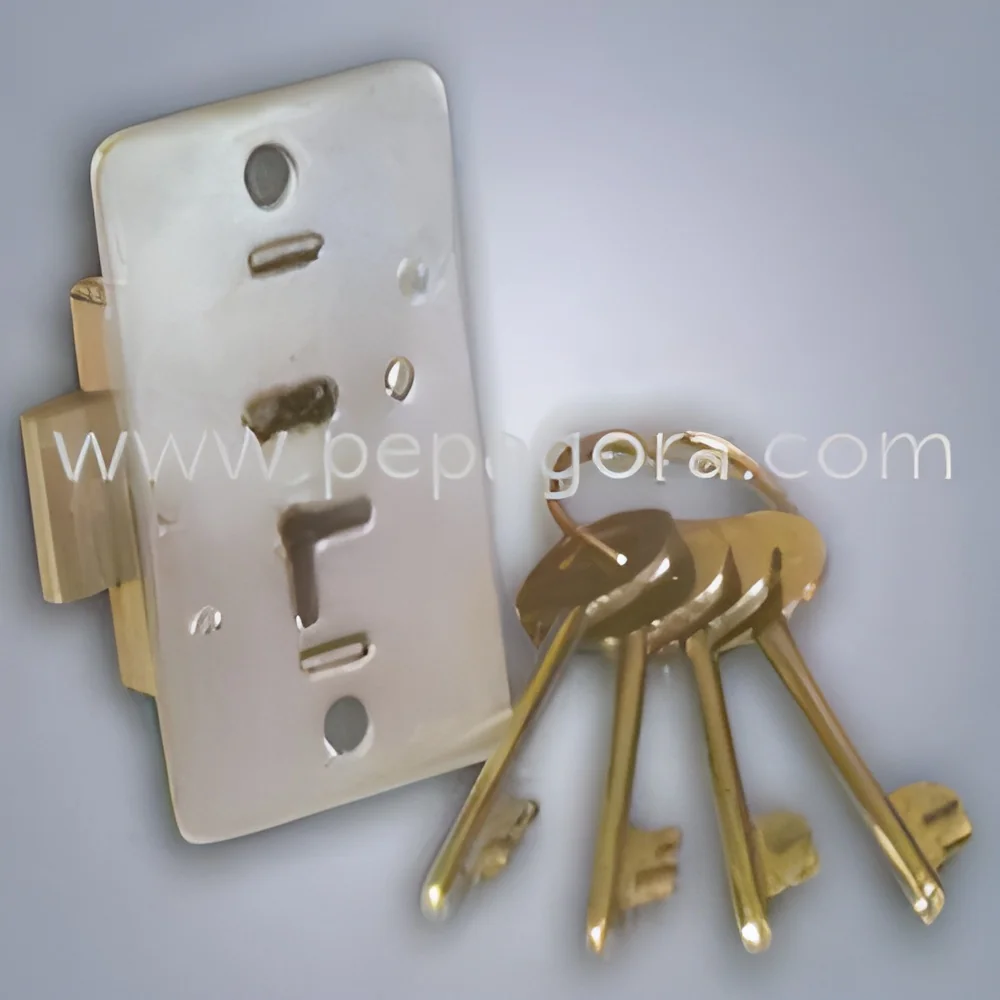
Mortise locks are designed for high-security applications, featuring a complex mechanism that provides enhanced resistance to forced entry. They are suitable for heavy doors and are often used in commercial settings.
Deadbolt Locks
Deadbolt locks are known for their strength and reliability. They offer an additional layer of security compared to standard locks and are commonly used in residential properties and commercial buildings.
Smart Locks
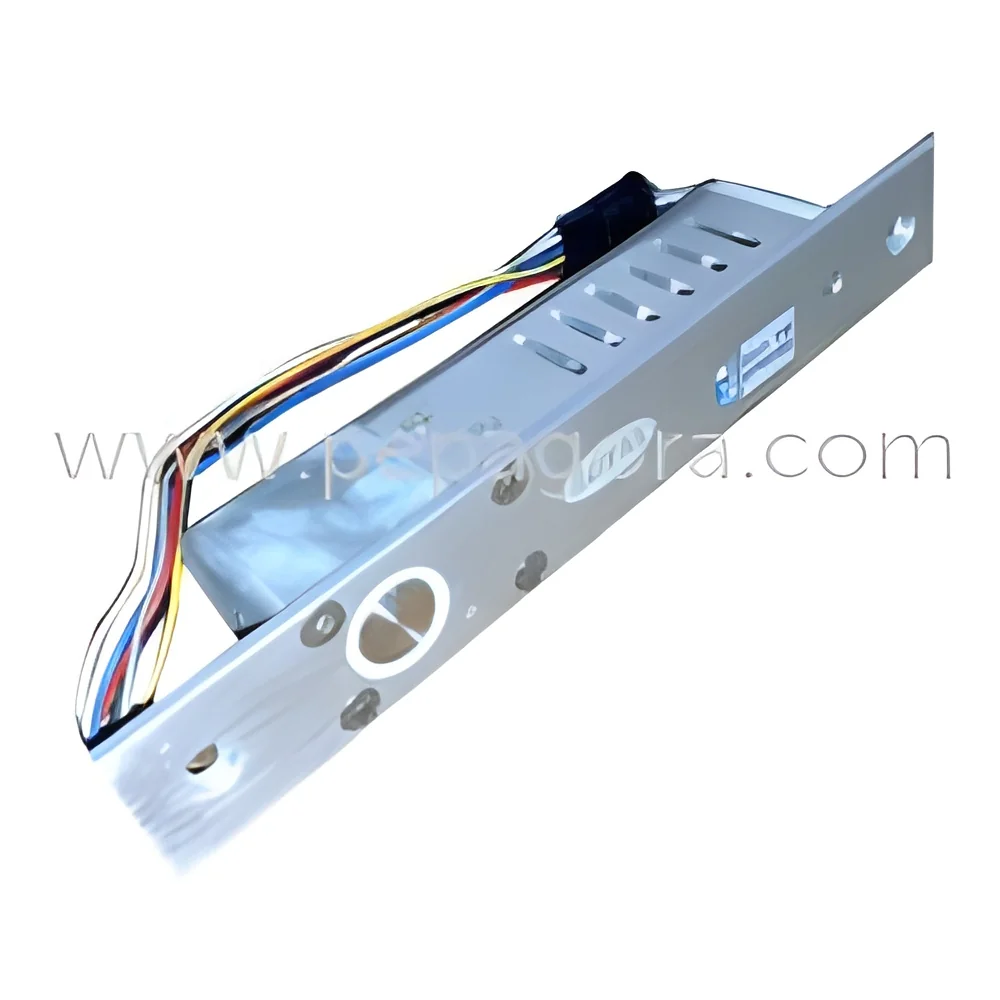
Smart locks combine security with technology, allowing users to control access remotely. These locks often feature keyless entry options, making them ideal for modern businesses looking to enhance security through automation.
Benefits and Advantages
Investing in quality door locks offers several advantages for businesses.
1. Enhanced Security: Door locks provide a physical barrier against unauthorized access, protecting assets and personnel.
2. Versatility: Different types of locks can be utilized in various settings, ensuring tailored security solutions for different applications.
3. Convenience: Smart locks offer keyless entry and remote access, simplifying management of access control.
4. Durability: High-quality materials ensure locks withstand wear and tear, reducing the need for frequent replacements.
5. Peace of Mind: Reliable locking systems help businesses feel secure in their environments, fostering a safe workplace.
6. Compliance: Many locks meet industry standards, helping businesses adhere to safety regulations.
Buying Guide for B2B Buyers
When sourcing door locks, B2B buyers should consider several key factors to ensure they make the right choice.
1. Quality Assessment: Evaluate the materials and construction of the locks. Look for locks that meet recognized standards for durability and security.
2. Supplier Verification: Research potential suppliers to ensure they have a good reputation and can provide reliable products. Check for customer reviews and testimonials.
3. Pricing and MOQ: Understand the pricing structure and minimum order quantities. This helps in budgeting for bulk purchases and ensures cost-effectiveness.
4. Delivery and Lead Times: Inquire about delivery schedules and lead times. Timely delivery is crucial to avoid project delays.
5. Compliance Requirements: Ensure that the locks meet necessary compliance and regulatory standards for your specific industry, such as safety certifications.
Compliance and Certifications
Compliance with industry standards is vital for ensuring the quality and safety of door locks. Relevant quality standards include ISO 9001, which focuses on quality management systems, ensuring that products meet customer and regulatory requirements. Additionally, certifications such as CE indicate that the products conform to health, safety, and environmental protection standards within the European Economic Area.
Safety and testing requirements are also crucial for door locks, especially in high-security applications. These requirements often include rigorous testing for durability, resistance to forced entry, and performance under various environmental conditions.
Regional compliance considerations vary, so it is essential for businesses to understand the specific regulations applicable to their location and industry. This knowledge helps in selecting locks that not only meet safety standards but also provide peace of mind to users.
Why Source Door Locks (Mortise, Deadbolt, Smart) from Pepagora?
Pepagora offers a reliable platform for sourcing door locks, featuring several key advantages for B2B buyers.
Verified Supplier Network: Pepagora connects businesses with a network of verified suppliers, ensuring quality products and trustworthy transactions. This verification process helps buyers feel confident in their purchasing decisions.
Streamlined RFQ Process: The Request for Quotation (RFQ) process at Pepagora is designed to be user-friendly, allowing buyers to quickly obtain pricing and product information from multiple suppliers. This efficiency saves time and facilitates better decision-making.
Trade Assurance and Support: Pepagora provides trade assurance, protecting buyers from potential issues in their transactions. The platform also offers dedicated support to assist with any questions or challenges during the purchasing process.
Regional Coverage: With a broad geographic reach across India, the GCC, and Southeast Asia, Pepagora enables businesses to source door locks tailored to their specific regional needs. This accessibility enhances convenience for buyers looking to streamline their procurement processes.





 India
 India
 India
 India


 India

 India
 India
 India
 India
 India
 India

 India
 India
 India
 India
Frequently Asked Questions
What are Door Locks (Mortise, Deadbolt, Smart)?
Door Locks (Mortise, Deadbolt, Smart) are security devices used to secure doors. Mortise locks are installed within the door itself, while deadbolts provide additional security with a solid bolt mechanism. Smart locks utilize electronic systems for keyless entry and can be controlled via smartphones or other devices.
What are the different types of Door Locks (Mortise, Deadbolt, Smart)?
The primary types of Door Locks include Mortise locks, which require a pocket to be cut into the door; Deadbolt locks, which provide a higher level of security; and Smart locks, which offer keyless entry and remote access features. Each type serves different security needs and preferences.
How do I choose the right Door Locks (Mortise, Deadbolt, Smart)?
Choosing the right Door Locks depends on factors such as the level of security required, door type, and user convenience. Consider whether you need a traditional locking mechanism or a modern smart lock, as well as the door's material and thickness.
What are the standard specifications for Door Locks (Mortise, Deadbolt, Smart)?
Standard specifications for Door Locks typically include dimensions, locking mechanism type, material quality, and security ratings. Mortise and deadbolt locks may also specify the number of pins and the grade of the lock, while smart locks should list battery life and connectivity options.
What is the price range for Door Locks (Mortise, Deadbolt, Smart)?
The price range for Door Locks varies widely based on the type and brand. Generally, Mortise locks can range from ₹1,000 to ₹5,000, Deadbolt locks from ₹500 to ₹3,000, and Smart locks from ₹2,000 to ₹15,000, depending on features and technology.
What quality standards apply to Door Locks (Mortise, Deadbolt, Smart)?
Quality standards for Door Locks include safety ratings such as ISI and ANSI ratings, which indicate the lock's durability and effectiveness. Compliance with these standards ensures that the locks provide adequate security and longevity.
Where can I find Door Locks (Mortise, Deadbolt, Smart) suppliers in India?
You can find Door Locks suppliers in India through online B2B marketplaces like Pepagora, industry-specific trade fairs, or local hardware distributors. It is advisable to compare multiple suppliers to assess quality and pricing.
Can Door Locks (Mortise, Deadbolt, Smart) be customized?
Yes, many manufacturers offer customization options for Door Locks, including specific sizes, finishes, and features tailored to customer requirements. Customization can enhance security and aesthetic appeal.
What is the typical minimum order quantity for Door Locks (Mortise, Deadbolt, Smart)?
The typical minimum order quantity (MOQ) for Door Locks can vary by supplier, generally ranging from 10 to 50 units. It is essential to check with individual suppliers for their specific MOQ policies.
What is the typical lead time for Door Locks (Mortise, Deadbolt, Smart)?
The typical lead time for Door Locks can vary based on the supplier and order specifications, generally ranging from 1 to 4 weeks. Custom orders may take longer, so it's advisable to confirm with the supplier.
Why Businesses Trust Pepagora
Thousands of companies trust Pepagora to source smarter and sell faster
Expand Your Sales Globally

Source Smarter,Grow Faster
