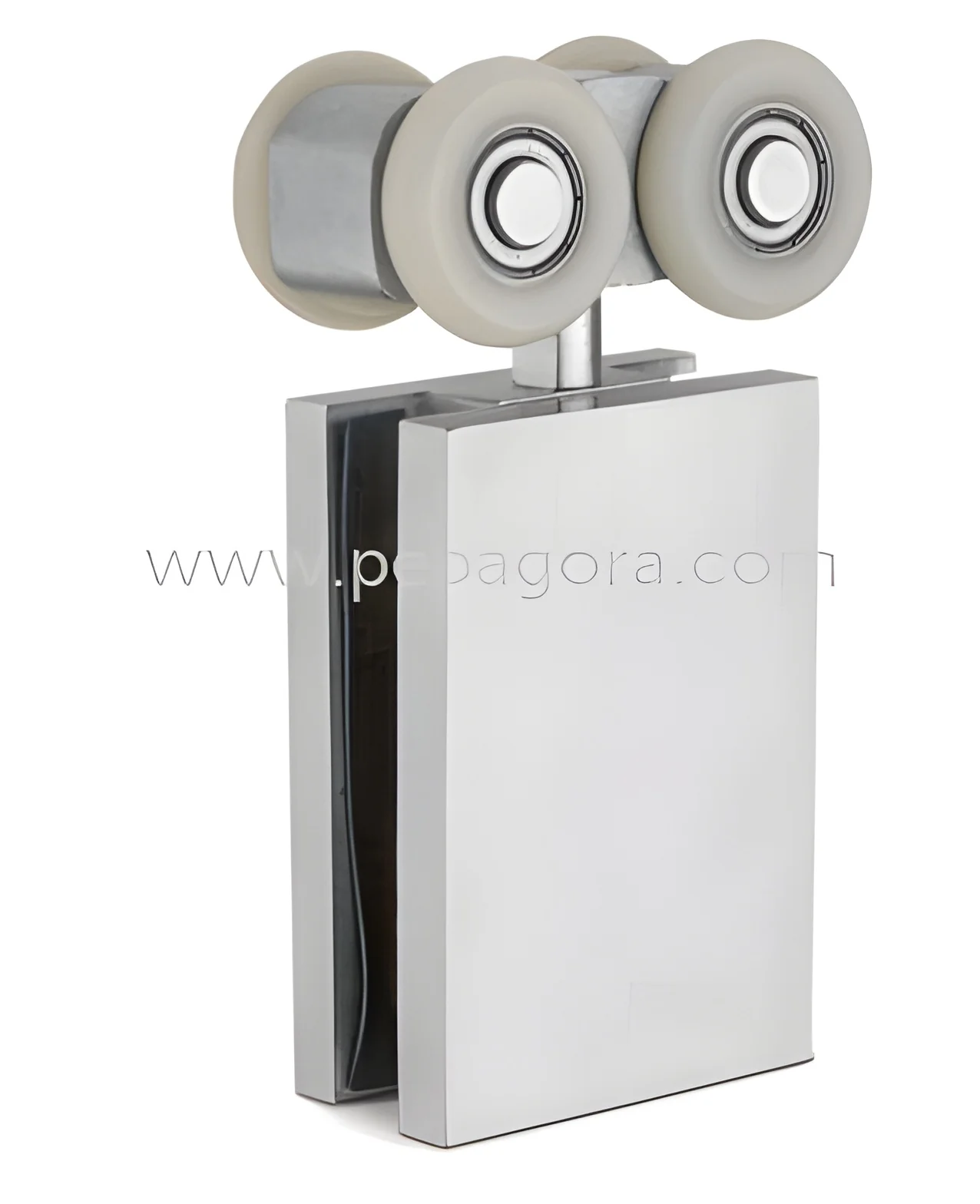
What are Sliding Door Fittings?
Sliding door fittings are specialized hardware systems designed to facilitate the smooth operation of sliding doors. These fittings include tracks, rollers, and various components that enable doors to glide open and closed effortlessly. The design of sliding door fittings varies depending on the specific application, but they all share the common goal of providing an efficient and space-saving door solution.
The primary applications of sliding door fittings can be found in both residential and commercial environments. They are commonly used in areas where traditional swinging doors may not be practical. For instance, sliding doors are often seen in closets, patios, and office spaces. Their versatility allows them to be used in various settings, including hospitals, schools, and retail stores, making them a popular choice for architects and designers.
In the current market, sliding door fittings are increasingly relevant due to the growing demand for flexible and efficient space utilization. As urban areas become more crowded, businesses and homeowners seek innovative solutions to maximize available space. Sliding doors, supported by high-quality fittings, provide a practical answer to these challenges, making them an essential component in modern construction and interior design.
Key Features and Specifications
Sliding door fittings come with several key features that enhance their functionality and ease of use. These features are critical in ensuring that the fittings meet the demands of various applications. The specifications of sliding door fittings can vary widely based on the intended use and the materials involved.
Key specifications include:
1. Load Capacity
- This specification indicates the maximum weight the sliding door fittings can support.
- Typical ranges may vary from 50 kg to over 200 kg, depending on the fittings.
2. Material Composition
- Sliding door fittings are often made from materials such as stainless steel, aluminum, or plastic.
- The choice of material affects durability and resistance to environmental factors.
3. Track Length
- The length of the track determines the door's sliding distance.
- Common track lengths range from 1 meter to 3 meters or more.
4. Roller Design
- Rollers can be designed for different door weights and sliding mechanisms.
- Options include ball-bearing rollers and nylon rollers for quiet operation.
5. Installation Type
- Fittings may be surface-mounted or recessed based on installation preferences.
- This affects aesthetic appearance and ease of installation.
6. Safety Features
- Some fittings include safety stops to prevent doors from derailing.
- Anti-jump features may also be included for added security.
7. Finish Options
- Various finishes are available, such as brushed nickel, chrome, or powder-coated.
- The finish can enhance the aesthetic appeal and corrosion resistance.
8. Compatibility
- Fittings should be compatible with standard door sizes and weights.
- Ensuring compatibility is crucial for proper installation and functionality.
In summary, understanding the key features and specifications of sliding door fittings is essential for selecting the right system for your needs. The right combination of load capacity, material, and additional features will ensure optimal performance.
Common Applications and Use Cases
Sliding door fittings are utilized across a variety of industries and applications, showcasing their versatility and efficiency.
1. Residential Housing: Sliding doors are commonly used in homes for closets, patios, and room dividers, allowing for seamless transitions between spaces.
2. Commercial Spaces: In offices, sliding doors serve as partitions that save space while maintaining an open feel, facilitating collaboration and movement.
3. Retail Environments: Stores often use sliding doors for display cases and entrances, providing easy access while enhancing visual appeal.
4. Healthcare Facilities: Hospitals and clinics utilize sliding doors for patient rooms and laboratories, where space is limited and hygiene is paramount.
5. Hospitality: Hotels employ sliding doors in guest rooms and communal areas, offering guests a modern and stylish experience.
6. Educational Institutions: Schools use sliding doors in classrooms and cafeteria settings to create flexible learning environments.
7. Industrial Settings: Factories and warehouses implement sliding doors for safety and efficiency, allowing for easy transportation of goods.
Product Variants and Subcategories
Sliding door fittings come in various designs and configurations tailored to meet diverse application needs.
Heavy-Duty Sliding Door Fittings
These fittings are designed for larger, heavier doors typically found in industrial or commercial settings. They feature robust materials and enhanced load capacity, providing reliable performance under demanding conditions.
Lightweight Sliding Door Fittings
Ideal for residential use, these fittings are suitable for lightweight doors such as those found in closets or pantry spaces. They offer smooth operation while being cost-effective and easy to install.
Soft-Close Sliding Door Fittings
This variant incorporates a mechanism that gently slows down the door as it closes, preventing slamming and reducing wear on the door and fittings. These are popular in both residential and commercial applications for added convenience.
By understanding the different variants, buyers can select the appropriate fittings that align with their specific needs and project requirements.
Benefits and Advantages
Sliding door fittings provide several benefits that enhance functionality and user experience.
1. Space Efficiency: Sliding doors require less space than traditional swinging doors, making them ideal for tight areas.
2. Aesthetic Appeal: Available in various designs and finishes, sliding doors can complement modern architectural styles while adding elegance to any space.
3. Ease of Use: With smooth gliding mechanisms, sliding doors are user-friendly, catering to individuals of all ages and abilities.
4. Versatility: These fittings can be used in multiple environments, from residential homes to large commercial buildings.
5. Enhanced Safety: Sliding door fittings often include features that prevent doors from derailing, ensuring safe operation in busy areas.
6. Customization Options: Many manufacturers offer customizable fittings to accommodate unique door sizes and design preferences.
Buying Guide for B2B Buyers
When sourcing sliding door fittings for business applications, there are several key factors to consider to ensure an optimal purchase.
1. Quality Assessment: Evaluate the quality of materials and construction of the fittings. Look for reputable manufacturers that adhere to industry standards to ensure reliability and durability.
2. Supplier Verification: Vet potential suppliers by checking their credentials and market reputation. A verified supplier network is crucial for ensuring consistent product quality and availability.
3. Pricing and MOQ: Understand the pricing structure and minimum order quantities (MOQ) required by suppliers. This information is vital for budgeting and planning inventory levels.
4. Delivery and Lead Times: Assess suppliers' logistics capabilities, including delivery times and shipping options. Reliable and timely delivery is essential for maintaining project schedules.
5. Compliance Requirements: Ensure that the sliding door fittings meet relevant industry regulations and safety standards. Compliance with certifications such as CE is critical for legal and safety assurance.
Compliance and Certifications
In the production and supply of sliding door fittings, adhering to relevant quality standards and certifications is paramount. Many manufacturers strive to comply with ISO 9001, which sets criteria for a quality management system. This certification ensures that the products are consistent in quality and meet customer requirements.
Additionally, CE certification indicates that the products conform to European safety standards, providing assurance for buyers regarding safety and environmental considerations. Compliance with HACCP and GDP standards may also be relevant, particularly in industries like food service or healthcare, where safety and hygiene are critical.
It is essential for buyers to consider regional compliance requirements as well, as different markets may enforce specific regulations regarding product safety and performance. Ensuring that suppliers meet these standards will help mitigate risks associated with product liability and enhance the overall reliability of the fittings.
Why Source Sliding Door Fittings from Pepagora?
Pepagora is an established platform for sourcing sliding door fittings, offering several competitive advantages for businesses seeking reliable solutions.
Verified Supplier Network: Pepagora connects buyers with a network of verified suppliers, ensuring that all products meet industry standards for quality and performance. This verification process provides peace of mind for buyers looking to make informed purchasing decisions.
Streamlined RFQ Process: The platform features an efficient Request for Quotation (RFQ) system that simplifies the procurement process. Buyers can easily compare quotes from multiple suppliers, allowing for quicker decision-making and better pricing.
Trade Assurance and Support: Pepagora offers trade assurance, protecting buyers against potential risks during the transaction process. With dedicated support, buyers can receive assistance throughout their sourcing journey, ensuring a smooth experience.
Regional Coverage: With a strong presence in India, the GCC, and Southeast Asia, Pepagora caters to a wide geographical area. This regional reach allows businesses to access a diverse range of suppliers and products, making it an ideal platform for sourcing sliding door fittings tailored to specific market needs.

 IN
IN