
 IN
Casement Stay Arms
1 products available
What are Casement Stay Arms?
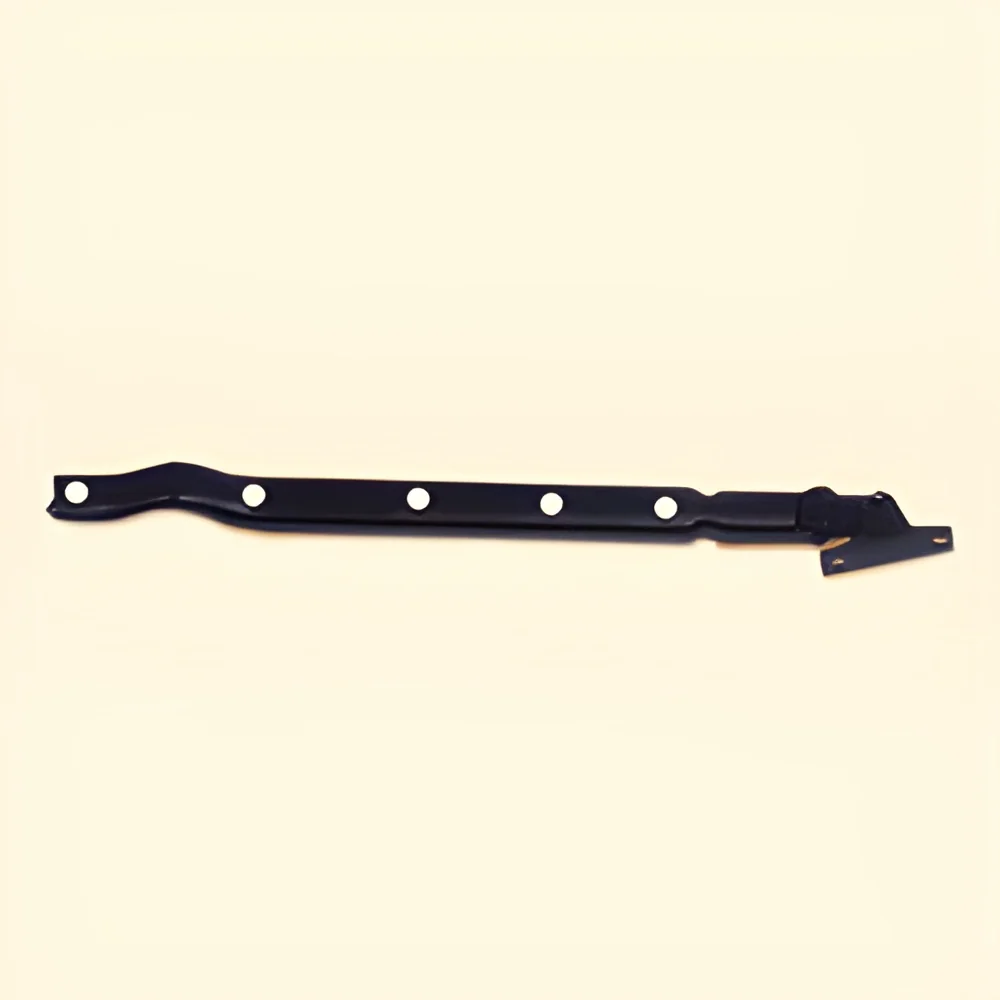
Casement stay arms are mechanical devices designed to support and hold open casement windows. These devices allow windows to be opened at various angles while maintaining stability. They often consist of a metal arm that connects the window frame to the wall or another structural element, providing a safe and secure method for venting air into a space.
The primary uses of casement stay arms are found in residential and commercial buildings, where they enhance ventilation and accessibility. They are commonly used in locations with frequent changes in temperature, as they allow windows to be opened without the risk of them slamming shut. In addition to providing ventilation, these stay arms also contribute to the aesthetic appeal of a building, as they are available in various designs and finishes to match architectural styles.
In the market, casement stay arms are relevant across multiple industries, including construction, architecture, and window manufacturing. Their versatility and functionality make them a preferred choice for window solutions, thereby driving demand in the B2B space. Companies that provide these components often cater to both bulk orders for large projects and smaller quantities for individual clients.
Key Features and Specifications
Casement stay arms come with a range of features and specifications that make them suitable for various applications. Understanding these specifications can help businesses choose the right product for their needs.
Key specifications include:
1. Material Composition
- Typically made from durable materials such as stainless steel or aluminum
- Provides corrosion resistance and longevity
2. Load Capacity
- Designed to support specific weights depending on the size and design
- Usually ranges from 15 kg to 50 kg, depending on the model
3. Length Options
- Available in various lengths, usually between 200 mm to 600 mm
- Provides flexibility for different window sizes and opening angles
4. Finish Types
- Can be finished in powder-coated or anodized options
- Enhances appearance and provides extra protection against elements
5. Angle Adjustment
- Some models allow for variable angle adjustments
- Offers customization based on user preferences
6. Mounting Types
- Various mounting options available, including top and side mount
- Ensures compatibility with different window designs
7. Compliance Certifications
- Often certified to meet industry standards such as CE
- Ensures quality and safety in manufacturing
8. Maintenance Requirements
- Generally low maintenance, requiring occasional lubrication
- Ensures continued functionality over time
In summary, understanding the key features and specifications of casement stay arms is essential for businesses looking to make informed purchasing decisions. These factors determine the performance, longevity, and suitability of the product for various applications.
Common Applications and Use Cases
Casement stay arms find applications across a variety of industries.
1. Residential Construction: In homes, these devices are used to secure windows in open positions, allowing for natural ventilation while enhancing safety and convenience.
2. Commercial Buildings: Office buildings often incorporate casement stay arms to promote airflow in workspaces, contributing to a comfortable environment for employees.
3. Hospitality Sector: Hotels and resorts use casement stay arms in guest rooms to provide guests with options for fresh air while ensuring that windows remain safely open.
4. Healthcare Facilities: Hospitals and clinics implement these devices to allow for easy ventilation in patient rooms, which is crucial for maintaining air quality.
5. Educational Institutions: Schools use casement stay arms to facilitate airflow in classrooms and auditoriums, supporting a conducive learning environment.
6. Retail Spaces: Stores benefit from these devices as they allow for fresh air circulation while maintaining security when windows are open.
7. Industrial Facilities: Factories and warehouses utilize casement stay arms for large windows that need to be opened for ventilation, ensuring a safe working environment.
Product Variants and Subcategories
Casement stay arms come in a variety of styles and configurations to meet different needs.
Heavy-Duty Casement Stay Arms
These variants are designed for larger windows and heavier loads. They provide increased strength and durability, making them suitable for industrial applications.
Adjustable Casement Stay Arms
These models allow users to modify the angle of the window opening easily. They offer versatility for different ventilation needs and preferences.
Standard Casement Stay Arms
These are the most commonly used variants, ideal for residential and commercial buildings. They come in various lengths and finishes to match diverse architectural styles.
Custom Casement Stay Arms
Some manufacturers offer customization options to meet specific project requirements, including unique sizes, finishes, and load capacities.
Benefits and Advantages
Casement stay arms offer several benefits that make them a valuable addition to any window system.
1. Enhanced Safety: These devices securely hold windows open, reducing the risk of accidental slamming and potential injury.
2. Improved Ventilation: Casement stay arms allow windows to be positioned for optimal airflow, enhancing indoor air quality.
3. Versatility: With various styles and configurations, these arms can be tailored to fit different types of windows and architectural designs.
4. Durability: Made from high-quality materials, casement stay arms are built to withstand environmental elements, ensuring longevity.
5. Aesthetic Appeal: Available in multiple finishes, they can complement the overall design of a building.
6. Low Maintenance: These devices require minimal upkeep, often only needing occasional lubrication to ensure smooth operation.
Buying Guide for B2B Buyers
When sourcing casement stay arms, it is vital for buyers to consider several factors to ensure they make informed decisions.
1. Quality Assessment: Look for products made from high-quality materials that meet industry standards. Consider certifications like CE to ensure reliability.
2. Supplier Verification: Vet suppliers carefully to confirm their credibility and track record. Reviews, ratings, and recommendations can provide insights into their reliability.
3. Pricing and MOQ: Understand the pricing structure and minimum order quantities. This will help in budgeting and ensuring that the purchase aligns with your needs.
4. Delivery and Lead Times: Clarify delivery times with suppliers to ensure that products arrive when needed, especially for projects with tight schedules.
5. Compliance Requirements: Be aware of any regulatory requirements specific to your region or industry to ensure that the products meet necessary standards.
Compliance and Certifications
Casement stay arms must adhere to relevant quality standards and certifications to ensure safety and performance. ISO 9001 is one such standard that focuses on quality management systems, ensuring that manufacturers consistently provide products that meet customer and regulatory requirements.
The CE certification is crucial for products sold within the European market, indicating that the product meets EU safety, health, and environmental protection standards. This certification assures buyers that the product has been tested and verified for safety and efficacy.
Manufacturers should also comply with safety and testing requirements pertinent to their specific markets. This includes ensuring that all materials used are non-toxic and suitable for use in various environments. It is essential to consider regional compliance factors as well, as different countries may have unique regulations governing window hardware.
Why Source Casement Stay Arms from Pepagora?
Pepagora provides a trusted platform for sourcing casement stay arms, offering several key advantages that set it apart from competitors.
Verified Supplier Network: Pepagora collaborates with a network of verified suppliers, ensuring that buyers have access to quality products from reputable sources. This verification process includes checking certifications, quality standards, and supplier history.
Streamlined RFQ Process: The platform simplifies the request for quotation process, allowing buyers to easily obtain quotes from multiple suppliers. This feature saves time and helps buyers find competitive pricing.
Trade Assurance and Support: Pepagora offers trade assurance to protect buyers throughout the purchasing process. This support includes dispute resolution and guidance, ensuring that transactions are secure and transparent.
Regional Coverage: With a strong presence in India, the GCC, and Southeast Asia, Pepagora facilitates access to a diverse range of suppliers and products. This geographic reach ensures that businesses can find suitable casement stay arms tailored to their specific needs.

Frequently Asked Questions
What are Casement Stay Arms?
Casement Stay Arms are mechanical devices used to support and hold open casement windows at various angles. They provide stability and allow for controlled ventilation, ensuring the window remains securely positioned.
What are the different types of Casement Stay Arms?
There are several types of Casement Stay Arms, including adjustable stay arms, fixed stay arms, and multi-position stay arms. Each type offers unique features suited for different window designs and functional requirements.
How do I choose the right Casement Stay Arms?
When selecting Casement Stay Arms, consider factors such as the window size, weight, and the desired angle of opening. Additionally, assess the material and finish to ensure compatibility with the overall aesthetic of the window.
What are the standard specifications for Casement Stay Arms?
Standard specifications for Casement Stay Arms typically include material type, load capacity, length, and finish. These specifications can vary based on the manufacturer and intended application.
What is the price range for Casement Stay Arms?
The price range for Casement Stay Arms can vary significantly based on type, material, and brand. Generally, you can expect prices to range from a few hundred to several thousand Indian Rupees per unit.
What quality standards apply to Casement Stay Arms?
Quality standards for Casement Stay Arms often include compliance with industry regulations such as IS (Indian Standards) or equivalent international standards. Manufacturers should ensure their products are tested for durability and safety.
Where can I find Casement Stay Arms suppliers in India?
You can find Casement Stay Arms suppliers in India through B2B marketplaces like Pepagora, industry trade shows, and online directories. It's advisable to compare multiple suppliers to find the best options.
Can Casement Stay Arms be customized?
Yes, many manufacturers offer customization options for Casement Stay Arms, including specific lengths, finishes, and load capacities. Customization can help meet unique project requirements.
What is the typical minimum order quantity for Casement Stay Arms?
The typical minimum order quantity (MOQ) for Casement Stay Arms varies by supplier but generally ranges from 50 to 100 units. Always confirm the MOQ with the specific supplier to avoid any misunderstandings.
What is the typical lead time for Casement Stay Arms?
The typical lead time for Casement Stay Arms can range from 2 to 6 weeks, depending on the supplier, order size, and whether customization is required. It's important to discuss lead times during the ordering process.
Why Businesses Trust Pepagora
Thousands of companies trust Pepagora to source smarter and sell faster
Expand Your Sales Globally

Source Smarter,Grow Faster
