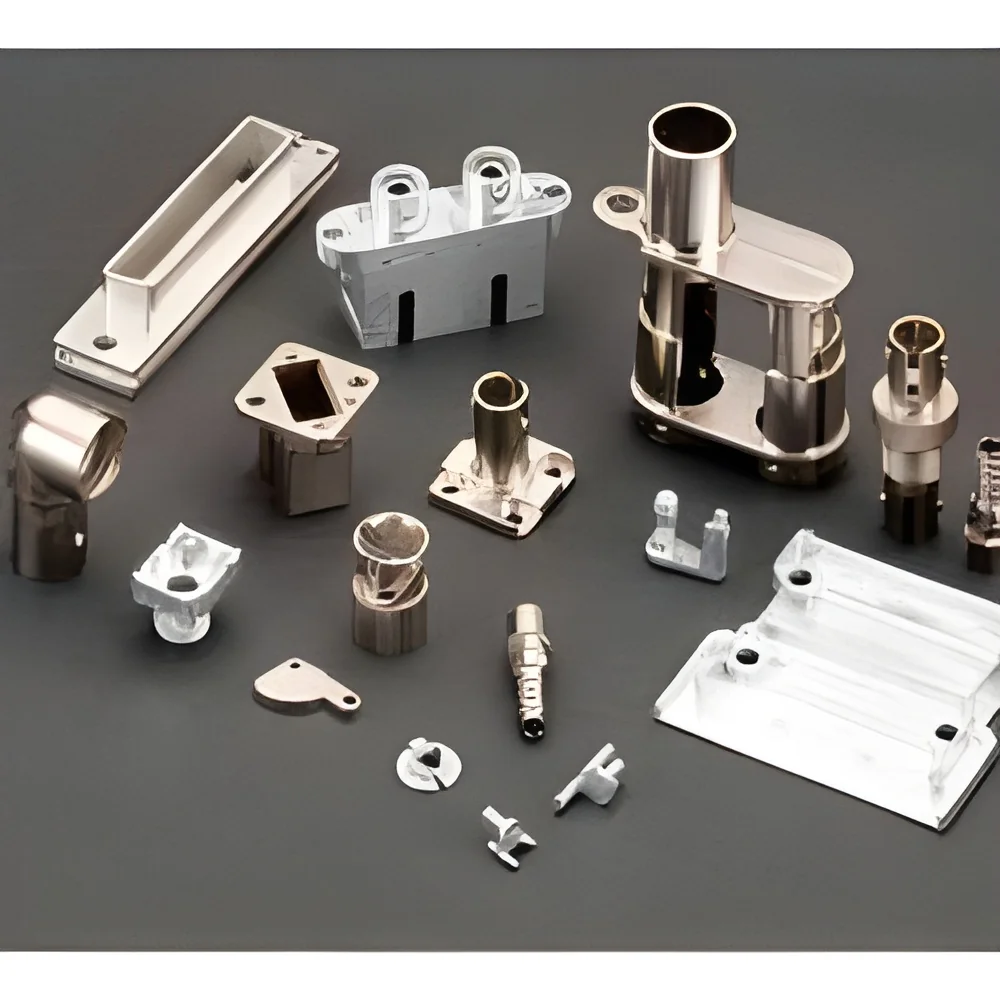
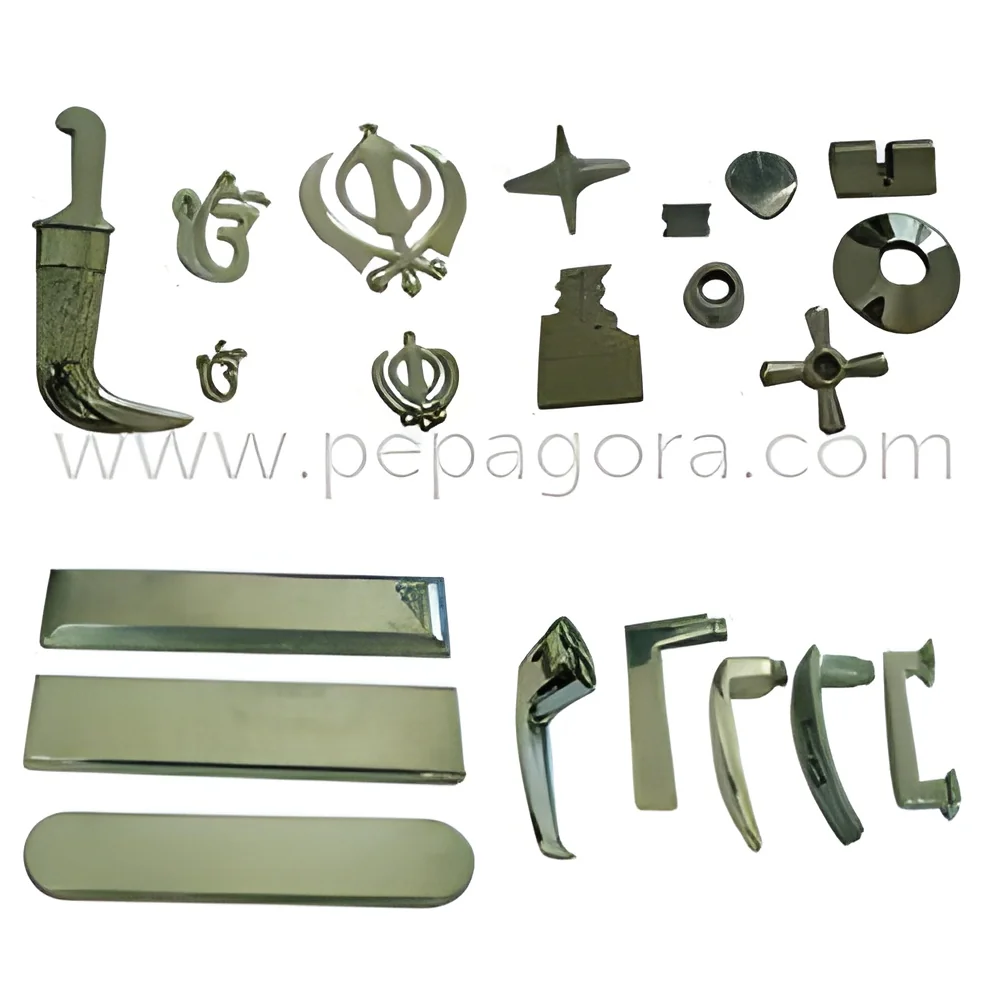
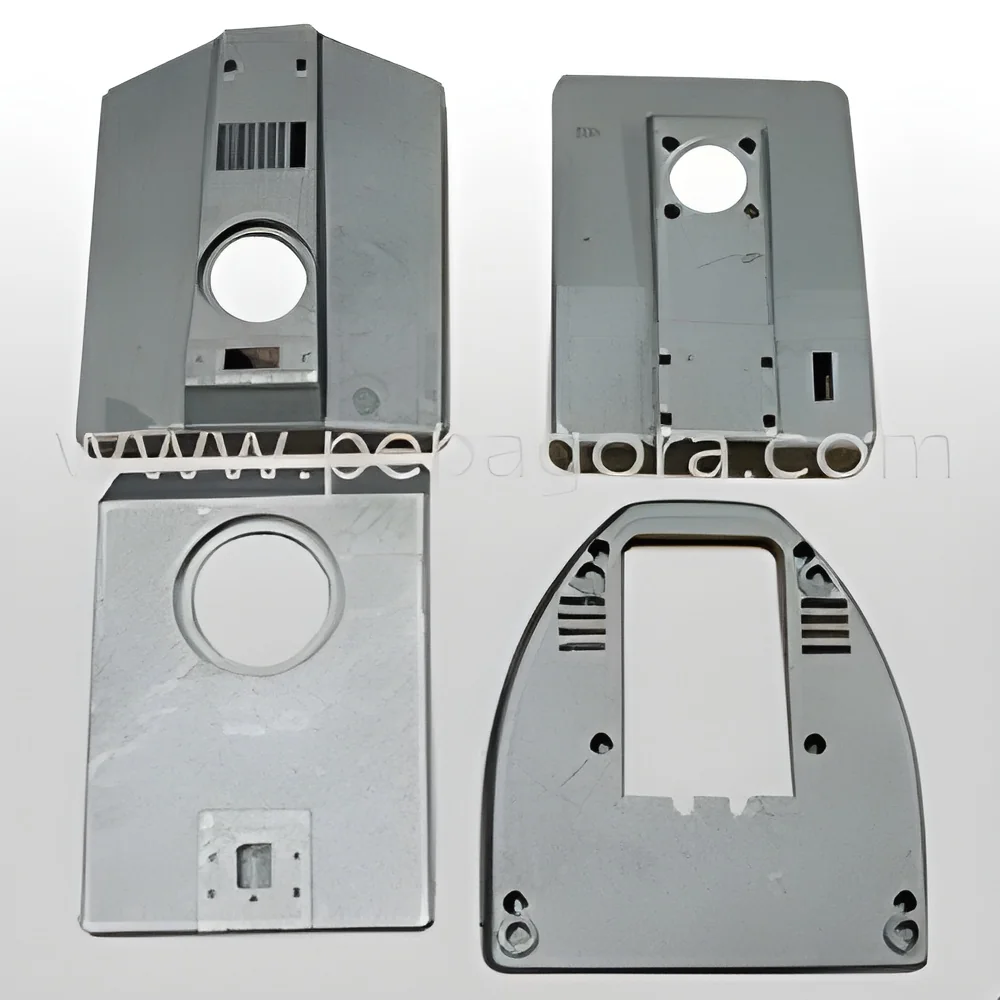
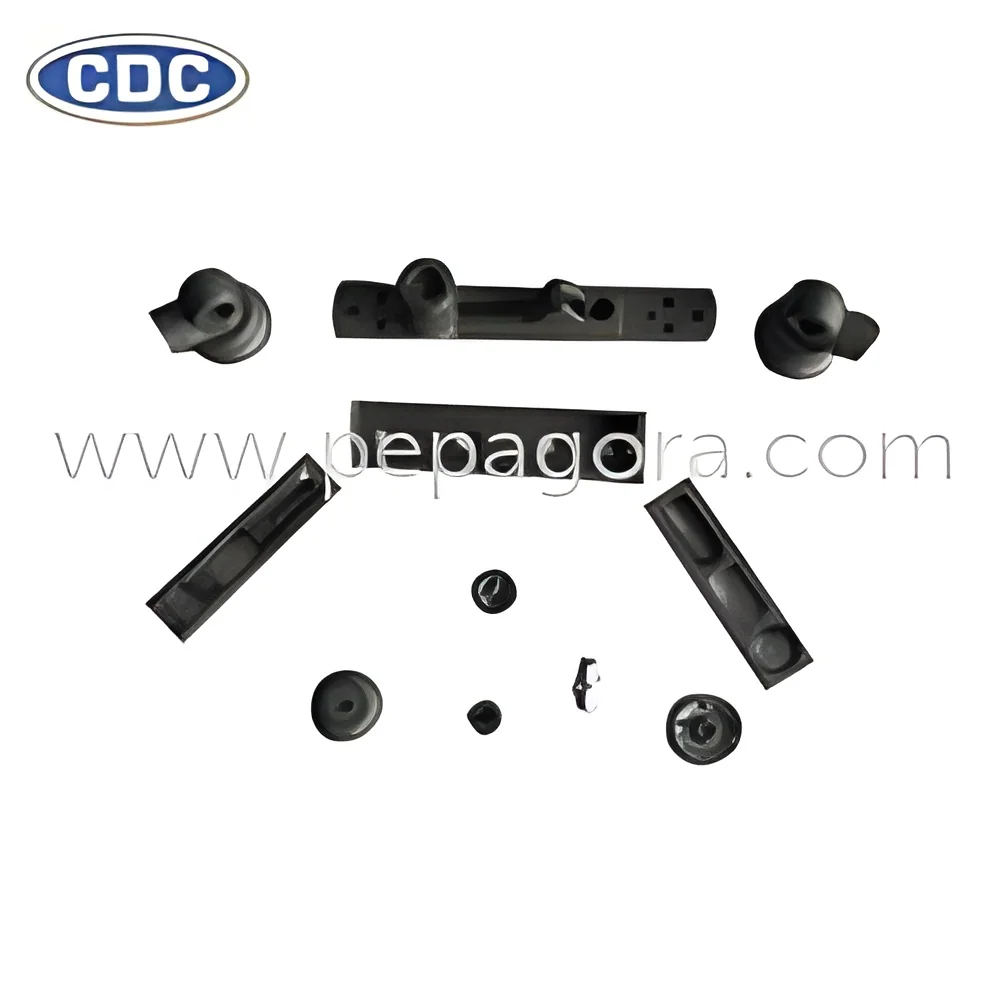
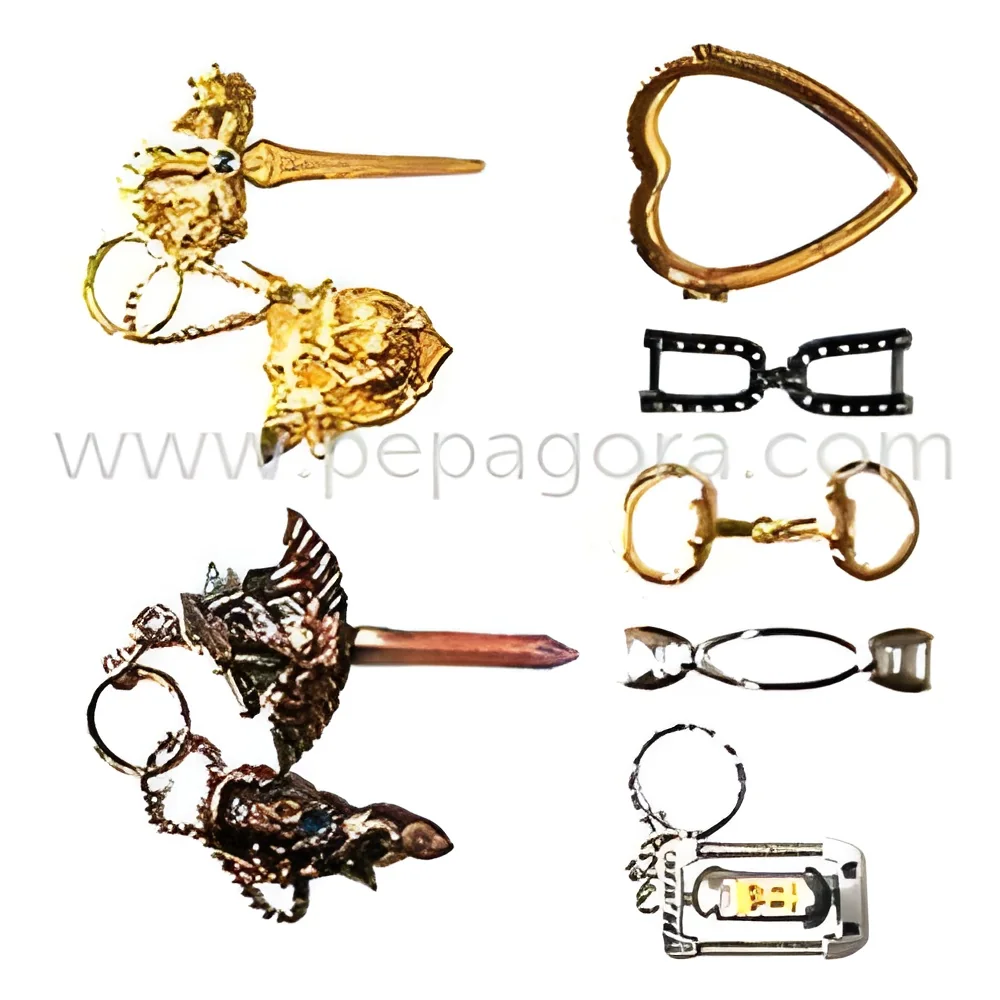
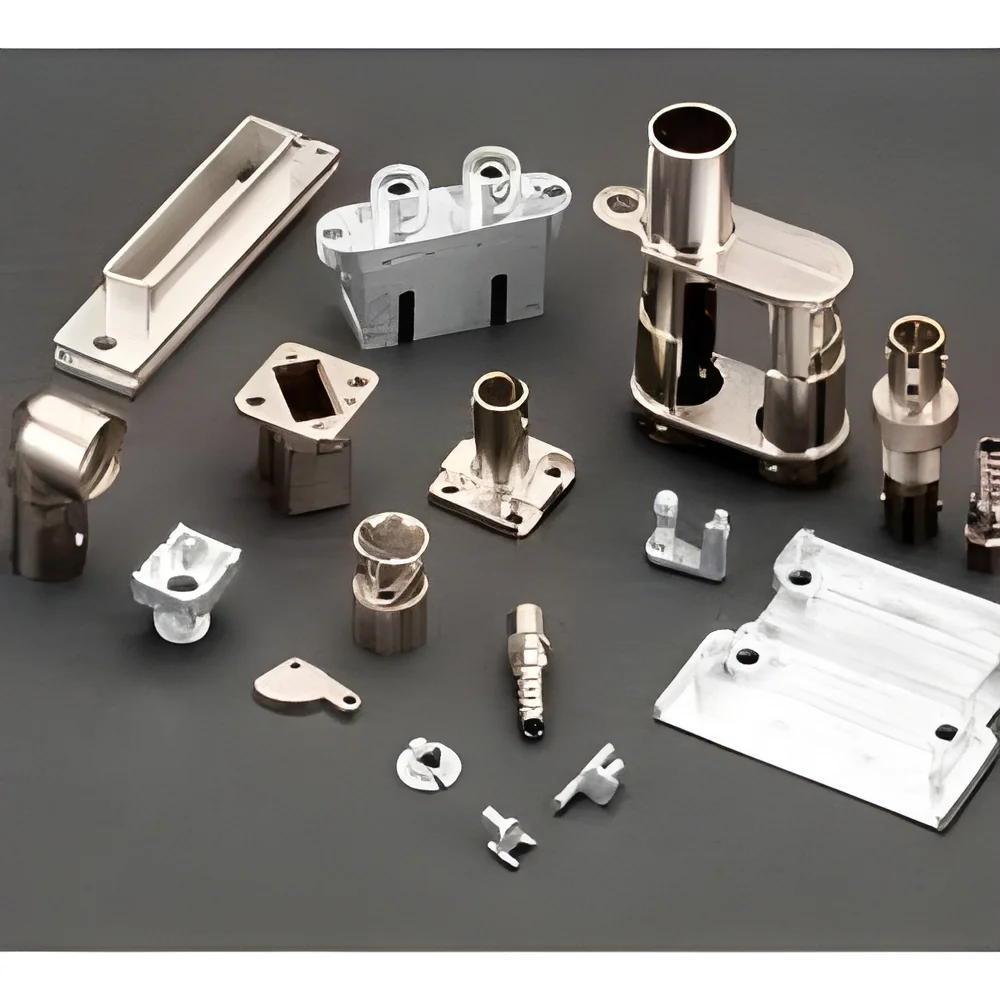
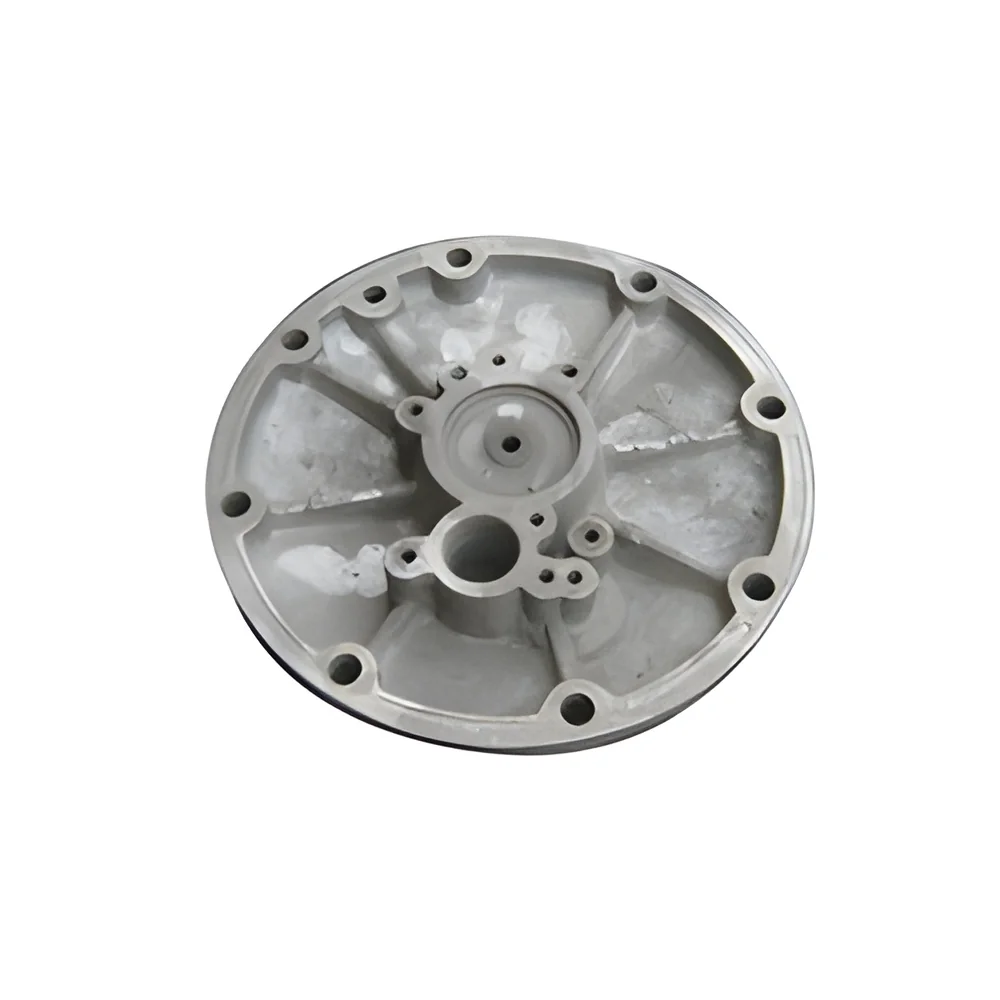
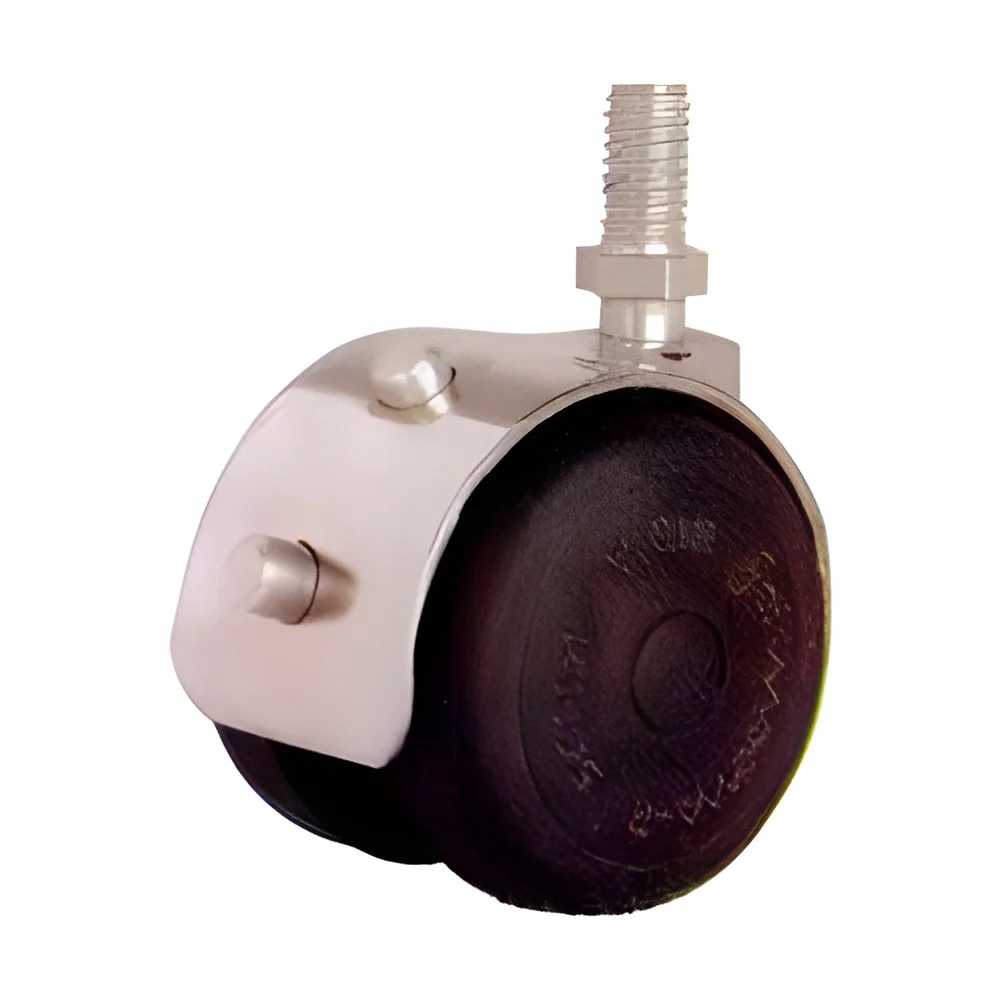
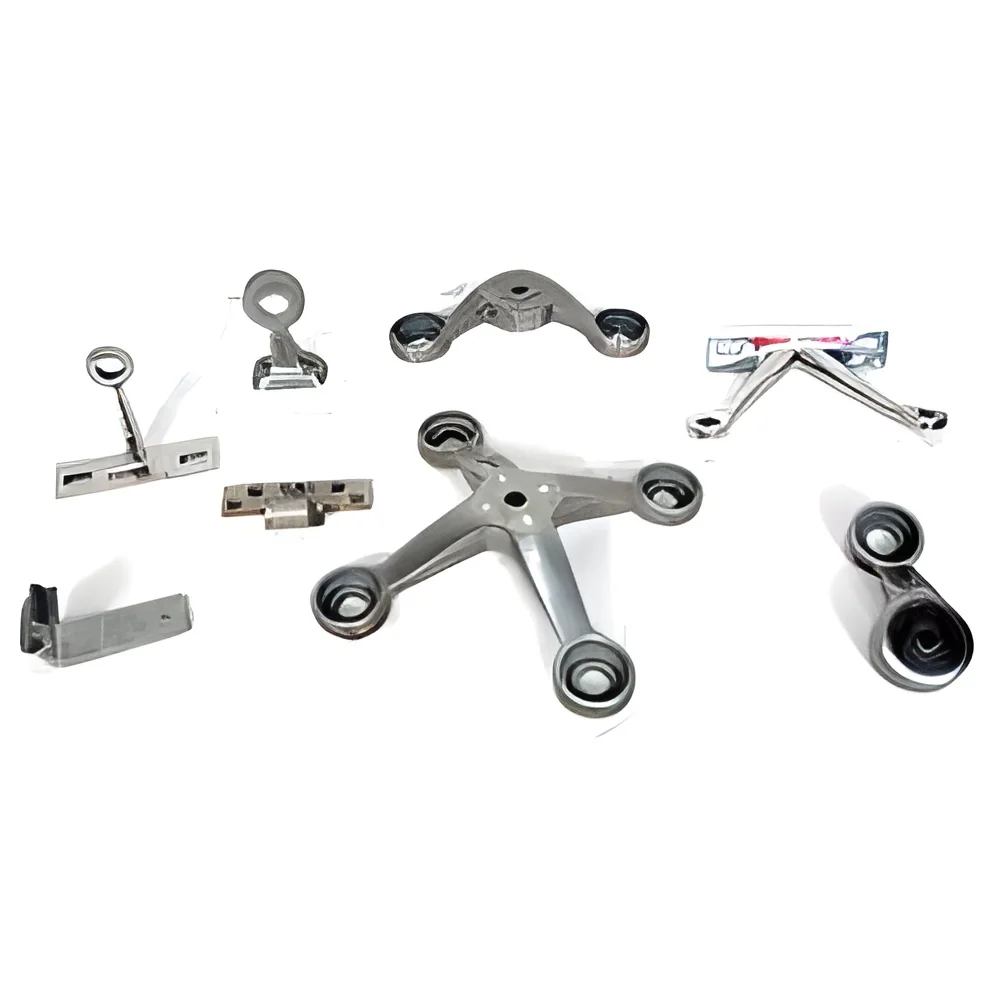
What are Aluminum & Zinc Alloy Components?
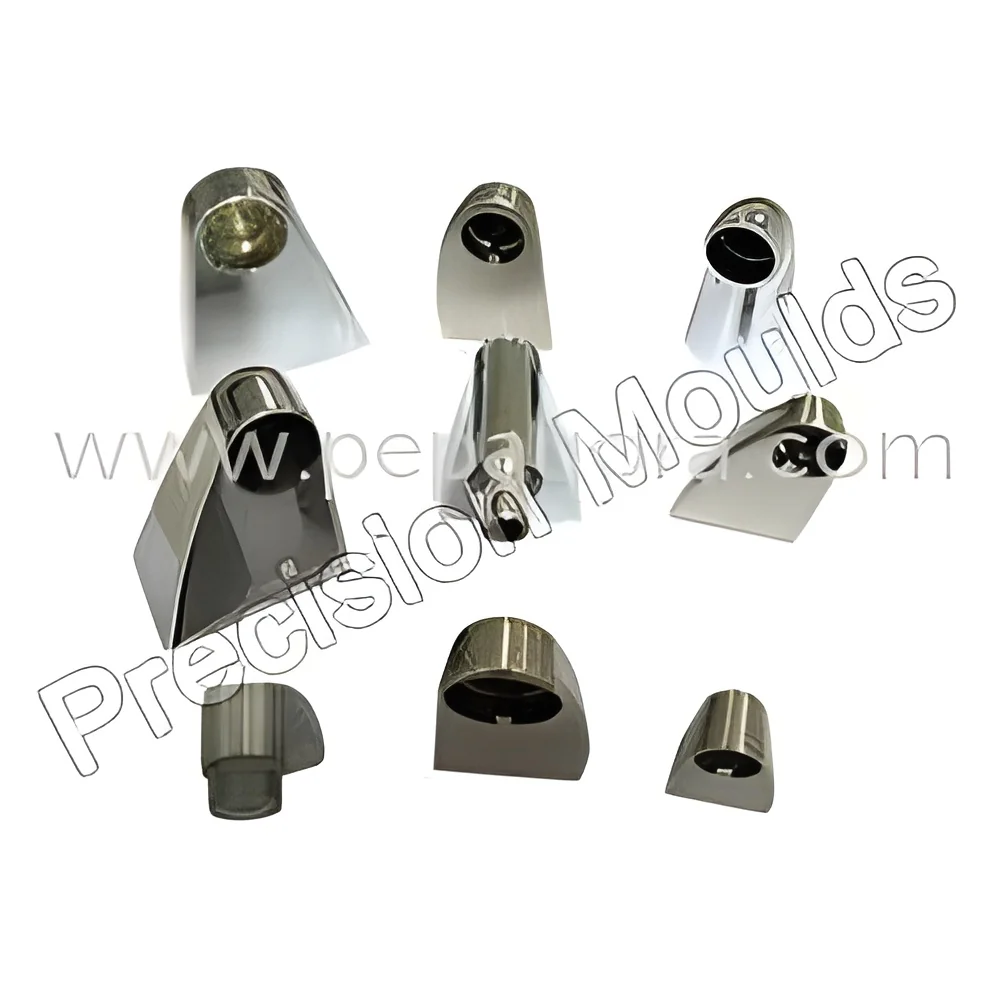
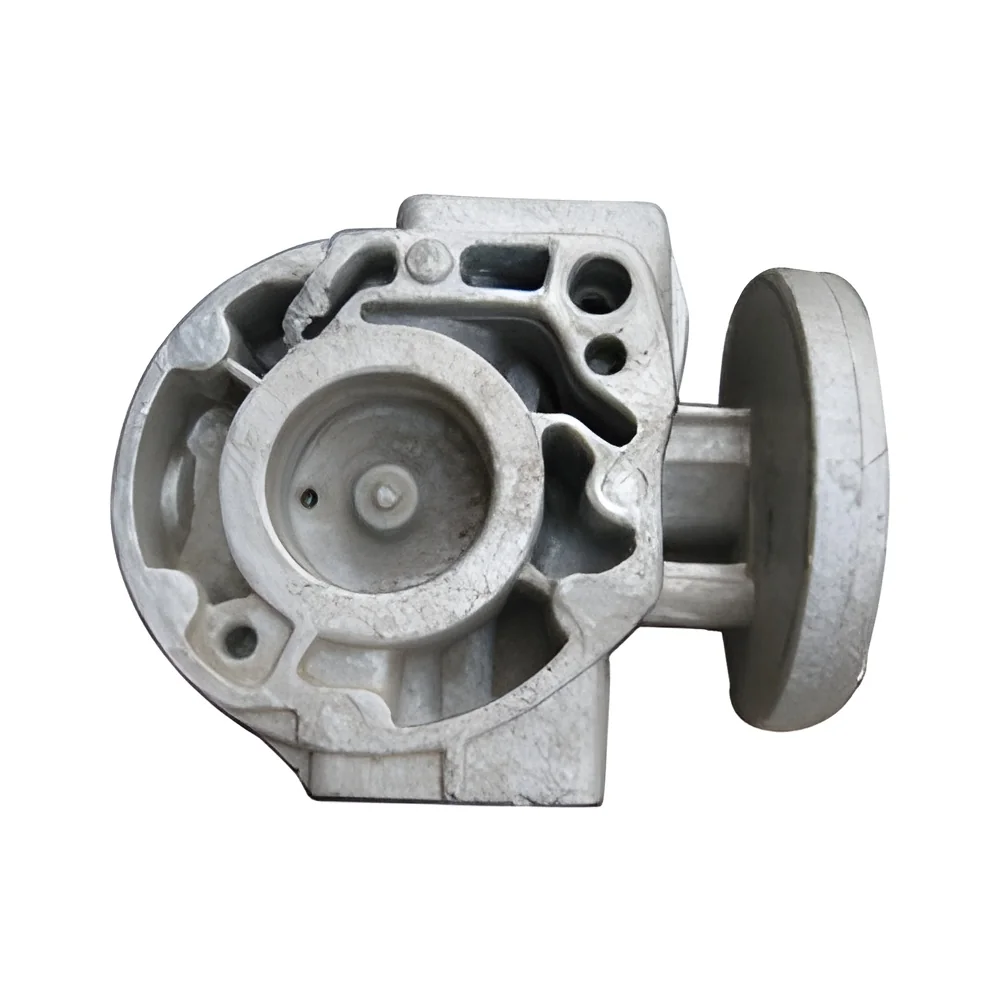
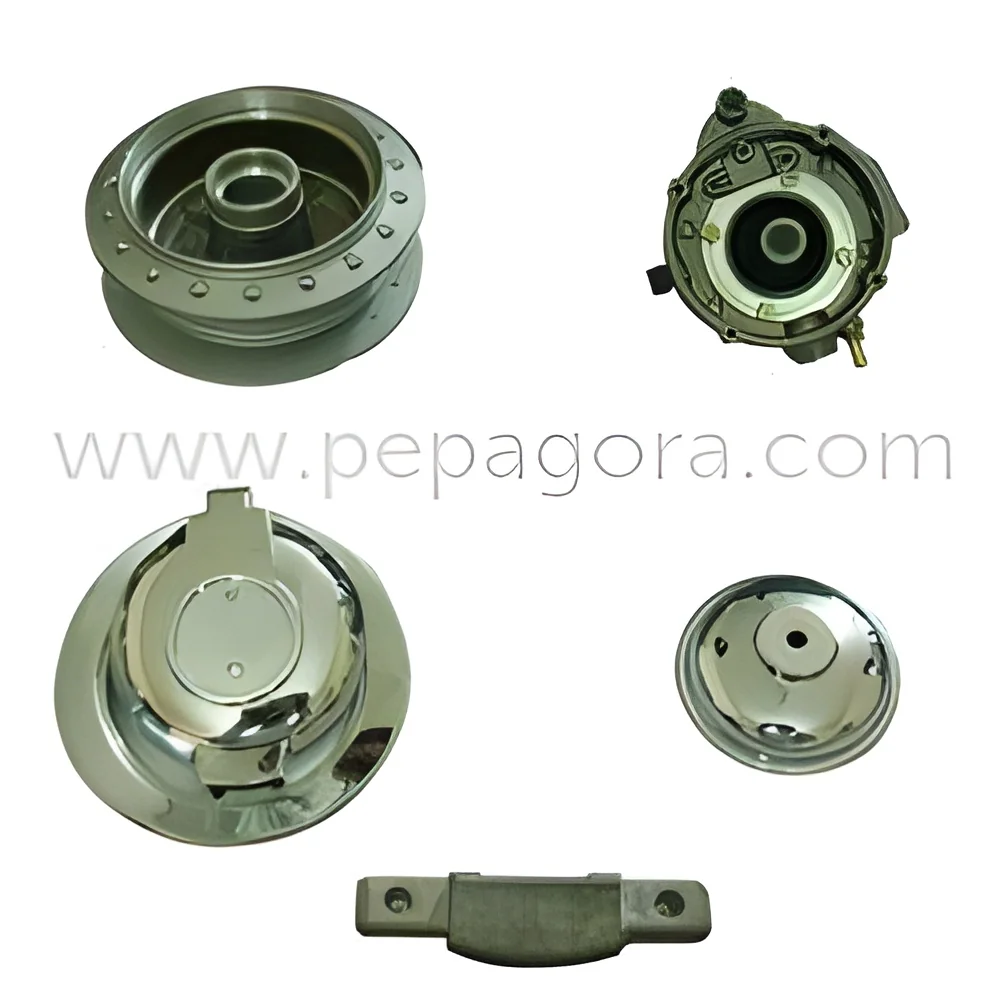
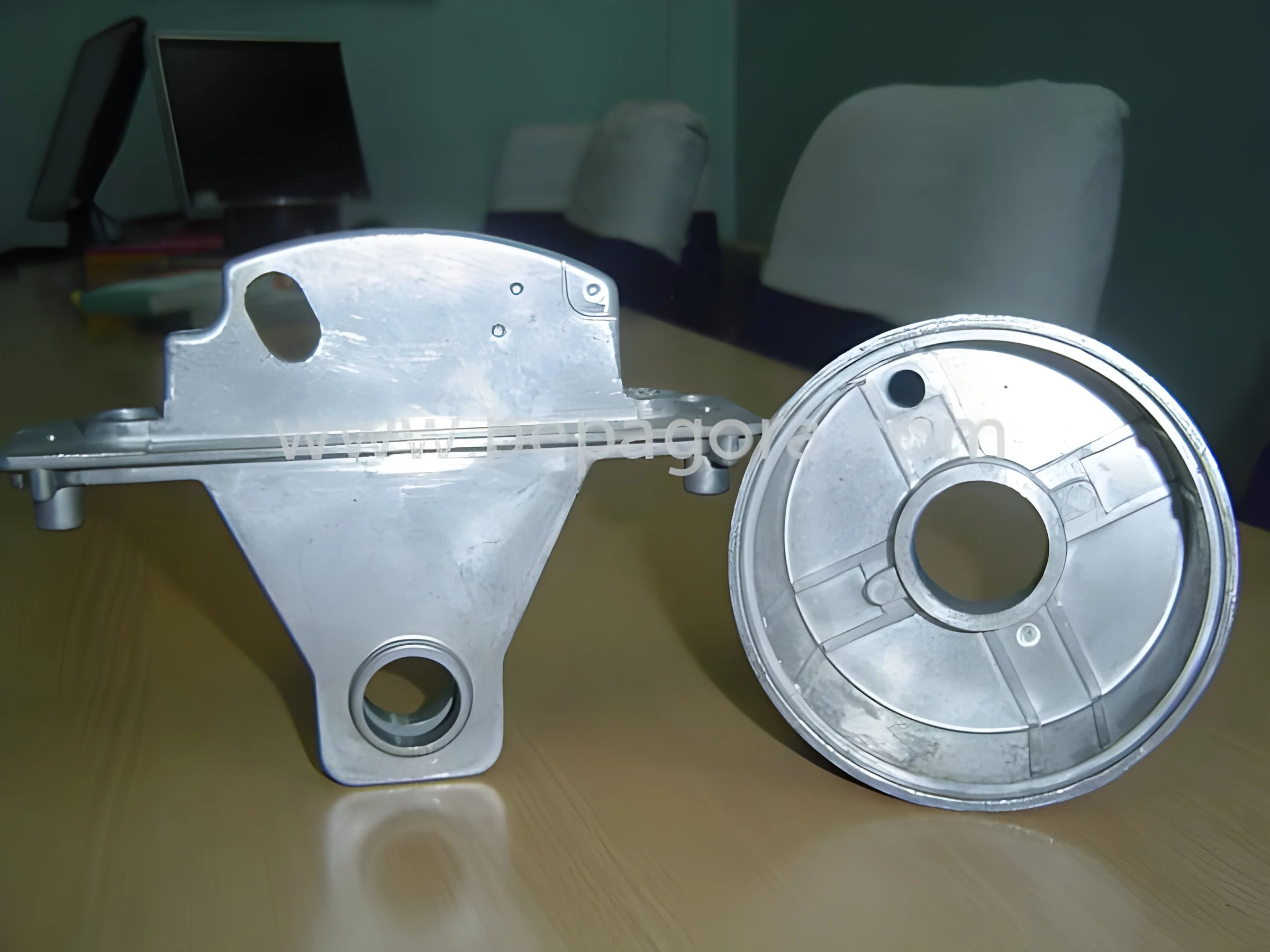
Aluminum and zinc alloy components are engineered materials that combine the lightweight and corrosion-resistant properties of aluminum with the strength and durability of zinc. These alloys are typically used to manufacture a wide range of industrial components, offering an excellent balance of performance and cost-effectiveness. By modifying the composition of aluminum and zinc, manufacturers can create materials tailored for specific applications, enhancing their mechanical properties and overall performance.
These components are extensively utilized in various sectors, including automotive, aerospace, electronics, and construction. In the automotive industry, for instance, they are used for engine parts, housings, and structural components due to their lightweight nature, which contributes to improved fuel efficiency. In the aerospace sector, their high strength-to-weight ratio makes them ideal for aircraft components. The versatility of aluminum and zinc alloy components makes them a preferred choice in many industrial applications, leading to a steady demand in the market.
The relevance of aluminum and zinc alloy components continues to grow as industries seek materials that meet stringent performance standards while also being environmentally friendly. The increasing emphasis on sustainability drives innovation and adoption of these materials, ensuring they play a crucial role in the future of manufacturing and engineering.
Key Features and Specifications
Aluminum and zinc alloy components offer a range of features and specifications that enhance their usability across different industries. Understanding these specifications is essential for selecting the right materials for specific applications.
Key specifications include:
1. Weight-to-Strength Ratio
- Aluminum alloys provide a lightweight option without compromising strength.
- Suitable for applications requiring high strength with minimal weight.
2. Corrosion Resistance
- Zinc alloys exhibit excellent resistance to corrosion, extending product life.
- Ideal for outdoor applications or environments with high moisture.
3. Machinability
- Both alloys can be easily machined, allowing for precise component fabrication.
- Reduces production time and costs.
4. Thermal Conductivity
- Aluminum has high thermal conductivity, beneficial for heat dissipation applications.
- Useful in electronics and automotive industries.
5. Electrical Conductivity
- Aluminum components offer good electrical conductivity, making them suitable for electrical applications.
- Commonly used in connectors and wiring.
6. Customizable Properties
- Alloys can be tailored for specific properties based on application needs.
- Enhances performance in targeted uses.
7. Resistance to Impact
- Zinc alloys provide excellent impact resistance, useful in high-stress environments.
- Ensures durability in demanding applications.
8. Recyclability
- Both materials are highly recyclable, supporting sustainability initiatives.
- Reduces environmental impact and promotes resource efficiency.
In summary, the key features and specifications of aluminum and zinc alloy components make them versatile and effective choices for a wide range of industrial applications.
Common Applications and Use Cases
Aluminum and zinc alloy components are utilized in various industries due to their unique properties and performance characteristics.
1. Automotive: Aluminum and zinc alloys are widely used in manufacturing engine parts, housings, and structural components, contributing to lighter vehicles and improved fuel efficiency.
2. Aerospace: These materials are employed in aircraft components due to their high strength-to-weight ratio, enhancing performance and fuel economy in air travel.
3. Electronics: Aluminum and zinc alloys are used in connectors and housings for electronic devices, leveraging their excellent electrical conductivity and thermal properties.
4. Construction: In the construction industry, these components serve in building frames, roofing, and cladding, offering durability and resistance to corrosion.
5. Marine: The corrosion resistance of zinc alloys makes them ideal for marine applications, such as boat fittings and hardware, where exposure to saltwater is a concern.
6. Consumer Goods: Many consumer products, including appliances and furniture, incorporate aluminum and zinc alloy components for their aesthetic appeal and functionality.
7. Industrial Equipment: These alloys are used in machinery parts and tools, benefiting from their strength and machinability for precision manufacturing.
Product Variants and Subcategories
Aluminum and zinc alloy components come in various forms, catering to different industrial needs.
Aluminum Alloy Components: These components are primarily used in lightweight applications. They are known for their excellent corrosion resistance and thermal conductivity, making them suitable for automotive and aerospace industries.
Zinc Alloy Components: These components are typically utilized in applications that require superior strength and durability. Their excellent impact resistance makes them ideal for heavy-duty applications in construction and machinery.
Investment Cast Aluminum Parts: This variant allows for intricate designs and high precision in manufacturing. It is widely used in aerospace and automotive applications where performance is critical.
Die-Cast Zinc Parts: A popular choice for mass production, die-cast zinc components are known for their dimensional accuracy and surface finish. They are commonly used in consumer products and electrical applications.
Benefits and Advantages
Choosing aluminum and zinc alloy components offers several advantages that enhance operational efficiency and product performance.
Key benefits include:
1. Lightweight Composition: These alloys significantly reduce the weight of manufactured products, leading to better fuel efficiency in vehicles and lower shipping costs.
2. Corrosion Resistance: The inherent resistance to corrosion prolongs the lifespan of components, reducing maintenance and replacement costs.
3. High Strength: Aluminum and zinc alloys provide remarkable strength for their weight, ensuring reliability in demanding applications.
4. Versatile Applications: Their adaptability makes them suitable for a wide range of industries, from aerospace to consumer goods.
5. Cost-Effectiveness: The combination of performance and affordability makes these alloys a smart choice for manufacturers looking to optimize costs.
6. Sustainability: Both materials are recyclable, aligning with eco-friendly manufacturing practices and reducing environmental impact.
Buying Guide for B2B Buyers
When sourcing aluminum and zinc alloy components, it is crucial for buyers to consider several factors to ensure they meet their specific needs.
1. Quality Assessment: Buyers should evaluate the quality of materials based on industry standards and certifications. This includes checking for compliance with ISO standards and other relevant quality benchmarks.
2. Supplier Verification: It is essential to vet suppliers to ensure they have a reliable track record. This can include reviewing customer feedback and assessing their production capabilities.
3. Pricing and MOQ: Understanding the pricing structure and minimum order quantities is important for budgeting and planning purchases. Buyers should request quotes from multiple suppliers to compare costs.
4. Delivery and Lead Times: Buyers need to inquire about the expected delivery timelines and lead times to ensure alignment with project schedules. Timely delivery is critical in maintaining production efficiency.
5. Compliance Requirements: Familiarity with regulatory compliance and certifications required for specific applications is vital. Buyers should ensure that suppliers adhere to these regulations to avoid potential legal issues.
Compliance and Certifications
Aluminum and zinc alloy components must adhere to various quality standards and certifications to ensure they meet industry requirements.
Relevant quality standards include ISO 9001, which outlines requirements for quality management systems, ensuring consistent product quality and customer satisfaction. Other standards such as HACCP and GDP may apply depending on the industry and application.
Industry certifications like CE are essential for demonstrating compliance with European safety and environmental regulations. These certifications provide assurance that products meet established safety and performance criteria.
Safety and testing requirements are also critical, particularly in industries such as aerospace and automotive, where component failure can have severe consequences. Regular testing ensures that components are reliable and meet performance standards.
Regional compliance considerations may vary, requiring manufacturers to be aware of local regulations that govern material usage and safety standards. Understanding these regulations is crucial for maintaining compliance and ensuring market access.
Why Source Aluminum & Zinc Alloy Components from Pepagora?
Pepagora provides a trusted platform for sourcing aluminum and zinc alloy components with several key advantages that benefit B2B buyers.
Verified Supplier Network: Pepagora ensures that all suppliers in its network are thoroughly vetted, providing buyers with peace of mind regarding the quality and reliability of their sourcing partners.
Streamlined RFQ Process: The platform offers an efficient request for quotation system that allows buyers to easily compare prices and specifications from multiple suppliers, simplifying the decision-making process.
Trade Assurance and Support: Buyers can benefit from trade assurance programs that protect their investments. This includes support for resolving disputes and ensuring that transactions are secure.
Regional Coverage: Pepagora has a wide geographic reach, serving markets in India, the GCC, and Southeast Asia. This extensive coverage allows buyers to access a diverse range of suppliers and products tailored to their specific needs.

 IN
IN