Key Features and Specifications
Door handles come with various features and specifications that make them suitable for different applications. Understanding these elements is essential for selecting the right type for specific needs.
Key specifications include:
1. Material Composition
- Common materials include stainless steel, brass, aluminum, and plastic.
- Each material offers different levels of durability and aesthetics.
2. Finish Options
- Available finishes include polished, brushed, and powder-coated.
- Finish affects the handle’s appearance and resistance to wear.
3. Size and Dimensions
- Handles come in various sizes to fit standard door thicknesses.
- Dimensions ensure proper ergonomics and ease of use.
4. Installation Type
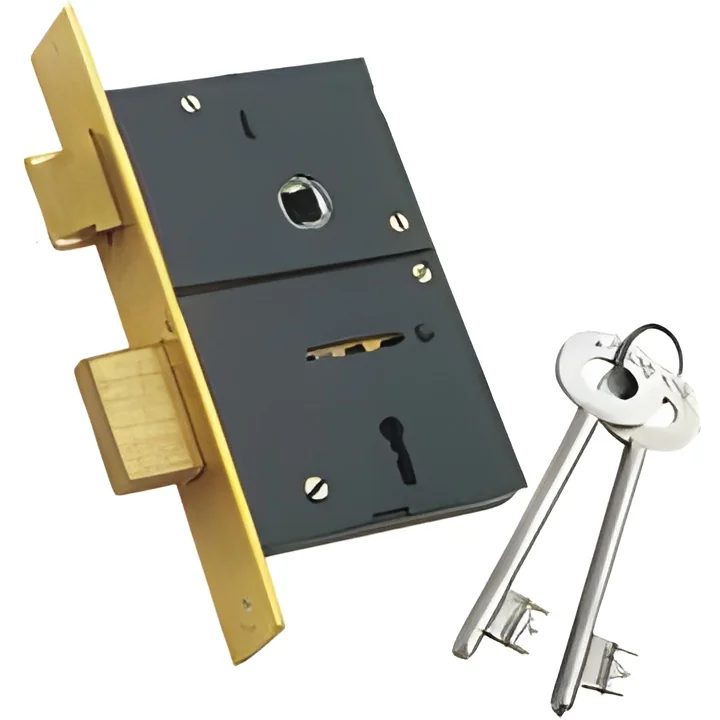
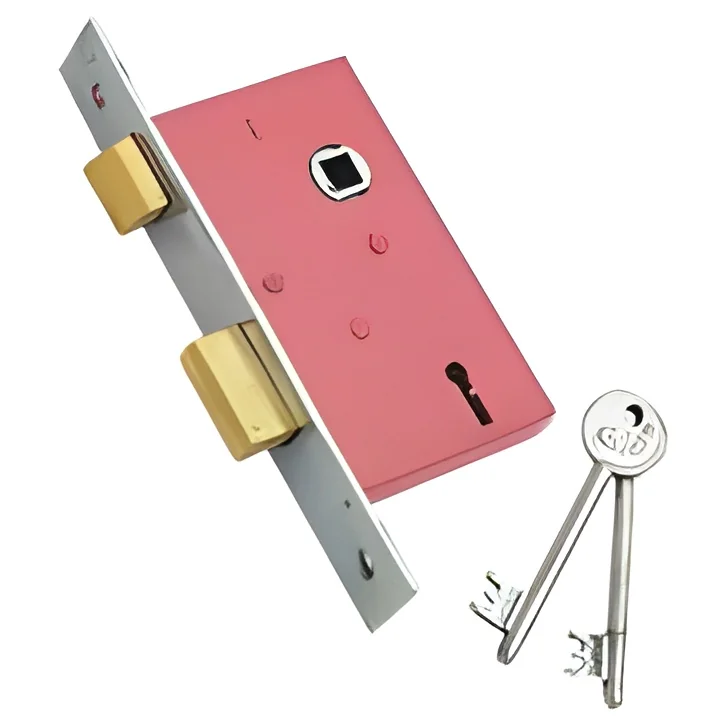
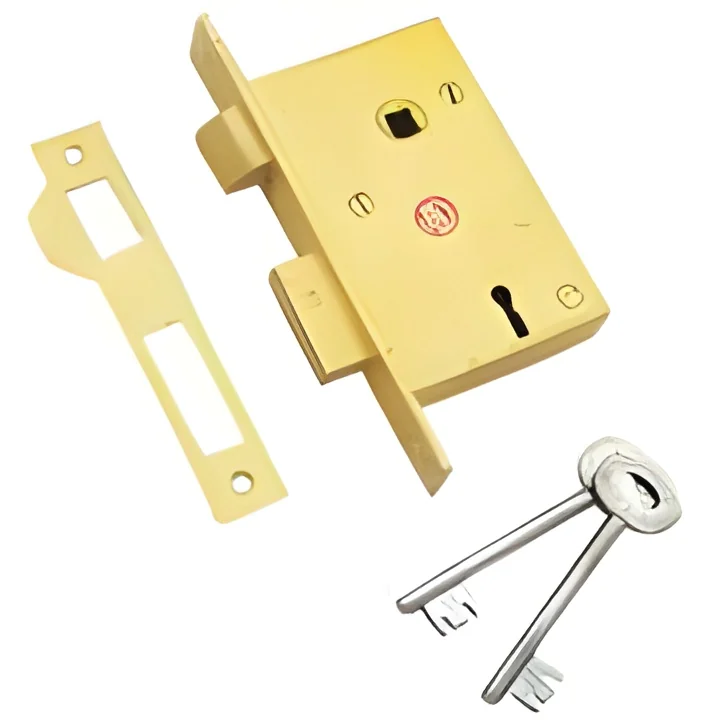
- Options include surface-mounted and mortised installations.
- Each type requires different installation techniques and tools.
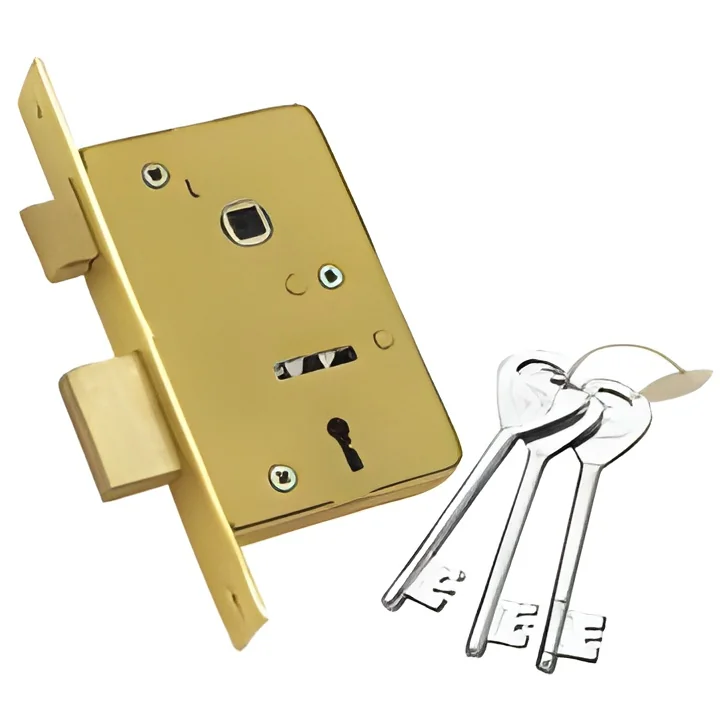
5. Security Features
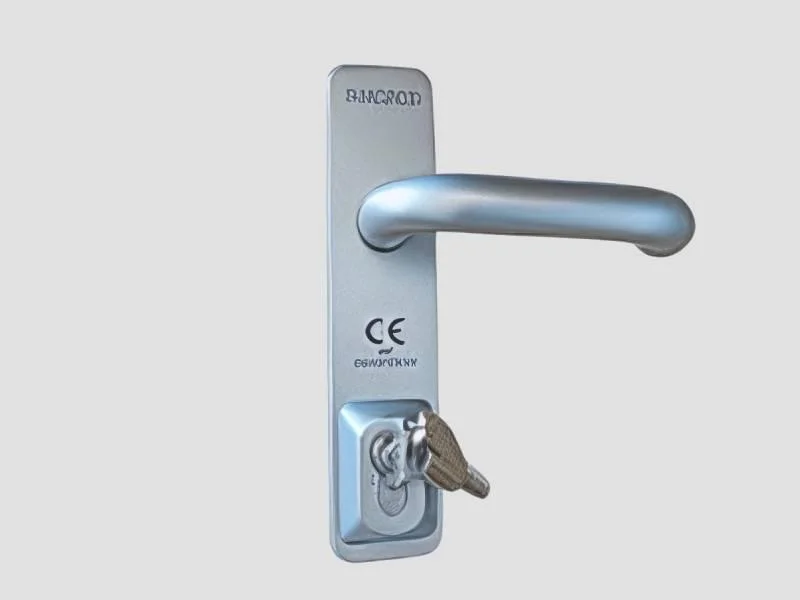
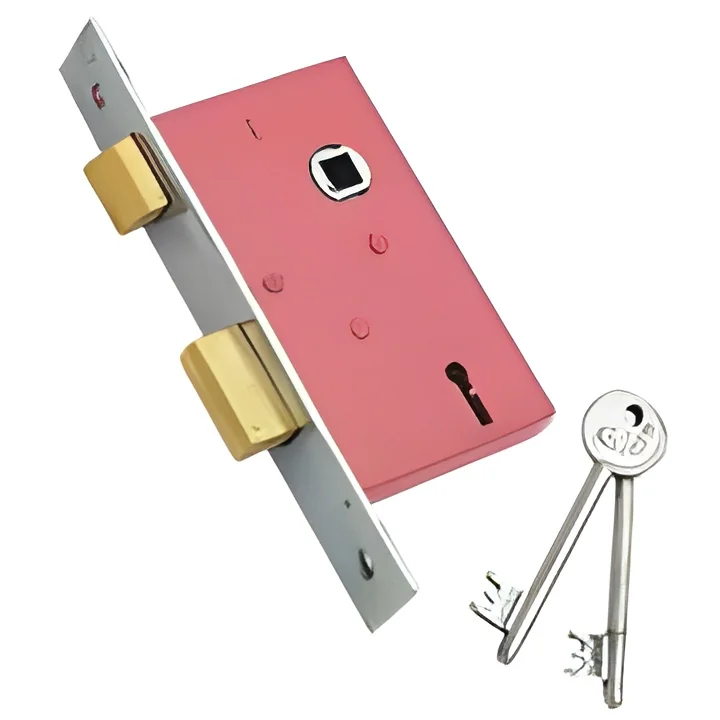
- Many handles come with locking mechanisms or smart technology.
- Enhanced security features protect against unauthorized access.
6. Weight Capacity
- Handles should support the weight of the door they are attached to.
- Specifications must align with door material and size.
7. Compliance Standards
- Some handles meet specific safety and quality standards.
- Compliance ensures reliability and safety in use.
8. Warranty and Lifespan
- Many manufacturers provide warranties that guarantee product longevity.
- Understanding warranty terms can influence purchasing decisions.
These specifications help buyers make informed choices based on their specific needs and applications.
Common Applications and Use Cases
Door handles are versatile components found in a wide range of industries. Their applications vary based on the specific demands of each sector.
1. Residential: In homes, door handles are used on entry doors, interior doors, and cabinets. They enhance convenience and security while contributing to the overall aesthetic of the space.
2. Commercial: In office buildings and retail stores, door handles are essential for facilitating access. They are often designed for high traffic and heavy use, ensuring durability and reliability.
3. Hospitality: Hotels and restaurants utilize door handles to provide guests with easy access to rooms and facilities. Style and functionality are critical in creating a welcoming atmosphere.
4. Healthcare: In hospitals and clinics, door handles are designed with hygiene in mind. Touchless options are increasingly popular to minimize contact and improve cleanliness.
5. Industrial: Machinery and equipment often require robust door handles for functionality. These handles must withstand harsh conditions while maintaining ease of use.
6. Education: Schools and universities use door handles on classrooms, offices, and restrooms. Accessibility and safety are paramount in educational institutions.
7. Retail: Shopping centers and boutiques rely on door handles to enhance customer experience. Aesthetic appeal and durability are key considerations in retail environments.
Product Variants and Subcategories
Door handles come in various forms to meet diverse needs across different applications. Each variant offers unique features and advantages.
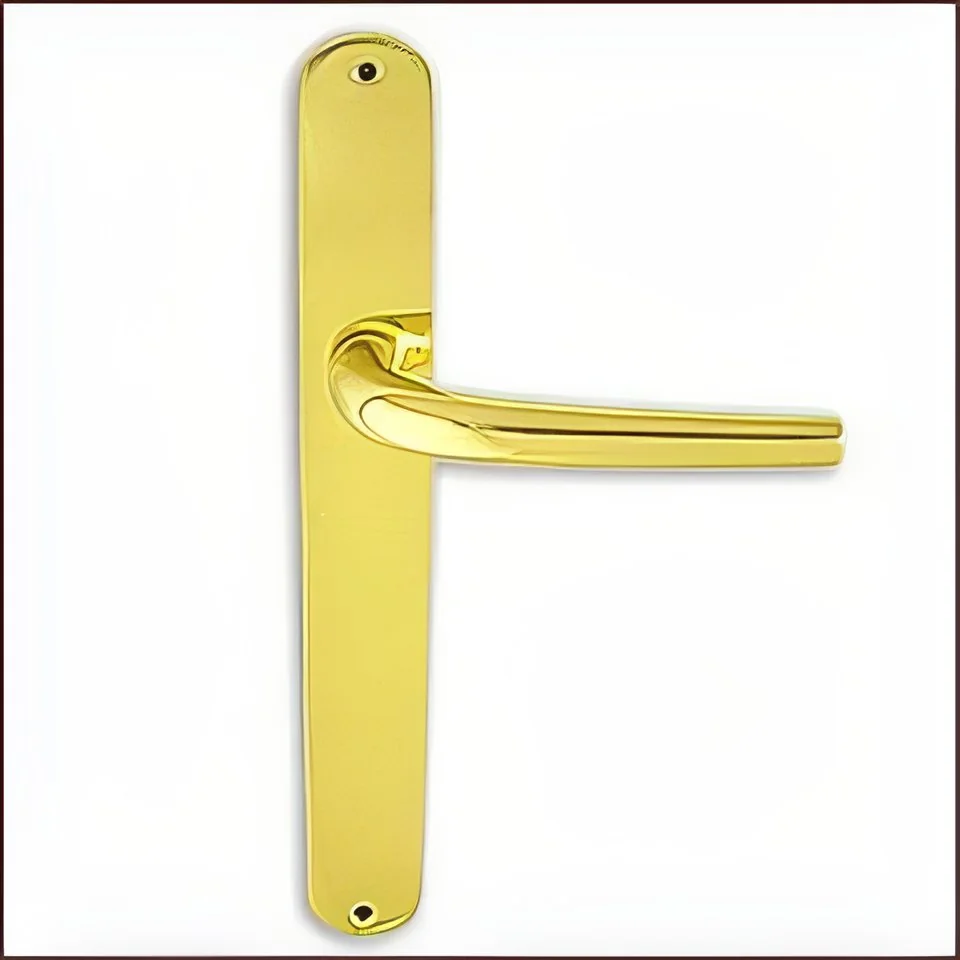
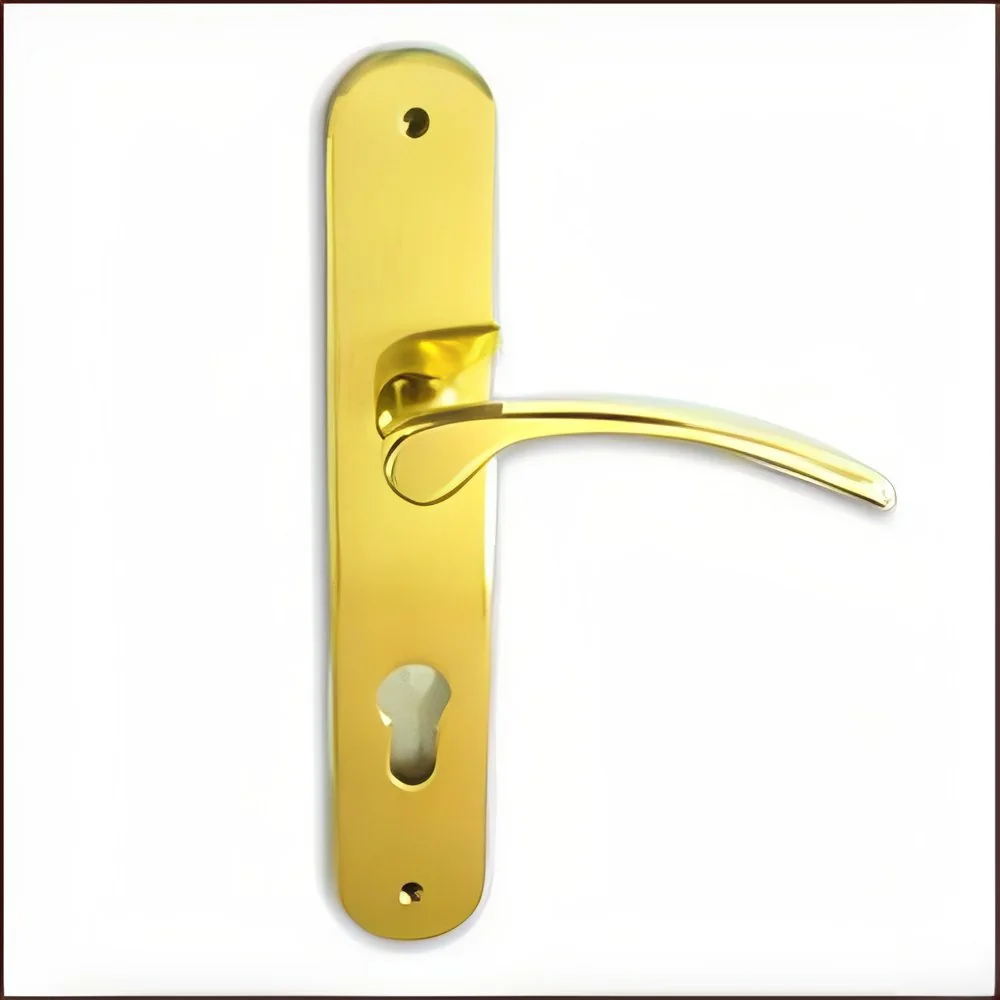
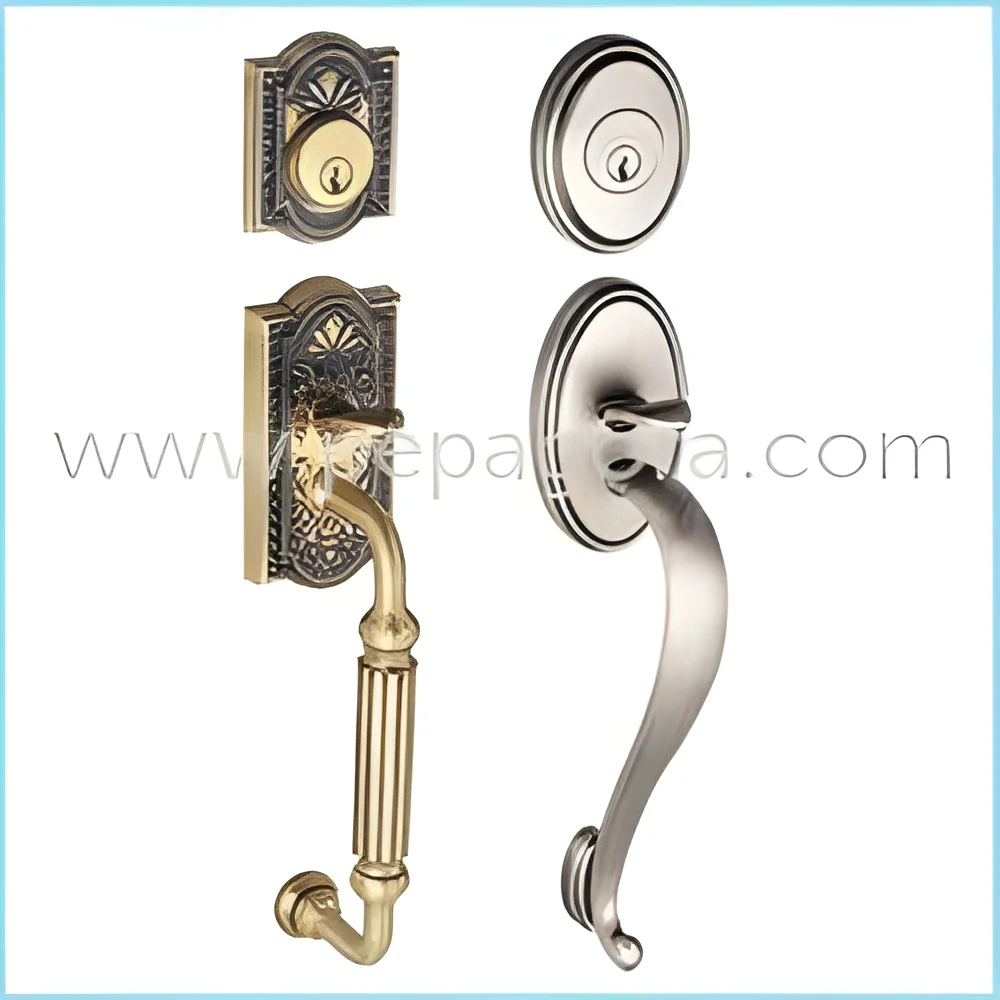
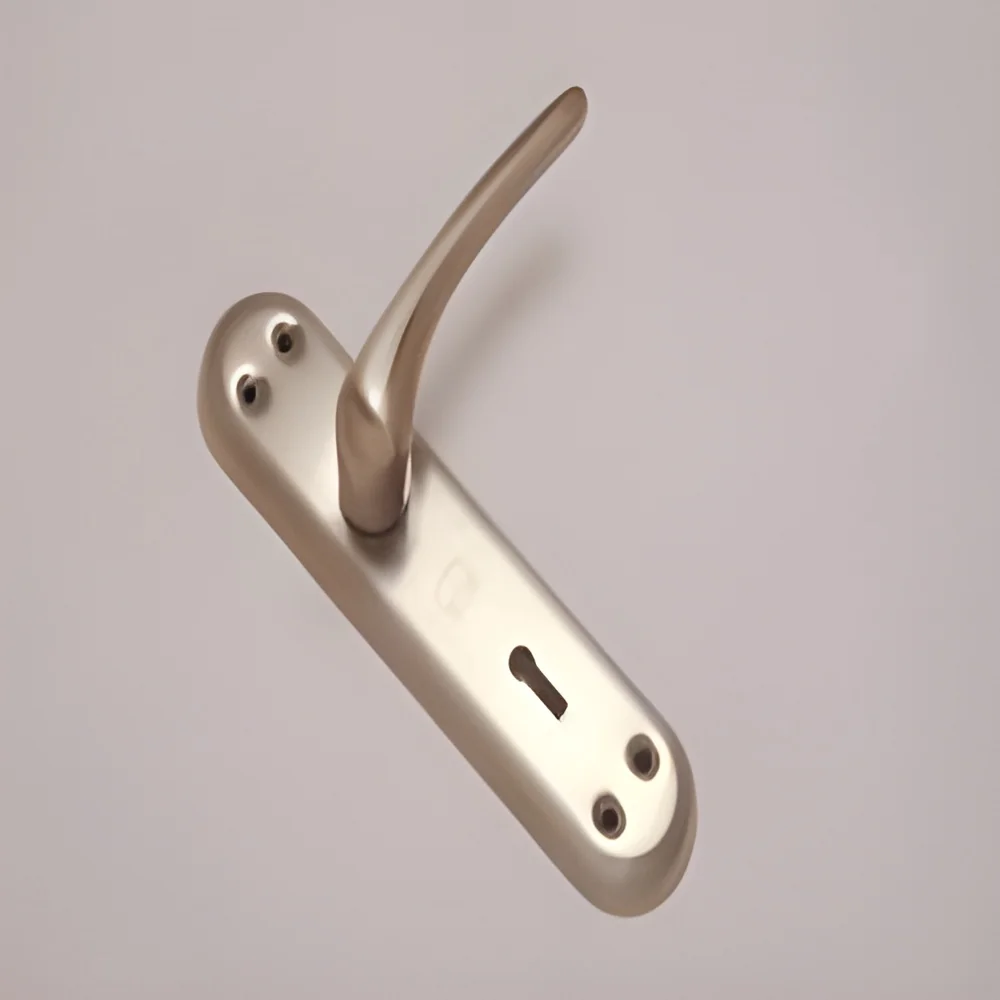
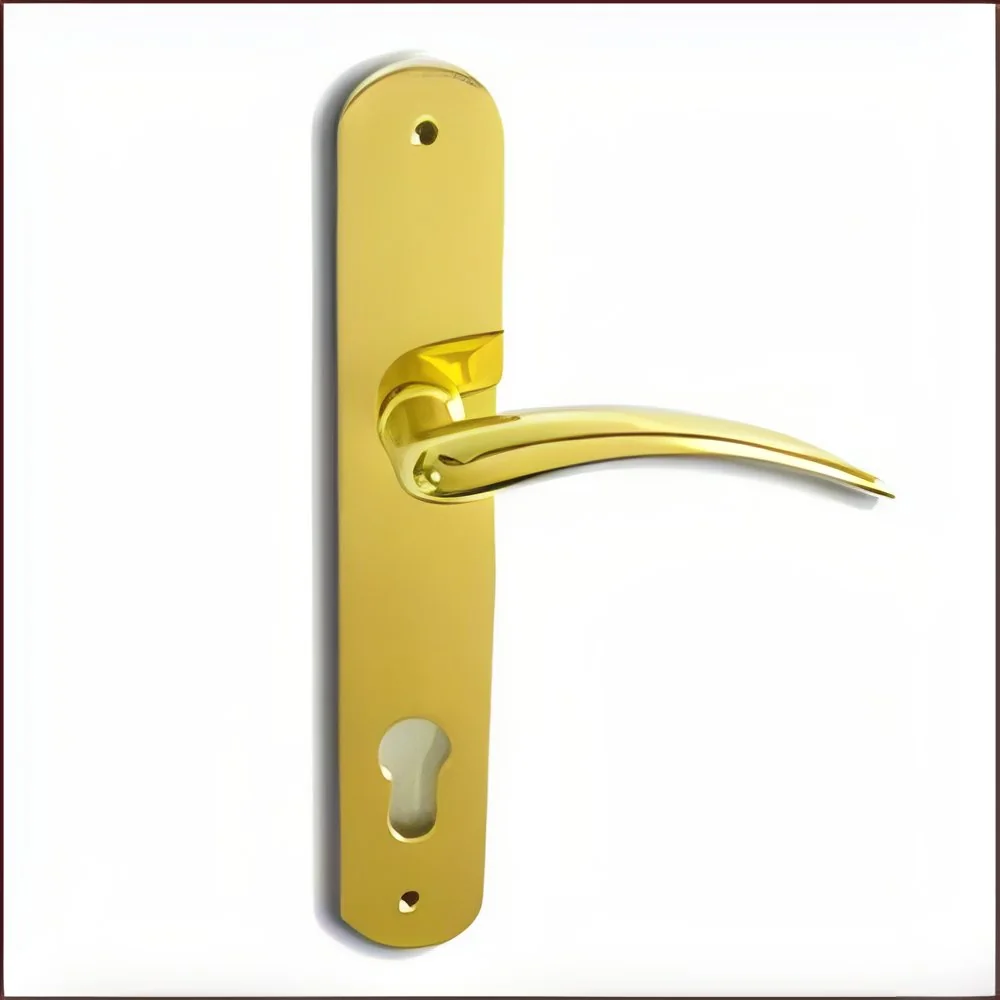
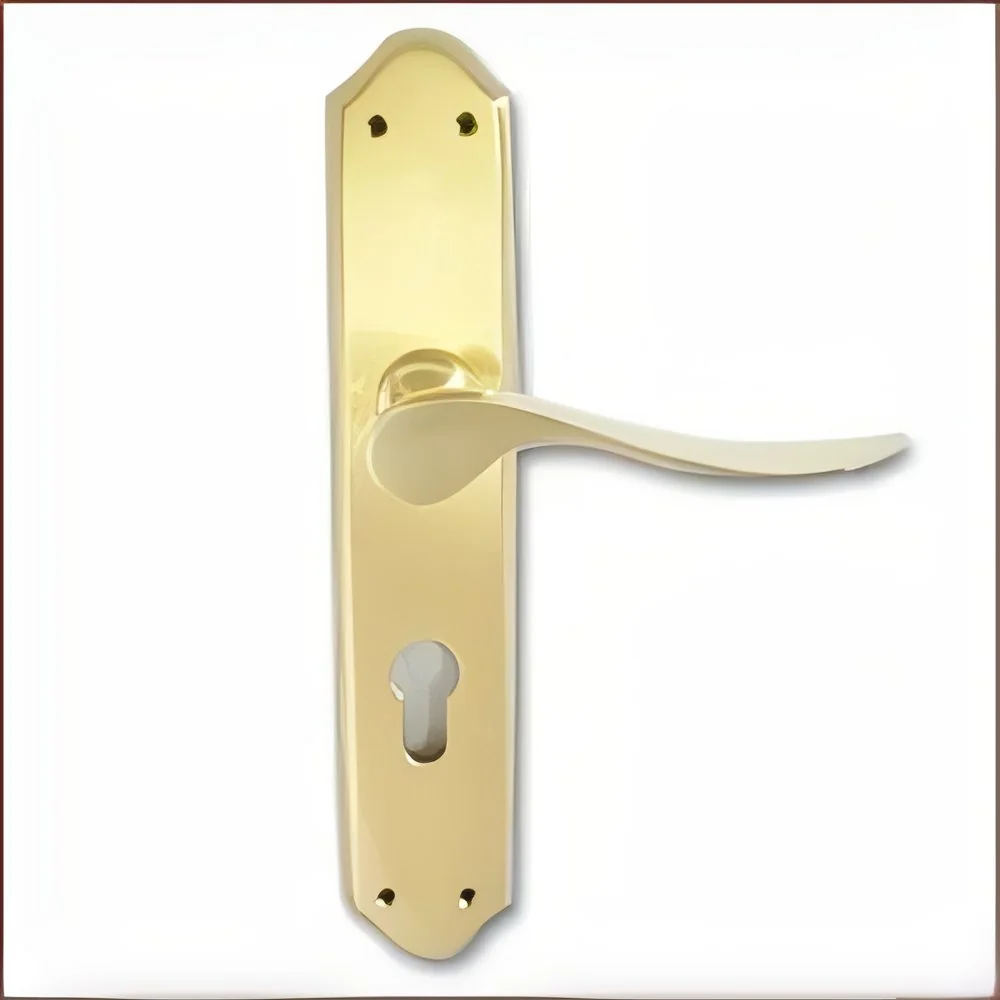
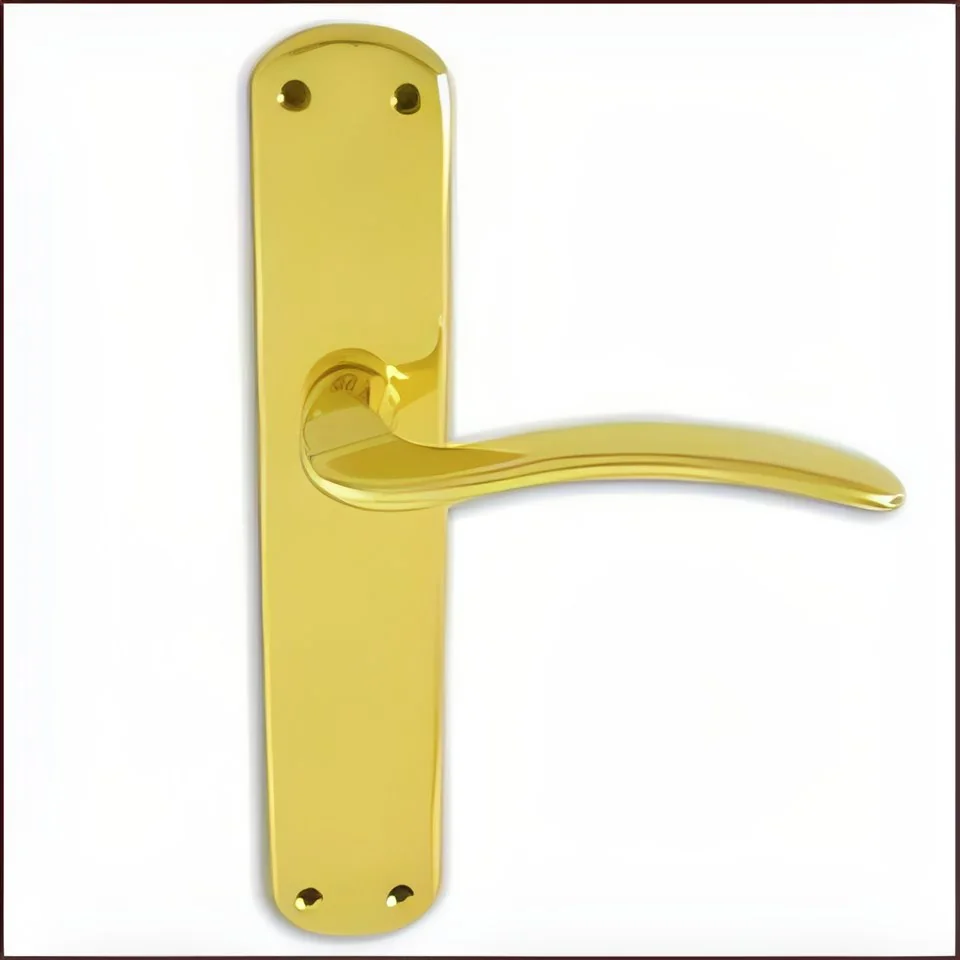
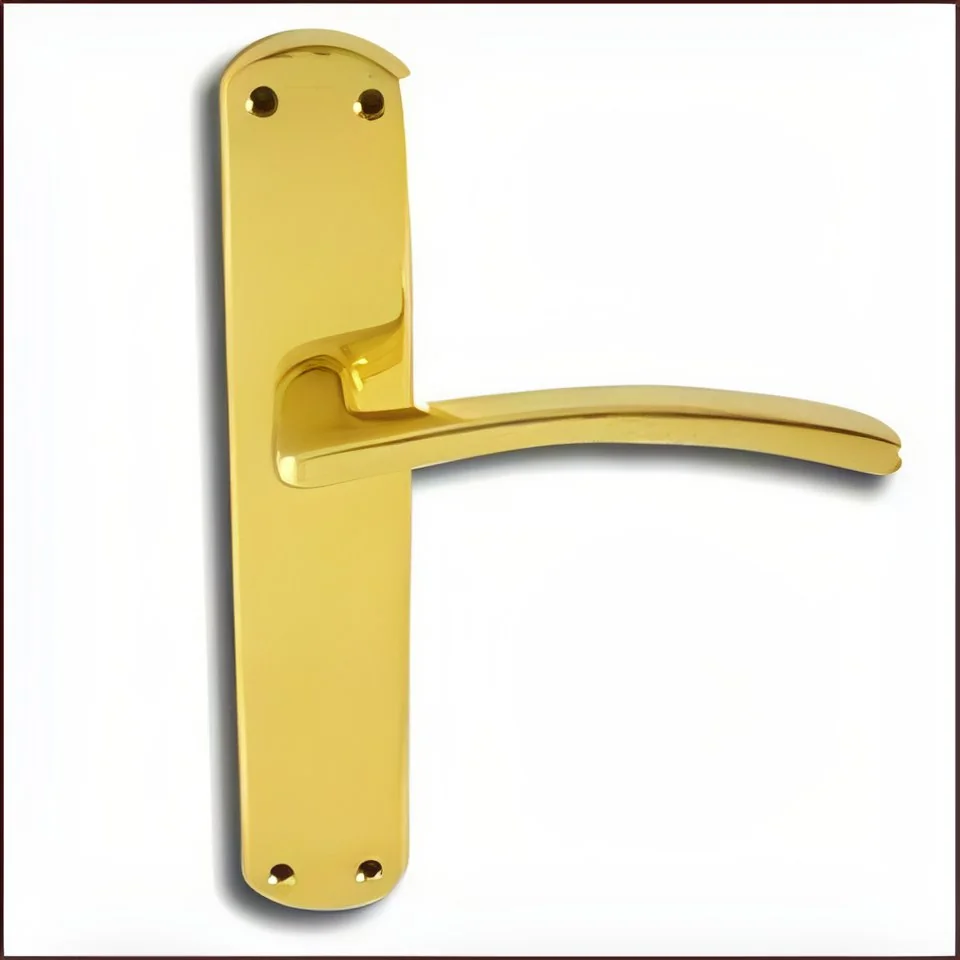
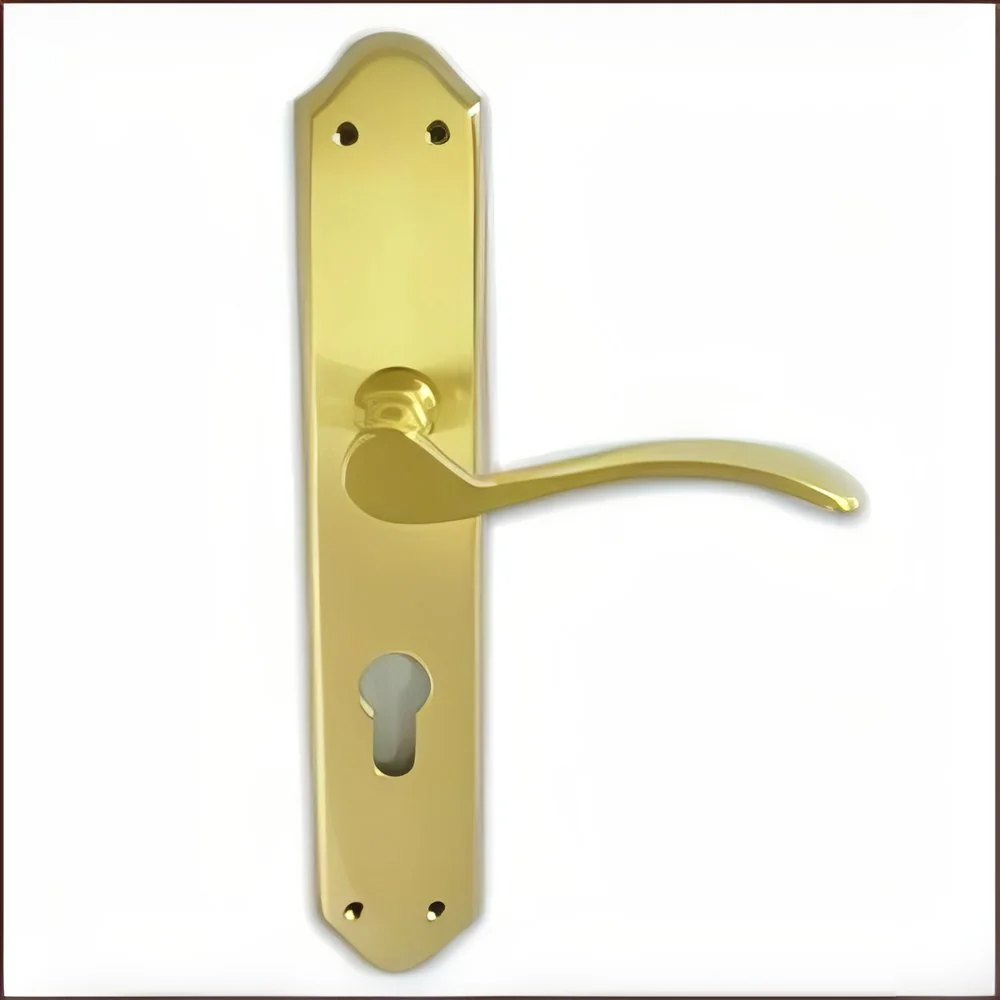
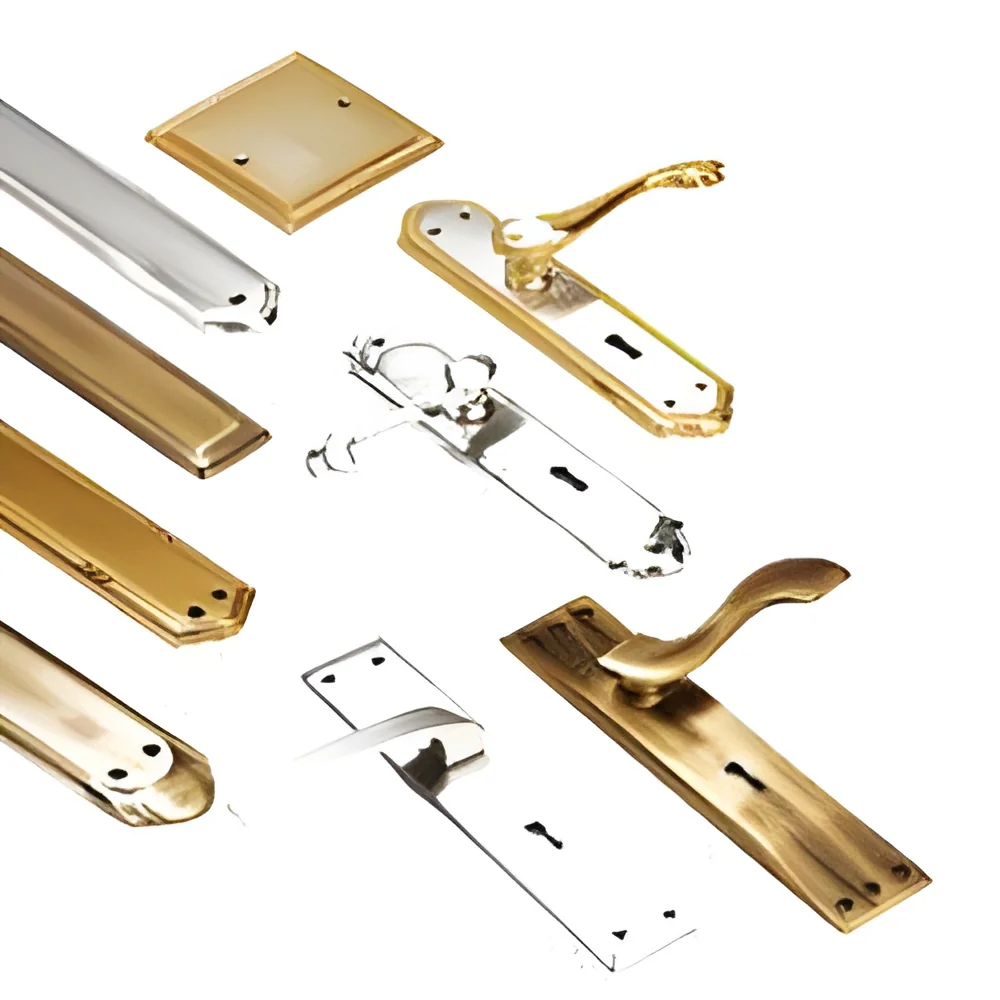
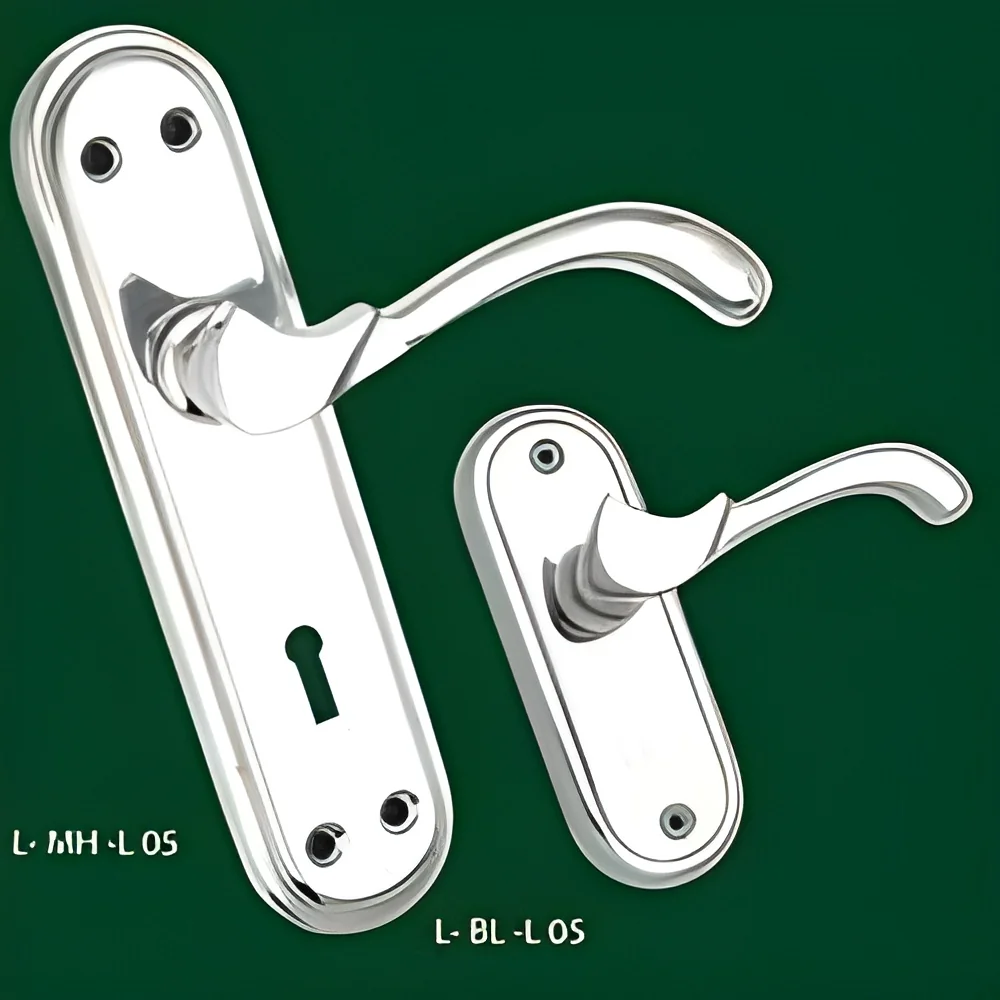
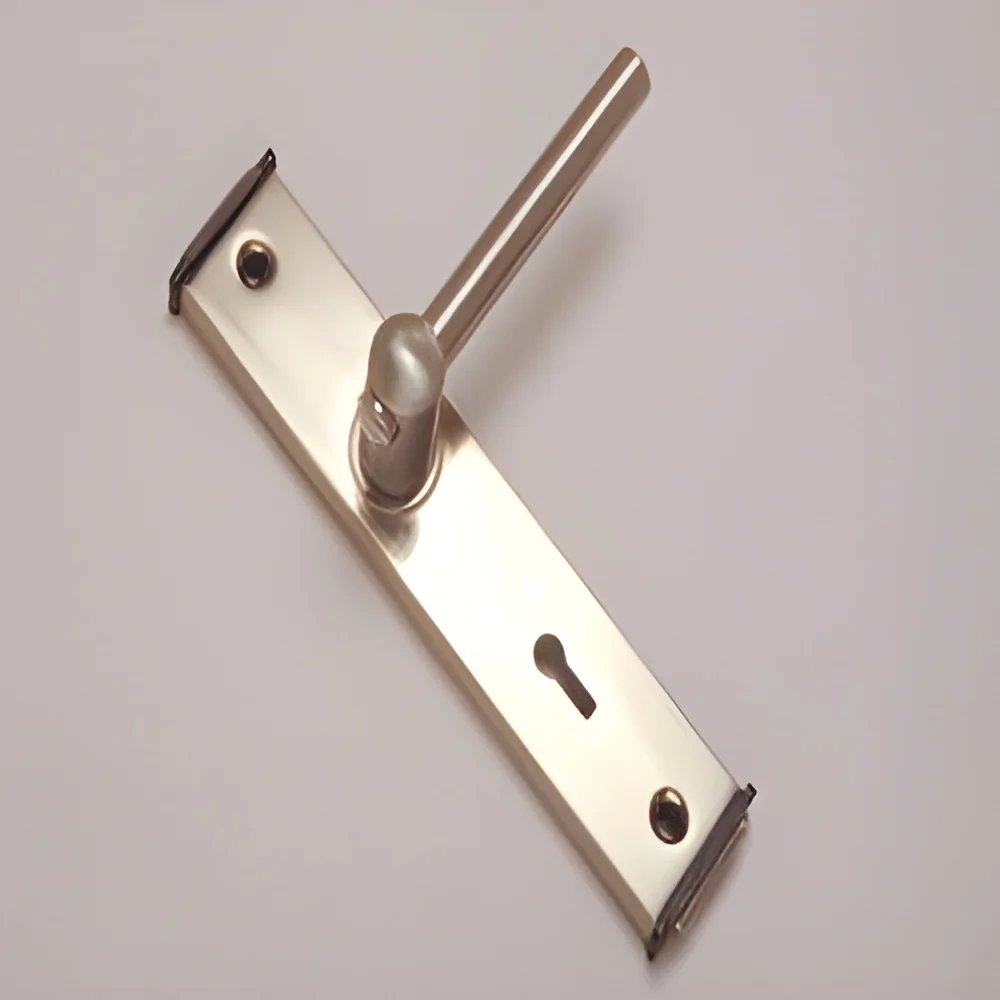
Lever Handles
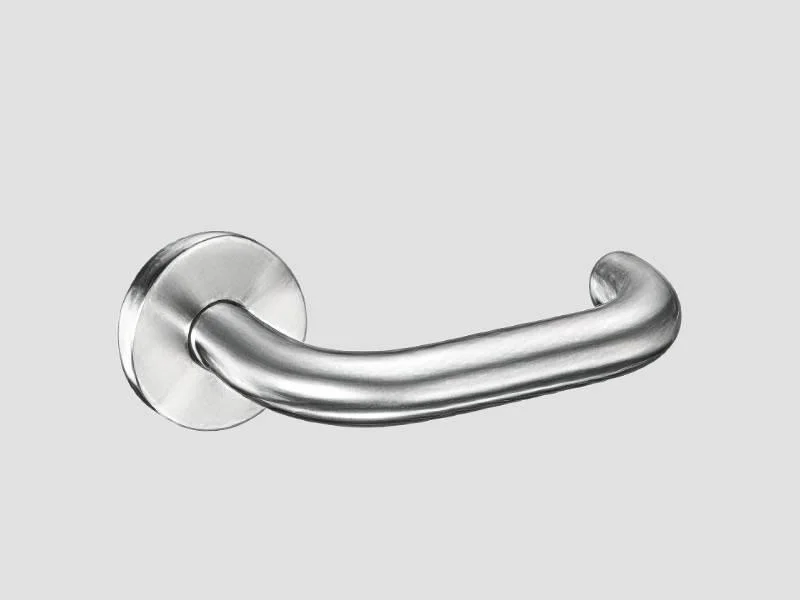
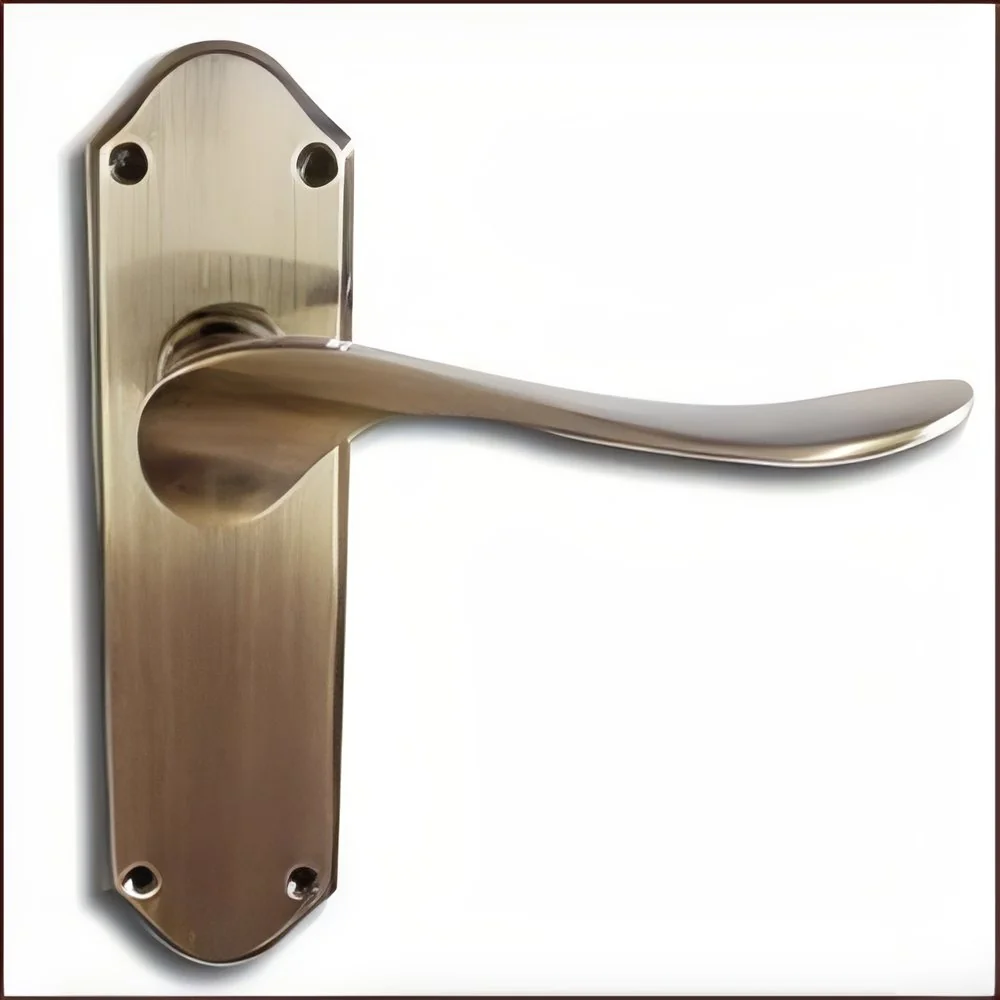
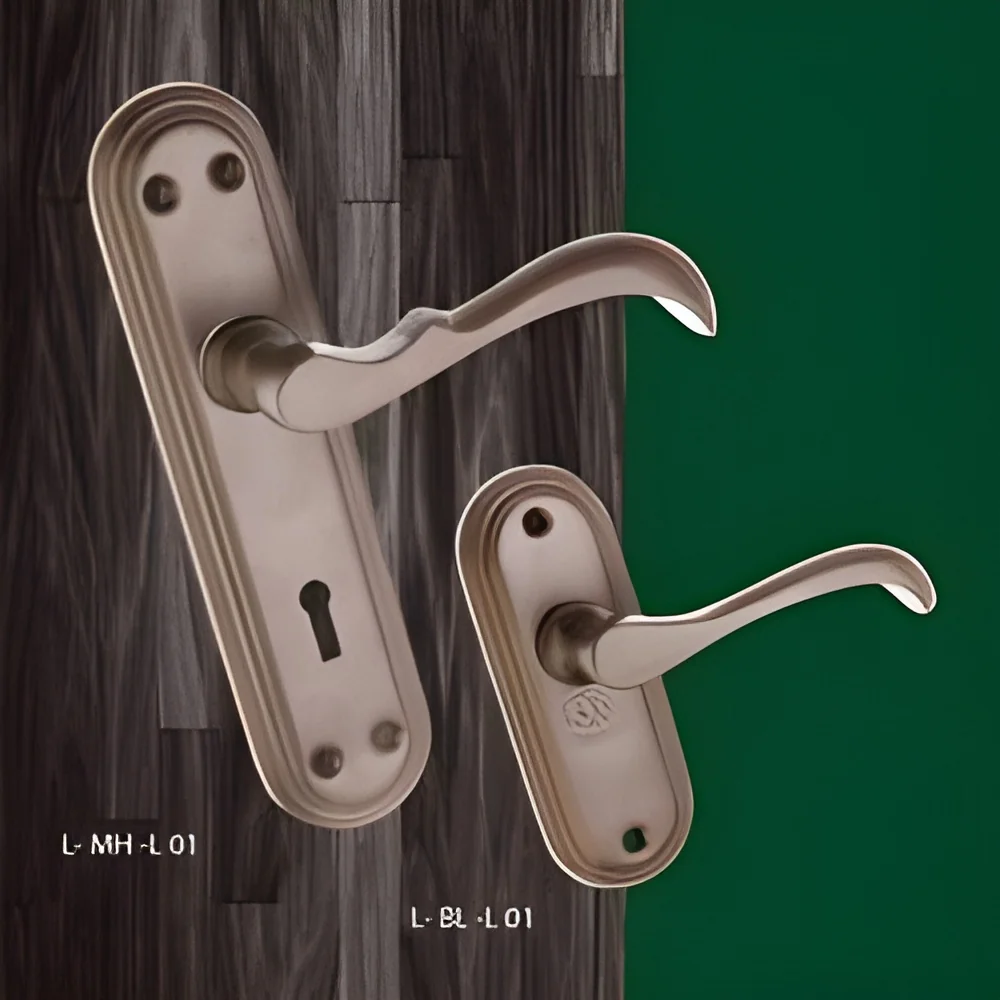
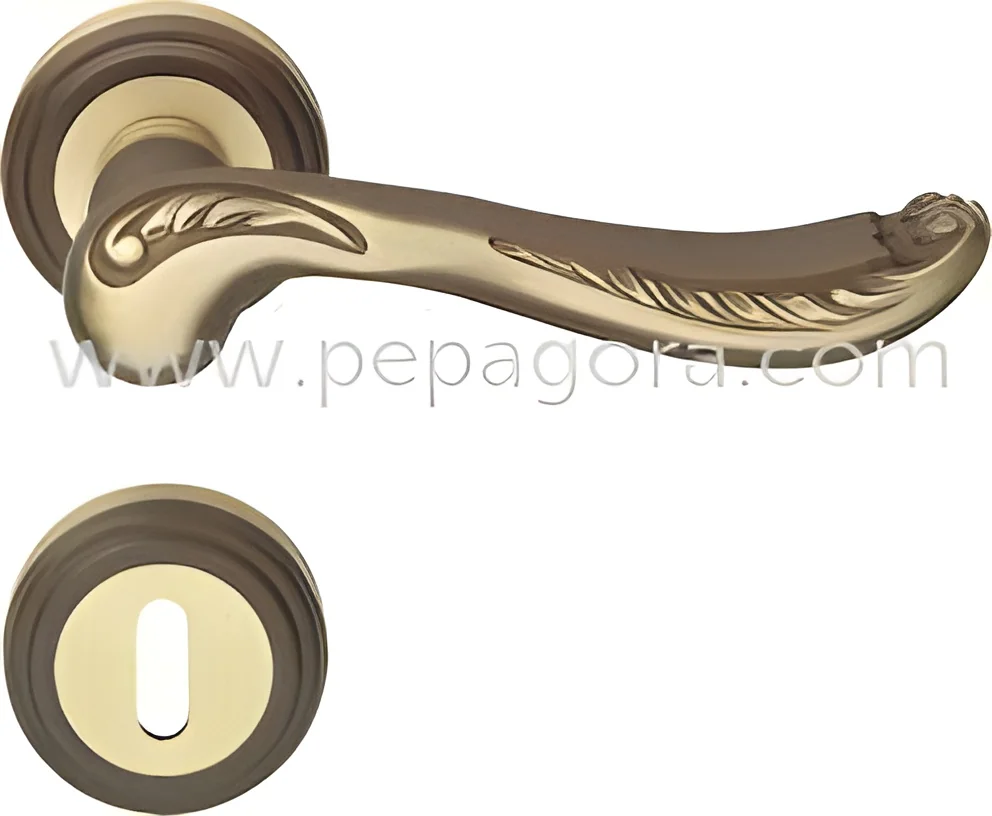
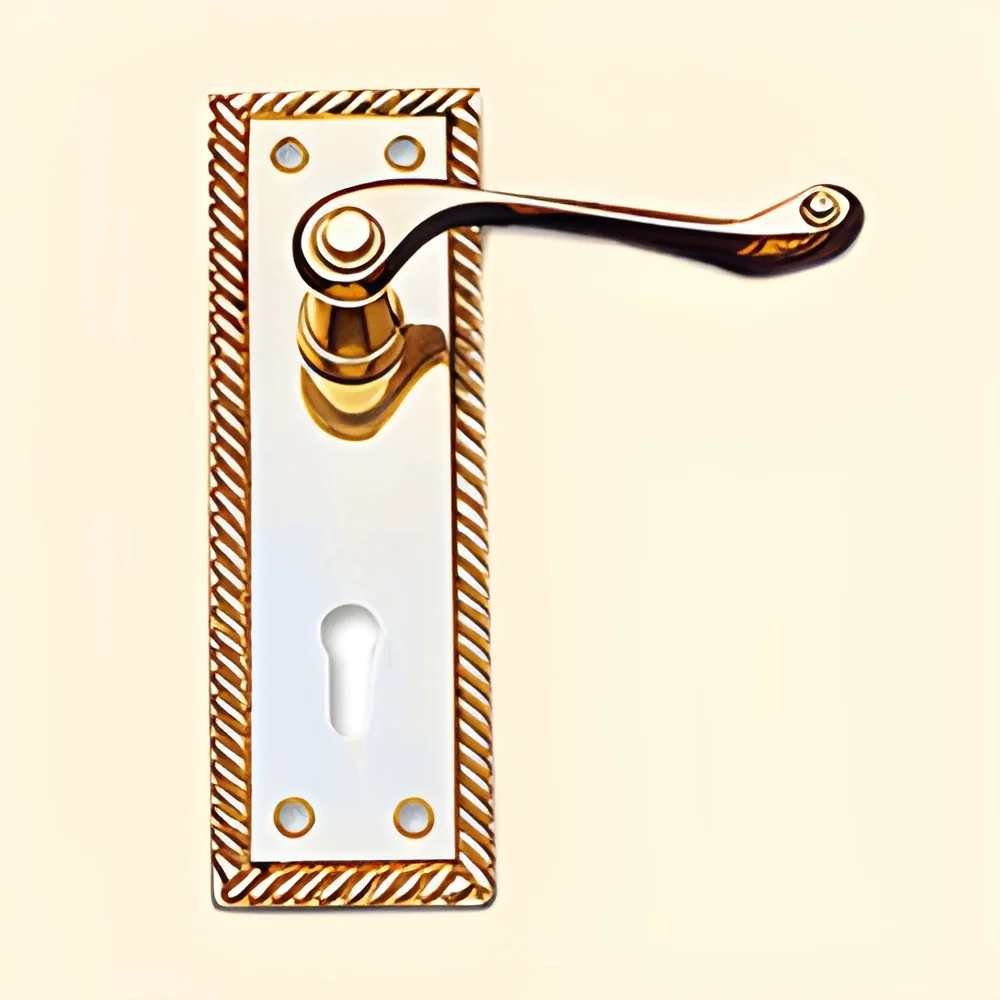
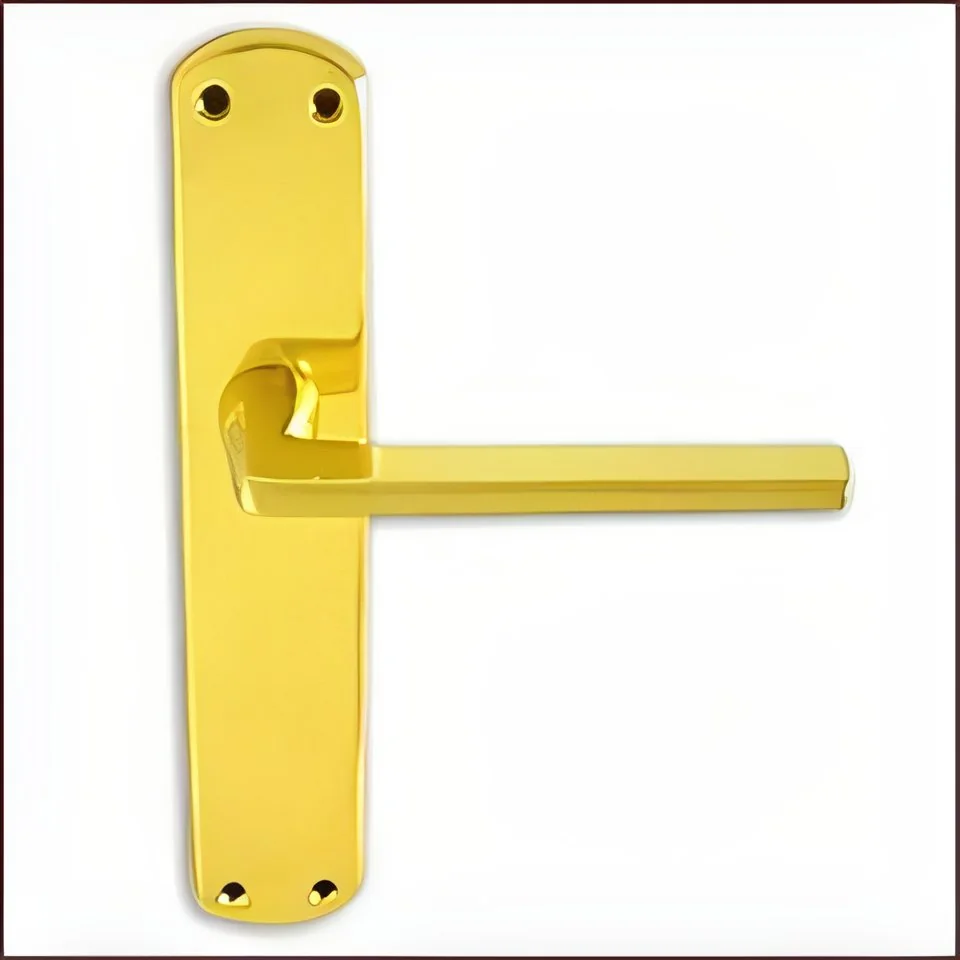
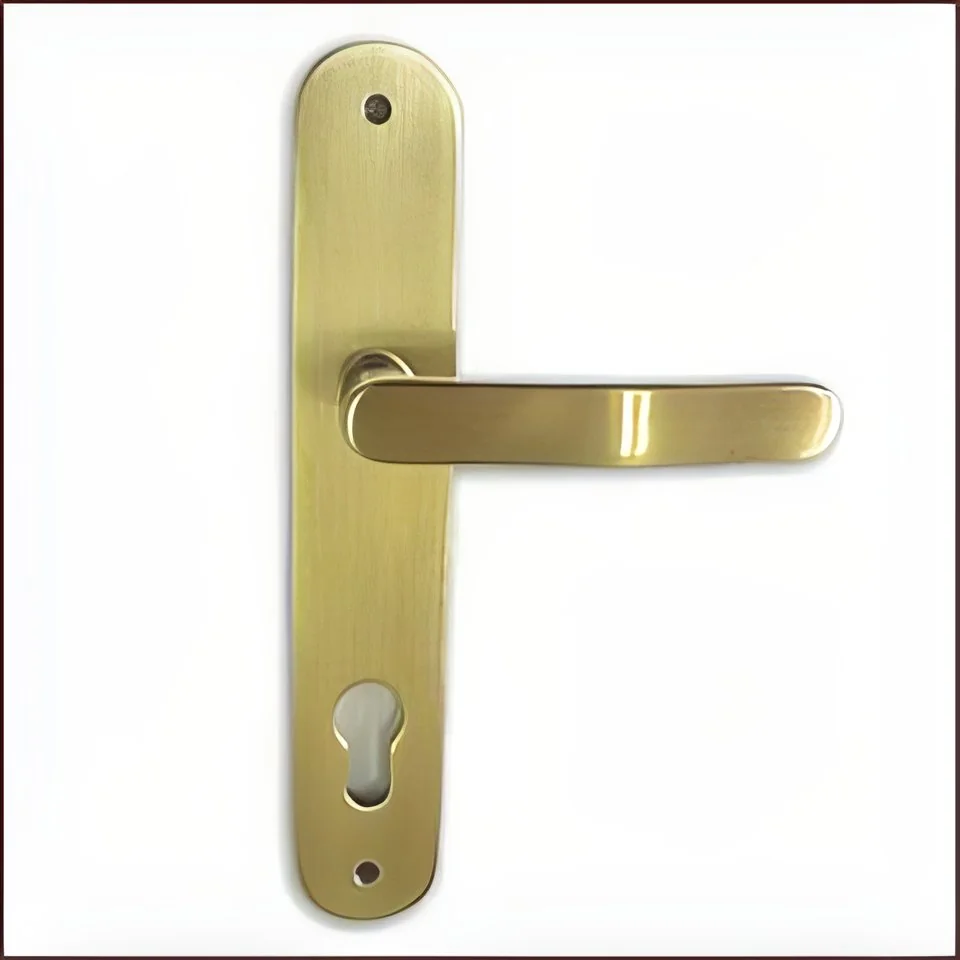
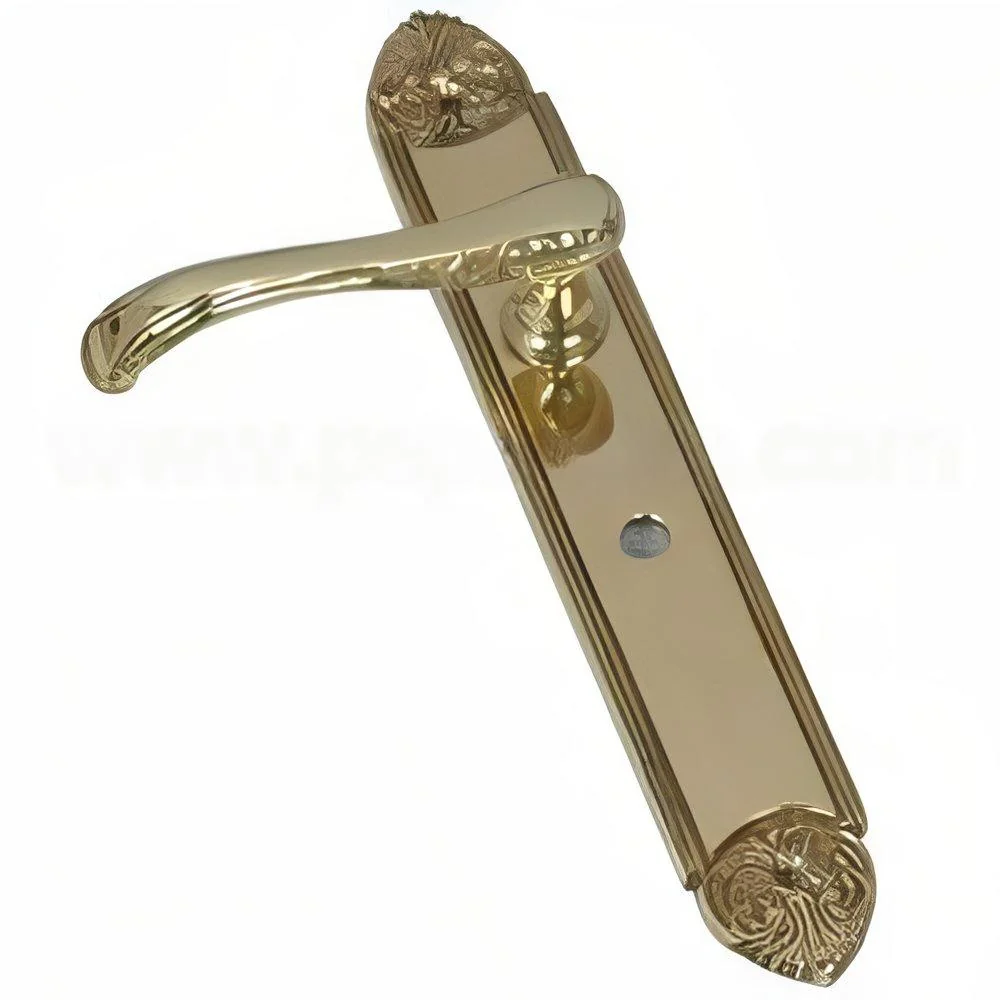
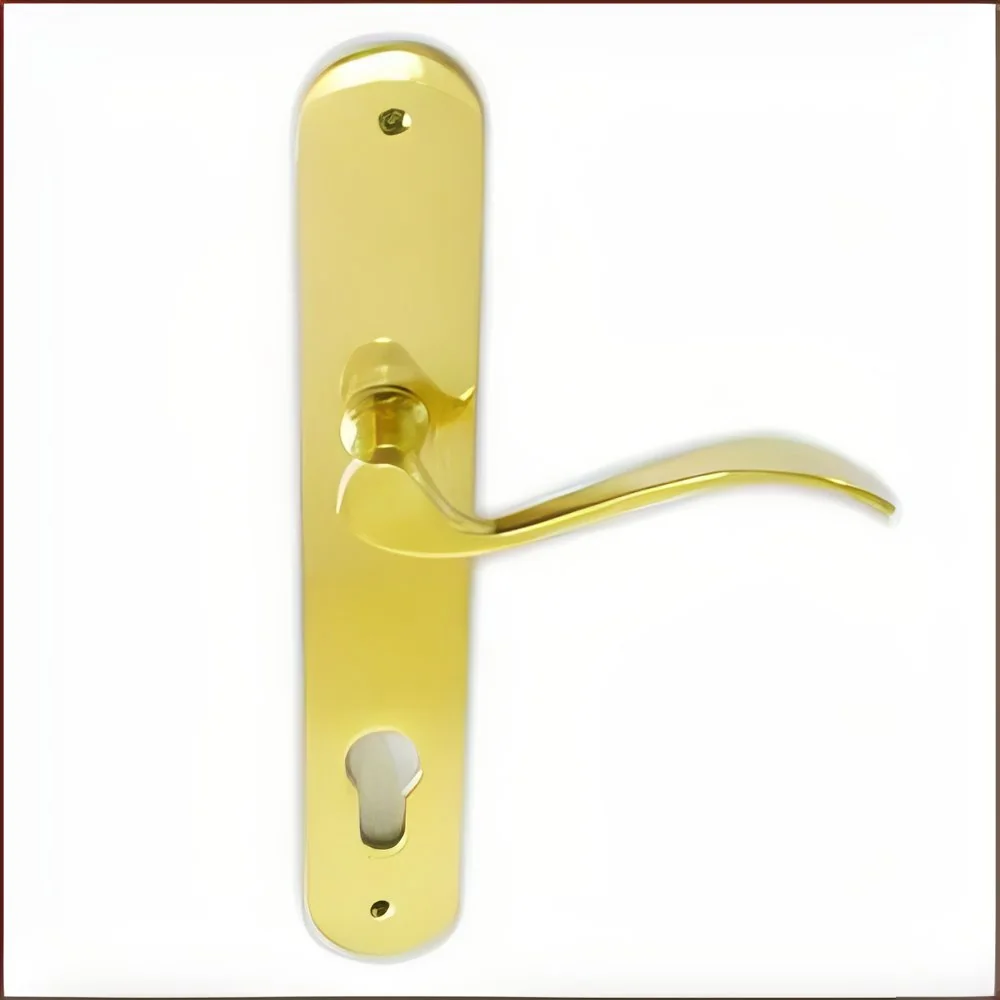
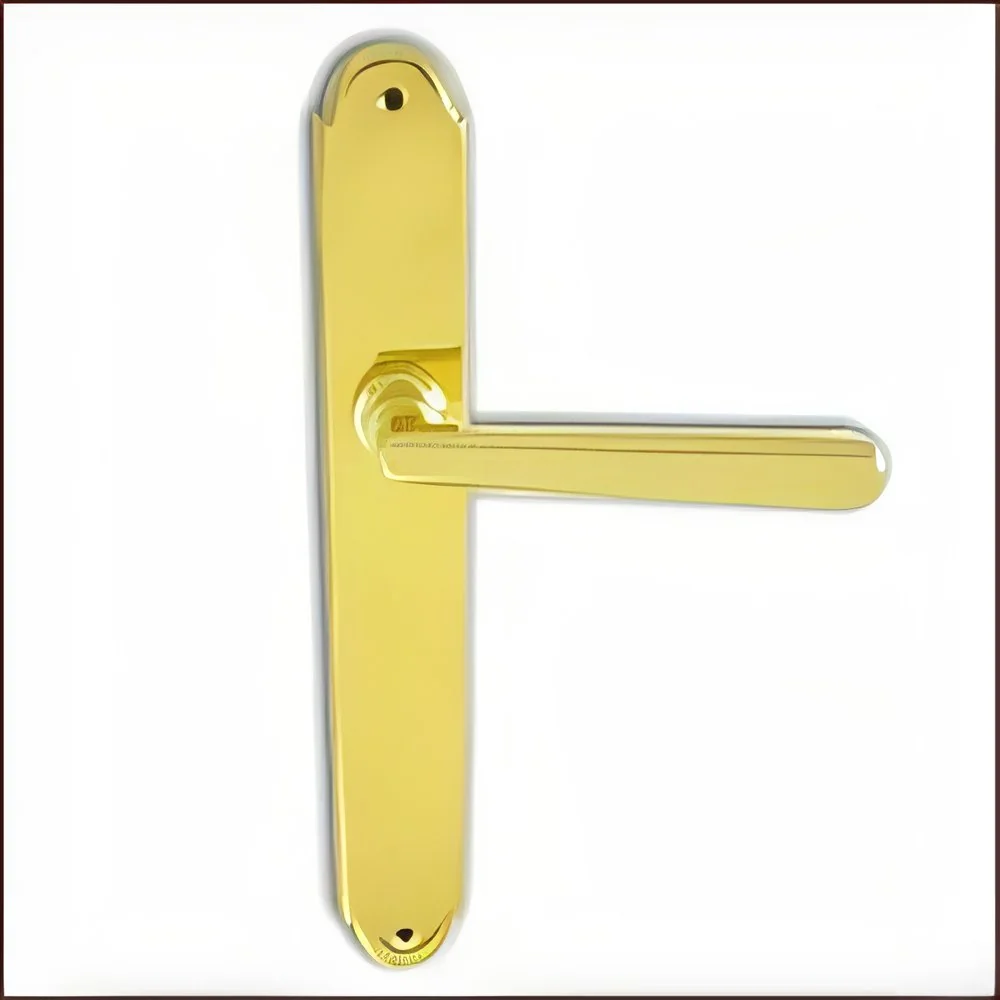
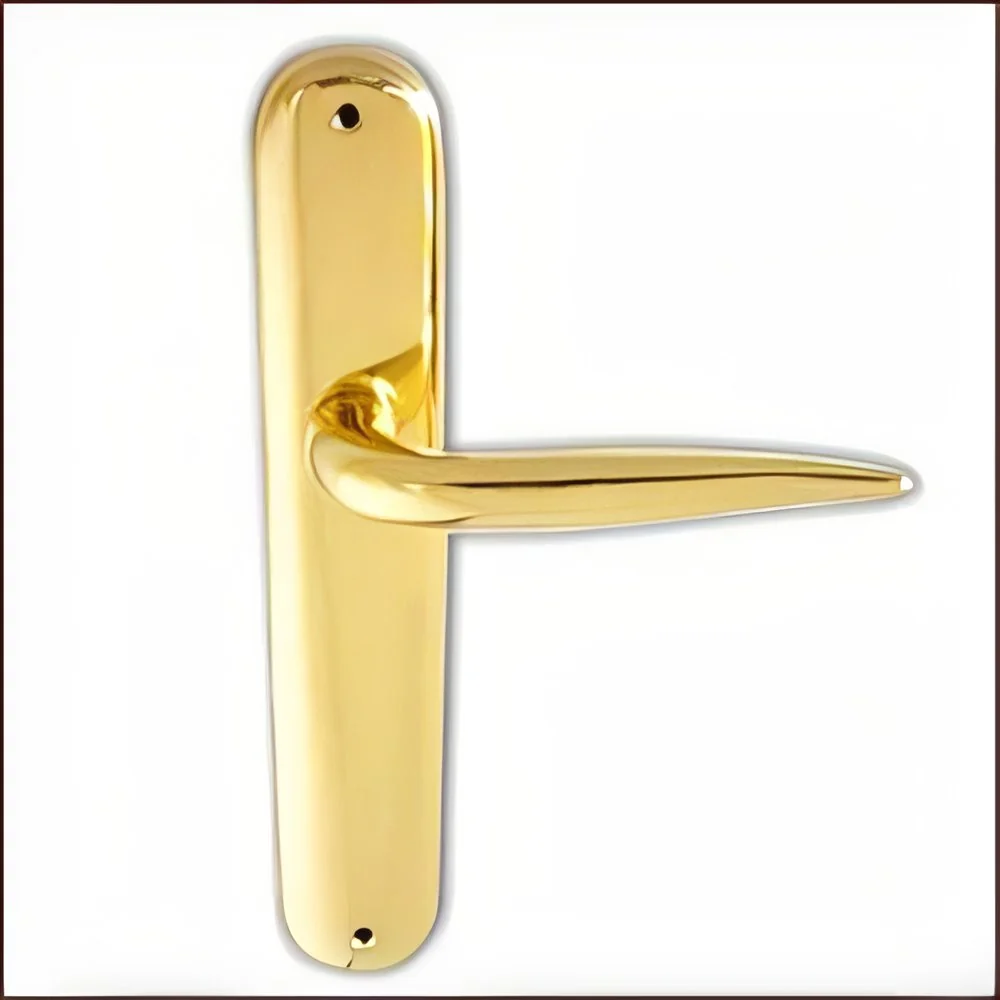
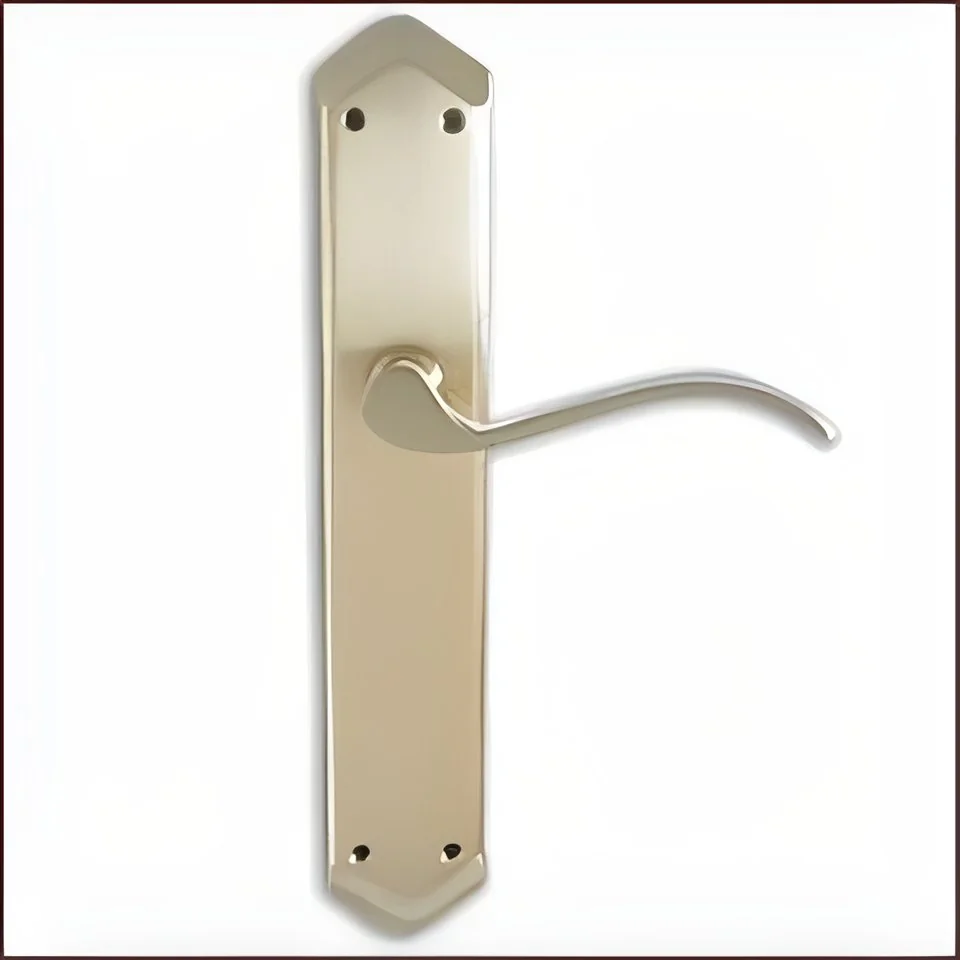
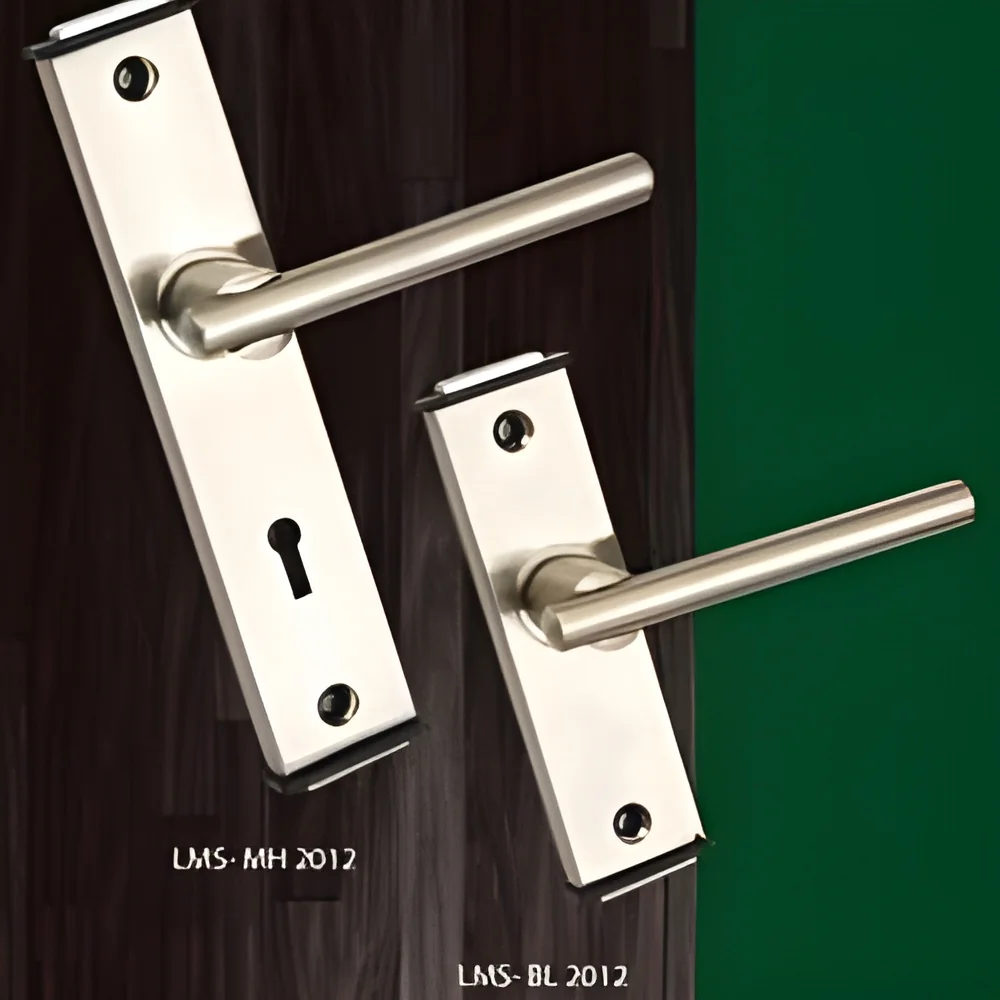
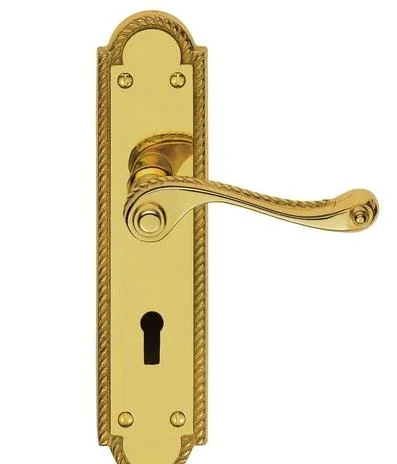
Lever handles are designed for easy operation, making them a popular choice in both commercial and residential settings. Their ergonomic design allows users to open doors with minimal effort, often making them suitable for individuals with mobility challenges.
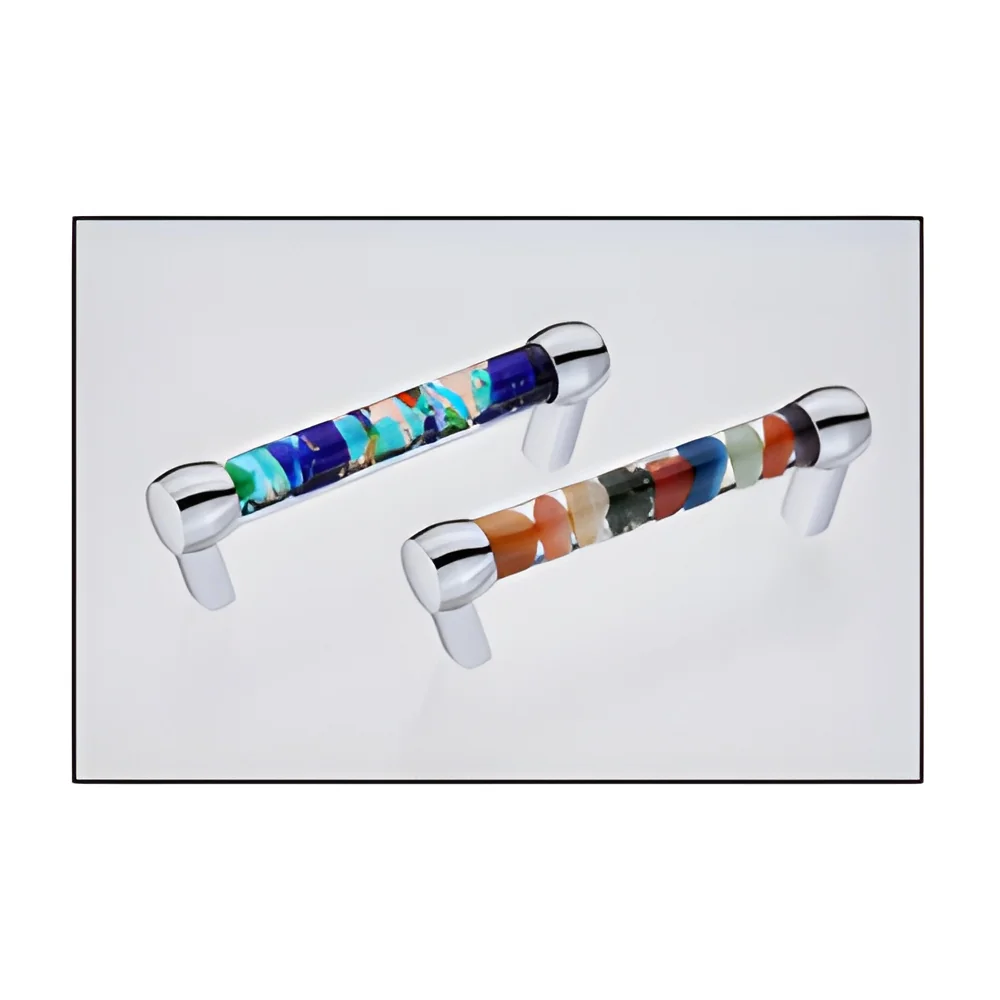
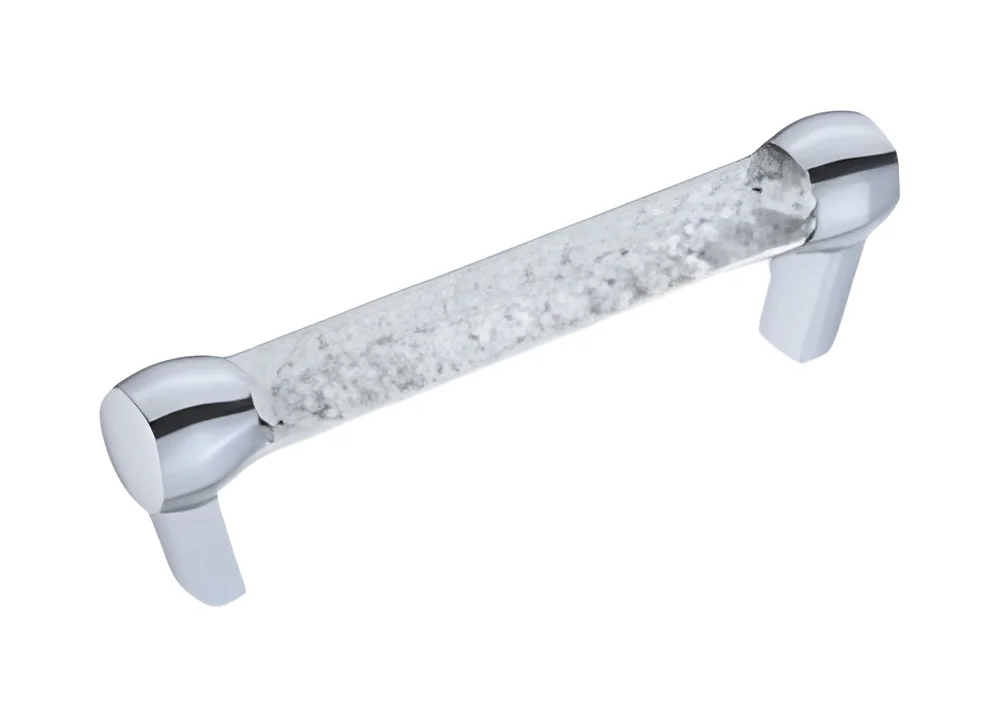
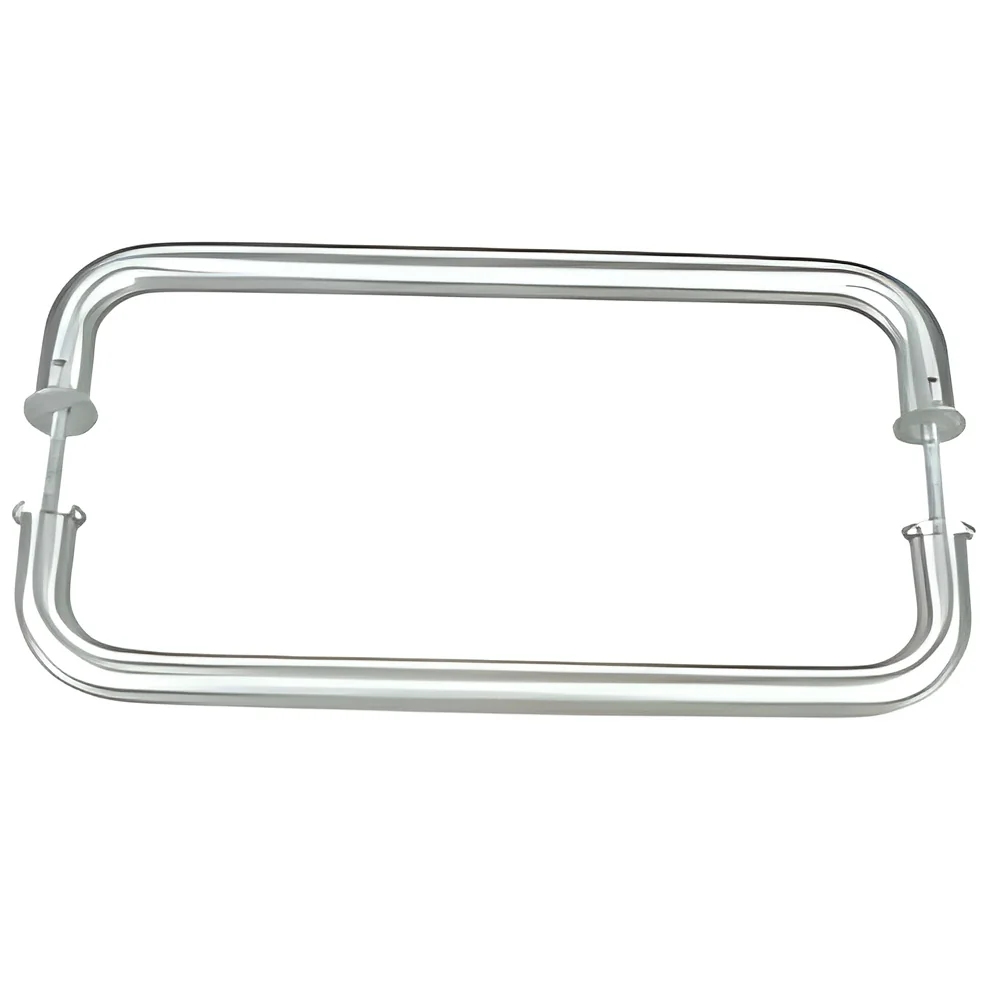
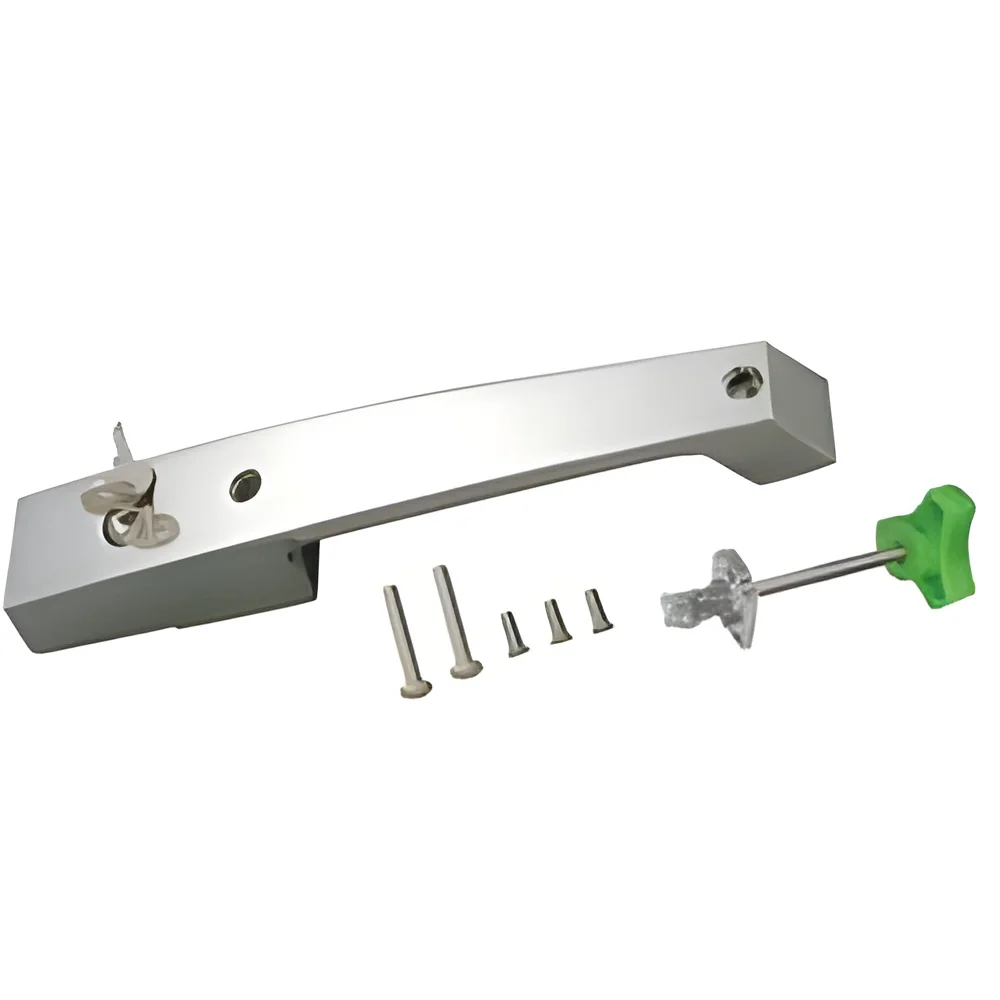
Pull Handles
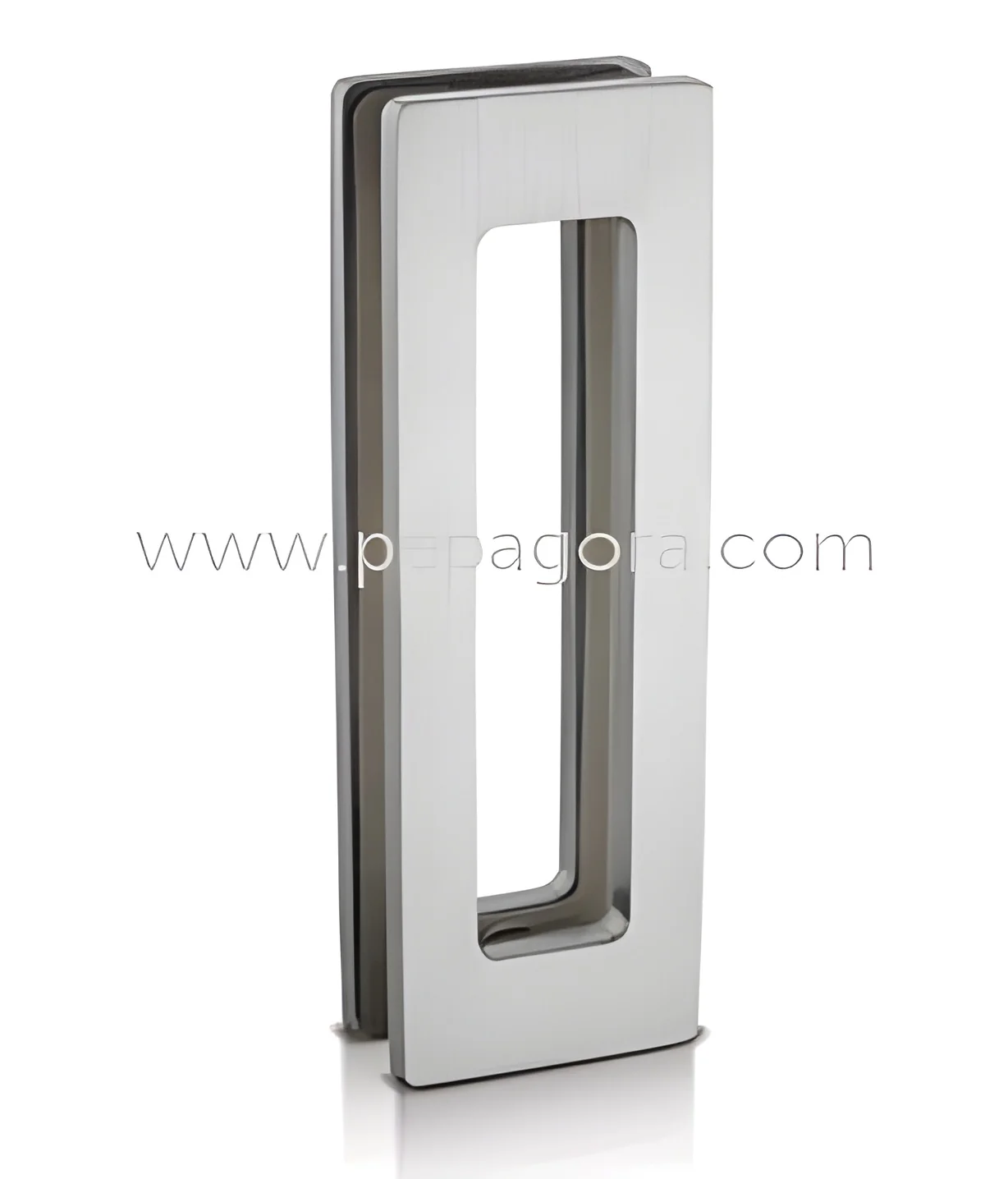
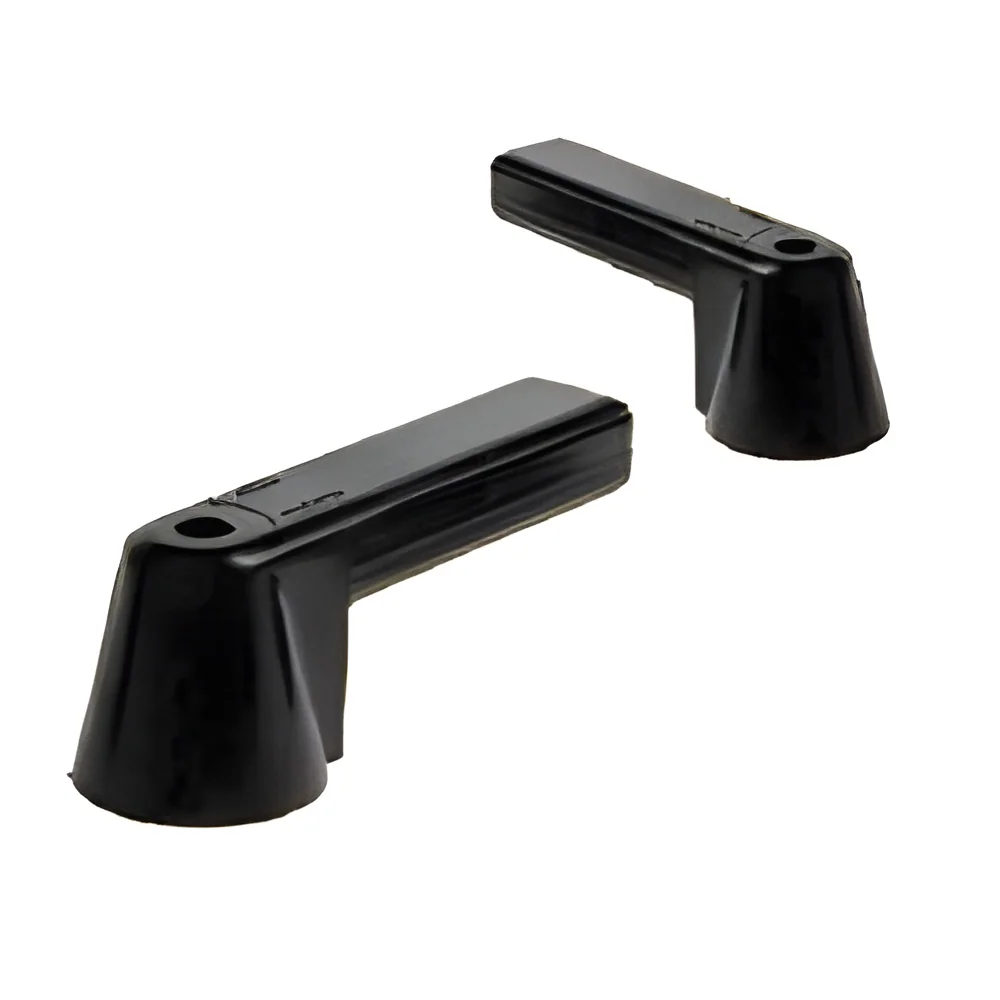
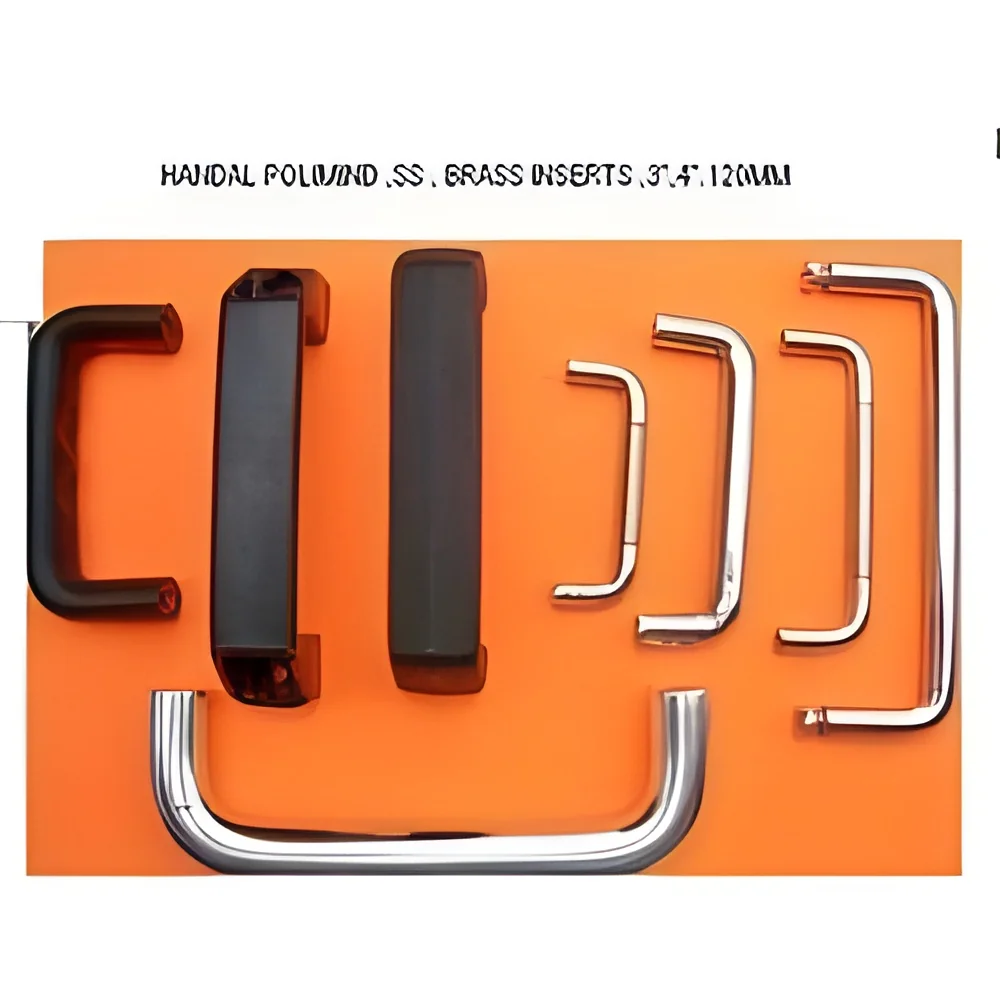
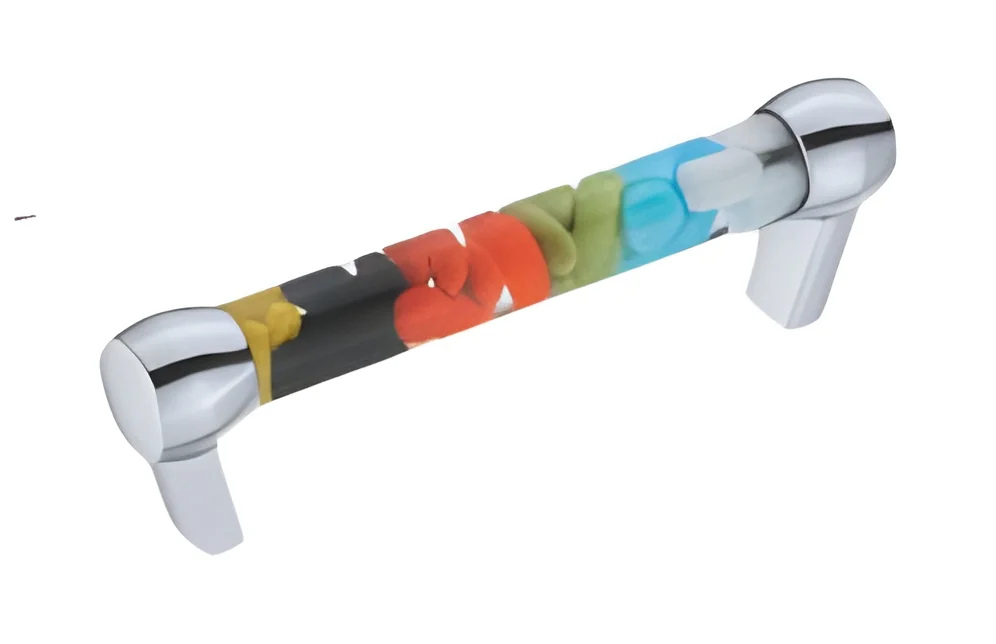
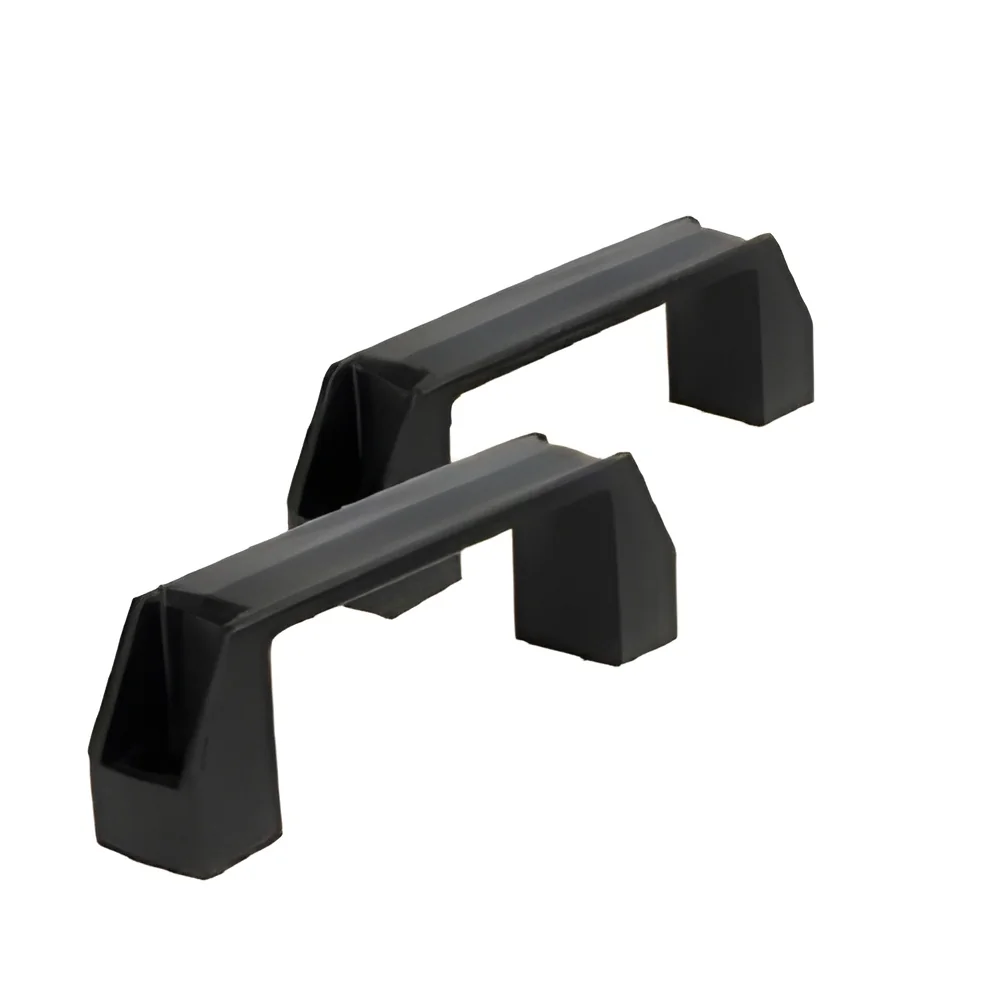
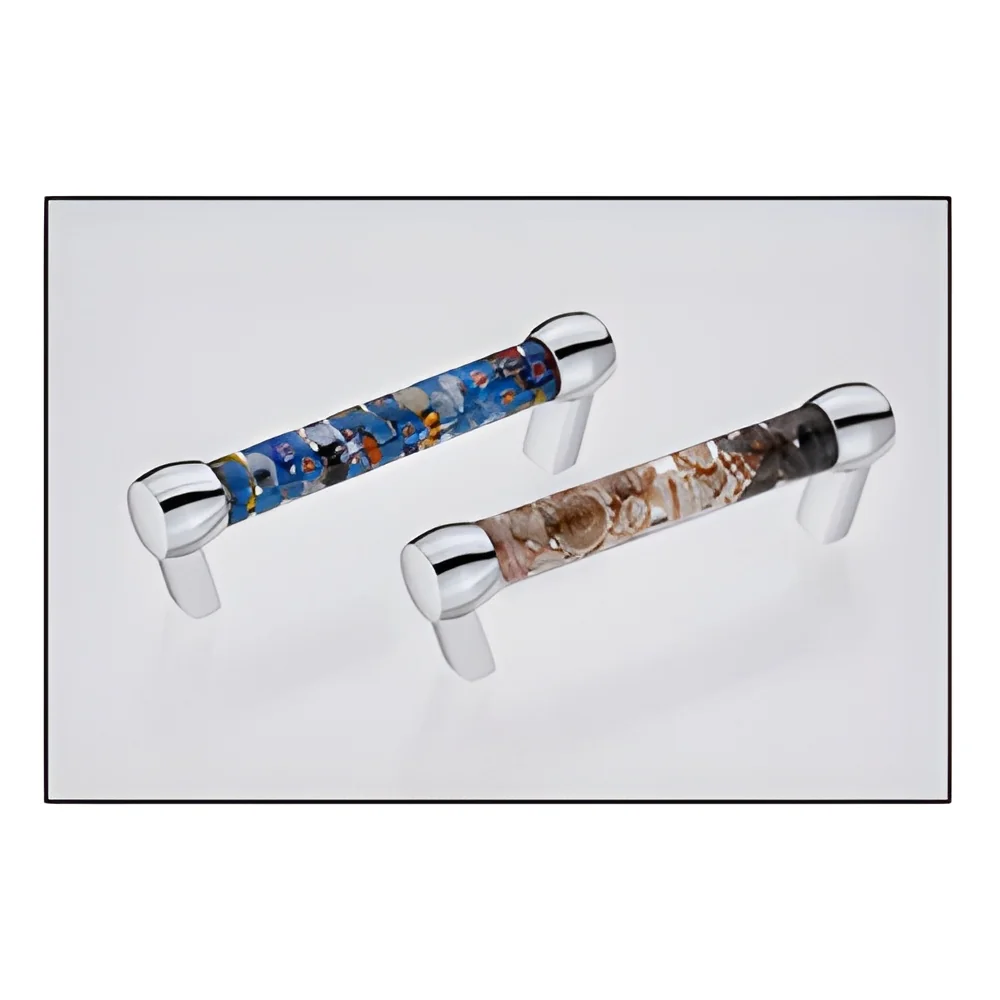
Pull handles are straightforward and functional, typically used in commercial environments. They provide a firm grip and are often used on heavy doors, such as entryways in buildings or as part of machinery access.
Knob Handles
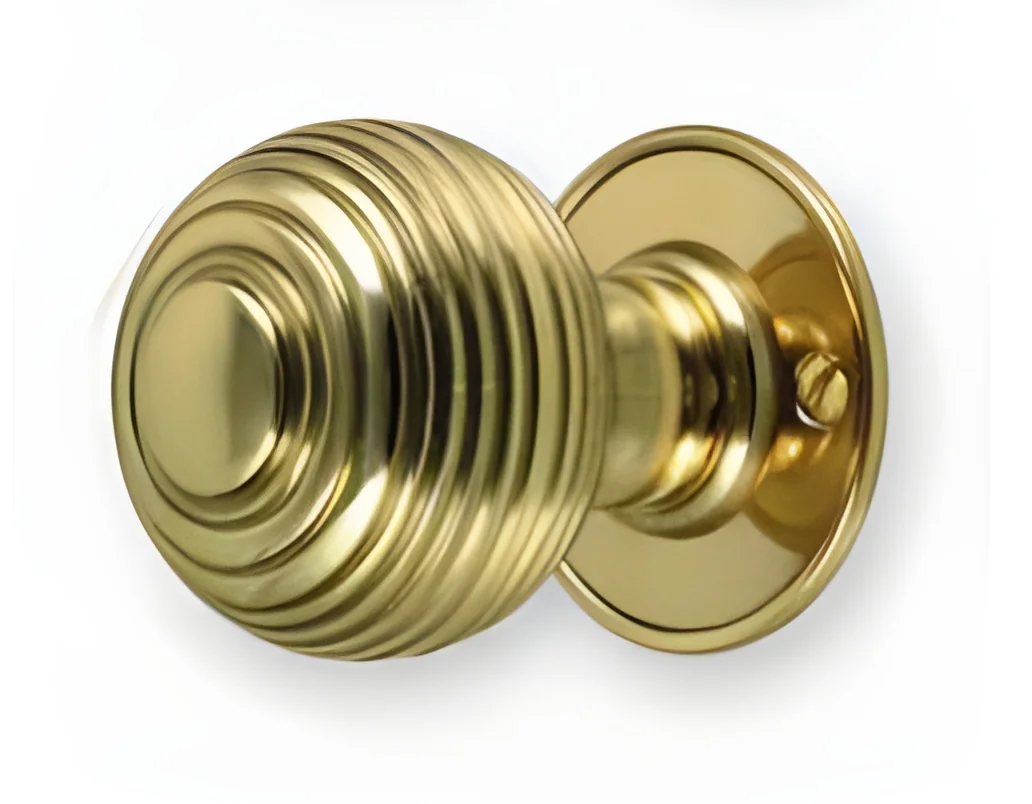
Knob handles are a classic choice for residential applications. They are available in various styles and finishes, allowing homeowners to choose a design that complements their interior. Knobs are often used for interior doors and cabinets.
Benefits and Advantages
Choosing the right door handles comes with several benefits that enhance functionality and design. Understanding these advantages can help buyers make informed decisions.
1. Enhanced Accessibility: Lever handles, in particular, are easier to operate for individuals with disabilities or limited mobility, improving overall accessibility in spaces.
2. Aesthetic Appeal: Door handles come in a wide variety of designs and finishes, allowing for customization that enhances the overall look of a space.
3. Durability: High-quality materials ensure that door handles can withstand daily use and environmental factors, extending their lifespan and reducing replacement costs.
4. Security Features: Many modern door handles incorporate advanced locking mechanisms that enhance security, providing peace of mind for users.
5. Easy Installation: Most door handles are designed for straightforward installation, allowing for quick upgrades without extensive modifications.
6. Compliance with Standards: Choosing compliant door handles ensures adherence to safety regulations, which is essential in commercial and public spaces.
Buying Guide for B2B Buyers
When sourcing door handles, B2B buyers should consider several key factors to ensure they select the right products for their needs.
1. Quality Assessment: Evaluate the quality of materials and construction. Look for specifications that indicate durability and wear resistance.
2. Supplier Verification: Vet suppliers for reliability and reputation. Check for reviews and previous client experiences to ensure they meet standards.
3. Pricing and MOQ: Understand the pricing structure and minimum order quantities. This will help manage budgets and inventory levels effectively.
4. Delivery and Lead Times: Consider logistics when sourcing door handles. Ensure suppliers can meet required delivery schedules to avoid project delays.
5. Compliance Requirements: Assess any regulatory needs specific to your industry. Ensuring compliance with safety standards is crucial for operational integrity.
Compliance and Certifications
Door handles must adhere to various quality standards and certifications to ensure safety and reliability. Key standards include ISO 9001, which focuses on quality management systems, ensuring that products meet customer and regulatory requirements.
Industry certifications such as UL and CE provide assurance that door handles have been tested for safety and performance. UL certification indicates that products meet rigorous safety standards, while CE marking signifies compliance with EU safety directives.
Additionally, manufacturers should consider safety testing requirements that may vary by region. Understanding these certifications can assist buyers in selecting products that not only meet their needs but also adhere to industry regulations.
Why Source Door Handles (Lever, Pull, Knob) from Pepagora?
Pepagora offers a trusted platform for sourcing door handles, providing several distinct advantages for buyers.
Verified Supplier Network: Pepagora maintains a network of verified suppliers, ensuring that buyers can trust the quality and reliability of the products they purchase. This network simplifies the search for reputable manufacturers.
Streamlined RFQ Process: The request for quotation (RFQ) process on Pepagora is designed to be efficient and straightforward. Buyers can easily submit their requirements and receive competitive quotes from multiple suppliers.
Trade Assurance and Support: Pepagora provides trade assurance to protect buyers throughout the purchasing process. This support helps mitigate risks associated with sourcing and ensures a secure transaction.
Regional Coverage: With a focus on markets in India, the GCC, and Southeast Asia, Pepagora offers extensive regional coverage. This geographic reach allows businesses to find suppliers that cater to their specific location and industry needs.

 IN
IN