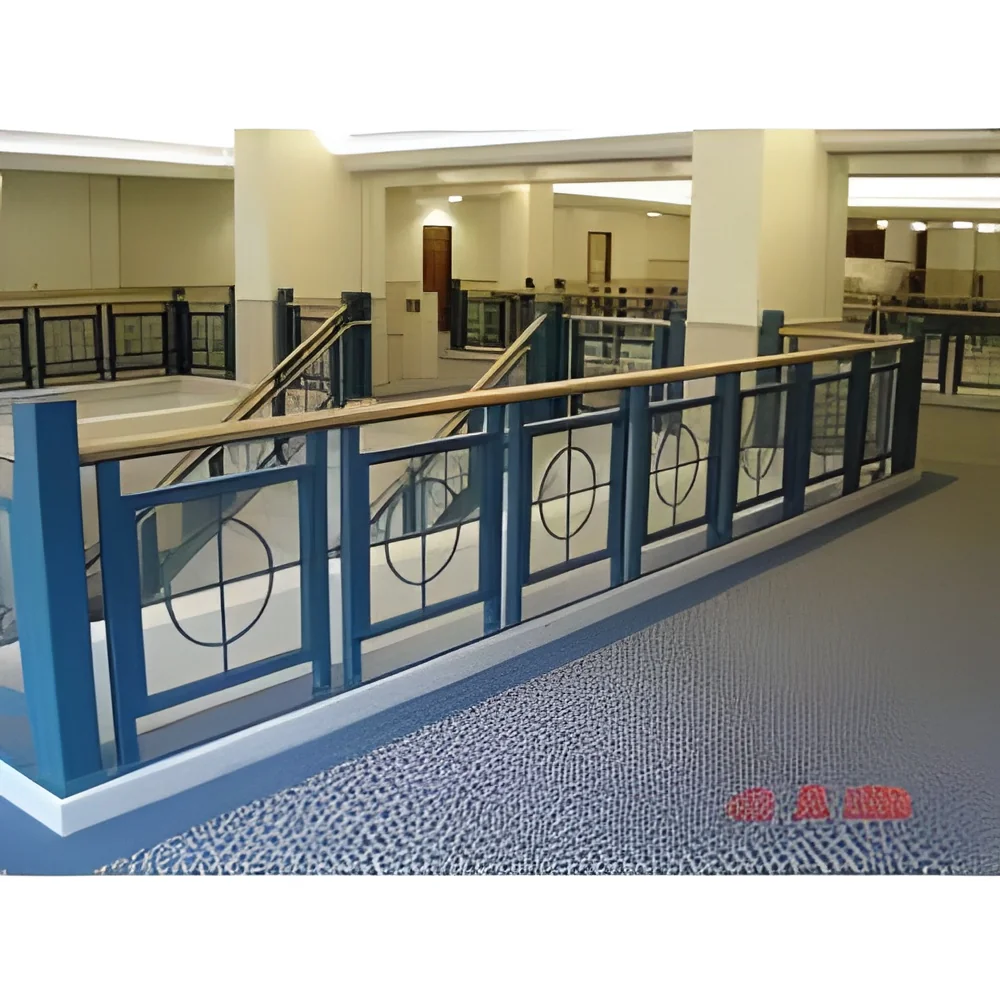
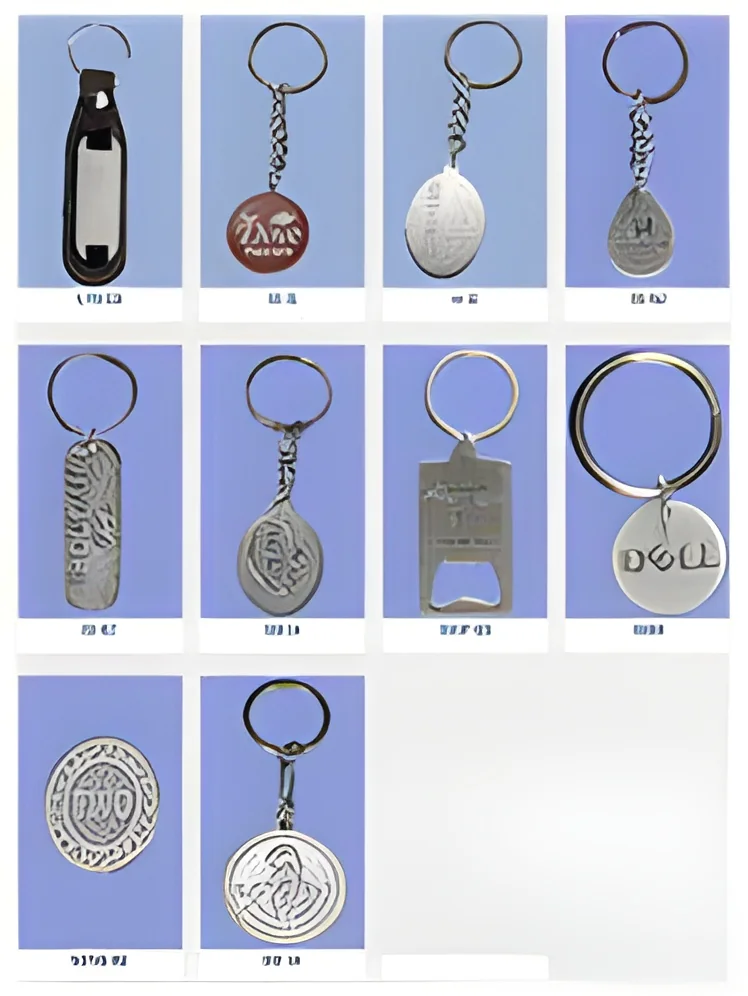
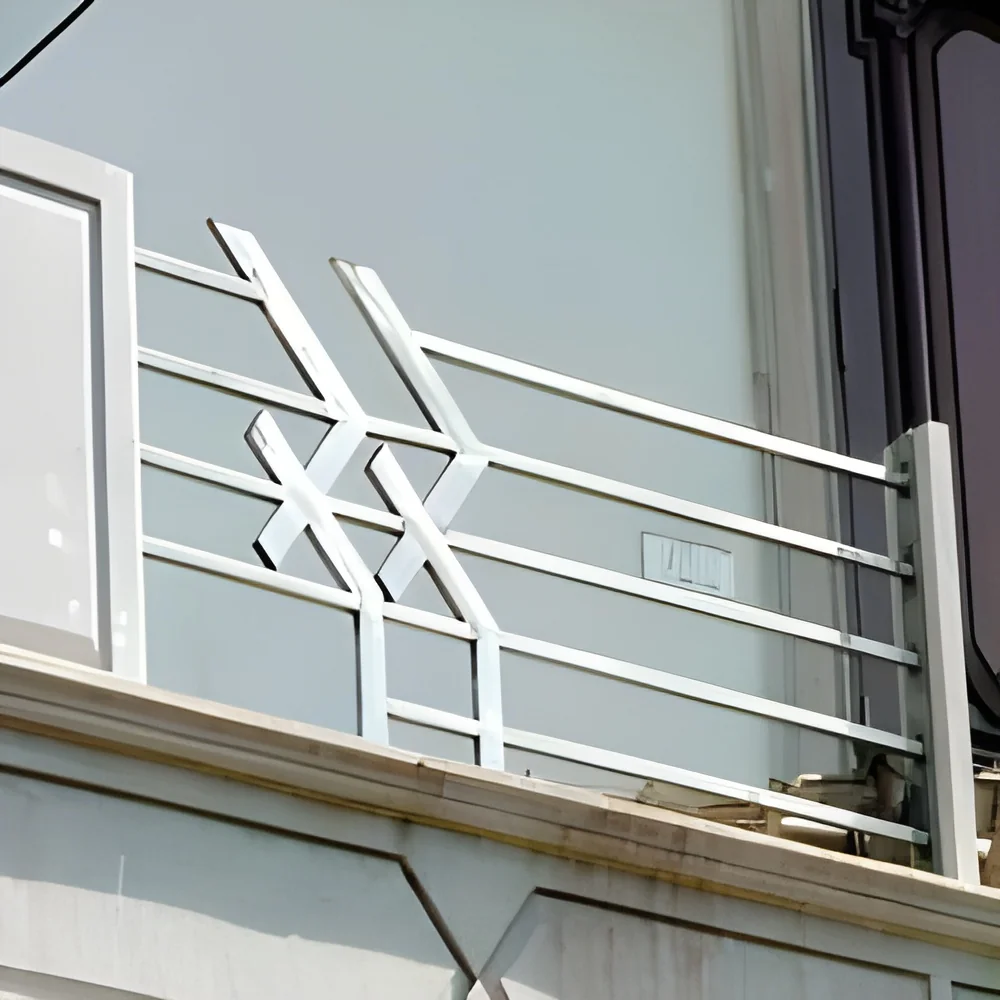
What are Stainless Steel Hardware?
Stainless steel hardware refers to a variety of fasteners, fittings, and structural components made from stainless steel, a corrosion-resistant alloy that includes chromium and nickel. This type of hardware is designed to withstand environmental challenges, making it suitable for both indoor and outdoor applications. The durability and aesthetic appeal of stainless steel hardware make it a preferred choice across various sectors.
The primary uses of stainless steel hardware include construction, manufacturing, and maintenance applications. Industries such as automotive, aerospace, marine, and food processing rely heavily on stainless steel components due to their strength and resistance to rust and corrosion. This hardware is essential in creating reliable and safe products, contributing to overall efficiency in production and operational processes.
In the current market context, the demand for stainless steel hardware is on the rise, driven by a growing emphasis on sustainability and long-lasting materials. As industries seek to improve their supply chains and reduce maintenance costs, stainless steel hardware is increasingly recognized for its longevity and performance. This trend highlights the importance of selecting high-quality stainless steel components for various applications.
Key Features and Specifications
Stainless steel hardware is characterized by several key features that enhance its performance and usability. Understanding these specifications is vital for industries looking to implement stainless steel solutions in their projects.
Key specifications include:
1. Corrosion Resistance
- Stainless steel hardware is highly resistant to rust and corrosion.
- This resistance is primarily due to the chromium content in the steel.
2. Strength and Durability
- Stainless steel offers excellent tensile strength.
- It can withstand significant stress and strain without deformation.
3. Temperature Resistance
- Stainless steel can operate effectively in a wide range of temperatures.
- Specific temperature ranges may vary based on the stainless steel grade.
4. Aesthetic Appeal
- Stainless steel has a sleek, polished look.
- It is ideal for applications where appearance is important.
5. Low Maintenance
- This hardware requires minimal maintenance compared to other materials.
- Regular cleaning is typically sufficient to maintain its appearance.
6. Lightweight
- Stainless steel hardware is relatively lightweight.
- This characteristic is advantageous for applications where weight is a concern.
7. Customization Options
- Many suppliers offer customization for specific applications.
- Options may include various shapes, sizes, and finishes.
8. Compliance with Standards
- Stainless steel hardware often meets international quality standards.
- This compliance ensures reliability in critical applications.
In summary, the key features of stainless steel hardware contribute to its widespread use across multiple industries, providing benefits that align with both functional and aesthetic requirements.
Common Applications and Use Cases
Stainless steel hardware serves a wide range of industries due to its versatility and robust properties.
1. Construction: Stainless steel fasteners and fittings are crucial in building structures, offering strength and durability that withstand the test of time.
2. Automotive: In the automotive industry, stainless steel hardware is used for both structural and aesthetic components, providing reliability and resistance to corrosion.
3. Aerospace: Aerospace applications demand high-performance materials, making stainless steel an ideal choice for critical components that require lightweight and durable solutions.
4. Food Processing: Stainless steel is essential in food processing equipment due to its hygienic properties and resistance to corrosion from cleaning agents and moisture.
5. Marine: In marine environments, stainless steel hardware is preferred for its ability to resist saltwater corrosion, making it suitable for boats and coastal structures.
6. Medical: The medical industry employs stainless steel in surgical instruments and equipment because of its biocompatibility and ease of sterilization.
7. Oil and Gas: In the oil and gas sector, stainless steel is used for pipelines and valves, ensuring safety and reliability in harsh environments.
Product Variants and Subcategories
Stainless steel hardware comes in a variety of forms to cater to different applications and preferences.
Fasteners
Fasteners such as screws, bolts, and nuts made from stainless steel are essential in construction and manufacturing. They provide strong connections and resist corrosion, making them suitable for both indoor and outdoor use.
Fittings
Stainless steel fittings, including elbows, tees, and couplings, are crucial in piping systems. Their resistance to corrosion ensures a long lifespan in various industrial applications.
Hinges
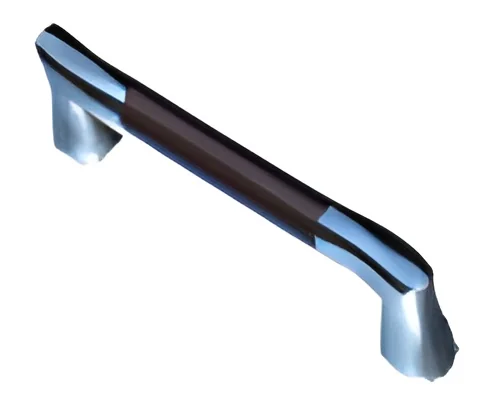
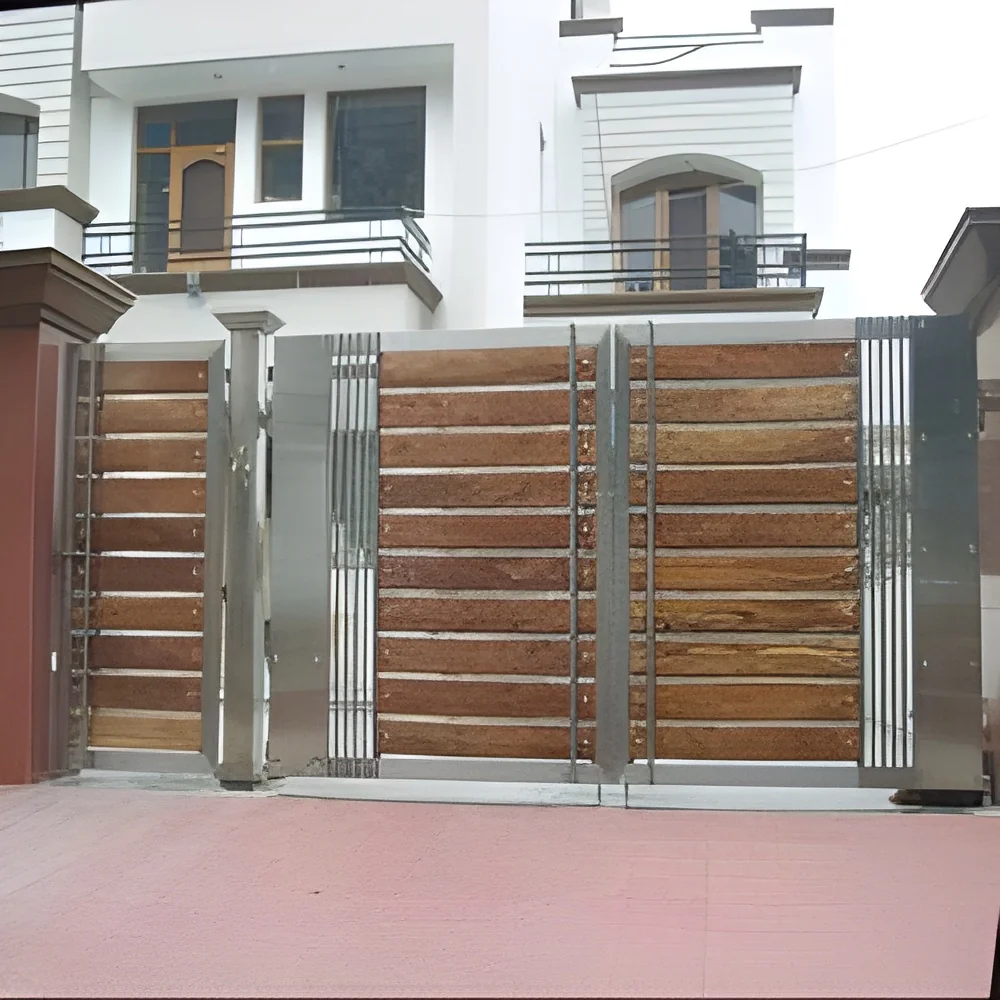
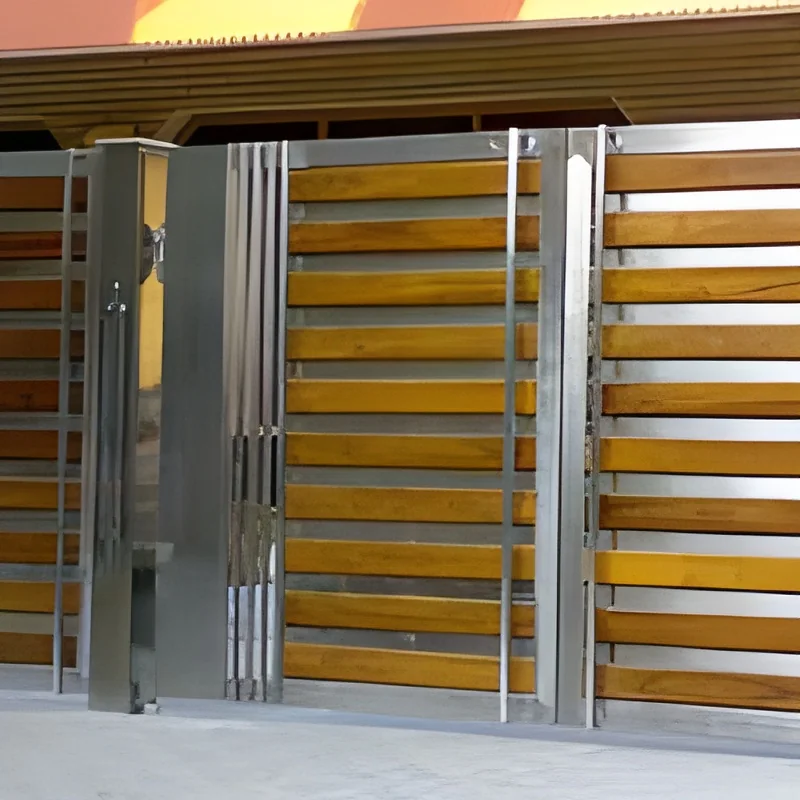
Stainless steel hinges are commonly used in doors, gates, and cabinets. They provide durability and a sleek appearance, making them ideal for both functional and decorative purposes.
Locks
Stainless steel locks offer security and resistance to weather elements. They are widely used in commercial and residential applications where durability is a priority.
Benefits and Advantages
Choosing stainless steel hardware provides numerous benefits that enhance operational efficiency and reduce long-term costs.
Key benefits include:
1. Longevity: Stainless steel hardware is designed to last, minimizing the need for frequent replacements and repairs.
2. Corrosion Resistance: Its inherent resistance to rust and corrosion ensures that the hardware maintains its functionality over time, even in challenging environments.
3. Low Maintenance: Stainless steel requires minimal upkeep, allowing companies to focus on core operations rather than maintenance tasks.
4. Aesthetic Versatility: The polished finish of stainless steel hardware adds a modern touch to projects, making it suitable for a range of applications.
5. Safety and Reliability: Stainless steel hardware meets various industry standards, ensuring safety and reliability in critical applications.
6. Eco-Friendly: Stainless steel is a recyclable material, making it a sustainable choice for businesses aiming to reduce their environmental footprint.
Buying Guide for B2B Buyers
When sourcing stainless steel hardware, businesses should consider several key factors to ensure they make informed purchasing decisions.
1. Quality Assessment: Examine the quality of stainless steel hardware by looking for certifications and compliance with industry standards. High-quality materials will provide better performance and longevity.
2. Supplier Verification: Vet potential suppliers by checking their reputation, customer reviews, and quality assurance processes. A reliable supplier will offer consistent quality and support.
3. Pricing and MOQ: Understand the pricing structure and minimum order quantities (MOQ) required by suppliers. This knowledge will help in budgeting and managing inventory effectively.
4. Delivery and Lead Times: Inquire about delivery schedules and lead times to ensure that your project timelines are met. Timely delivery is crucial in maintaining operational efficiency.
5. Compliance Requirements: Be aware of any regulatory compliance requirements applicable to your industry. Ensuring that hardware meets these standards is essential for safety and legal considerations.
Compliance and Certifications
Compliance with relevant quality standards is crucial for stainless steel hardware, ensuring that products are safe and reliable. ISO 9001 is a widely recognized standard for quality management systems, which applies to manufacturers of stainless steel hardware. Adhering to this standard helps organizations maintain high-quality products and customer satisfaction.
In addition, certain industries may require compliance with specific certifications such as HACCP for food safety or CE marking for products sold in the European Economic Area. These certifications assure buyers of the product's safety and efficacy.
Safety and testing requirements also play a significant role in the industry. Stainless steel hardware must undergo various tests to verify its strength, corrosion resistance, and overall performance. Compliance with regional regulations is equally important, as different areas may have specific requirements regarding materials used in construction or manufacturing.
Why Source Stainless Steel Hardware from Pepagora?
Pepagora offers a trusted platform for sourcing stainless steel hardware, providing several key advantages to businesses.
Verified Supplier Network: Pepagora connects buyers with a network of verified suppliers, ensuring that all products meet high-quality standards. This verification process helps mitigate risks associated with sourcing.
Streamlined RFQ Process: The platform features a user-friendly request for quotation (RFQ) system, allowing buyers to quickly obtain competitive quotes from multiple suppliers. This efficiency saves time and enhances decision-making.
Trade Assurance and Support: Pepagora provides trade assurance and buyer protection, ensuring that transactions are secure and reliable. This support fosters confidence in the sourcing process.
Regional Coverage: With a focus on markets in India, the GCC, and Southeast Asia, Pepagora offers extensive regional coverage. This geographic reach allows businesses to find suitable suppliers that meet their specific needs and preferences.

 IN
IN