What are Window Mosquito Screens?
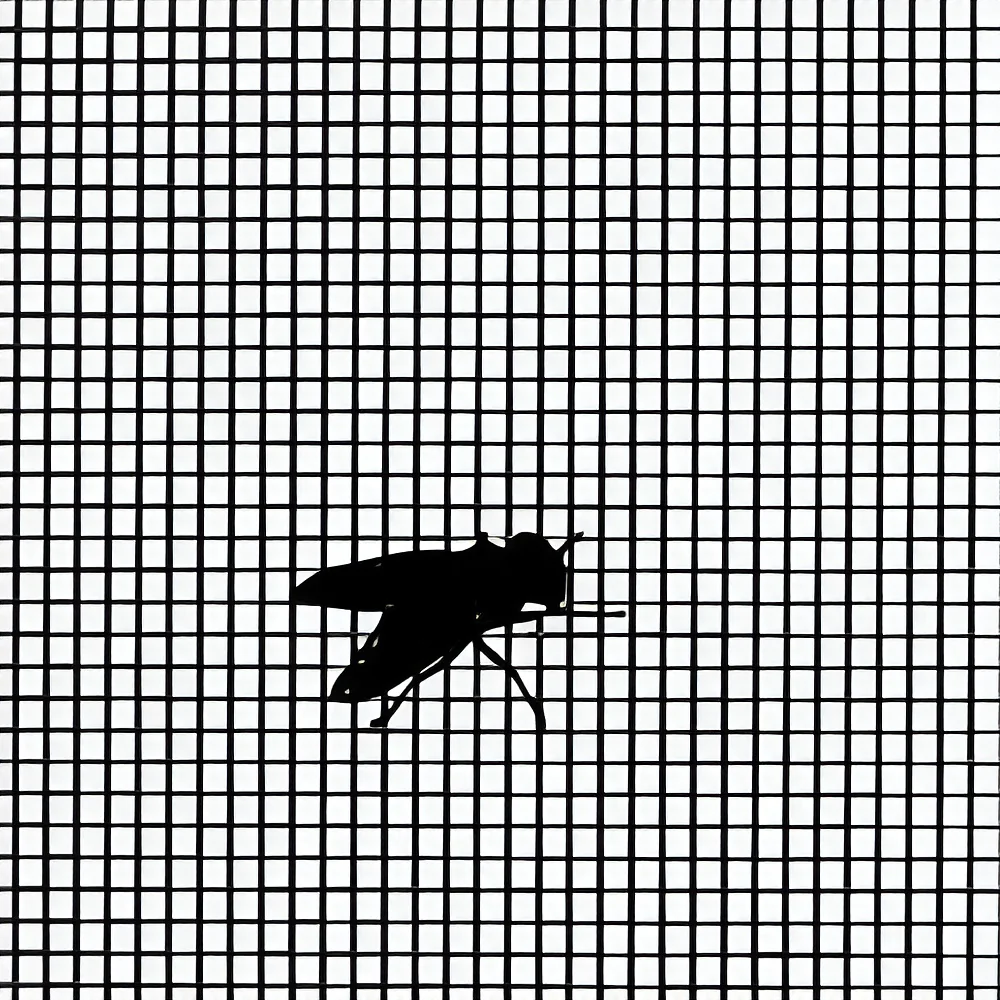
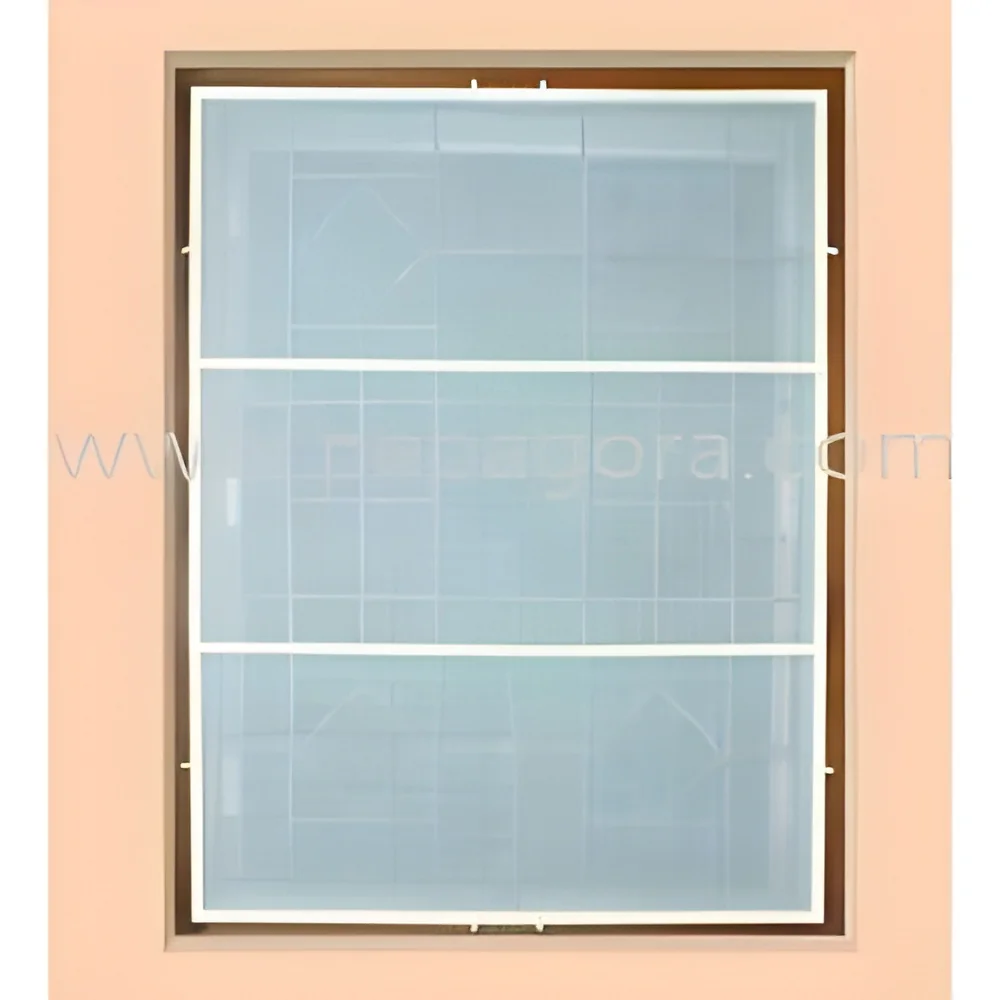
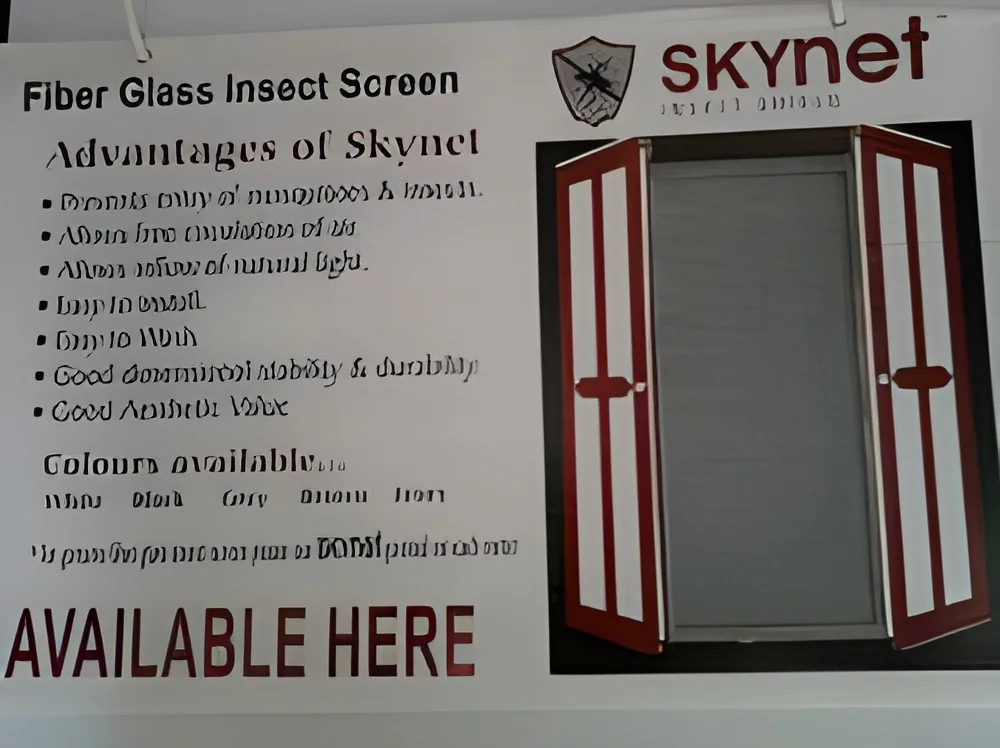
Window mosquito screens are specialized mesh barriers designed to prevent insects and pests from entering indoor spaces while allowing fresh air to circulate. These screens are typically made from durable materials such as fiberglass or aluminum, which are woven into a fine mesh. This construction helps keep out even the smallest insects, ensuring a comfortable environment without the need for chemical repellents or pesticides.
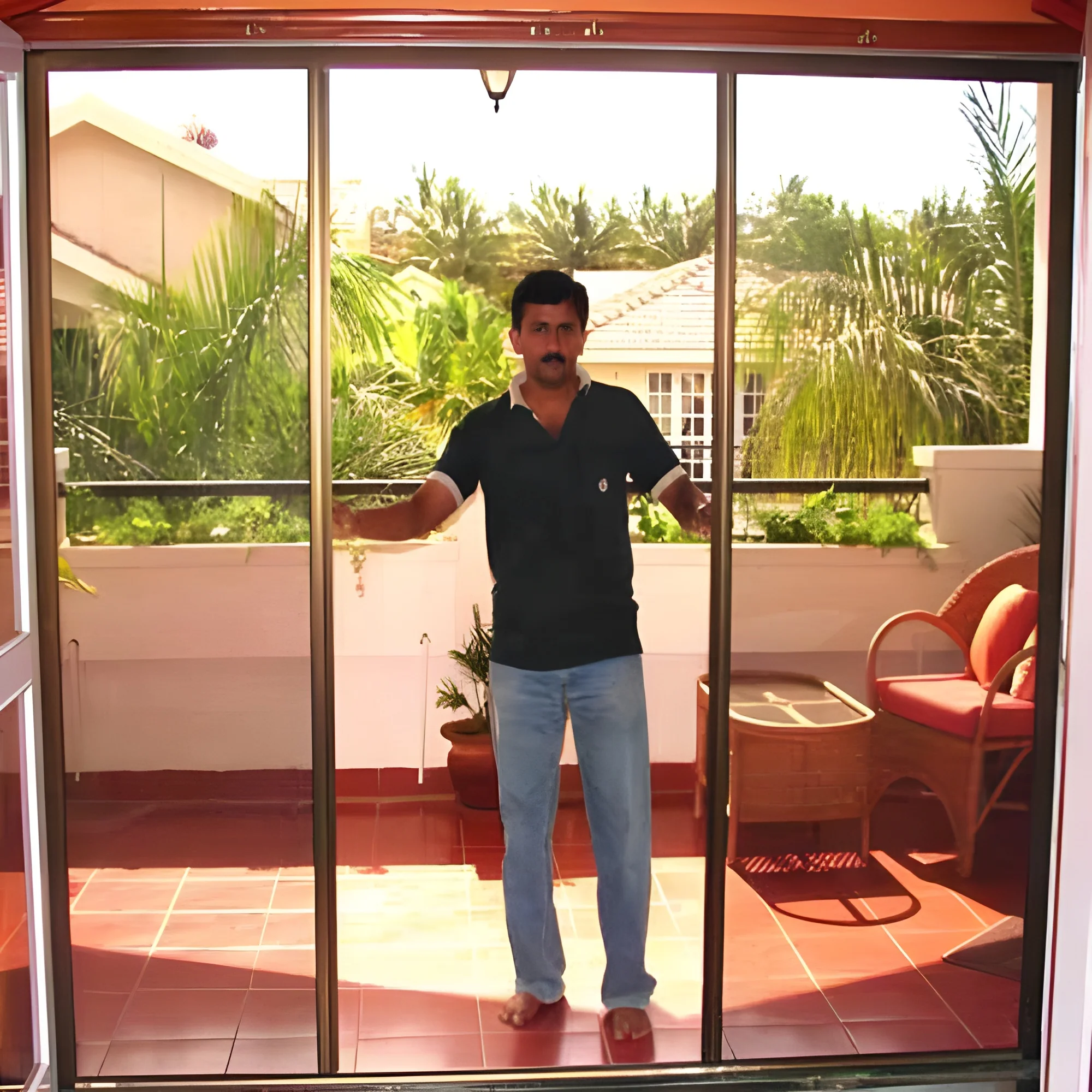
The primary uses of window mosquito screens include residential, commercial, and industrial applications. They are commonly installed in homes to protect living spaces from mosquitoes, flies, and other unwanted pests. In commercial settings, such as restaurants and cafes, these screens are vital for maintaining hygiene and comfort for customers. In industrial environments, they can help protect sensitive equipment and processes from contamination by insects.
In terms of industry relevance, the market for window mosquito screens is growing, driven by increasing awareness of health and hygiene, particularly in areas prone to insect-borne diseases. As urbanization continues to expand, the demand for effective insect control measures is also on the rise, making window mosquito screens an essential product for both consumers and businesses.
Key Features and Specifications
Window mosquito screens come with a variety of features and specifications that cater to different needs and preferences. These features enhance functionality, durability, and ease of use, making them suitable for various applications.
Key specifications include:
1. Material Composition
- Commonly made from fiberglass or aluminum
- Offers durability and resistance to wear
2. Mesh Size
- Typically ranges from 18 to 20 mesh
- Ensures maximum protection against small insects
3. Frame Type
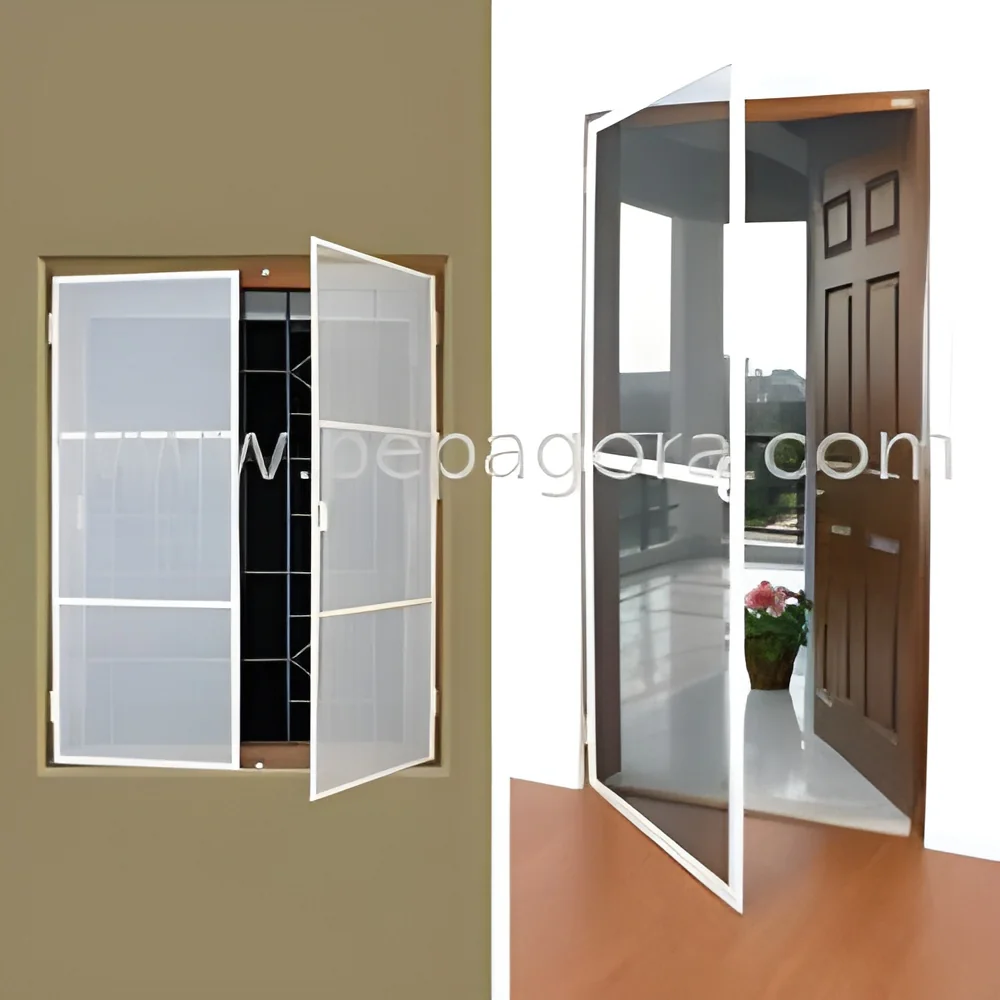
- Available in various frame styles, including fixed, retractable, and sliding
- Allows for easy installation and operation
4. Color Options
- Comes in multiple colors to match different window frames
- Enhances aesthetic appeal while maintaining functionality
5. UV Resistance
- Designed to withstand exposure to sunlight
- Helps prevent degradation and maintains appearance over time
6. Customization Options
- Can be tailored to fit specific window dimensions
- Offers flexibility for unique architectural needs
7. Installation Method
- Options include adhesive, magnetic, and screw-in installations
- Facilitates easy and quick setup
8. Maintenance Requirements
- Low maintenance with easy cleaning options
- Ensures longevity and continued effectiveness
In summary, these features and specifications make window mosquito screens a versatile and practical solution for insect control in residential and commercial settings.
Common Applications and Use Cases
Window mosquito screens are highly versatile and find applications across various industries.
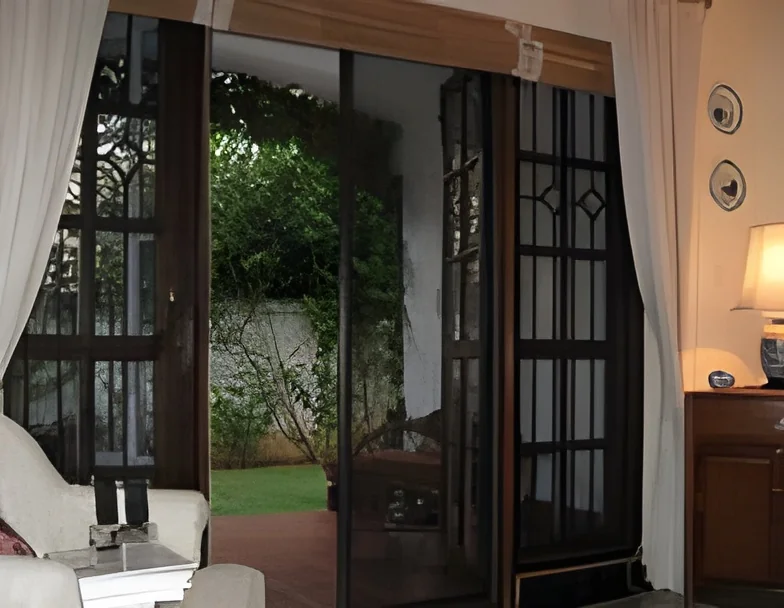
1. Residential Housing: Homeowners use these screens in windows and doors to keep out insects while enjoying natural ventilation. They are essential for creating a comfortable living environment.
2. Hospitality Sector: Hotels and restaurants install window mosquito screens to enhance guest experience by preventing pests in dining areas and sleeping quarters. This ensures a pleasant atmosphere.
3. Healthcare Facilities: Hospitals and clinics utilize these screens to maintain hygiene and protect patients from insect-borne diseases. They are crucial in areas where health is a priority.
4. Food Processing: Facilities in this sector use mosquito screens to comply with health regulations, preventing contamination from pests during production and storage.
5. Agricultural Settings: Greenhouses and farms deploy these screens to protect crops from harmful insects while allowing beneficial pollinators to access the plants.
6. Office Buildings: Many businesses install window screens to improve employee comfort and productivity by reducing the presence of insects in workspaces.
7. Educational Institutions: Schools and universities benefit from these screens by ensuring a conducive learning environment free from distractions caused by pests.
Product Variants and Subcategories
Window mosquito screens are available in various types to meet different requirements and preferences.
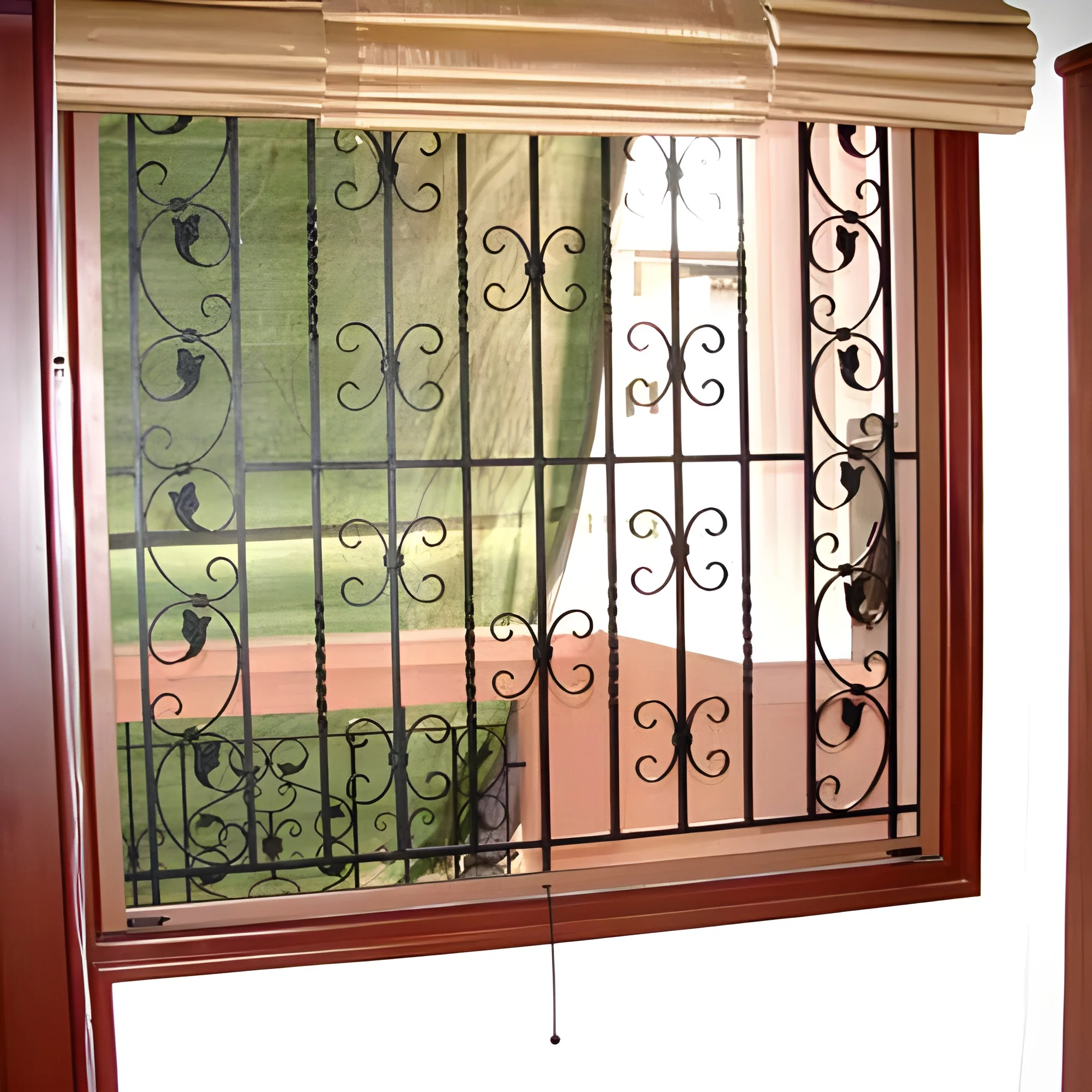
Fixed Window Screens: These are the most common type, providing a permanent barrier against insects. They are easy to install and maintain, making them ideal for residential use.
Retractable Window Screens: These screens can be rolled up or down as needed, offering flexibility and convenience. They are suitable for spaces where full-time coverage is not required.
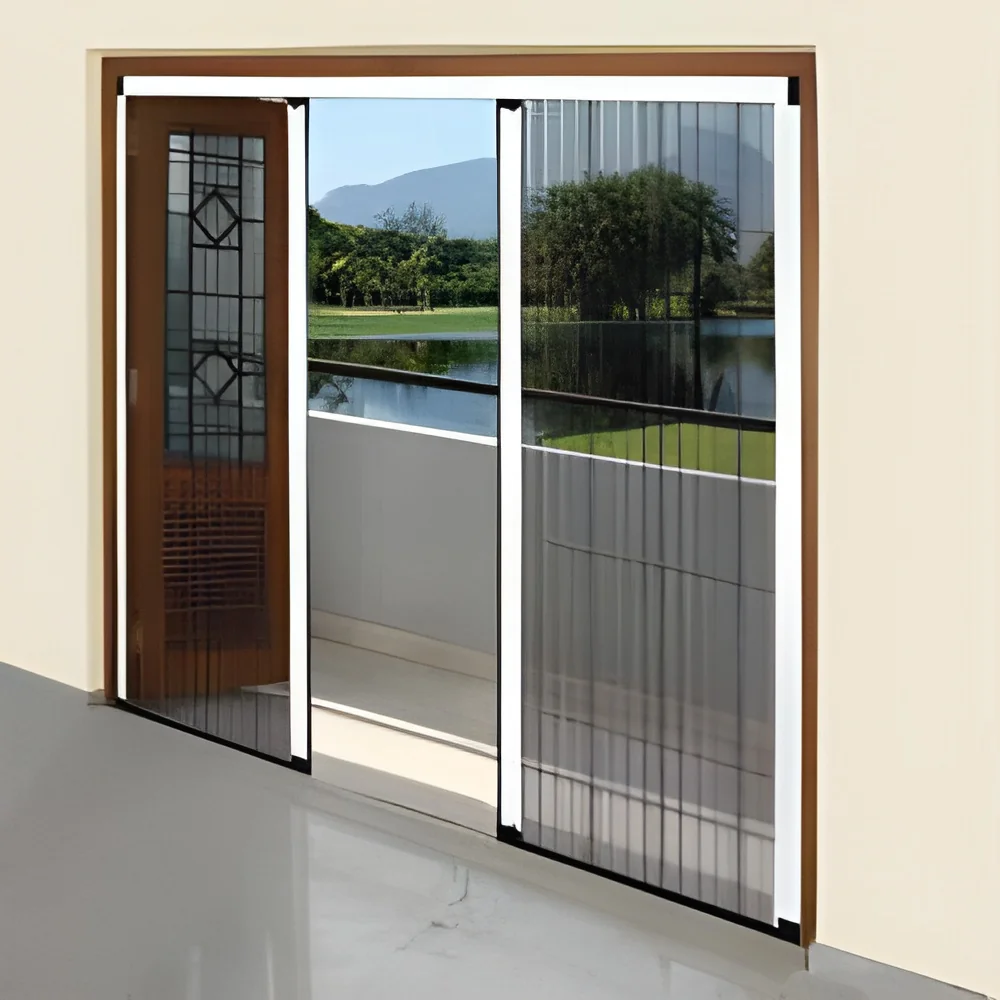
Sliding Window Screens: Designed for sliding windows, these screens move horizontally to allow easy access while still providing insect protection. They are popular in modern homes and apartments.
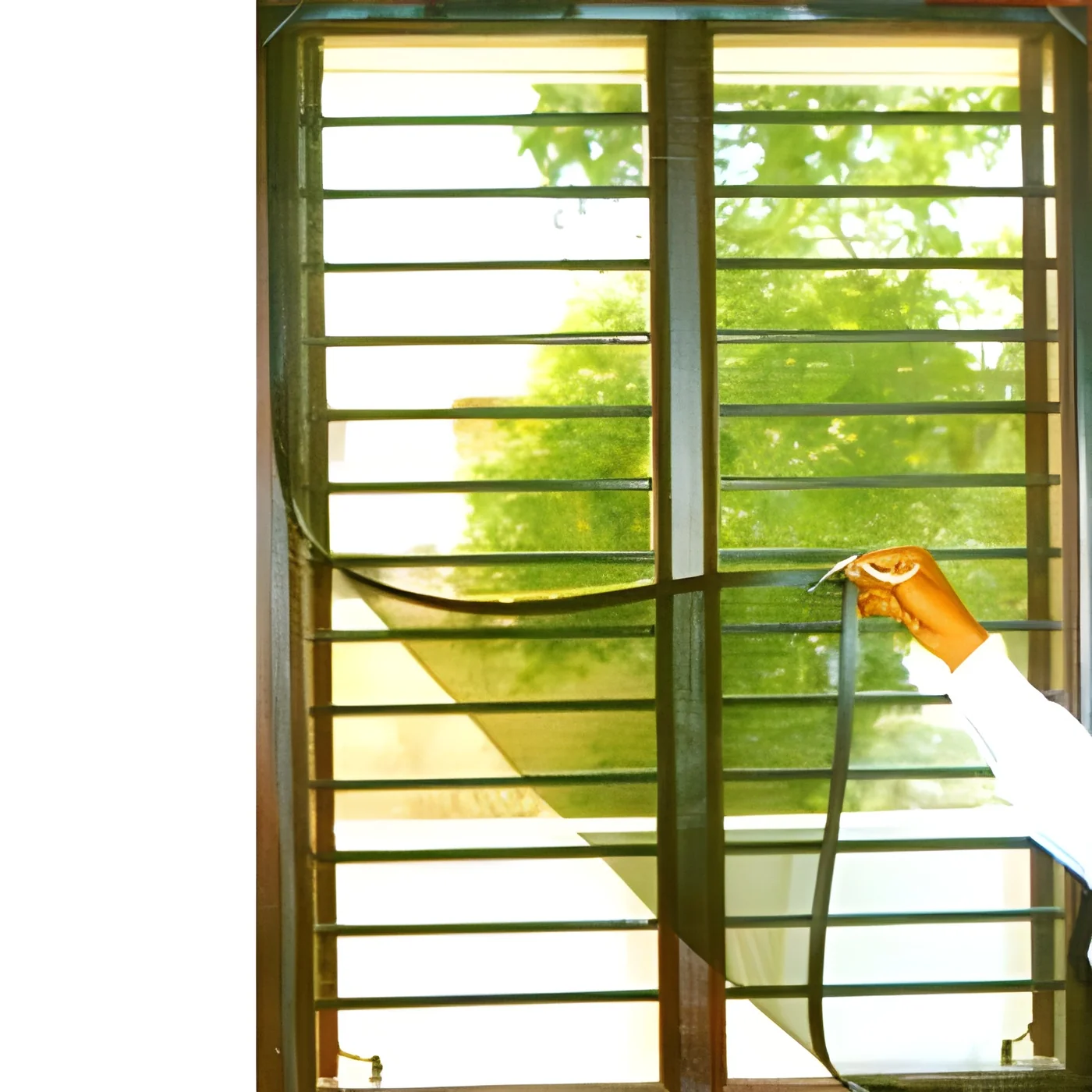
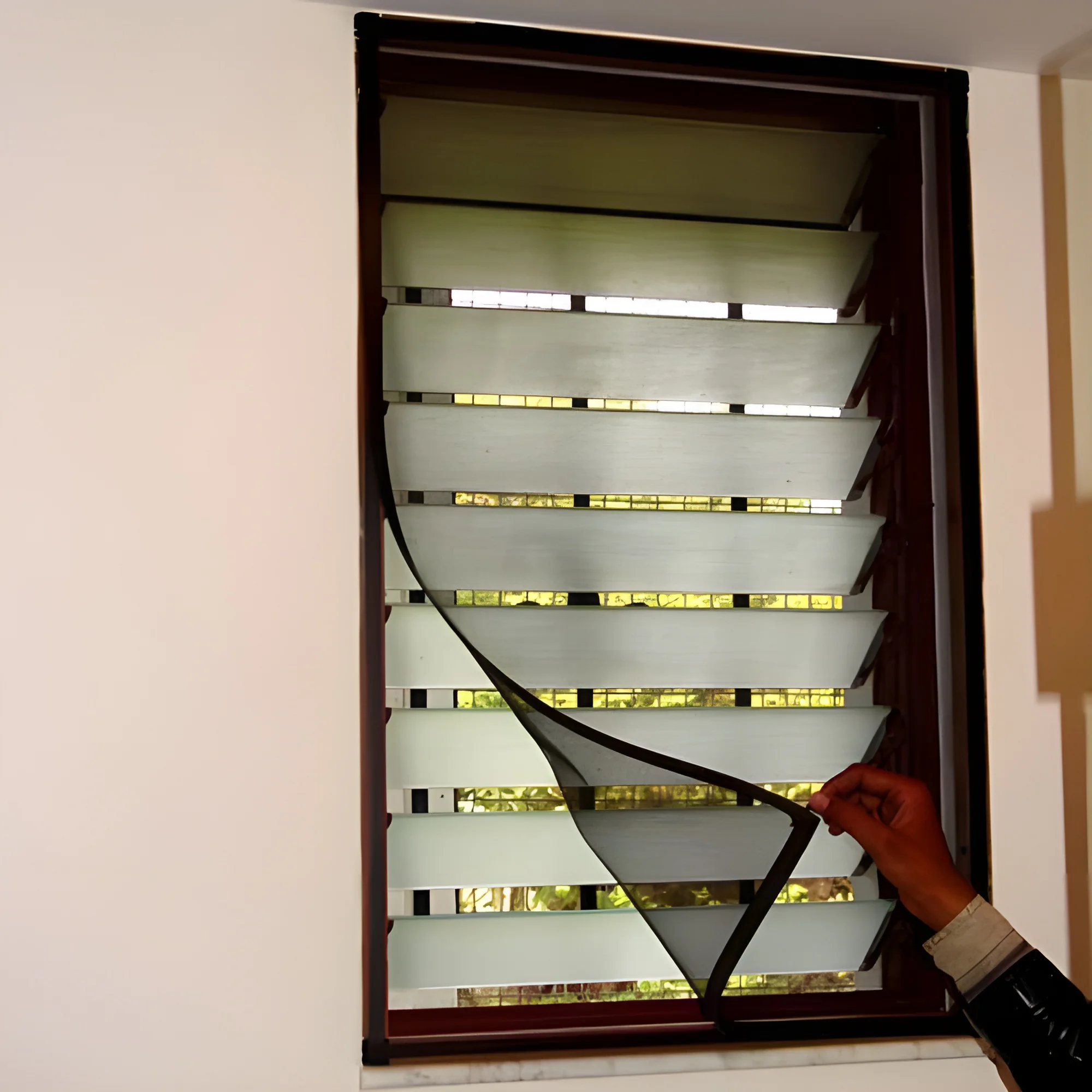
Magnetic Window Screens: These screens use magnetic strips for easy installation and removal. They are user-friendly and can be quickly adjusted, making them ideal for temporary setups.
Benefits and Advantages
Investing in window mosquito screens provides several key benefits to businesses and homeowners alike.
1. Insect Protection: These screens effectively keep out mosquitoes and other pests, ensuring a comfortable and safe environment for occupants.
2. Improved Ventilation: By allowing fresh air to flow in while keeping insects out, window screens enhance indoor air quality, promoting a healthier living and working space.
3. Cost-Effective Solution: Compared to chemical insecticides, window screens are a one-time investment that requires minimal maintenance, making them a cost-effective choice for long-term insect control.
4. Aesthetic Appeal: Available in various colors and styles, these screens can complement the appearance of buildings, enhancing overall aesthetics without compromising functionality.
5. Easy Installation: Many window mosquito screens come with user-friendly installation methods, allowing for quick setup without the need for professional assistance.
6. Eco-Friendly Option: Unlike chemical repellents, window screens are a sustainable solution that does not harm the environment, making them a responsible choice for insect control.
Buying Guide for B2B Buyers
When sourcing window mosquito screens for commercial or industrial applications, buyers should consider several important factors.
1. Quality Assessment: Evaluate the material, mesh size, and overall construction of the screens. High-quality products ensure durability and effective insect protection.
2. Supplier Verification: Conduct thorough research on potential suppliers. Look for verified manufacturers with a solid reputation in the industry to ensure reliable sourcing.
3. Pricing and MOQ: Understand the pricing structure and minimum order quantities (MOQ) required by suppliers. This helps in budgeting and ensures that the procurement process meets business needs.
4. Delivery and Lead Times: Discuss logistics with suppliers to determine lead times for delivery. Timely delivery is crucial in maintaining project schedules and meeting business demands.
5. Compliance Requirements: Ensure that the selected window mosquito screens adhere to relevant industry standards and regulations. This includes safety certifications and quality compliance to avoid legal issues.
Compliance and Certifications
Window mosquito screens must meet specific compliance and certification standards to ensure quality and safety.
Relevant quality standards such as ISO 9001 focus on maintaining consistent quality management systems in manufacturing processes. This standard helps ensure that products meet customer and regulatory requirements.
Industry certifications, such as CE marking, indicate that the products comply with European safety, health, and environmental protection standards. This certification is crucial for businesses looking to market their products in Europe.
Safety and testing requirements are also essential to consider. Window mosquito screens should undergo rigorous testing to verify their effectiveness against various pests and their durability in different environmental conditions.
Regional compliance considerations may vary. It is important to review local regulations that may affect the use and installation of window mosquito screens, ensuring that products are suitable for the intended market.
Why Source Window Mosquito Screens from Pepagora?
Pepagora provides a trusted platform for sourcing window mosquito screens with numerous key advantages for B2B buyers.
Verified Supplier Network: Pepagora connects businesses with a network of verified suppliers. This ensures that buyers can trust the quality and reliability of the products they source.
Streamlined RFQ Process: The Request for Quotation (RFQ) system simplifies the procurement process. Buyers can easily compare quotes from multiple suppliers, helping them make informed purchasing decisions.
Trade Assurance and Support: Pepagora offers trade assurance, providing buyers with additional protection throughout the transaction. This support builds confidence in the sourcing process and mitigates risks.
Regional Coverage: With a focus on markets in India, the GCC, and Southeast Asia, Pepagora ensures that businesses can access a wide range of products tailored to their regional needs. This geographic reach makes it easier for companies to find the right window mosquito screens for their requirements.

 IN
IN