What are Door Locks (Mortise, Deadbolt, Smart)?
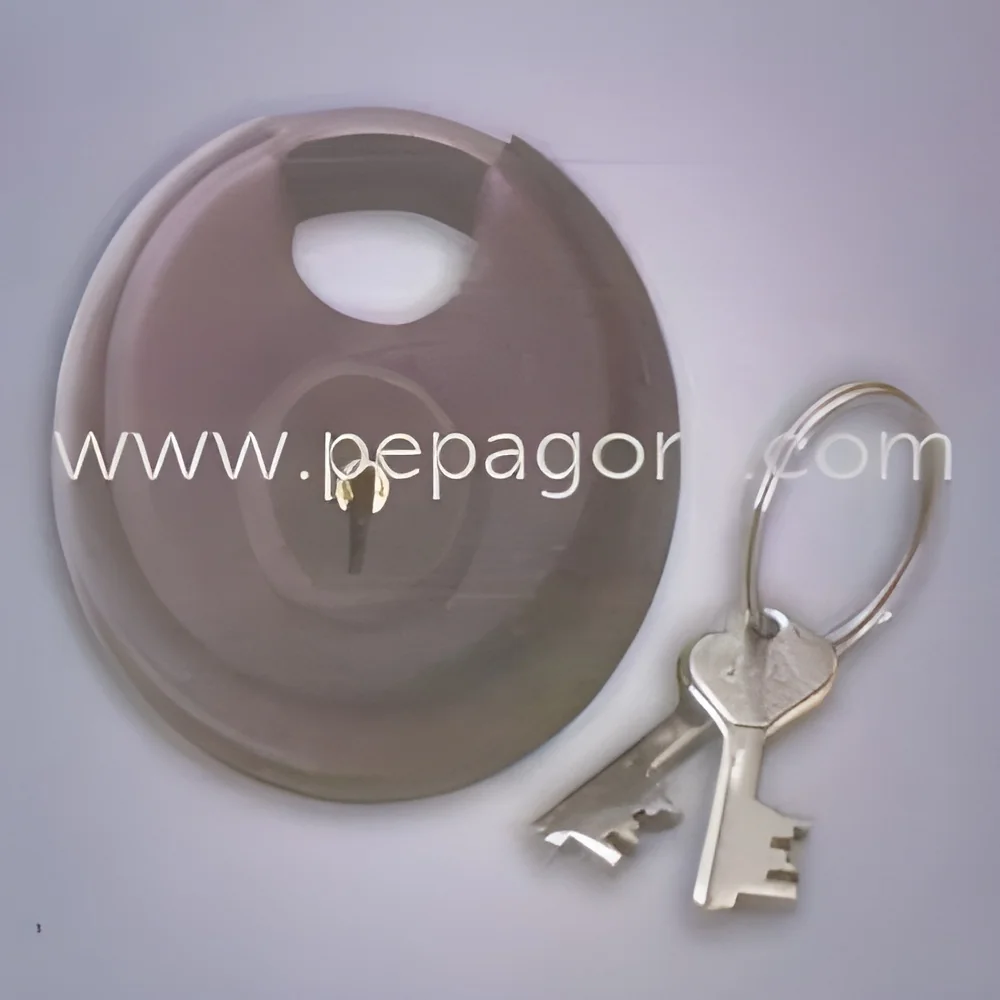
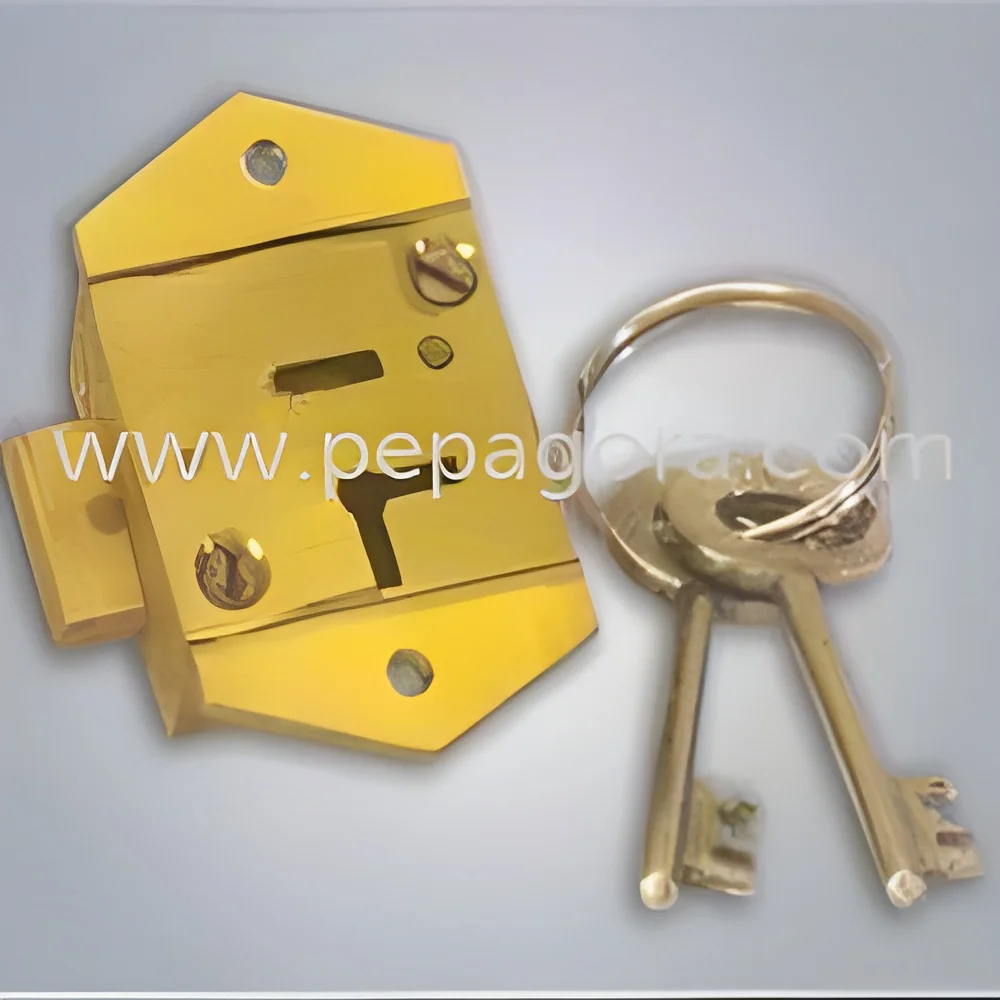
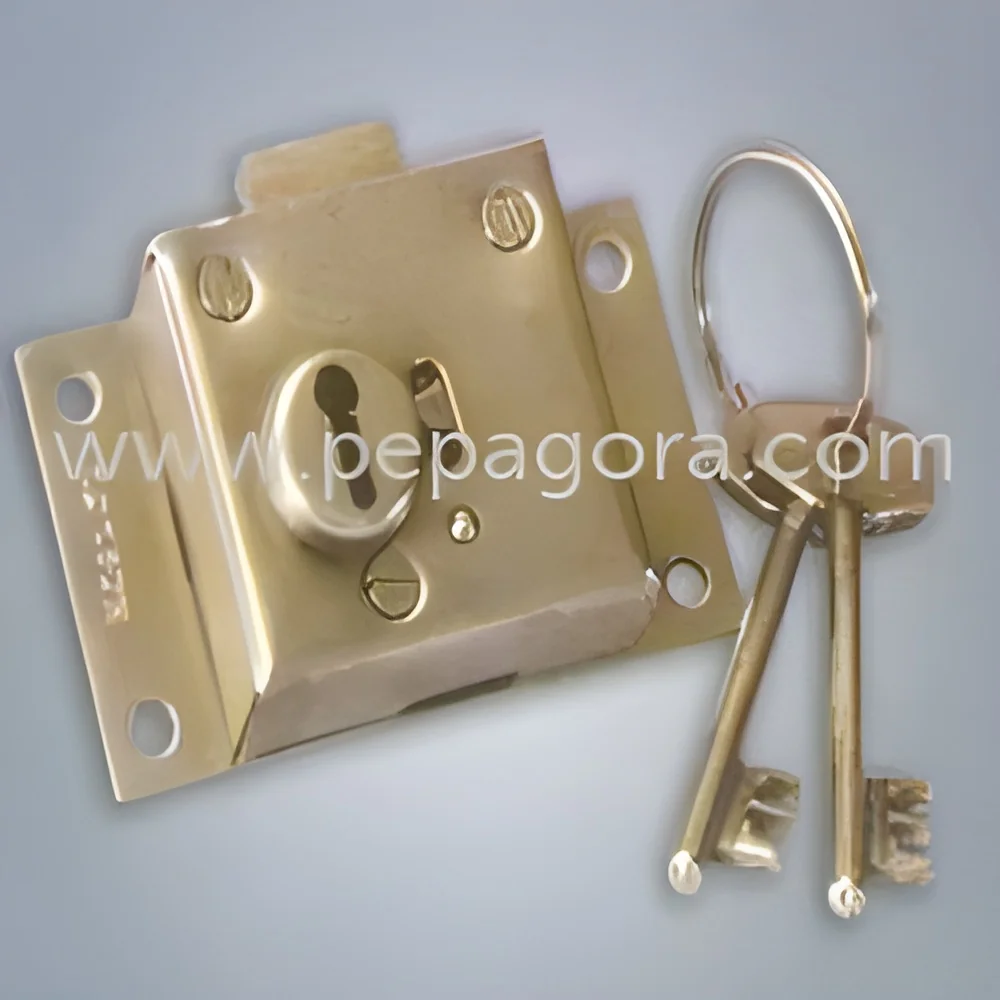
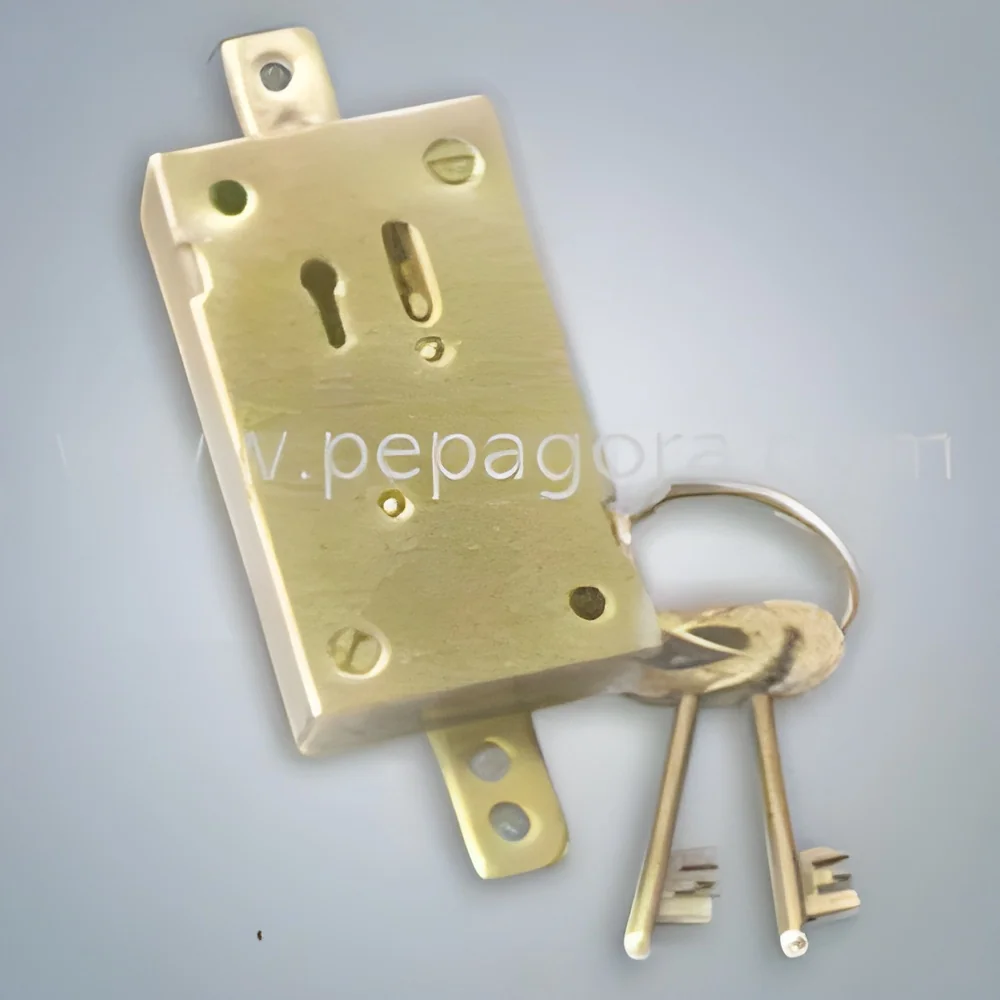
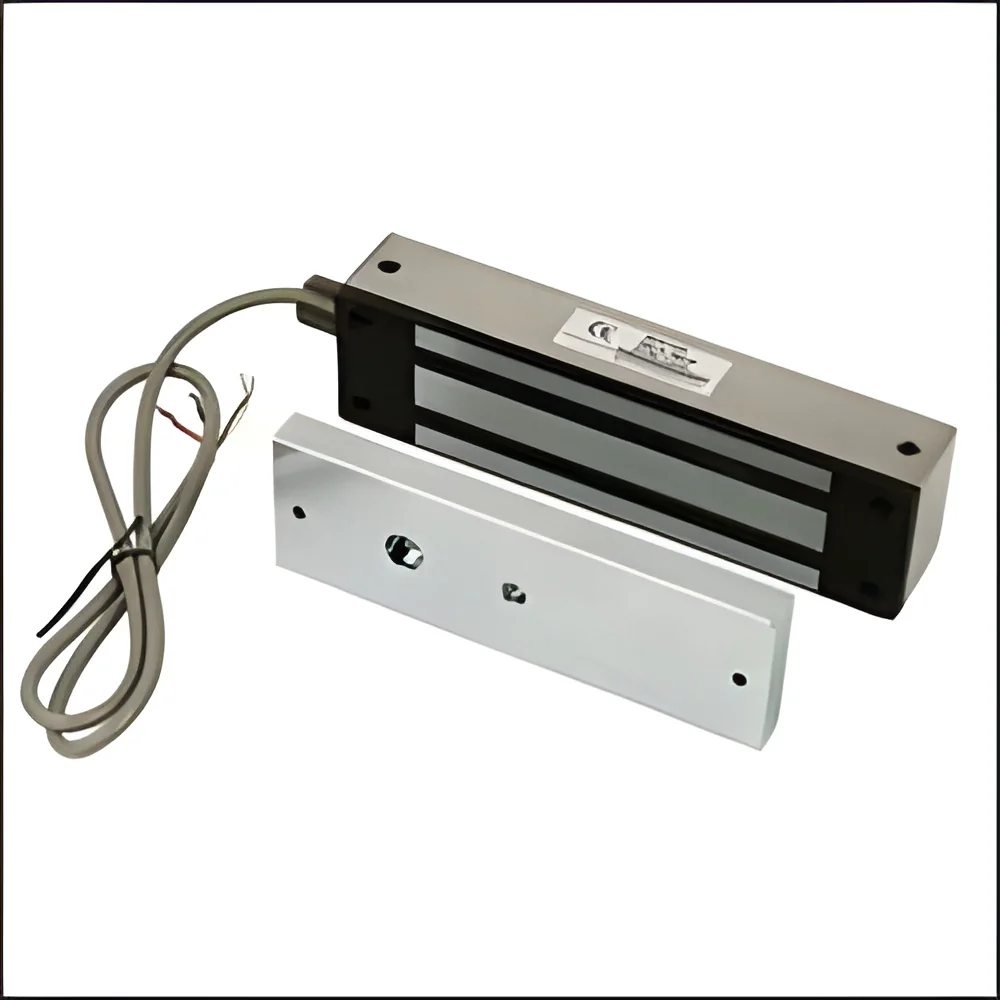
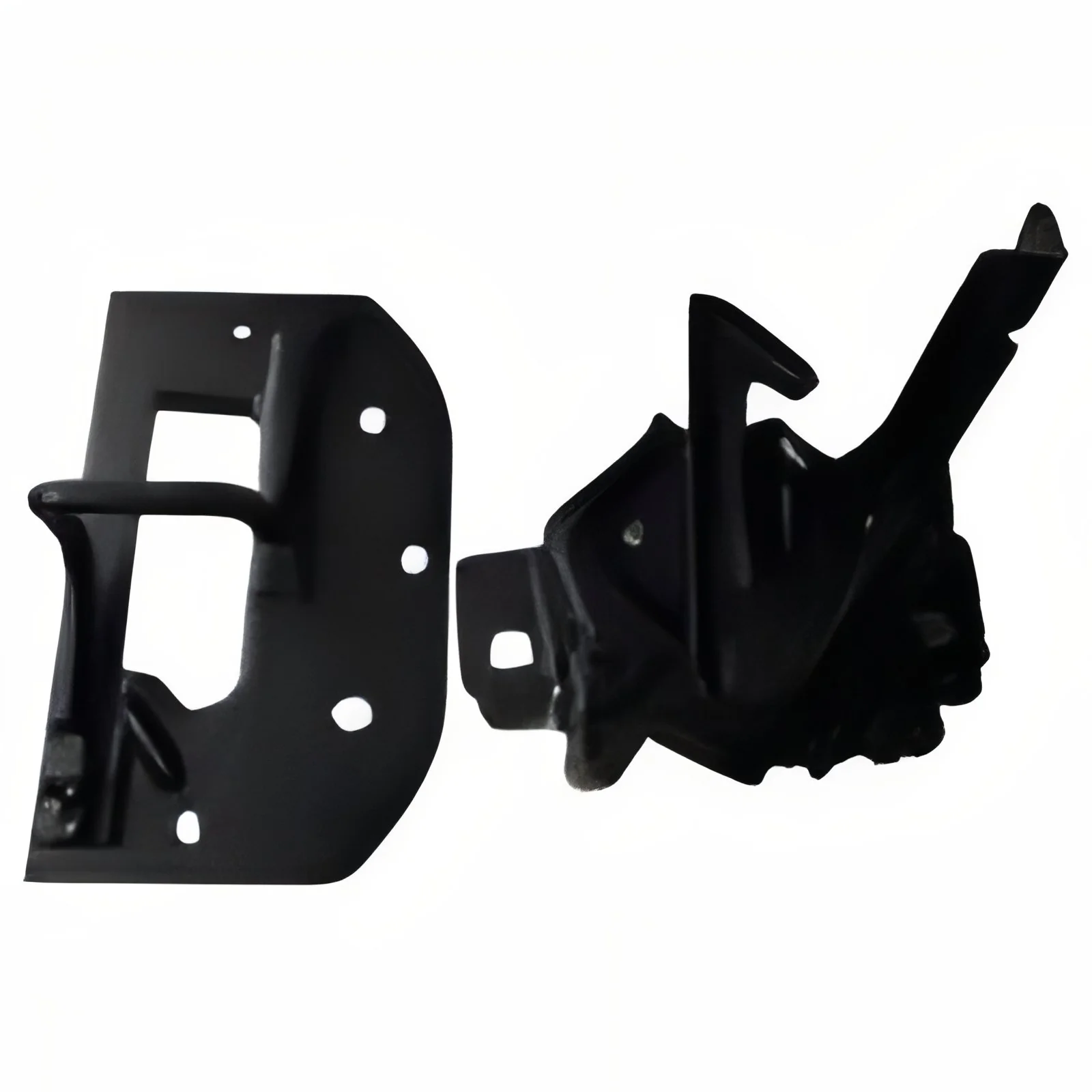
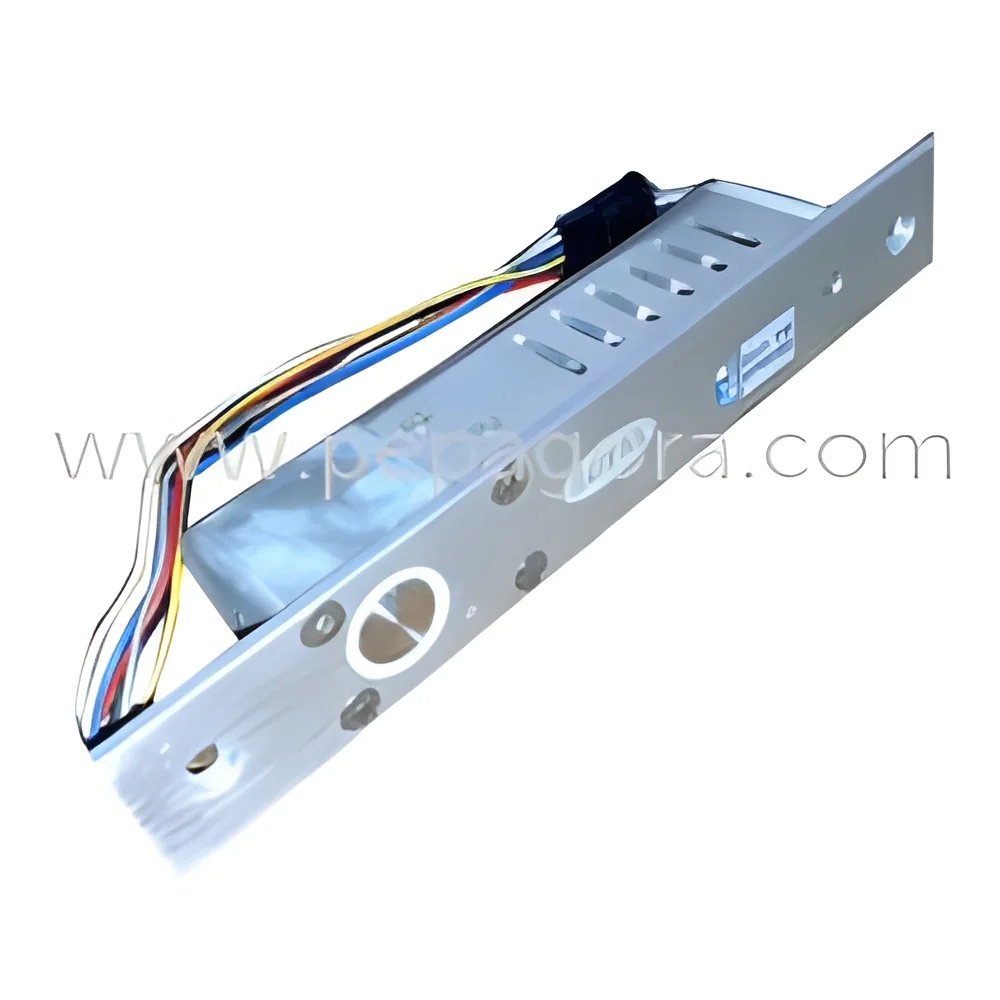
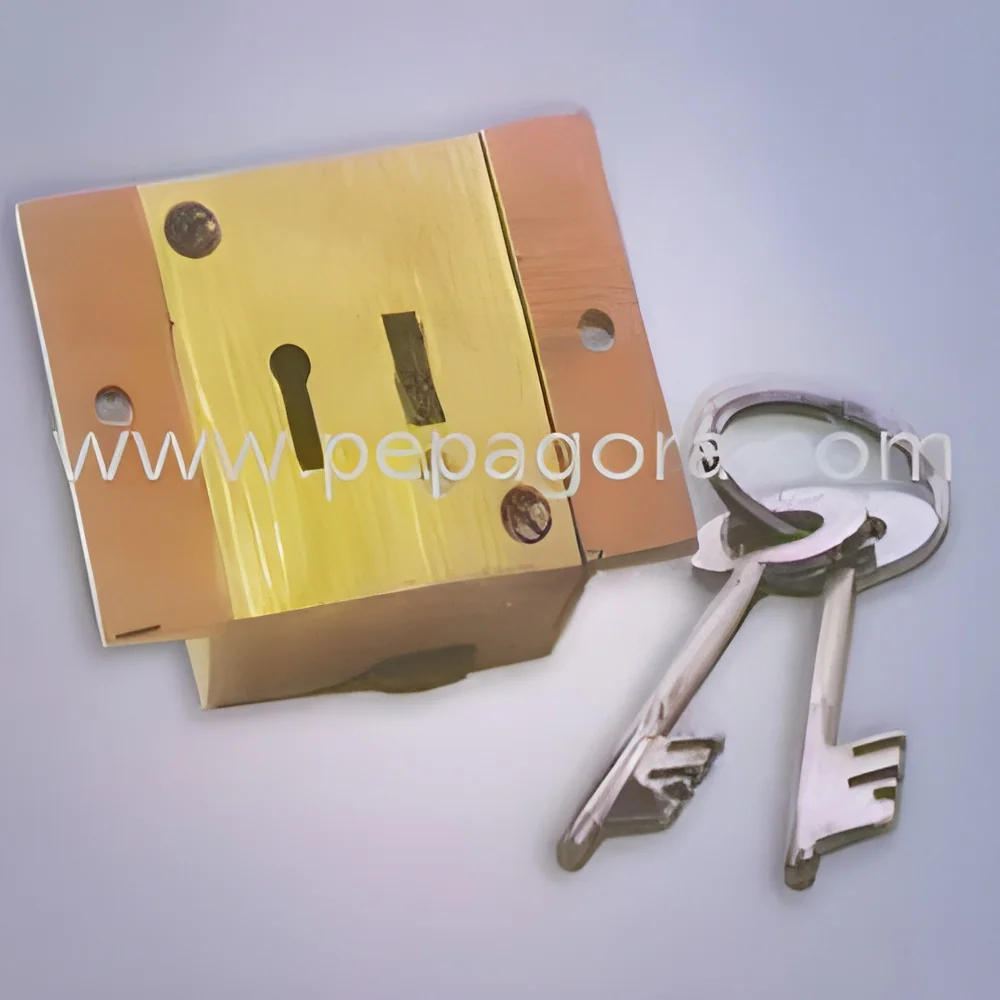
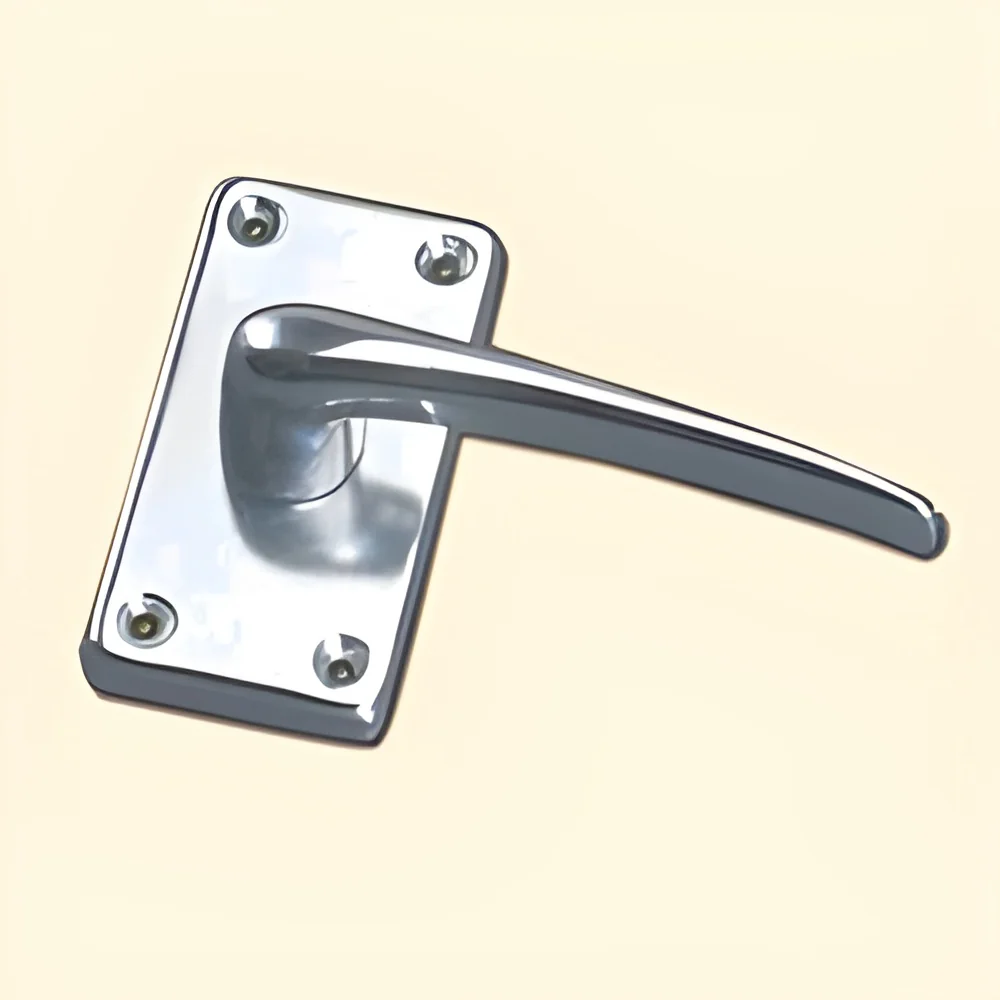
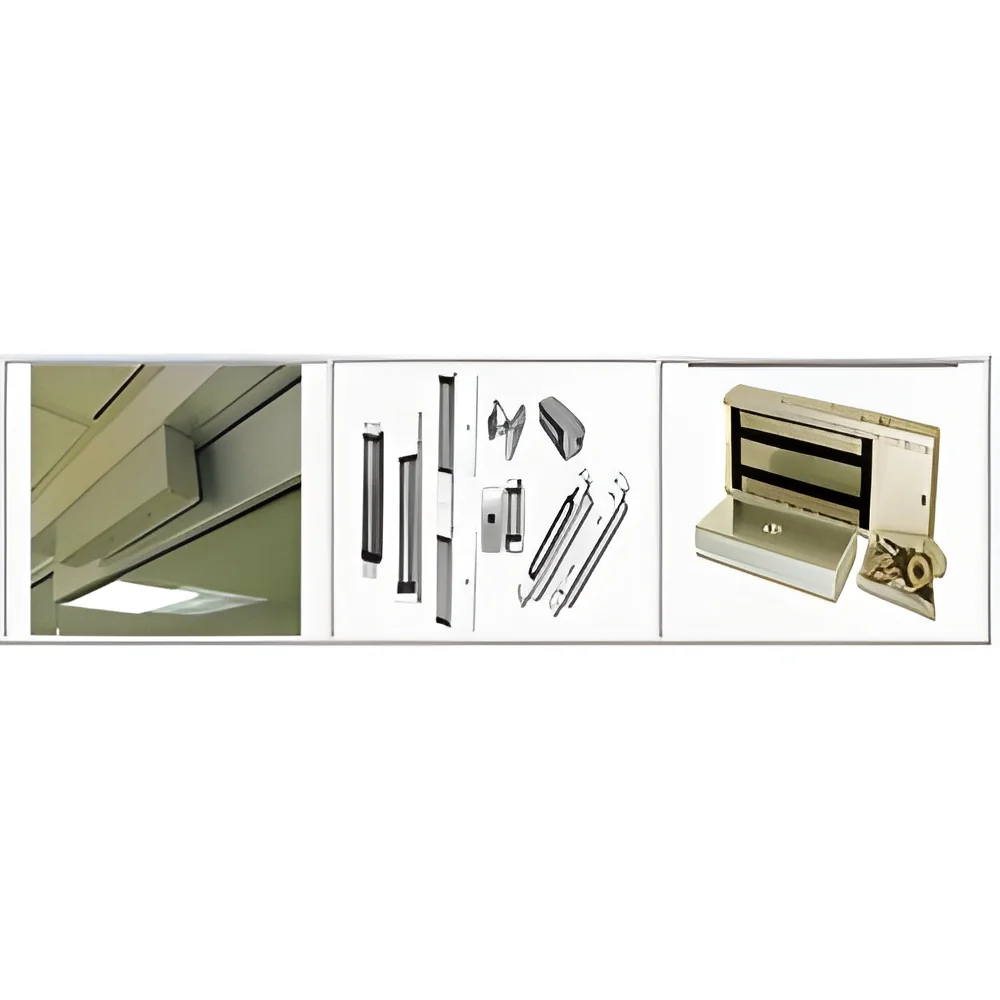
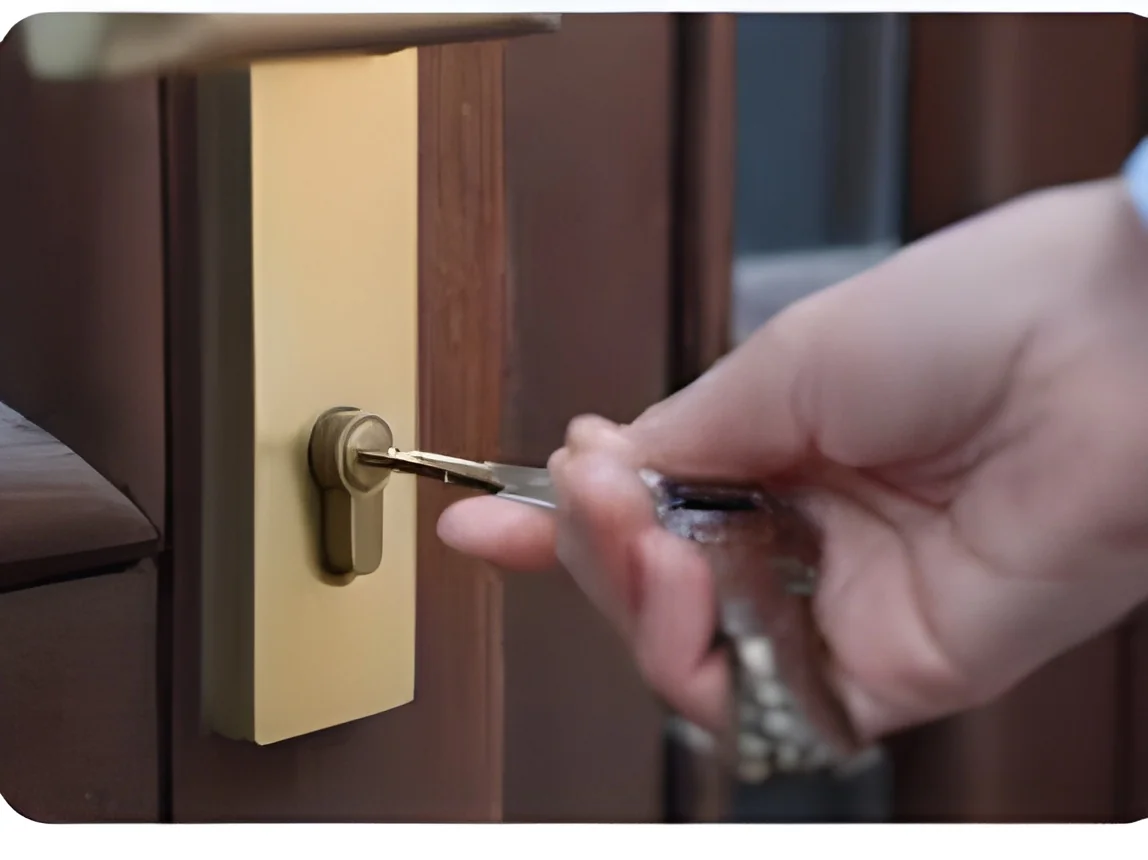
Door locks are essential security devices used to protect properties and ensure safety. They come in various types, including mortise locks, deadbolt locks, and smart locks. Mortise locks are installed into a pocket within the door, offering robust security and durability. Deadbolt locks provide an extra layer of security by engaging a bolt into the door frame, making them difficult to manipulate. Smart locks integrate technology to allow users to control access through mobile devices or keypads, enhancing convenience and security.
These locks are primarily used in residential and commercial buildings to secure entry points such as doors and gates. They serve businesses by providing reliable security measures that protect assets and maintain safety for employees and customers. With an increasing focus on security and technology, the market for door locks has expanded, making it crucial for companies to invest in high-quality locking solutions. The growth of smart technology has also transformed the traditional locking system landscape, encouraging businesses to adopt innovative security solutions.
𝗞𝗲𝘆 𝗙𝗲𝗮𝘁𝘂𝗿𝗲𝘀 𝗮𝗻𝗱 𝗦𝗽𝗲𝗰𝗶𝗳𝗶𝗰𝗮𝘁𝗶𝗼𝗻𝘀
When selecting door locks for industrial applications, it is important to understand their key features and specifications. These specifications help buyers make informed decisions based on their specific security needs.
Key specifications include:
1. Lock Type
- Mortise, deadbolt, and smart locks
- Varying levels of security and application suitability
2. Material
- Typically made from steel, brass, or other durable materials
- Resistance to corrosion and wear
3. Security Ratings
- ANSI/BHMA ratings classify locks based on strength and security
- Ratings range from Grade 1 (highest) to Grade 3 (lowest)
4. Keying Options
- Standard key, master key, or keyless entry
- Customization for specific security needs
5. Installation Method
- Surface-mounted or mortise installation
- Compatibility with different door types
6. Smart Features
- Bluetooth, Wi-Fi connectivity, and mobile app integration
- Remote access control and monitoring capabilities
7. Weather Resistance
- Designed to withstand various environmental conditions
- Suitable for outdoor applications
8. Warranty and Support
- Manufacturer warranties vary by product
- Availability of customer support for installation and maintenance
In summary, understanding these specifications assists businesses in choosing the right door locks that meet their security requirements while ensuring functionality.
𝗖𝗼𝗺𝗺𝗼𝗻 𝗔𝗽𝗽𝗹𝗶𝗰𝗮𝘁𝗶𝗼𝗻𝘀 𝗮𝗻𝗱 𝗨𝘀𝗲 𝗖𝗮𝘀𝗲𝘀
Door locks find numerous applications across various industries, each requiring specific security solutions.
1. Residential: Used in homes to secure entry points and provide peace of mind for families.
2. Commercial: Essential for offices, retail spaces, and warehouses to protect assets and sensitive information.
3. Hospitality: Hotels and resorts use door locks to ensure guest safety and privacy.
4. Healthcare: Hospitals and clinics implement secure locking systems to protect patient information and restrict access to sensitive areas.
5. Education: Schools and universities require robust security measures to ensure the safety of students and staff.
6. Government: Public buildings use high-security locks to protect confidential materials and facilities.
7. Industrial: Manufacturing plants and warehouses utilize heavy-duty locks to safeguard equipment and inventory.
𝗣𝗿𝗼𝗱𝘂𝗰𝘁 𝗩𝗮𝗿𝗶𝗮𝗻𝘁𝘀 𝗮𝗻𝗱 𝗦𝘂𝗯𝗰𝗮𝘁𝗲𝗴𝗼𝗿𝗶𝗲𝘀
The diversity of door locks allows businesses to choose options that best fit their security needs.
Mortise Locks
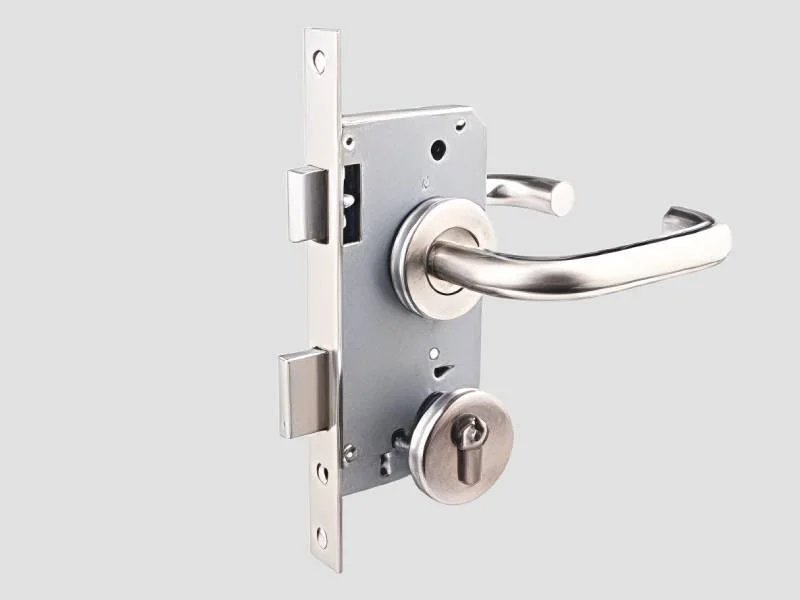
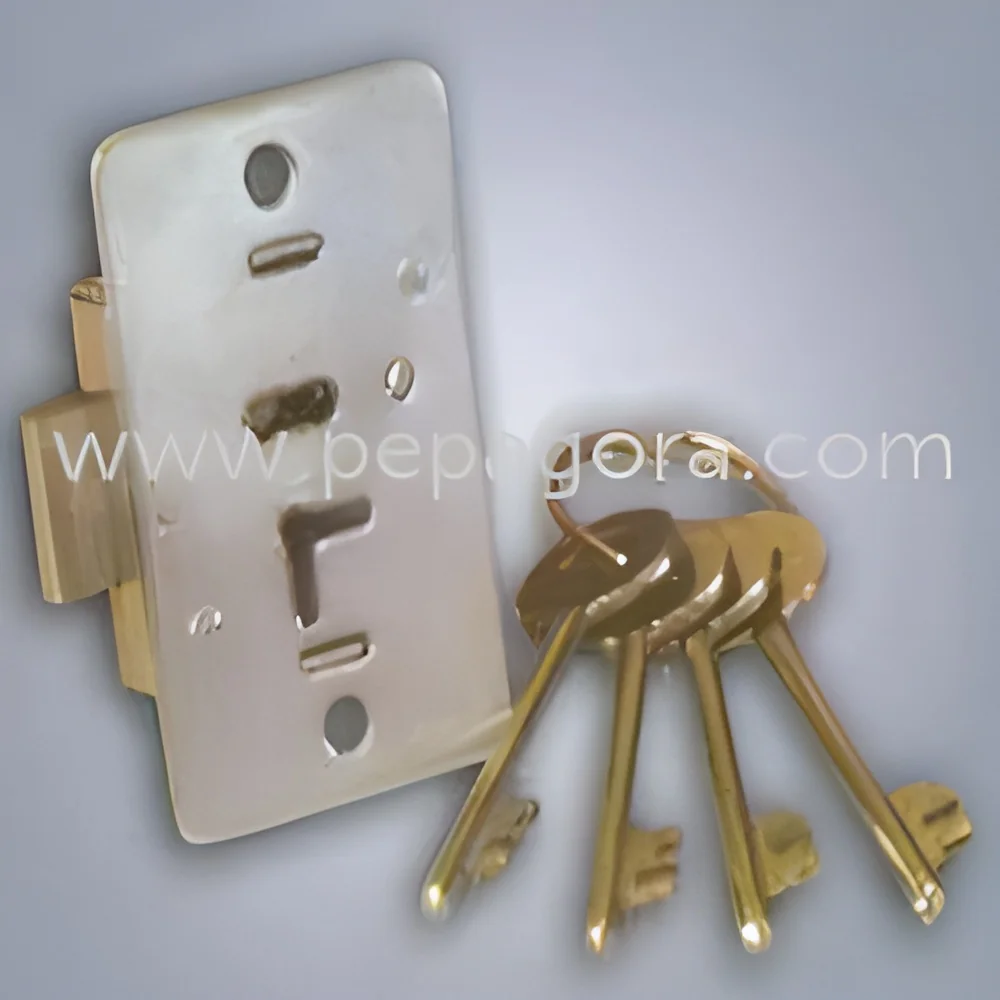
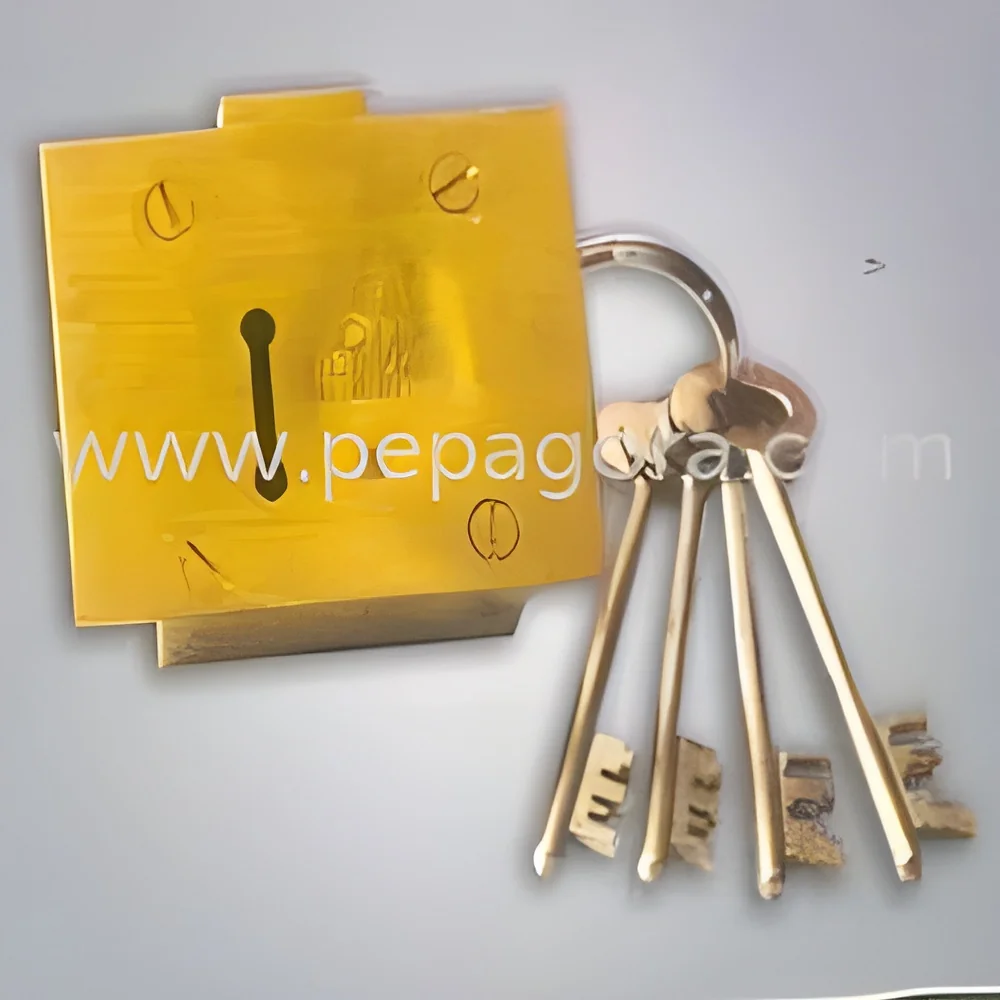
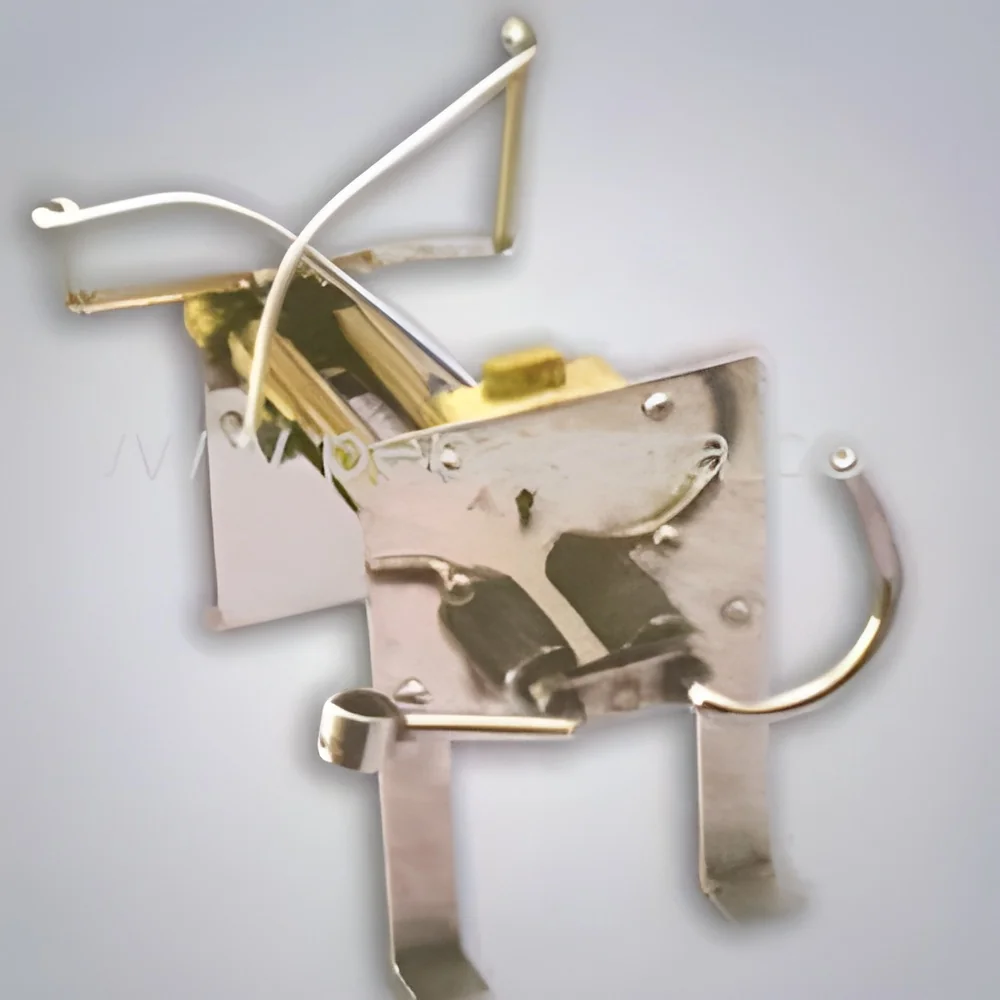
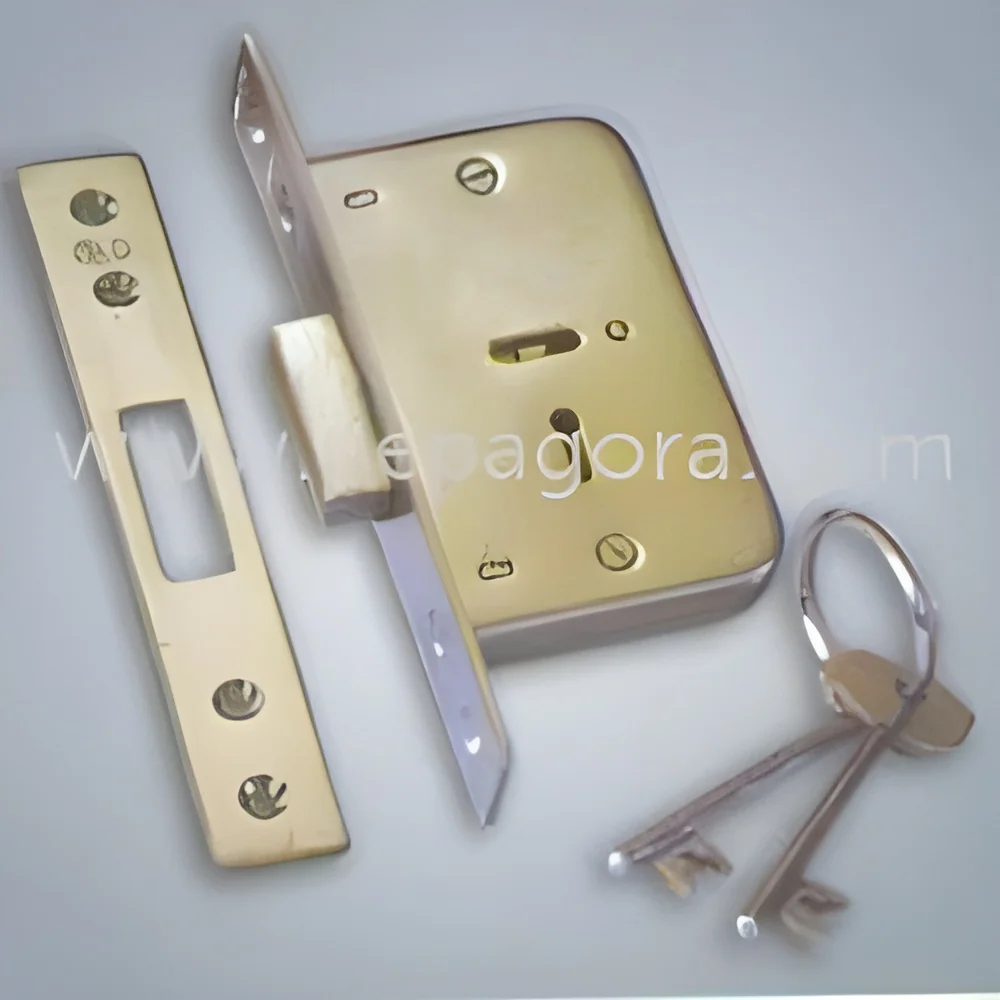
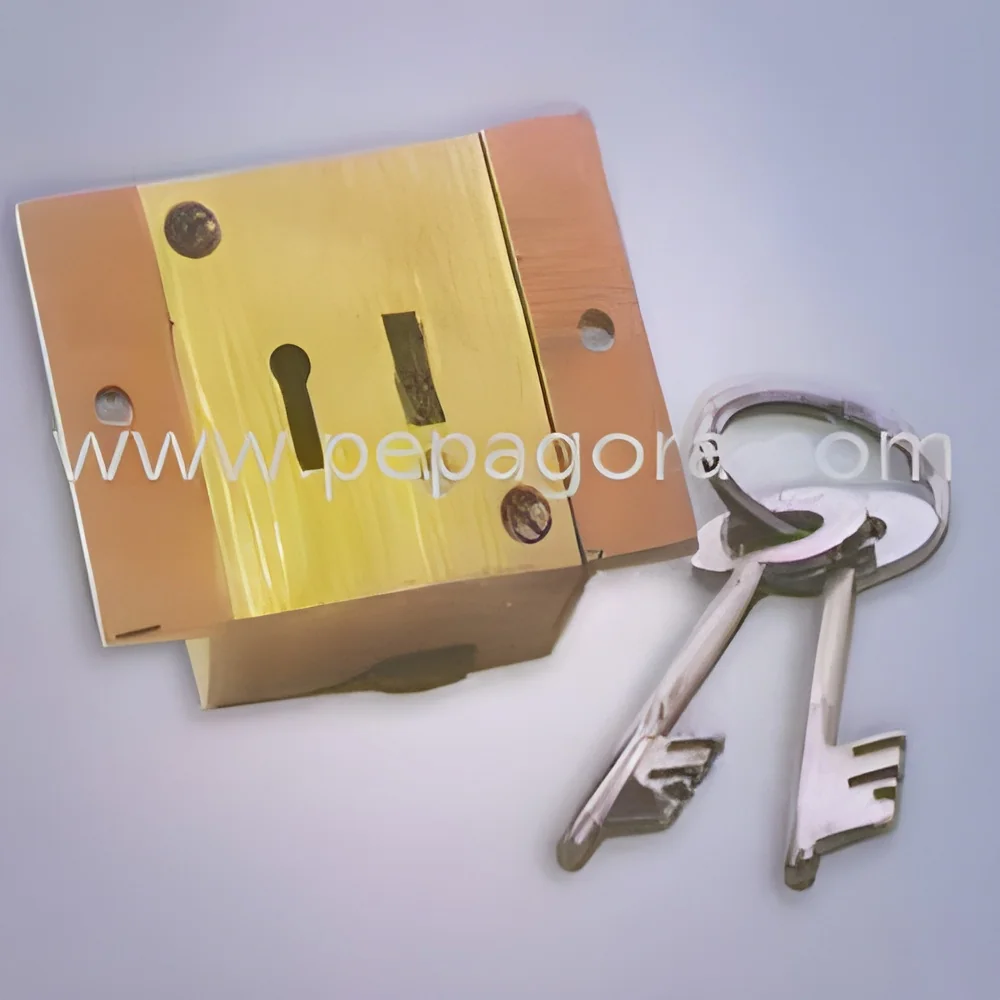
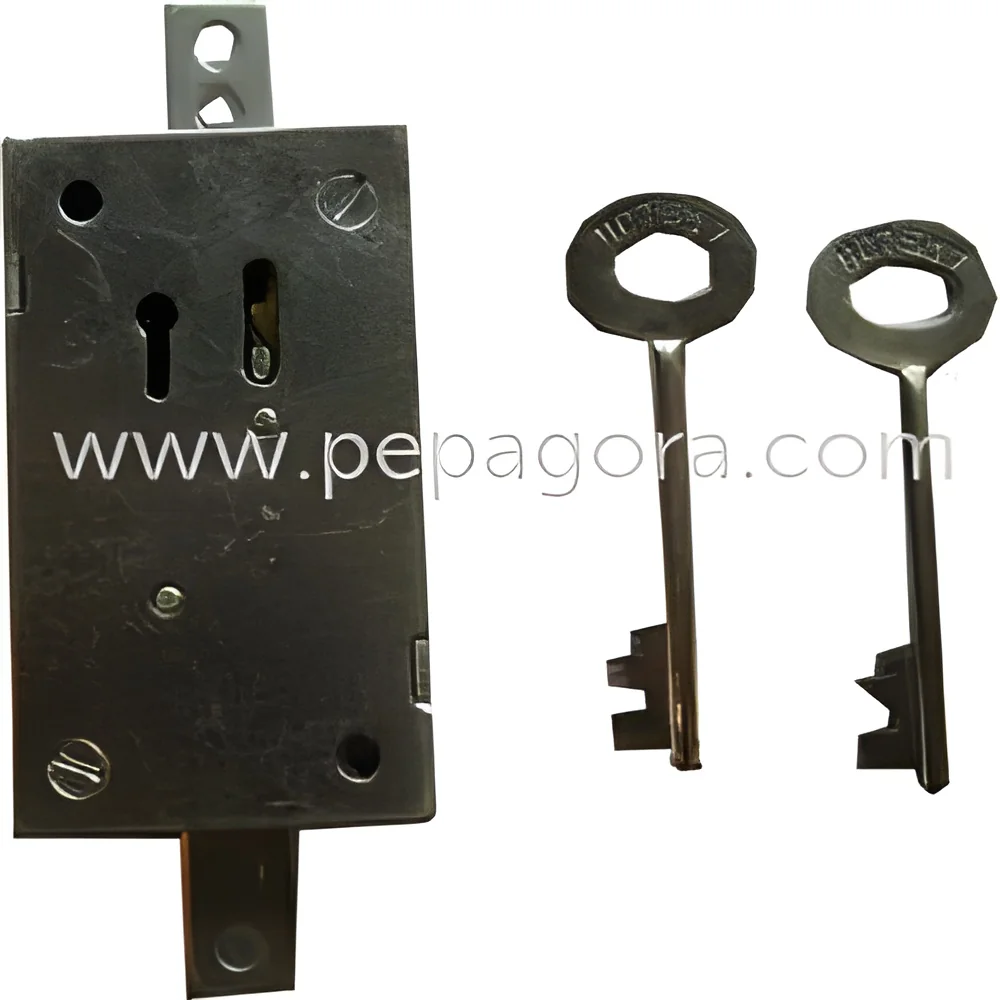
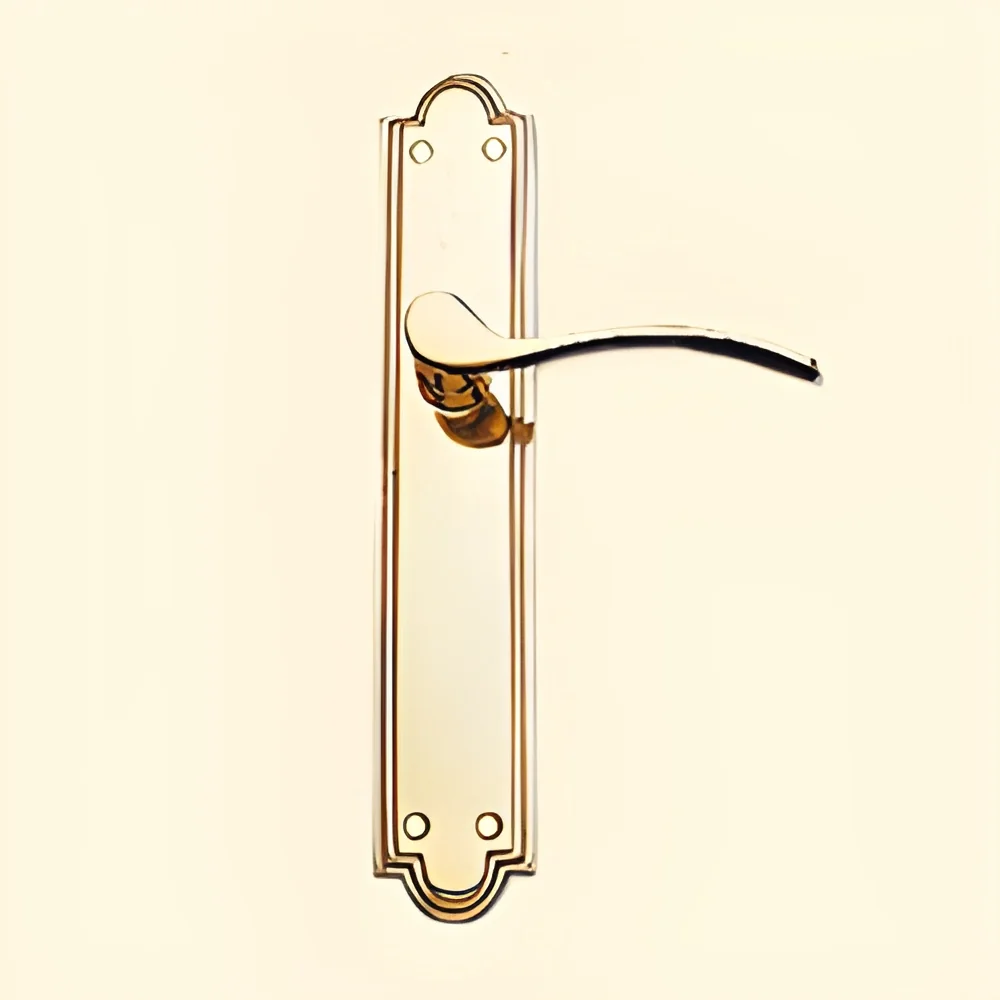
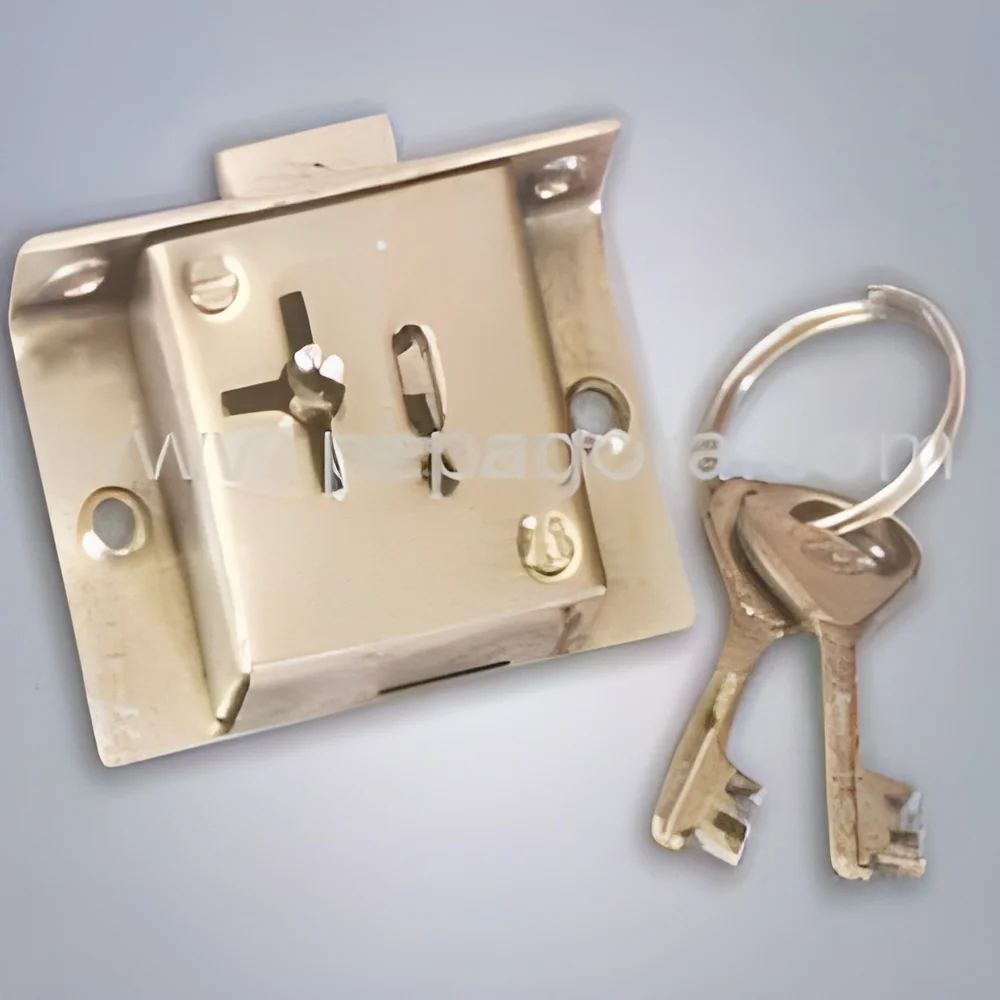
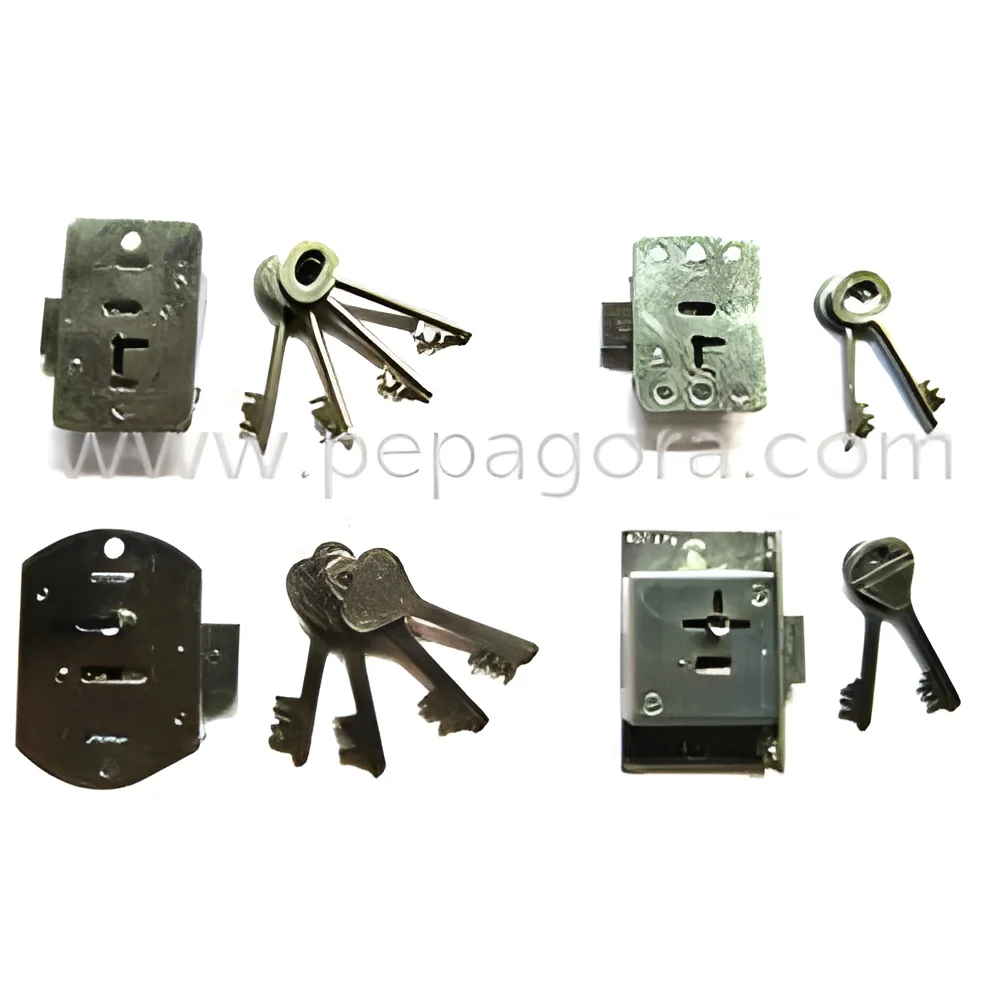
Mortise locks are designed for high-security applications, featuring a complex mechanism that provides enhanced resistance to forced entry. They are suitable for heavy doors and are often used in commercial settings.
Deadbolt Locks
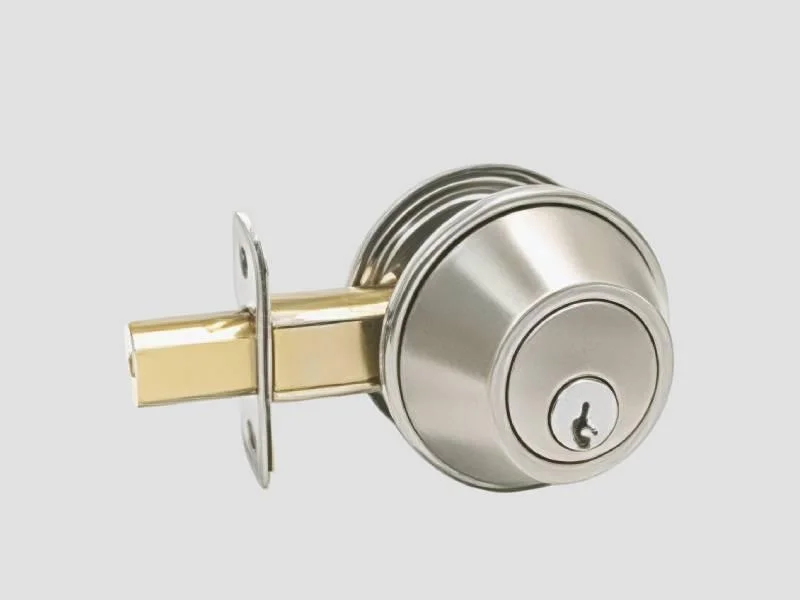
Deadbolt locks are known for their strength and reliability. They offer an additional layer of security compared to standard locks and are commonly used in residential properties and commercial buildings.
Smart Locks
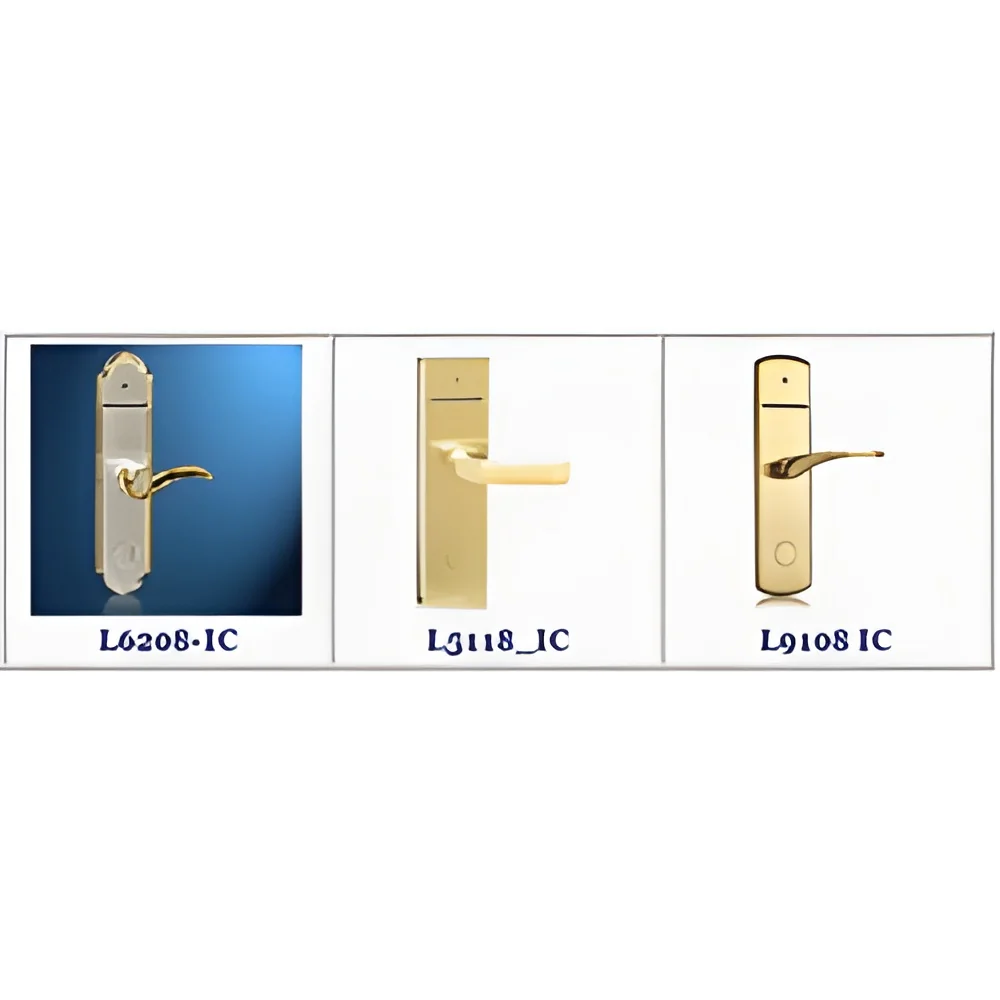
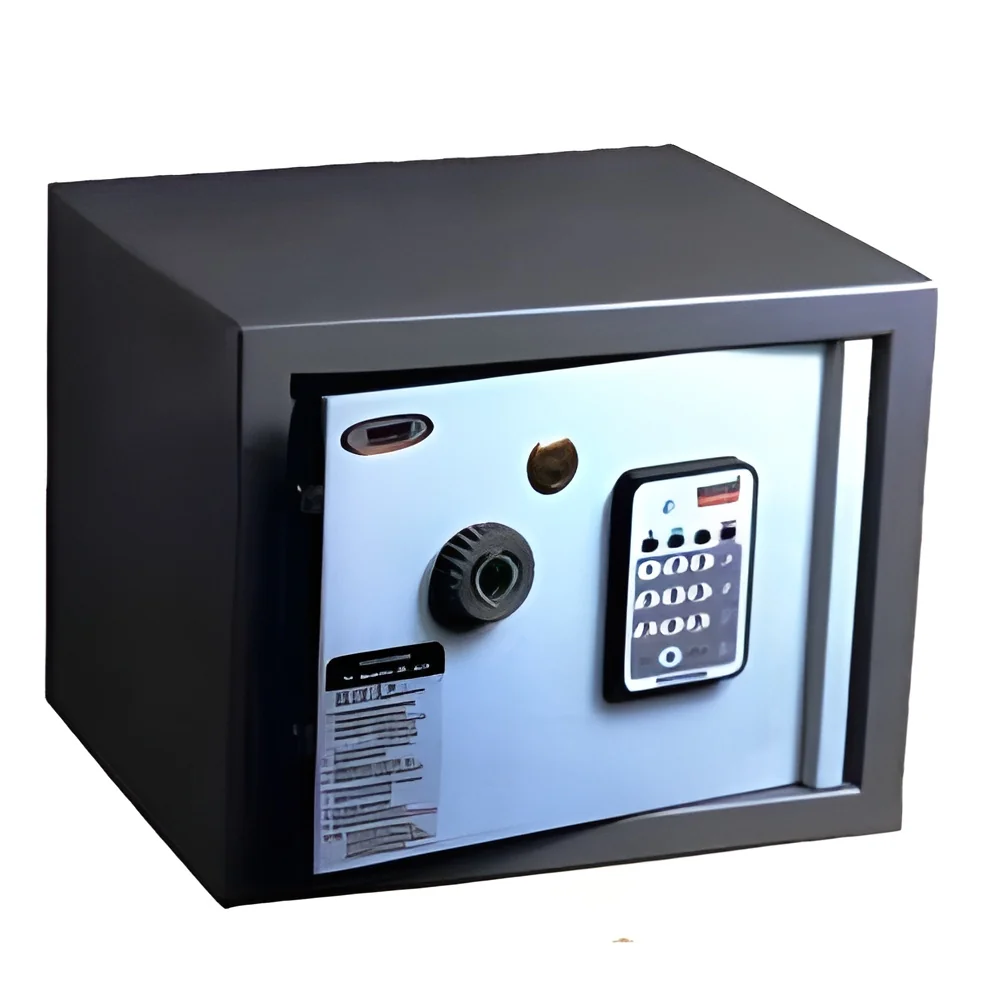
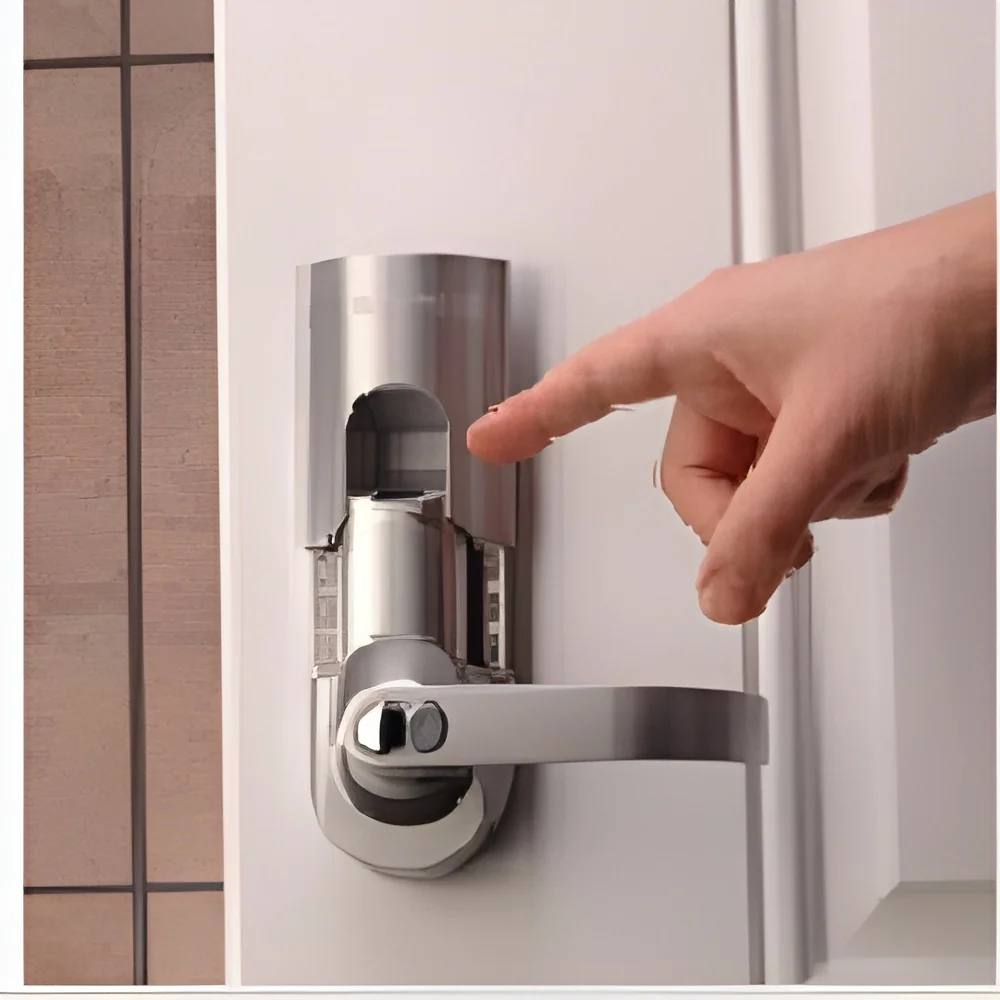
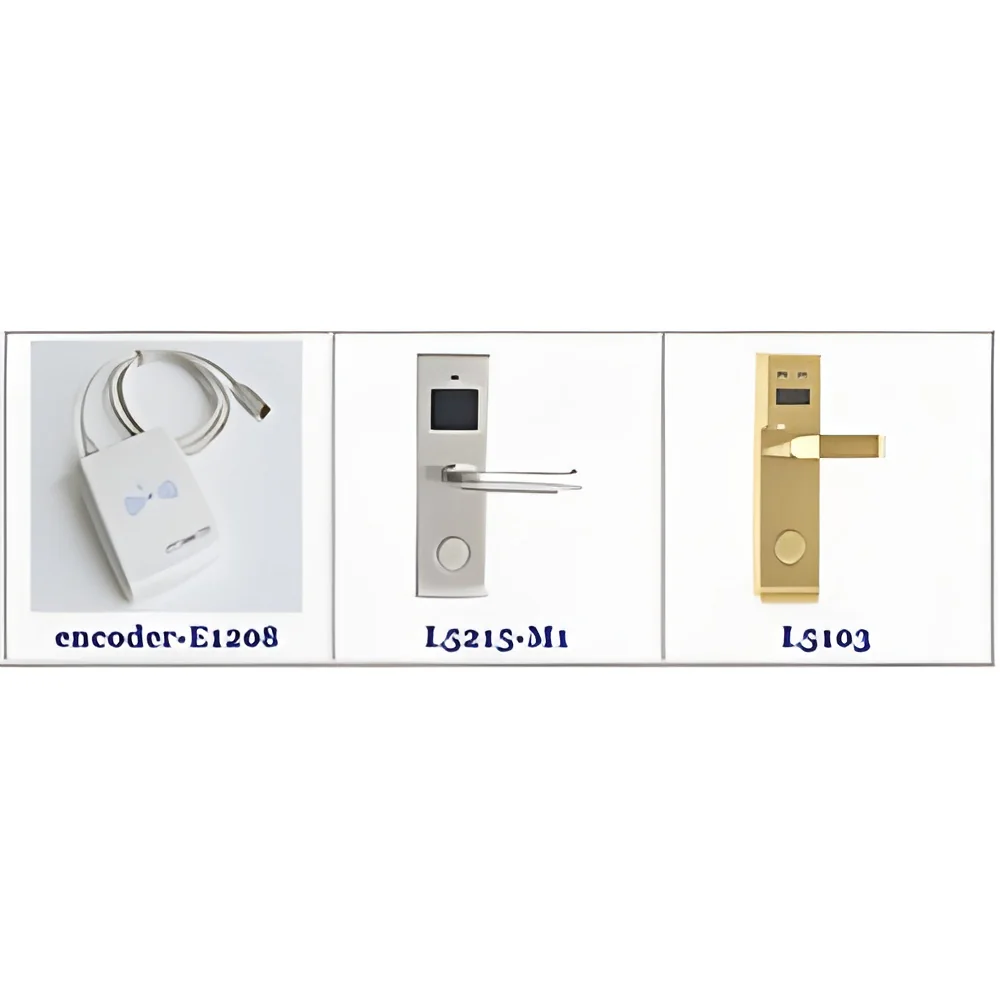
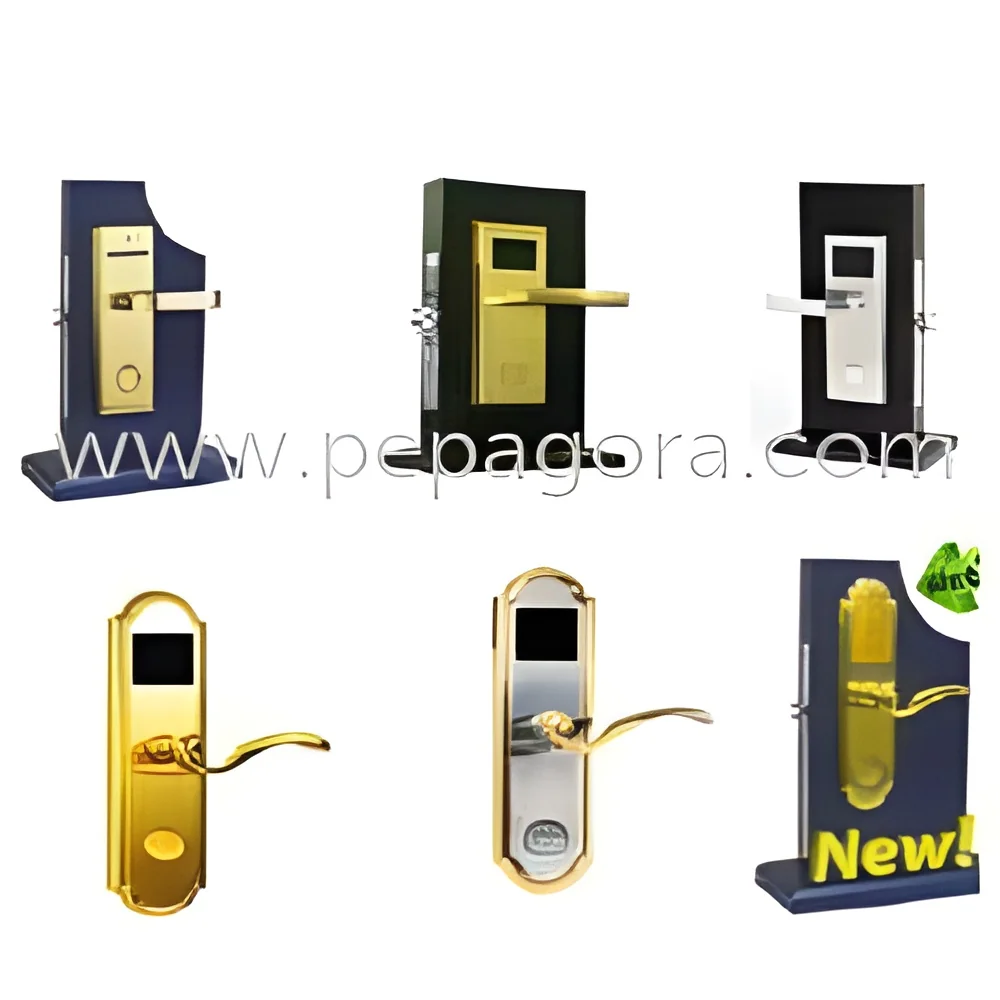
Smart locks combine security with technology, allowing users to control access remotely. These locks often feature keyless entry options, making them ideal for modern businesses looking to enhance security through automation.
𝗕𝗲𝗻𝗲𝗳𝗶𝘁𝘀 𝗮𝗻𝗱 𝗔𝗱𝘃𝗮𝗻𝘁𝗮𝗴𝗲𝘀
Investing in quality door locks offers several advantages for businesses.
1. Enhanced Security: Door locks provide a physical barrier against unauthorized access, protecting assets and personnel.
2. Versatility: Different types of locks can be utilized in various settings, ensuring tailored security solutions for different applications.
3. Convenience: Smart locks offer keyless entry and remote access, simplifying management of access control.
4. Durability: High-quality materials ensure locks withstand wear and tear, reducing the need for frequent replacements.
5. Peace of Mind: Reliable locking systems help businesses feel secure in their environments, fostering a safe workplace.
6. Compliance: Many locks meet industry standards, helping businesses adhere to safety regulations.
𝗕𝘂𝘆𝗶𝗻𝗴 𝗚𝘂𝗶𝗱𝗲 𝗳𝗼𝗿 𝗕𝟮𝗕 𝗕𝘂𝘆𝗲𝗿𝘀
When sourcing door locks, B2B buyers should consider several key factors to ensure they make the right choice.
1. Quality Assessment: Evaluate the materials and construction of the locks. Look for locks that meet recognized standards for durability and security.
2. Supplier Verification: Research potential suppliers to ensure they have a good reputation and can provide reliable products. Check for customer reviews and testimonials.
3. Pricing and MOQ: Understand the pricing structure and minimum order quantities. This helps in budgeting for bulk purchases and ensures cost-effectiveness.
4. Delivery and Lead Times: Inquire about delivery schedules and lead times. Timely delivery is crucial to avoid project delays.
5. Compliance Requirements: Ensure that the locks meet necessary compliance and regulatory standards for your specific industry, such as safety certifications.
𝗖𝗼𝗺𝗽𝗹𝗶𝗮𝗻𝗰𝗲 𝗮𝗻𝗱 𝗖𝗲𝗿𝘁𝗶𝗳𝗶𝗰𝗮𝘁𝗶𝗼𝗻𝘀
Compliance with industry standards is vital for ensuring the quality and safety of door locks. Relevant quality standards include ISO 9001, which focuses on quality management systems, ensuring that products meet customer and regulatory requirements. Additionally, certifications such as CE indicate that the products conform to health, safety, and environmental protection standards within the European Economic Area.
Safety and testing requirements are also crucial for door locks, especially in high-security applications. These requirements often include rigorous testing for durability, resistance to forced entry, and performance under various environmental conditions.
Regional compliance considerations vary, so it is essential for businesses to understand the specific regulations applicable to their location and industry. This knowledge helps in selecting locks that not only meet safety standards but also provide peace of mind to users.
Why Source Door Locks (Mortise, Deadbolt, Smart) from Pepagora?
Pepagora offers a reliable platform for sourcing door locks, featuring several key advantages for B2B buyers.
Verified Supplier Network: Pepagora connects businesses with a network of verified suppliers, ensuring quality products and trustworthy transactions. This verification process helps buyers feel confident in their purchasing decisions.
Streamlined RFQ Process: The Request for Quotation (RFQ) process at Pepagora is designed to be user-friendly, allowing buyers to quickly obtain pricing and product information from multiple suppliers. This efficiency saves time and facilitates better decision-making.
Trade Assurance and Support: Pepagora provides trade assurance, protecting buyers from potential issues in their transactions. The platform also offers dedicated support to assist with any questions or challenges during the purchasing process.
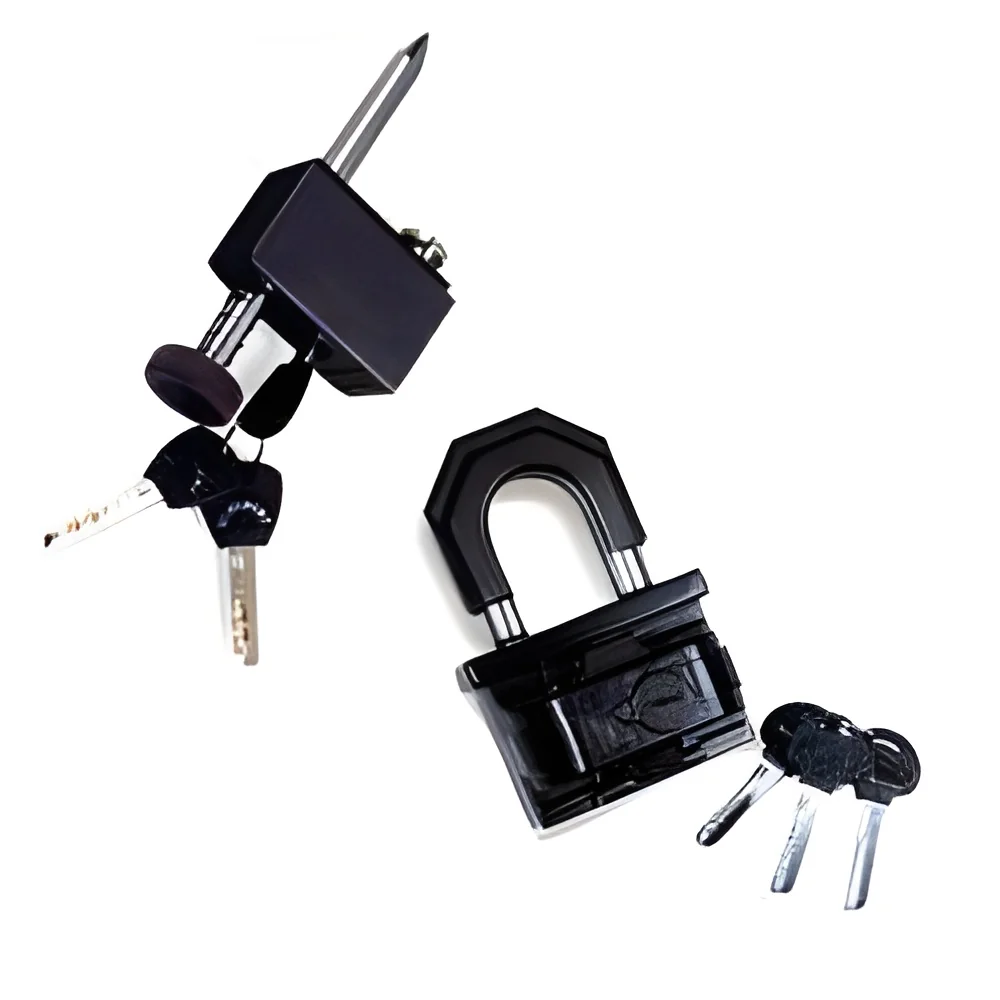
Regional Coverage: With a broad geographic reach across India, the GCC, and Southeast Asia, Pepagora enables businesses to source door locks tailored to their specific regional needs. This accessibility enhances convenience for buyers looking to streamline their procurement processes.