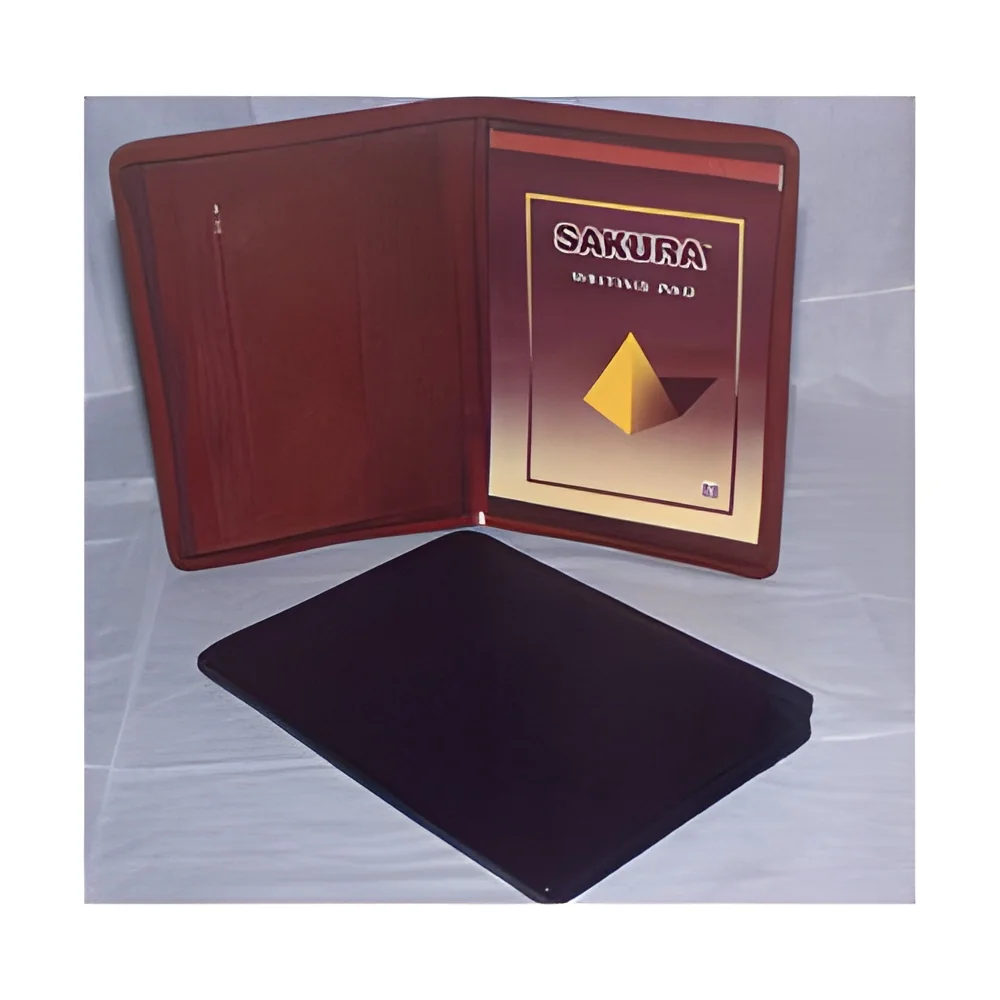
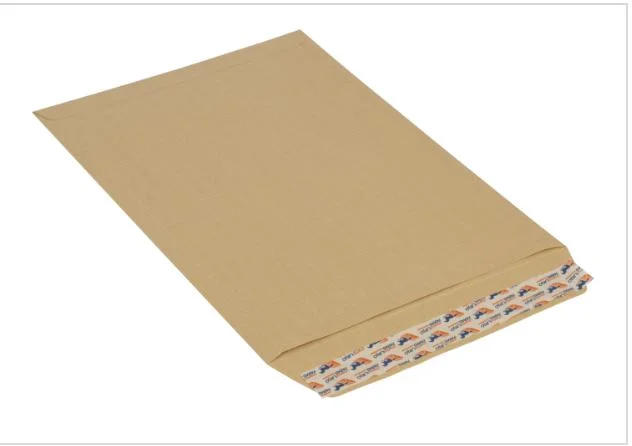
What are Document Holders?
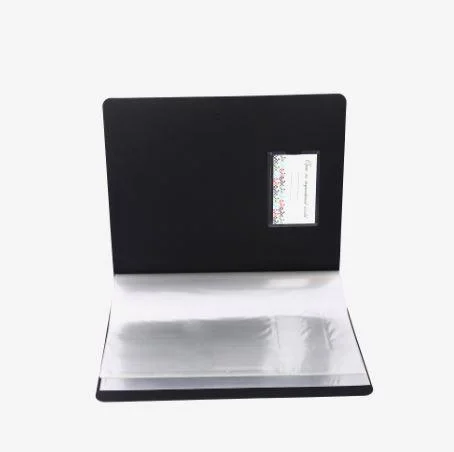
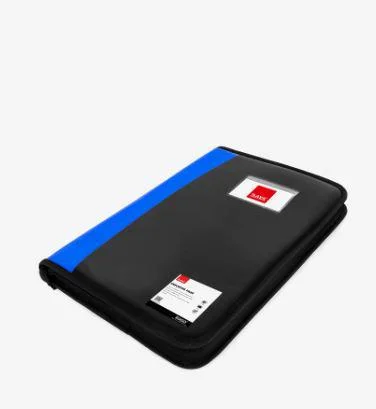
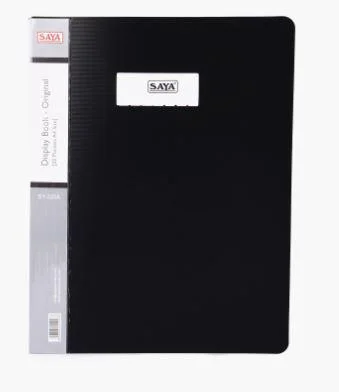
Document holders are essential organizational tools designed to securely store and display important documents. They come in various shapes and sizes, catering to different needs within an office or industrial environment. Typically made from durable materials, document holders facilitate easy access to paperwork while ensuring that documents remain protected from damage, dust, and wear. They are often used to keep documents visible for quick reference or to organize papers in a systematic manner.
In business applications, document holders serve multiple functions, such as enhancing workflow efficiency and improving document management. They are commonly utilized in settings like offices, schools, warehouses, and manufacturing facilities. Their ability to hold documents upright makes them ideal for presentations or meetings, where visibility is crucial. In industries where documentation is key, such as logistics, finance, and healthcare, the use of document holders can streamline operations and enhance productivity.
As companies increasingly recognize the importance of organized documentation, the demand for document holders continues to grow. This trend is supported by the need for compliance with industry regulations and standards, which often require meticulous record-keeping. The document holder market is diverse, catering to various sectors and adapting to the evolving needs of businesses.
Key Features and Specifications
Document holders come with a range of features designed to meet specific organizational needs. These features can vary based on the model, materials, and intended use. Understanding these specifications is essential for businesses seeking to choose the right document holders for their operations.
Key specifications include:
1. Material Quality
- Document holders are typically made from materials such as plastic, metal, or cardboard.
- Depending on the material, holders may offer varying levels of durability and flexibility.
2. Size Options
- Document holders are available in various sizes, accommodating standard A4, letter, or custom dimensions.
- This versatility allows businesses to select holders that best fit their specific documentation requirements.
3. Design Features
- Some document holders include features such as adjustable stands, clip closures, or integrated handles for portability.
- These design elements enhance functionality and ease of use.
4. Visibility
- Many document holders are transparent, allowing for easy viewing of the contents without the need to remove them.
- This feature is particularly beneficial in high-traffic areas where quick reference is necessary.
5. Environmental Resistance
- Certain document holders are designed to be water-resistant or moisture-proof, protecting documents in humid environments.
- This is essential for industries where exposure to liquids is a concern.
6. Customization Options
- Some manufacturers offer customization, allowing businesses to print logos or branding on the holders.
- This can enhance company branding and provide a professional appearance.
In summary, understanding the features and specifications of document holders is crucial for making informed purchasing decisions. By considering material quality, size options, design features, visibility, environmental resistance, and customization, businesses can select the most suitable document holders for their needs.
Common Applications and Use Cases
Document holders find utility across various industries, enhancing organization and accessibility of important documents. Their versatility makes them suitable for numerous applications.
1. Education: In educational institutions, document holders are frequently used to display lesson plans, schedules, and student work. They facilitate easy access for teachers and students alike.
2. Healthcare: In medical settings, document holders are utilized to organize patient records and important information. They help maintain confidentiality while ensuring that vital documents are readily available.
3. Logistics: In the logistics sector, document holders are essential for keeping shipping and receiving paperwork organized. They ensure that important documents are easily accessible during transport and delivery.
4. Finance: Financial institutions use document holders to display client information and financial reports. This aids in quick reference during meetings and consultations.
5. Manufacturing: Document holders serve as vital tools on factory floors, organizing safety protocols, work instructions, and equipment manuals. They help ensure compliance and enhance safety.
6. Retail: In retail environments, document holders are used to display promotional materials and pricing information. They contribute to effective merchandising and customer engagement.
7. Legal: Law firms utilize document holders for case files and legal documents, ensuring that information is organized and easily accessible for consultations and court appearances.
Product Variants and Subcategories
Document holders come in various styles to suit different preferences and applications. This diversity allows businesses to choose options that best meet their specific needs.
Standard Document Holders
These are the most common type, designed to hold documents flat or upright. They are often used in offices and educational settings for everyday paperwork.
Clip Document Holders
These holders feature a clip mechanism that keeps documents securely in place. They are ideal for on-the-go use, ensuring that papers do not get lost or damaged.
Expandable Document Holders
Expandable options allow users to store multiple documents in one holder. This feature is beneficial for presentations or projects requiring numerous pages.
Wall-Mounted Document Holders
These holders are designed to be mounted on walls, providing a space-saving solution for busy environments. They are often used in offices to keep important documents visible and organized.
Benefits and Advantages
Document holders offer numerous benefits that contribute to improved organization and efficiency in the workplace. Understanding these advantages can help businesses appreciate their value.
1. Enhanced Organization: Document holders help keep paperwork organized and accessible. This reduces clutter and improves workflow efficiency.
2. Increased Visibility: By displaying documents prominently, holders allow for quick reference. This is particularly useful in busy environments where time is of the essence.
3. Protection of Documents: High-quality document holders protect important papers from wear and tear, dust, and moisture. This ensures longevity and maintains document integrity.
4. Versatility: Document holders can be used in a variety of settings and applications. Their adaptability makes them a valuable tool for multiple industries.
5. Improved Compliance: For businesses in regulated industries, document holders assist in maintaining compliance with documentation requirements. This helps avoid potential penalties and enhances operational credibility.
6. Cost-Effective Solution: Investing in document holders can lead to long-term savings by reducing the need for frequent document replacements and improving overall efficiency.
Buying Guide for B2B Buyers
When sourcing document holders for business use, it is important to consider several key factors to ensure the right fit for your needs.
1. Quality Assessment: Evaluate the material quality and durability of the document holders. Look for options that can withstand daily use without degrading.
2. Supplier Verification: Ensure that potential suppliers have a track record of reliability and quality. Research their reputation and seek reviews from other buyers.
3. Pricing and MOQ: Understand the pricing structure and minimum order quantities (MOQ) for document holders. This information will help you budget effectively.
4. Delivery and Lead Times: Inquire about delivery timelines and lead times. Timely delivery is crucial for maintaining workflow and meeting project deadlines.
5. Compliance Requirements: Consider any industry-specific compliance needs that may affect your choice of document holders. Ensure that the products meet relevant standards.
Compliance and Certifications
Document holders must adhere to various compliance and certification standards to ensure quality and safety. While specific standards may vary by region and industry, several key certifications are commonly recognized.
ISO 9001 is a quality management standard that ensures products meet customer and regulatory requirements. Document holders manufactured under this standard are subject to rigorous quality checks.
CE certification indicates that a product meets European safety, health, and environmental protection standards. Document holders with CE certification are deemed safe for use in various applications.
Safety and testing requirements are also essential considerations. Manufacturers should conduct thorough testing to ensure that document holders are free from harmful substances and meet safety standards.
Additionally, businesses should be aware of regional compliance considerations, particularly if operating in multiple countries. Adhering to local regulations is crucial for avoiding penalties and ensuring product acceptance.
Why Source Document Holders from Pepagora?
Pepagora provides a trusted platform for sourcing document holders, offering several key advantages that benefit B2B buyers.
Verified Supplier Network: Pepagora connects buyers with a network of verified suppliers. This ensures that businesses can source high-quality document holders from reliable manufacturers.
Streamlined RFQ Process: The platform simplifies the request for quotation (RFQ) process, allowing buyers to easily compare pricing and specifications from multiple suppliers. This transparency aids in making informed purchasing decisions.
Trade Assurance and Support: Pepagora offers trade assurance, providing buyers with protection throughout the purchasing process. This support enhances confidence in transactions.
Regional Coverage: With a strong presence in India, the GCC, and Southeast Asia, Pepagora offers extensive geographic reach. This makes it easier for businesses to find local suppliers and meet their sourcing needs efficiently.

 IN
IN

 India
India