
 IN
Deburring Tools
4 products available
What are Deburring Tools?
Deburring tools are specialized instruments designed to remove burrs, sharp edges, and surface irregularities from machined parts. These tools ensure that the finished products are safe to handle and meet quality standards. Burrs are unwanted protrusions that can occur during manufacturing processes such as machining, casting, or stamping. The presence of these burrs can hinder the functionality of parts and lead to issues such as assembly difficulties or safety hazards.
Deburring tools are essential across various industries including manufacturing, automotive, aerospace, and electronics. They are used to refine parts made from metals, plastics, and other materials. The primary applications involve enhancing the surface finish and improving the overall quality of components. As industries emphasize quality and safety, the demand for effective deburring solutions continues to grow, making these tools a critical part of the production process.
Key Features and Specifications
Deburring tools come with several features designed to enhance their effectiveness and usability. When selecting a deburring tool, buyers should consider the following specifications:
1. Tool Type
- Common types include hand-held tools, powered tools, and automated deburring machines.
- Each type may be suited for different applications and materials.
2. Material Compatibility
- Deburring tools may be designed for specific materials such as metals, plastics, or composites.
- Compatibility ensures optimal performance and longevity.
3. Blade Material
- High-speed steel (HSS) and carbide are common materials for blades.
- Blade material affects durability and cutting efficiency.
4. Size and Ergonomics
- Tools come in various sizes to accommodate different hand sizes and usage contexts.
- Ergonomic designs enhance user comfort and precision.
5. Cutting Edge Geometry
- The shape of the cutting edge can influence the effectiveness of the deburring process.
- Different geometries are available for specific applications.
6. Adjustability
- Some tools offer adjustable settings for depth and angle of cut.
- This feature provides flexibility for various deburring tasks.
7. Safety Features
- Many tools include safety guards or mechanisms to protect users.
- Ensuring user safety is a critical aspect of tool design.
8. Maintenance Requirements
- The ease of maintenance varies between different tools.
- Regular maintenance can prolong tool life and performance.
In summary, understanding these key features and specifications is crucial for businesses to select the most appropriate deburring tools for their needs.
Common Applications and Use Cases
Deburring tools find a wide range of applications across various industries, ensuring that products meet quality and safety standards.
1. Automotive: In the automotive sector, deburring tools are used to refine engine components, brackets, and frames. This ensures that parts fit together seamlessly and operate safely.
2. Aerospace: The aerospace industry relies on deburring tools to process lightweight components and ensure that they meet strict safety regulations. Precision is essential in this field to prevent failures.
3. Electronics: In electronics manufacturing, deburring tools are used to clean circuit boards and connectors. This process prevents electrical failures and enhances product reliability.
4. General Manufacturing: Many general manufacturing operations utilize deburring tools to finish machined parts, ensuring they are safe to handle and ready for assembly.
5. Medical Devices: In the medical device industry, deburring tools are critical for producing components that need to be hygienic and safe for use in healthcare applications.
6. Metal Fabrication: Fabricators use deburring tools to remove sharp edges from metal parts, improving worker safety and product quality.
7. Construction: In construction, deburring tools help prepare metal components for assembly, ensuring they fit together accurately and securely.
Product Variants and Subcategories
Deburring tools are available in various forms to meet diverse operational needs. Each variant is designed with specific features for different applications.
Handheld Deburring Tools: These manually operated tools are ideal for small-scale operations and provide flexibility in use. They are commonly used for quick tasks where precision is not heavily compromised.
Powered Deburring Tools: These electric or pneumatic tools are designed for larger scale operations. They offer greater efficiency and consistent results, making them suitable for high-volume production environments.
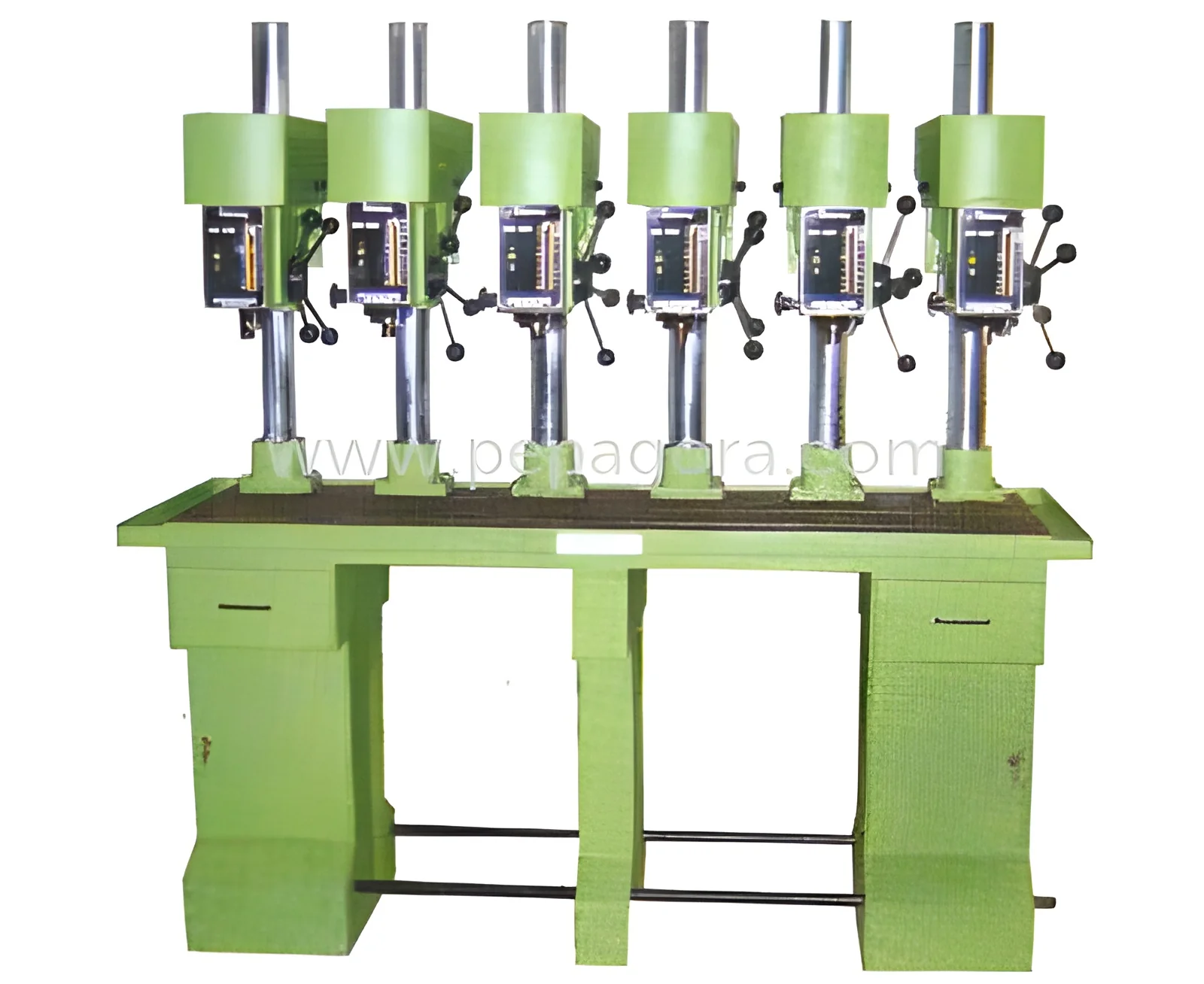
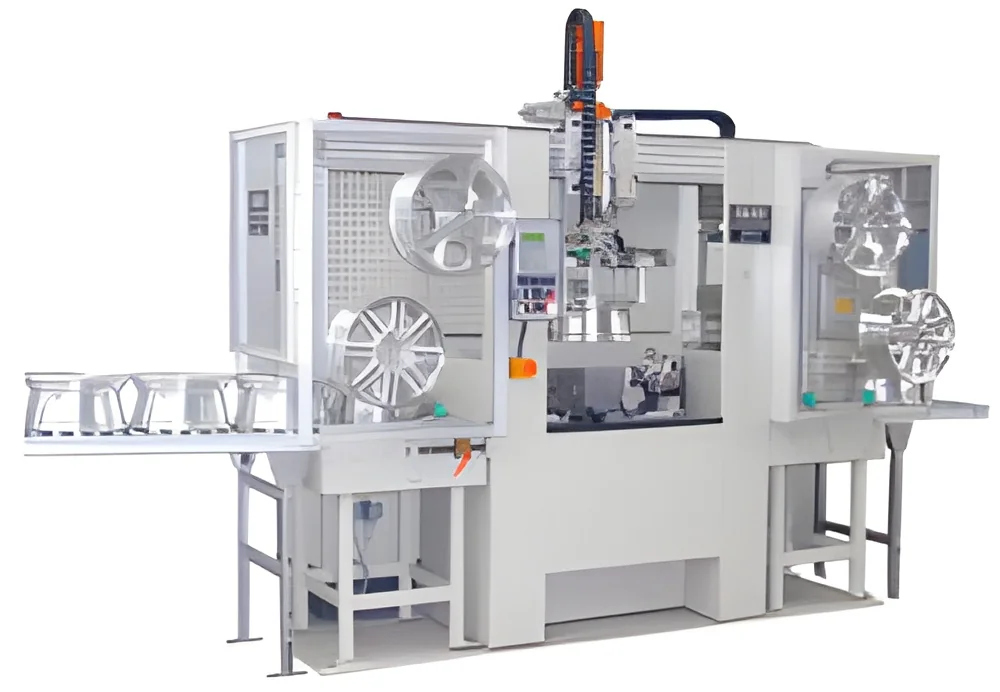
Automated Deburring Machines: These machines are used in manufacturing processes where large quantities of parts require deburring. They provide high precision and speed, significantly reducing labor costs and time.
Benefits and Advantages
Deburring tools offer several benefits that enhance operational efficiency and product quality.
1. Improved Safety: By removing sharp edges, deburring tools reduce the risk of injury during handling and use of components.
2. Enhanced Quality: These tools ensure that parts meet quality standards, reducing the chances of defects in finished products.
3. Increased Efficiency: Using deburring tools speeds up the finishing process, allowing for quicker production times.
4. Cost Savings: By preventing damage to parts and reducing the need for rework, deburring tools can lead to significant cost reductions.
5. Versatility: Deburring tools can be used on a variety of materials, making them suitable for different applications across industries.
6. Ease of Use: Many deburring tools are designed for user-friendly operation, allowing operators to achieve optimal results with minimal training.
Buying Guide for B2B Buyers
When sourcing deburring tools, several key factors should be considered to ensure the best purchase decision.
1. Quality Assessment: Look for tools made from durable materials and those that offer high performance. Quality should be a top priority to minimize long-term costs.
2. Supplier Verification: It is essential to vet suppliers for reliability and reputation. Checking references and reviews can help ensure that you are working with reputable manufacturers.
3. Pricing and MOQ: Understand the pricing structure and minimum order quantities required by suppliers. This can impact budget and inventory management.
4. Delivery and Lead Times: Evaluate the supplier's ability to meet your delivery requirements. Accurate lead times are crucial for maintaining production schedules.
5. Compliance Requirements: Ensure that the deburring tools comply with industry standards and regulations to avoid potential legal and operational issues.
Compliance and Certifications
Deburring tools must adhere to various quality standards and certifications to ensure safety and reliability. Key standards include ISO 9001, which focuses on quality management systems, and CE marking, indicating compliance with European safety standards.
Additionally, tools may be subject to industry-specific regulations that dictate safety and performance criteria. It is important for manufacturers to conduct proper testing to meet these standards and ensure that their products are compliant with regional regulations.
Vigilance in maintaining compliance not only enhances product quality but also builds customer trust and supports marketability.
Why Source Deburring Tools from Pepagora?
Pepagora offers a reliable platform for sourcing deburring tools, providing several advantages for B2B buyers.
Verified Supplier Network: Pepagora connects buyers with a network of verified suppliers. This ensures that businesses can trust the quality and reliability of the tools they purchase.
Streamlined RFQ Process: The platform simplifies the request for quotation process, allowing buyers to compare offers easily and make informed decisions quickly.
Trade Assurance and Support: Pepagora provides buyer protection through trade assurance mechanisms. This support ensures that transactions are secure and that buyer interests are safeguarded.
Regional Coverage: With a strong presence in India, the GCC, and Southeast Asia, Pepagora can cater to diverse market needs, ensuring that businesses can access high-quality deburring tools no matter their location.

 India
 India
 India
Frequently Asked Questions
What are Deburring Tools?
Deburring tools are specialized instruments used to remove burrs, sharp edges, or irregularities from the surface of materials like metal, plastic, and wood. They are essential in manufacturing and machining processes to ensure safety and improve product quality.
What are the different types of Deburring Tools?
There are several types of deburring tools, including handheld deburring knives, rotary deburring tools, and electric deburring machines. Each type is designed for specific applications and materials, offering various methods for effectively removing burrs.
How do I choose the right Deburring Tools?
Choosing the right deburring tools involves considering the material you are working with, the type of burrs present, and the level of precision required. It is also important to assess the tool's ergonomics and ease of use for your specific applications.
What are the standard specifications for Deburring Tools?
Standard specifications for deburring tools typically include the material of the cutting edges, tool geometry, and size. Some tools may also have specific features such as adjustable blades or interchangeable heads to accommodate different tasks.
What is the price range for Deburring Tools?
The price range for deburring tools can vary widely based on the type and quality of the tool. Generally, basic handheld tools may start from a few hundred rupees, while advanced electric deburring machines can cost several thousand rupees.
What quality standards apply to Deburring Tools?
Quality standards for deburring tools often include ISO certifications and adherence to industry-specific guidelines. Tools should be durable, reliable, and capable of maintaining their cutting performance over time.
Where can I find Deburring Tools suppliers in India?
Deburring tools suppliers in India can be found through B2B marketplaces like Pepagora, industrial supply stores, and manufacturer websites. It's advisable to compare several suppliers to ensure quality and pricing.
Can Deburring Tools be customized?
Yes, many manufacturers offer customization options for deburring tools based on specific requirements such as size, material, and features. Custom tools can enhance efficiency and effectiveness in specific applications.
What is the typical minimum order quantity for Deburring Tools?
The typical minimum order quantity (MOQ) for deburring tools can vary by manufacturer and type of tool. Generally, MOQs can range from a single unit for standard items to several dozens for customized tools.
What is the typical lead time for Deburring Tools?
The typical lead time for deburring tools depends on the supplier and the complexity of the order. Standard items may ship within a few days, while customized tools could take several weeks to manufacture and deliver.
Why Businesses Trust Pepagora
Thousands of companies trust Pepagora to source smarter and sell faster
Expand Your Sales Globally

Source Smarter,Grow Faster
