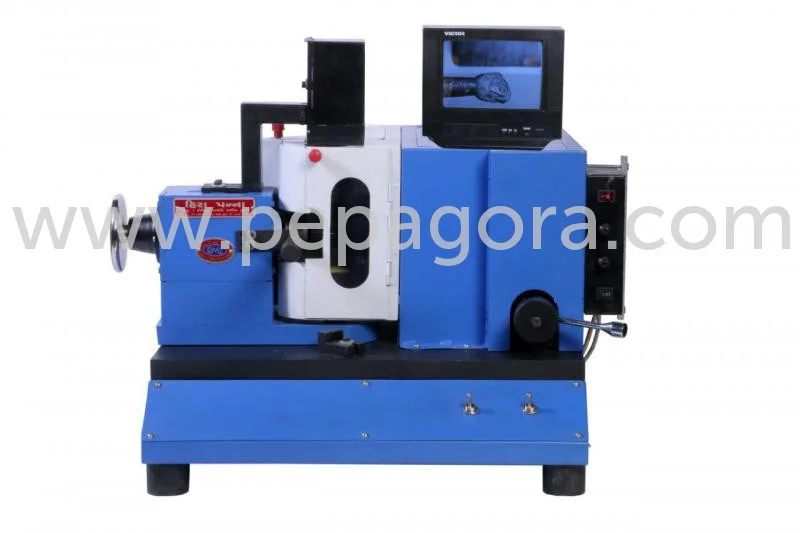
𝗪𝗵𝗮𝘁 𝗮𝗿𝗲 𝗧𝗼𝗼𝗹 𝗦𝗵𝗮𝗿𝗽𝗲𝗻𝗶𝗻𝗴 𝗘𝗾𝘂𝗶𝗽𝗺𝗲𝗻𝘁?
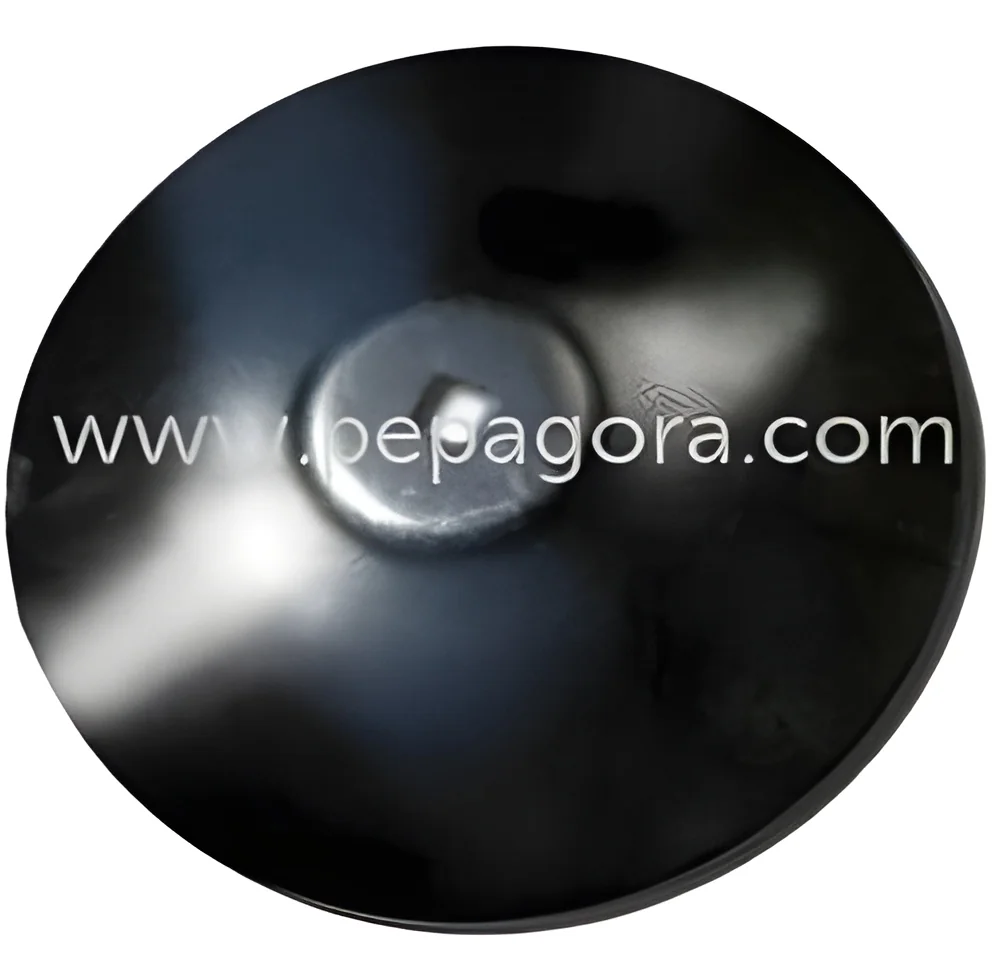
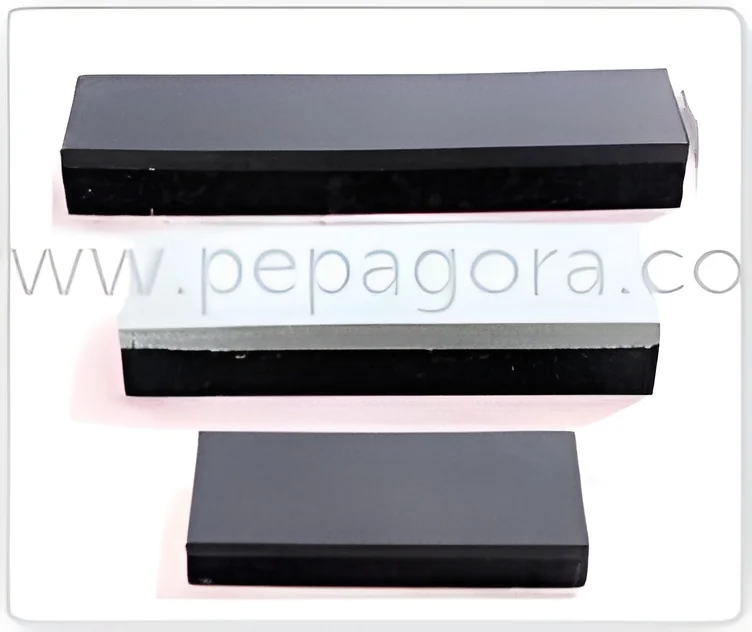
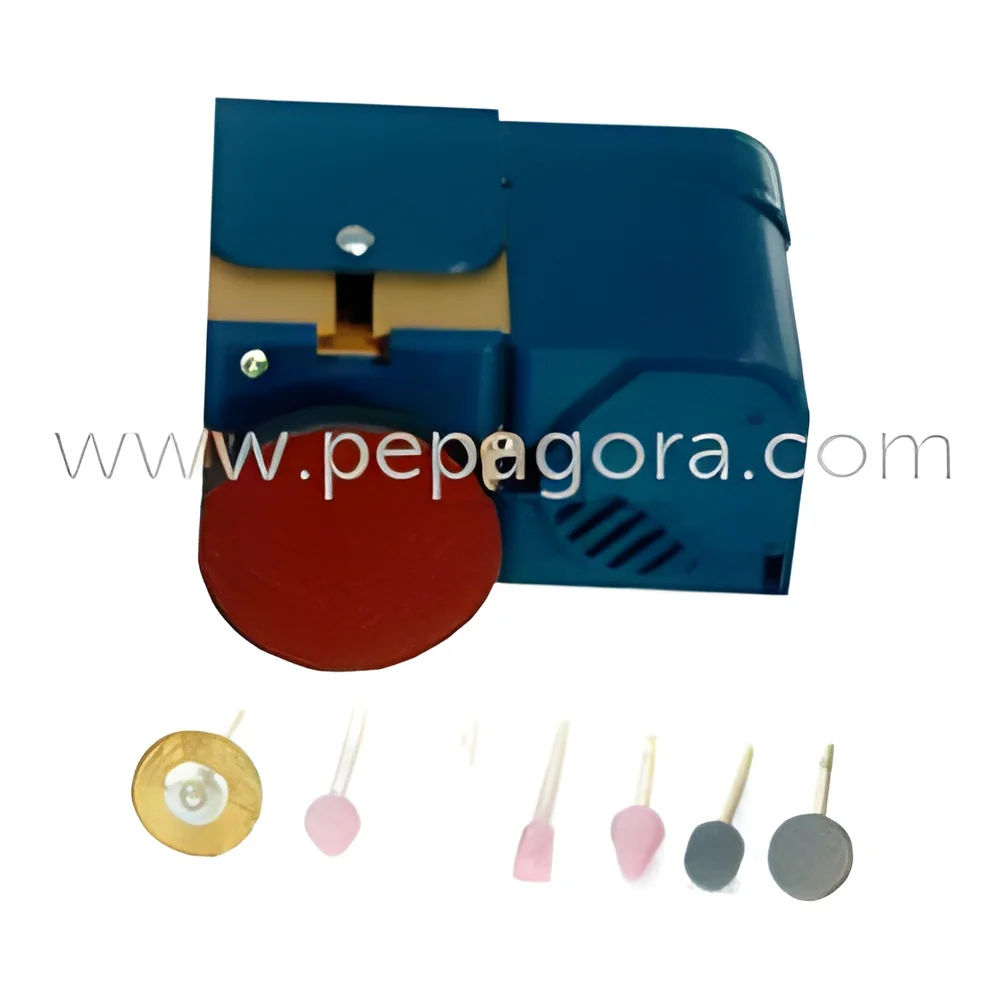
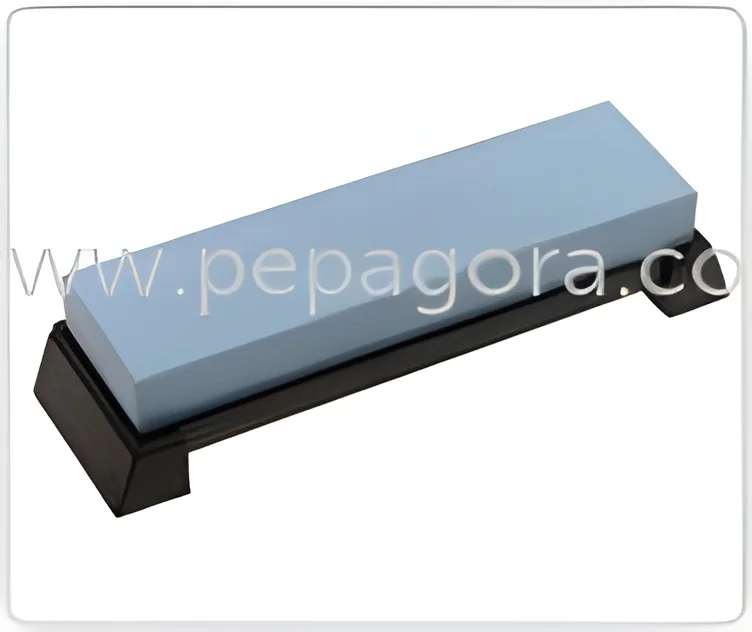
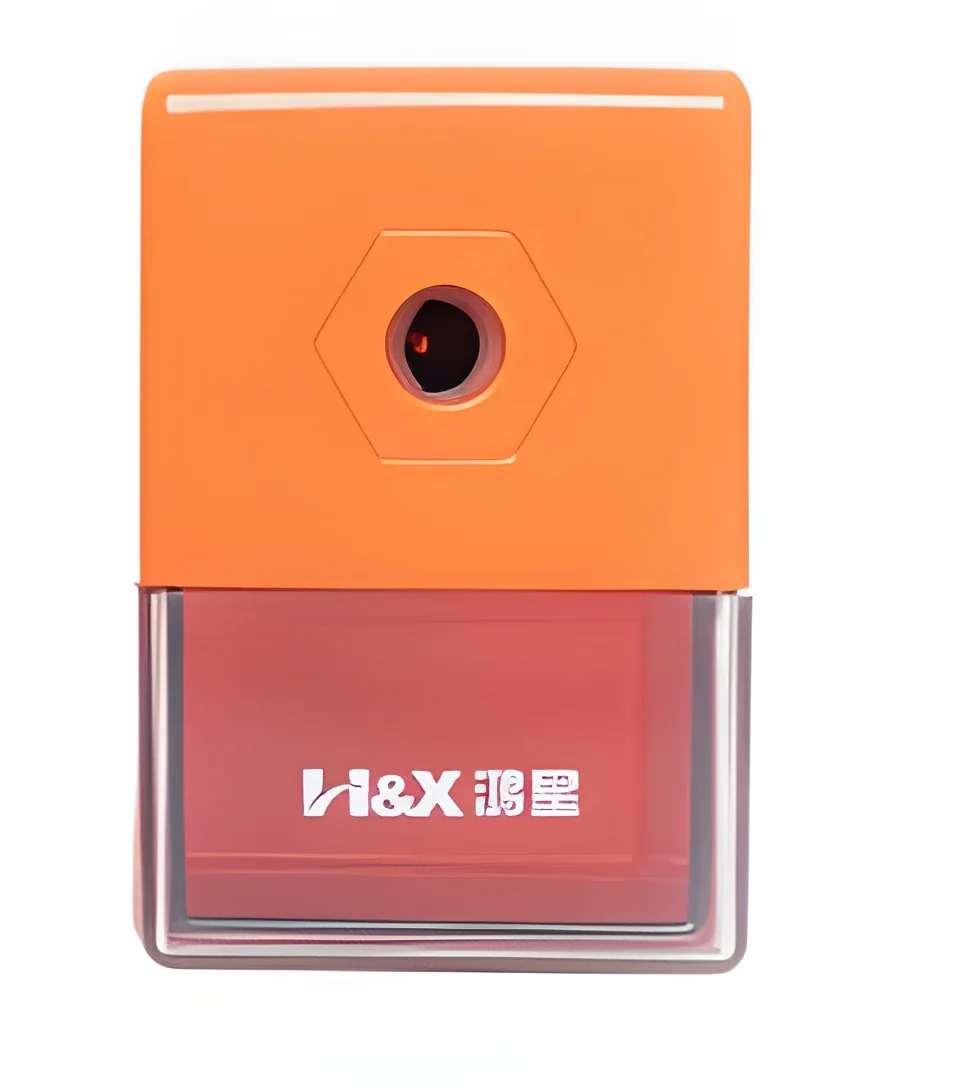
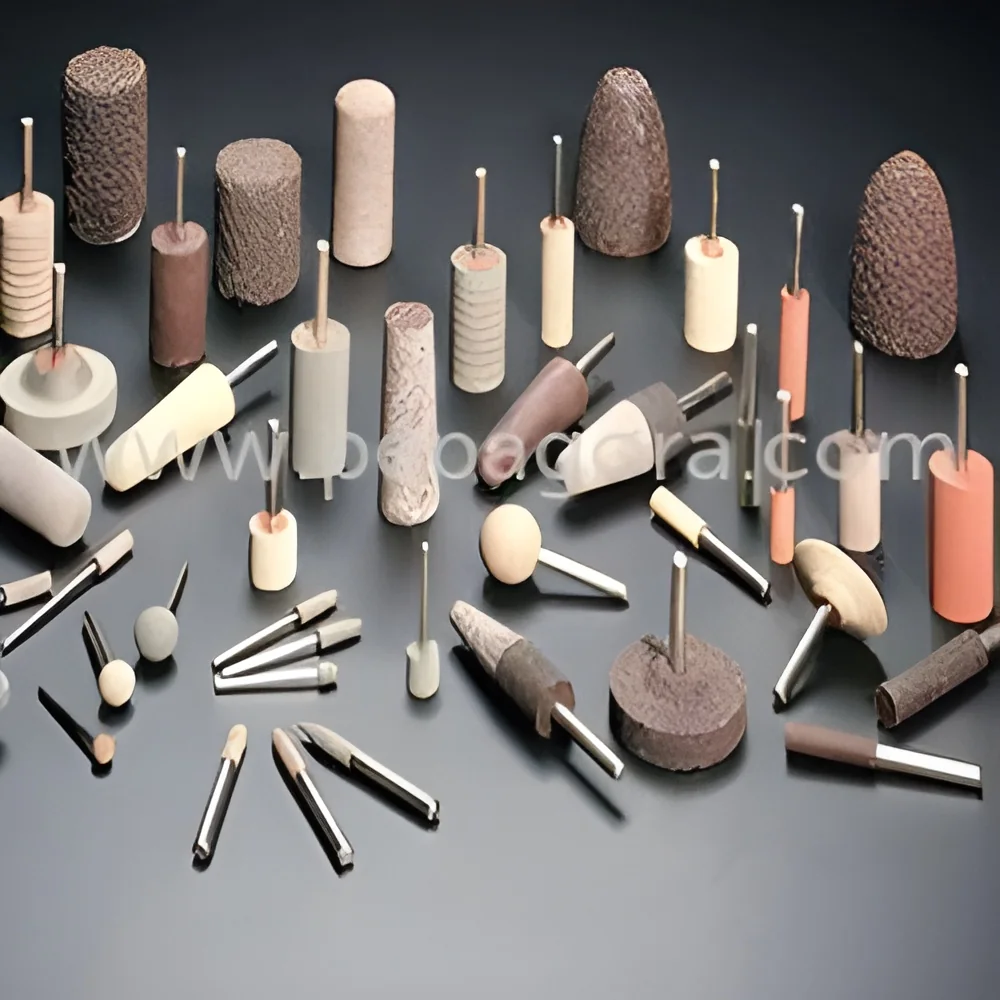
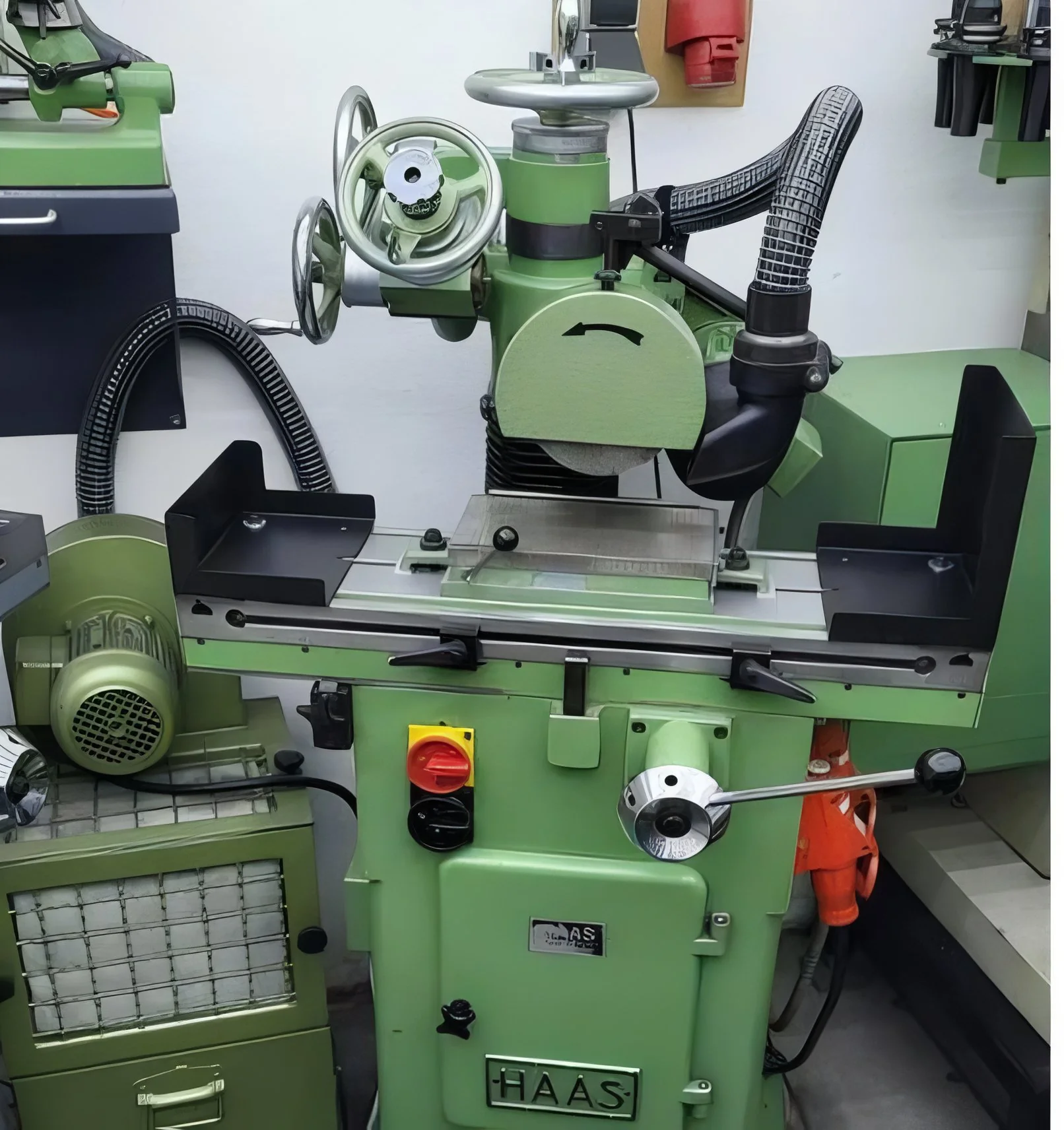
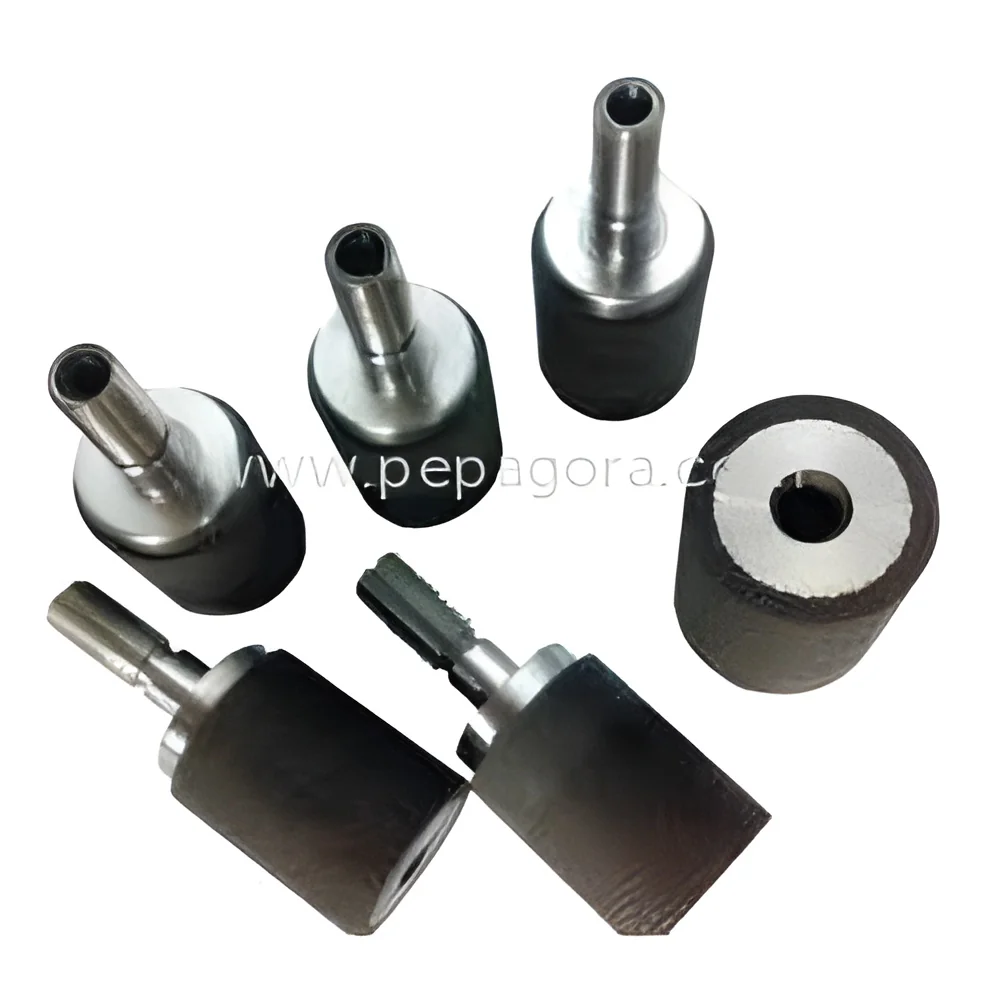
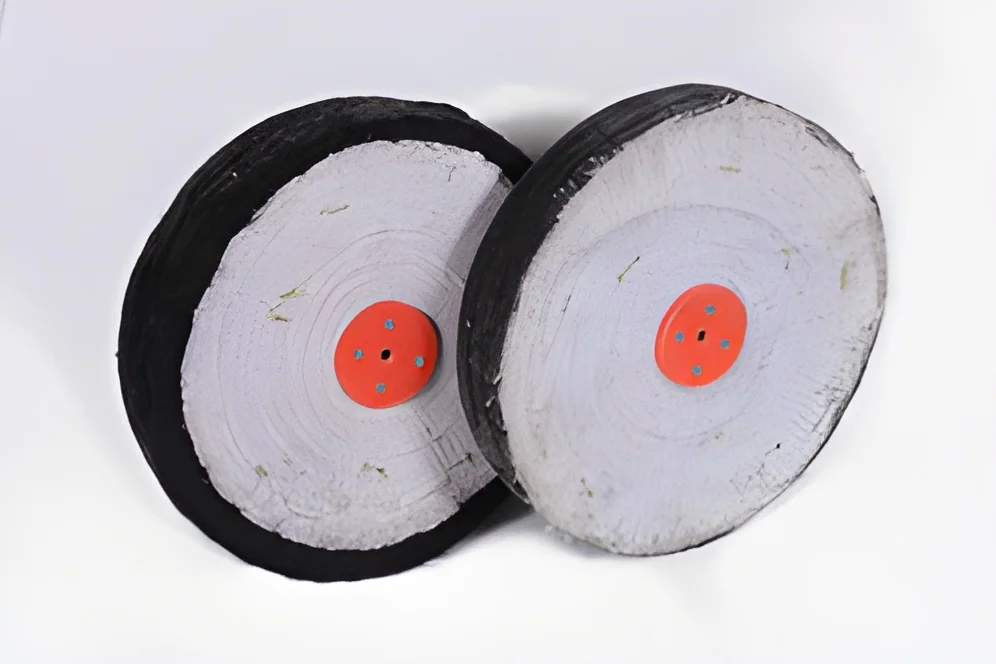
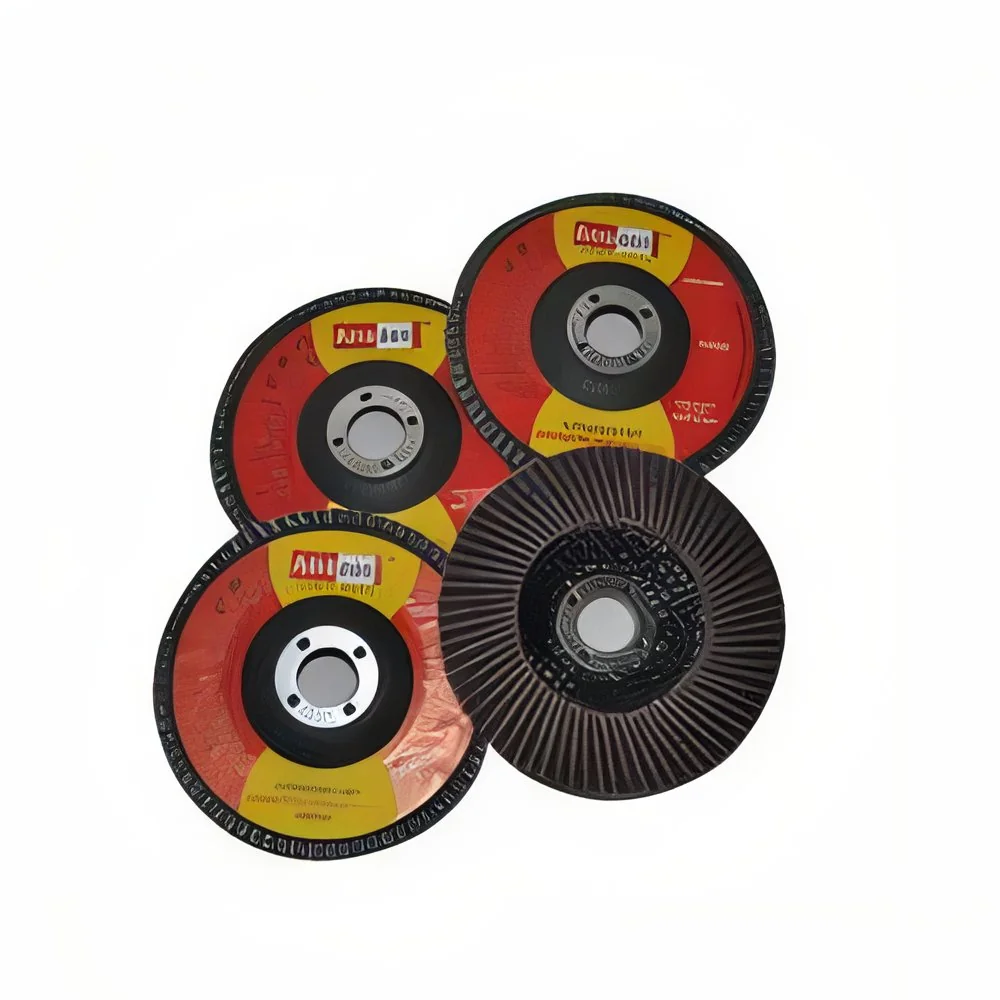
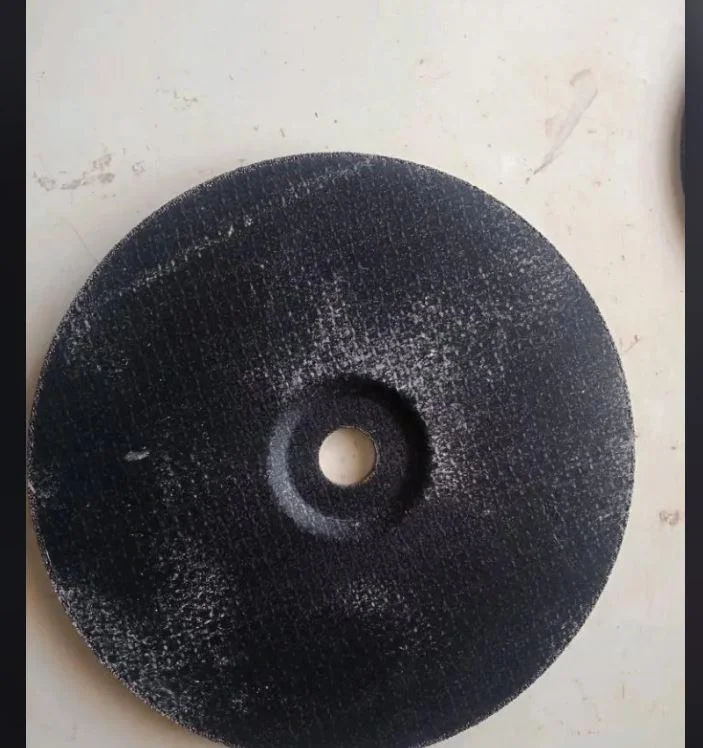
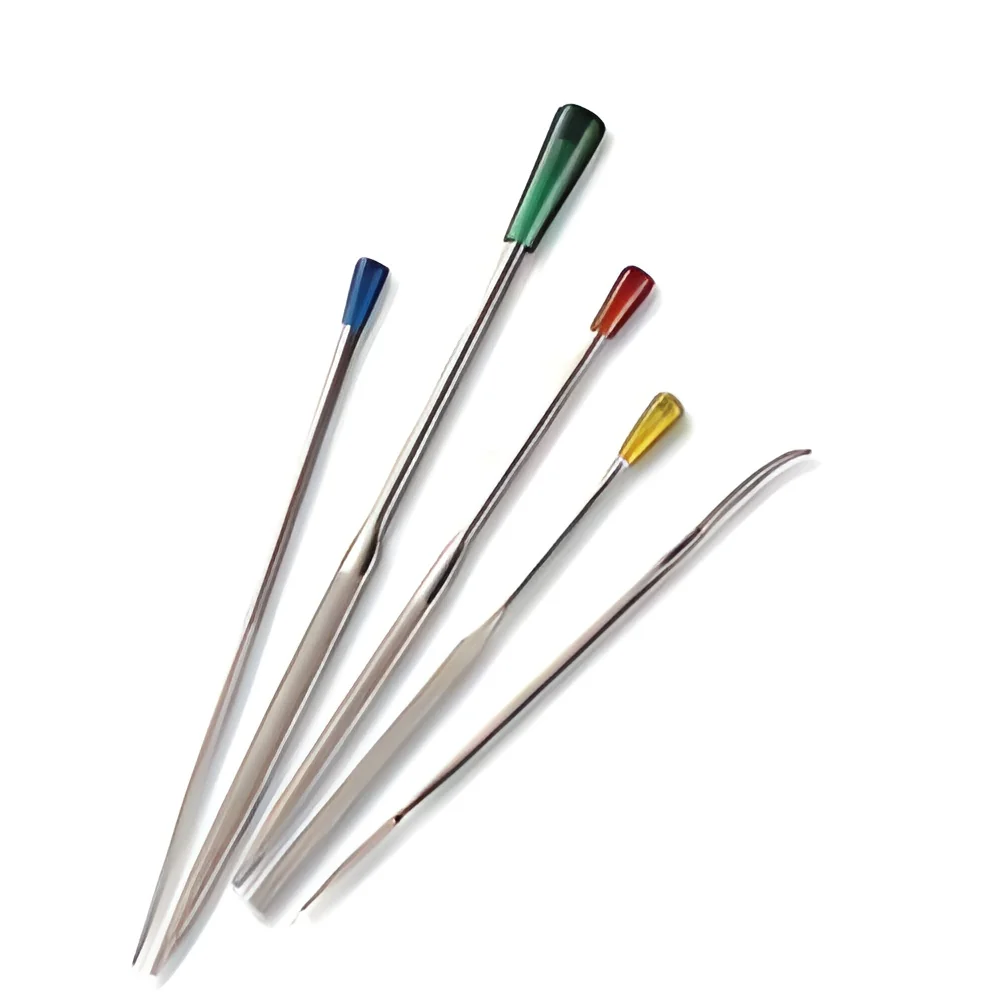
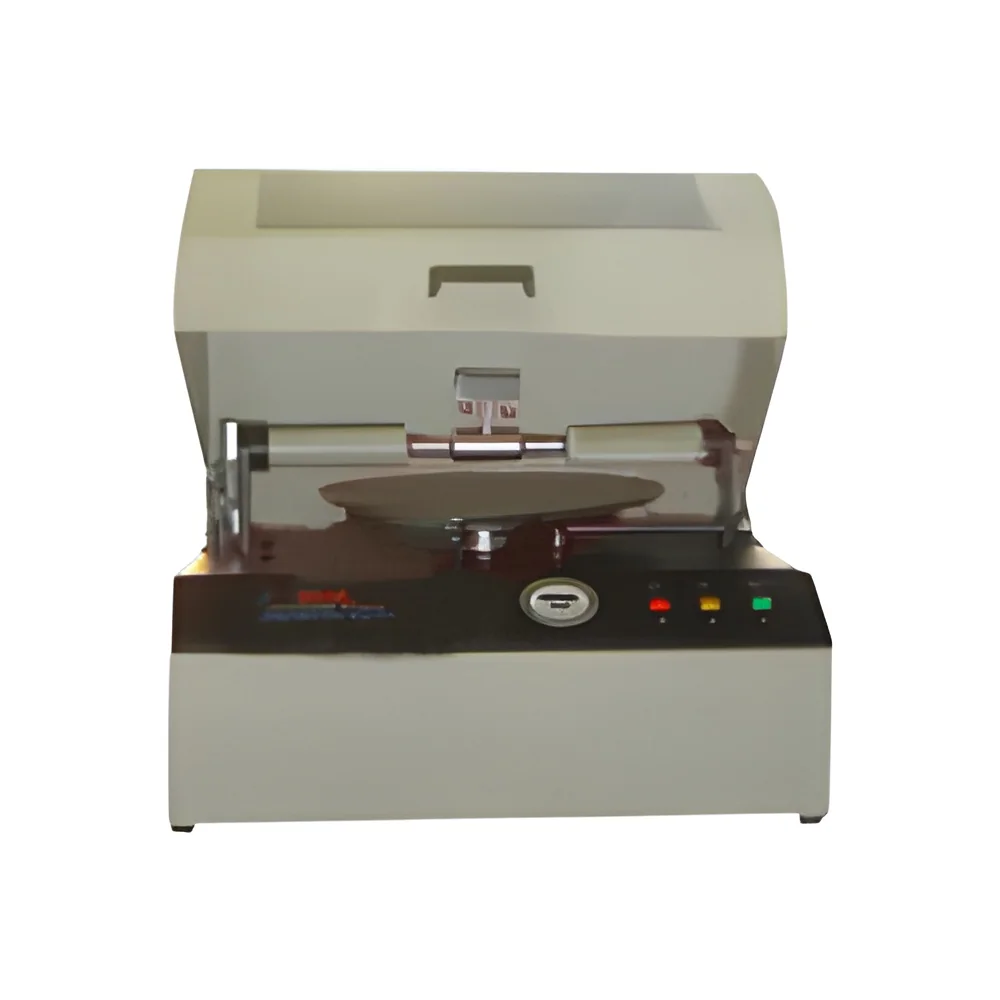
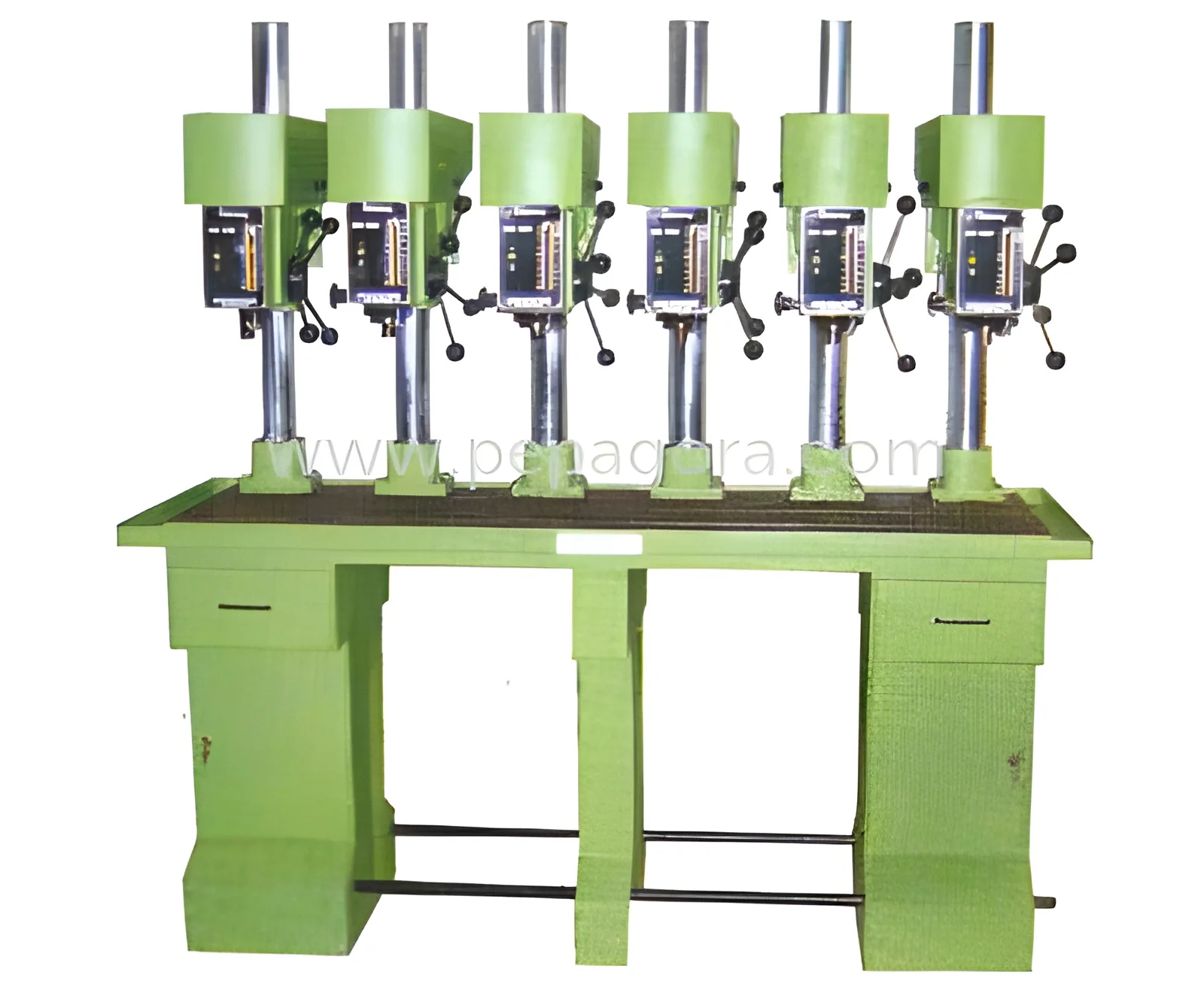
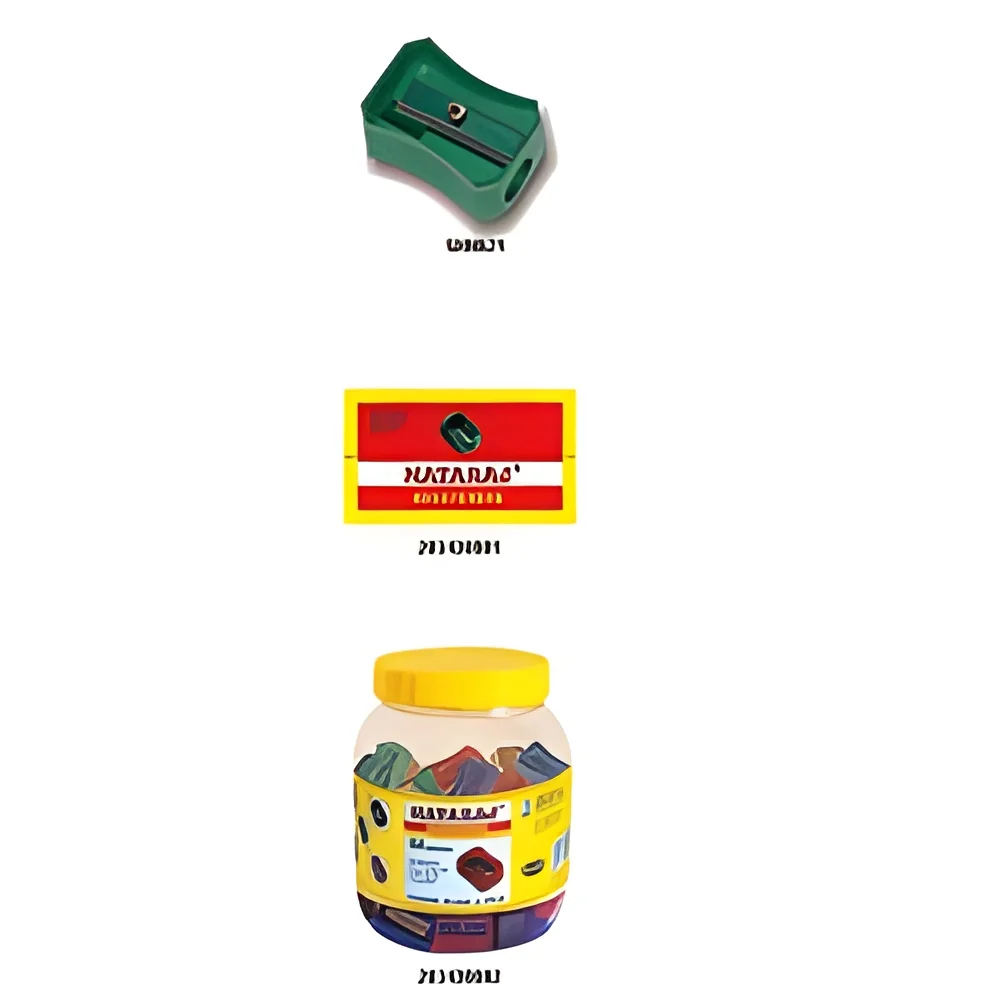
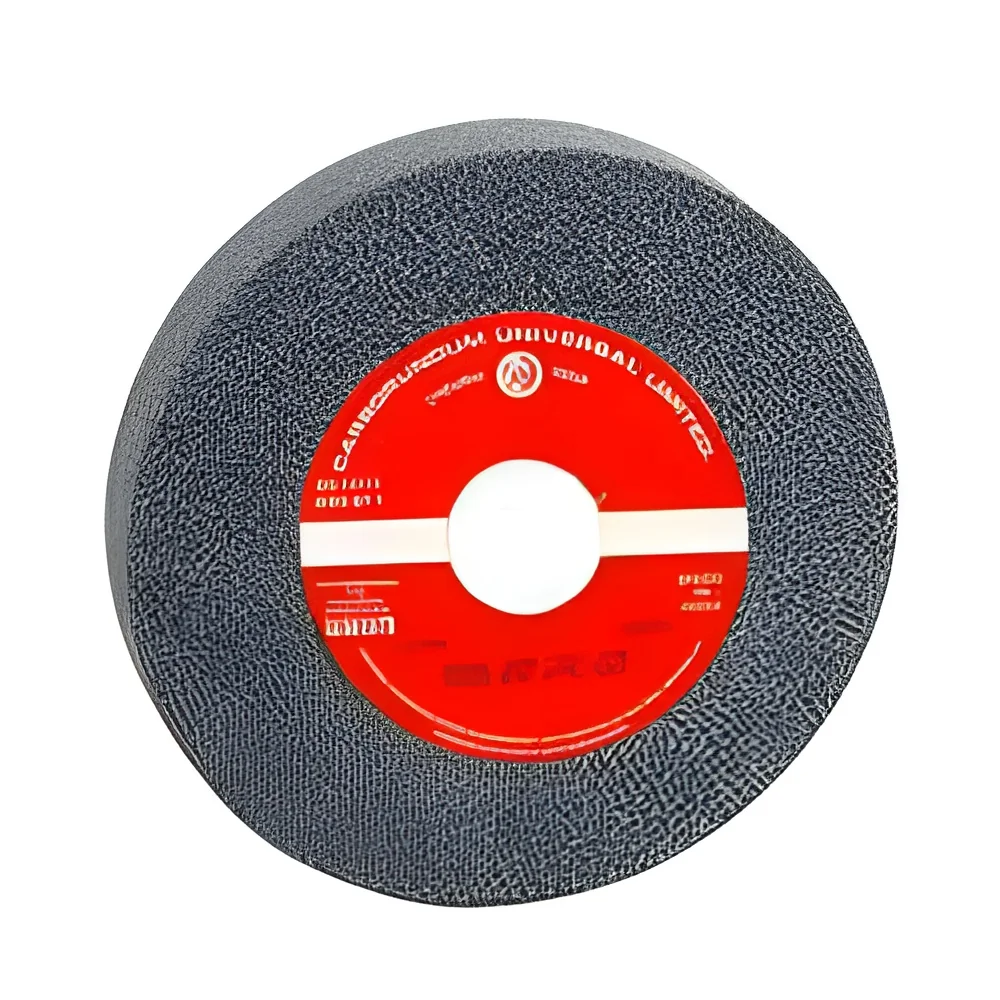
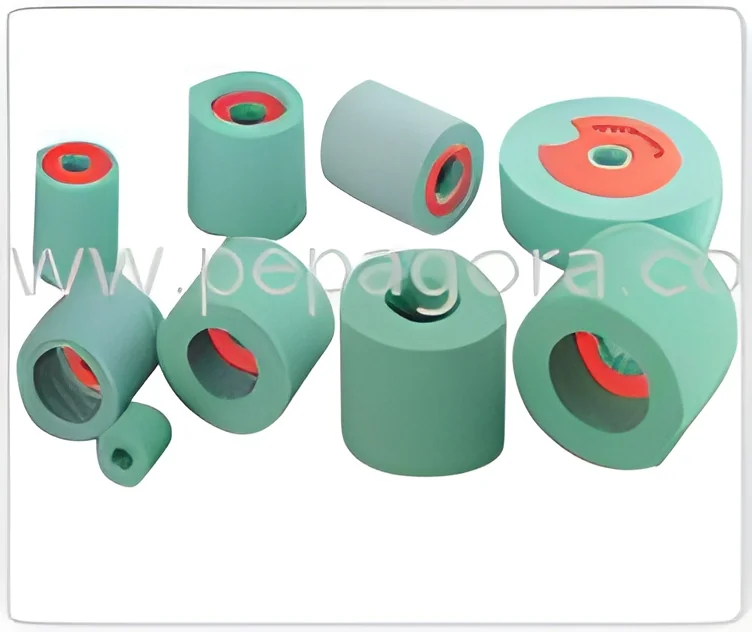
Tool sharpening equipment refers to a range of machines and tools designed to restore the sharpness of cutting tools and implements. This type of equipment is crucial for maintaining the performance and efficiency of tools used in various industrial applications. Tool sharpening can involve different methods, including grinding, honing, and honing, depending on the type of tool and the required precision.
The primary uses of tool sharpening equipment span various industries, including manufacturing, construction, and woodworking. Businesses rely on these machines to prolong the lifespan of their tools, reduce downtime, and improve productivity. With the increasing demand for high-quality, precise cuts in production processes, the relevance of tool sharpening equipment has grown significantly in the market. Companies are investing in advanced sharpening technologies to ensure their tools perform at optimal levels.
𝗞𝗲𝘆 𝗙𝗲𝗮𝘁𝘂𝗿𝗲𝘀 𝗮𝗻𝗱 𝗦𝗽𝗲𝗰𝗶𝗳𝗶𝗰𝗮𝘁𝗶𝗼𝗻𝘀
Tool sharpening equipment features a variety of specifications that cater to different industrial needs. Understanding these specifications is vital when choosing the right equipment for your business.
Key specifications include:
1. Abrasive Type
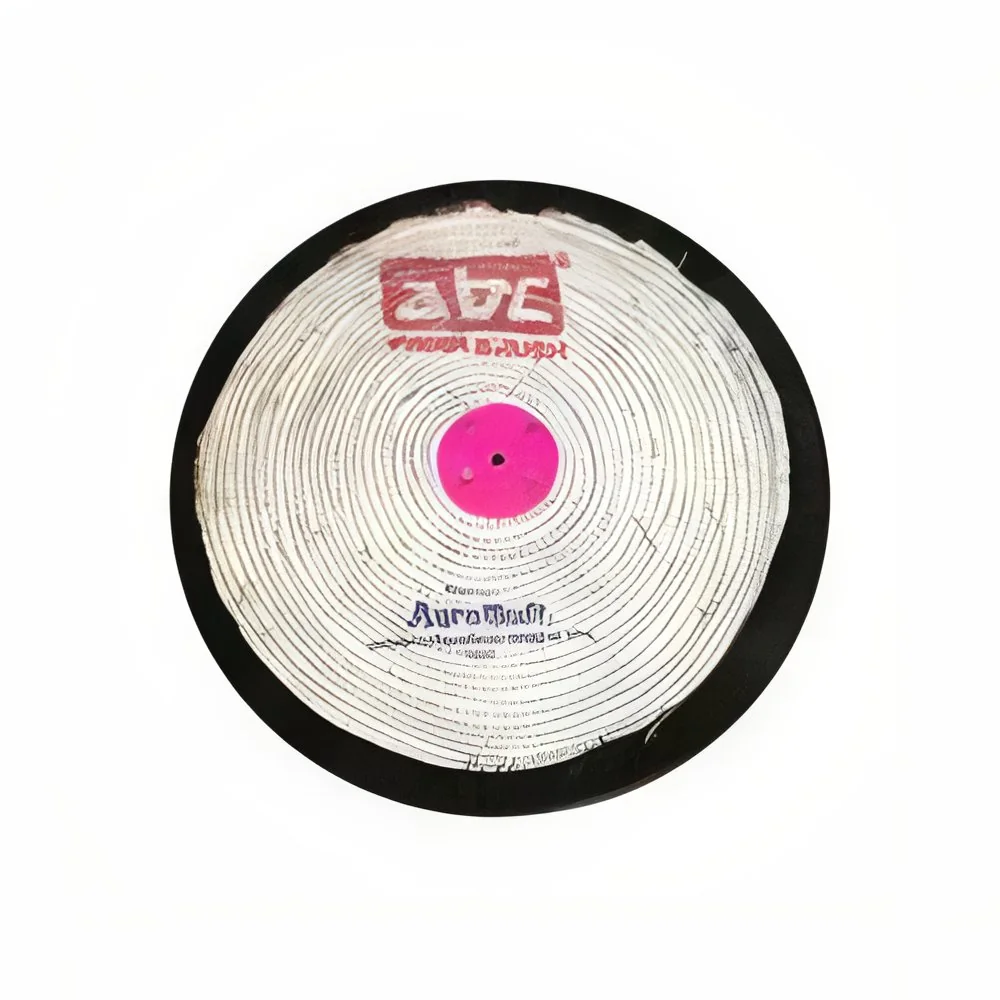
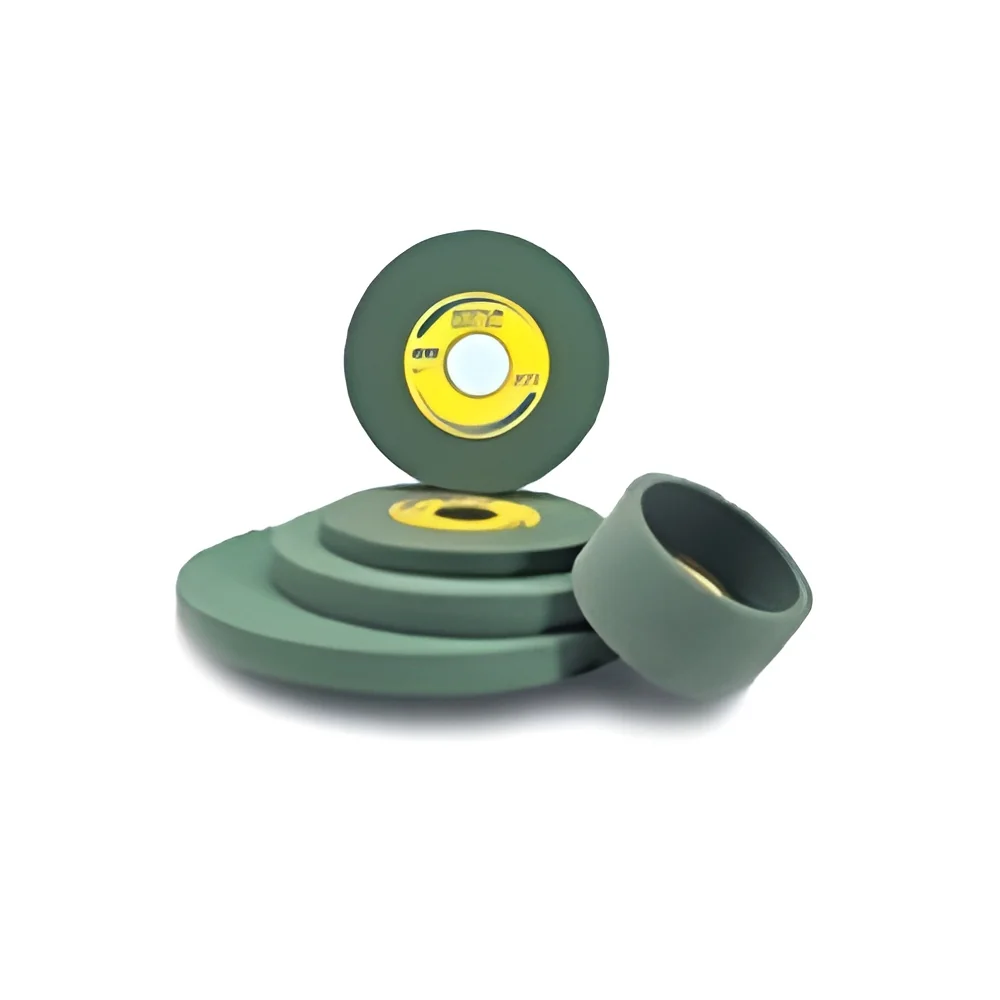
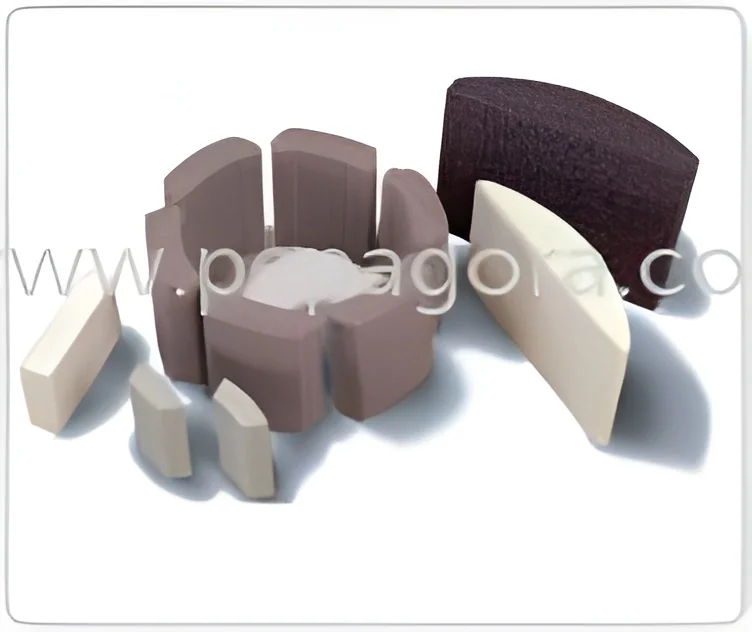
- Common types include diamond, ceramic, and aluminum oxide abrasives.
- Each type has specific applications based on tool material and required finish.
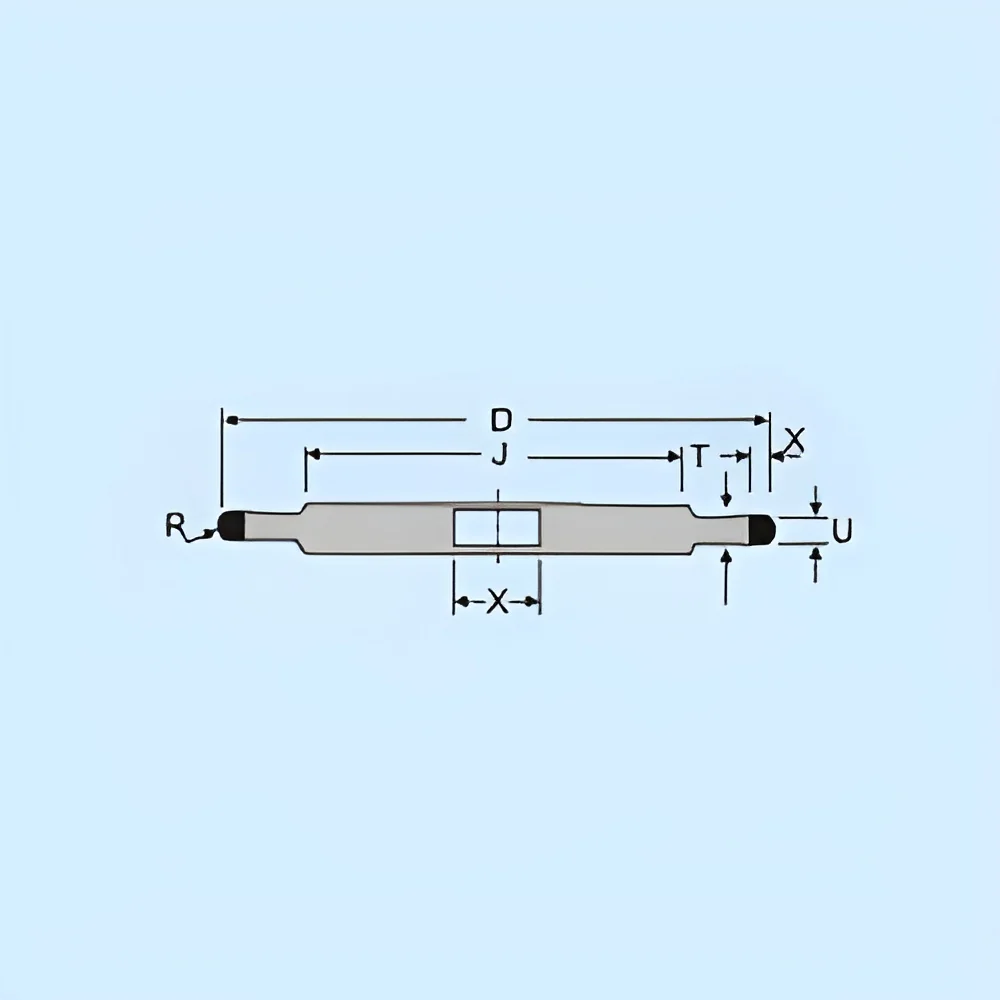
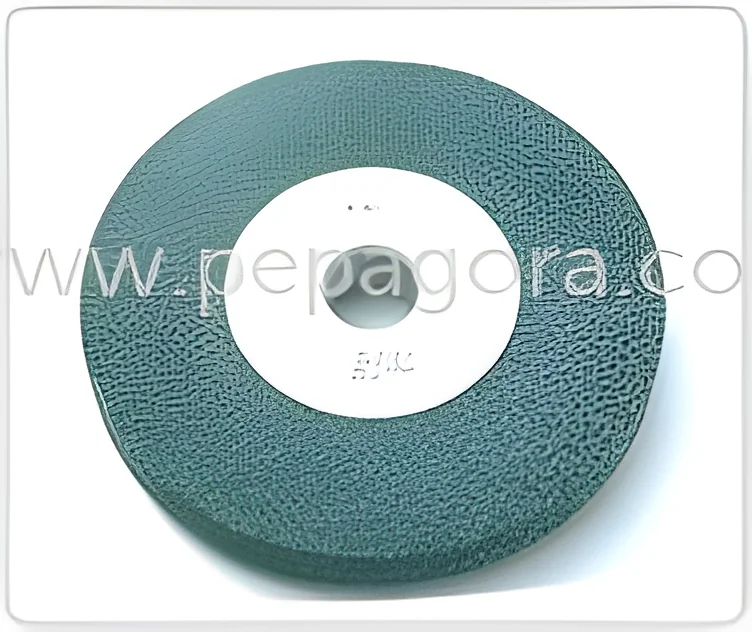
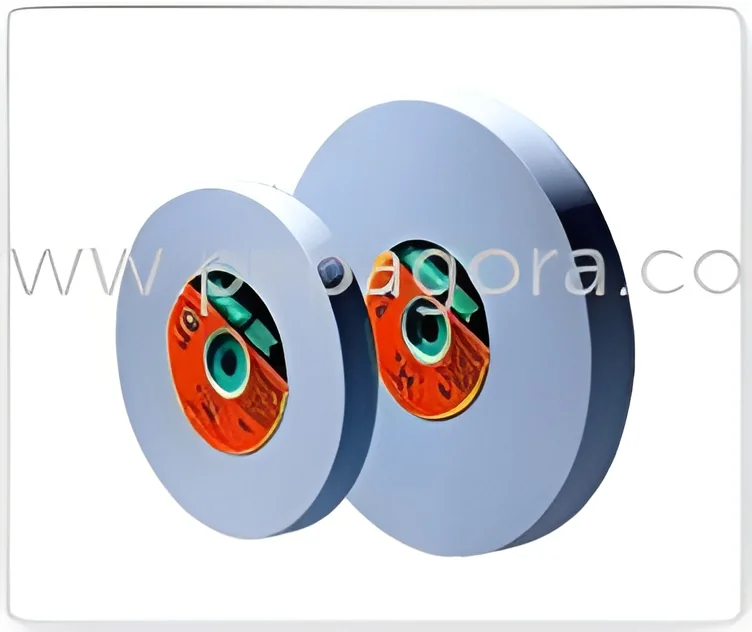
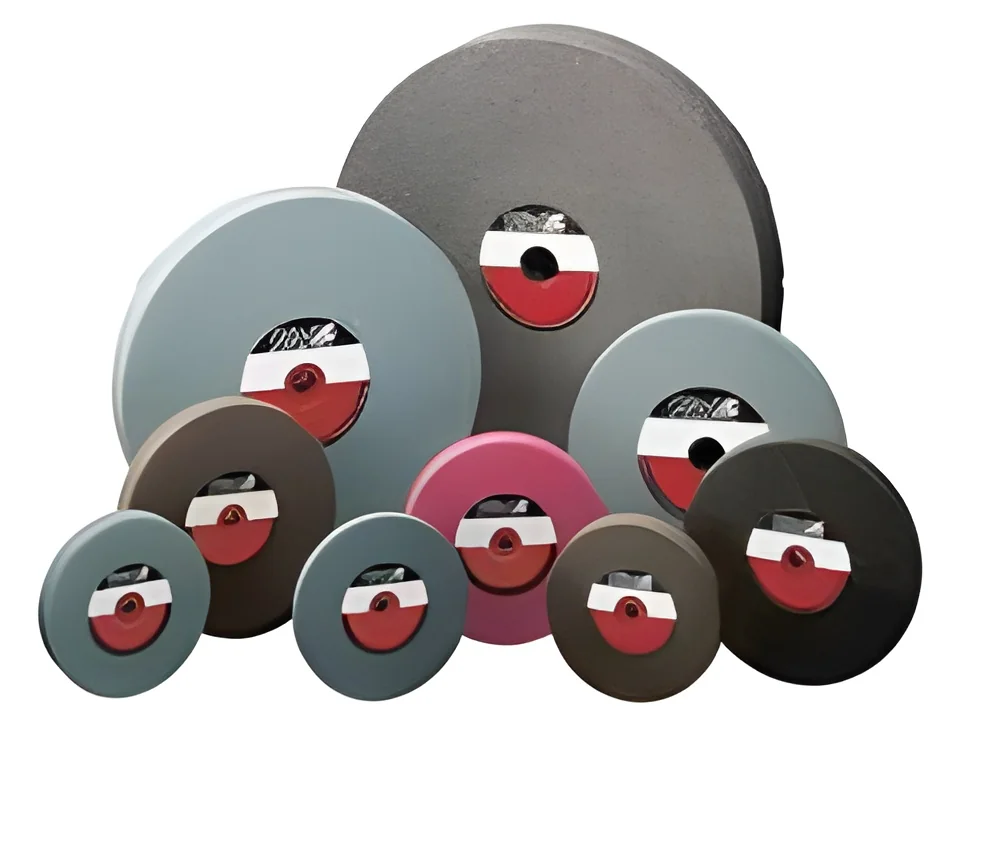
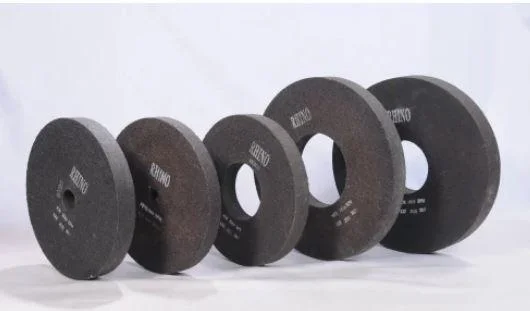
2. Grinding Wheel Size
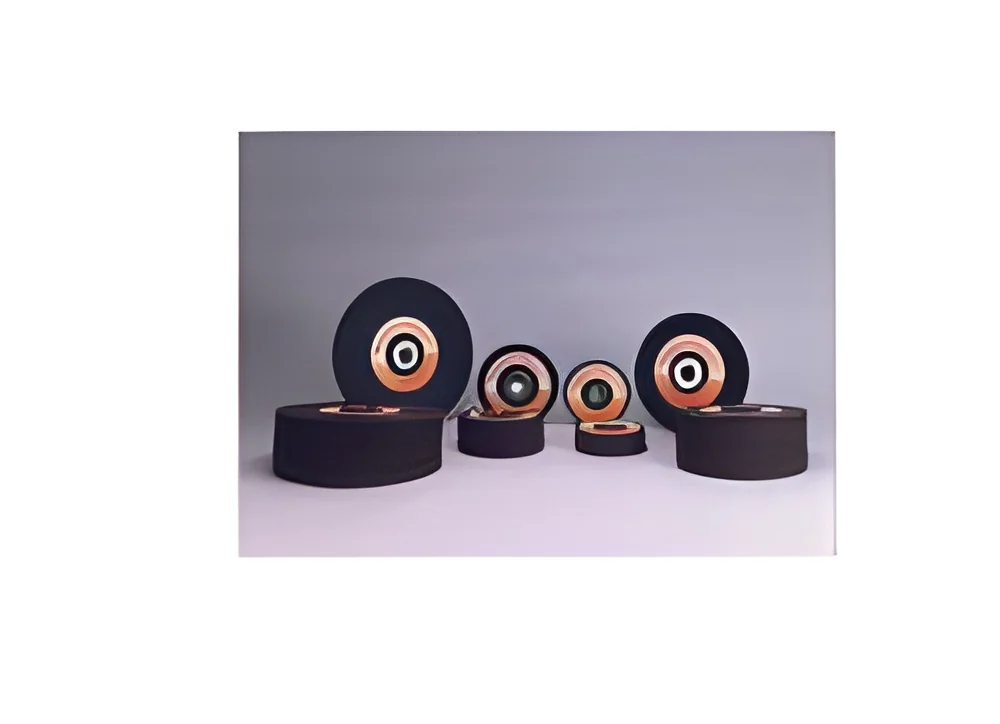
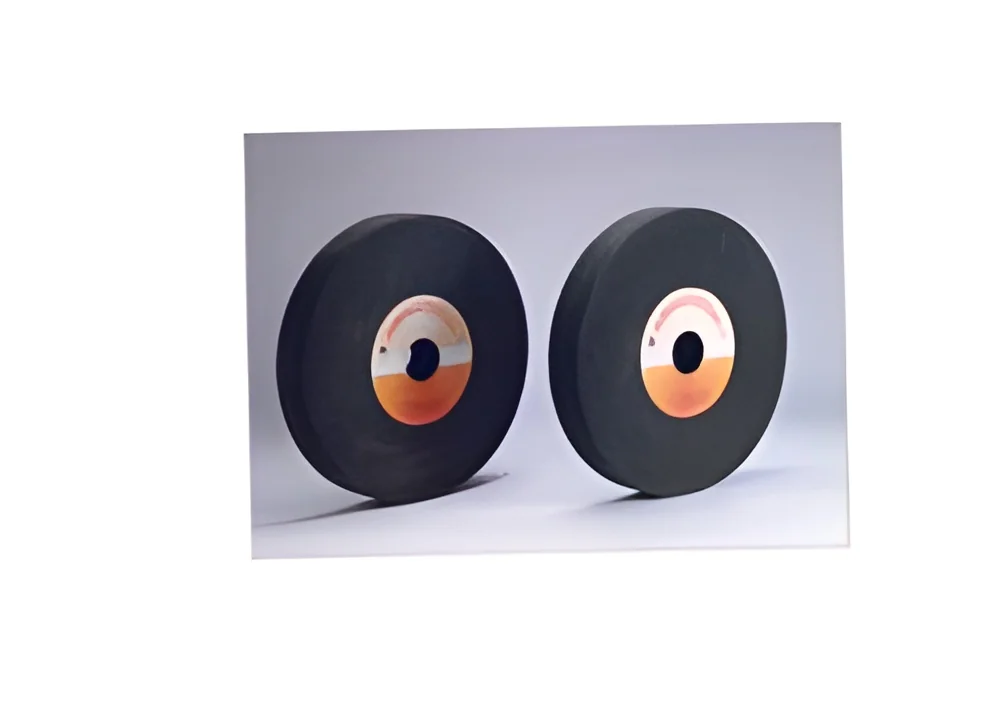
- Wheel sizes can range from small handheld units to large industrial wheels.
- The size affects the speed and efficiency of the sharpening process.
3. Motor Power
- Motors typically range from 0.5 HP to 5 HP, depending on the machine's capacity.
- Higher power ratings enable faster sharpening of tougher materials.
4. Speed Settings
- Variable speed options allow for adaptability based on different sharpening requirements.
- Speeds can range from 1500 to 3450 RPM.
5. Precision Adjustment
- Many machines offer fine-tuning features for precise sharpening angles.
- This ensures better performance and longer tool life.
6. Safety Features
- Includes guards and emergency shut-off switches to protect operators.
- Compliance with safety standards is crucial.
7. Dimensions and Weight
- Size and weight vary significantly, affecting portability and workspace requirements.
- Smaller machines may be suitable for limited spaces.
8. Noise Level
- Noise levels can range from 70 dB to 90 dB, with quieter models available for reduced workplace disruption.
- Important for compliance with workplace safety regulations.
These specifications collectively influence the effectiveness and suitability of tool sharpening equipment for specific applications.
𝗖𝗼𝗺𝗺𝗼𝗻 𝗔𝗽𝗽𝗹𝗶𝗰𝗮𝘁𝗶𝗼𝗻𝘀 𝗮𝗻𝗱 𝗨𝘀𝗲 𝗖𝗮𝘀𝗲𝘀
Tool sharpening equipment has diverse applications across multiple sectors.
1. Manufacturing: In manufacturing, tool sharpening equipment is essential for maintaining cutting tools used in machining processes. Sharp tools improve efficiency and reduce waste.
2. Woodworking: Woodworking industries utilize sharpening equipment to keep saw blades, chisels, and router bits in optimal condition, ensuring clean and precise cuts.
3. Metalworking: In metalworking, sharp tools are crucial for achieving high-quality finishes on various metal parts, especially in precision machining.
4. Construction: Construction companies rely on sharpening equipment to maintain the sharpness of tools like drill bits and saws, which are used extensively on job sites.
5. Automotive: The automotive industry uses tool sharpening equipment to maintain cutting tools used in assembly and manufacturing processes, ensuring precision and accuracy.
6. Landscaping: In landscaping, sharpened blades for lawnmowers and trimmers enhance performance and extend tool life.
7. Plumbing: Plumbers use sharpened tools to ensure efficient and effective cutting of pipes and fittings.
𝗣𝗿𝗼𝗱𝘂𝗰𝘁 𝗩𝗮𝗿𝗶𝗮𝗻𝘁𝘀 𝗮𝗻𝗱 𝗦𝘂𝗯𝗰𝗮𝘁𝗲𝗴𝗼𝗿𝗶𝗲𝘀
Tool sharpening equipment comes in various forms to meet the specific needs of different industries.
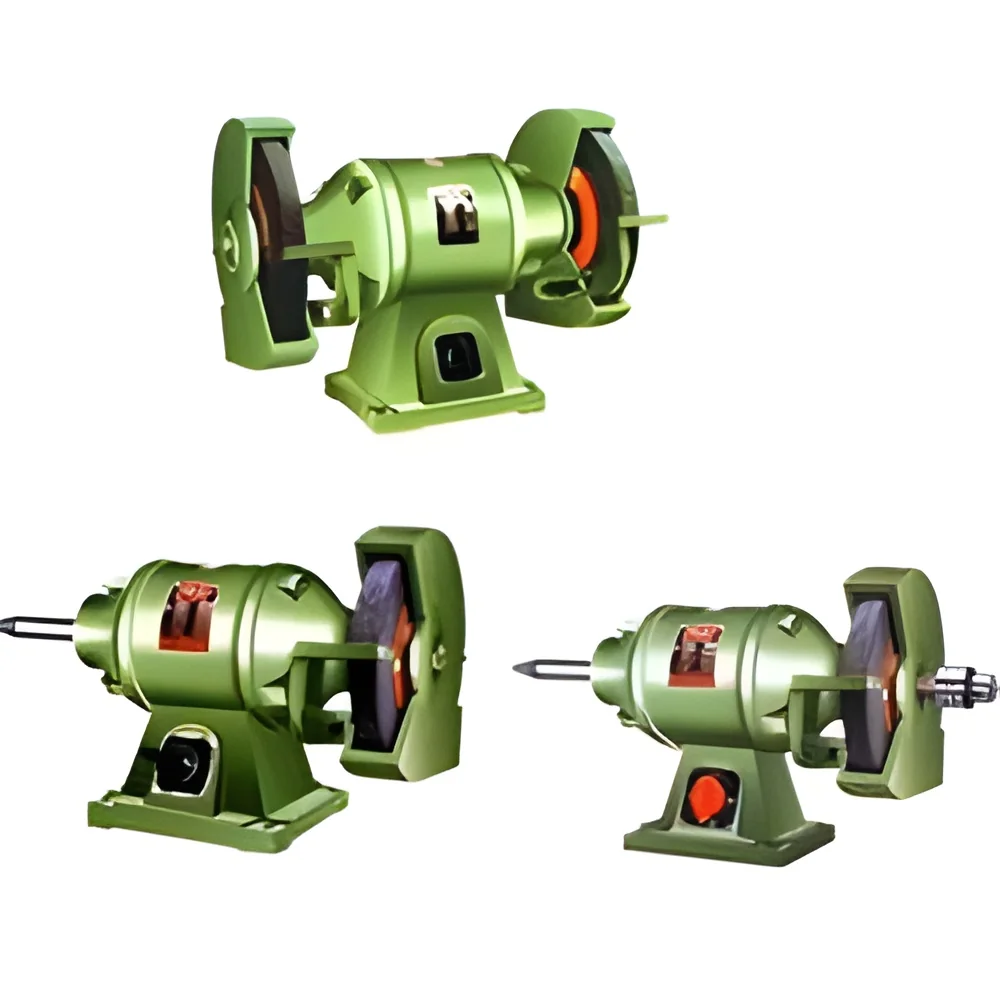
Bench Grinders: These are versatile machines suitable for sharpening a variety of tools, including chisels, blades, and drill bits. They typically feature adjustable tool rests for precision.
Wet Sharpeners: Used for tools requiring a finer edge, wet sharpeners utilize water to cool the tool while sharpening, preventing overheating and damage to the blade.
Portable Sharpeners: Designed for mobility, these compact units allow for sharpening in various environments, making them ideal for fieldwork and remote locations.
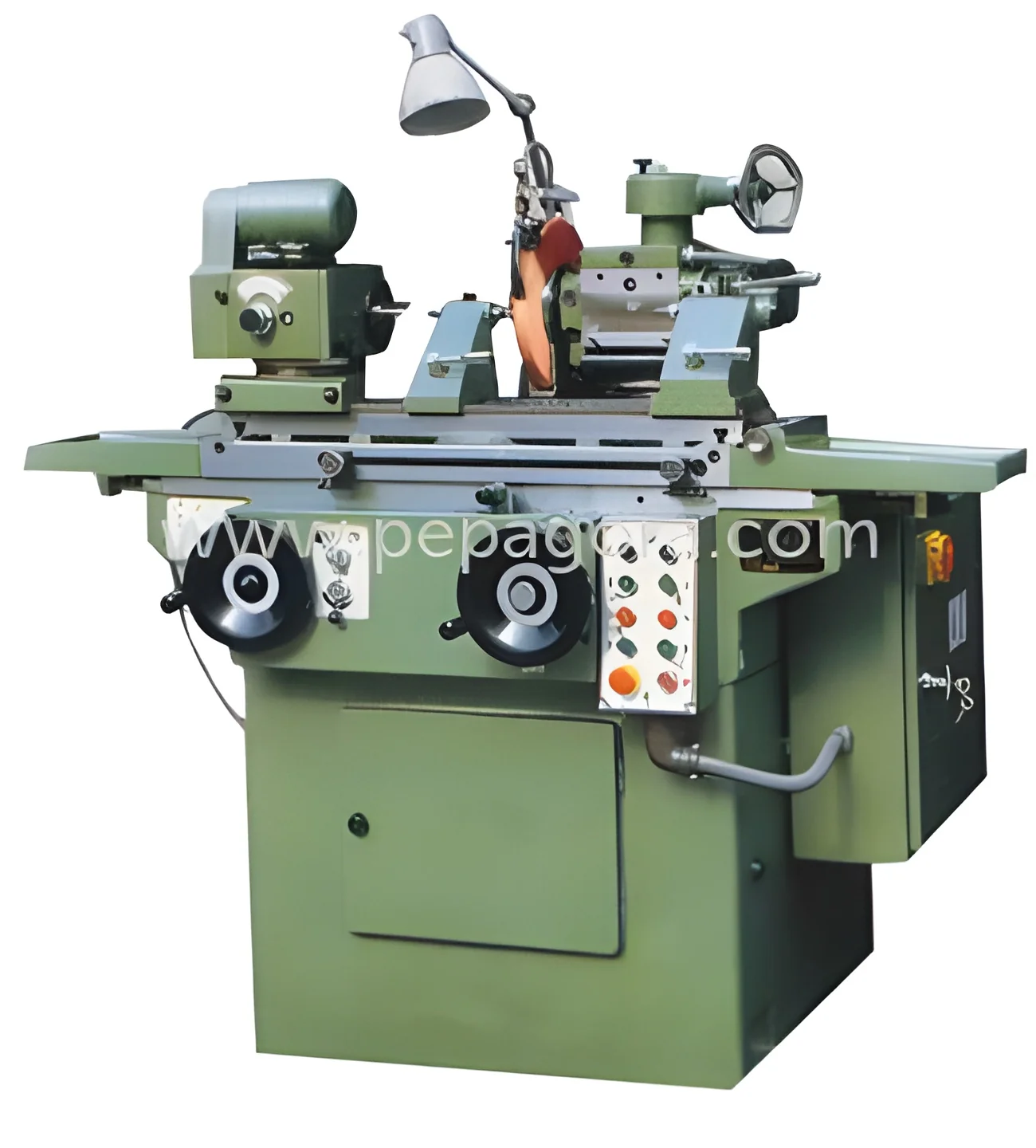
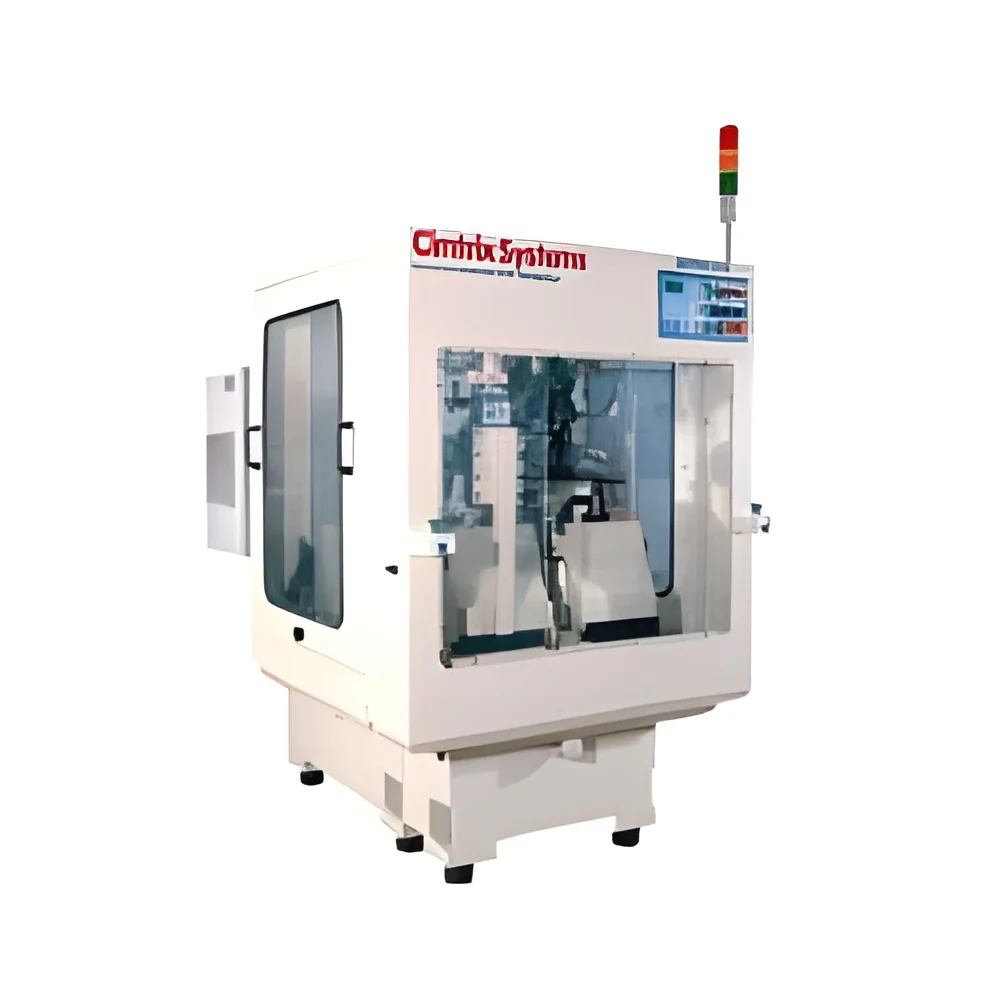
CNC Tool Grinders: These advanced machines automate the sharpening process and can produce highly precise angles, making them ideal for high-volume production settings.
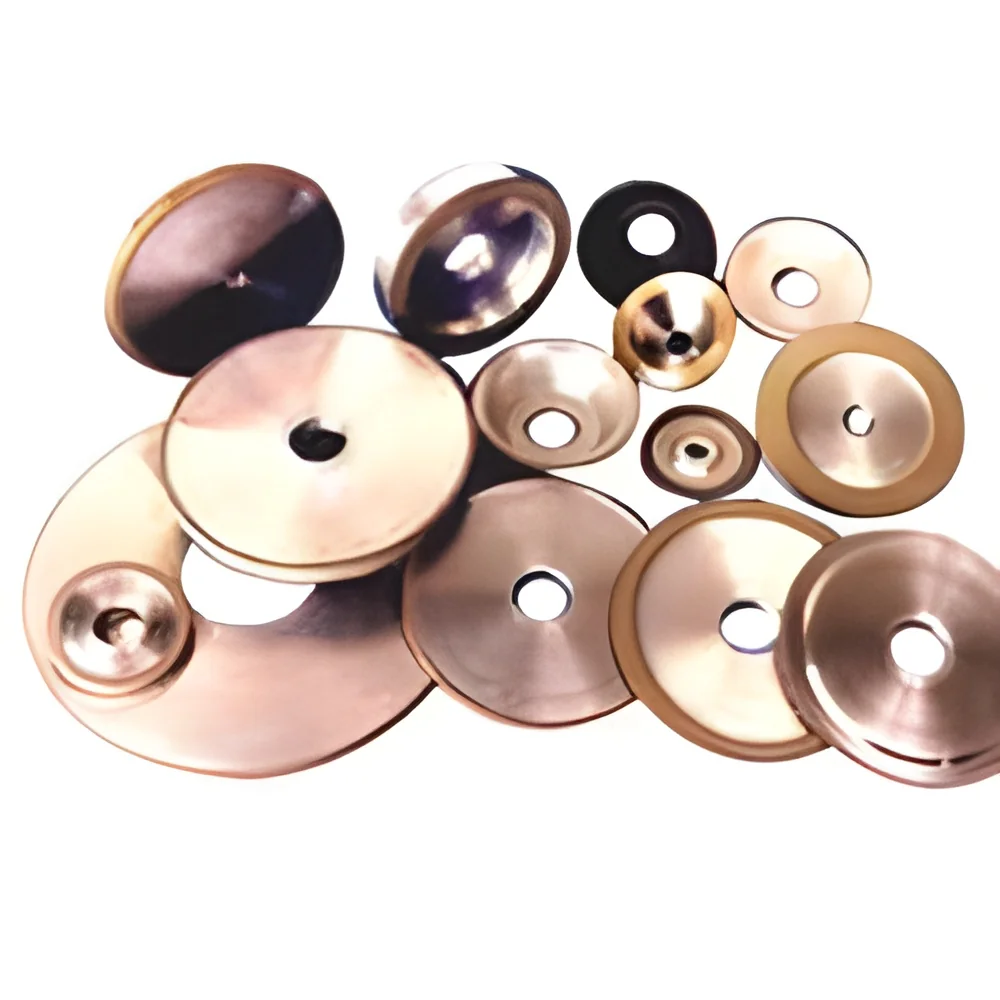
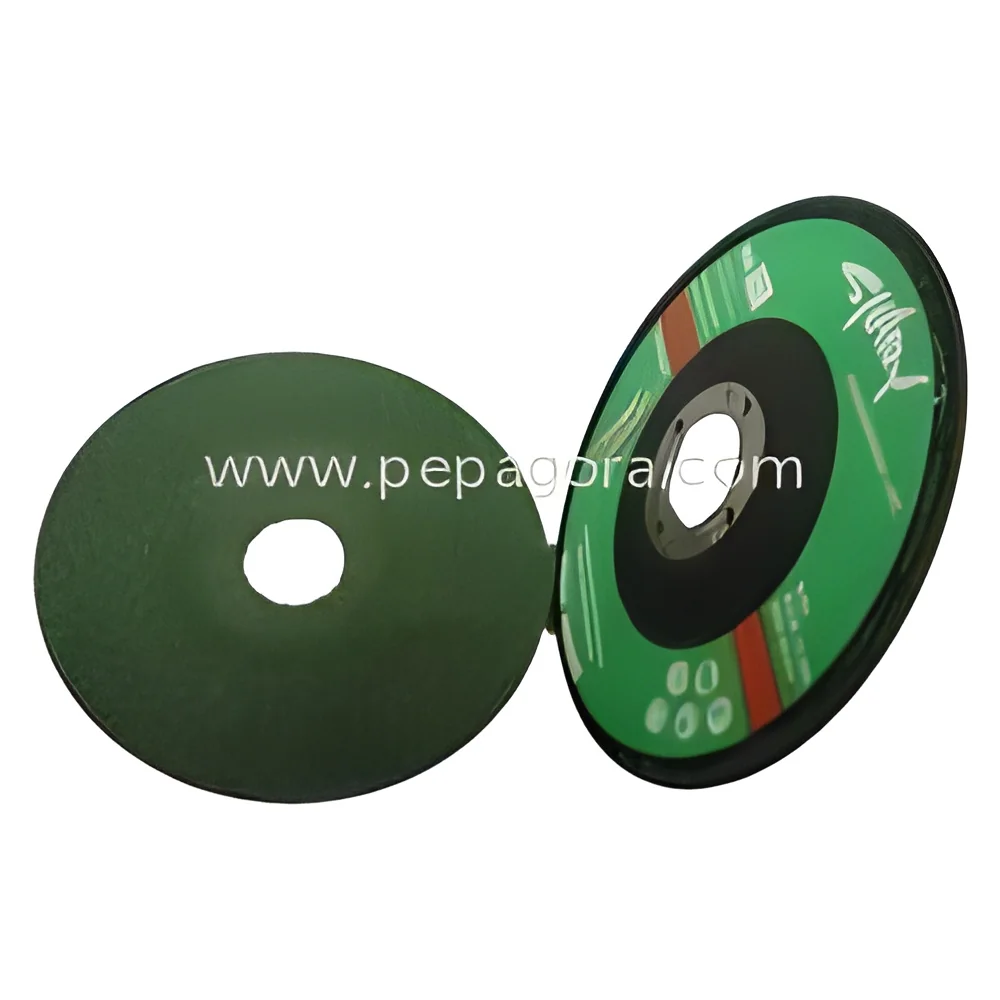
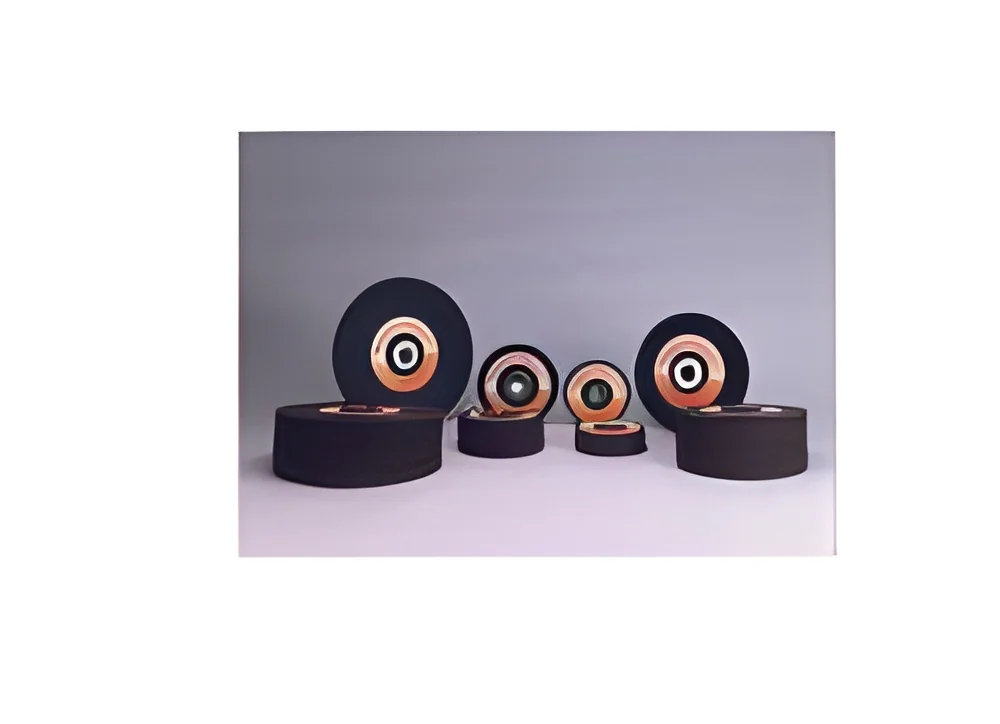
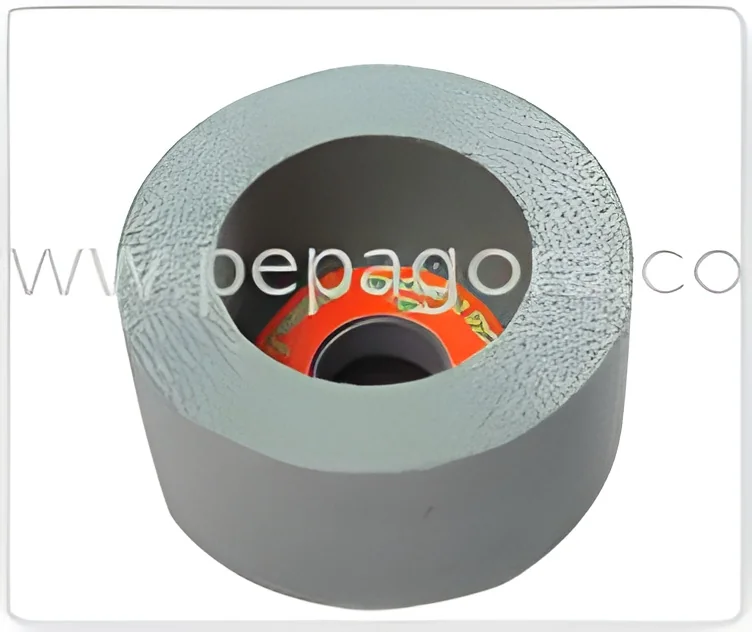
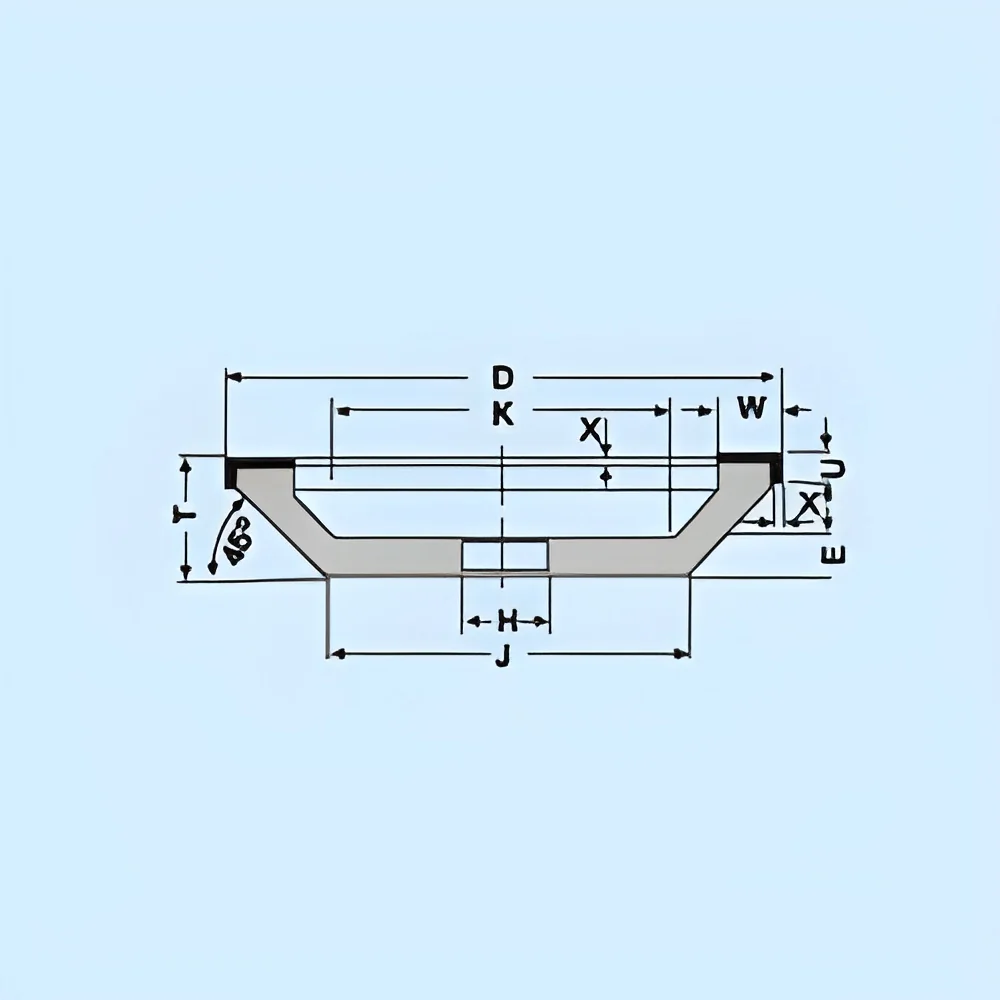
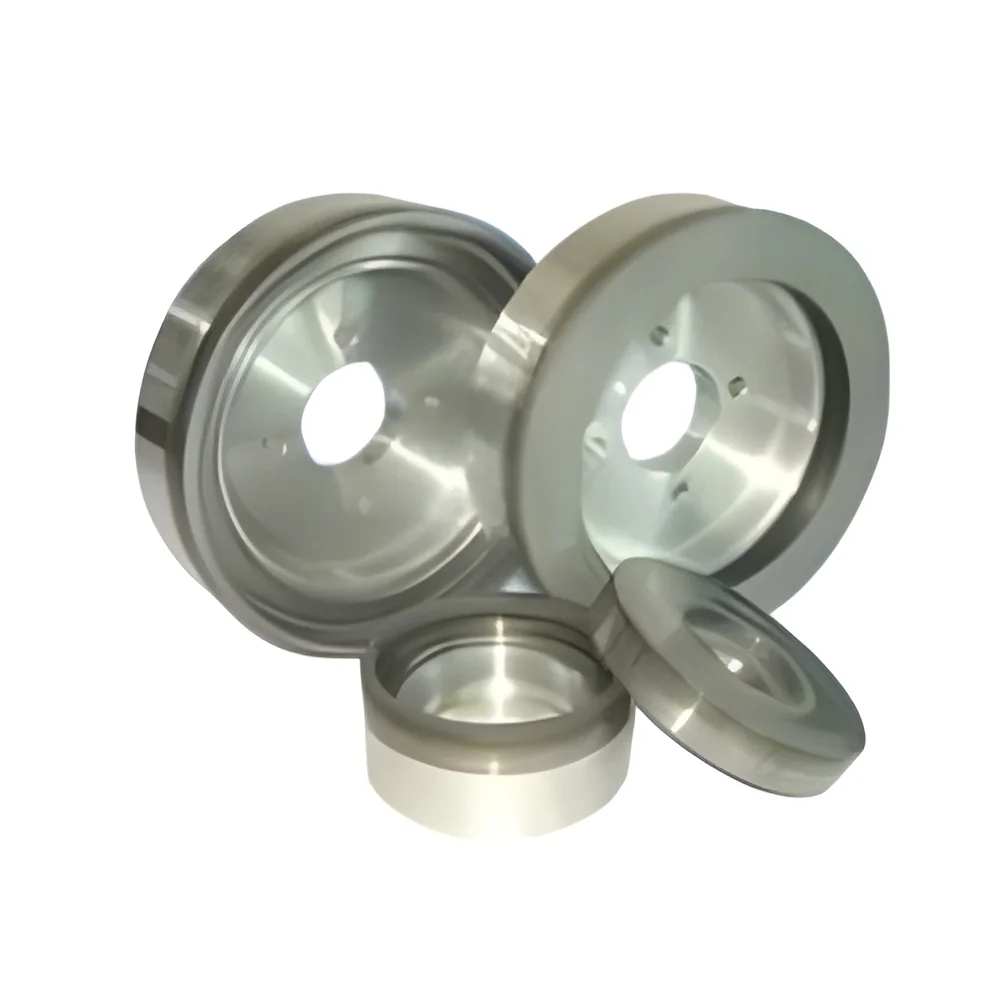
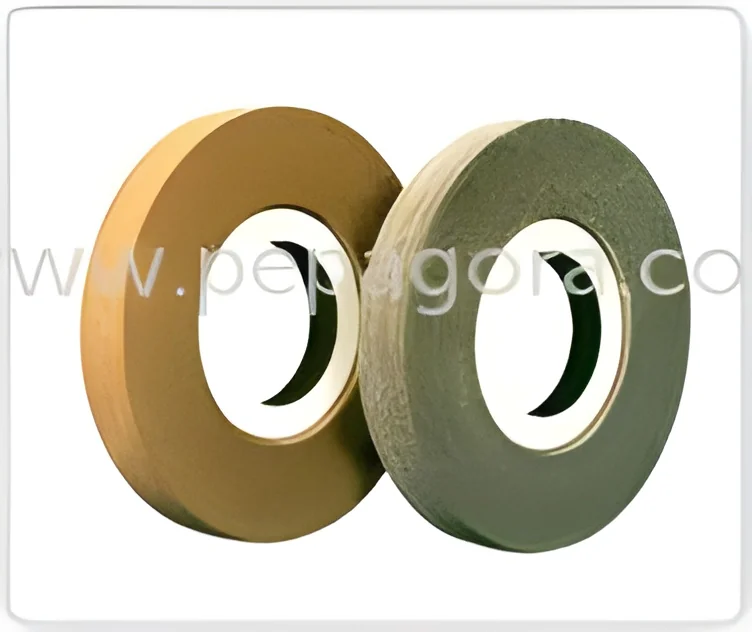
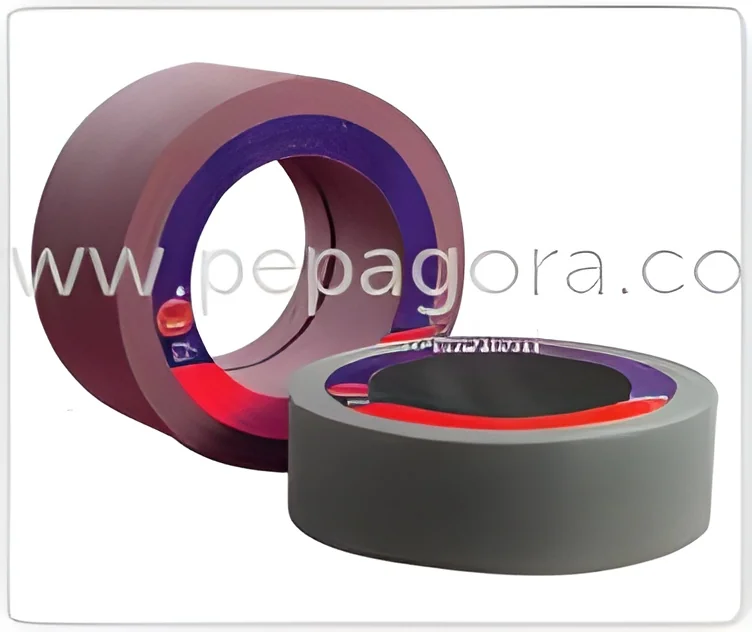
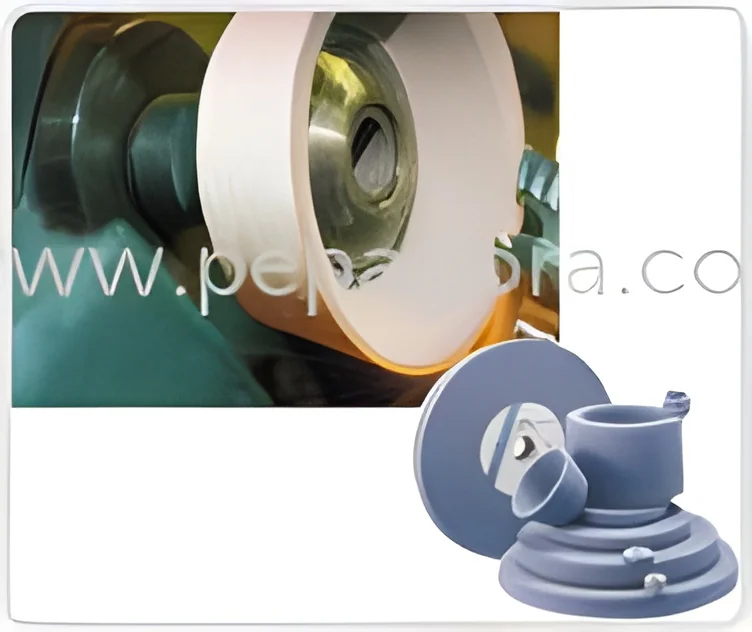
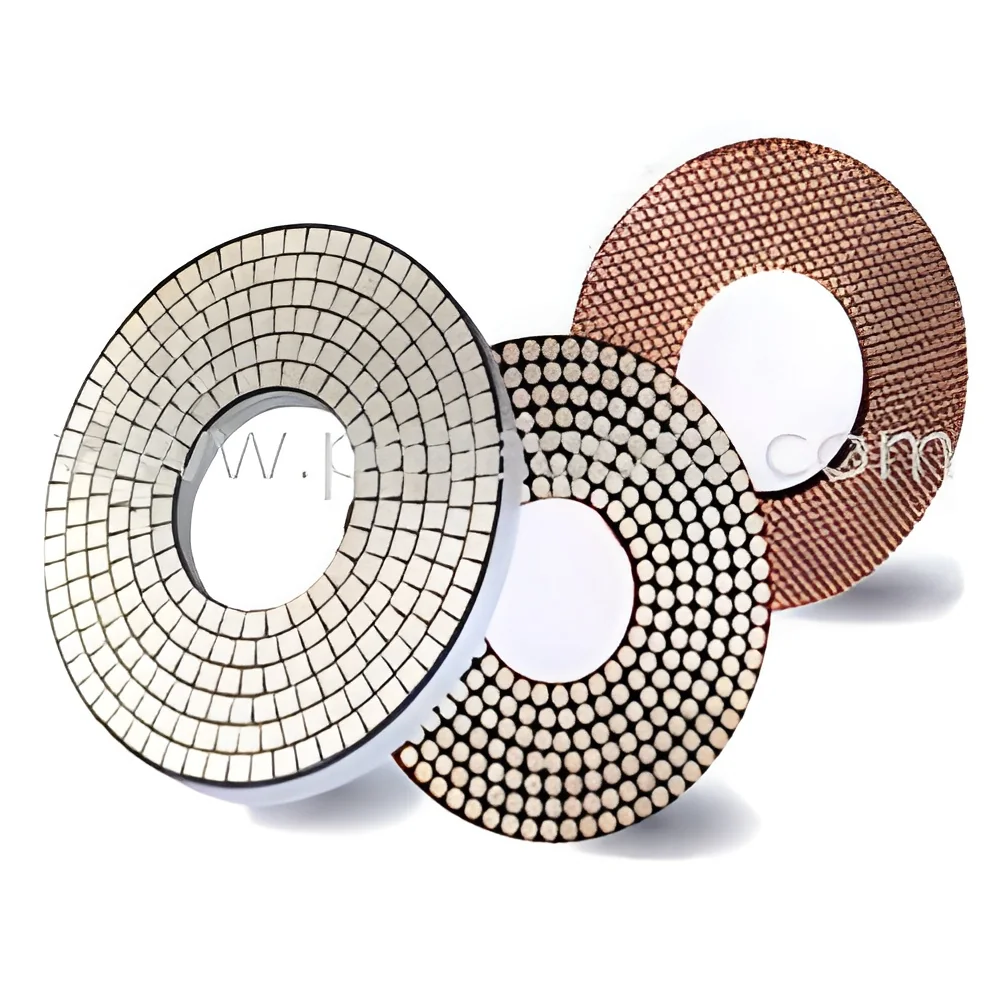
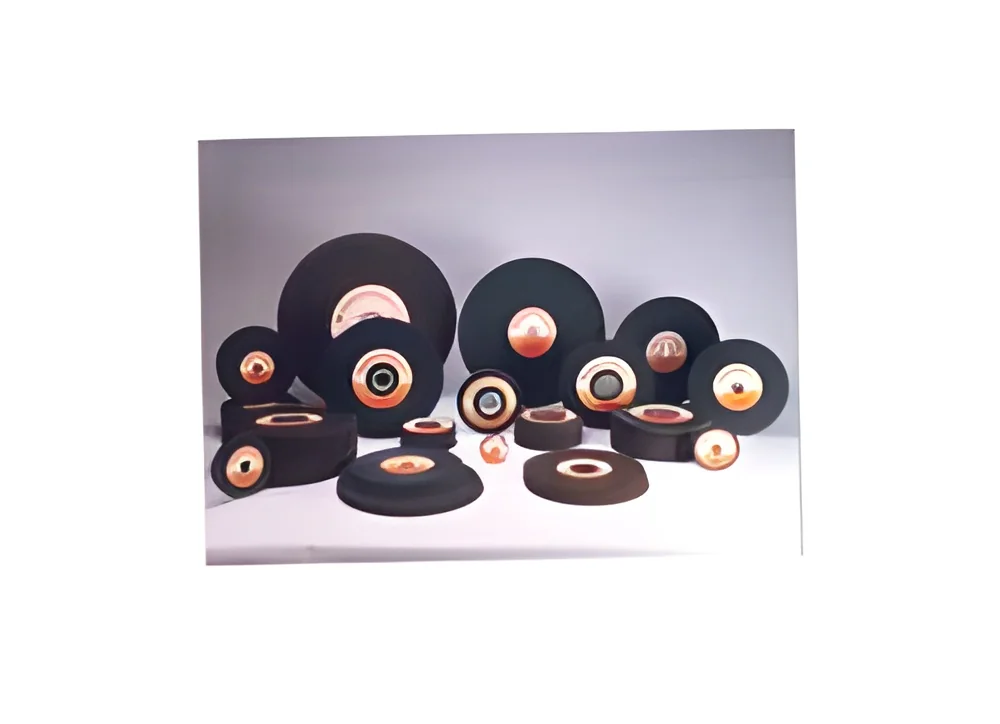
Diamond Wheel Sharpeners: These machines utilize diamond-coated wheels for sharpening, offering longevity and efficiency, particularly for hard materials.
𝗕𝗲𝗻𝗲𝗳𝗶𝘁𝘀 𝗮𝗻𝗱 𝗔𝗱𝘃𝗮𝗻𝘁𝗮𝗴𝗲𝘀
Investing in tool sharpening equipment offers numerous benefits for businesses.
1. Increased Tool Lifespan: Regular sharpening prolongs the life of cutting tools, reducing the need for frequent replacements.
2. Enhanced Performance: Sharp tools deliver better cutting efficiency, improving overall productivity in manufacturing processes.
3. Cost Savings: Maintaining tools through regular sharpening reduces operational costs associated with tool replacement and downtime.
4. Improved Quality: Sharper tools provide cleaner cuts and finishes, enhancing the quality of the end products.
5. Safety: Well-maintained tools reduce the risk of accidents and injuries associated with dull blades.
6. Versatility: Many sharpening machines can accommodate various types of tools, making them suitable for diverse applications across industries.
𝗕𝘂𝘆𝗶𝗻𝗴 𝗚𝘂𝗶𝗱𝗲 𝗳𝗼𝗿 𝗕𝟮𝗕 𝗕𝘂𝘆𝗲𝗿𝘀
When sourcing tool sharpening equipment, several factors should be considered to ensure the right choice for your business needs.
1. Quality Assessment: Evaluate the quality of the equipment based on material construction, brand reputation, and customer reviews. High-quality machines often come with warranties and support.
2. Supplier Verification: Conduct thorough research on potential suppliers to ensure they are reliable and provide quality products. Look for certifications and customer feedback.
3. Pricing and MOQ: Compare pricing among different suppliers, considering the minimum order quantities that may apply. Ensure the cost aligns with your budget and business requirements.
4. Delivery and Lead Times: Understand the expected delivery times for the equipment. Timely delivery is crucial to maintaining operational efficiency.
5. Compliance Requirements: Ensure the equipment meets relevant industry standards and regulations, including safety and environmental compliance.
𝗖𝗼𝗺𝗽𝗹𝗶𝗮𝗻𝗰𝗲 𝗮𝗻𝗱 𝗖𝗲𝗿𝘁𝗶𝗳𝗶𝗰𝗮𝘁𝗶𝗼𝗻𝘀
Tool sharpening equipment must adhere to various compliance standards to ensure safety and performance.
Relevant quality standards include ISO 9001, which focuses on quality management systems, ensuring manufacturers maintain consistent quality in their products.
Industry certifications, such as CE marking, indicate that the equipment complies with European safety, health, and environmental protection standards.
Safety and testing requirements are critical to ensuring the equipment operates safely and effectively in various industrial environments.
Additionally, regional compliance considerations should be taken into account, as different regions may have specific regulations regarding equipment safety and performance.
𝗪𝗵𝘆 𝗦𝗼𝘂𝗿𝗰𝗲 𝗧𝗼𝗼𝗹 𝗦𝗵𝗮𝗿𝗽𝗲𝗻𝗶𝗻𝗴 𝗘𝗾𝘂𝗶𝗽𝗺𝗲𝗻𝘁 𝗳𝗿𝗼𝗺 𝗣𝗲𝗽𝗮𝗴𝗼𝗿𝗮?
Pepagora offers a trusted platform for sourcing tool sharpening equipment, providing an array of advantages for B2B buyers.
Verified Supplier Network: Pepagora connects buyers with a network of verified suppliers, ensuring that businesses can access high-quality, reliable products. Suppliers are vetted for their reputation and product offerings.
Streamlined RFQ Process: The platform simplifies the request for quotation (RFQ) process, allowing buyers to easily compare offers from multiple suppliers. This efficiency helps businesses make informed purchasing decisions.
Trade Assurance and Support: Pepagora provides trade assurance, protecting buyers throughout the transaction process. Support is available to address any concerns or issues that may arise.
Regional Coverage: With a strong presence in markets such as India, the GCC, and Southeast Asia, Pepagora provides geographic reach, making it easier for businesses to source equipment locally and reduce shipping costs.
By choosing Pepagora, companies can ensure they are equipped with the best tools for their sharpening needs while enjoying a seamless sourcing experience.

 IN
IN