What are Precision Sharpening Machines?
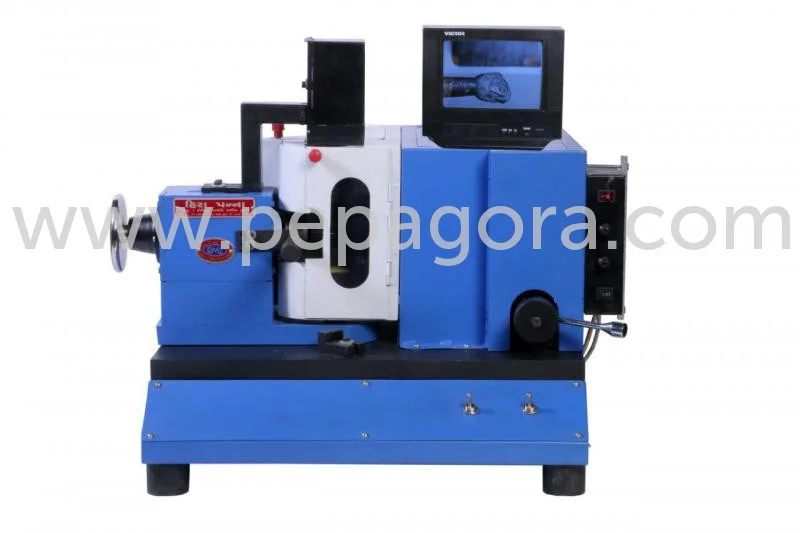
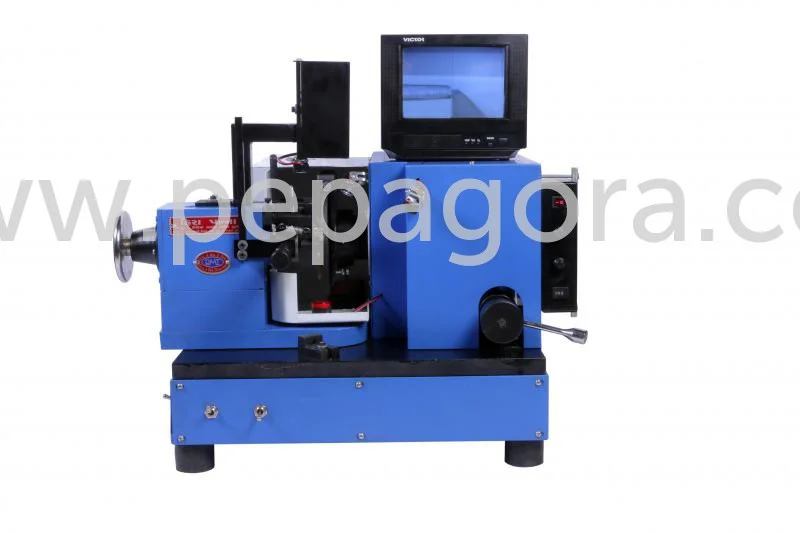
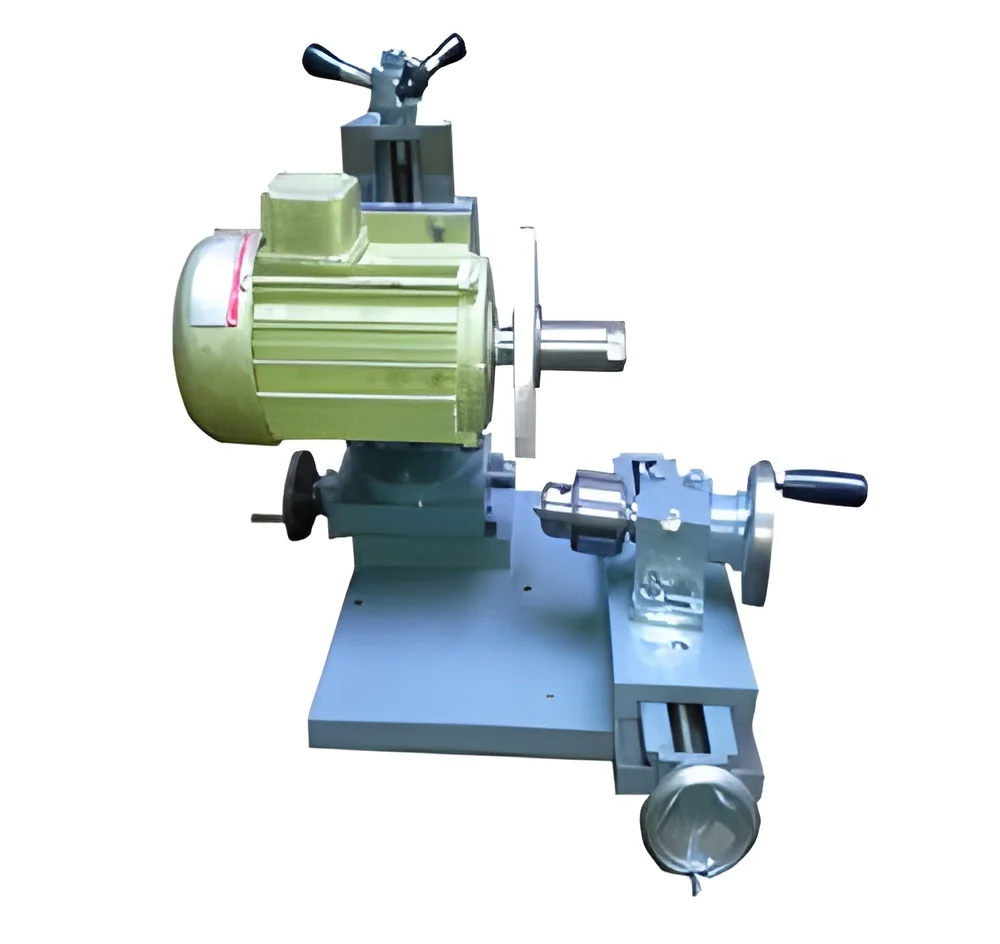
Precision sharpening machines are specialized tools designed to sharpen various cutting tools with high accuracy and efficiency. These machines utilize advanced technology to ensure that blades and edges are honed to exact specifications, providing superior performance and longevity. They are essential in maintaining the cutting edge of tools used in various industries, ensuring optimal functionality and reducing downtime caused by dull equipment.
These machines find primary application in sectors such as manufacturing, woodworking, metalworking, and culinary. Businesses in these fields rely on precision sharpening machines to keep their tools in peak condition, enhancing productivity and ensuring quality output. In an increasingly competitive market, maintaining sharp tools is crucial for businesses to meet production demands and achieve consistent results.
With the growth of industrial automation and the rising demand for high-precision tools, the market for precision sharpening machines is expanding. Companies are investing in these machines to improve operational efficiency and reduce costs associated with tool replacement and maintenance. As industries evolve, the relevance of precision sharpening machines continues to grow, solidifying their place in modern manufacturing processes.
Key Features and Specifications
Precision sharpening machines offer a range of features that enhance their usability and effectiveness. These features are designed to meet the various needs of different industries and applications.
Key specifications include:
1. Motor Power
- Typically ranges from 0.5 HP to 5 HP
- Ensures adequate power for different sharpening tasks
2. Grinding Wheel Size
- Available in sizes from 100 mm to 300 mm
- Allows for versatility in sharpening different types of tools
3. Speed Control
- Variable speed settings from 500 to 3000 RPM
- Enables users to adjust speed based on material and tool type
4. Angle Adjustment
- Range from 15 to 45 degrees
- Facilitates precise sharpening for various cutting angles
5. Cooling System
- Integrated coolant systems to prevent overheating
- Ensures tool longevity and performance during operation
6. Safety Features
- Emergency stop buttons and protective guards
- Enhances operator safety during use
7. Portability
- Compact designs for easy relocation
- Suitable for workshop or on-site use
8. Digital Interface
- User-friendly controls and displays
- Simplifies operation and monitoring of performance
In summary, the advanced features and specifications of precision sharpening machines make them indispensable in numerous industrial applications, ensuring tools are maintained to the highest standards.
Common Applications and Use Cases
Precision sharpening machines serve a variety of industries, each benefiting from their unique capabilities.
1. Manufacturing: These machines are used to sharpen cutting tools like drills, end mills, and lathes, ensuring they operate efficiently and produce high-quality products.
2. Woodworking: In this sector, precision sharpening machines help maintain chisels, saw blades, and planer knives, allowing woodworkers to achieve clean cuts and smooth finishes.
3. Metalworking: Metal fabricators utilize these machines to sharpen tools such as punches and dies, enhancing the precision of their operations and extending tool life.
4. Culinary: Professional kitchens rely on precision sharpening machines to keep knives and blades sharp, ensuring food preparation is efficient and safe.
5. Textile: In the textile industry, these machines sharpen cutting tools used in fabric cutting, promoting accuracy and reducing waste.
6. Aerospace: Precision sharpening machines help maintain the tools used in aircraft manufacturing and maintenance, ensuring safety and compliance with industry standards.
7. Automotive: These machines are essential for sharpening tools used in engine manufacturing and repairs, contributing to the overall efficiency of automotive production.
Product Variants and Subcategories
Precision sharpening machines come in various forms to cater to different needs and applications.
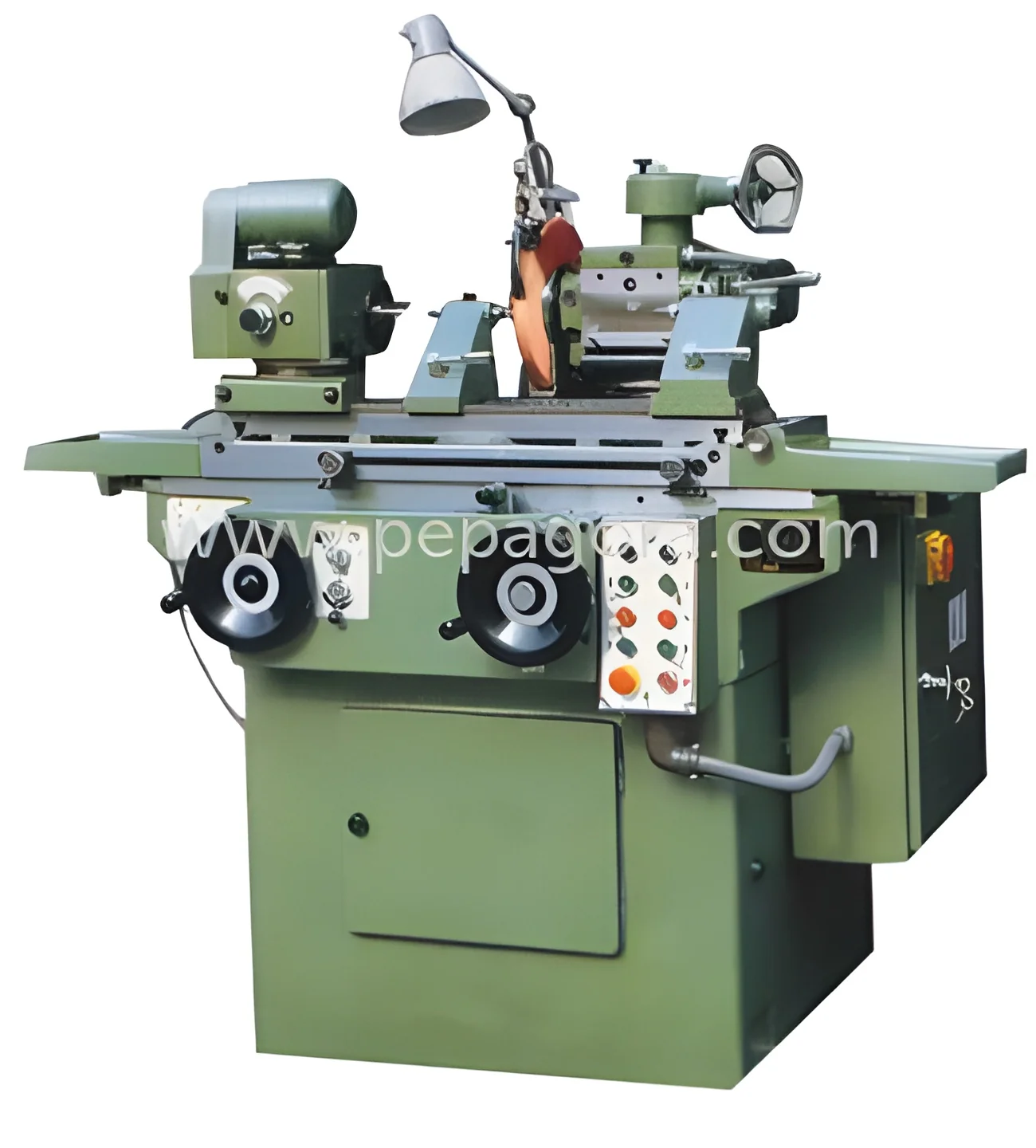
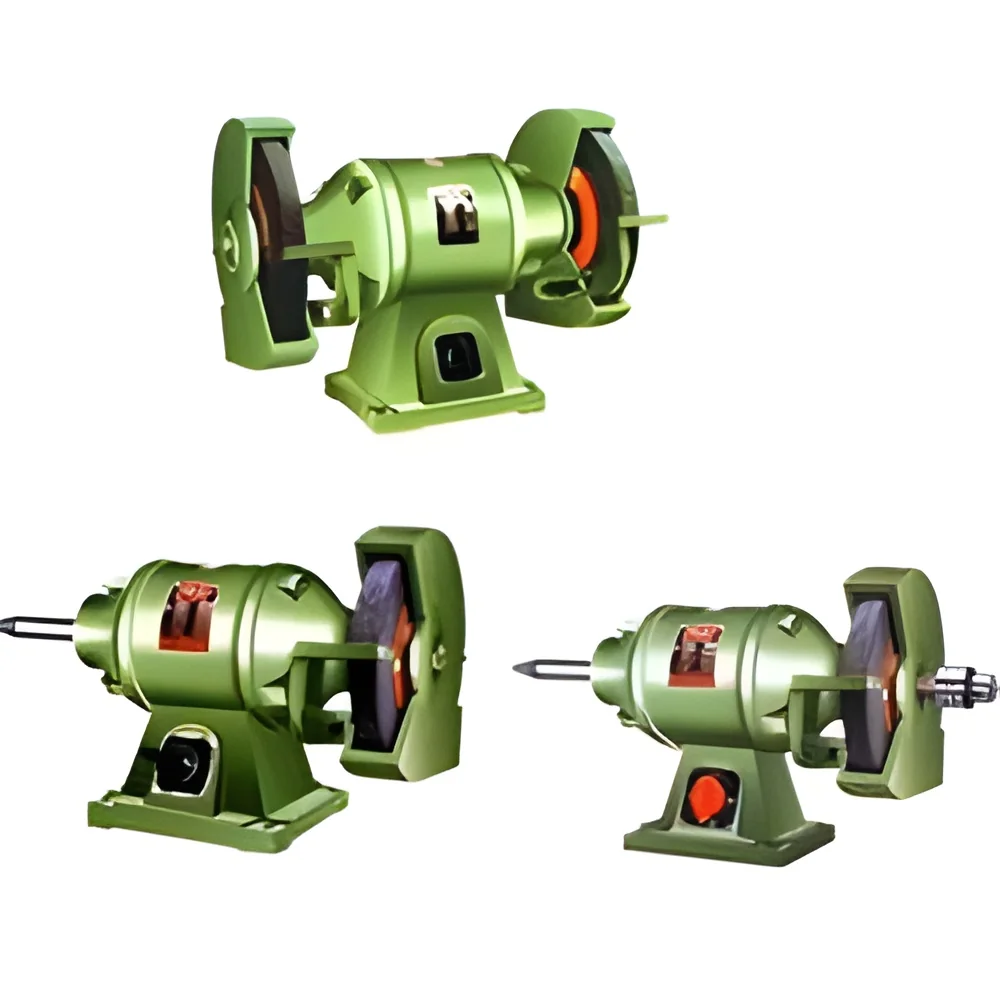
Manual Sharpening Machines: These machines require operator skill and provide flexibility for customized sharpening. They are ideal for small shops focusing on specific tool types.
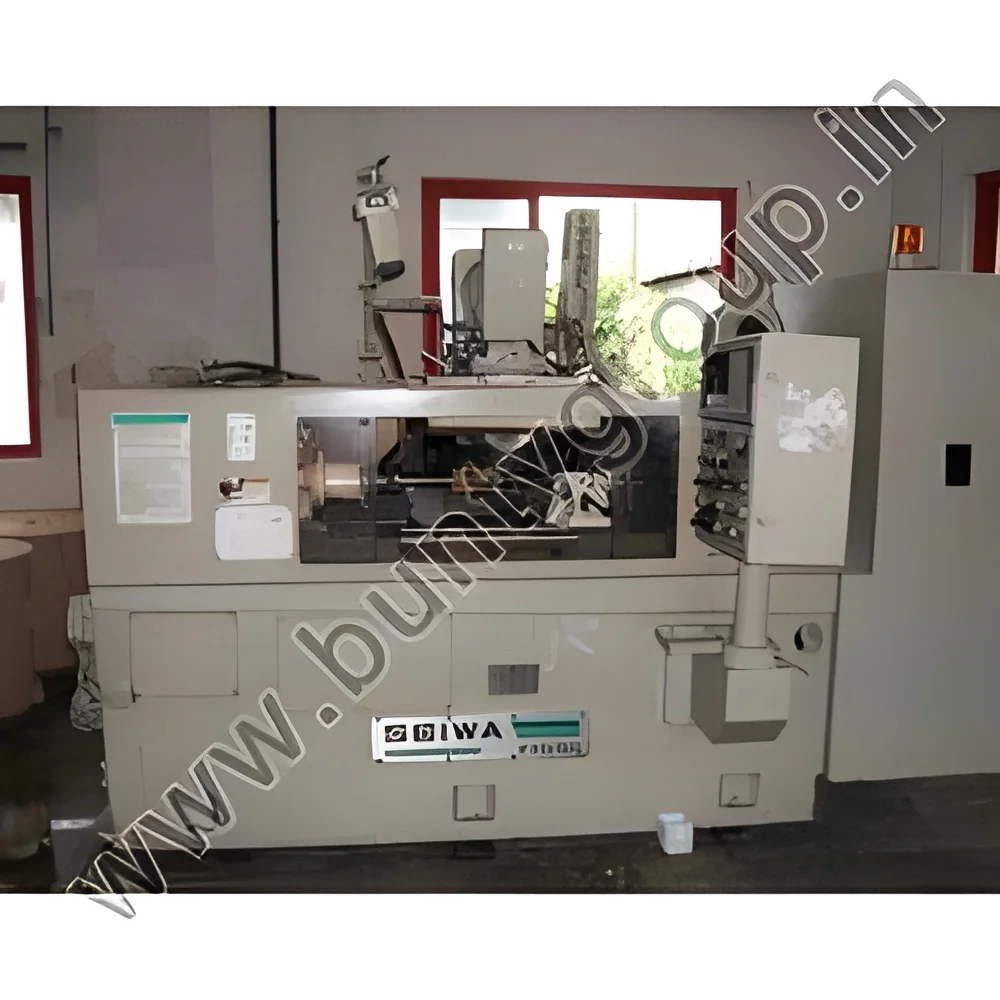
Automatic Sharpening Machines: Designed for high-volume operations, these machines automate the sharpening process, increasing productivity and consistency. They are commonly used in larger manufacturing environments.
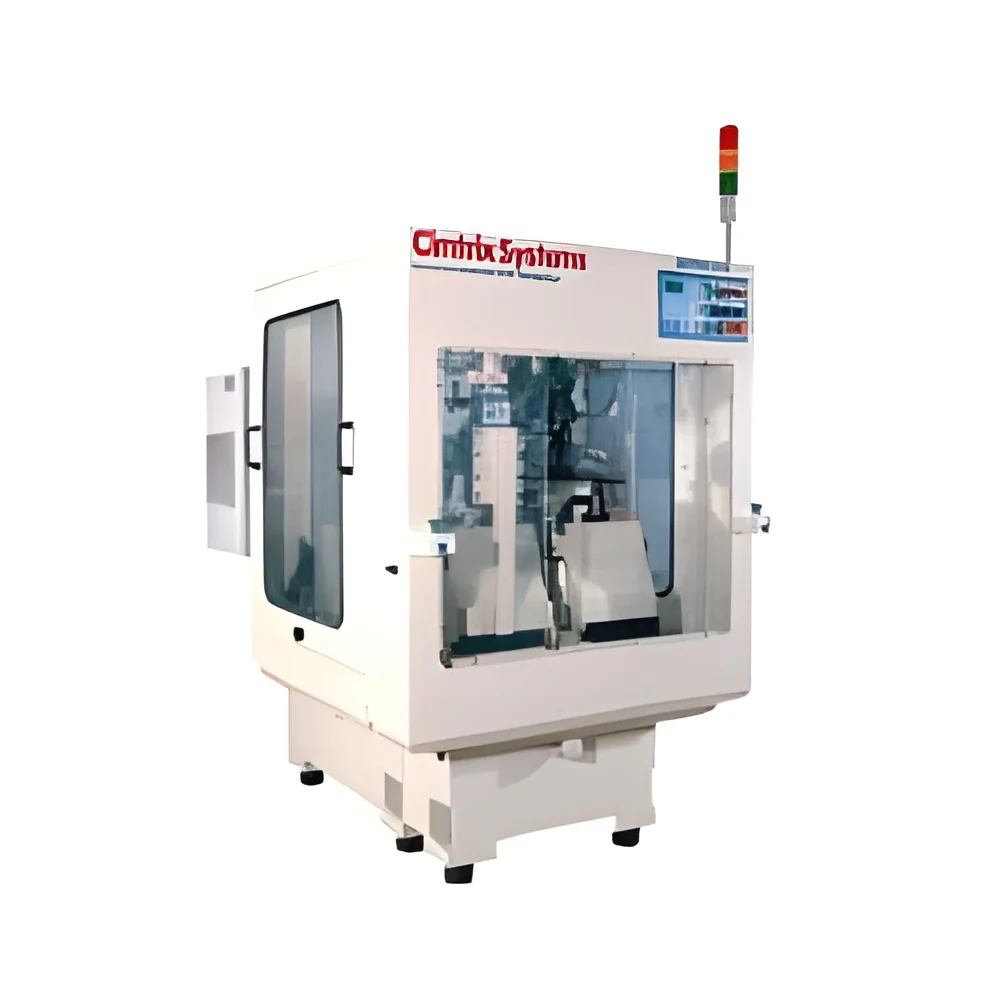
CNC Sharpening Machines: These advanced machines use computer numerical control to achieve precise sharpening. They are perfect for complex tools requiring exact specifications and are widely used in industries demanding high accuracy.
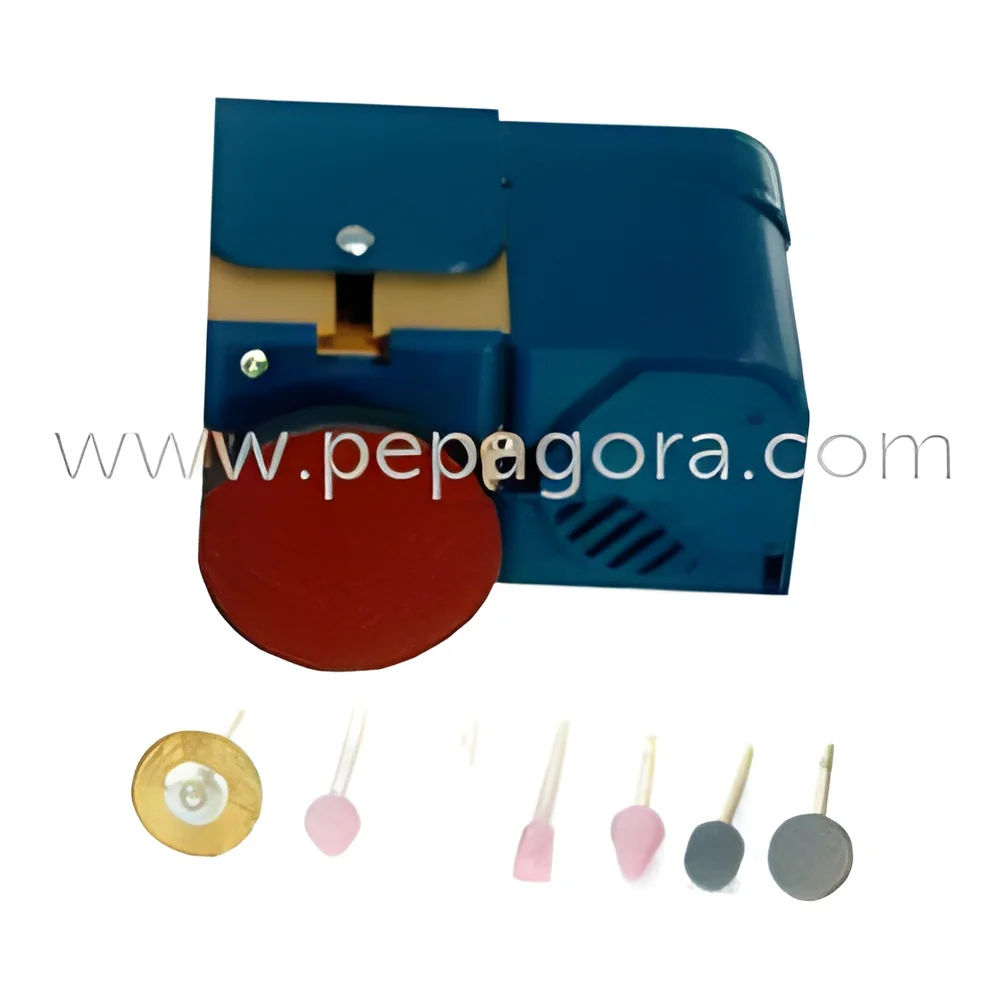
Portable Sharpening Machines: These compact units are designed for on-site use, making them ideal for businesses that require mobility without sacrificing quality.
Benefits and Advantages
Precision sharpening machines offer numerous advantages that enhance operational efficiency and tool performance.
1. Improved Tool Longevity: Regular sharpening extends the life of cutting tools, reducing the need for frequent replacements and associated costs.
2. Enhanced Cutting Performance: Sharp tools cut more effectively, leading to higher quality outputs and less material waste during production.
3. Increased Productivity: By maintaining tools in optimal condition, businesses can minimize downtime and improve overall workflow efficiency.
4. Cost Savings: Investing in precision sharpening machines can significantly lower long-term maintenance and replacement costs for cutting tools.
5. Versatility: These machines can accommodate a wide range of tool types and sizes, making them suitable for diverse applications across various industries.
6. Safety: Properly sharpened tools reduce the risk of accidents and injuries, enhancing workplace safety for operators.
Buying Guide for B2B Buyers
When sourcing precision sharpening machines, there are several key factors to consider to ensure the best fit for your business needs.
1. Quality Assessment: Evaluate the build quality and durability of the machines. Look for reliable brands with positive reviews and proven track records in performance.
2. Supplier Verification: It is essential to vet suppliers thoroughly. Check for industry certifications, customer feedback, and their ability to provide ongoing support and service.
3. Pricing and MOQ: Understand the pricing structure and minimum order quantities before making a commitment. This helps in budgeting and ensures that you are getting value for your investment.
4. Delivery and Lead Times: Consider logistics and the expected delivery times. Ensure that suppliers can meet your project timelines to avoid delays in production.
5. Compliance Requirements: Ensure that the machines comply with relevant industry standards and regulations. This is crucial for maintaining quality and safety in operations.
Compliance and Certifications
Precision sharpening machines are subject to various quality and safety standards that ensure they meet industry requirements.
ISO 9001 is a universal standard that focuses on quality management systems, ensuring that manufacturers uphold consistent quality in their products. Compliance with this standard indicates a commitment to quality and customer satisfaction.
CE certification is essential for machines sold in European markets. It signifies that the product meets EU safety, health, and environmental protection requirements.
Safety and testing requirements are critical in ensuring that the machines operate safely and reliably. Manufacturers must adhere to these standards to mitigate risks for operators.
Regional compliance considerations may vary, so it is essential for buyers to understand the specific regulations that apply to their location and industry. This ensures that the equipment meets all local legal requirements.
Why Source Precision Sharpening Machines from Pepagora?
Pepagora offers a trusted platform for sourcing precision sharpening machines, providing several key advantages to B2B buyers.
Verified Supplier Network: Pepagora connects buyers with verified suppliers, ensuring that businesses can trust the quality and reliability of the products they purchase. This network helps mitigate risks associated with sourcing.
Streamlined RFQ Process: The request for quotation (RFQ) process on Pepagora is designed to be straightforward and efficient. Buyers can easily compare quotes from different suppliers, facilitating informed decision-making.
Trade Assurance and Support: Pepagora provides trade assurance, protecting buyers throughout the purchasing process. This support helps ensure that businesses receive the products they expect within the agreed timelines.
Regional Coverage: With a strong presence in India, the GCC, and Southeast Asia, Pepagora offers extensive regional coverage, making it easier for businesses to access quality precision sharpening machines tailored to their specific needs.
By choosing Pepagora, businesses can enhance their sourcing experience while ensuring they receive high-quality precision sharpening machines that meet their operational requirements.

 IN
IN