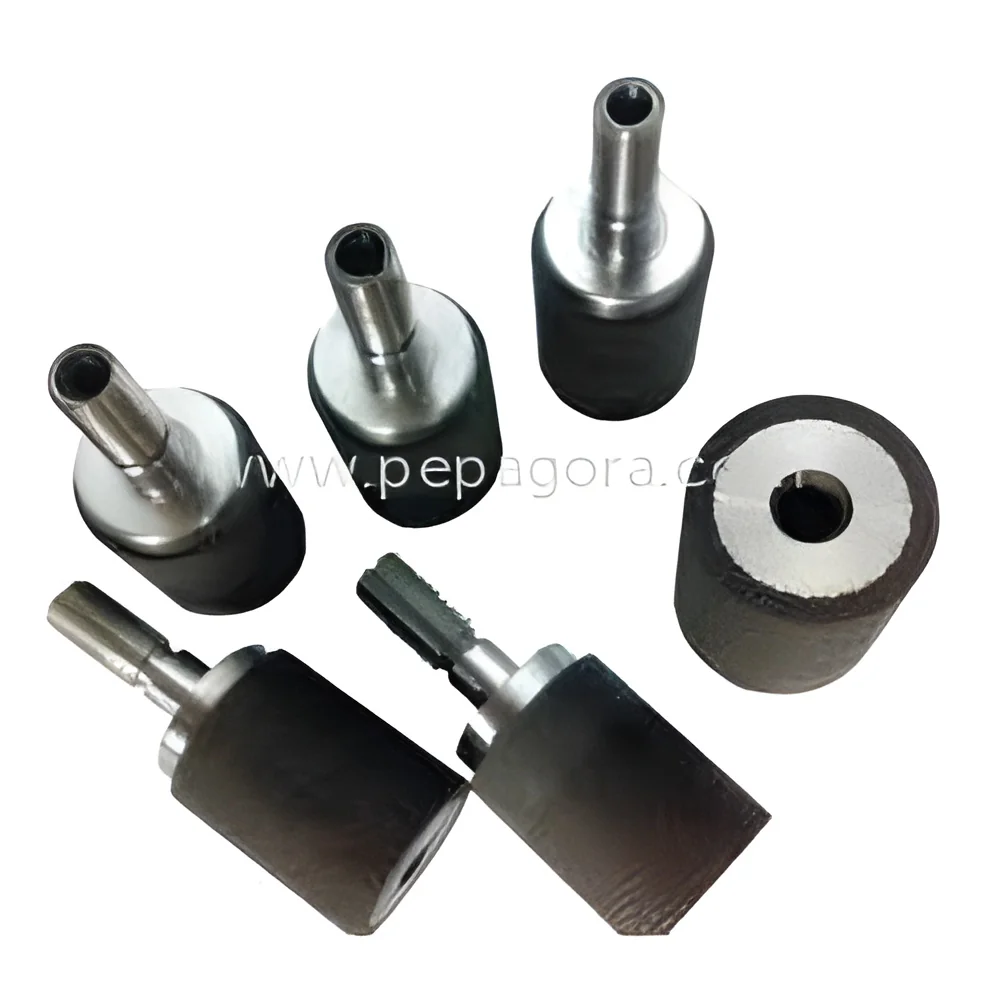
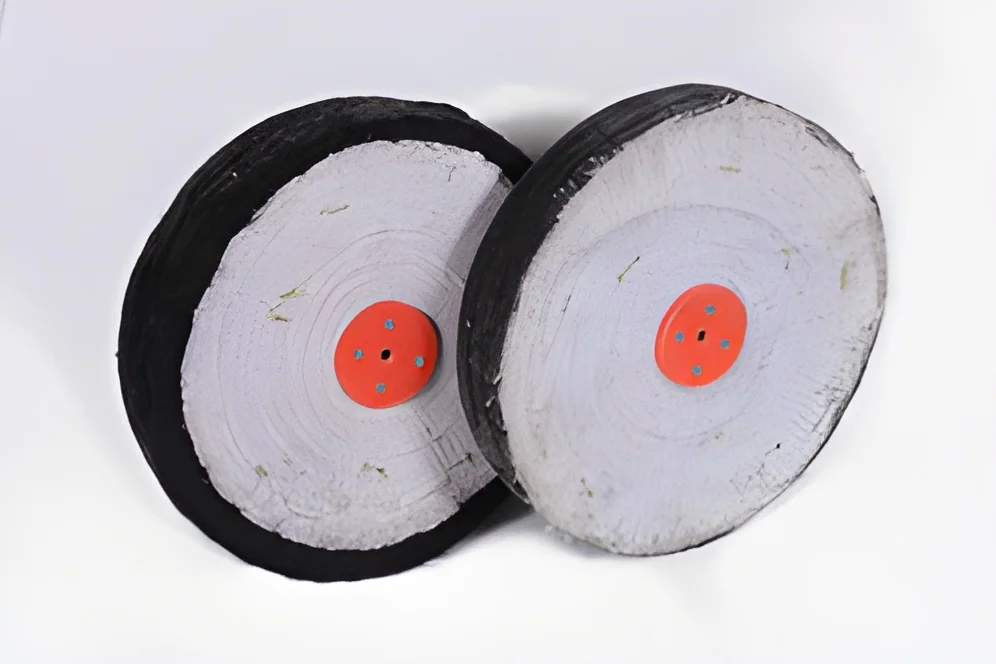
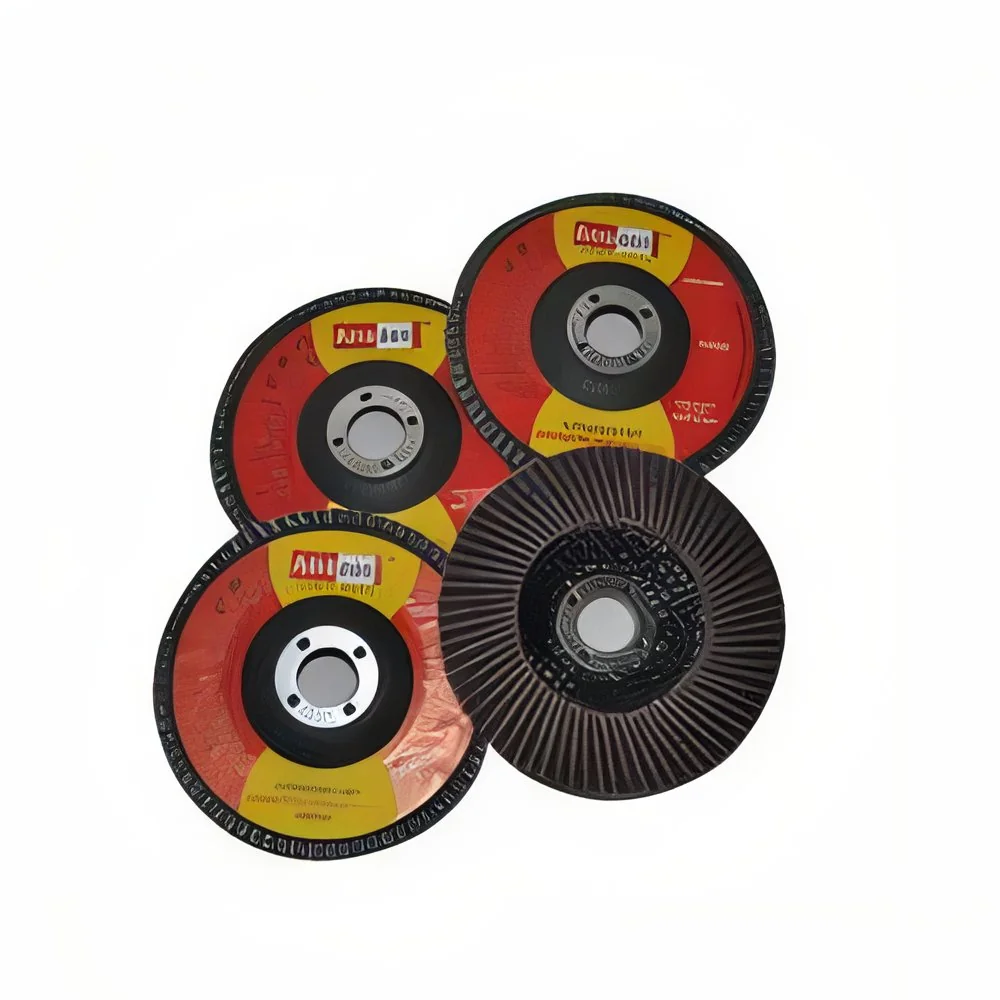
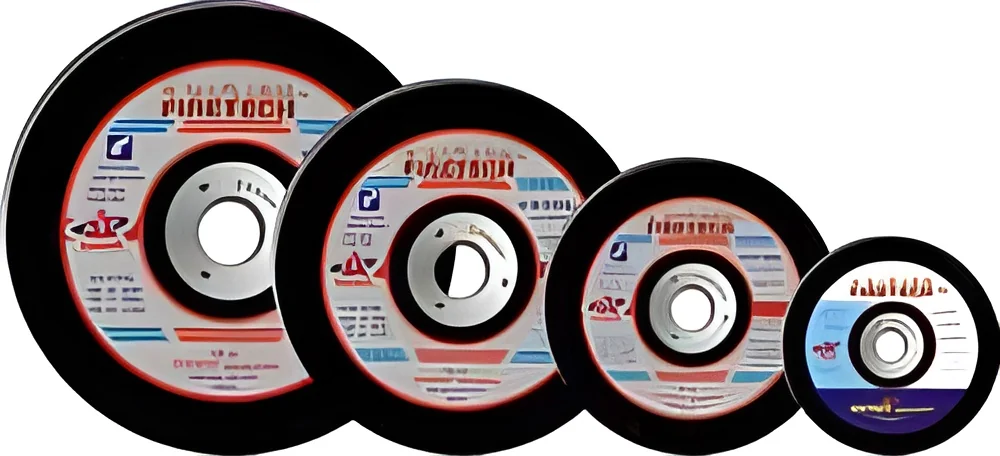
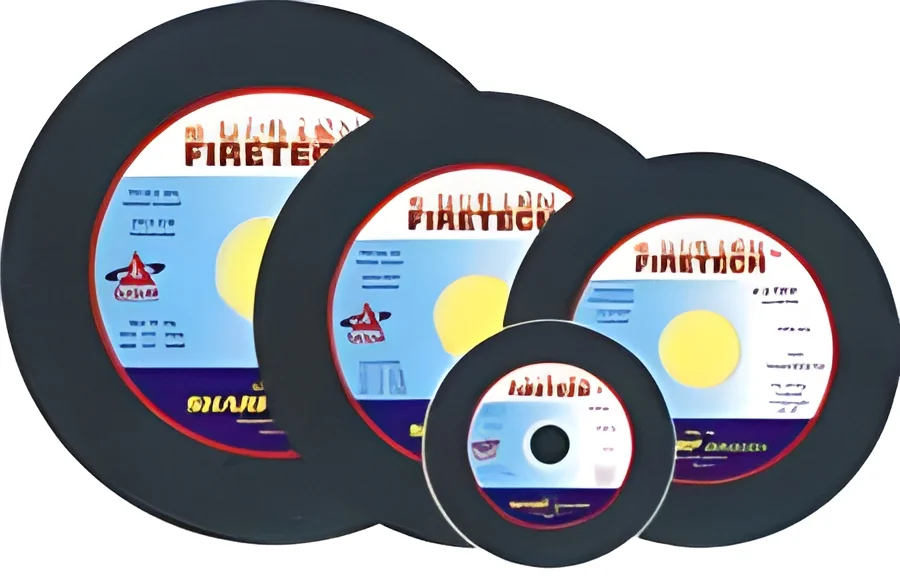
What are Grinding Wheels & Discs?
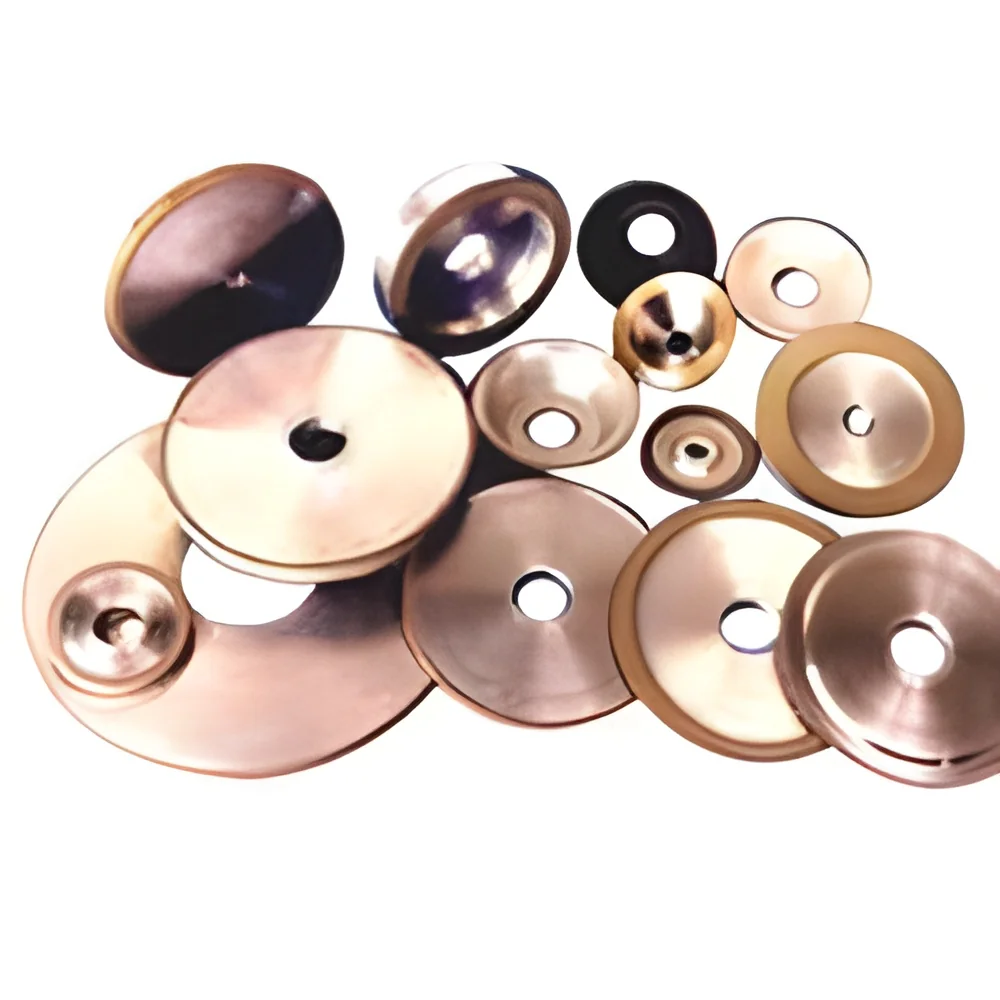
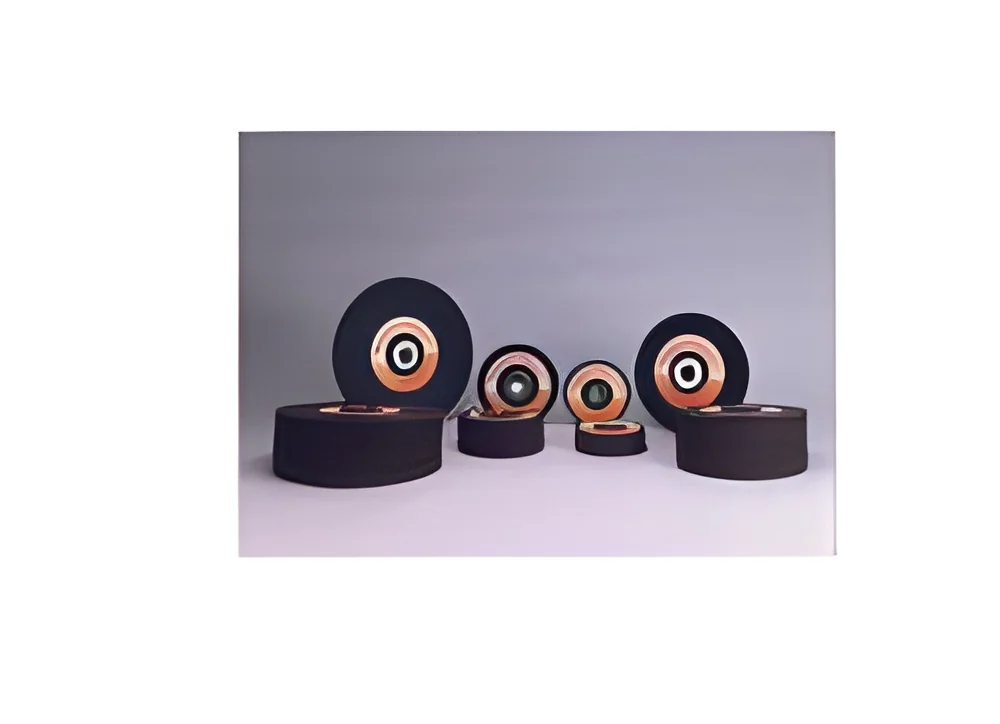
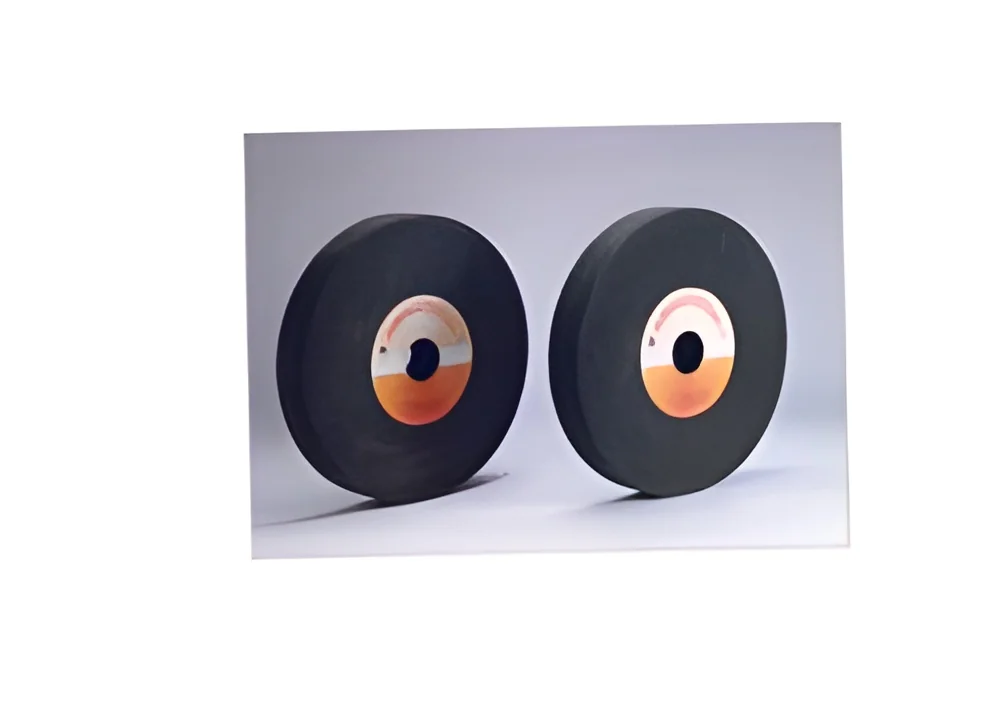
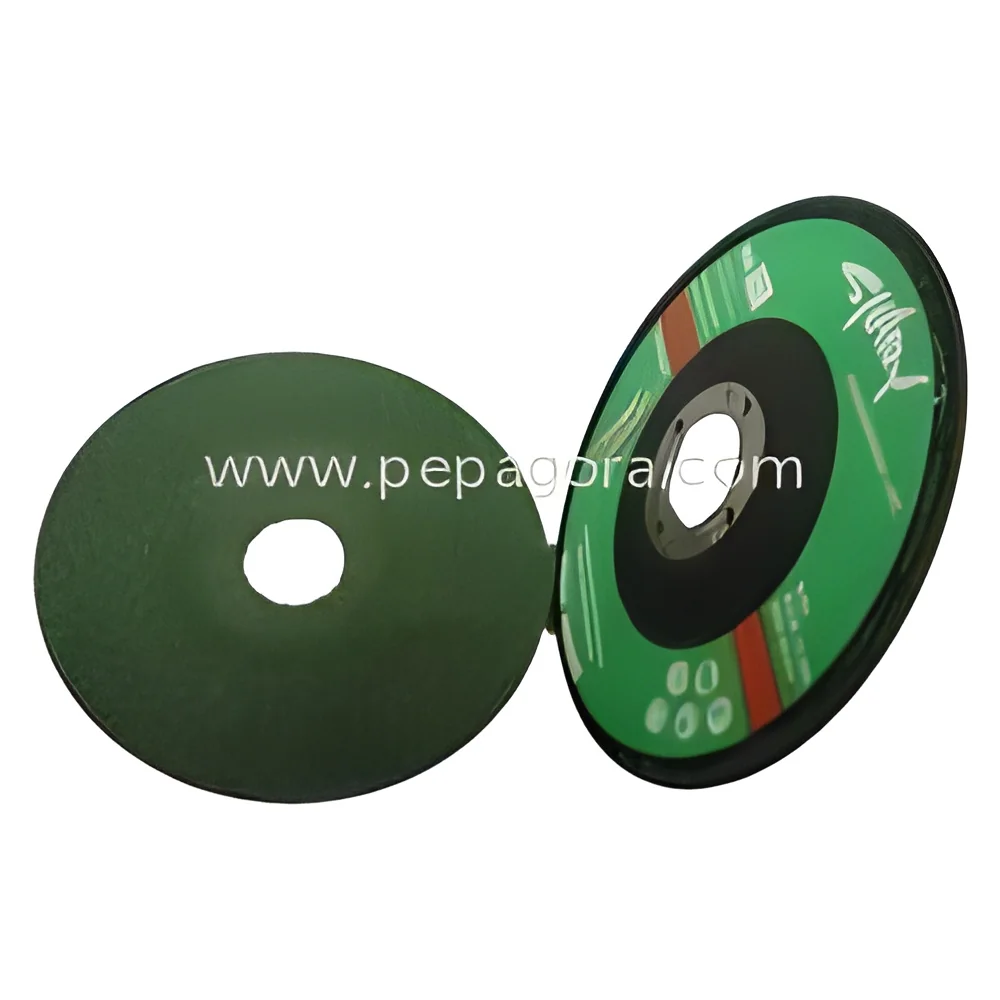
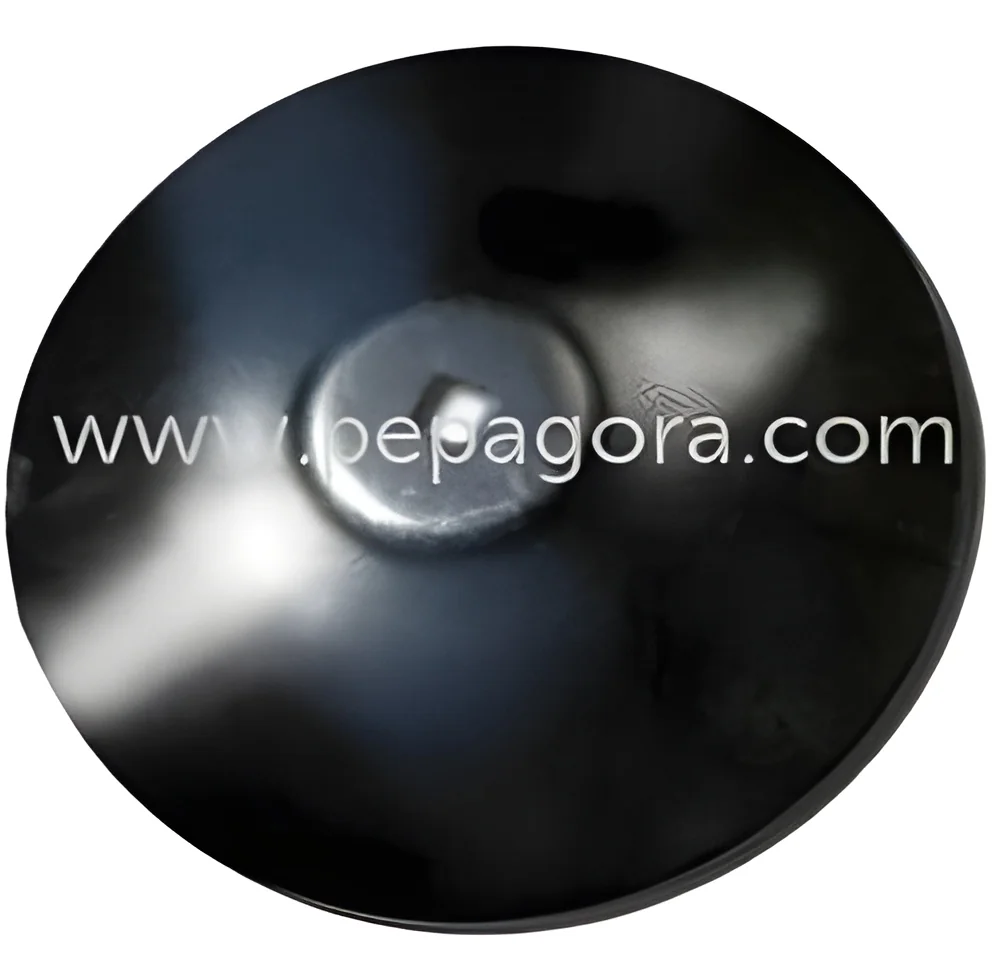
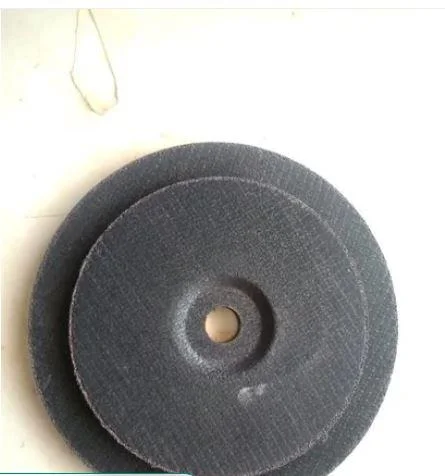
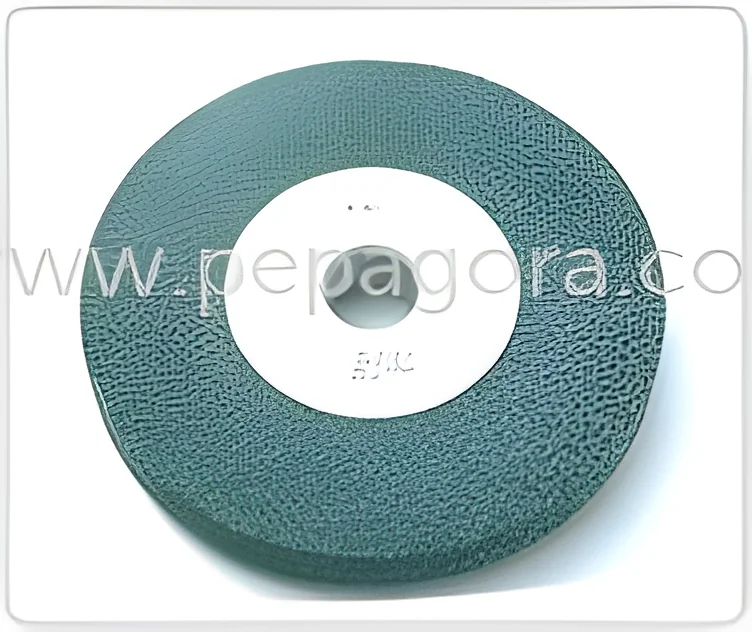
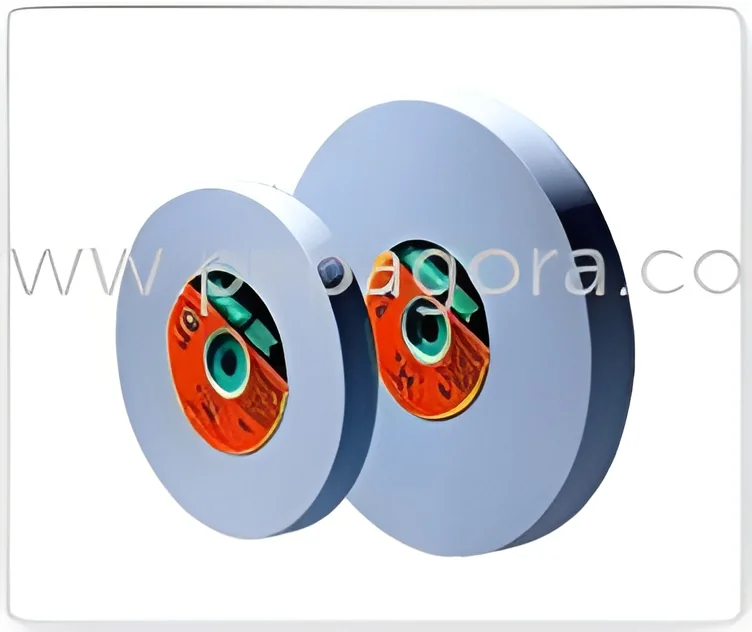
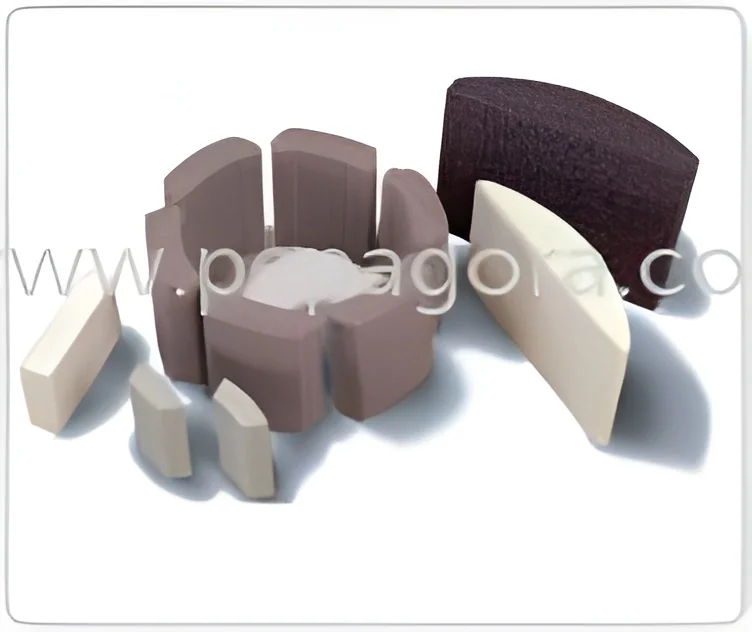
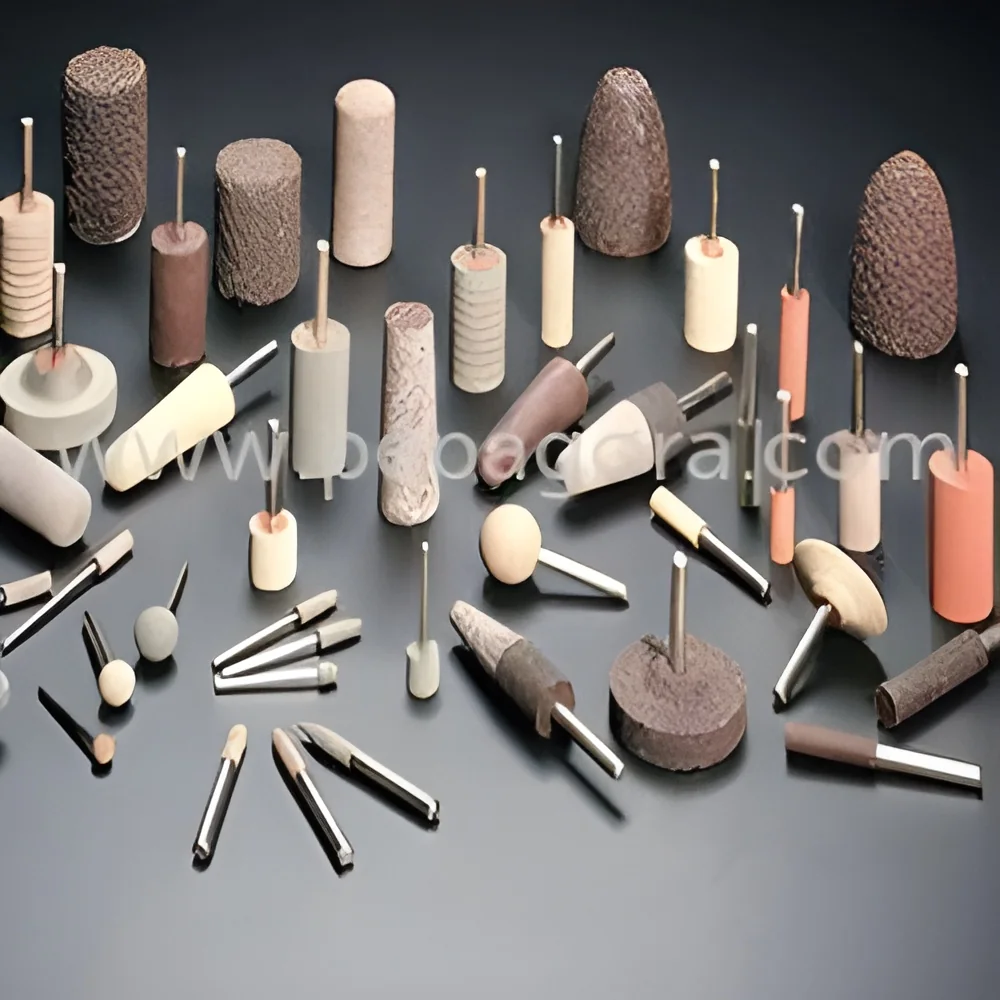
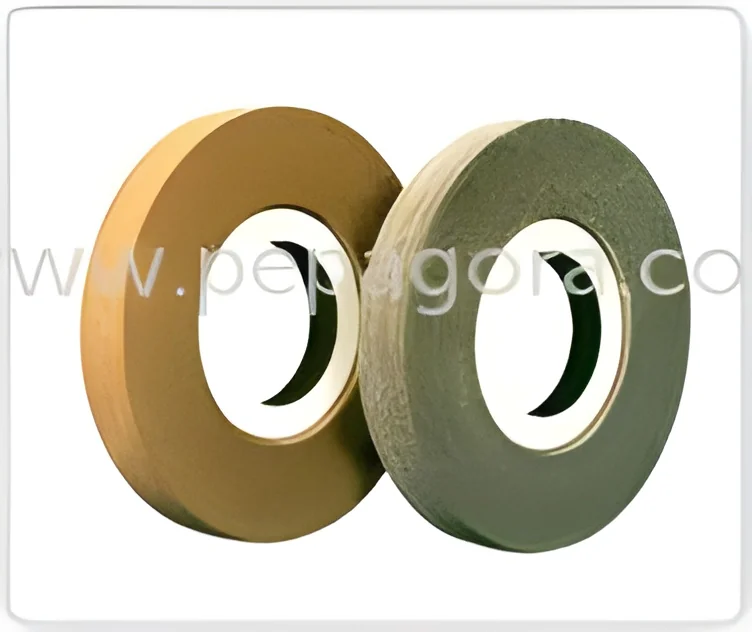
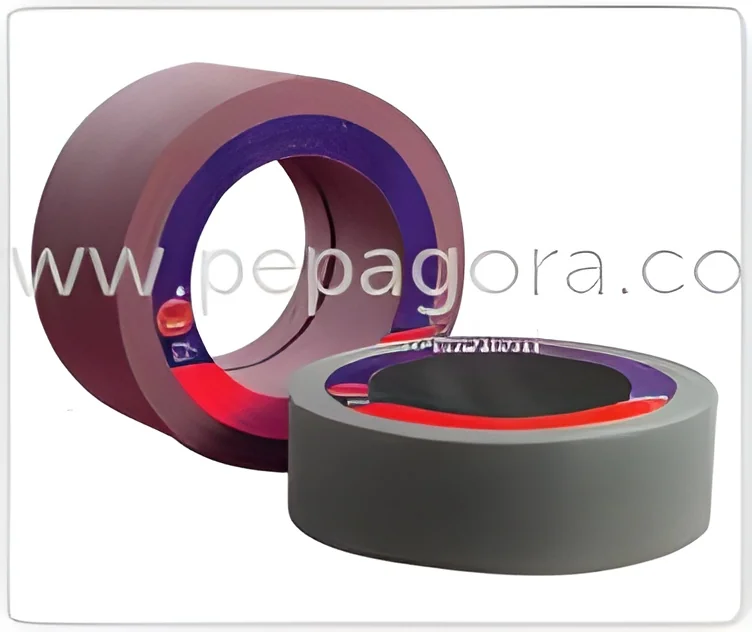
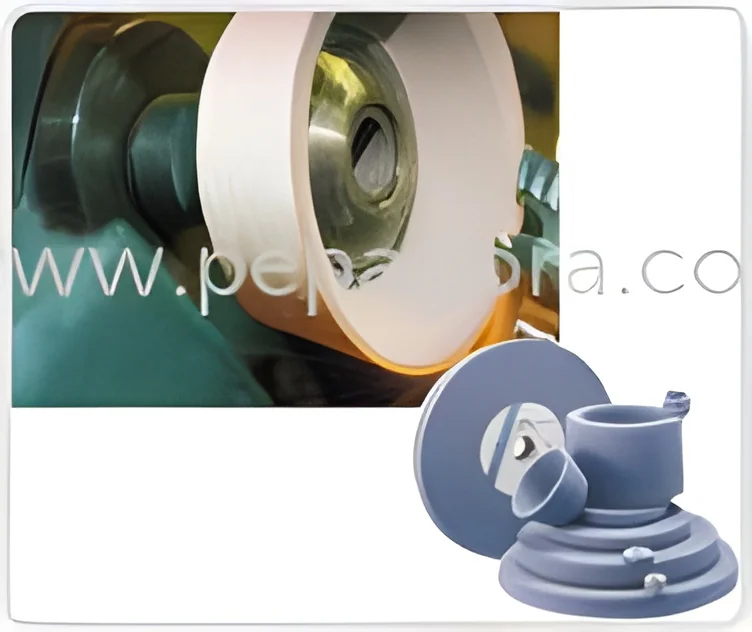
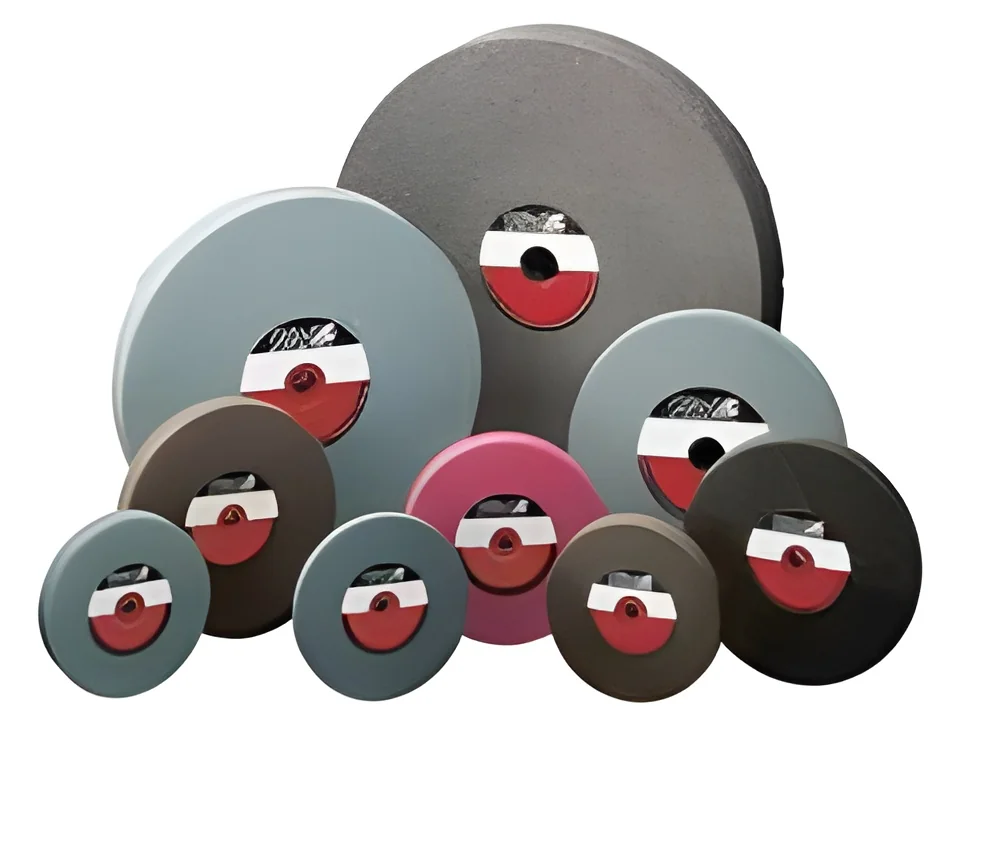
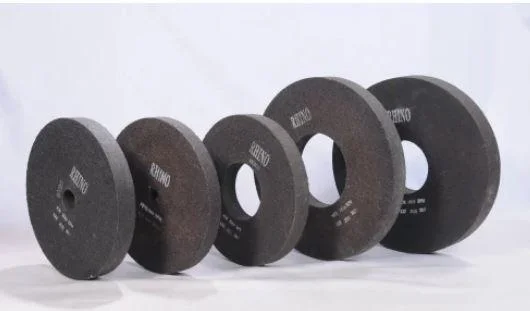
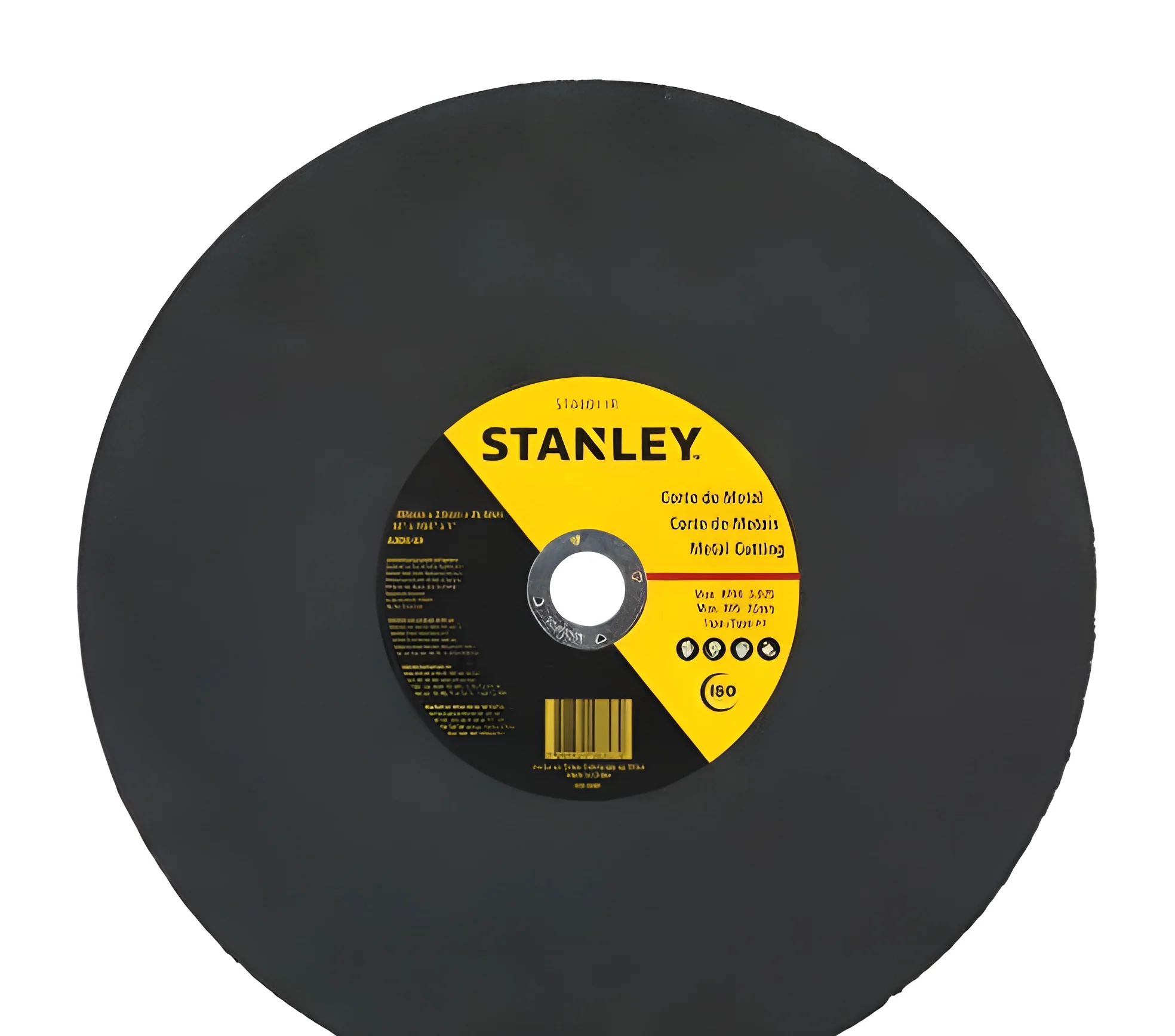
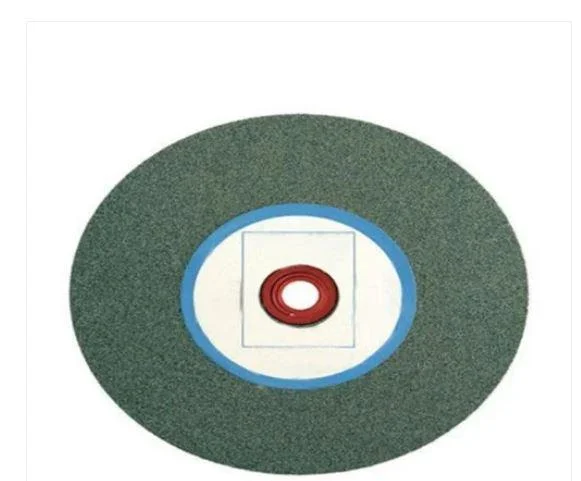
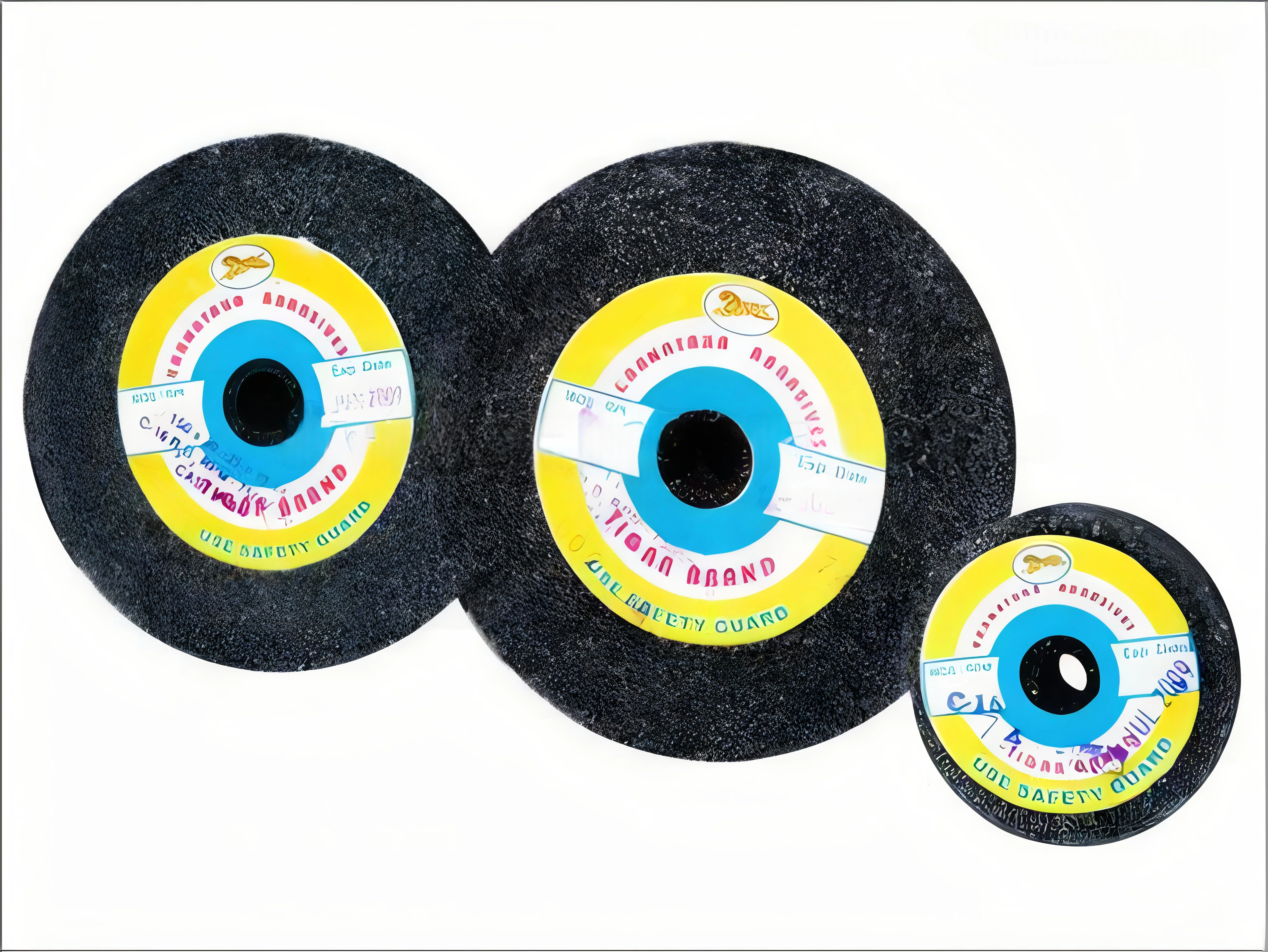
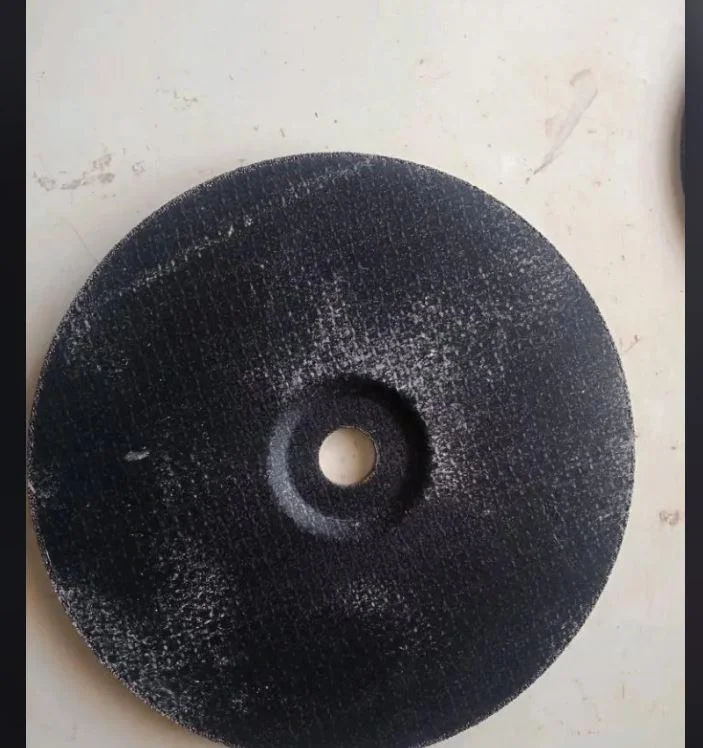
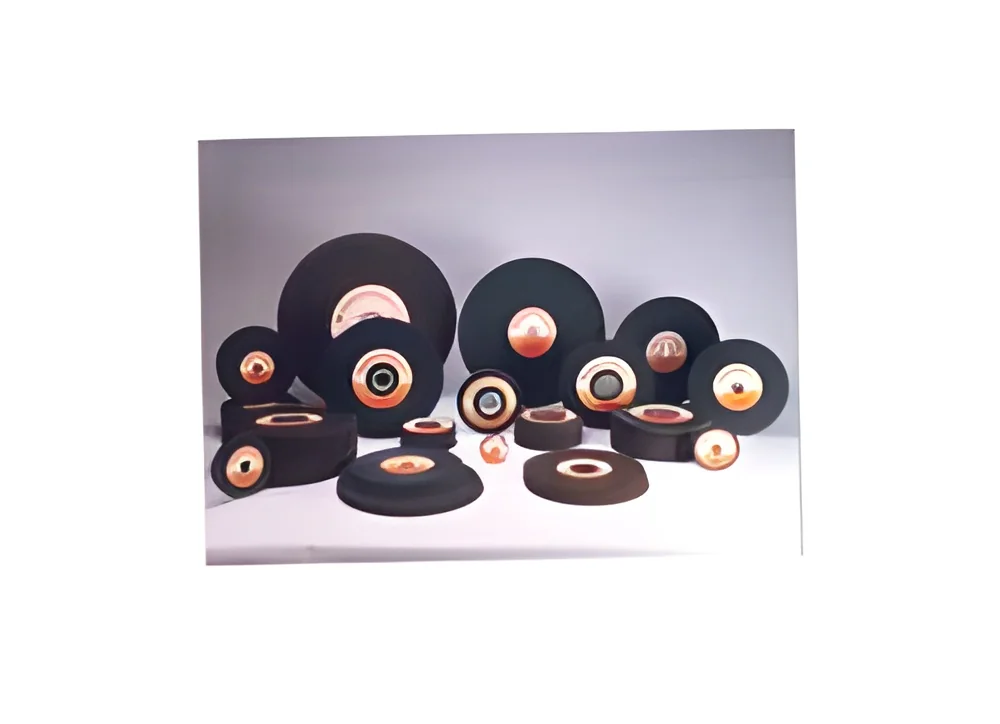
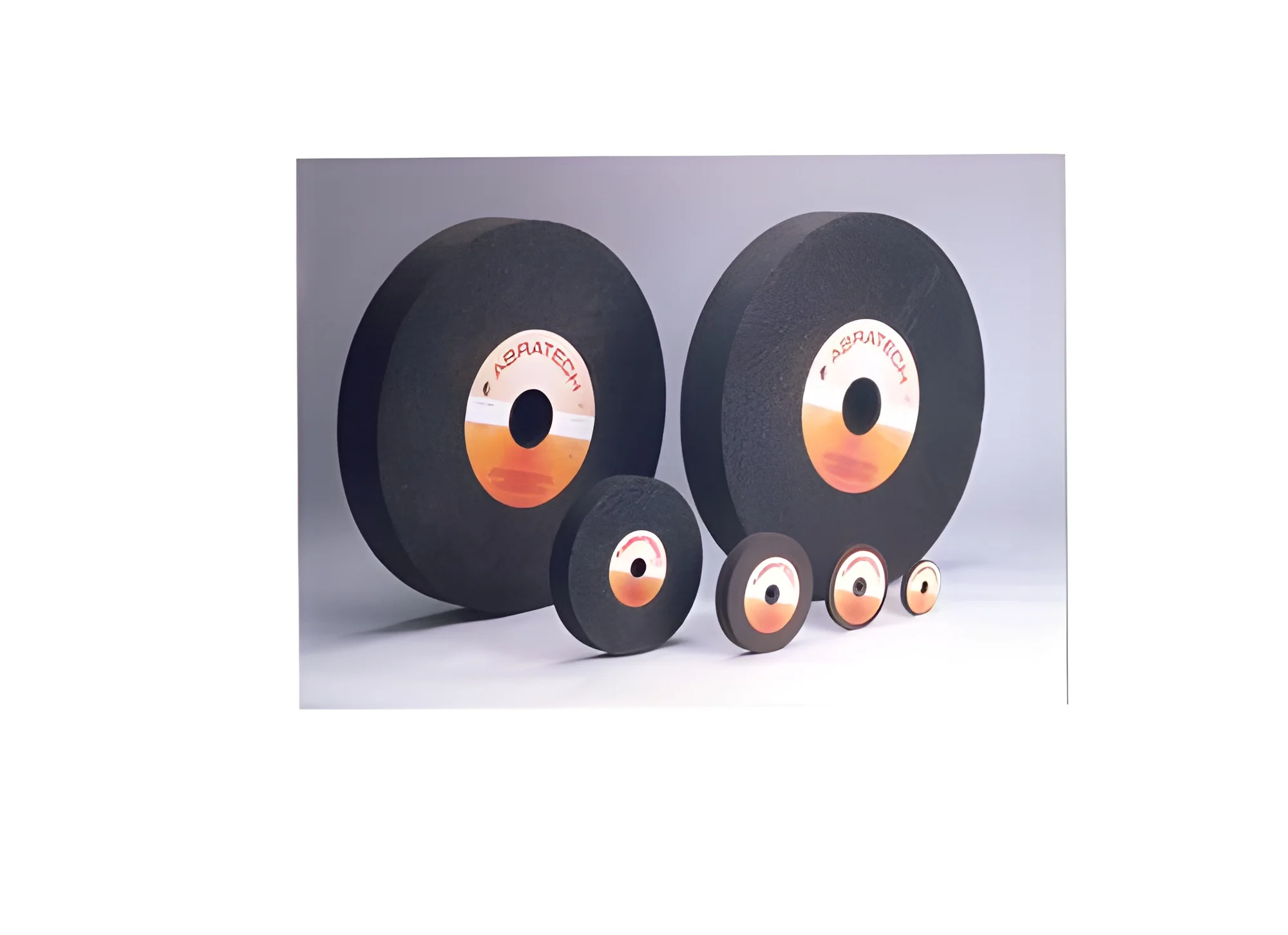
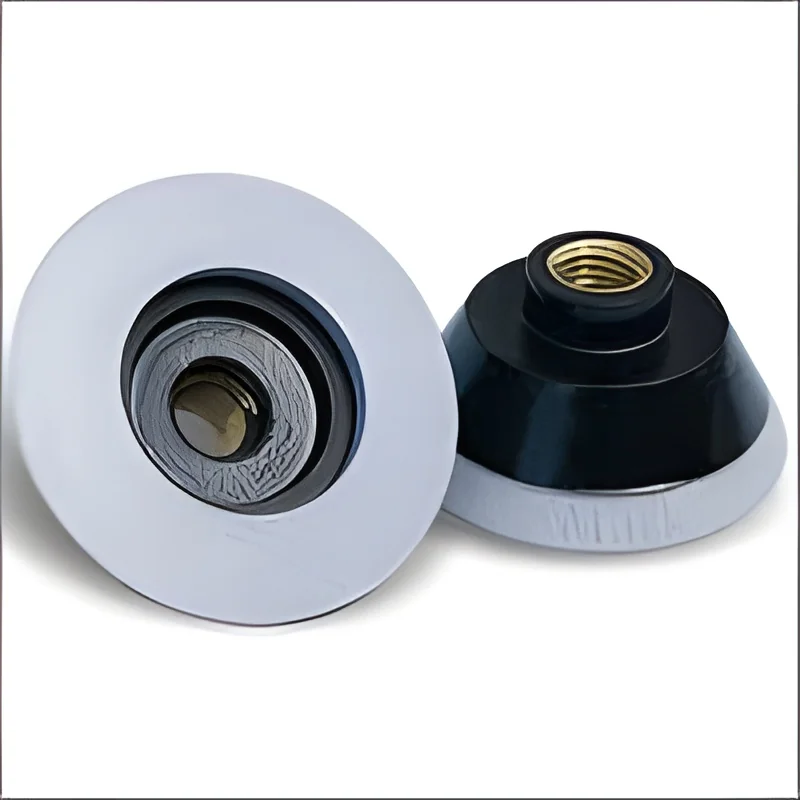
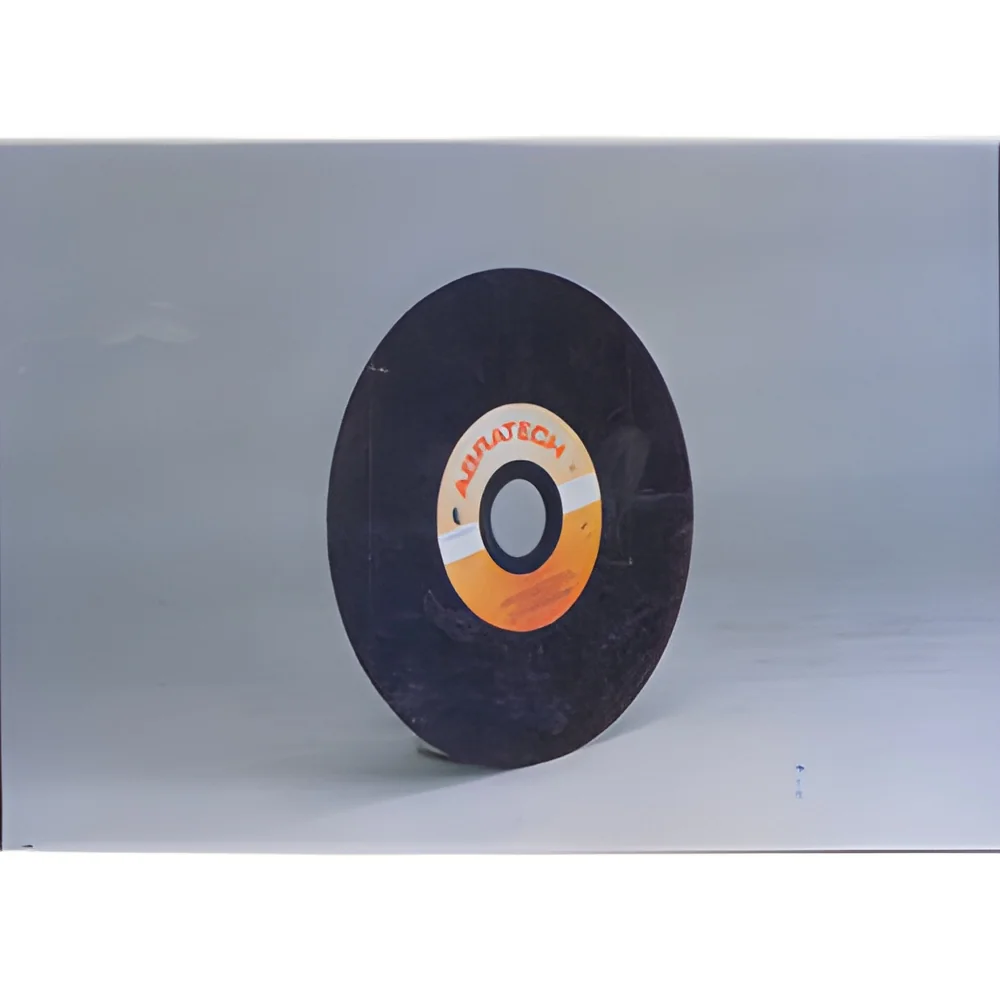
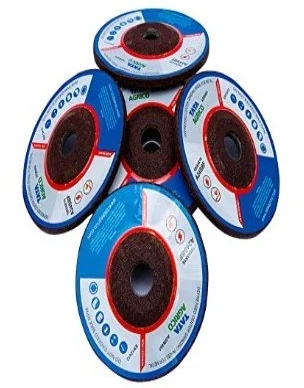
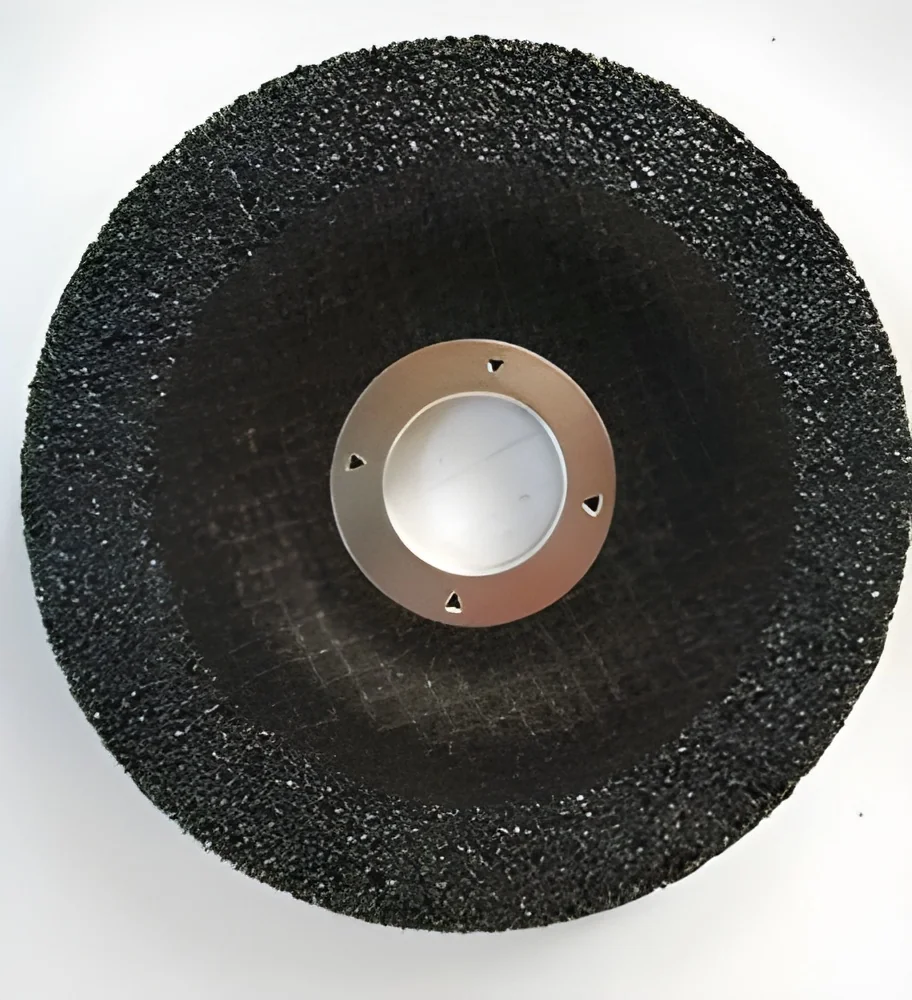
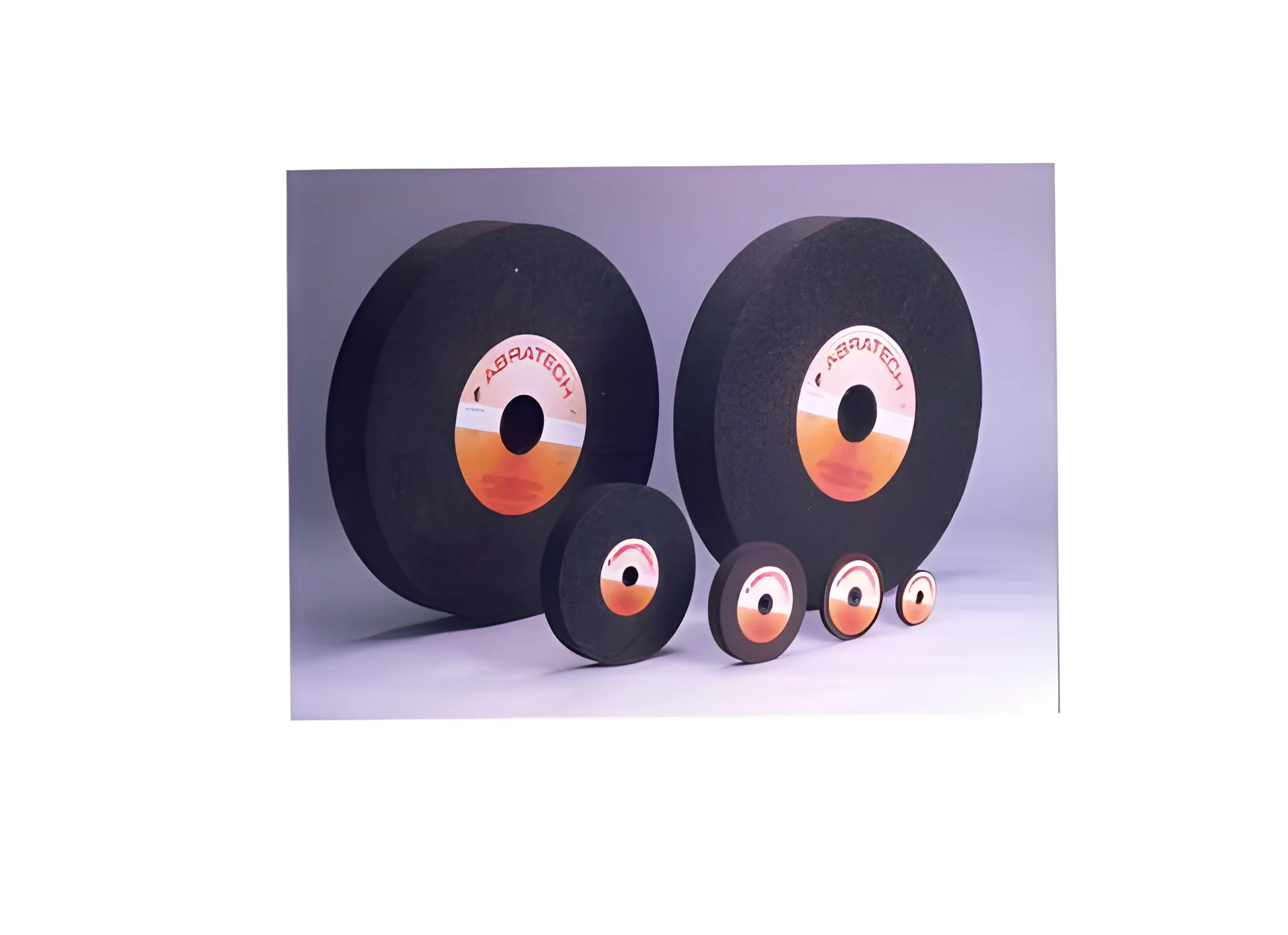
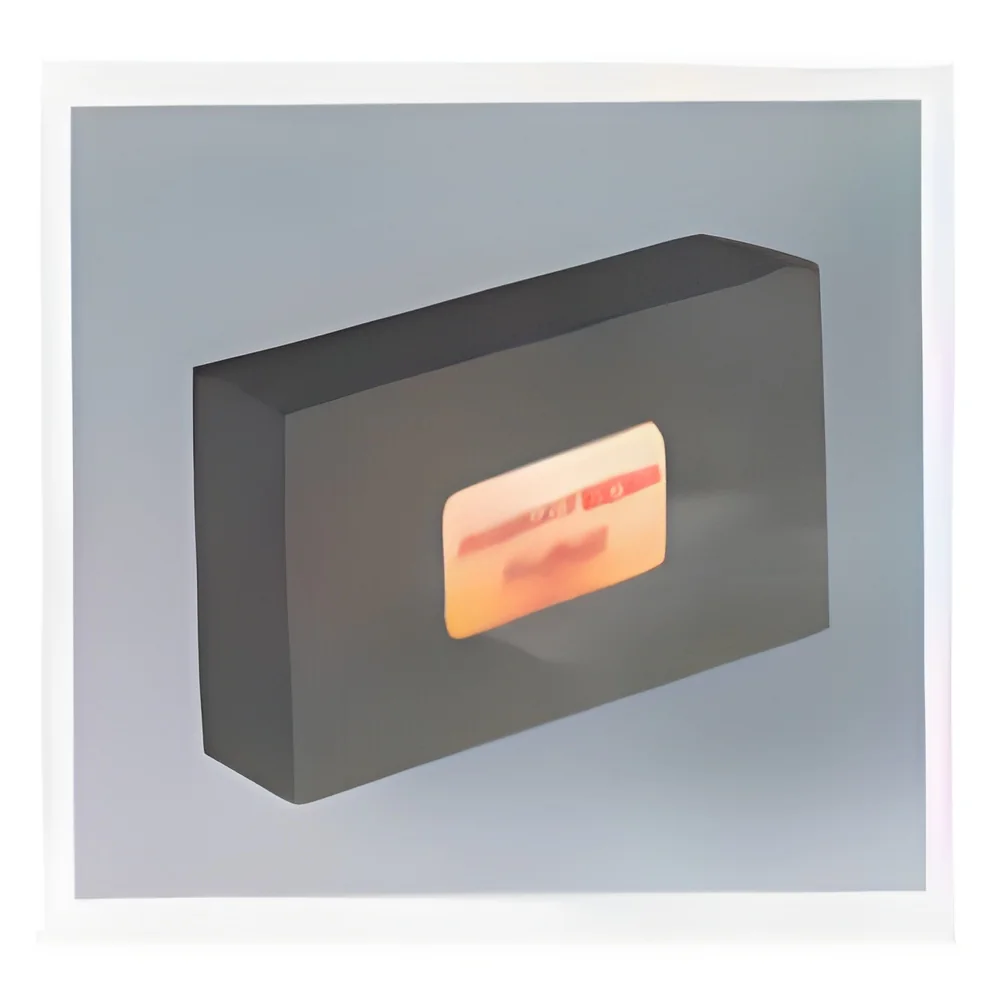
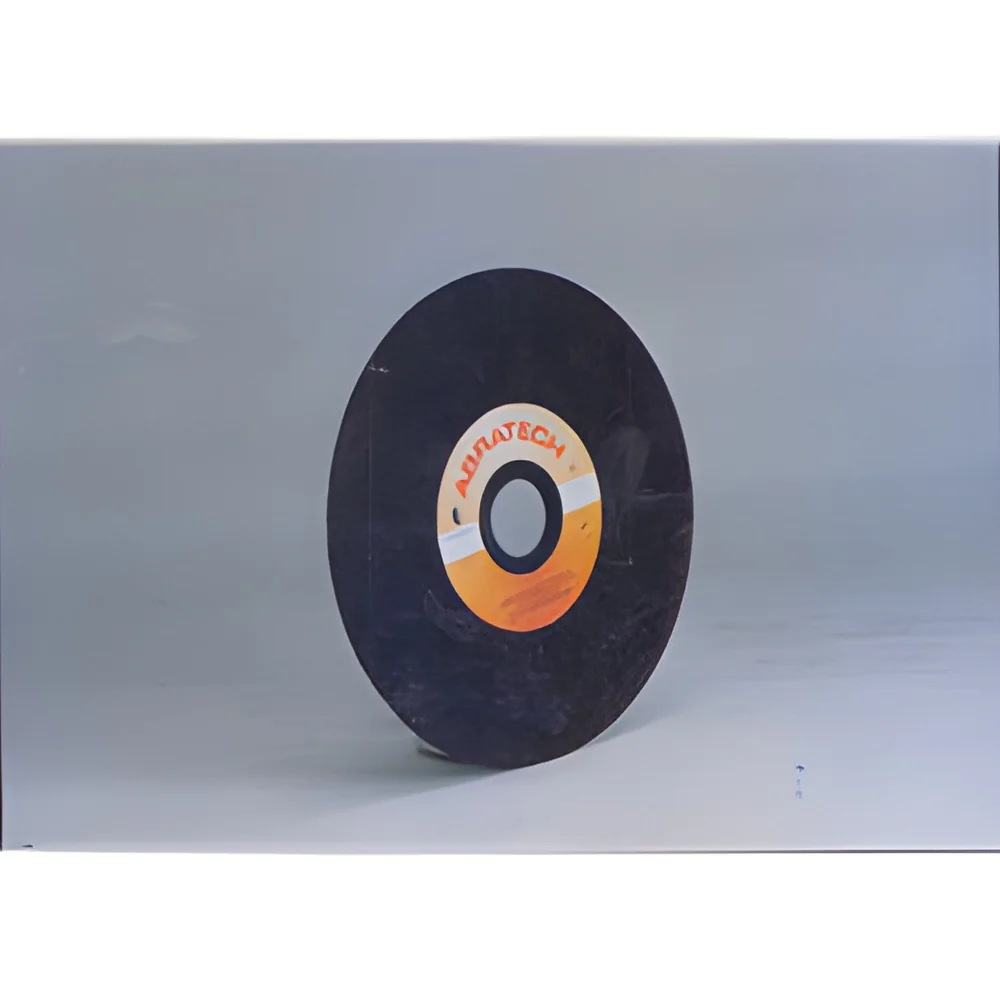
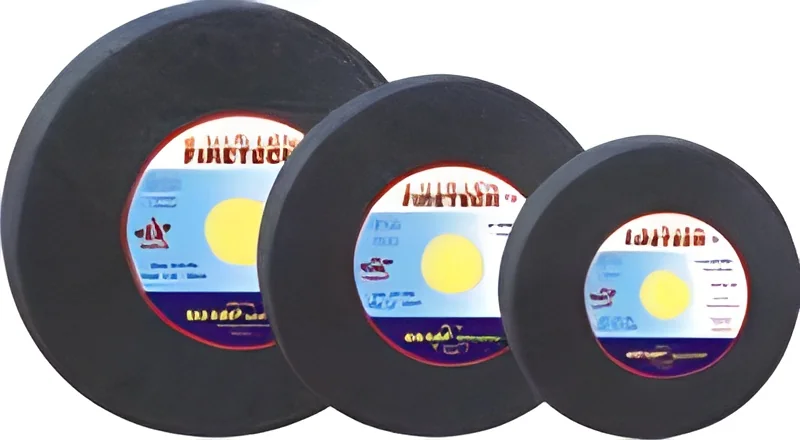
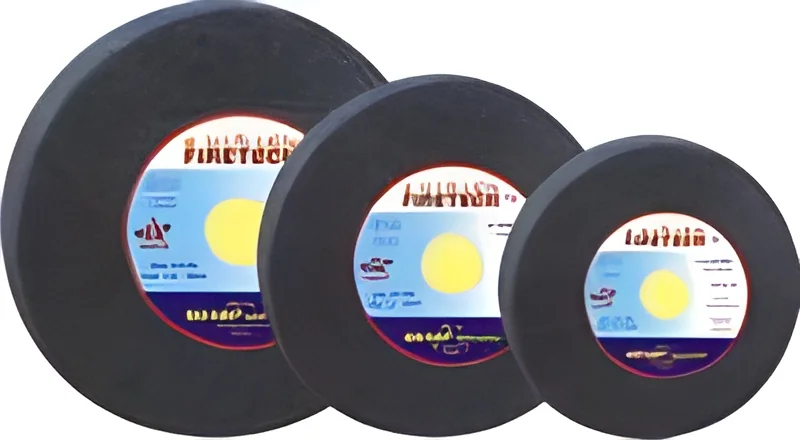
Grinding wheels and discs are essential tools in various industrial applications, designed to grind, cut, and smooth materials. They consist of abrasive compounds that are bonded together to form a hard, circular shape. These products are typically mounted on a grinding machine and are operated at high speeds, allowing them to efficiently remove material from the workpiece. Grinding wheels can vary in size, grit, and composition, making them suitable for a wide range of tasks.
Primarily, grinding wheels and discs are used in metalworking, woodworking, and construction industries. They serve to shape and finish components, sharpen tools, and perform maintenance tasks. These tools are critical in manufacturing processes where precision and surface finish are vital. The versatility of grinding wheels allows them to be used for both heavy-duty applications and fine finishing work, making them indispensable in many industrial settings.
The market for grinding wheels and discs continues to grow, driven by advancements in technology and increasing demand in various sectors. As industries evolve, the need for high-performance grinding solutions becomes more pronounced. Companies are continuously seeking products that enhance efficiency, reduce downtime, and ensure safety, which reinforces the significance of grinding wheels and discs in the industrial landscape.
Key Features and Specifications
Grinding wheels and discs come with various features that cater to different applications. Understanding these specifications helps businesses select the right product for their needs.
Key specifications include:
1. Grit Size
- Determines the coarseness of the wheel.
- Ranges from very coarse (6-10) to very fine (100-600).
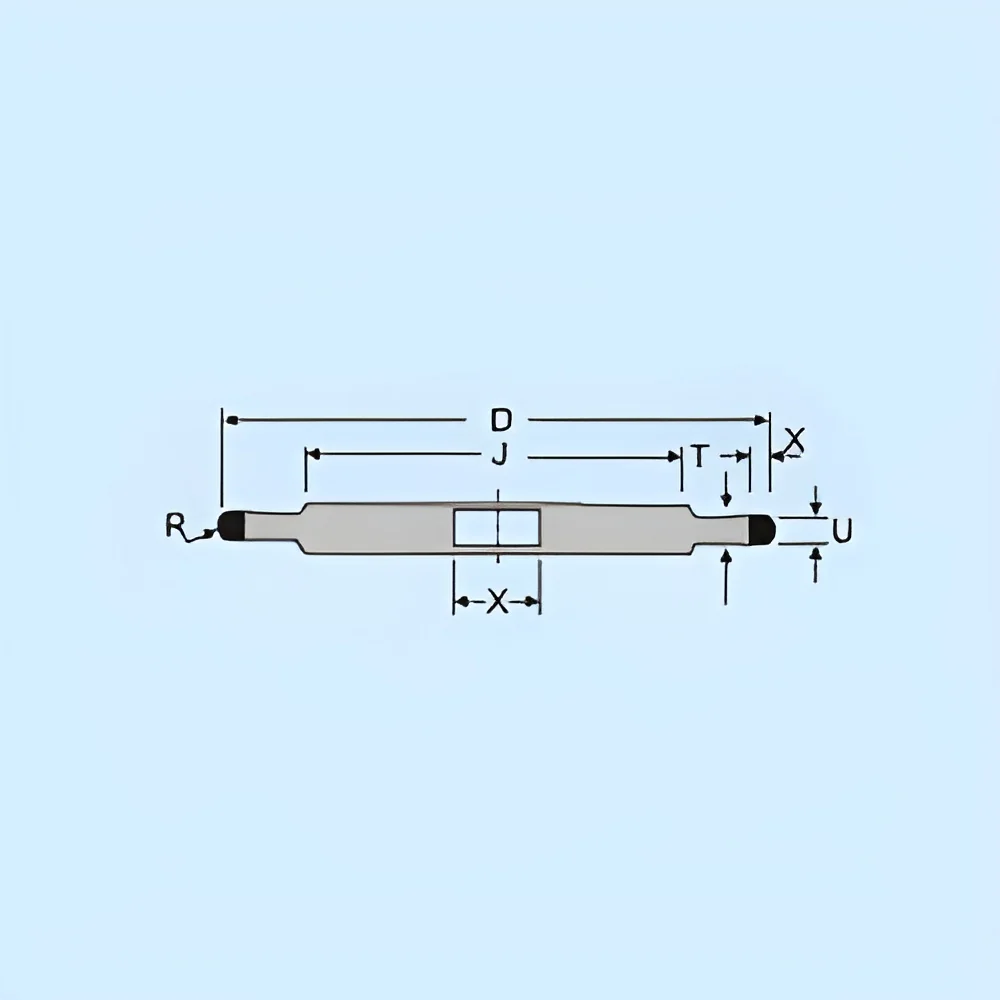
2. Wheel Diameter
- Indicates the size of the wheel.
- Common diameters range from 4 inches to 36 inches.
3. Bond Type
- Refers to the material used to hold the abrasive particles.
- Types include vitrified, resin, and rubber bonds.
4. Hardness Grade
- Indicates the strength of the bond holding the abrasive.
- Grades range from A (soft) to Z (hard).
5. Maximum RPM
- The maximum rotational speed the wheel can safely handle.
- Varies by wheel size and material, typically between 3,600 and 6,600 RPM.
6. Application Type
- Defines the suitable use of the wheel.
- Applications include metal grinding, wood sanding, and concrete cutting.
7. Thickness
- Affects the wheel's performance and application.
- Common thickness ranges from 1/8 inch to 1 inch.
8. Compliance Standards
- Ensures products meet specific safety and quality regulations.
- Relevant standards may include ISO certifications and CE marking.
In summary, understanding the key features and specifications of grinding wheels and discs is essential for selecting the right product for specific industrial applications.
Common Applications and Use Cases
Grinding wheels and discs are utilized across diverse industries, each with specific applications that highlight their versatility.
1. Metalworking: In metal fabrication, grinding wheels are employed to shape and finish metal parts, as well as to sharpen tools like chisels and saw blades.
2. Woodworking: These products are used to smooth surfaces and edges on wooden materials, ensuring a fine finish on furniture and cabinetry.
3. Construction: Grinding discs are essential for cutting and finishing concrete, brick, and stone materials, making them vital in masonry work.
4. Automotive: In the automotive industry, grinding wheels are used for machining engine components and resurfacing brake rotors to ensure optimal performance.
5. Aerospace: Precision grinding is critical in the aerospace sector, where the performance and reliability of components are paramount.
6. Electrical Engineering: Grinding discs are used for shaping and polishing electrical contacts and connectors, ensuring proper functionality.
7. Tool and Die Making: In this industry, grinding wheels is necessary for creating and maintaining precision tools and molds.
In conclusion, grinding wheels and discs play a crucial role in numerous industries, providing essential functions that contribute to productivity and quality.
Product Variants and Subcategories
The diversity of grinding wheels and discs allows for tailored solutions across various applications.
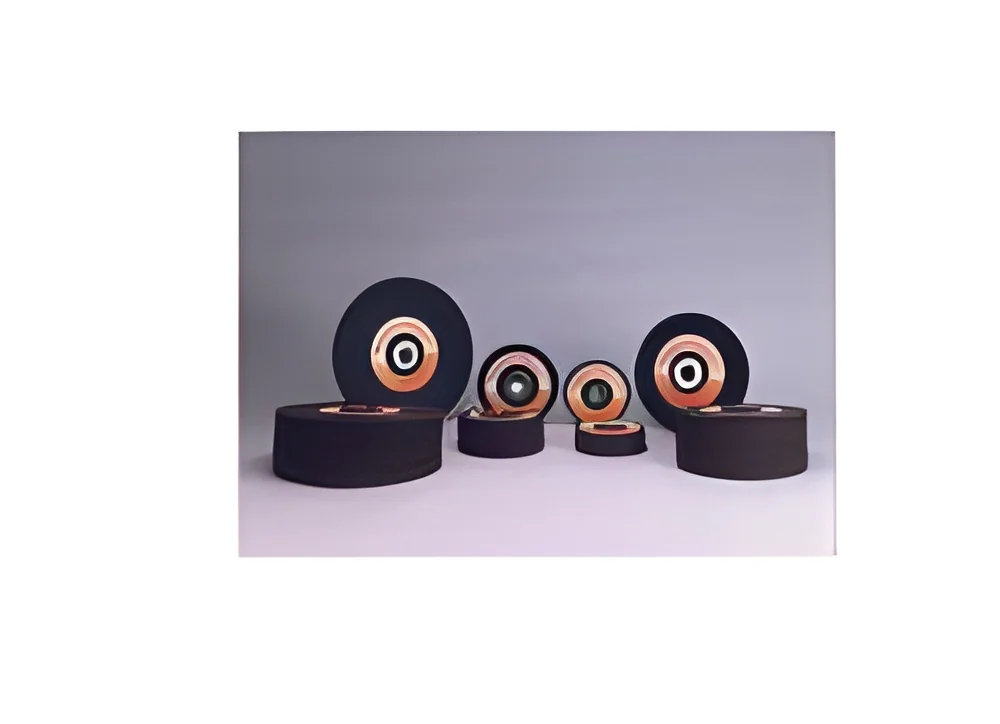
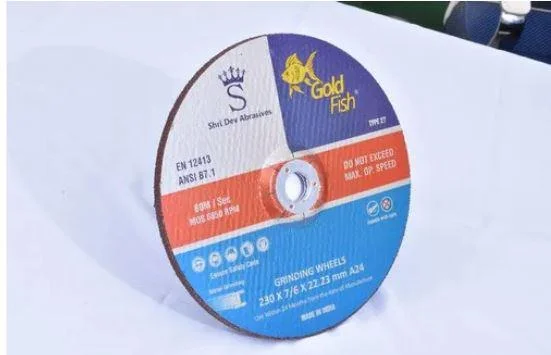
Conventional Grinding Wheels
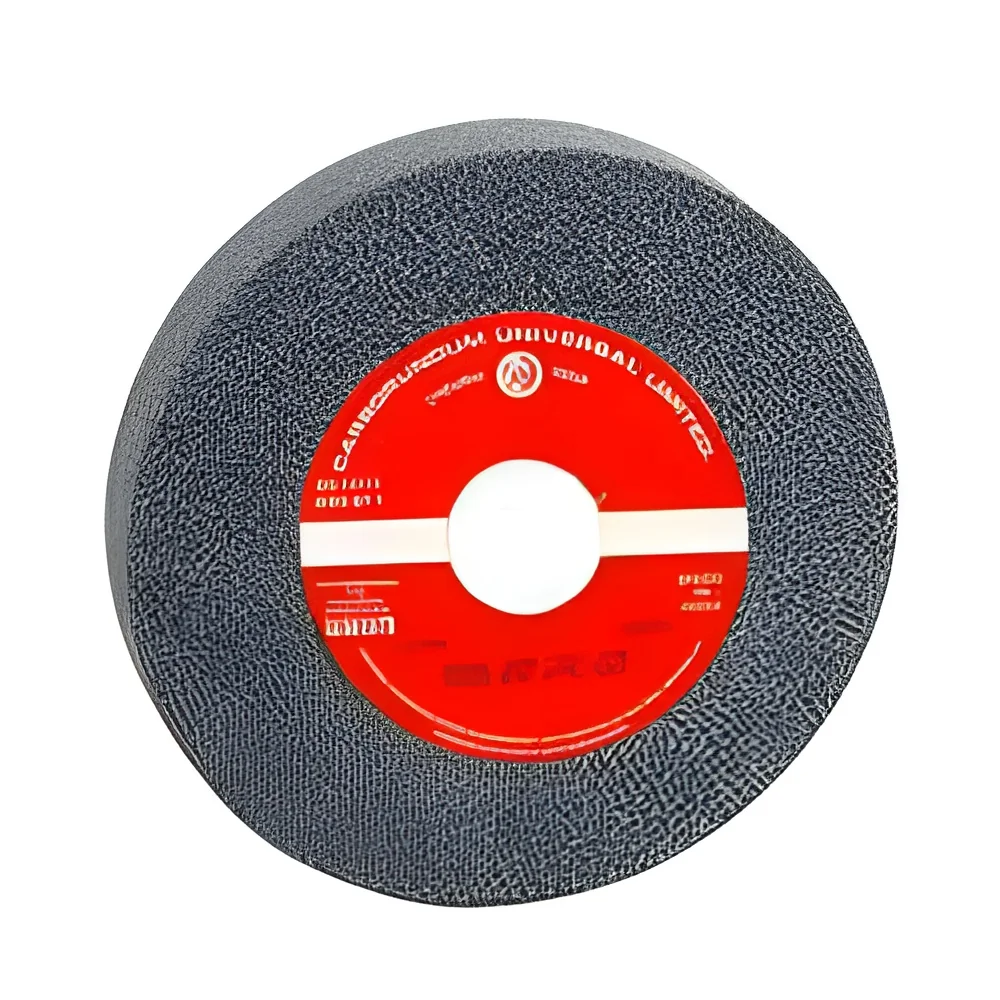
These wheels are made from abrasive grains bonded with a specific material, ideal for general-purpose grinding and available in various sizes and grit levels.
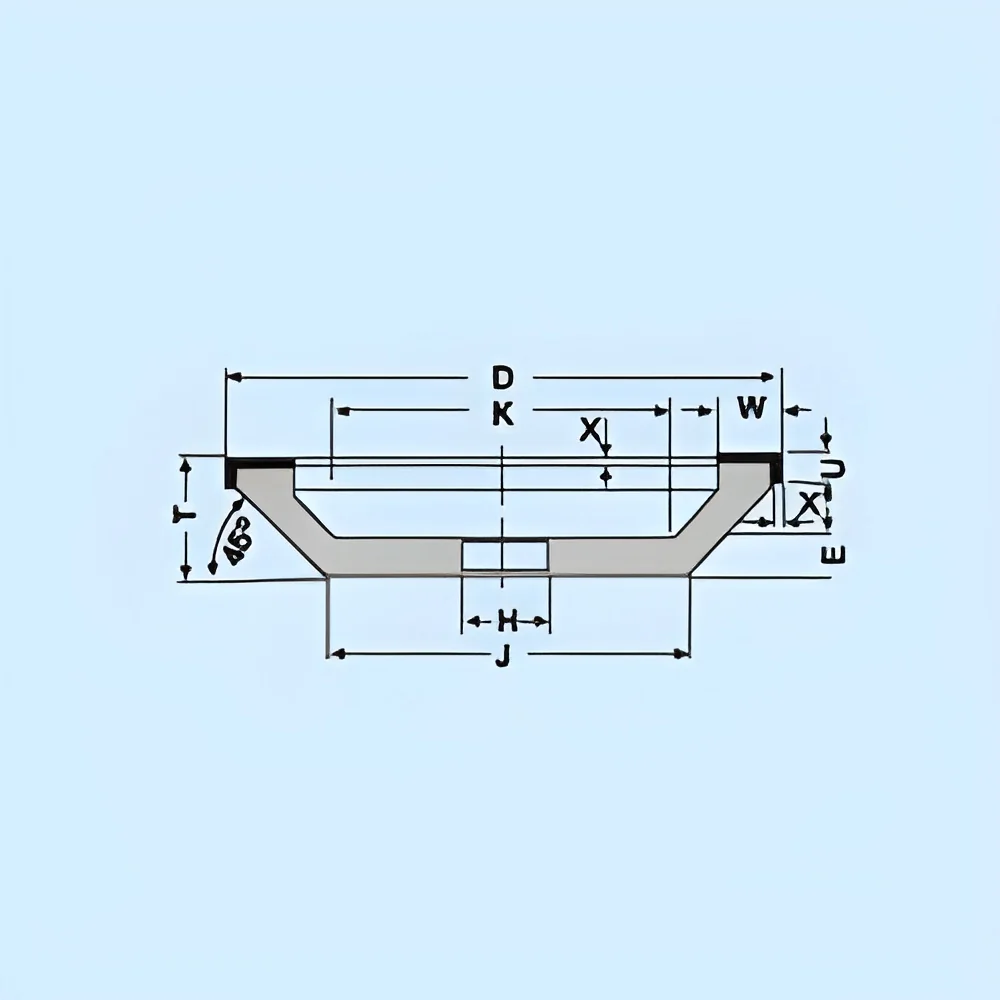
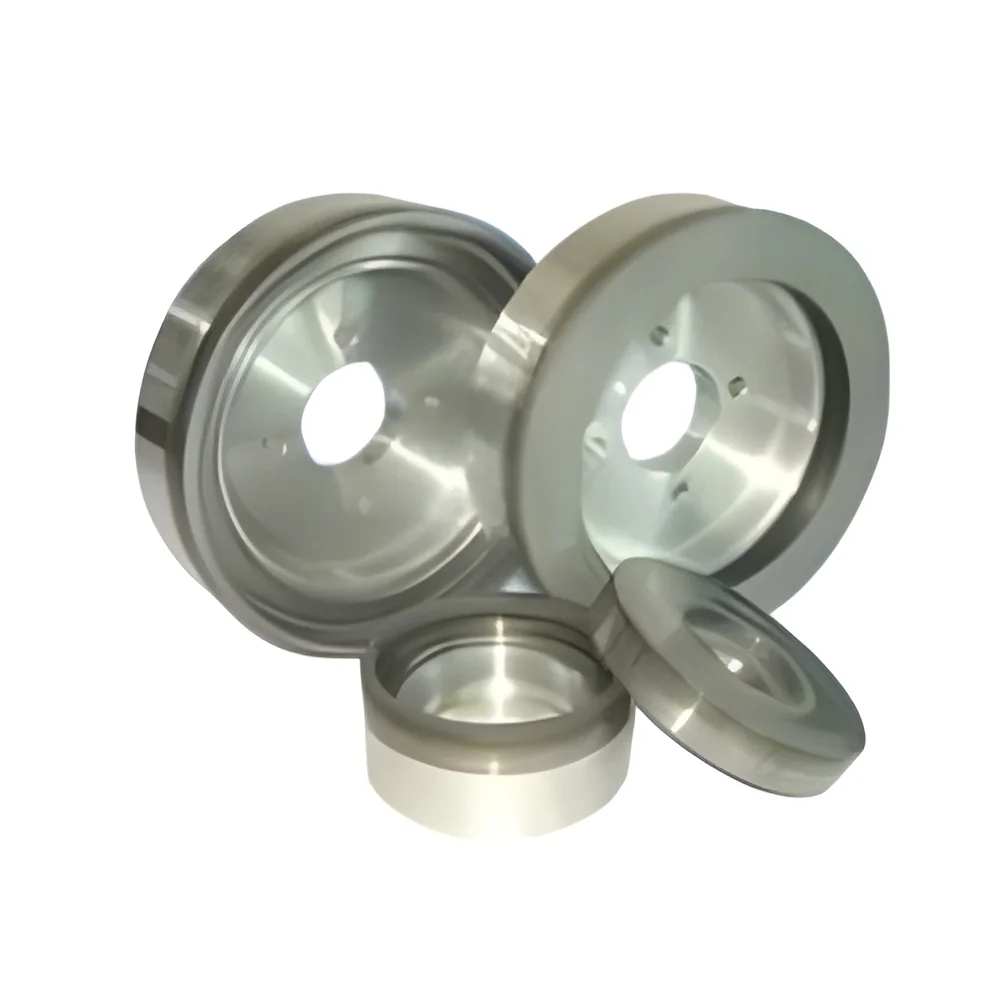
Diamond Grinding Wheels
These wheels contain diamond abrasives, making them suitable for hard materials like ceramics and stone. They offer superior cutting efficiency and a longer lifespan.
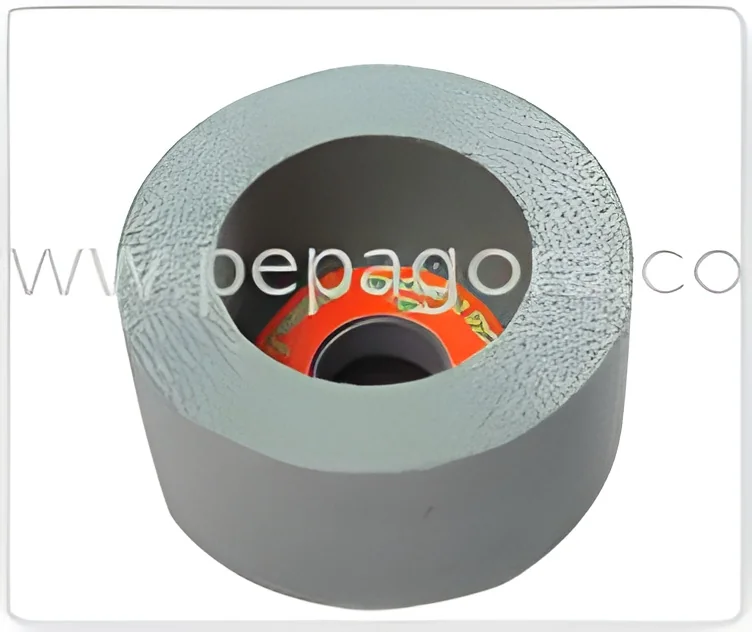
Cylindrical Grinding Discs
Designed for cylindrical grinding machines, these discs are used in the production of round components, ensuring a high degree of accuracy and finish.
Surface Grinding Wheels
These are specifically designed to grind flat surfaces, delivering precise finishes on metallic and non-metallic materials.
In summary, the various product variants provide options for specific requirements, ensuring that users can find the right grinding solution to meet their needs.
Benefits and Advantages
Grinding wheels and discs offer a range of benefits that enhance operational efficiency and quality.
1. Versatility: These products can be used for multiple applications, making them suitable for various industries and tasks.
2. Precision: Grinding wheels enable high-accuracy machining, ensuring tight tolerances and superior finishes.
3. Efficiency: They allow for faster material removal rates, reducing processing time and improving productivity.
4. Cost-Effectiveness: High-quality grinding wheels can lead to lower operational costs due to reduced wear and longer lifespan.
5. Safety: Many grinding wheels are designed with safety features to minimize risks during operation, ensuring safer working environments.
6. Customization: Grinding wheels can often be tailored to specific requirements, allowing for optimized performance in specialized applications.
In conclusion, the benefits and advantages of grinding wheels and discs make them invaluable tools in industrial operations.
Buying Guide for B2B Buyers
When sourcing grinding wheels and discs, B2B buyers should consider several factors to make informed decisions.
1. Quality Assessment: Evaluate the product's quality by reviewing performance data and customer reviews. Look for certifications that indicate compliance with industry standards.
2. Supplier Verification: Vet suppliers through background checks and industry references. Ensure they have a solid reputation and a track record of reliability.
3. Pricing and MOQ: Understand the pricing structure and minimum order quantity (MOQ) requirements. Compare prices between different suppliers to find competitive options.
4. Delivery and Lead Times: Inquire about the logistics of delivery, including lead times and shipping options. Timely delivery is crucial for maintaining production schedules.
5. Compliance Requirements: Ensure that the products meet necessary regulatory requirements for safety and quality in your industry. This may include certifications like CE marking.
In summary, taking these factors into account will help B2B buyers secure the right grinding wheels and discs for their operational needs.
Compliance and Certifications
Compliance with industry standards and certifications is critical for ensuring the safety and quality of grinding wheels and discs. Relevant quality standards include ISO 9001, which outlines the requirements for a quality management system, ensuring consistent quality in production processes.
Industry certifications, such as CE marking, indicate that the products conform to European health, safety, and environmental protection standards. This certification is essential for products sold within the European market, providing assurance to buyers regarding the safety and reliability of the products.
Safety and testing requirements also play a significant role in the compliance landscape for grinding wheels. Products must undergo rigorous testing to ensure they can withstand operational stresses without failure. This includes assessments of structural integrity and performance under various conditions.
Regional compliance considerations may vary based on specific regulations in different countries or regions. Companies must stay informed about local guidelines to ensure their products meet all necessary legal and safety requirements.
In conclusion, adherence to compliance and certifications is vital for manufacturers and suppliers in the grinding wheels and discs market, ensuring product quality and safety.
Why Source Grinding Wheels & Discs from Pepagora?
Pepagora provides a trusted platform for sourcing grinding wheels and discs, offering several key advantages for B2B buyers.
Verified Supplier Network: Pepagora ensures that all listed suppliers undergo thorough verification processes. This helps buyers connect with reputable manufacturers, minimizing risks associated with sourcing.
Streamlined RFQ Process: The Request for Quotation (RFQ) system simplifies the purchasing process. Buyers can easily submit their requirements and receive competitive quotes from multiple suppliers, saving time and effort.
Trade Assurance and Support: Pepagora offers buyer protection through trade assurance mechanisms. This support provides peace of mind, ensuring that transactions are secure and that buyers receive quality products.
Regional Coverage: With a strong presence in India, the GCC, and Southeast Asia, Pepagora enables buyers to access a wide range of grinding wheels and discs from local and international suppliers. This geographic reach facilitates efficient sourcing and logistics.
In summary, choosing Pepagora as a sourcing partner for grinding wheels and discs provides buyers with a reliable and efficient platform, enhancing their procurement experience.

 IN
IN