IN
IN₹
Description
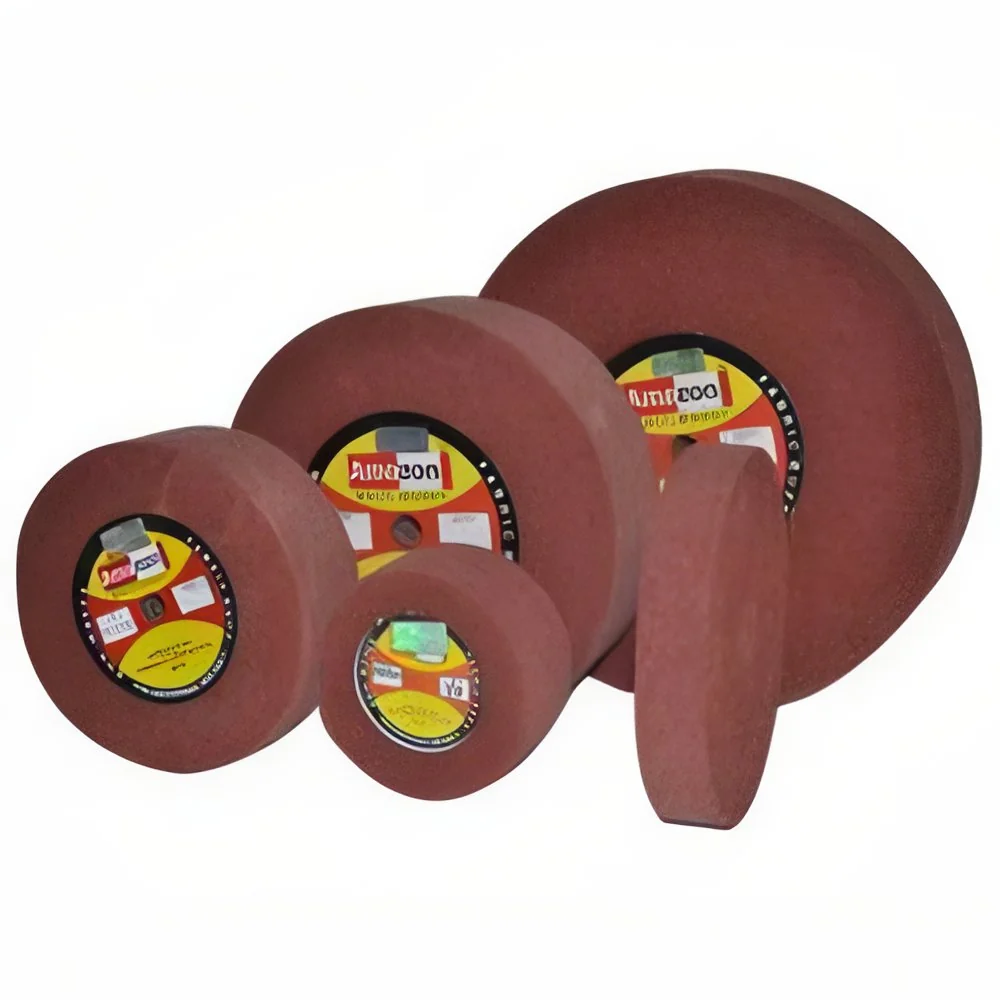
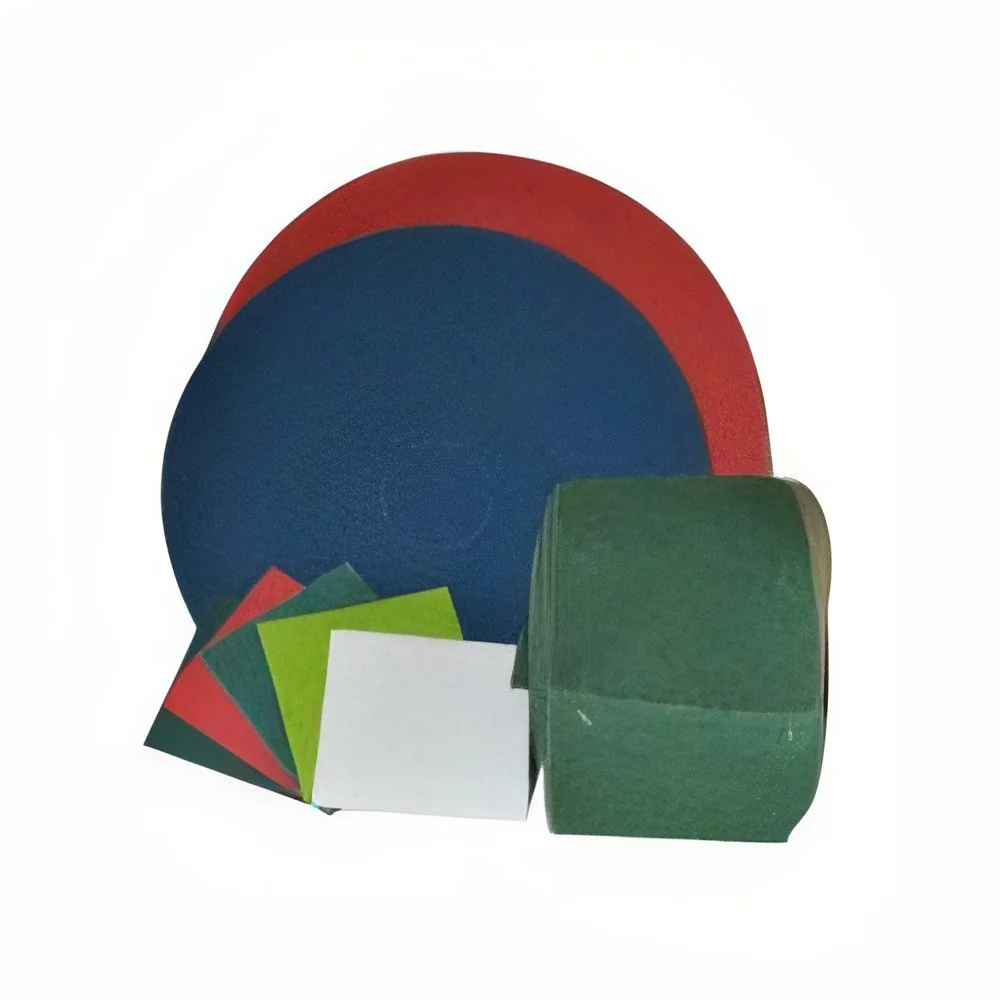
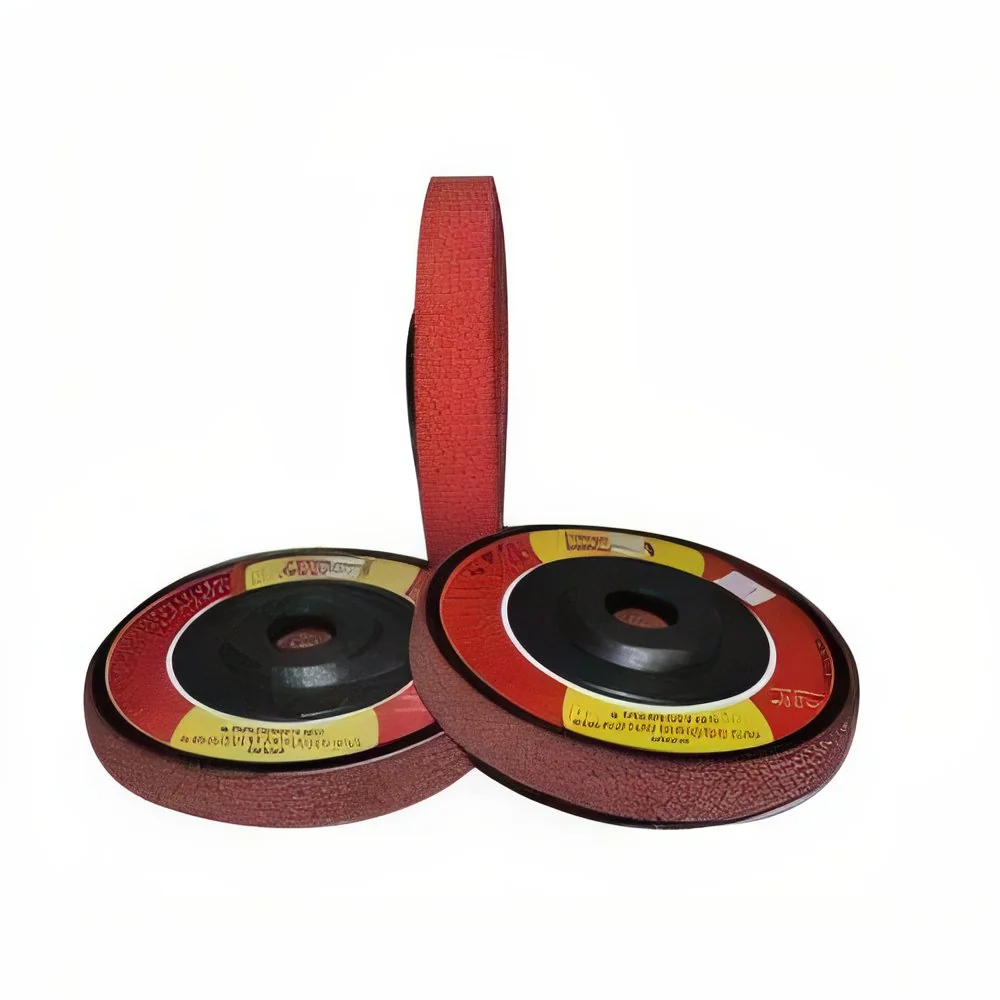
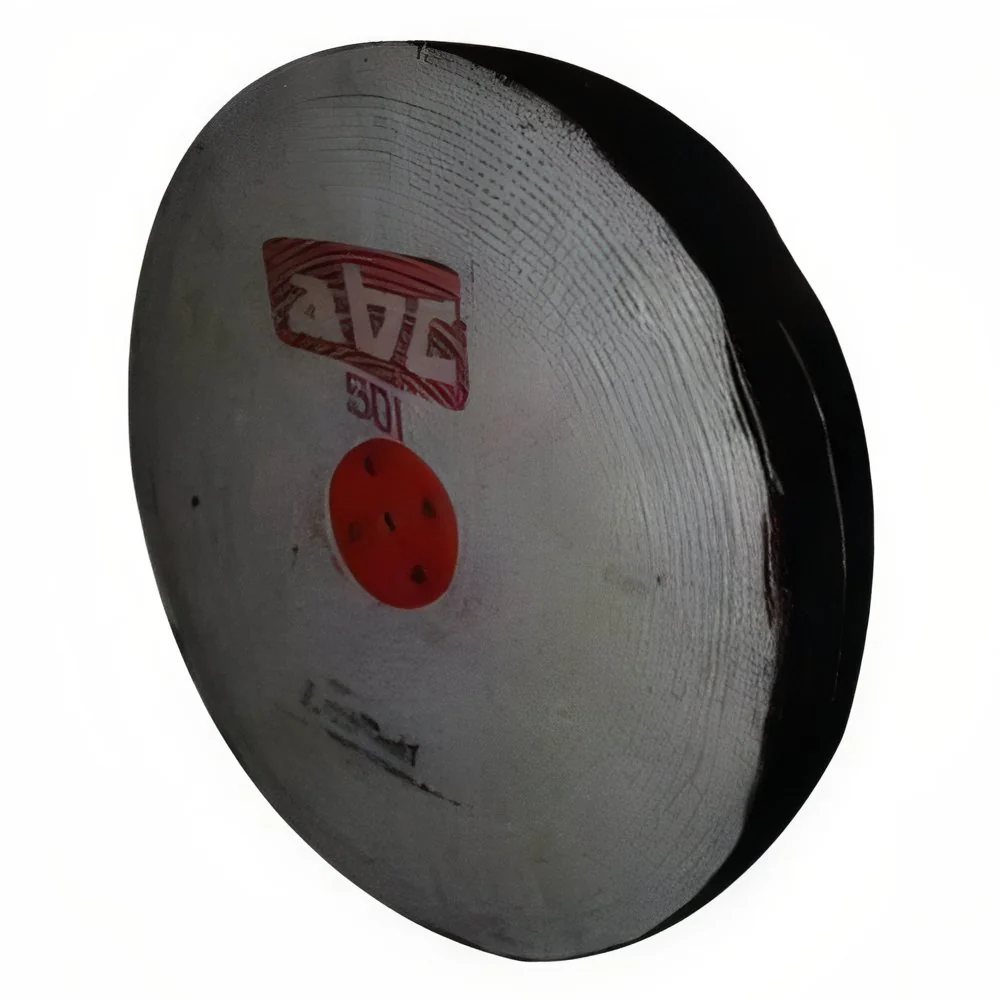
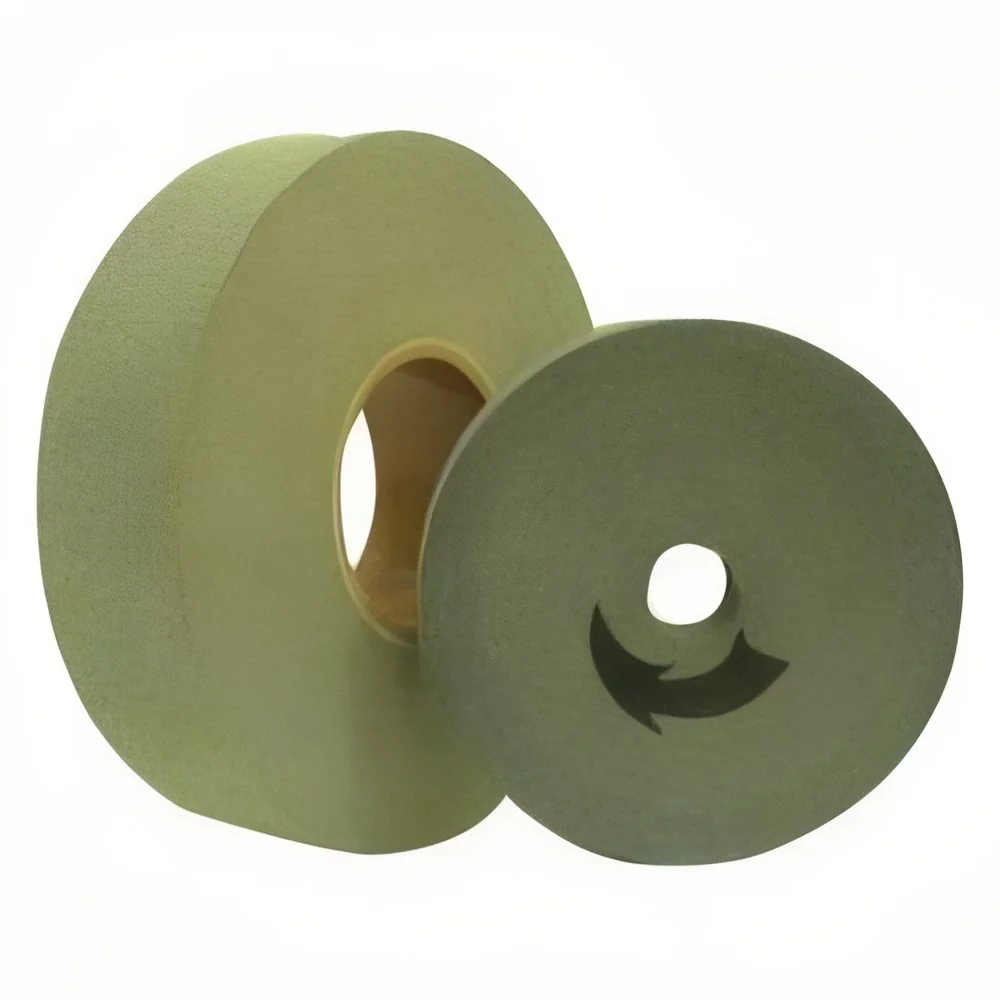
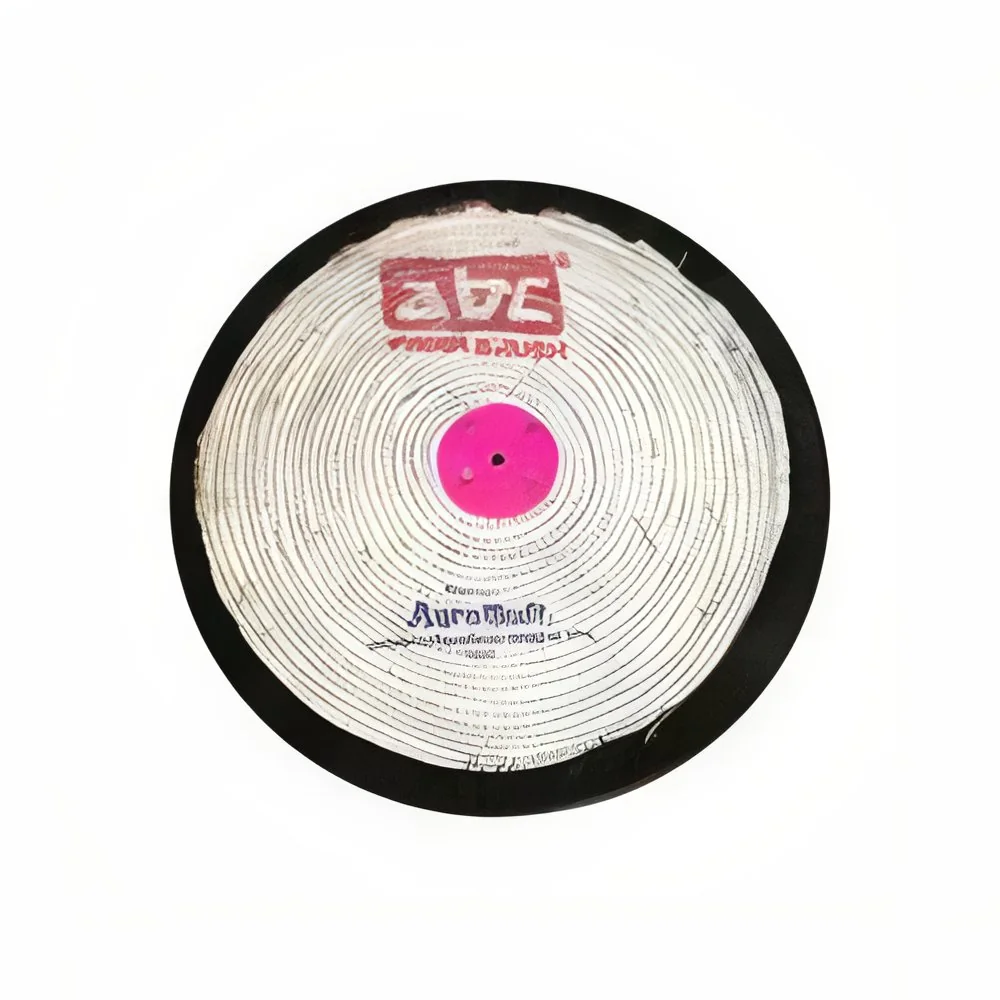
Industrial Deburring Open Coir Fiber Wheels represent precision engineering for metal surface treatment, combining natural coir fibers with cotton ply stitching for optimal performance. These wheels are specifically engineered for deburring and finishing light gauge metals, delivering consistent results across various industrial applications. The unique construction allows for flexible operation while maintaining structural integrity during high-speed use. Manufacturers value the balance between effective material removal and delicate surface treatment capabilities, making these wheels versatile tools in demanding metalworking environments. The open fiber design prevents clogging and ensures efficient dust removal during continuous operation.

These wheels serve essential functions in automotive manufacturing, metal fabrication, industrial maintenance, and architectural metalwork sectors. Automotive production facilities utilize them for preparing body panels and removing weld splatter...
Industrial Deburring Open Coir Fiber Wheels represent precision engineering for metal surface treatment, combining natural coir fibers with cotton ply stitching for optimal performance. These wheels are specifically engineered for deburring and finishing light gauge metals, delivering consistent results across various industrial applications. The unique construction allows for flexible operation while maintaining structural integrity during high-speed use. Manufacturers value the balance between effective material removal and delicate surface treatment capabilities, making these wheels versatile tools in demanding metalworking environments. The open fiber design prevents clogging and ensures efficient dust removal during continuous operation.

These wheels serve essential functions in automotive manufacturing, metal fabrication, industrial maintenance, and architectural metalwork sectors. Automotive production facilities utilize them for preparing body panels and removing weld splatter from components. Metal fabricators depend on them for finishing edges on sheet metal products and fabricated assemblies. Industrial maintenance teams employ these wheels for rust removal and surface preparation across machinery and equipment. The construction industry benefits from their decorative finishing capabilities on metal fixtures, railings, and architectural elements. Their cross-industry adaptability stems from reliable performance with various metal types and thickness requirements.

Businesses selecting Open Coir Fiber Wheels gain operational reliability and cost efficiency through extended product lifespan and consistent performance delivery. The standard specifications allow companies to choose appropriate diameters and ply counts matching their equipment and production needs precisely. This reliability translates to reduced operational downtime and consistent quality output throughout production cycles. The wheels' compatibility with standard polishing compounds and surface treatment materials enhances their value, enabling refined finishes when required. Manufacturers benefit from reduced consumable costs due to the durable construction that withstands rigorous industrial use patterns and demanding working conditions.

Key Features:
- Stitched coir and cotton ply construction for enhanced durability and longevity
- Available in standard diameter options suitable for various industrial applications
- Multiple ply configurations to match different surface treatment intensity requirements
- Compatible with automatic machinery systems and manual polishing equipment
- Open fiber design prevents material clogging and ensures efficient debris removal

Benefits:
- Consistent deburring performance on light gauge metals and welded edges
- Reduced operational downtime through reliable construction and predictable performance
- Cost-effective solution with extended operational lifespan compared to alternatives
- Versatile application across automotive, fabrication, and metalworking industries
- Standard specifications available to match specific production requirements and equipment
Specifications
| Additional Information | |
|---|---|
| Country of Origin | 106 |
Application
Open Coir Fiber Wheels provide exceptional deburring and surface finishing for light gauge metals across multiple industries. Their sturdy stitched coir and cotton ply construction handles steel components, welded edges, and delicate materials without compromising performance integrity. These wheels adapt seamlessly to automatic machines, manual polishers, and portable sanders for versatile workshop or production line applications.
From automotive manufacturing to industrial metal fabrication, these wheels deliver consistent performance in rust removal, surface preparation, and decorative finishing tasks. Available in standard diameters and multiple ply constructions, they meet diverse operational requirements across different sectors. Their reliability makes them suitable for both high-volume industrial applications and precision craft workshops requiring consistent surface treatment results.
- Deburring sharp edges on light gauge steel components in metal fabrication workshops
- Removing welding residue and surface imperfections from automotive body panels
- Rust and paint stripping from metal surfaces in industrial restoration projects
- Decorative finishing and texture creation on architectural metalwork and fixtures
- Cleaning and preparing metal surfaces before coating or painting in manufacturing
Trade Details
| Available Stock | In Stock |
| Sample Availability | No |
Payment Terms
| Payment Terms |
|
Company Profile
Amazon Brush Company, New Delhi
 New Delhi, India
New Delhi, IndiaTools & Hardware•Manufacturer•Distributor / Wholesaler•Importer / Exporter
Factory Details
Factory SizeBelow 1000 sqm
Annual Production Capacity0
Industrial Deburring Open Coir Fiber Wheels For Metal Finishing
Industrial Deburring Open Coir Fiber Wheels deliver reliable metal finishing for light gauge metals. Durable stitched coir and cotton ply construction ensures smooth performance. Ideal for metalworking, automotive, and fabrication industries seeking consistent quality and reliable results.
Min. Order Quantity: 1 piece
Shipping
Shipping fee and delivery date to be negotiated. Contact supplier now for more details.
Amazon Brush Company
 New Delhi, India
New Delhi, IndiaTools & HardwareManufacturer