
 IN
Diamond Sharpening Stones
7 products available
What are Diamond Sharpening Stones?
Diamond sharpening stones are precision tools made from industrial diamonds that are embedded in a metal or resin matrix. These stones are designed to sharpen blades and tools with a high degree of effectiveness. Due to the hardness of the diamonds, these sharpening stones can restore the edge of cutting tools quickly and efficiently, making them a preferred choice in various industrial applications.
The primary uses of diamond sharpening stones extend across multiple sectors, including manufacturing, woodworking, metalworking, and culinary industries. Businesses rely on these tools to maintain sharpness in blades, chisels, and other cutting instruments, thereby ensuring optimal performance and safety. The market for diamond sharpening stones has seen significant growth as industries increasingly demand durable and efficient sharpening solutions.
In terms of industry relevance, diamond sharpening stones have established themselves as essential equipment in workshops and production facilities. Their ability to provide consistent results and longevity has contributed to their popularity among professionals. As the demand for precision in cutting tools continues to rise, the market for diamond sharpening stones is expected to expand further.
Key Features and Specifications
Diamond sharpening stones offer a range of key features that enhance their performance and usability. Understanding these specifications can help businesses choose the right product for their needs.
Key specifications include:
1. Grit Size
- Grit size indicates the coarseness of the stone.
- Common sizes range from 100 to 6000, catering to different sharpening needs.
2. Bond Material
- The bond material holds the diamond particles in place.
- Options include metal, resin, and ceramic, affecting durability and performance.
3. Dimensions
- The size of the sharpening stone can vary.
- Typical dimensions include lengths from 6 inches to 12 inches, with widths of 2 to 4 inches.
4. Shape
- Diamond sharpening stones come in various shapes.
- Shapes include rectangular, triangular, and circular, designed for specific applications.
5. Surface Texture
- The surface texture affects the sharpening process.
- Options range from flat surfaces to grooves for specialized sharpening tasks.
6. Weight
- Weight can influence handling and stability during use.
- Stones typically weigh between 0.5 to 2 pounds.
7. Cleaning Method
- Easy cleaning features can enhance usability.
- Some stones are designed to be rinsed with water, while others require soap and water.
8. Lifespan
- Lifespan refers to how long the stone can be used effectively.
- High-quality diamond stones can last for years with proper care.
In summary, selecting the right diamond sharpening stone involves considering these specifications to ensure optimal performance for specific applications.
Common Applications and Use Cases
Diamond sharpening stones serve various industries, showcasing their versatility and effectiveness.
1. Manufacturing: In manufacturing settings, diamond sharpening stones are used to maintain the sharpness of tools and machinery, ensuring precision in cutting and assembly processes.
2. Woodworking: Woodworkers utilize diamond sharpening stones to keep chisels and blades in peak condition, allowing for clean cuts and detailed craftsmanship.
3. Metalworking: In metalworking, these stones are essential for sharpening drills, saws, and other tools, enhancing productivity and accuracy in metal fabrication.
4. Culinary: Professional chefs and culinary schools use diamond sharpening stones to maintain the sharpness of kitchen knives, ensuring safety and efficiency in food preparation.
5. Automotive: In the automotive industry, these stones are employed to sharpen tools used in engine repair and maintenance, promoting reliability and performance.
6. Aerospace: Aerospace manufacturers use diamond sharpening stones to ensure that cutting tools meet stringent quality standards, critical for precision engineering.
7. Construction: In construction, these stones are used to sharpen cutting tools for masonry and other materials, providing durability and performance in challenging conditions.
Product Variants and Subcategories
Diamond sharpening stones come in various types, catering to different user needs and preferences.
Flat Diamond Sharpening Stones
These are the most common type, featuring a flat surface suitable for sharpening various tools. They are available in multiple grit sizes, making them versatile for different sharpening tasks.
Diamond Whetstones
Diamond whetstones are designed for finer sharpening applications, providing a smooth finish to blades. These stones are particularly popular among chefs and woodworking professionals.
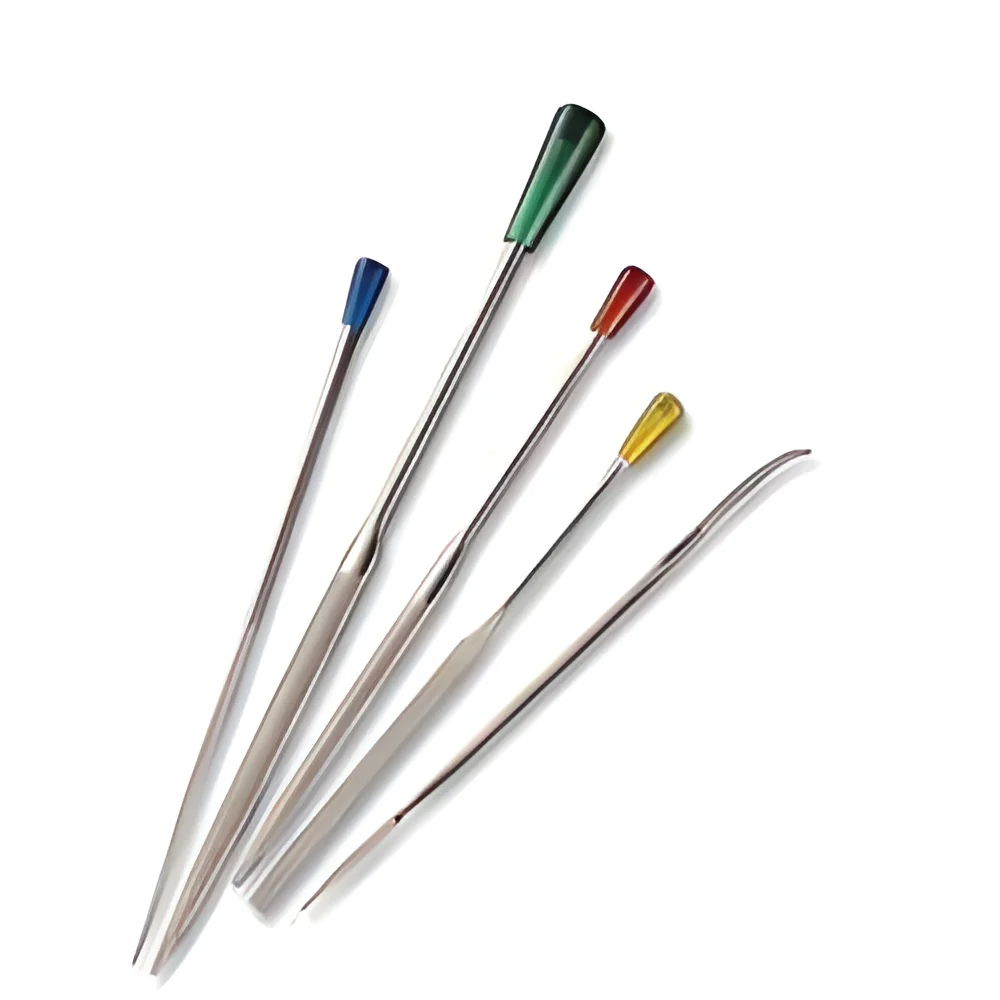
Honing Rods
Honing rods made with diamond surfaces are ideal for quick touch-ups between sharpenings. They are lightweight and portable, making them suitable for chefs who need to maintain their knives on the go.
Bench Stones
Bench stones are larger and designed for heavy-duty sharpening tasks. They provide stability during use and can accommodate larger blades and tools, making them ideal for professional workshops.
Benefits and Advantages
Using diamond sharpening stones provides numerous advantages for businesses.
1. Efficiency: Diamond sharpening stones sharpen tools quickly, reducing downtime and increasing productivity in operations.
2. Longevity: Due to the durability of diamonds, these stones have a long lifespan, offering a cost-effective solution for tool maintenance.
3. Precision: The fine grit options allow for precise sharpening, making it easier to achieve the desired edge on any tool.
4. Versatility: They can sharpen a wide variety of tools, from kitchen knives to industrial blades, making them suitable for multiple applications.
5. Low Maintenance: Many diamond sharpening stones require minimal maintenance, often only needing a rinse after use.
6. Safety: By maintaining sharp tools, these stones contribute to safer working conditions, reducing the risk of accidents caused by dull blades.
Buying Guide for B2B Buyers
When sourcing diamond sharpening stones, various factors should be considered to ensure the best choice for your business.
1. Quality Assessment: Evaluate the quality of diamond sharpening stones by examining material composition and reviews from other buyers. Look for stones that provide consistent performance over time.
2. Supplier Verification: It is essential to vet suppliers thoroughly. Check their reputation, customer feedback, and certifications to ensure they provide reliable products.
3. Pricing and MOQ: Understand the pricing structure and minimum order quantities (MOQ) required by suppliers. This can help in budget planning and ensuring you have adequate stock.
4. Delivery and Lead Times: Consider the logistics involved in sourcing these stones. Inquire about delivery times and shipping options to avoid disruptions in your operations.
5. Compliance Requirements: Be aware of any compliance or regulatory standards applicable to diamond sharpening stones in your region. Ensure suppliers adhere to these requirements to avoid legal issues.
Compliance and Certifications
Diamond sharpening stones must meet various compliance standards and certifications to ensure quality and safety. Relevant quality standards such as ISO 9001 help guarantee that products are manufactured under strict quality control measures.
Additionally, industry certifications like CE indicate that the products meet European safety standards, which is critical for businesses exporting or importing these tools.
Safety and testing requirements are paramount, especially in industries where precision is crucial. Regular testing helps verify that the stones maintain their performance and safety standards over time.
Regional compliance considerations can vary, so businesses should ensure that the products they source comply with local regulations and standards to avoid penalties or operational disruptions.
Why Source Diamond Sharpening Stones from Pepagora?
Pepagora provides a trusted platform for sourcing diamond sharpening stones, delivering several key advantages to B2B buyers.
Verified Supplier Network: Pepagora has established a network of verified suppliers, ensuring that buyers have access to high-quality products and reliable service.
Streamlined RFQ Process: The platform offers a streamlined Request for Quotation (RFQ) process, allowing buyers to easily compare prices and specifications from multiple suppliers, facilitating informed decisions.
Trade Assurance and Support: Pepagora offers buyer protection through trade assurance policies, ensuring that transactions are secure and that buyers receive products as described.
Regional Coverage: With a strong presence in regions like India, the GCC, and Southeast Asia, Pepagora provides extensive geographic reach, making it easier for businesses to source diamond sharpening stones that meet their specific needs.



Frequently Asked Questions
What are Diamond Sharpening Stones?
Diamond sharpening stones are tools used for sharpening various types of blades and edges. They are made with a layer of diamond particles bonded to a flat surface, providing a durable and efficient sharpening solution.
What are the different types of Diamond Sharpening Stones?
There are several types of diamond sharpening stones, including bench stones, pocket stones, and specialized stones designed for specific tools. Each type may vary in size, grit, and intended use, catering to different sharpening needs.
How do I choose the right Diamond Sharpening Stones?
When selecting diamond sharpening stones, consider the type of tools you will be sharpening and the desired level of sharpness. Grit levels range from coarse to fine, so choose accordingly based on the condition of your blades.
What are the standard specifications for Diamond Sharpening Stones?
Standard specifications for diamond sharpening stones typically include grit size, dimensions, and bonding type of the diamond particles. Most stones are available in various grit sizes ranging from coarse (200-600) to fine (1000-3000).
What is the price range for Diamond Sharpening Stones?
The price of diamond sharpening stones can vary widely based on size, brand, and grit level, typically ranging from INR 500 to INR 10,000. Higher-end models often offer enhanced durability and performance.
What quality standards apply to Diamond Sharpening Stones?
Quality standards for diamond sharpening stones include the consistency of diamond particle distribution, the durability of the bonding material, and the flatness of the surface. Adhering to these standards ensures effective and reliable sharpening.
Where can I find Diamond Sharpening Stones suppliers in India?
You can find diamond sharpening stones suppliers in India through B2B marketplaces like Pepagora, industry trade shows, and local hardware suppliers. Online platforms often provide a wide range of manufacturers and product options.
Can Diamond Sharpening Stones be customized?
Yes, many manufacturers offer customization options for diamond sharpening stones, including size, grit, and branding. Custom stones can be tailored to meet specific customer requirements or applications.
What is the typical minimum order quantity for Diamond Sharpening Stones?
The minimum order quantity (MOQ) for diamond sharpening stones can vary by supplier, but it typically ranges from 10 to 100 pieces. It is advisable to check with individual manufacturers for their specific MOQ requirements.
What is the typical lead time for Diamond Sharpening Stones?
The typical lead time for diamond sharpening stones can range from 2 to 6 weeks, depending on the supplier and the order size. Custom orders may require additional time for production and delivery.
Why Businesses Trust Pepagora
Thousands of companies trust Pepagora to source smarter and sell faster
Expand Your Sales Globally

Source Smarter,Grow Faster
