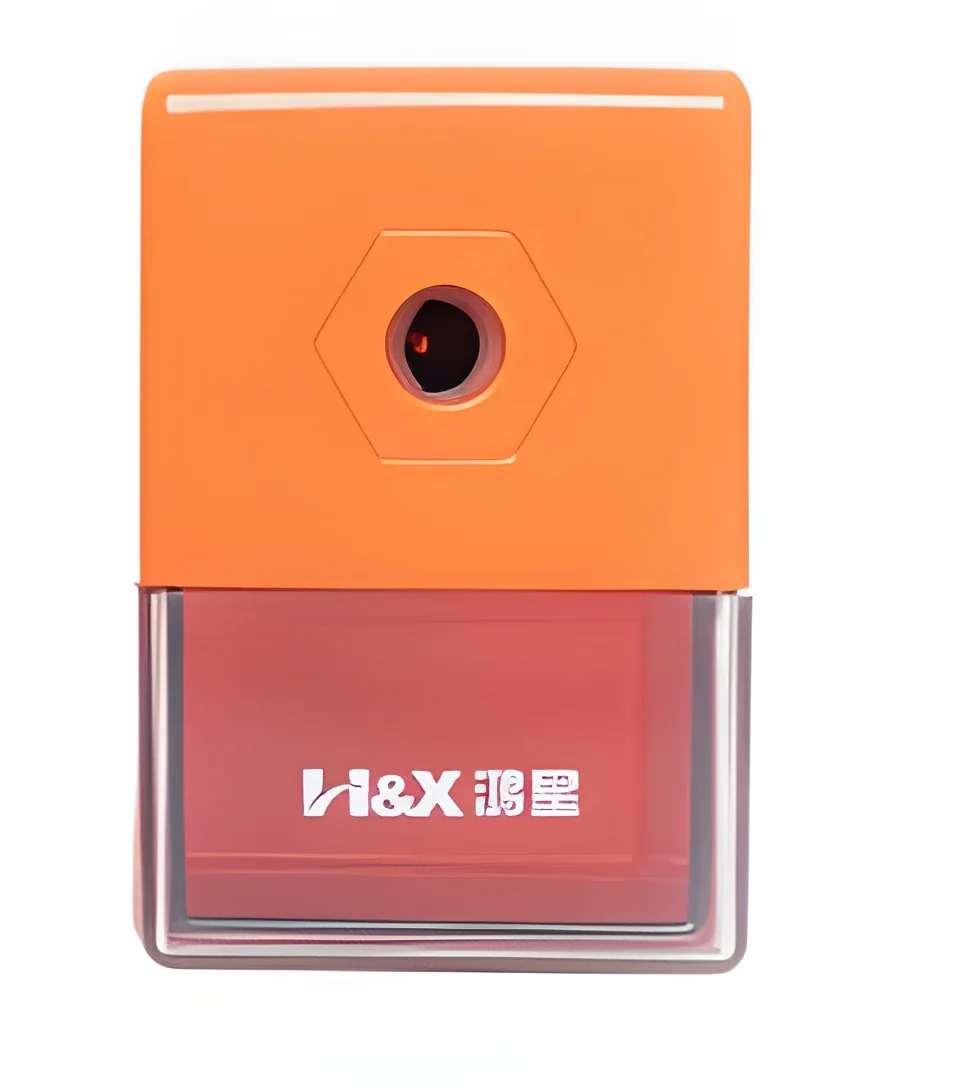
What are Handheld Sharpeners?
Handheld sharpeners are compact tools designed to sharpen cutting edges of various implements, primarily knives, scissors, and other blades. These tools are often lightweight and portable, making them suitable for both personal and professional use. Handheld sharpeners typically come with a simple design, allowing users to restore blade sharpness quickly and efficiently without the need for external power sources.
In business applications, handheld sharpeners are essential in various industries such as culinary, manufacturing, and maintenance. In the culinary sector, chefs use these sharpeners to maintain the sharpness of their knives, ensuring precision in food preparation. In manufacturing and maintenance, these tools are used to keep various cutting tools and equipment sharp, improving performance and safety. The relevance of handheld sharpeners in various industries highlights their importance in enhancing productivity and ensuring quality in the work produced.
The market for handheld sharpeners is diverse, with a growing demand driven by the increasing need for efficient and reliable sharpening solutions. As industries evolve and the importance of tool maintenance becomes more recognized, the handheld sharpener continues to play a vital role in ensuring optimal performance of cutting tools across various sectors.
Key Features and Specifications
Handheld sharpeners come with several features and specifications that cater to different user needs. These specifications can significantly impact the performance and usability of the sharpeners.
Key specifications include:
1. Sharpener Type
- Options include manual and electric models.
- Manual models rely on user operation, while electric models offer automatic sharpening.
2. Material
- Made from durable materials such as stainless steel, ceramic, or tungsten carbide.
- Material choice affects sharpness efficiency and longevity.
3. Grit Levels
- Varying grit levels for different sharpening needs.
- Fine, medium, and coarse grits provide versatility for various blade conditions.
4. Ergonomic Design
- Features like non-slip grips enhance user comfort.
- Lightweight construction allows for easy handling.
5. Portability
- Compact size suitable for travel or storage.
- Ideal for on-the-go sharpening needs.
6. Safety Features
- Built-in guards or covers to protect users during operation.
- Safety mechanisms to prevent accidental injuries.
7. Ease of Use
- Simple operation instructions suitable for both novice and experienced users.
- Quick sharpening process for efficiency.
8. Maintenance Requirements
- Low maintenance needed, with some models offering self-cleaning features.
- Regular inspections ensure optimal performance.
In summary, understanding the features and specifications of handheld sharpeners can help users select the right tool for their specific sharpening needs.
Common Applications and Use Cases
Handheld sharpeners find applications across various industries due to their versatility and effectiveness.
1. Culinary Industry: Chefs and cooks use handheld sharpeners to maintain their knives, ensuring precise cuts and improved food presentation.
2. Manufacturing: Workers in manufacturing settings utilize these sharpeners to keep cutting tools sharp, enhancing efficiency and reducing downtime caused by dull tools.
3. Maintenance Services: Technicians in maintenance and repair services rely on handheld sharpeners to maintain the sharpness of tools, ensuring safe and effective operation.
4. Crafting: Artisans and crafters use handheld sharpeners for tools like scissors and carving knives, maintaining the quality of their work.
5. Gardening: Gardeners use handheld sharpeners for pruning shears and hedge trimmers, ensuring clean cuts that promote plant health.
6. Outdoor Activities: Hikers and campers carry handheld sharpeners to maintain the sharpness of their knives and multi-tools, ensuring safety during outdoor activities.
7. Woodworking: Woodworkers sharpen chisels and saw blades with handheld sharpeners, improving the quality of their craftsmanship.
Product Variants and Subcategories
Handheld sharpeners come in various designs to meet different user needs and preferences.
Manual Handheld Sharpeners: These sharpeners require user input to sharpen blades by moving the knife through a series of slots. They are portable, easy to use, and do not require electricity.
Electric Handheld Sharpeners: These sharpeners use an electric motor to automate the sharpening process. They offer quick results and are suitable for users who prefer convenience.
Professional Handheld Sharpeners: Designed for heavy-duty use in commercial environments, these sharpeners typically feature advanced sharpening technology and ergonomic designs for frequent use.
Pocket Handheld Sharpeners: Compact and lightweight, pocket sharpeners are designed for portability, making them ideal for outdoor enthusiasts and travelers.
Benefits and Advantages
Using handheld sharpeners offers several key benefits that appeal to various users.
1. Cost-Effective Maintenance: Regular sharpening with handheld tools prolongs the life of cutting implements, reducing the need for costly replacements.
2. Increased Efficiency: Sharp tools require less force and effort to use, enhancing productivity in various tasks.
3. User-Friendly: Most handheld sharpeners are easy to operate, allowing users of all skill levels to achieve optimal results without extensive training.
4. Portability: Their compact size makes handheld sharpeners easy to carry, ensuring users can maintain their tools wherever they go.
5. Versatility: Handheld sharpeners can sharpen a wide range of blades, making them suitable for multiple applications across different industries.
6. Safety: Maintaining sharp tools reduces the risk of accidents caused by slipping or using excessive force on dull blades.
Buying Guide for B2B Buyers
When sourcing handheld sharpeners for business needs, there are several important factors to consider.
1. Quality Assessment: Look for sharpeners made from durable materials and with reliable performance reviews. Quality tools lead to better sharpening results and longer lifespans.
2. Supplier Verification: Vet suppliers to ensure they provide genuine products and have a good reputation in the market. Check for customer feedback and certifications.
3. Pricing and MOQ: Understand the pricing structure and minimum order quantities. This will help in budgeting and ensure that you can meet your operational needs.
4. Delivery and Lead Times: Inquire about delivery options and lead times to ensure you have sharpeners available when needed for your business operations.
5. Compliance Requirements: Ensure that the sharpeners meet relevant safety and quality standards for your industry. This may include certifications such as CE.
Compliance and Certifications
Handheld sharpeners must adhere to various quality standards and certifications to ensure they meet industry requirements.
Relevant quality standards include ISO 9001, which focuses on quality management systems, ensuring that products are consistently produced to meet customer requirements.
Industry certifications such as CE indicate compliance with European safety standards, which can be crucial for businesses operating in or exporting to European markets.
Safety and testing requirements may vary by region. Manufacturers must conduct thorough testing to ensure their products are safe for use and meet any local compliance regulations.
Regional compliance considerations may include understanding the specific standards and certifications required in different geographical markets to successfully enter and operate within those markets.
Why Source Handheld Sharpeners from Pepagora?
Pepagora provides a trusted platform for sourcing handheld sharpeners with several key advantages that benefit B2B buyers.
Verified Supplier Network: Pepagora features a network of verified suppliers, ensuring that buyers can access high-quality products from reputable manufacturers. This reduces the risks associated with sourcing.
Streamlined RFQ Process: The request for quotation process is simplified through Pepagora, allowing buyers to easily compare prices and offerings from multiple suppliers. This facilitates informed purchasing decisions.
Trade Assurance and Support: Buyers benefit from trade assurance programs that provide protection during transactions. Pepagora's support team is available to assist with any queries or issues that arise during the purchasing process.
Regional Coverage: Pepagora has a wide geographic reach, covering markets in India, the GCC, and Southeast Asia. This ensures that buyers can find suitable suppliers that meet their regional needs.
In conclusion, sourcing handheld sharpeners through Pepagora offers a reliable and efficient solution for businesses looking to maintain their cutting tools effectively.

 IN
IN