
 IN
INSharpening Stones (Whetstones, Oil Stones)
3 products available
Key Features and Specifications
Common Applications and Use Cases
Product Variants and Subcategories
Benefits and Advantages
Buying Guide for B2B Buyers
Compliance and Certifications

Frequently Asked Questions
What are Sharpening Stones (Whetstones, Oil Stones)?
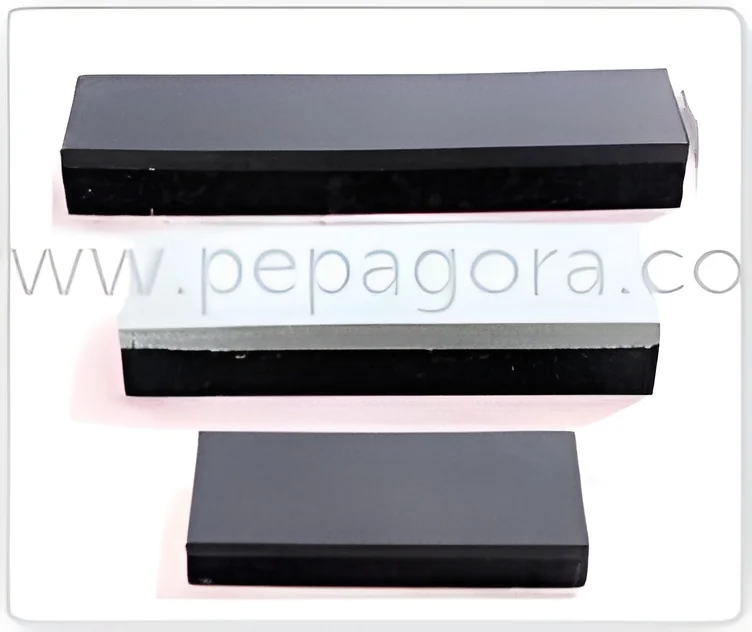
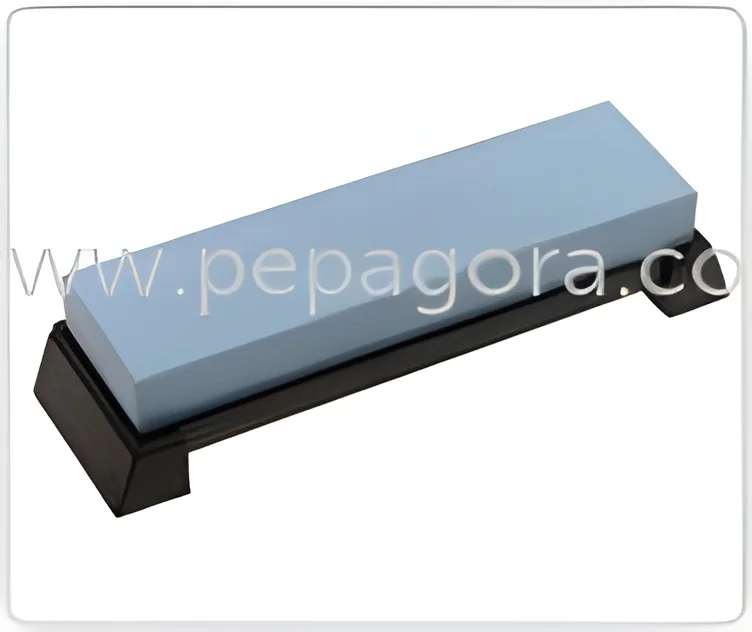
Sharpening Stones, also known as Whetstones or Oil Stones, are tools used to sharpen the edges of blades and cutting tools. They work by removing material from the tool's edge, creating a sharper angle. These stones are typically made from various abrasive materials and are used in both professional and household settings.
What are the different types of Sharpening Stones (Whetstones, Oil Stones)?
There are primarily three types of Sharpening Stones: water stones, oil stones, and diamond stones. Water stones require water for lubrication during sharpening, while oil stones use oil. Diamond stones are coated with diamond abrasives and offer faster sharpening, making them suitable for hard materials.
How do I choose the right Sharpening Stones (Whetstones, Oil Stones)?
When choosing Sharpening Stones, consider the type of tools you will be sharpening and the required grit size. A lower grit number is suitable for heavy sharpening, while a higher grit number is for honing and finishing edges. Additionally, assess the material and durability of the stone to ensure it meets your needs.
What are the standard specifications for Sharpening Stones (Whetstones, Oil Stones)?
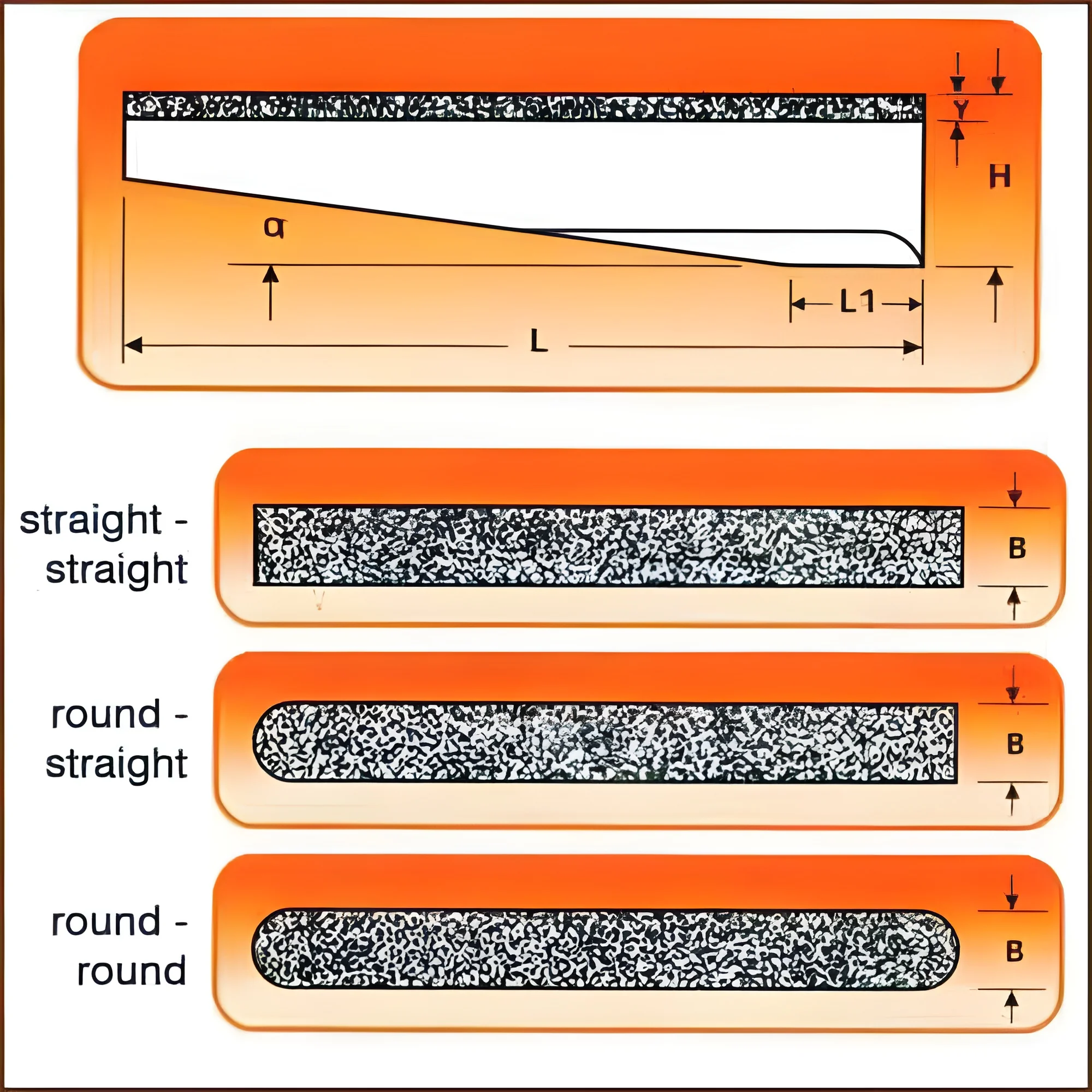
Standard specifications for Sharpening Stones include grit size, material composition, and dimensions. Grit sizes typically range from coarse (200-800) for heavy sharpening to fine (1000-3000) for honing. The stones may be made from silicon carbide, aluminum oxide, or diamond abrasives.
What is the price range for Sharpening Stones (Whetstones, Oil Stones)?
The price range for Sharpening Stones varies significantly based on type, material, and brand. Basic oil stones may start around INR 500, while high-quality diamond stones can cost several thousand rupees. It's advisable to compare options to find a suitable stone within your budget.
What quality standards apply to Sharpening Stones (Whetstones, Oil Stones)?
Quality standards for Sharpening Stones often focus on the consistency of grit material, durability, and performance. Look for stones that meet recognized industry standards or certifications, ensuring they provide effective sharpening without excessive wear. Manufacturer specifications can also guide quality assessments.
Where can I find Sharpening Stones (Whetstones, Oil Stones) suppliers in India?
You can find Sharpening Stones suppliers in India through online B2B marketplaces like Pepagora.com. Additionally, industrial supply stores and specialized tool retailers often stock a variety of sharpening stones. It's wise to check supplier reviews and product offerings before making a selection.
Can Sharpening Stones (Whetstones, Oil Stones) be customized?
Yes, some manufacturers offer customization options for Sharpening Stones based on specific requirements. This may include adjustments in size, shape, or grit composition to suit particular applications. Contacting a supplier directly can provide more details on available customization services.
What is the typical minimum order quantity for Sharpening Stones (Whetstones, Oil Stones)?
The typical minimum order quantity (MOQ) for Sharpening Stones can vary by supplier, but it generally ranges from 10 to 50 pieces. Some suppliers may offer lower MOQ for retail purchases, while bulk orders could have higher requirements. Always check with the supplier for their specific terms.
What is the typical lead time for Sharpening Stones (Whetstones, Oil Stones)?
The typical lead time for Sharpening Stones depends on factors such as the supplier's inventory and whether the stones are customized. Generally, standard orders can be fulfilled within 5 to 15 business days, while custom orders may take longer. Always confirm the lead time with your supplier before placing an order.
Why Businesses Trust Pepagora
Thousands of companies trust Pepagora to source smarter and sell faster
Expand Your Sales Globally

Source Smarter,Grow Faster
