
 IN
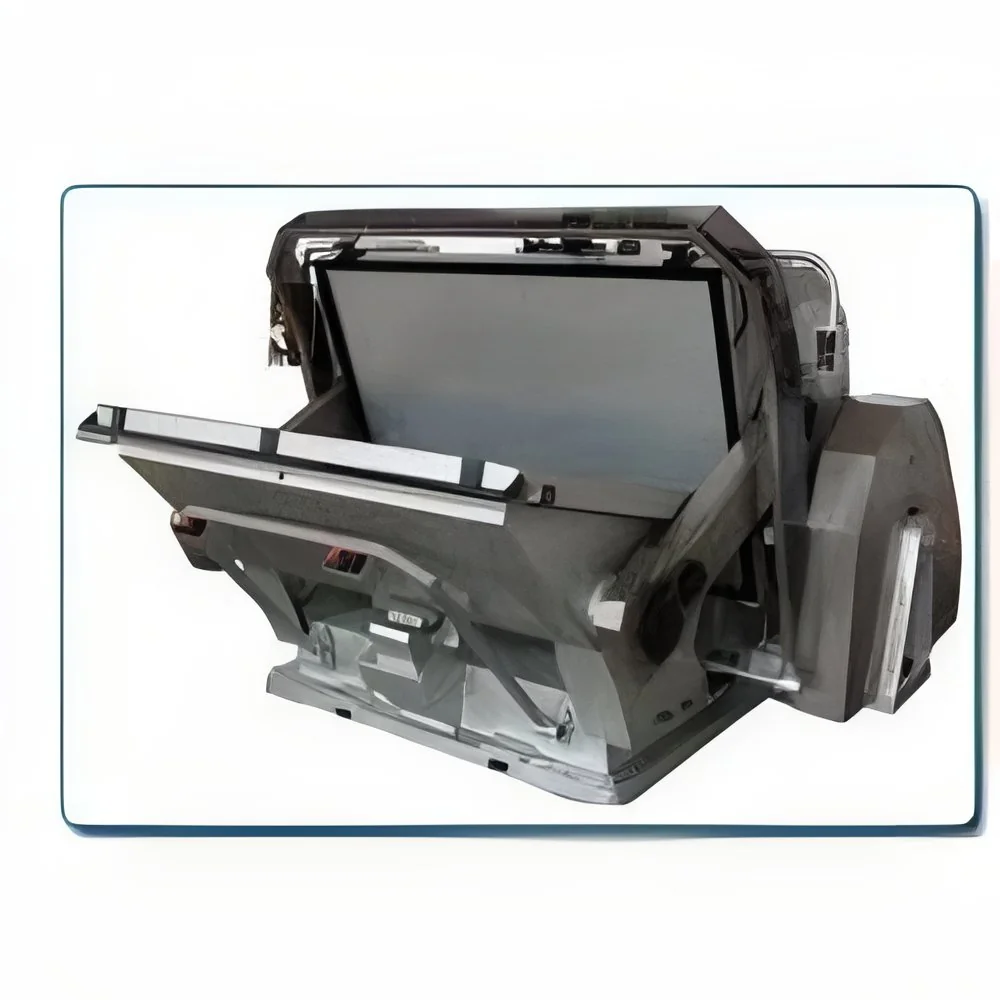
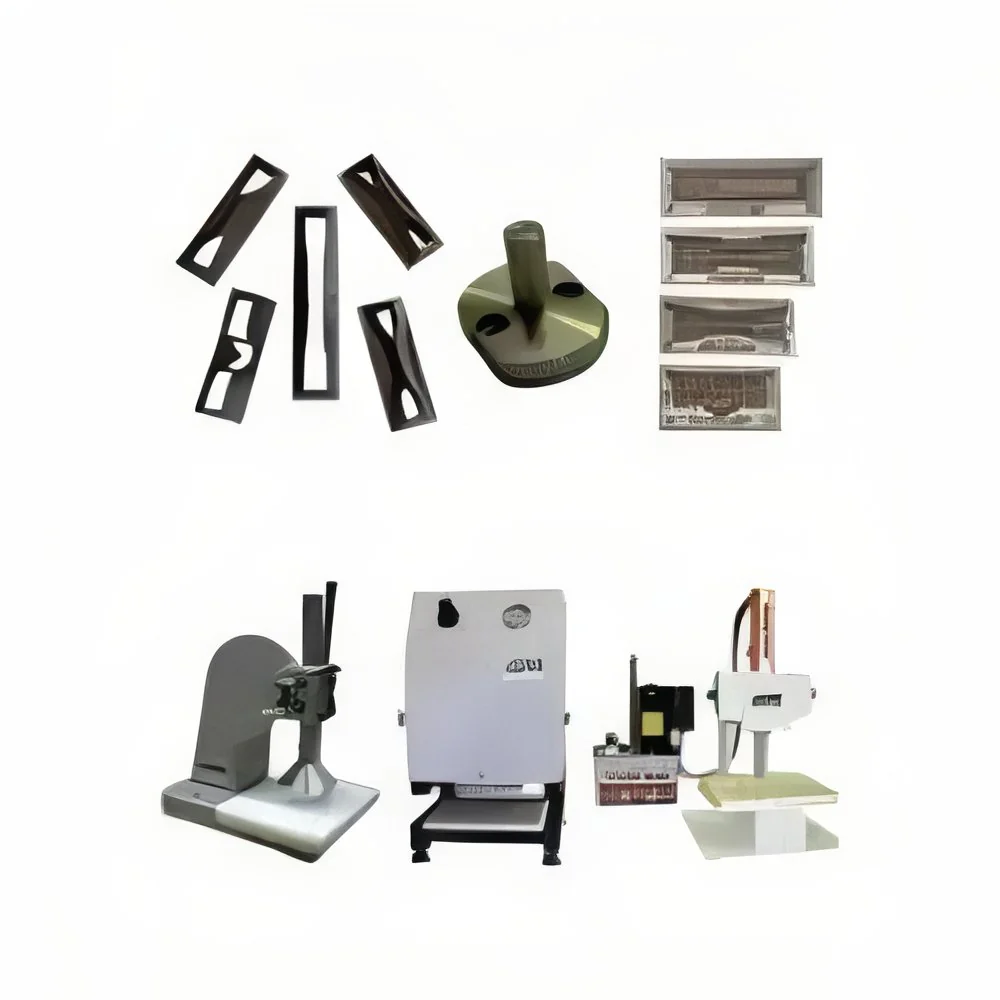
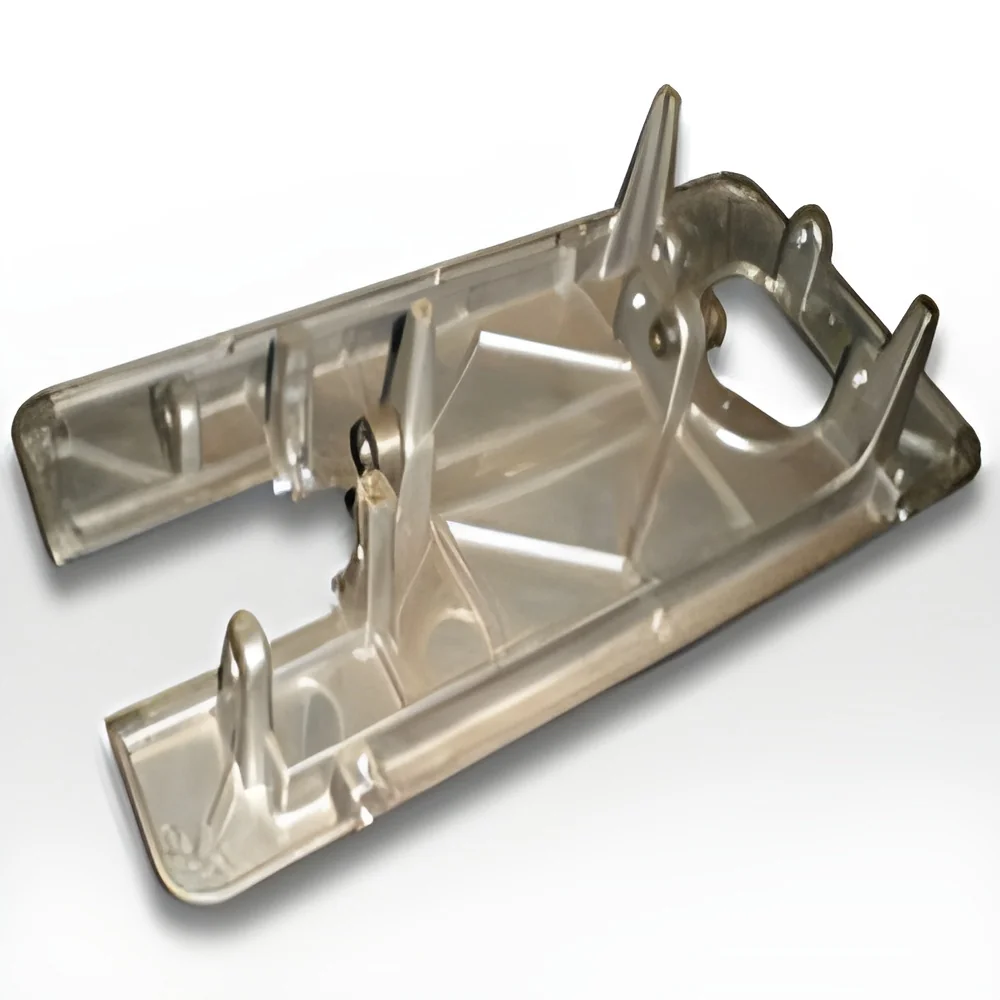
Cutting Dies
27 products available
What are Cutting Dies?
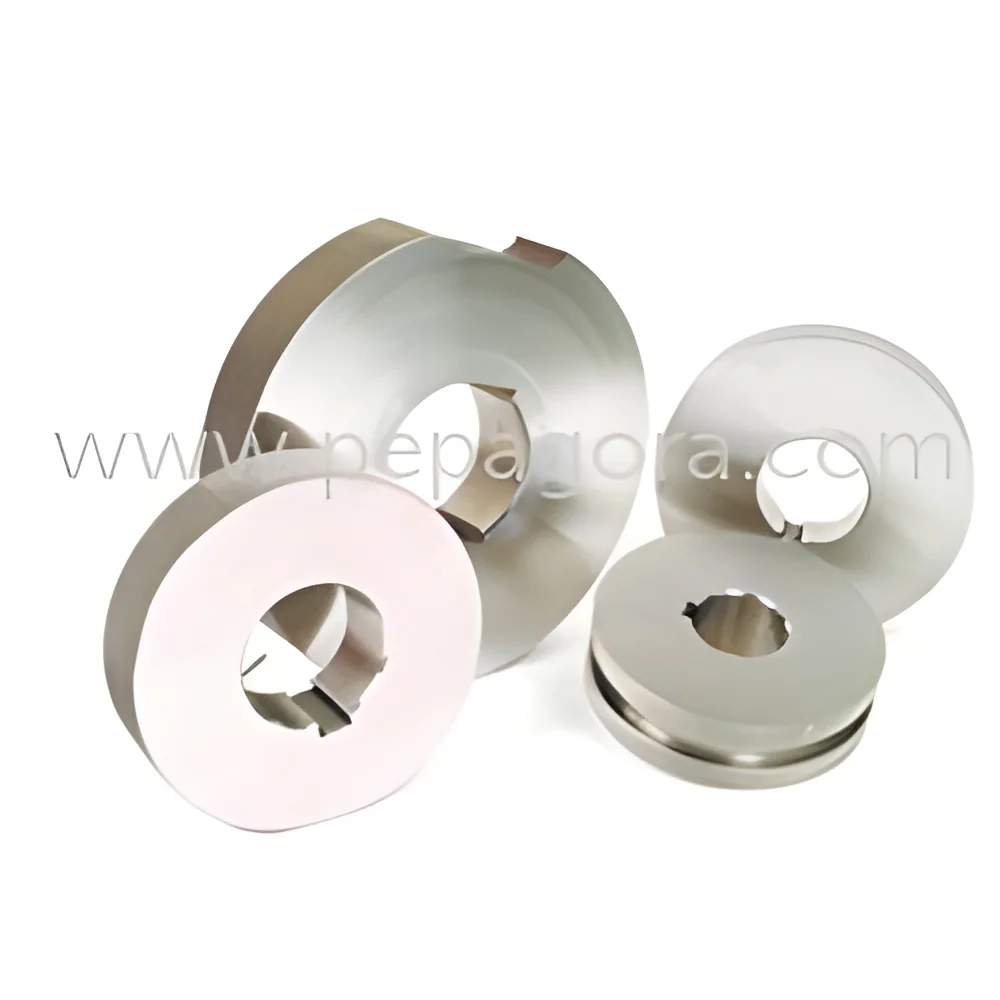
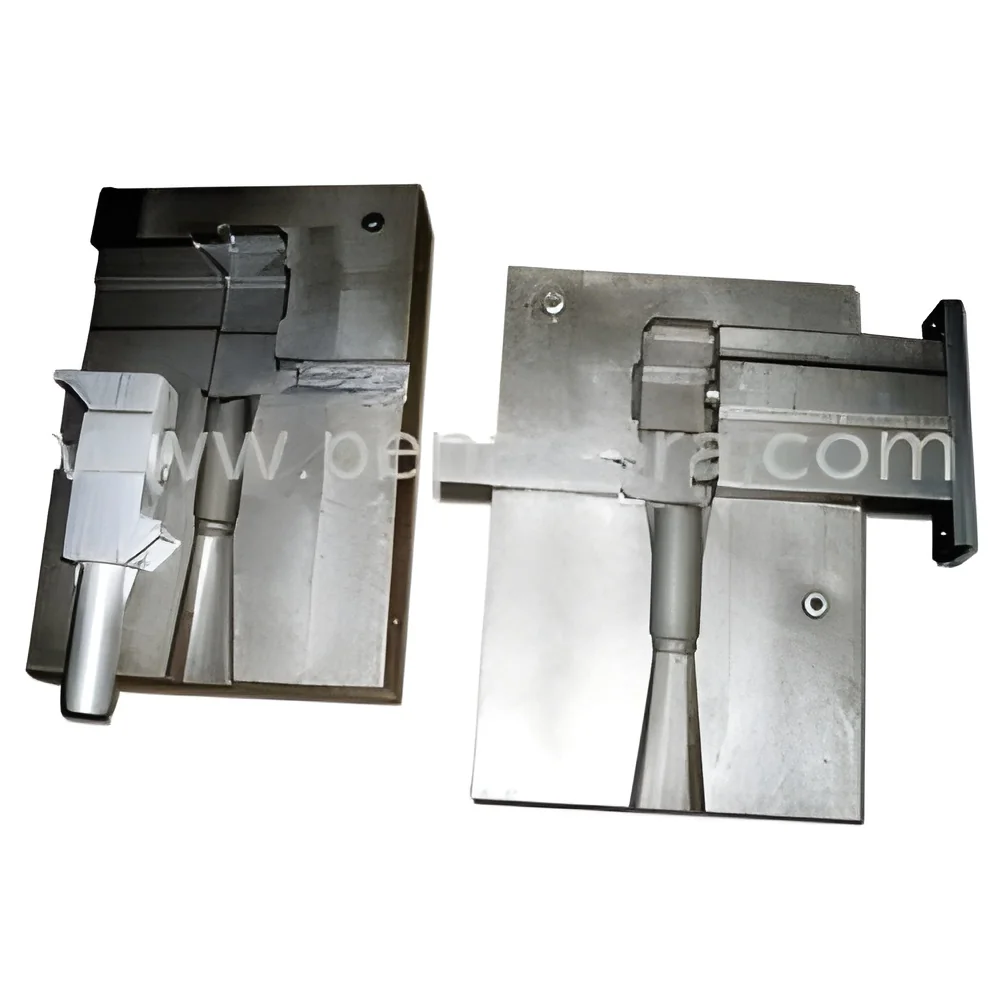
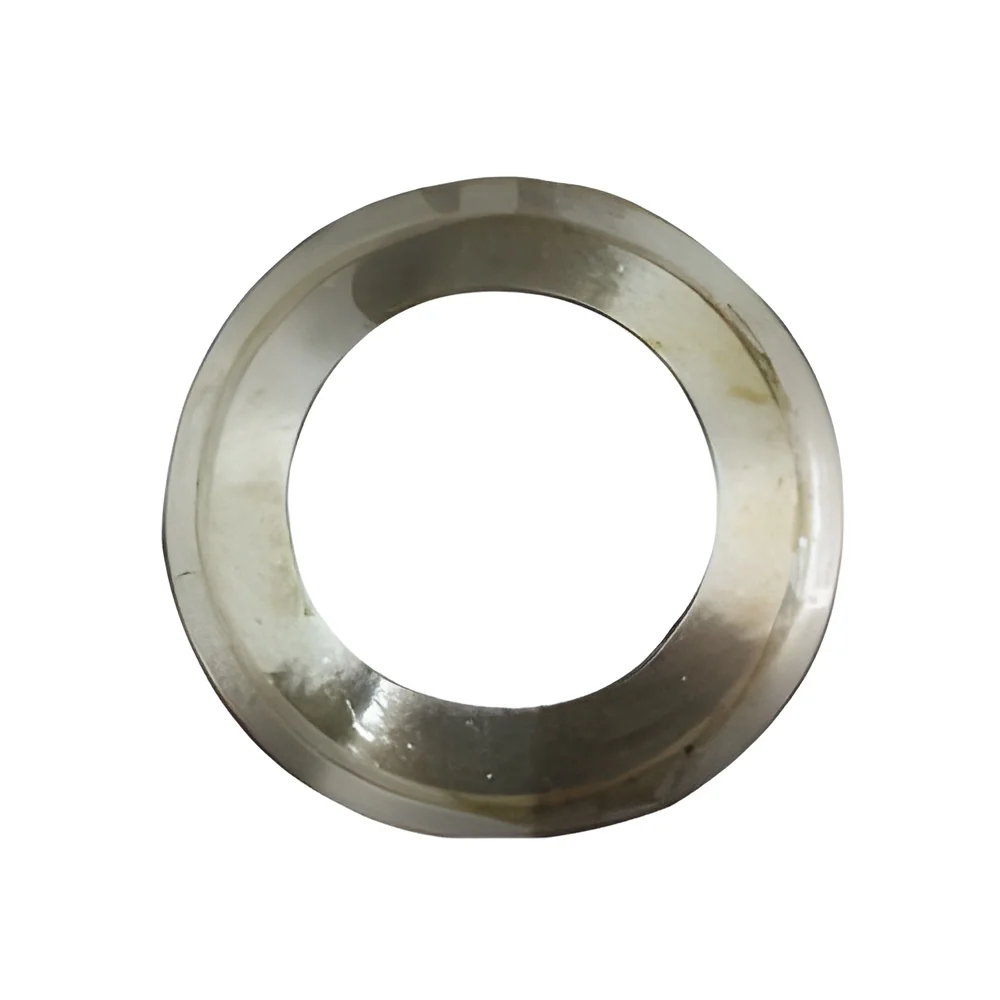
Cutting dies are specialized tools used in various manufacturing processes to cut specific shapes and designs out of materials such as paper, metal, plastic, and fabric. These dies are typically made from high-strength materials to withstand the mechanical stresses of cutting, often featuring sharp edges to ensure clean cuts. The design of a cutting die is crucial as it dictates the shape and size of the final product, making precision a key factor in their effectiveness.
The primary uses of cutting dies span multiple industries, including packaging, textiles, and automotive manufacturing. In the packaging industry, for instance, cutting dies are employed to create custom boxes, labels, and promotional materials, while in textiles, they are used for cutting patterns from fabric. The versatility of cutting dies makes them essential tools for mass production, where consistent quality and efficiency are paramount. As industries increasingly focus on automation and precision, the demand for high-quality cutting dies continues to grow, reflecting their relevance in today’s market.
Key Features and Specifications
Cutting dies offer essential features that cater to a variety of industrial applications. Understanding these specifications is vital for businesses looking to invest in the right tools for their production needs.
Key specifications include:
1. Material Composition
- Cutting dies can be made from steel, tungsten carbide, or other durable materials.
- These materials provide strength and longevity for high-volume cutting tasks.
2. Cutting Edge Design
- The design can vary based on the application, including straight, curved, or complex shapes.
- Precision in design ensures accurate cuts with minimal waste.
3. Thickness
- Typical thickness ranges from 2 mm to 10 mm, depending on the material being cut.
- Thicker dies are generally used for tougher materials.
4. Die Size
- Sizes can vary widely, from small dies for intricate designs to large dies for bulk cutting.
- Custom sizes are often available to meet specific customer needs.
5. Compatibility
- Cutting dies can be designed to work with various machines, including manual and automated systems.
- Compatibility ensures ease of integration into existing production lines.
6. Customization Options
- Many manufacturers offer customization for specific designs and functions.
- Custom cutting dies can enhance efficiency and output quality.
In summary, cutting dies are characterized by their material composition, edge design, thickness, size, compatibility, and customization options, making them vital tools for industrial applications.
Common Applications and Use Cases
Cutting dies find applications across many industries, showcasing their versatility and importance in manufacturing processes.
1. Packaging Industry: Cutting dies are extensively used to create custom packaging solutions, including boxes and labels. They ensure precise shapes that maximize material use and enhance product presentation.
2. Textile Industry: In textile manufacturing, cutting dies facilitate the efficient cutting of fabric into patterns for garments and upholstery, allowing for quick production while maintaining high quality.
3. Automotive Industry: Cutting dies are employed to produce components and parts for vehicles, ensuring that each piece meets exact specifications for safety and performance.
4. Electronics Industry: Cutting dies are used to manufacture circuit boards and other electronic components, providing precise cuts that are essential for functionality.
5. Food Industry: In food packaging, cutting dies create shapes for containers and labels, ensuring compliance with regulatory standards while improving product appeal.
6. Craft and Hobby: Cutting dies are popular in the arts and crafts sector for creating custom designs in paper crafting and model making, providing hobbyists with precision tools for their projects.
7. Signage: Cutting dies are used to produce signs and logos in various materials, ensuring that branding elements are accurately shaped and presented.
Product Variants and Subcategories
Cutting dies come in various forms to meet the diverse needs of different industries and applications.
Standard Cutting Dies
These are the most common type and are designed for general use in cutting shapes for packaging or textiles. They provide reliable performance for high-volume production.
Custom Cutting Dies
These dies are tailored to specific designs or shapes required by a business. They allow for unique branding and product differentiation, making them ideal for companies looking to stand out.
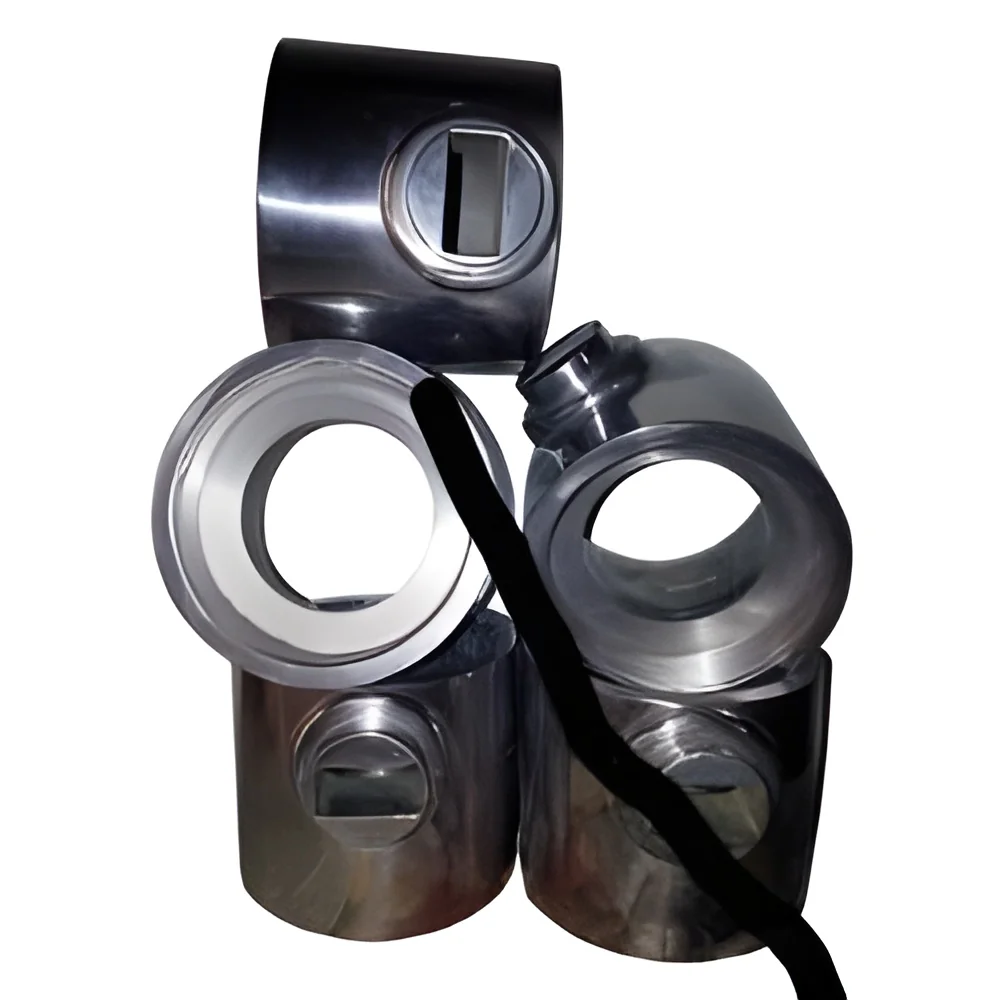
Rotary Cutting Dies
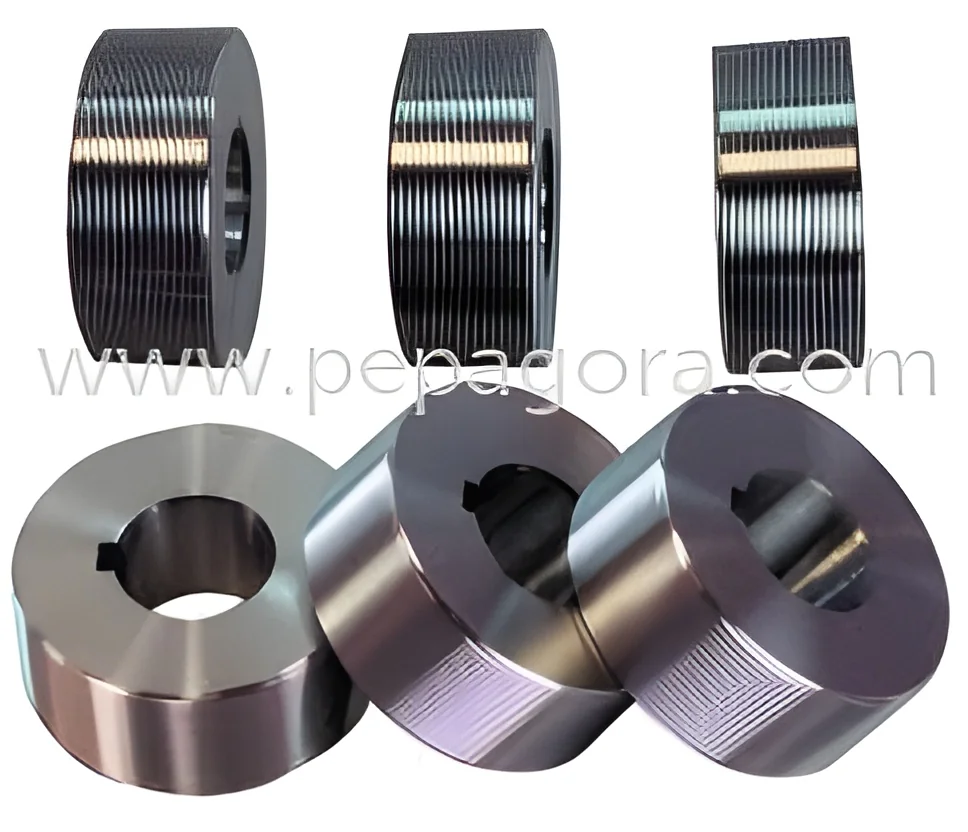
Used primarily in continuous cutting processes, rotary dies are suitable for high-speed manufacturing environments. They feature a cylindrical design that allows for efficient material processing.
Flat Cutting Dies
These are used for a wide range of applications, primarily in die-cutting machines. They are versatile and can handle various materials, making them a popular choice for many manufacturers.
Benefits and Advantages
Cutting dies offer numerous benefits that enhance production efficiency and product quality.
1. Precision Cutting: Cutting dies provide accurate and clean cuts, ensuring that the final products meet strict quality standards.
2. Enhanced Efficiency: These tools enable high-speed production, significantly reducing manufacturing time and labor costs.
3. Versatility: Cutting dies can be used across multiple industries and materials, making them adaptable to various manufacturing needs.
4. Customization: The ability to create custom designs allows businesses to tailor products to specific customer requirements, enhancing market competitiveness.
5. Durability: High-quality cutting dies are built to last, reducing the frequency of replacements and maintenance costs.
6. Improved Waste Management: Precision cutting minimizes material waste, contributing to more sustainable manufacturing practices.
Buying Guide for B2B Buyers
When sourcing cutting dies, several key factors should be considered to ensure the best purchase decision.
1. Quality Assessment: Evaluate the materials and manufacturing processes used to create the cutting dies. Look for certifications that indicate adherence to industry standards, ensuring durability and performance.
2. Supplier Verification: Conduct thorough research on potential suppliers. Check their reputation in the industry, customer reviews, and their ability to meet your specific needs.
3. Pricing and MOQ: Understand the price range for cutting dies and the minimum order quantities (MOQ) required. This helps in budgeting and ensures alignment with production volumes.
4. Delivery and Lead Times: Inquire about the expected delivery times and logistics involved. Timely delivery is crucial to maintain production schedules.
5. Compliance Requirements: Ensure that the cutting dies meet all regulatory and safety standards relevant to your industry, such as CE certification.
Compliance and Certifications
Compliance with industry standards is critical for cutting dies to ensure safety, quality, and performance. Many manufacturers adhere to quality standards such as ISO 9001, which outlines requirements for quality management systems. This certification indicates a commitment to consistent quality and customer satisfaction.
In addition to ISO standards, cutting dies may also require compliance with specific safety and testing requirements. For instance, CE certification is essential for products marketed in Europe, ensuring they meet safety and health requirements.
Regional compliance considerations may vary, so it is important for manufacturers and suppliers to be aware of local regulations. Understanding these compliance requirements is essential for businesses looking to source cutting dies, as it impacts product acceptance in various markets.
Why Source Cutting Dies from Pepagora?
Pepagora stands out as a trusted platform for sourcing cutting dies, offering several key advantages for businesses.
Verified Supplier Network: Pepagora provides access to a network of verified suppliers, ensuring that buyers can source high-quality cutting dies from reputable manufacturers. This reduces the risk of procurement and ensures reliability.
Streamlined RFQ Process: The Request for Quotation (RFQ) process on Pepagora is designed to be user-friendly, allowing buyers to quickly obtain quotes from multiple suppliers. This efficiency saves time and simplifies decision-making.
Trade Assurance and Support: Buyers are protected through trade assurance policies that safeguard transactions. Pepagora offers support throughout the purchasing process, enhancing buyer confidence.
Regional Coverage: With a strong presence in India, the GCC, and Southeast Asia, Pepagora facilitates connections between buyers and suppliers across these regions. This geographic reach allows for broader sourcing options and competitive pricing.
By choosing Pepagora, businesses can ensure they are sourcing cutting dies that meet their specific needs while benefiting from a streamlined and secure procurement process.


 India
 India
 India
 India
 India
 India
 India
 India
 India
 India
 India
 India
 India
 India
 India
 India

Frequently Asked Questions
What are Cutting Dies?
Cutting Dies are specialized tools used in manufacturing to cut or shape materials like paper, metal, or plastic into specific forms. They are typically made from hardened steel and are essential for mass production processes, ensuring precision and consistency in the final products.
What are the different types of Cutting Dies?
There are several types of Cutting Dies, including flat dies, rotary dies, and rule dies. Flat dies are used for simple shapes, rotary dies are ideal for continuous production, and rule dies are designed for intricate cuts and designs, often used in the packaging and printing industries.
How do I choose the right Cutting Dies?
To choose the right Cutting Dies, consider the material you will be cutting, the complexity of the design, and the production volume. Additionally, it is important to assess the compatibility of the die with your existing machinery and the desired precision of the cut.
What are the standard specifications for Cutting Dies?
Standard specifications for Cutting Dies typically include dimensions, material type, and tolerances for cutting accuracy. Common materials used are high carbon steel or tungsten carbide, and specifications may vary based on the intended application and industry standards.
What is the price range for Cutting Dies?
The price range for Cutting Dies can vary widely based on factors such as material, complexity, and manufacturer. Generally, prices can start from a few thousand rupees and go up to several lakhs for custom or high-end dies.
What quality standards apply to Cutting Dies?
Cutting Dies must adhere to quality standards such as ISO 9001, which focuses on consistent quality management practices. Additionally, they should meet specific industry standards related to precision, durability, and safety depending on the application.
Where can I find Cutting Dies suppliers in India?
You can find Cutting Dies suppliers in India through online B2B marketplaces like Pepagora.com, industry trade shows, and manufacturing directories. It is advisable to review supplier credentials and customer feedback to ensure reliability.
Can Cutting Dies be customized?
Yes, Cutting Dies can be customized to meet specific requirements such as unique shapes, sizes, and materials. Customization is often necessary for specialized applications in various industries, including packaging and textiles.
What is the typical minimum order quantity for Cutting Dies?
The typical minimum order quantity (MOQ) for Cutting Dies can vary by supplier and the complexity of the design. Generally, MOQs can range from a single unit for standard dies to larger quantities for custom orders.
What is the typical lead time for Cutting Dies?
The typical lead time for Cutting Dies can range from a few days to several weeks, depending on the complexity of the die and the supplier's production capacity. Custom orders may take longer due to additional design and manufacturing processes.
Why Businesses Trust Pepagora
Thousands of companies trust Pepagora to source smarter and sell faster
Expand Your Sales Globally

Source Smarter,Grow Faster
