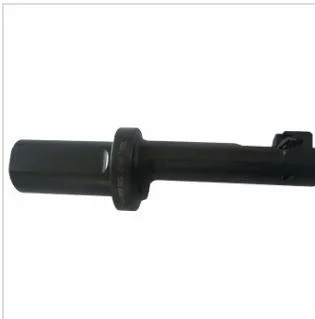
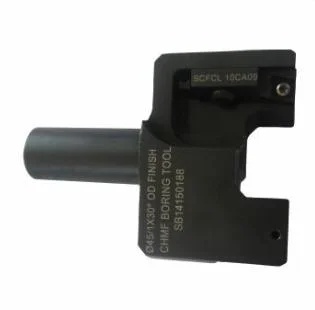
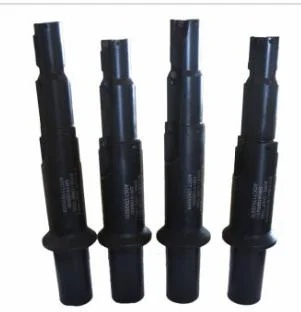
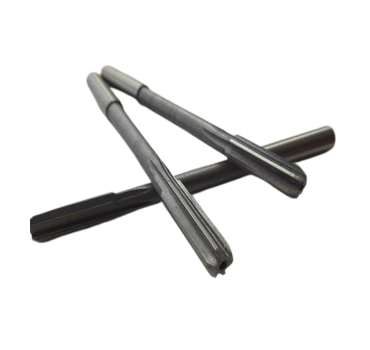
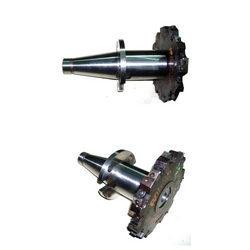
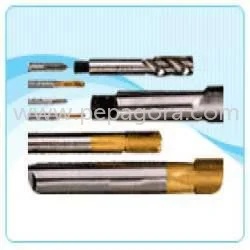
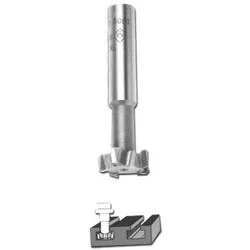
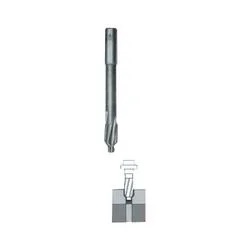
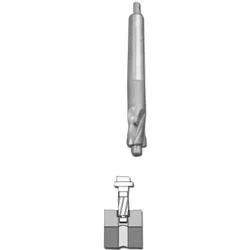
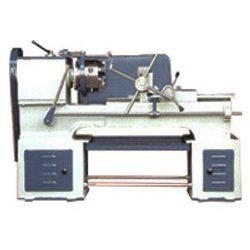
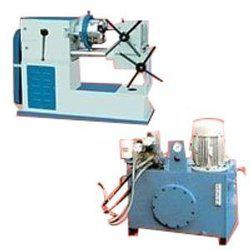
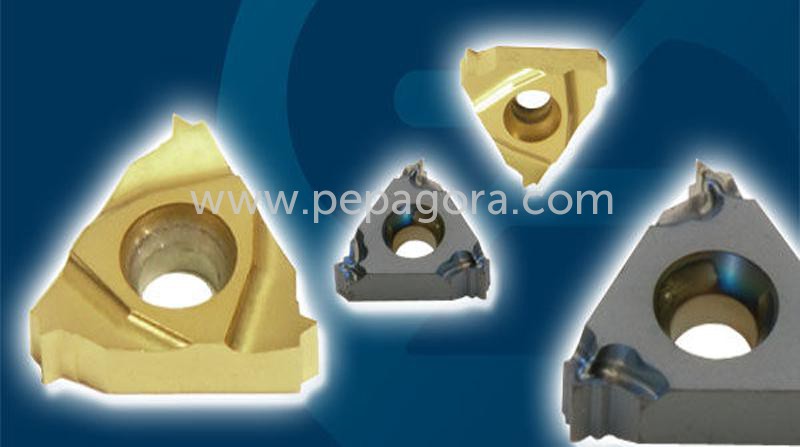
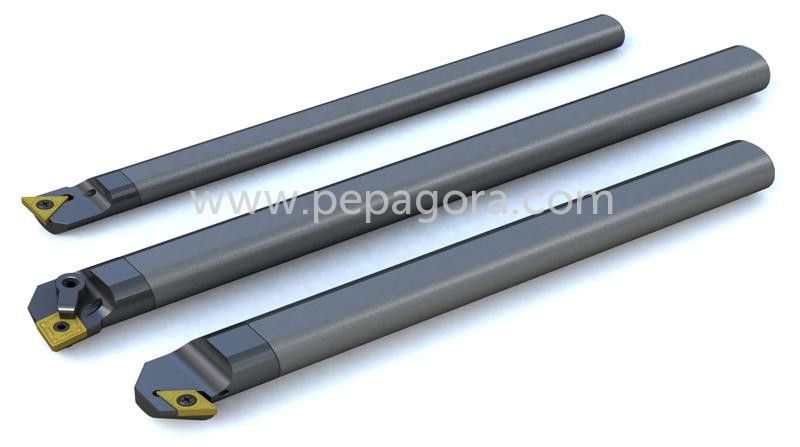
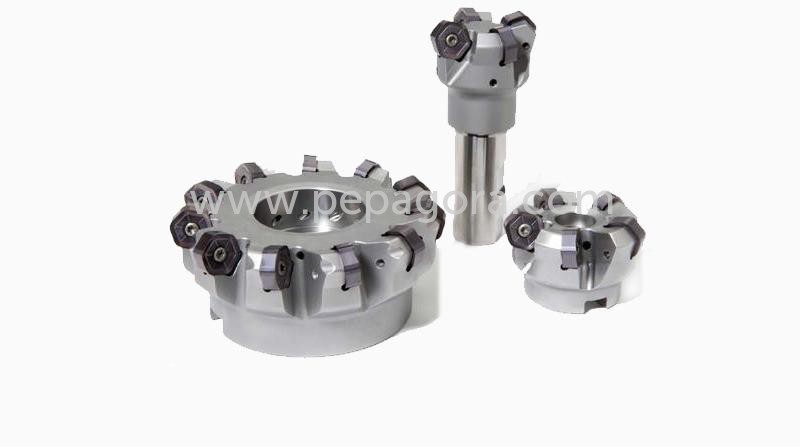
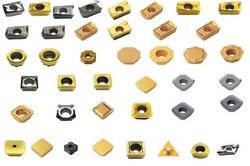
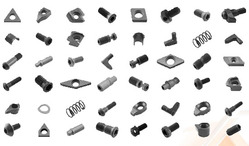
𝗪𝗵𝗮𝘁 𝗮𝗿𝗲 𝗖𝘂𝘀𝘁𝗼𝗺 𝗠𝗶𝗹𝗹𝗶𝗻𝗴 𝗧𝗼𝗼𝗹𝘀?
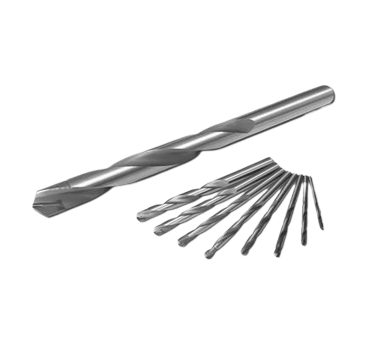
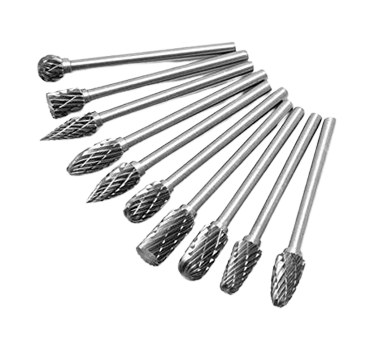
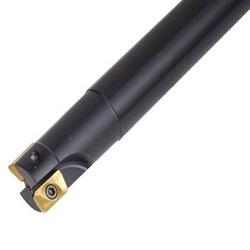
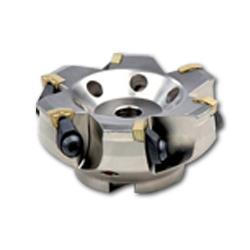
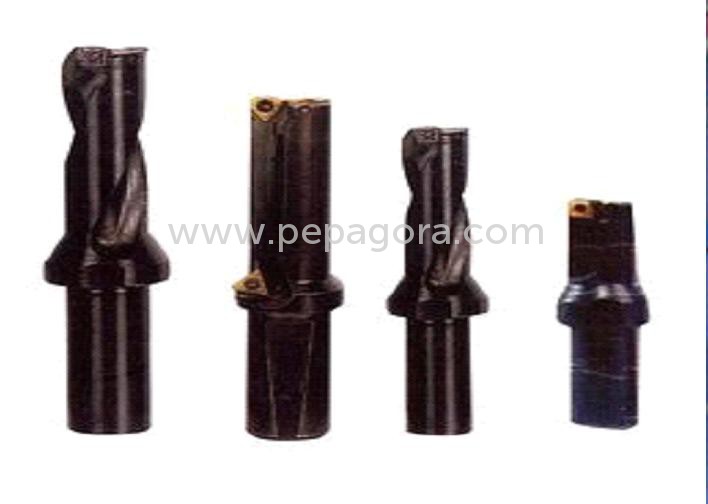
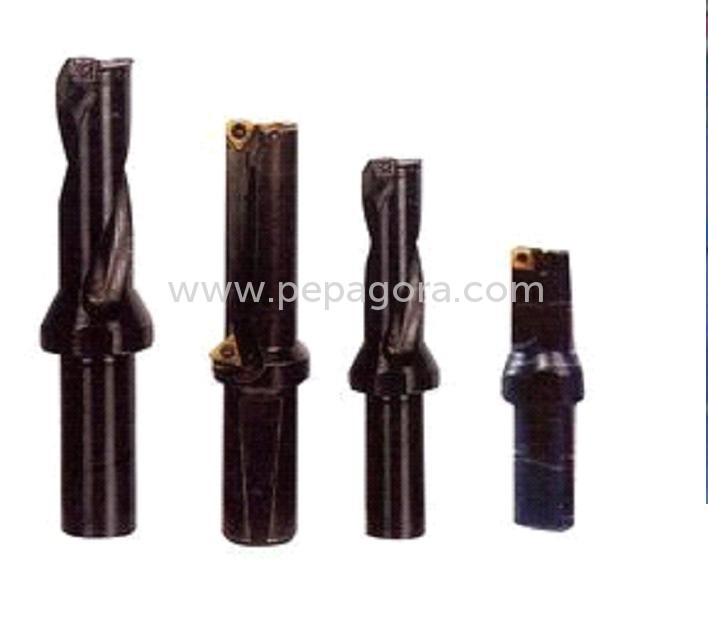
Custom milling tools are specialized cutting instruments designed to meet specific requirements for various machining operations. These tools are tailored to enhance precision and efficiency in processes such as milling, drilling, and shaping of materials. By utilizing advanced materials and manufacturing techniques, custom milling tools can be adapted to suit different applications, ensuring optimal performance in demanding environments.
These tools find extensive use in industries such as aerospace, automotive, and manufacturing. Businesses often turn to custom milling tools to achieve high levels of accuracy and to reduce production times. The ability to customize these tools means that companies can address unique challenges, such as complex geometries and specific material properties. In a competitive market, the relevance of custom milling tools continues to grow, as manufacturers seek ways to improve their machining capabilities while maintaining cost-effectiveness.
𝗞𝗲𝘆 𝗙𝗲𝗮𝘁𝘂𝗿𝗲𝘀 𝗮𝗻𝗱 𝗦𝗽𝗲𝗰𝗶𝗳𝗶𝗰𝗮𝘁𝗶𝗼𝗻𝘀
Custom milling tools come with a range of features and specifications that enhance their functionality and performance. Understanding these specifications is crucial for businesses looking to invest in the right tools.
Key specifications include:
1. Material Composition
- Custom milling tools are often made from high-speed steel, carbide, or cobalt.
- These materials are chosen for their durability and ability to withstand high temperatures.
2. Tool Diameter
- Available in various diameters to accommodate different milling requirements.
- Common ranges include 1 mm to 100 mm.
3. Cutting Edge Geometry
- Features include various angles and shapes tailored for specific applications.
- Geometry can affect chip formation and surface finish.
4. Coating Options
- Tools may come with coatings like TiN or TiAlN to enhance wear resistance.
- Coatings can also improve cutting performance and extend tool life.
5. Tolerance Levels
- Custom milling tools can be manufactured to meet tight tolerances.
- Typical tolerances range from ±0.01 mm to ±0.1 mm.
6. Length Variations
- Tools are available in different lengths to suit various setups.
- Length can impact the tool’s rigidity and cutting performance.
7. Flute Count
- Tools may have varying numbers of flutes to optimize material removal rates.
- Common options include 2, 3, or 4 flutes, depending on the application.
8. Customization Options
- Many manufacturers offer bespoke solutions based on client specifications.
- Customization can include specific dimensions or unique features.
In summary, understanding the key features and specifications of custom milling tools helps businesses select the right tools for their machining needs.
𝗖𝗼𝗺𝗺𝗼𝗻 𝗔𝗽𝗽𝗹𝗶𝗰𝗮𝘁𝗶𝗼𝗻𝘀 𝗮𝗻𝗱 𝗨𝘀𝗲 𝗖𝗮𝘀𝗲𝘀
Custom milling tools are integral in various industrial applications. These tools are designed to fulfill the specific demands of different sectors, enhancing efficiency and precision.
1. Aerospace: Custom milling tools are used to machine complex geometries in aircraft components, ensuring high accuracy and structural integrity.
2. Automotive: In the automotive industry, these tools help in the manufacturing of engine parts and transmission components, where precision is critical for performance.
3. Medical Device Manufacturing: Custom milling tools are essential for producing precise components used in medical devices, where tolerances must be adhered to strictly.
4. Electronics: The electronics industry uses custom milling tools for creating intricate parts, such as circuit boards and connectors that require fine detail.
5. Tool and Die Making: These tools are vital in tool and die making, where they are used to produce molds and dies that shape various materials.
6. General Manufacturing: Custom milling tools are widely used in general manufacturing for tasks that require specialized cutting processes.
7. Woodworking: In woodworking, these tools assist in creating custom designs and shapes in wooden products, enhancing aesthetic appeal.
𝗣𝗿𝗼𝗱𝘂𝗰𝘁 𝗩𝗮𝗿𝗶𝗮𝗻𝘁𝘀 𝗮𝗻𝗱 𝗦𝘂𝗯𝗰𝗮𝘁𝗲𝗴𝗼𝗿𝗶𝗲𝘀
The diversity of custom milling tools allows businesses to select the right variant based on their specific needs. Each variant offers unique features and applications.
Solid Carbide Mills
Solid carbide mills are known for their rigidity and durability. They are ideal for high-speed machining and can be used for precise cuts in hard materials.
High-Speed Steel Mills
These tools are versatile and suitable for a range of applications. High-speed steel mills offer a good balance of performance and cost, making them a popular choice for general machining tasks.
End Mills
End mills are designed for vertical and horizontal milling operations. They come in various shapes and sizes, allowing for complex machining tasks in diverse materials.
Ball Nose Mills
Ball nose mills feature a rounded end that allows for contouring and 3D machining. These tools are commonly used in applications that require intricate shapes and designs.
𝗕𝗲𝗻𝗲𝗳𝗶𝘁𝘀 𝗮𝗻𝗱 𝗔𝗱𝘃𝗮𝗻𝘁𝗮𝗴𝗲𝘀
Custom milling tools offer numerous benefits that can significantly enhance manufacturing processes. Understanding these advantages can help businesses make informed purchasing decisions.
1. Enhanced Precision: Custom milling tools are designed to meet specific tolerances, resulting in greater accuracy in machining operations.
2. Increased Efficiency: Tailored tools can optimize cutting speeds and feed rates, reducing production times and improving overall efficiency.
3. Extended Tool Life: High-quality materials and coatings used in custom tools can enhance durability, resulting in longer tool life and reduced replacement costs.
4. Adaptability: Custom milling tools can be modified to suit particular applications, making them versatile for various industries.
5. Cost-Effectiveness: While initial costs may be higher, the efficiency gains and extended tool life can lead to significant savings over time.
6. Improved Surface Finish: Custom tools can be designed to achieve superior surface finishes, which is essential in many applications where aesthetics or functionality is critical.
𝗕𝘂𝘆𝗶𝗻𝗴 𝗚𝘂𝗶𝗱𝗲 𝗳𝗼𝗿 𝗕𝟮𝗕 𝗕𝘂𝘆𝗲𝗿𝘀
When sourcing custom milling tools, several key factors should be considered to ensure quality and performance. Understanding these aspects can facilitate informed decision-making.
1. Quality Assessment: Evaluate the manufacturing processes and materials used. Look for tools that meet industry standards and have a reputation for reliability.
2. Supplier Verification: Vet suppliers thoroughly by checking their credentials, customer reviews, and track record. A reliable supplier can provide assurance of quality.
3. Pricing and MOQ: Consider the pricing structure and minimum order quantities. Balance cost with the quality and features of the tools to find the best deal.
4. Delivery and Lead Times: Assess the supplier's ability to meet delivery deadlines. Timely delivery is essential to maintain production schedules and avoid delays.
5. Compliance Requirements: Ensure that the tools meet relevant industry regulations and standards, such as safety and quality certifications.
𝗖𝗼𝗺𝗽𝗹𝗶𝗮𝗻𝗰𝗲 𝗮𝗻𝗱 𝗖𝗲𝗿𝘁𝗶𝗳𝗶𝗰𝗮𝘁𝗶𝗼𝗻𝘀
Compliance and certifications are critical in the manufacturing of custom milling tools. Adhering to recognized standards ensures safety, quality, and reliability.
ISO 9001 is a widely recognized quality management standard that emphasizes continuous improvement and customer satisfaction. Tools manufactured in accordance with ISO 9001 are likely to meet high-quality benchmarks.
CE certification indicates that a product complies with European safety, health, and environmental protection standards. This certification is essential for tools intended for the European market.
Safety and testing requirements must also be met to ensure that tools are safe for use in various applications. Regular testing can help maintain compliance and ensure performance consistency.
Regional compliance considerations may vary based on local regulations. It is important for businesses to be aware of these requirements when sourcing tools to ensure they meet all necessary standards.
𝗪𝗵𝘆 𝗦𝗼𝘂𝗿𝗰𝗲 𝗖𝘂𝘀𝘁𝗼𝗺 𝗠𝗶𝗹𝗹𝗶𝗻𝗴 𝗧𝗼𝗼𝗹𝘀 𝗳𝗿𝗼𝗺 𝗣𝗲𝗽𝗮𝗴𝗼𝗿𝗮?
Pepagora provides a trusted platform for sourcing custom milling tools, offering a range of advantages for B2B buyers.
The verified supplier network ensures that all suppliers meet stringent quality standards. This verification process increases buyer confidence and reduces the risk of sourcing subpar tools.
The streamlined RFQ process simplifies the quotation system, allowing buyers to quickly obtain pricing and specifications from multiple suppliers. This efficiency can save time and facilitate better decision-making.
Trade assurance and support offer additional buyer protection, ensuring that transactions are secure and that any issues can be resolved promptly.
With regional coverage across India, the GCC, and Southeast Asia, Pepagora facilitates connections between buyers and suppliers in diverse markets, enhancing accessibility and service availability.

 IN
IN
 India
India