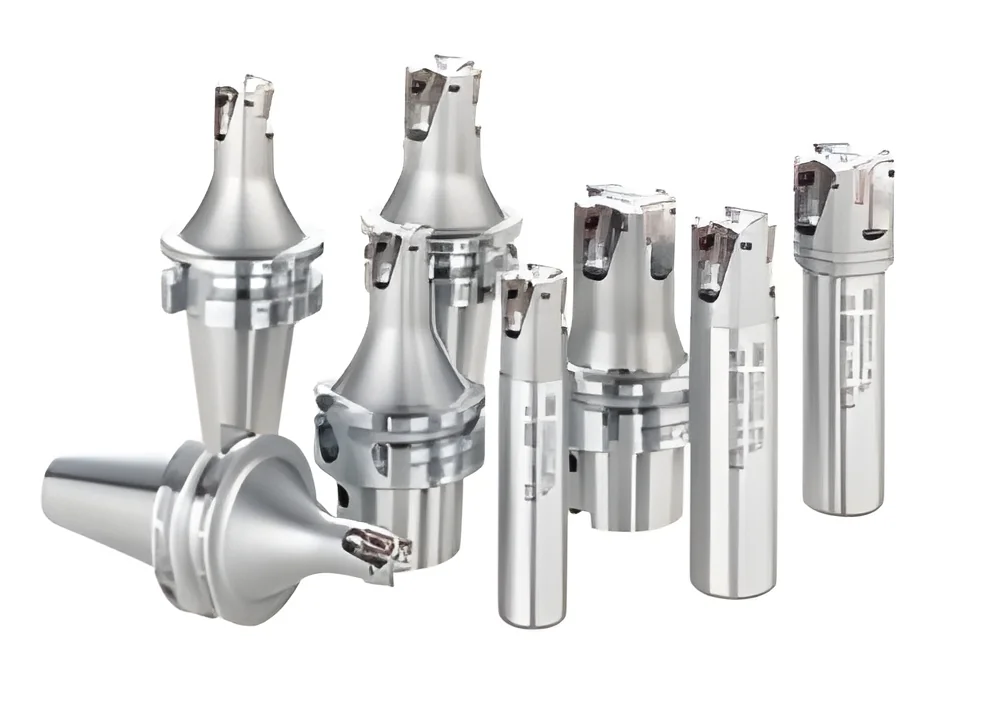
𝗪𝗵𝗮𝘁 𝗮𝗿𝗲 𝗖𝘂𝘀𝘁𝗼𝗺 𝗘𝗻𝗱 𝗠𝗶𝗹𝗹𝘀?
Custom end mills are specialized cutting tools designed to shape and cut materials in various manufacturing processes. These tools are made to order, allowing businesses to specify dimensions, materials, and geometries that meet their unique production needs. Custom end mills can be tailored for specific applications, enhancing efficiency and precision in machining operations.
The primary uses of custom end mills span several industries including automotive, aerospace, and industrial manufacturing. They are employed to create complex shapes, contours, and features in metal and other materials. Businesses utilize these tools to enhance productivity, reduce waste, and improve the overall quality of their products. The demand for custom end mills continues to grow, driven by advancements in machining technology and the need for high-performance components.
As industries evolve, the relevance of custom end mills becomes increasingly significant. They play a vital role in modern manufacturing processes, especially where customization and precision are paramount. With a focus on quality and performance, custom end mills help manufacturers maintain a competitive edge in a rapidly changing market.
𝗞𝗲𝘆 𝗙𝗲𝗮𝘁𝘂𝗿𝗲𝘀 𝗮𝗻𝗱 𝗦𝗽𝗲𝗰𝗶𝗳𝗶𝗰𝗮𝘁𝗶𝗼𝗻𝘀
Custom end mills come with a range of features and specifications that cater to different machining requirements. Understanding these specifications is crucial for selecting the right tool for your application.
Key specifications include:
1. Material Type
- Common materials include high-speed steel (HSS), carbide, and cobalt
- Each material offers different properties such as hardness, wear resistance, and thermal stability
2. Flute Count
- Flutes can range from 2 to 6 or more
- The number of flutes affects chip removal and surface finish quality
3. Coating Options
- Coatings like TiN, TiAlN, or diamond can enhance performance
- Coatings improve wear resistance and reduce friction
4. Cutting Diameter
- Diameters can range from fractions of an inch to several inches
- The diameter impacts the type of cuts that can be made and the material removal rate
5. Overall Length
- Varies based on application requirements
- Longer tools can reach deeper cuts but may sacrifice rigidity
6. Helix Angle
- Helix angles typically range from 30 to 45 degrees
- Affects cutting action and chip flow
7. Shank Size
- Standard shank sizes include 1/4 inch, 1/2 inch, and 3/4 inch
- The shank size must match the tool holder for proper fit
8. Tolerance Levels
- Tolerances can be as tight as +/- 0.001 inch
- Precision tolerances ensure compatibility with specific machining processes
In summary, custom end mills are versatile tools with a wide array of specifications that can be tailored to meet specific machining needs. Understanding these features allows manufacturers to choose the most effective tools for their production processes.
𝗖𝗼𝗺𝗺𝗼𝗻 𝗔𝗽𝗽𝗹𝗶𝗰𝗮𝘁𝗶𝗼𝗻𝘀 𝗮𝗻𝗱 𝗨𝘀𝗲 𝗖𝗮𝘀𝗲𝘀
Custom end mills are utilized across various industries, each with specific applications that highlight their versatility.
1. Aerospace: Custom end mills are used to machine complex components like turbine blades and airframe structures, requiring high precision and durability.
2. Automotive: In the automotive industry, these tools are essential for cutting intricate parts such as engine components and transmission housings, enhancing performance and efficiency.
3. Medical Devices: Custom end mills play a critical role in manufacturing medical instruments and implants, where precision is crucial for patient safety and device functionality.
4. Electronics: In electronics, custom end mills are used to create circuit boards and housings, demanding high precision and accuracy for effective performance.
5. Tool and Die: These tools are used to create molds and dies, requiring custom geometries that are tailored for specific production runs.
6. Metalworking: In general metalworking, custom end mills are employed for a variety of machining tasks, improving productivity and output quality.
7. Woodworking: Custom end mills are also applicable in woodworking for shaping and contouring wood products, enhancing design capabilities.
𝗣𝗿𝗼𝗱𝘂𝗰𝘁 𝗩𝗮𝗿𝗶𝗮𝗻𝘁𝘀 𝗮𝗻𝗱 𝗦𝘂𝗯𝗰𝗮𝘁𝗲𝗴𝗼𝗿𝗶𝗲𝘀
Custom end mills come in various forms to cater to different machining requirements. The diversity of these tools allows manufacturers to select the best option for their specific applications.
Flat End Mills: These are designed with a flat cutting edge, ideal for making precise cuts and achieving smooth finishes on flat surfaces.
Ball End Mills: Featuring a rounded cutting edge, ball end mills are perfect for machining complex curves and 3D shapes, often used in mold making.
Chamfer End Mills: These mills are designed to create angled edges on workpieces, enhancing both aesthetic and functional aspects of components.
Corner Radius End Mills: With a rounded corner, these mills are designed to reduce tool wear and improve surface finish, suitable for various machining tasks.
𝗕𝗲𝗻𝗲𝗳𝗶𝘁𝘀 𝗮𝗻𝗱 𝗔𝗱𝘃𝗮𝗻𝘁𝗮𝗴𝗲𝘀
Sourcing custom end mills offers numerous benefits that can significantly impact production efficiency and quality.
Key benefits include:
1. Enhanced Precision: Custom end mills are tailored for specific applications, ensuring high levels of accuracy in machining processes.
2. Improved Efficiency: Customized designs can lead to faster machining cycles and reduced cycle times, improving overall productivity.
3. Versatility: The ability to customize dimensions and features allows businesses to tackle a wider range of applications with a single tool.
4. Cost-Effectiveness: By optimizing tool performance and reducing waste, custom end mills can lower overall production costs.
5. Quality Control: Custom end mills can be produced to meet specific quality standards, ensuring consistency and reliability in output.
6. Competitive Advantage: Utilizing custom tools enables manufacturers to differentiate their products and respond adeptly to market demands.
𝗕𝘂𝘆𝗶𝗻𝗴 𝗚𝘂𝗶𝗱𝗲 𝗳𝗼𝗿 𝗕𝟮𝗕 𝗕𝘂𝘆𝗲𝗿𝘀
When sourcing custom end mills, it is essential to consider several key factors to ensure that you make informed purchasing decisions.
1. Quality Assessment: Evaluate tools based on material quality and manufacturing processes. Look for suppliers who adhere to stringent quality control standards.
2. Supplier Verification: Research and vet potential suppliers to ensure they have a proven track record in producing high-quality custom end mills.
3. Pricing and MOQ: Understand the pricing structure, including any minimum order quantities. Aim to balance cost and quality to achieve the best value for your investment.
4. Delivery and Lead Times: Confirm the supplier's ability to meet your required timelines. Efficient logistics and reliable delivery are crucial for maintaining production schedules.
5. Compliance Requirements: Be aware of any industry-specific regulations that may apply to your custom end mills. Ensure that suppliers can meet necessary compliance standards.
𝗖𝗼𝗺𝗽𝗹𝗶𝗮𝗻𝗰𝗲 𝗮𝗻𝗱 𝗖𝗲𝗿𝘁𝗶𝗳𝗶𝗰𝗮𝘁𝗶𝗼𝗻𝘀
Compliance with industry standards is critical for ensuring the safety and performance of custom end mills. Relevant quality standards include ISO 9001, which outlines requirements for quality management systems, ensuring consistent quality in manufacturing processes.
Industry certifications, such as CE marking, indicate that products meet European safety and environmental standards. This certification is crucial for businesses operating in regions where compliance is mandatory.
Safety and testing requirements should be adhered to during the manufacturing process to ensure that custom end mills perform safely and effectively. Additionally, regional compliance considerations may vary, so it is essential to understand the specific regulations that apply in your operating geography.
𝗪𝗵𝘆 𝗦𝗼𝘂𝗿𝗰𝗲 𝗖𝘂𝘀𝘁𝗼𝗺 𝗘𝗻𝗱 𝗠𝗶𝗹𝗹𝘀 𝗳𝗿𝗼𝗺 𝗣𝗲𝗽𝗮𝗴𝗼𝗿𝗮?
Pepagora provides a trusted platform for sourcing custom end mills with several key advantages that streamline the purchasing process.
Verified Supplier Network: Pepagora has an extensive network of verified suppliers, ensuring that buyers have access to quality manufacturers who meet industry standards.
Streamlined RFQ Process: The request for quotation (RFQ) system at Pepagora simplifies the process of obtaining quotes from multiple suppliers, saving time and enhancing decision-making.
Trade Assurance and Support: Pepagora offers buyer protection measures, providing peace of mind when sourcing custom end mills. This support helps mitigate risks associated with procurement.
Regional Coverage: With a presence in India, the GCC, and Southeast Asia, Pepagora can facilitate sourcing efforts across a wide geographic area, ensuring that buyers can find suitable suppliers regardless of location.

 IN
IN