
 IN
Custom Cutting Tools
11 products available
What are Custom Cutting Tools?
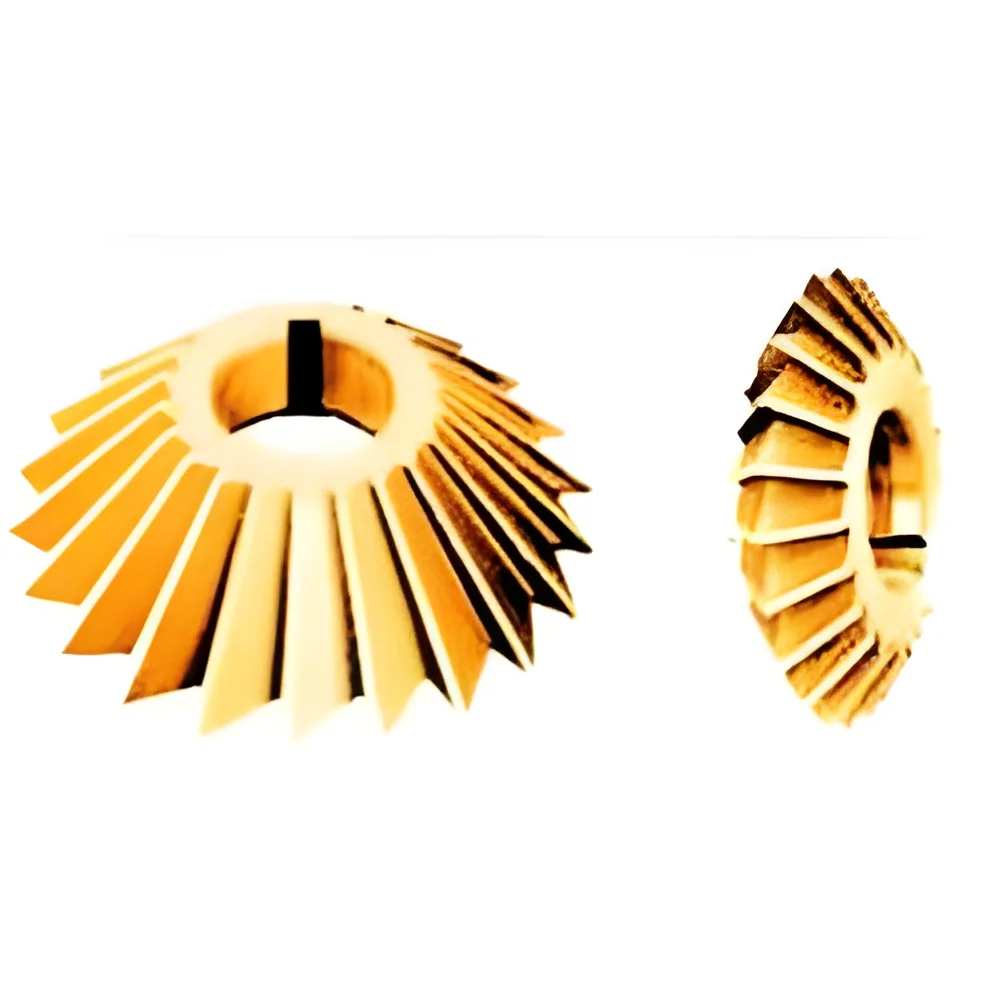
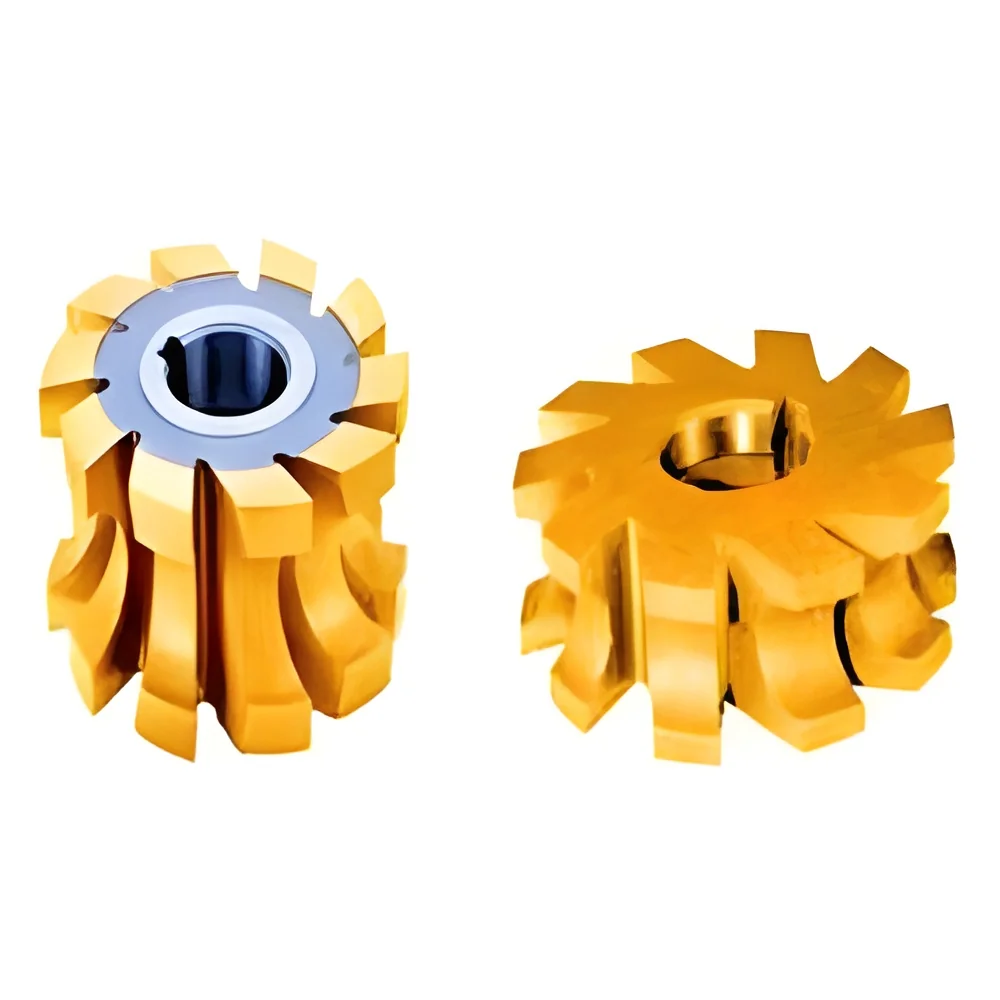
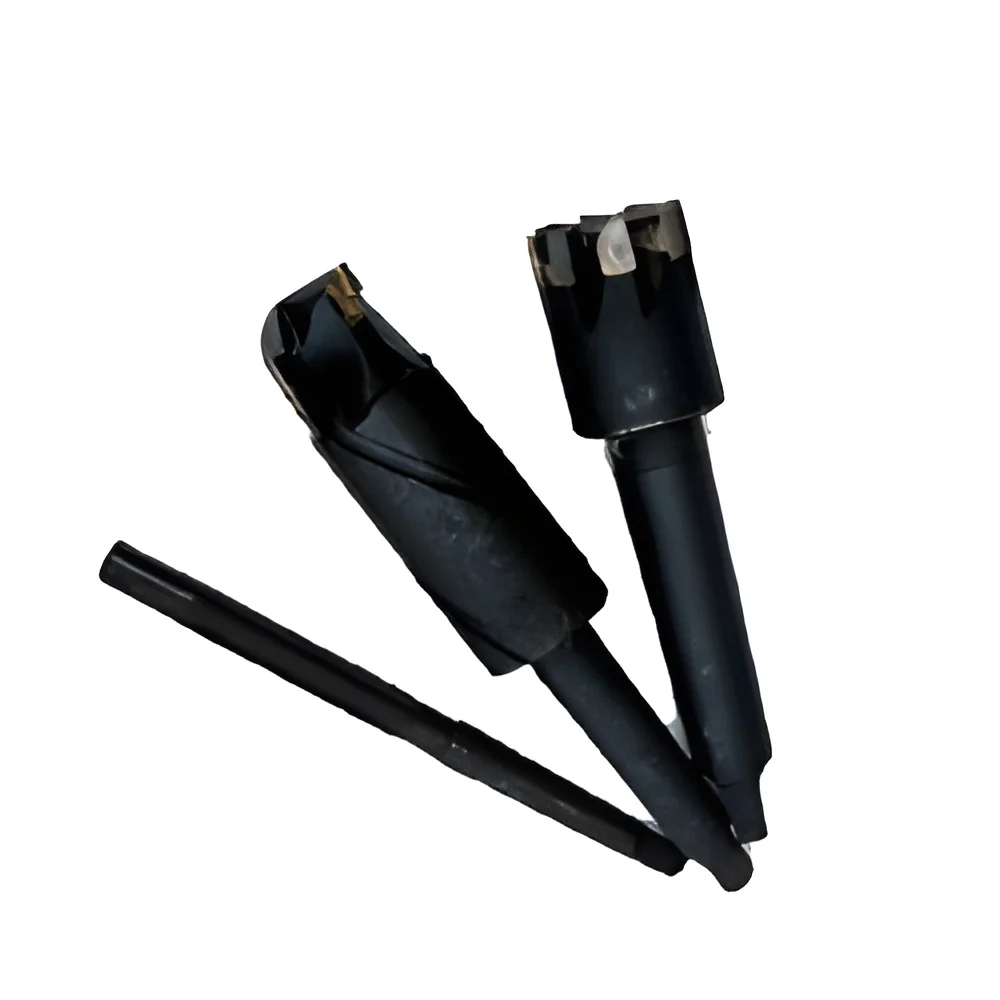
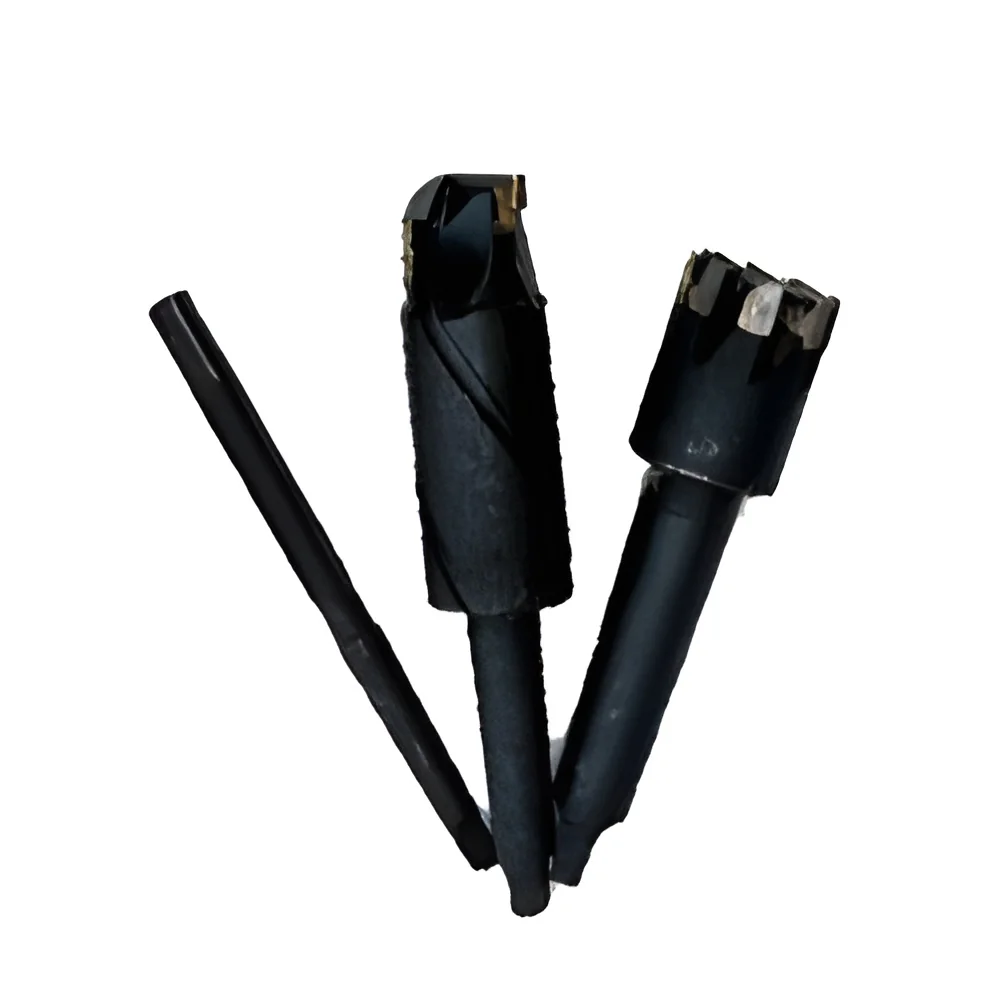
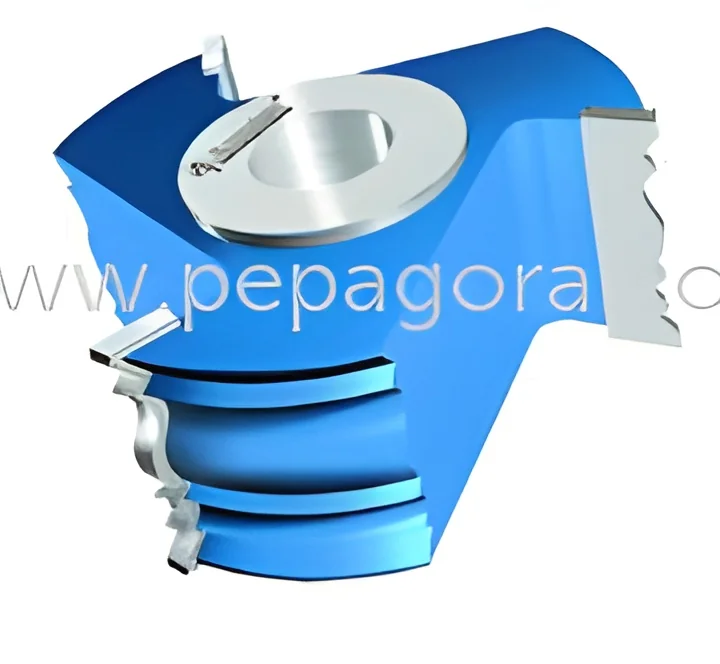
Custom cutting tools are specialized instruments designed to cut, shape, or finish materials with precision and efficiency. These tools are engineered based on specific requirements, allowing manufacturers to create tailored solutions that meet the unique needs of various applications. Unlike standard cutting tools, custom options can be adapted in terms of size, shape, material, and coating, ensuring optimal performance in different industrial environments.
These tools are utilized across numerous sectors, including automotive, aerospace, metalworking, and woodworking. Businesses rely on custom cutting tools for tasks ranging from machining complex components to enhancing manufacturing processes. The ability to customize tools not only improves productivity but also contributes to reducing waste and increasing the quality of the final products. As industries evolve, the demand for precision and efficiency in cutting applications continues to drive the market for custom cutting tools.
Key Features and Specifications
Custom cutting tools come with a variety of features and specifications designed to enhance their performance and adaptability. Understanding these specifications is crucial for selecting the right tool for your specific needs.
Key specifications include:
1. Tool Material
- Custom cutting tools can be made from high-speed steel, carbide, cermet, or ceramic materials.
- Each material offers different hardness and wear resistance characteristics.
2. Tool Geometry
- The design, including angles and profiles, is customized for the intended application.
- Variations in geometry can affect cutting speed and efficiency.
3. Coating Options
- Tools may feature coatings such as TiN, TiAlN, or diamond to improve performance.
- Coatings enhance hardness and reduce friction, prolonging tool life.
4. Diameter and Length
- Tools can be manufactured in various diameters and lengths to fit specific machinery.
- Custom dimensions ensure compatibility with existing equipment.
5. Tolerance Levels
- Precision tolerances are tailored to meet specific industry standards.
- Critical for ensuring fit and functionality in high-accuracy applications.
6. Cutting Edge Configuration
- Customization of the cutting edge can optimize material removal rates.
- Options include straight, spiral, and serrated edges.
7. Cooling Features
- Some tools are designed to allow for coolant flow to reduce heat during cutting.
- Effective cooling can improve tool life and surface finish.
8. Application-Specific Design
- Tools can be tailored for various processing techniques like drilling, milling, or grinding.
- Custom designs enhance performance in specific materials or operations.
Overall, these specifications play a vital role in determining the effectiveness and suitability of custom cutting tools for various industrial applications.
Common Applications and Use Cases
Custom cutting tools have a broad range of applications across several industries, making them integral to various manufacturing processes.
1. Automotive: In the automotive industry, custom cutting tools are used for machining engine components, gears, and other intricate parts that require high precision and durability.
2. Aerospace: Aerospace manufacturing relies heavily on custom tools for shaping and cutting lightweight yet strong materials like titanium and aluminum, ensuring structural integrity and performance.
3. Metalworking: Custom cutting tools are essential in metalworking for tasks such as milling, turning, and drilling, allowing for the fabrication of complex metal parts with tight tolerances.
4. Woodworking: In woodworking, custom tools are used for creating specialized cuts and shapes, enhancing craftsmanship and efficiency in furniture and cabinetry production.
5. Electronics: The electronics industry utilizes precision cutting tools for manufacturing circuit boards and components, where accuracy is crucial for functionality.
6. Medical Devices: Custom cutting tools are vital for producing medical devices, where precision and compliance with regulatory standards are paramount.
7. Oil and Gas: In the oil and gas sector, custom tools are employed for drilling and cutting operations in harsh environments, ensuring reliability and efficiency.
Product Variants and Subcategories
Custom cutting tools come in diverse forms to cater to specific operational needs. Each variant offers unique features and advantages tailored to particular applications.
End Mills
End mills are versatile cutting tools used for milling operations. They can be customized in terms of diameter, flute count, and coating for improved performance and efficiency in various materials.
Drills
Custom drills are designed for specific hole sizes and depths. Their geometry can be tailored for optimal chip removal and cooling, making them suitable for different substrates and applications.
Reamers
Reamers are used to achieve precise hole sizes and finishes. Custom reamers can be designed to meet specific tolerances and surface finishes required in high-precision industries.
Taps
Custom taps are essential for creating internal threads in materials. They can be modified for different thread profiles and materials, ensuring compatibility with various fasteners.
Benefits and Advantages
Investing in custom cutting tools provides several key benefits that enhance manufacturing processes and overall productivity.
1. Improved Efficiency: Custom tools are designed to optimize cutting processes, resulting in faster production times and reduced cycle times.
2. Enhanced Precision: Tailored specifications ensure high accuracy and consistency in manufacturing, leading to superior product quality.
3. Reduced Waste: Custom cutting tools can minimize material waste by providing precise cuts and shapes, contributing to cost savings.
4. Extended Tool Life: High-quality materials and coatings used in custom tools improve durability, reducing the frequency of replacements and maintenance.
5. Specialized Performance: Customization allows tools to be optimized for specific materials and applications, improving overall performance.
6. Competitive Advantage: Businesses that utilize custom cutting tools can achieve higher quality products, differentiating themselves in the market.
Buying Guide for B2B Buyers
When sourcing custom cutting tools, it is essential to consider several factors to ensure you select the most suitable options for your operations.
1. Quality Assessment: Evaluate the quality of materials and manufacturing processes used in custom cutting tools. Look for certifications that indicate adherence to industry standards.
2. Supplier Verification: Conduct thorough research on suppliers. Check for their reputation, experience, and ability to deliver custom solutions that meet your specifications.
3. Pricing and MOQ: Understand the pricing structure and minimum order quantities (MOQ) offered by suppliers. Ensure that these align with your budget and production needs.
4. Delivery and Lead Times: Discuss lead times for production and delivery. Timely availability of custom tools is crucial for maintaining production schedules.
5. Compliance Requirements: Ensure that the custom cutting tools meet relevant industry regulations and safety standards. This includes certifications like CE and adherence to quality standards.
Compliance and Certifications
Quality and safety are paramount in the production of custom cutting tools. Various standards and certifications govern these tools to ensure their reliability and performance.
ISO 9001 is a widely recognized standard that outlines quality management principles. Manufacturers of custom cutting tools often adhere to this standard to ensure consistent quality in their products.
CE certification indicates that a product meets European Union safety and environmental requirements. Custom cutting tools with CE marking assure users of compliance with essential safety standards.
Additionally, manufacturers must consider safety and testing requirements specific to their region and industry. This includes ensuring that tools are tested for performance and durability under standard operating conditions.
Regional compliance considerations vary by market. Understanding local regulations is crucial for manufacturers and buyers to ensure that custom cutting tools are suitable for their intended applications.
Why Source Custom Cutting Tools from Pepagora?
Pepagora offers an excellent platform for sourcing custom cutting tools, providing several advantages that benefit B2B buyers.
Verified Supplier Network: Pepagora connects buyers with a network of verified suppliers, ensuring that you source high-quality custom tools from reputable manufacturers. This network is essential for mitigating risks associated with sourcing.
Streamlined RFQ Process: The request for quotation (RFQ) process on Pepagora is designed to be user-friendly and efficient. Buyers can easily submit their requirements and receive competitive quotes, saving time and simplifying procurement.
Trade Assurance and Support: Pepagora provides trade assurance to protect buyers throughout the purchasing process. This includes support for any issues that may arise, ensuring a smooth transaction.
Regional Coverage: With a strong presence in India, the GCC, and Southeast Asia, Pepagora offers regional coverage that facilitates sourcing custom cutting tools tailored to specific market needs. This geographic reach enhances accessibility and convenience for buyers in diverse locations.

 India
 India
 India
 India
 India

Frequently Asked Questions
What are Custom Cutting Tools?
Custom Cutting Tools are specialized tools designed and manufactured to meet specific cutting requirements in various industries. These tools are tailored to fit the unique needs of different applications, ensuring precision and efficiency in processes such as machining, drilling, and milling.
What are the different types of Custom Cutting Tools?
There are several types of Custom Cutting Tools, including end mills, drills, taps, and reamers. Each type is designed for particular cutting tasks and can be customized based on material, size, and geometry to enhance performance and durability.
How do I choose the right Custom Cutting Tools?
Choosing the right Custom Cutting Tools involves assessing your specific application requirements, including the materials being cut and the desired finish. Consulting with manufacturers or suppliers can provide valuable insights into selecting tools that match your production needs and enhance efficiency.
What are the standard specifications for Custom Cutting Tools?
Standard specifications for Custom Cutting Tools typically include dimensions, material composition, coating types, and tolerances. These specifications ensure that the tools perform reliably and meet the required industry standards for quality and precision.
What is the price range for Custom Cutting Tools?
The price range for Custom Cutting Tools can vary significantly based on factors such as material, complexity, and design. Generally, prices can range from a few hundred to several thousand Indian Rupees, depending on the customization and quality of the tools.
What quality standards apply to Custom Cutting Tools?
Custom Cutting Tools are subject to various quality standards, including ISO 9001 and other industry-specific certifications. Compliance with these standards ensures that the tools meet high-performance requirements and are manufactured using best practices.
Where can I find Custom Cutting Tools suppliers in India?
You can find Custom Cutting Tools suppliers in India through online B2B marketplaces like Pepagora, industry trade shows, and local manufacturing directories. Researching and contacting multiple suppliers can help you compare offerings and identify the best fit for your needs.
Can Custom Cutting Tools be customized?
Yes, Custom Cutting Tools can be tailored to specific requirements, including size, shape, and material. This customization allows businesses to enhance their operational efficiency and achieve desired cutting results.
What is the typical minimum order quantity for Custom Cutting Tools?
The typical minimum order quantity (MOQ) for Custom Cutting Tools varies by manufacturer, but it usually ranges from 5 to 50 pieces. It is advisable to confirm the MOQ with your chosen supplier to ensure it aligns with your project needs.
What is the typical lead time for Custom Cutting Tools?
The typical lead time for Custom Cutting Tools can vary based on customization and supplier capacity, but it generally ranges from 2 to 6 weeks. Factors such as order complexity and supplier production schedules can influence the exact timing.
Why Businesses Trust Pepagora
Thousands of companies trust Pepagora to source smarter and sell faster
Expand Your Sales Globally

Source Smarter,Grow Faster
