What are Construction Toys?
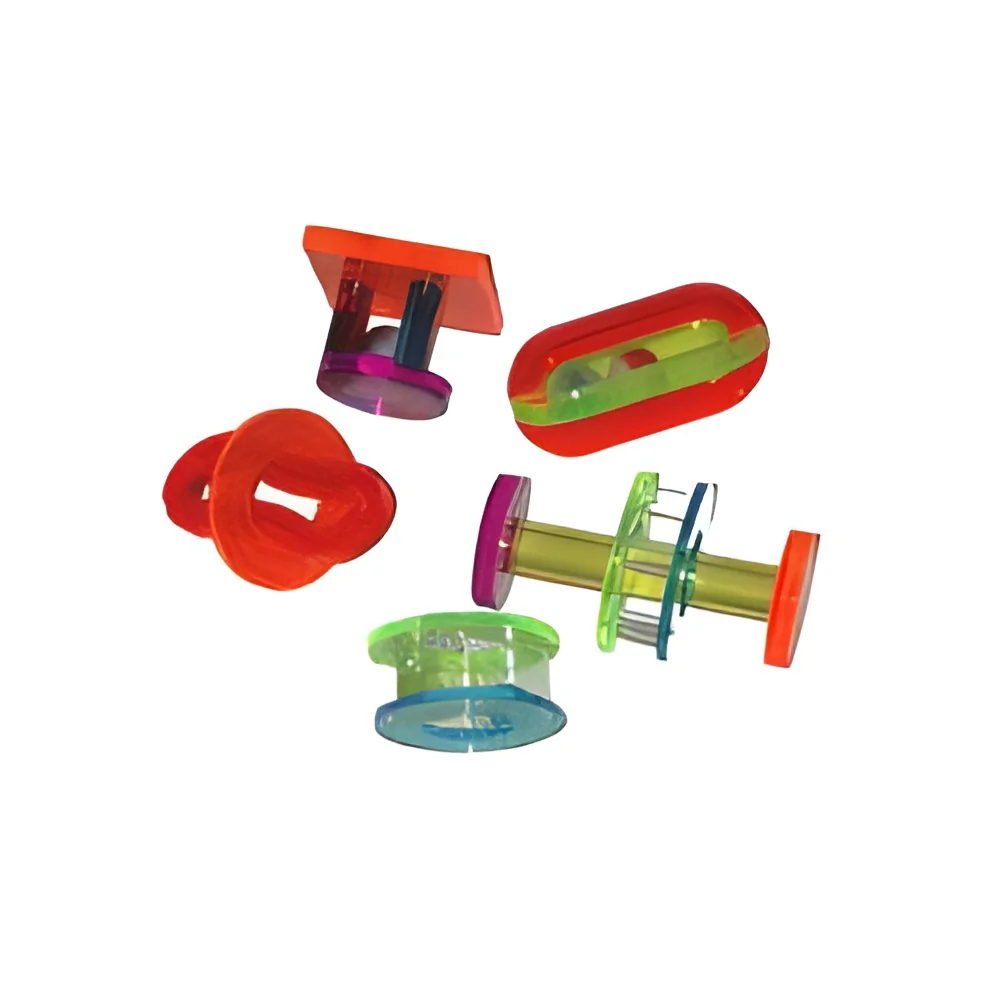
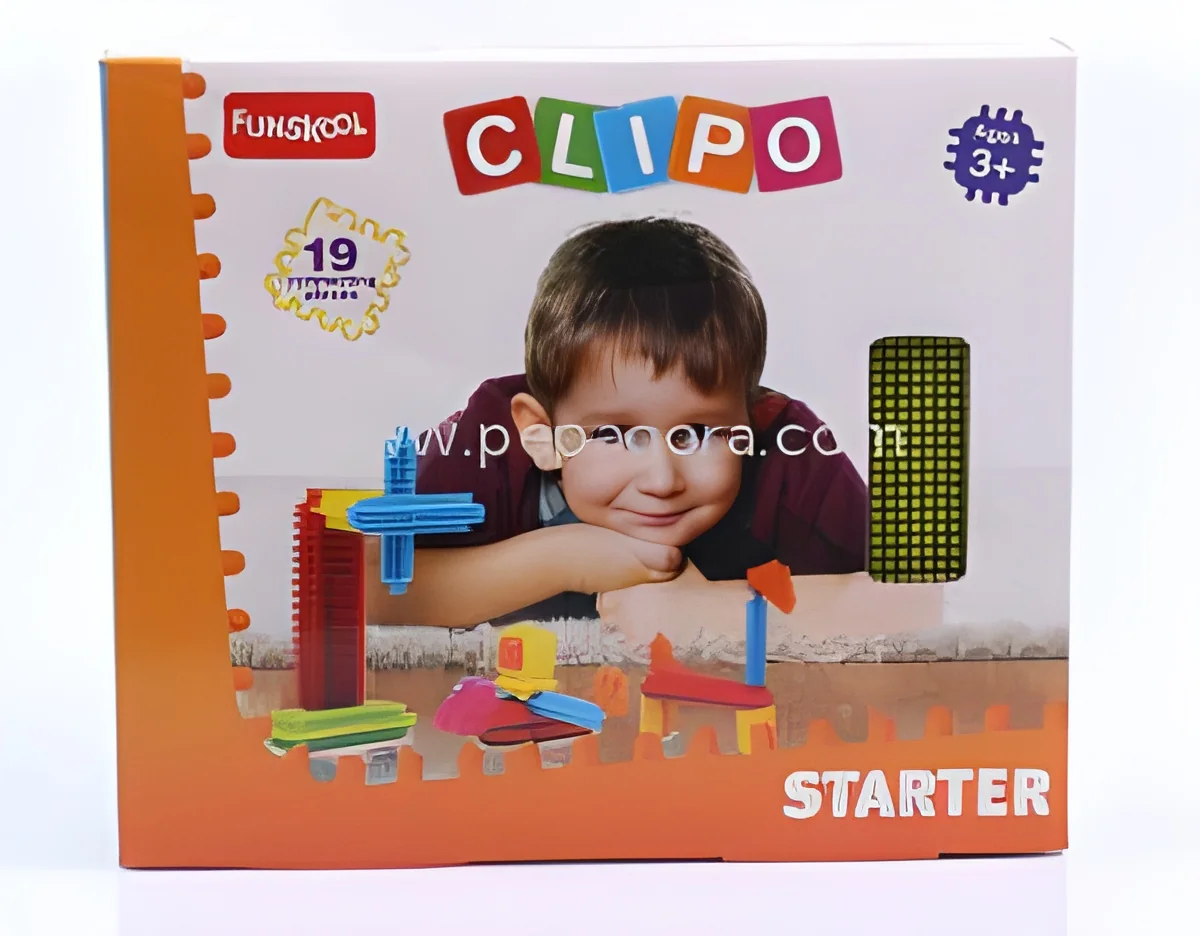
Construction toys are building sets designed to encourage creativity and problem-solving skills in users, particularly children and young adults. These toys typically consist of various interlocking pieces that can be assembled to create structures, vehicles, and other objects. They may include blocks, rods, connectors, and other components that facilitate imaginative play and learning. Construction toys are not only fun but also serve educational purposes by promoting cognitive development through hands-on experience.
These toys have primary uses in educational environments, such as schools and after-school programs, where they are employed to teach concepts of engineering, architecture, and design. They also find applications in therapeutic settings, helping children develop fine motor skills and spatial awareness. In the business context, construction toys can be utilized in team-building exercises or as promotional items that foster creativity and collaboration among employees. The market for construction toys is robust, with various manufacturers competing to provide innovative and safe options that adhere to industry standards.
Key Features and Specifications
Construction toys come with a variety of features that enhance their usability and appeal. They are designed to be safe, durable, and versatile to cater to different age groups and learning environments.
Key specifications include:
1. Material Quality
- Made from non-toxic, durable plastics or wood
- Must meet safety standards for children's toys
2. Age Suitability
- Typically suitable for ages 3 and up
- Specific sets may target older children or adults
3. Piece Count
- Sets may vary from small collections (50 pieces) to large sets (over 500 pieces)
- Larger sets often allow for more complex builds
4. Design Complexity
- Ranges from simple configurations to intricate designs
- Some sets include instructions for guided building
5. Compatibility
- Many sets are compatible with other brands
- Interlocking features allow for expanded creativity
6. Educational Value
- Encourages STEM learning through hands-on building
- Improves cognitive skills and problem-solving abilities
7. Color Variety
- Available in various colors to stimulate creativity
- Bright colors appeal to younger users
8. Storage Solutions
- Some sets come with storage bins or bags
- Facilitates easy cleanup and organization
In summary, construction toys offer a wide range of features and specifications that are crucial for their application in educational and recreational settings.
Common Applications and Use Cases
Construction toys find diverse applications across various industries, making them valuable tools for learning and development.
1. Education: In schools, construction toys are used in classrooms to teach basic engineering principles, mathematics, and creativity. They help students engage with complex concepts through tangible play.
2. Therapy: Occupational therapists use construction toys to aid children with developmental delays. They promote fine motor skills and hand-eye coordination in a playful context.
3. Corporate Training: Companies utilize construction toys in team-building exercises. They encourage collaboration and creative thinking among employees, enhancing workplace dynamics.
4. Retail: Toy retailers stock construction toys as a staple product. Diverse ranges cater to different demographics, ensuring broad market appeal.
5. Event Marketing: Businesses use construction toys as promotional items at trade shows and events. They attract attention and engage potential customers in interactive ways.
6. Hobbyist Communities: Adult enthusiasts often engage with advanced construction sets, participating in clubs or online forums to share their designs and ideas.
7. Home Education: Parents use construction toys at home to supplement learning. They provide an enjoyable way to explore concepts beyond the classroom.
Product Variants and Subcategories
Construction toys offer a variety of product variants, catering to different interests and skill levels.
LEGO Sets: Known for their versatility, LEGO sets range from simple builds to complex architectural models. They encourage creativity and are widely recognized, making them popular among both children and adults.
Magnetic Building Blocks: These toys use magnets to connect pieces, allowing for unique designs and structures. They are particularly appealing due to their ease of use and ability to create 3D shapes.
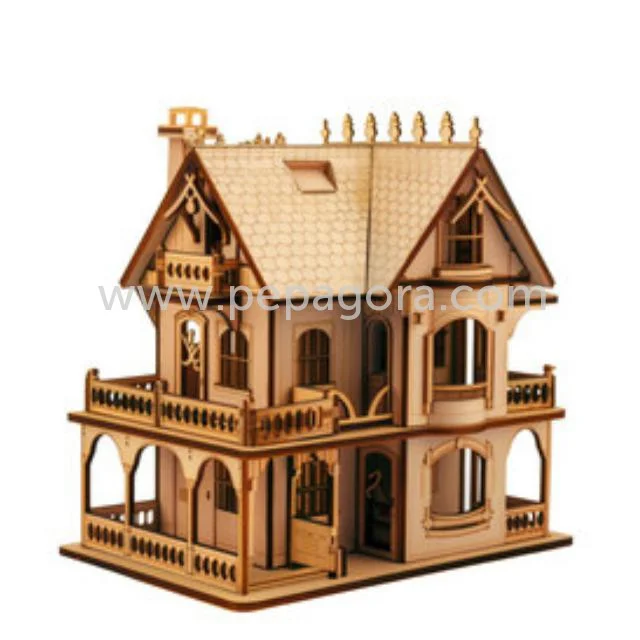
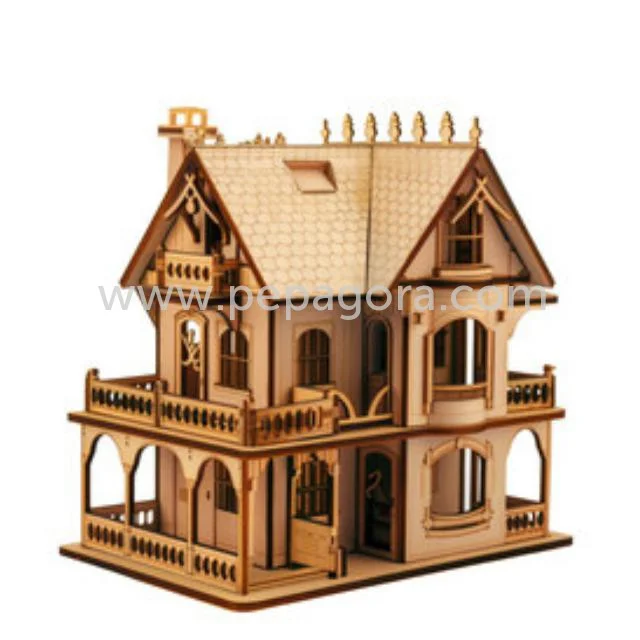
Wooden Construction Toys: These eco-friendly options are made from natural materials and often have a nostalgic appeal. They are durable and safe for young children, providing a classic building experience.
Robotics Kits: These advanced sets combine construction with technology, allowing users to build robots. They often involve programming elements, making them ideal for older children and tech enthusiasts.
Benefits and Advantages
Construction toys present numerous advantages that make them a preferred choice for educational and recreational purposes.
1. Enhances Creativity: These toys encourage imaginative play, allowing users to create unique structures and designs.
2. Develops Cognitive Skills: Through building, users engage in problem-solving and critical thinking, enhancing their cognitive abilities.
3. Promotes Teamwork: Many construction sets can be used in group settings, fostering collaboration and communication among peers.
4. Safe and Durable: High-quality construction toys are designed to withstand rough play while adhering to safety standards, ensuring user safety.
5. Versatile Learning Tool: They can be used across various subjects, from mathematics to art, making them a versatile educational resource.
6. Encourages Fine Motor Skills: Manipulating small pieces helps develop dexterity and coordination in young users.
Buying Guide for B2B Buyers
When sourcing construction toys for educational or promotional purposes, several factors should be considered to ensure the best selection.
1. Quality Assessment: Evaluate the material quality and safety certifications of the toys. Look for products that meet recognized safety standards to ensure they are safe for use.
2. Supplier Verification: Conduct thorough research on potential suppliers. Check for reviews and ratings to ensure they have a reliable track record in delivering quality products.
3. Pricing and MOQ: Understand the pricing structure and minimum order quantities. This information helps in budgeting and planning for larger purchases.
4. Delivery and Lead Times: Assess the supplier's delivery capabilities. Timely delivery is crucial, especially for educational institutions or events.
5. Compliance Requirements: Ensure that the toys comply with regional safety regulations and certifications. This minimizes risks associated with non-compliance.
Compliance and Certifications
Construction toys must adhere to various compliance standards to ensure safety and quality in the market.
Relevant quality standards include ISO 9001, which focuses on quality management systems, ensuring manufacturers maintain a consistent standard of production. Additionally, certifications such as CE mark indicate compliance with European safety standards, which assures consumers of the product's safety.
Safety and testing requirements are critical in the manufacturing process. Toys must undergo rigorous testing for hazards such as choking risks, toxic materials, and structural integrity. This testing ensures that the toys are safe for children to use.
Regional compliance considerations can vary. Manufacturers must be aware of local regulations and standards to ensure that their products meet the necessary legal requirements in different markets.
Why Source Construction Toys from Pepagora?
Pepagora provides a trusted platform for sourcing construction toys, offering several key advantages for B2B buyers.
Verified Supplier Network: Pepagora connects buyers with a network of verified suppliers, ensuring that businesses can source high-quality products with confidence. This network is built on trust and reliability, reducing the risk of substandard purchases.
Streamlined RFQ Process: The request for quotation (RFQ) process on Pepagora is designed to be efficient. Buyers can easily submit their requirements and receive competitive quotes from multiple suppliers, allowing for informed purchasing decisions.
Trade Assurance and Support: Pepagora offers trade assurance, providing buyers with protection throughout the purchasing process. This support helps to mitigate risks and ensures a smoother transaction experience.
Regional Coverage: With a focus on markets in India, the GCC, and Southeast Asia, Pepagora offers geographic reach that allows businesses to tap into diverse supplier options. This regional focus ensures that buyers can find products tailored to their specific market needs.

 IN
IN

 India
India