
 IN
Coconut Coir Sheets
44 products available
What are Coconut Coir Sheets?
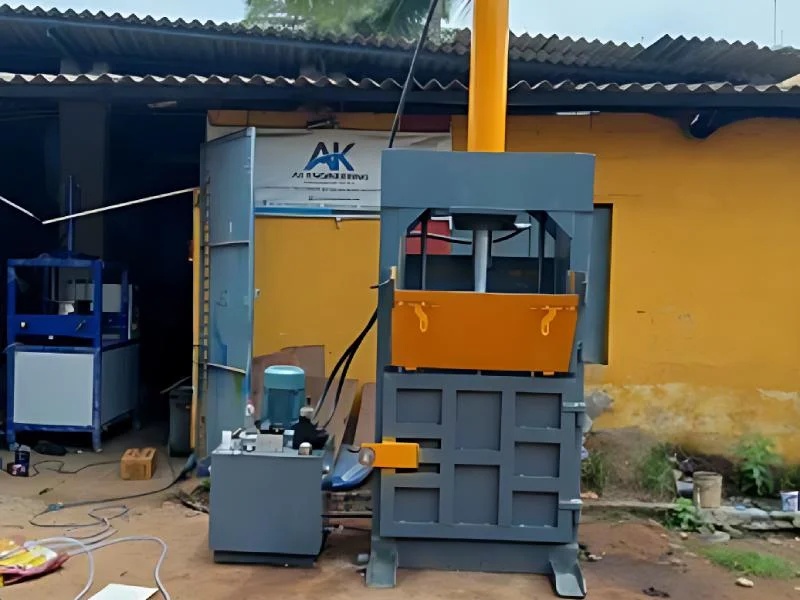
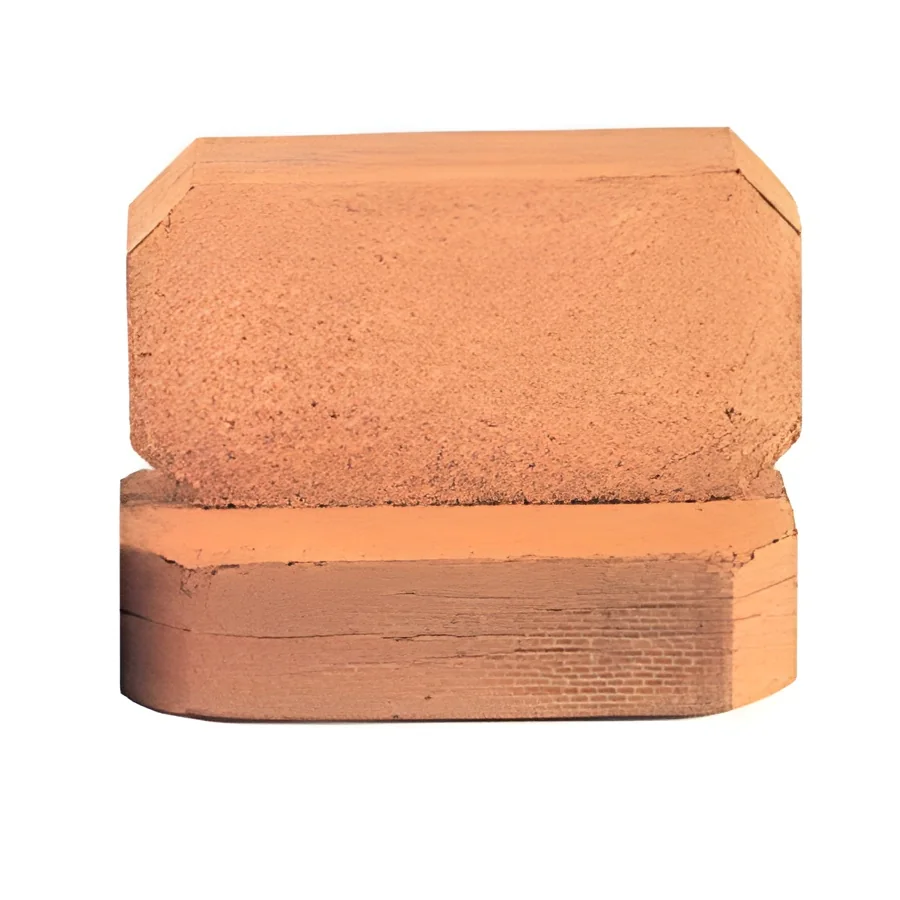
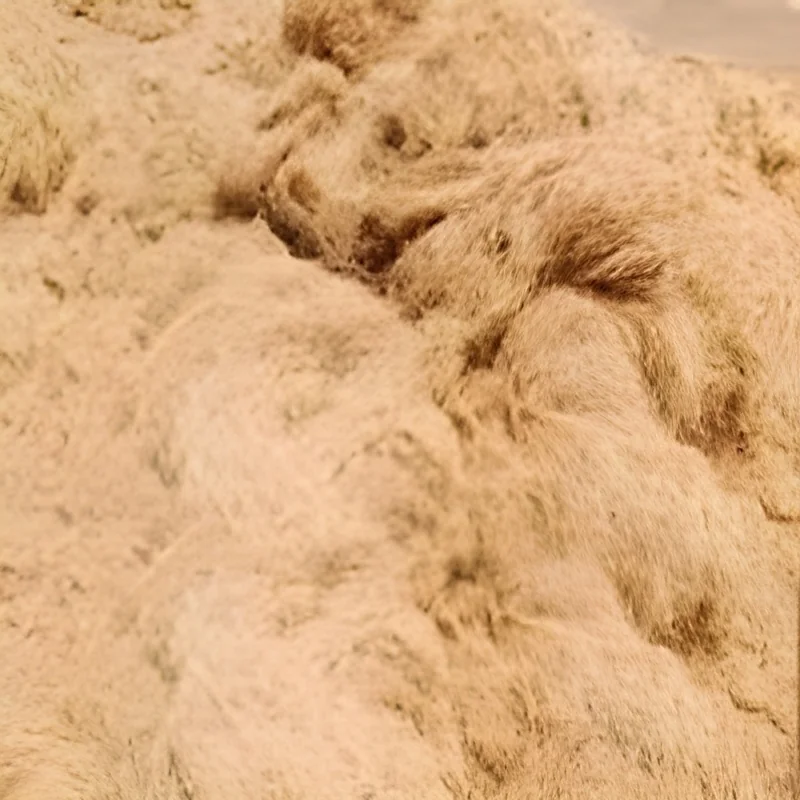
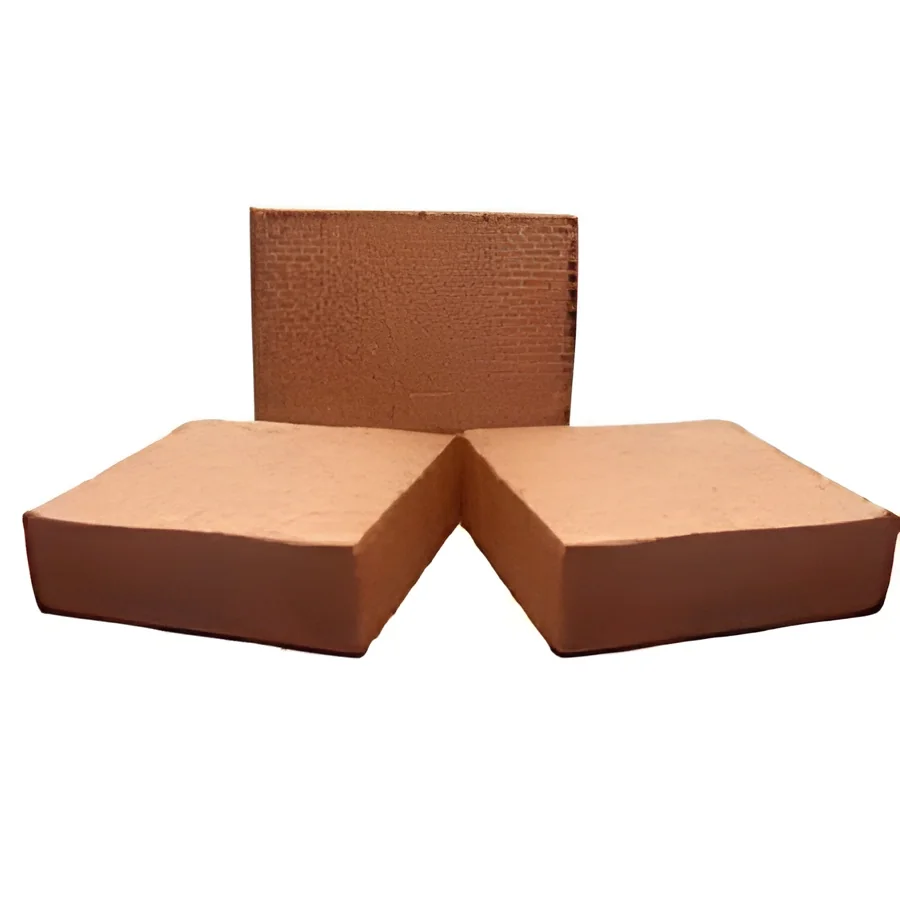
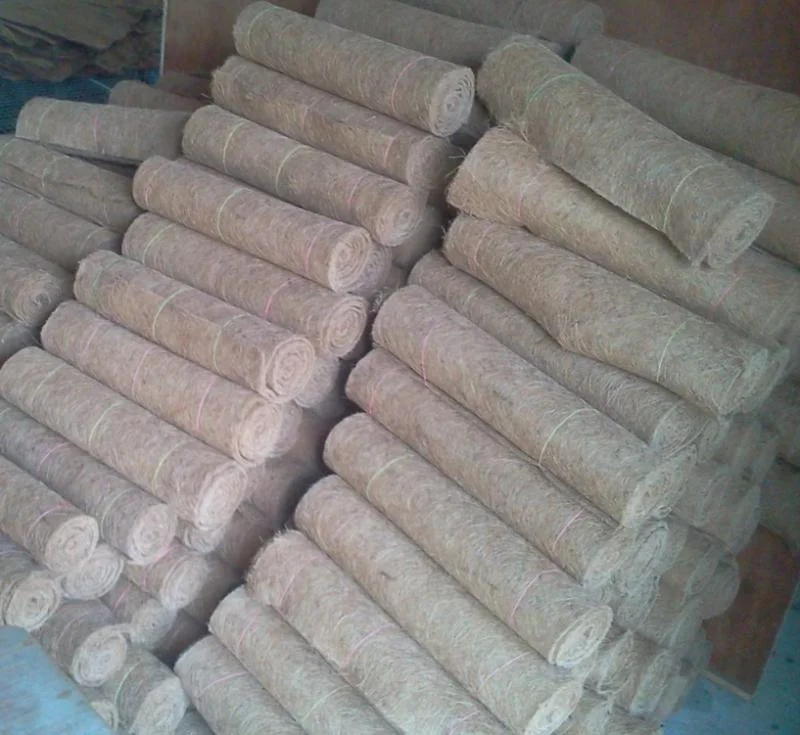
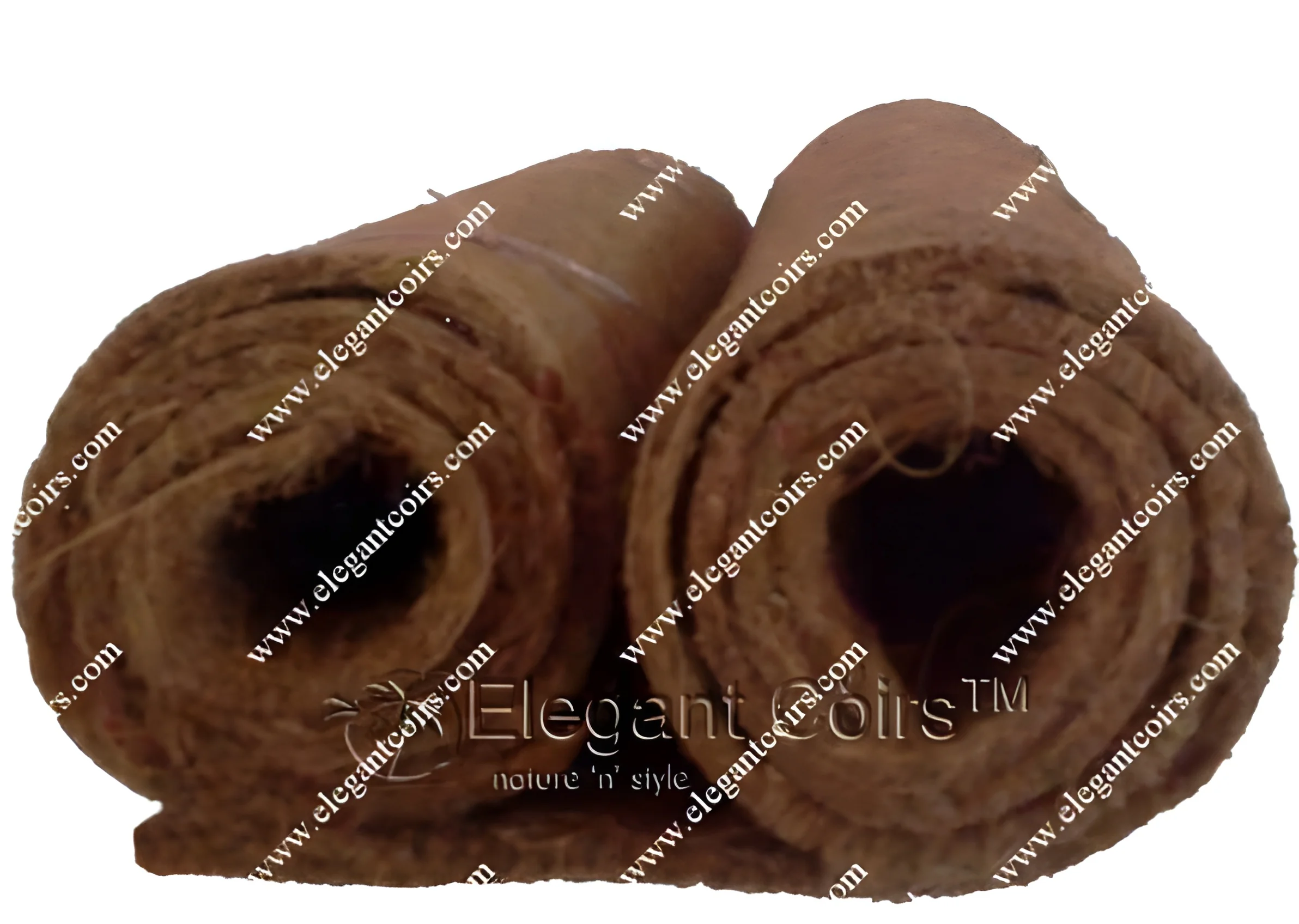
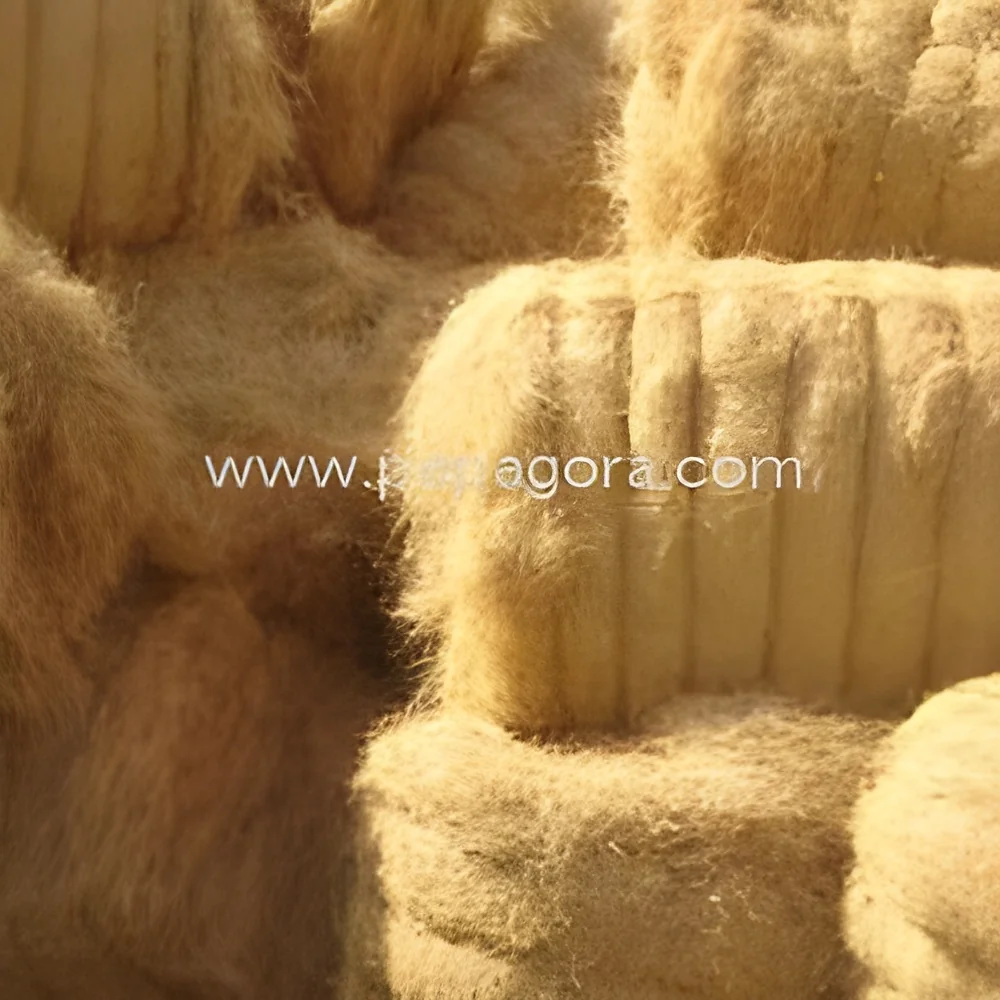
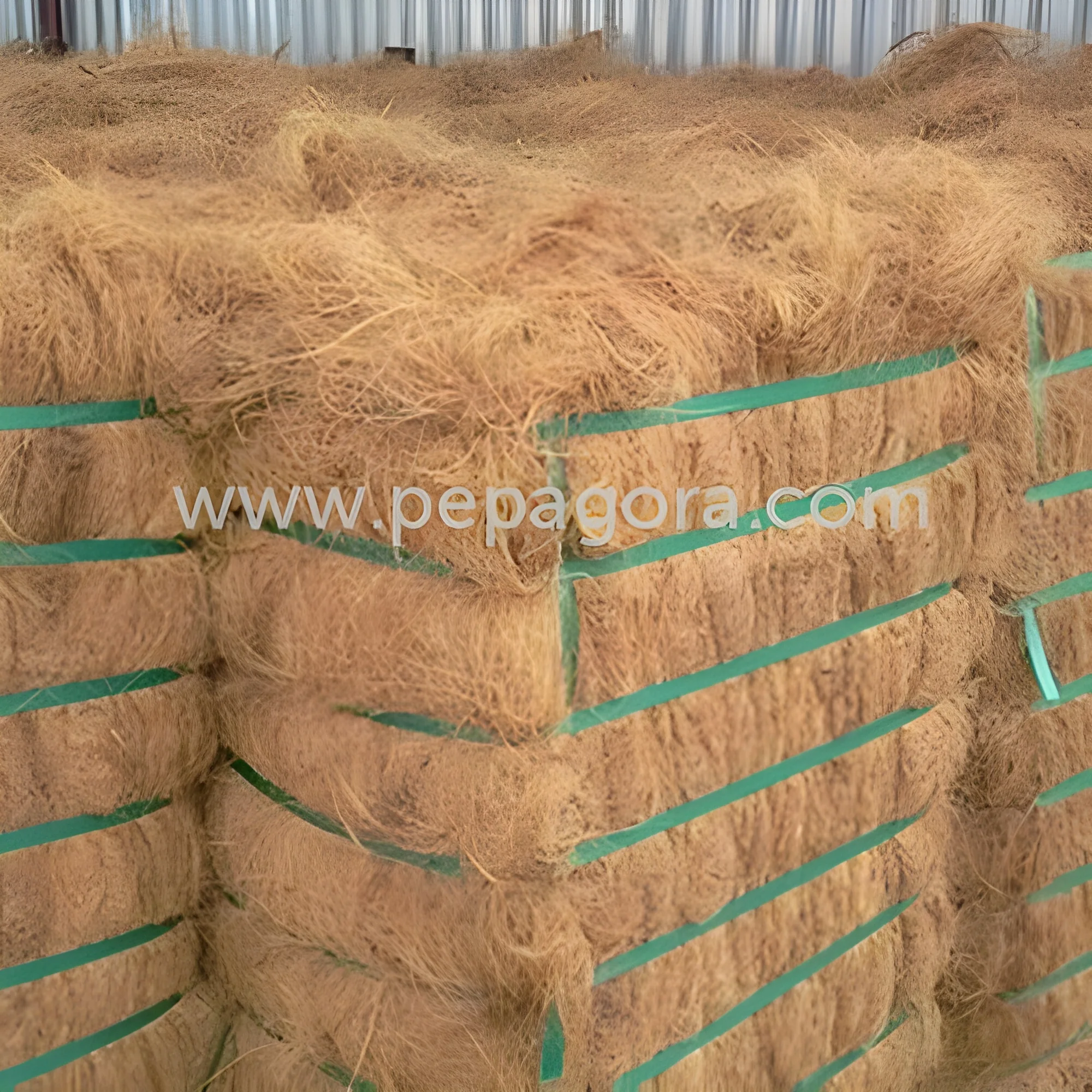
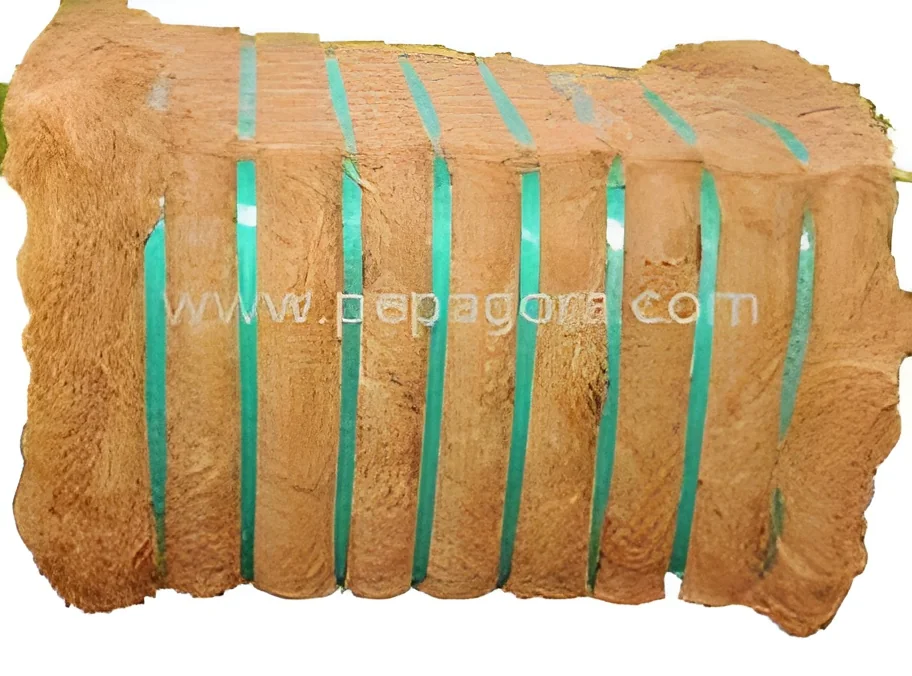
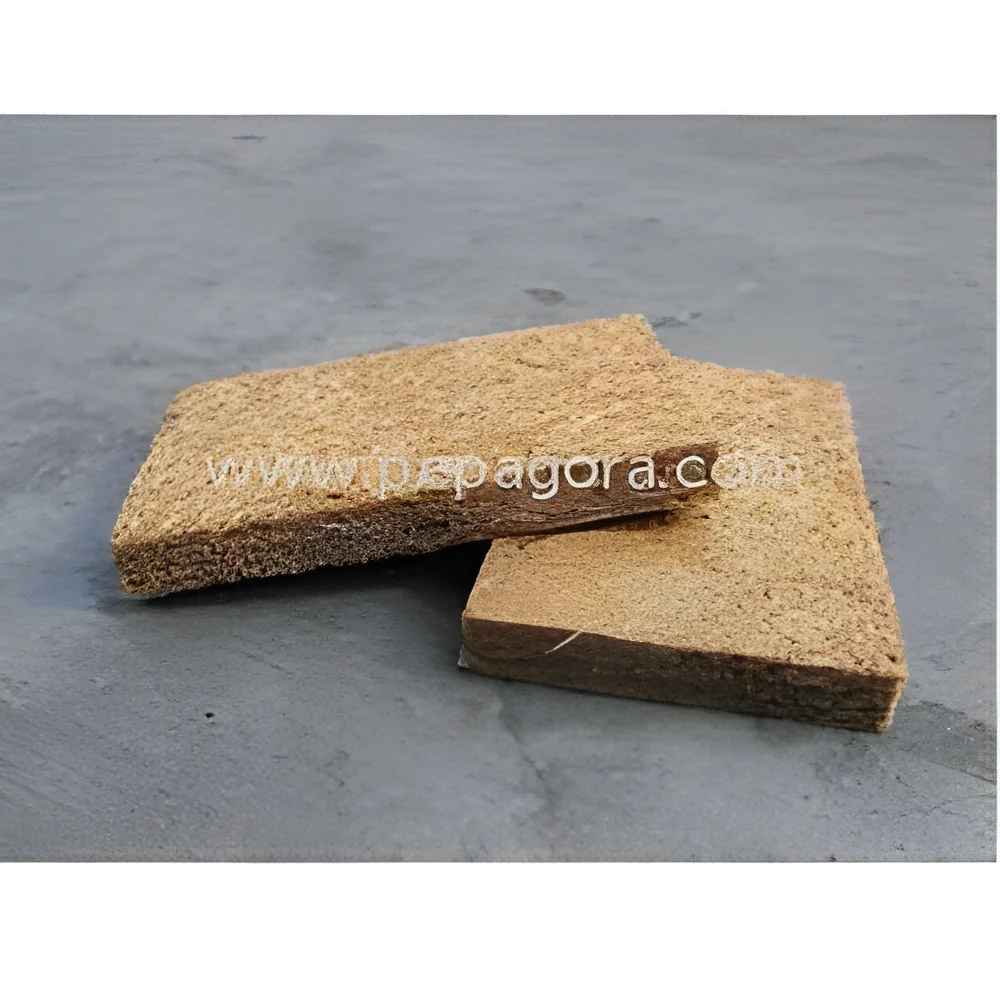
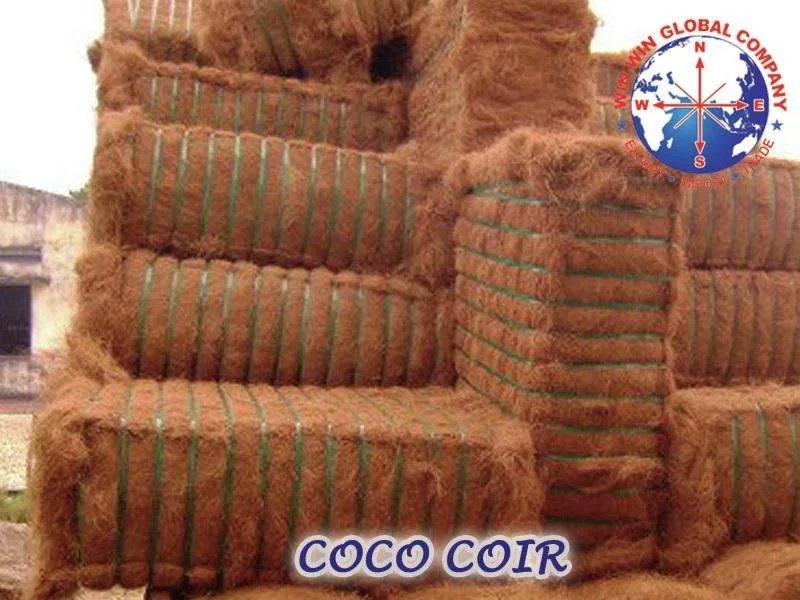
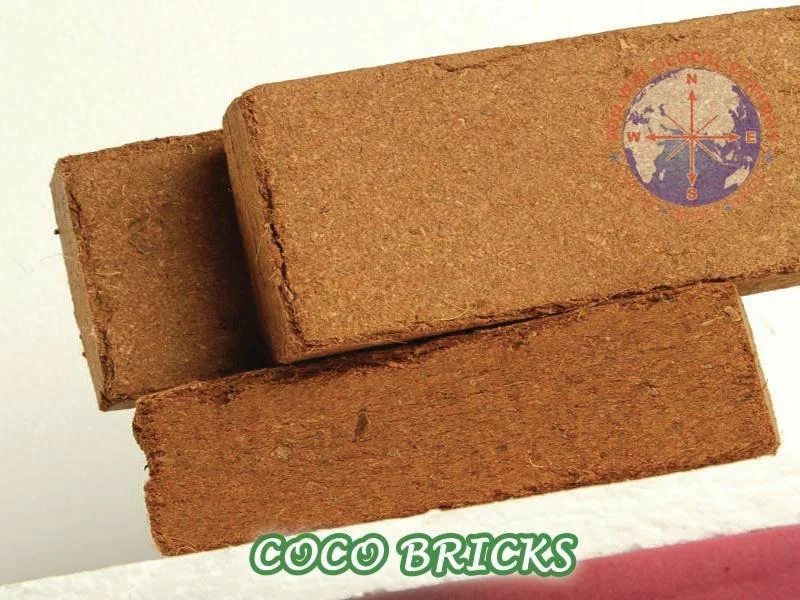
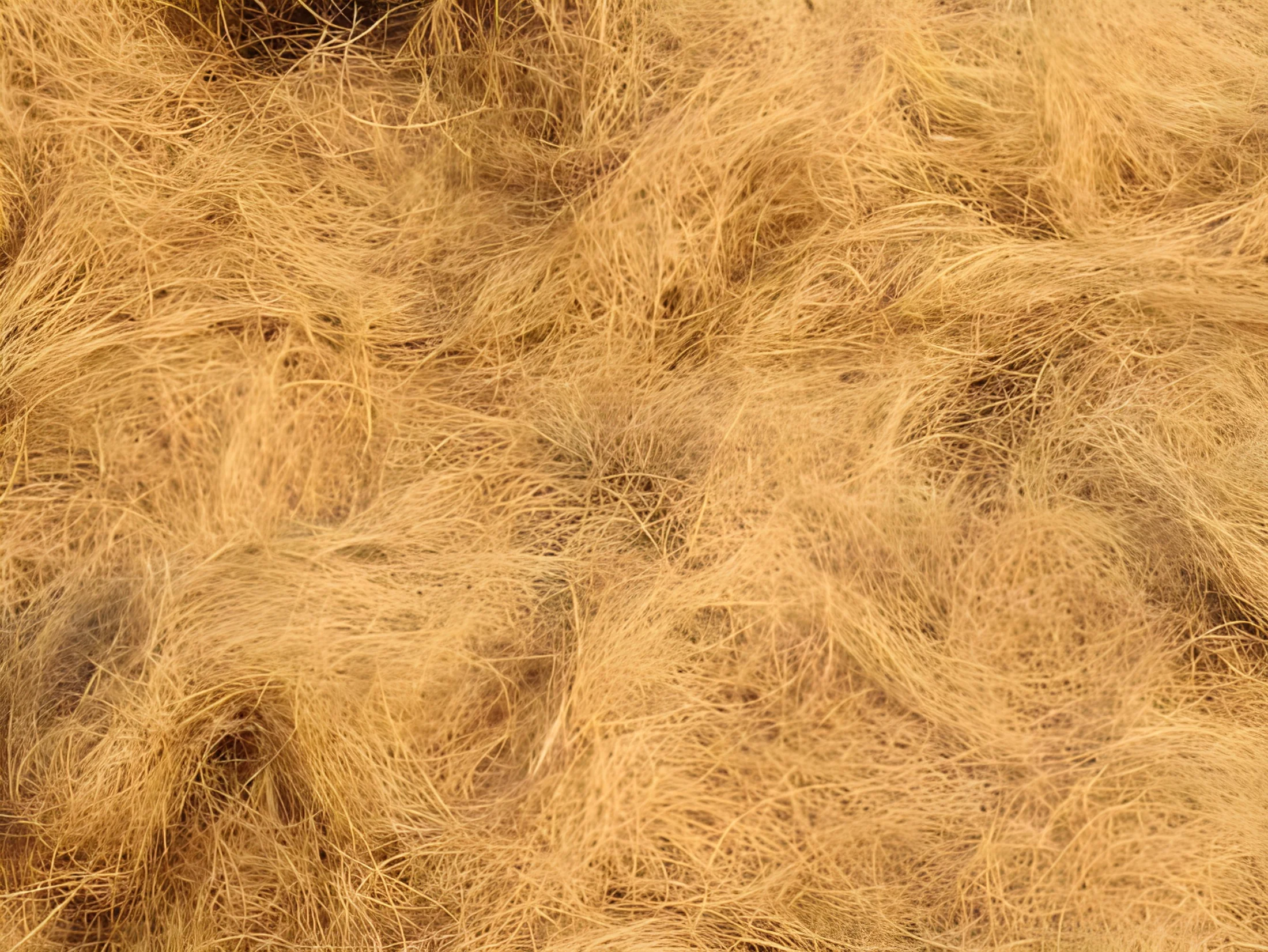
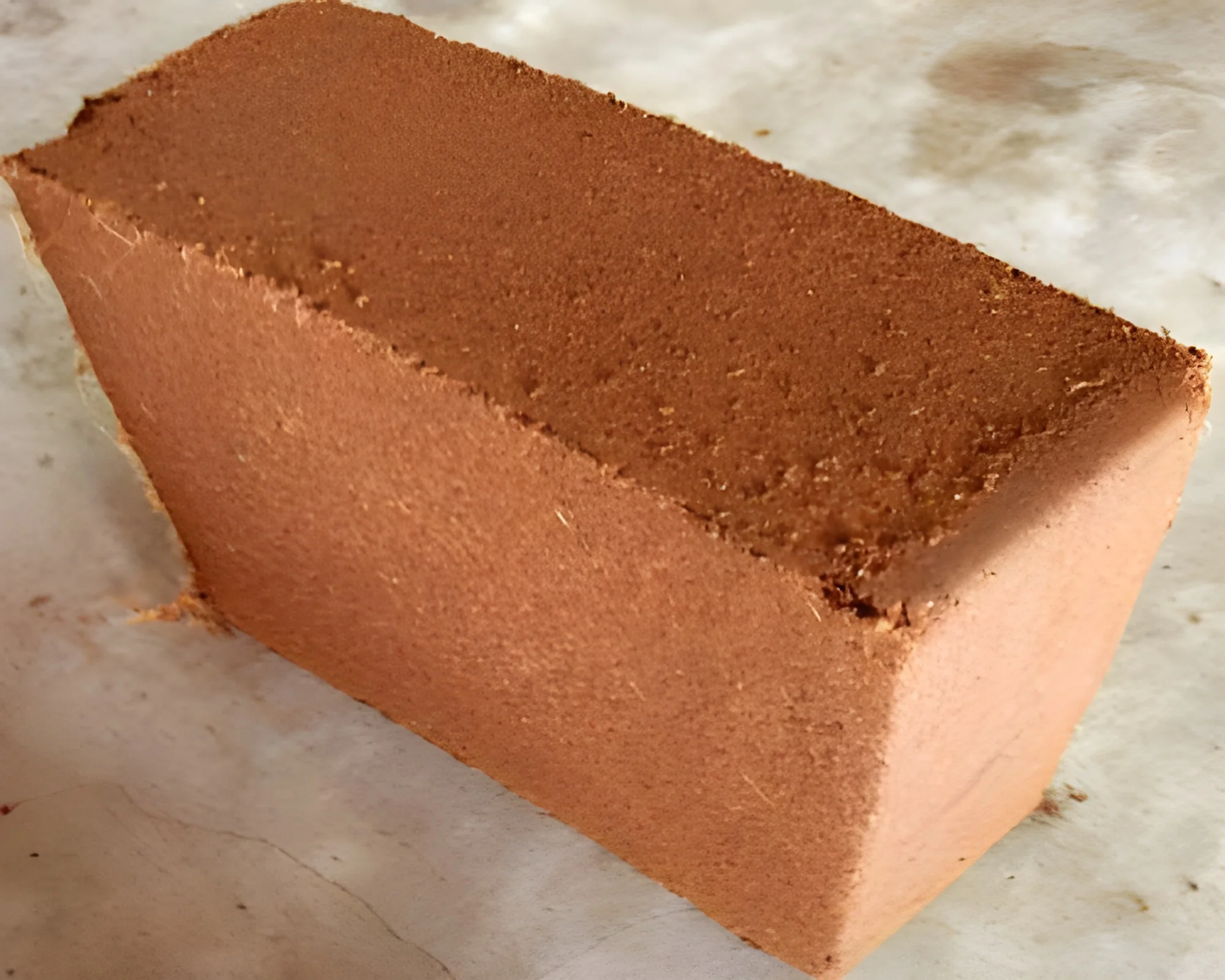
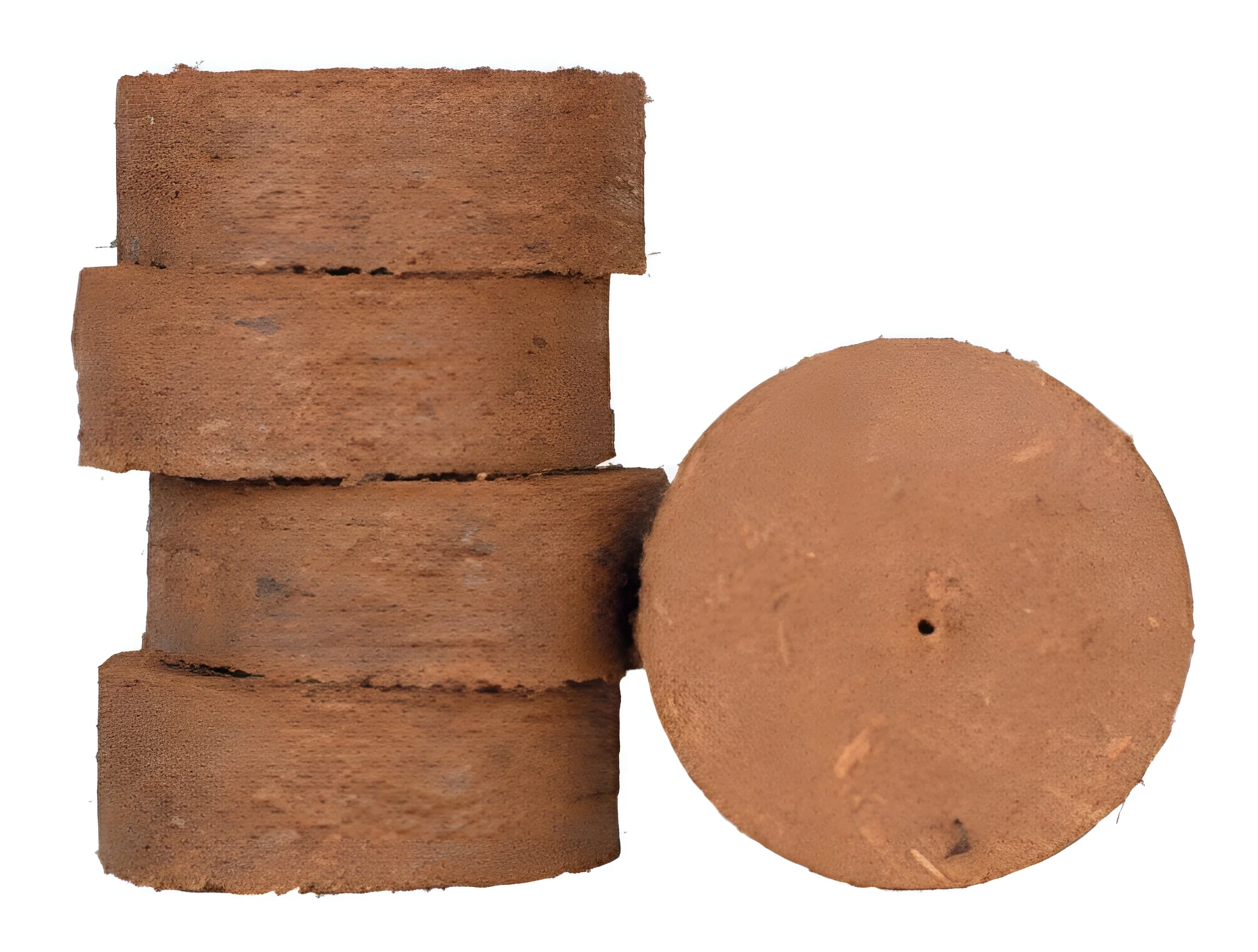
Coconut coir sheets are natural, biodegradable sheets made from the fibrous husks of coconuts. These sheets are produced by processing coir fibers, which are extracted from the outer shell of coconuts. The resulting product is known for its durability and resistance to decay, making it an ideal choice for various industrial applications. The production process typically involves cleaning, compressing, and drying the coir fibers to create sheets that can be easily handled and transported.
These sheets have gained popularity across multiple sectors due to their eco-friendly properties and versatility. Common applications include use in agriculture for soil erosion control, as a planting medium in horticulture, and in the manufacture of natural mats and carpets. Businesses are increasingly turning to coconut coir sheets as a sustainable alternative to synthetic materials, aligning with global trends toward environmental responsibility. The market for coconut coir products continues to grow as more industries recognize the benefits of using natural, renewable resources.
Key Features and Specifications
Coconut coir sheets come with a variety of features that make them suitable for diverse applications. Their specifications can influence their performance in different environments. Understanding these specifications is essential for businesses looking to make informed purchasing decisions.
Key specifications include:
1. Thickness
- Typically ranges from 5 mm to 20 mm
- Affects durability and application suitability
2. Density
- Generally between 300 kg/m3 to 800 kg/m3
- Influences strength and water retention capacity
3. Moisture Content
- Usually between 10% and 15%
- Important for agricultural applications
4. Fiber Composition
- Composed primarily of coir fibers
- Offers natural resistance to pests and decay
5. Biodegradability
- Fully biodegradable within 2-5 years
- Supports eco-friendly practices
6. Color
- Natural brown, with options for dyed versions
- Aesthetically pleasing for decorative applications
7. Customization Options
- Available in various sizes and shapes
- Can be tailored to specific business needs
In summary, the specifications of coconut coir sheets highlight their strength, versatility, and suitability for multiple applications, making them an essential product for businesses focused on sustainability.
Common Applications and Use Cases
Coconut coir sheets serve various industries due to their unique properties and eco-friendliness.
1. Agriculture: Widely used as a biodegradable planting medium, they aid in soil moisture retention and provide a sustainable alternative to peat.
2. Horticulture: Commonly utilized in the production of potting mixes and as mulch to control weeds and retain soil moisture.
3. Erosion Control: Effective for slope stabilization and preventing soil erosion in landscaping and construction projects.
4. Interior Design: Used in the creation of natural mats, carpets, and decorative wall coverings, enhancing aesthetic appeal.
5. Crafting: Popular among artisans for making eco-friendly products, including crafts and home decor items.
6. Packaging: Used as eco-friendly packaging material to protect fragile items during shipping.
7. Environmental Conservation: Employed in projects aimed at restoring ecosystems and promoting biodiversity through natural materials.
Product Variants and Subcategories
Coconut coir sheets offer a range of variants to cater to different business needs.
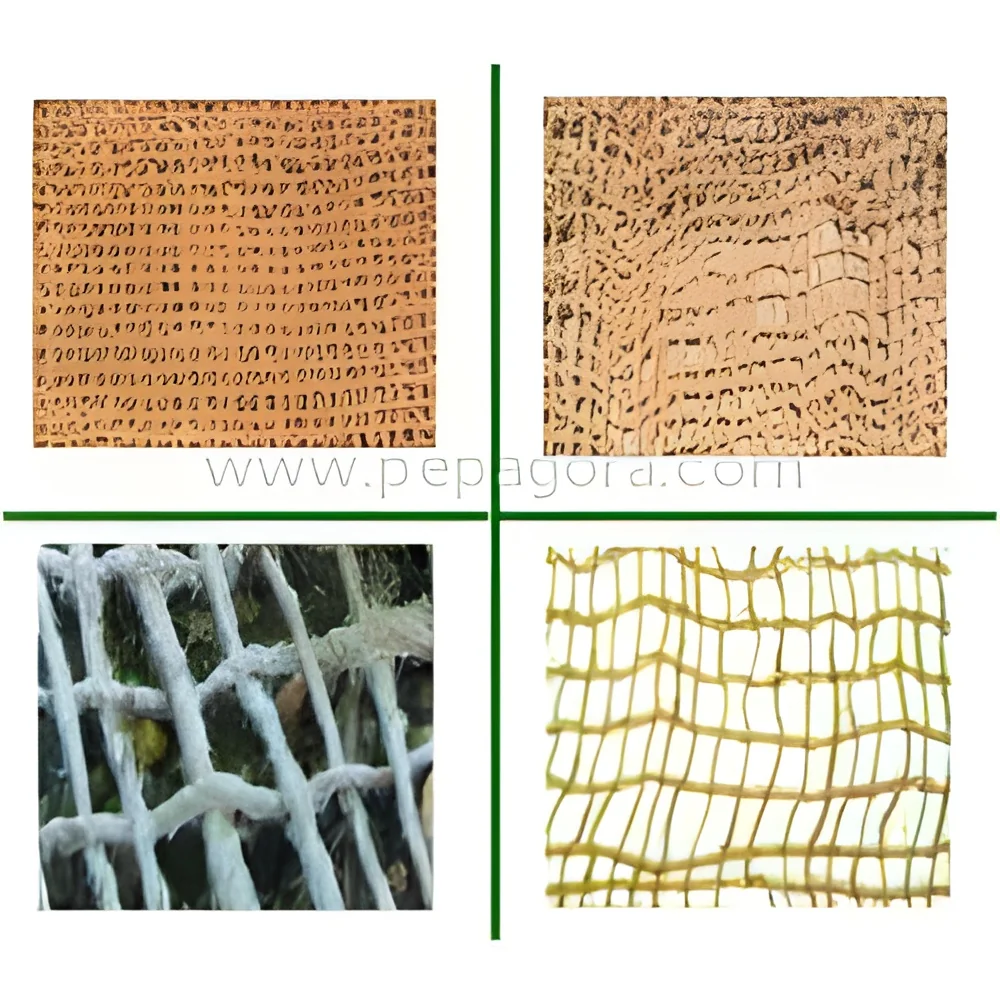
Coir Matting
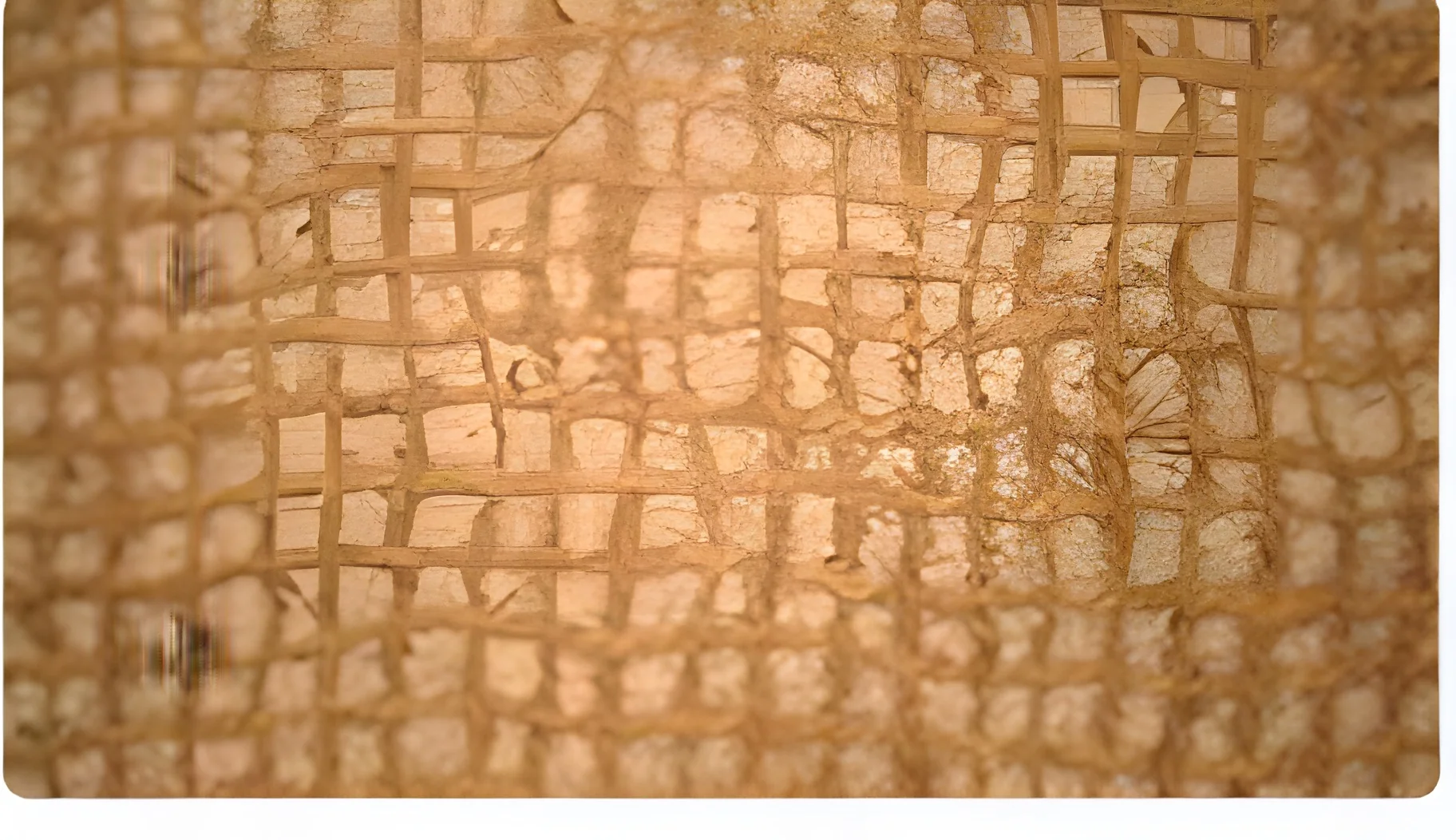
This variant is designed primarily for use in flooring and outdoor applications. It provides excellent traction and durability, making it suitable for high-traffic areas.
Coir Grow Bags
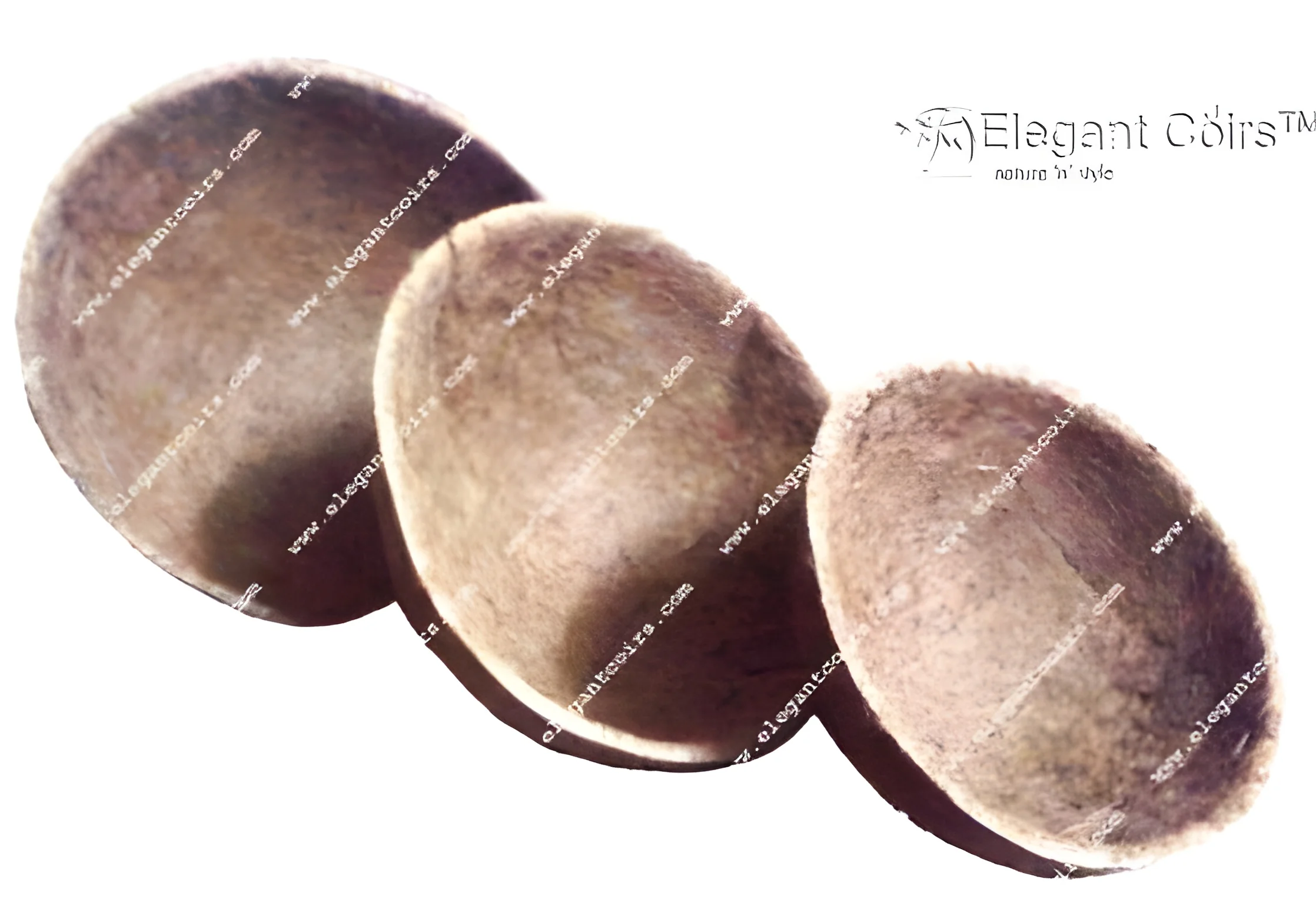
These bags are made from coir sheets and are used for planting in horticulture. They offer excellent aeration and drainage, promoting healthy root growth in plants.
Coir Rope Sheets
This variant combines coir fibers with rope technology, ideally used in various marine and agricultural applications due to their strength and resistance to saltwater.
Benefits and Advantages
Coconut coir sheets present numerous benefits that make them an attractive choice for businesses.
Key benefits include:
1. Eco-friendliness: Made from natural materials, they are biodegradable and contribute to reducing environmental impact.
2. Durability: Coir sheets are resistant to wear and tear, providing long-lasting solutions for various applications.
3. Moisture retention: Excellent at retaining moisture, they promote healthy plant growth in agricultural settings.
4. Pest resistance: Naturally resistant to pests, they help in maintaining healthier crops without the need for chemical treatments.
5. Versatility: Suitable for a wide range of applications, from gardening to interior design.
6. Cost-effective: Often more affordable than synthetic alternatives, they provide a budget-friendly solution for businesses.
Buying Guide for B2B Buyers
When sourcing coconut coir sheets, businesses should consider several important factors to ensure they make the right choice.
1. Quality Assessment: Evaluate the quality of the sheets by checking for fiber density and moisture content. High-quality coir sheets should be strong and free from impurities.
2. Supplier Verification: Vet suppliers by checking their certifications and customer reviews. This ensures that you are dealing with reliable manufacturers.
3. Pricing and MOQ: Understand the pricing structure and minimum order quantity (MOQ) to align with your budget and inventory needs.
4. Delivery and Lead Times: Discuss logistics and expected lead times for product delivery to avoid disruptions in your supply chain.
5. Compliance Requirements: Ensure that the product meets any relevant industry standards and regulations to avoid compliance issues.
Compliance and Certifications
Coconut coir sheets must adhere to various quality standards and certifications to ensure safety and reliability in their applications.
Relevant quality standards include ISO 9001, which focuses on quality management systems, ensuring that products consistently meet customer and regulatory requirements.
Additionally, compliance with HACCP (Hazard Analysis Critical Control Point) is crucial for products used in agriculture and food-related applications, as it helps identify and mitigate food safety risks.
CE certification signifies that the products meet European safety, health, and environmental protection requirements, which can be a requirement for businesses operating in Europe.
Safety and testing requirements should be met to ensure the sheets are free from harmful chemicals and safe for end-users.
Regional compliance considerations may vary, so it is essential to be aware of local regulations regarding biodegradable products and their usage.
Why Source Coconut Coir Sheets from Pepagora?
Pepagora provides a trusted platform for sourcing coconut coir sheets, offering several key advantages that benefit B2B buyers.
Verified Supplier Network: Pepagora connects buyers with a network of verified suppliers, ensuring that all products meet high-quality standards. This network helps businesses find reliable partners for their sourcing needs.
Streamlined RFQ Process: The request for quotation (RFQ) process on Pepagora is designed to be efficient and user-friendly. Buyers can easily submit their requirements and receive competitive quotes from multiple suppliers.
Trade Assurance and Support: Pepagora offers trade assurance, providing buyers with protection throughout the purchasing process. This support increases confidence in transactions and helps mitigate risks.
Regional Coverage: With a strong presence in India, the GCC, and Southeast Asia, Pepagora ensures that buyers have access to a wide range of coconut coir products to meet their specific needs in various markets.
Overall, Pepagora stands out as a reliable source for businesses looking to procure coconut coir sheets, supporting sustainable practices while ensuring quality and efficiency in sourcing.

 India


 India
 India
 India
 India
 India
 India
 India
 India


Frequently Asked Questions
What are Coconut Coir Sheets?
Coconut Coir Sheets are natural, biodegradable sheets made from the fibrous husk of coconuts. They are commonly used in gardening, erosion control, and as a sustainable alternative to synthetic materials.
What are the different types of Coconut Coir Sheets?
Coconut Coir Sheets come in various forms, including coir matting, coir blankets, and coir geo-textiles. Each type is designed for specific applications, such as soil stabilization, plant growth, or landscaping.
How do I choose the right Coconut Coir Sheets?
When selecting Coconut Coir Sheets, consider factors such as thickness, size, and intended use. Ensure that the sheets meet your project's specific requirements for durability and functionality.
What are the standard specifications for Coconut Coir Sheets?
Standard specifications for Coconut Coir Sheets typically include dimensions, density, and moisture content. Most sheets range from 0.5 to 2 inches in thickness and can vary in size depending on the manufacturer.
What is the price range for Coconut Coir Sheets?
The price of Coconut Coir Sheets can vary based on quality, size, and supplier. Generally, prices range from INR 30 to INR 120 per square meter, depending on the specifications and bulk purchasing options.
What quality standards apply to Coconut Coir Sheets?
Coconut Coir Sheets should adhere to quality standards that ensure they are free from contaminants and meet specified durability metrics. Common certifications include ISO standards and organic certifications for agricultural use.
Where can I find Coconut Coir Sheets suppliers in India?
Coconut Coir Sheets suppliers can be found through online B2B marketplaces, trade fairs, and industry directories. Websites like Pepagora.com provide a platform to connect with reliable manufacturers and distributors.
Can Coconut Coir Sheets be customized?
Yes, many manufacturers offer customization options for Coconut Coir Sheets, including tailored sizes, thicknesses, and specific treatment processes. It's advisable to discuss your requirements directly with suppliers to ensure they can accommodate your needs.
What is the typical minimum order quantity for Coconut Coir Sheets?
The minimum order quantity (MOQ) for Coconut Coir Sheets varies by supplier but typically ranges from 100 to 500 square meters. It's important to check individual supplier policies for specific MOQs.
What is the typical lead time for Coconut Coir Sheets?
The lead time for Coconut Coir Sheets generally ranges from 1 to 4 weeks, depending on the supplier's inventory and production capabilities. Custom orders may require additional time for processing.
Why Businesses Trust Pepagora
Thousands of companies trust Pepagora to source smarter and sell faster
Expand Your Sales Globally

Source Smarter,Grow Faster
