
 IN
INChromatography Systems (HPLC, GC-MS)
14 products available
Key Features and Specifications
Common Applications and Use Cases
Product Variants and Subcategories
Benefits and Advantages
Buying Guide for B2B Buyers
Compliance and Certifications


Frequently Asked Questions
What are Chromatography Systems (HPLC, GC-MS)?
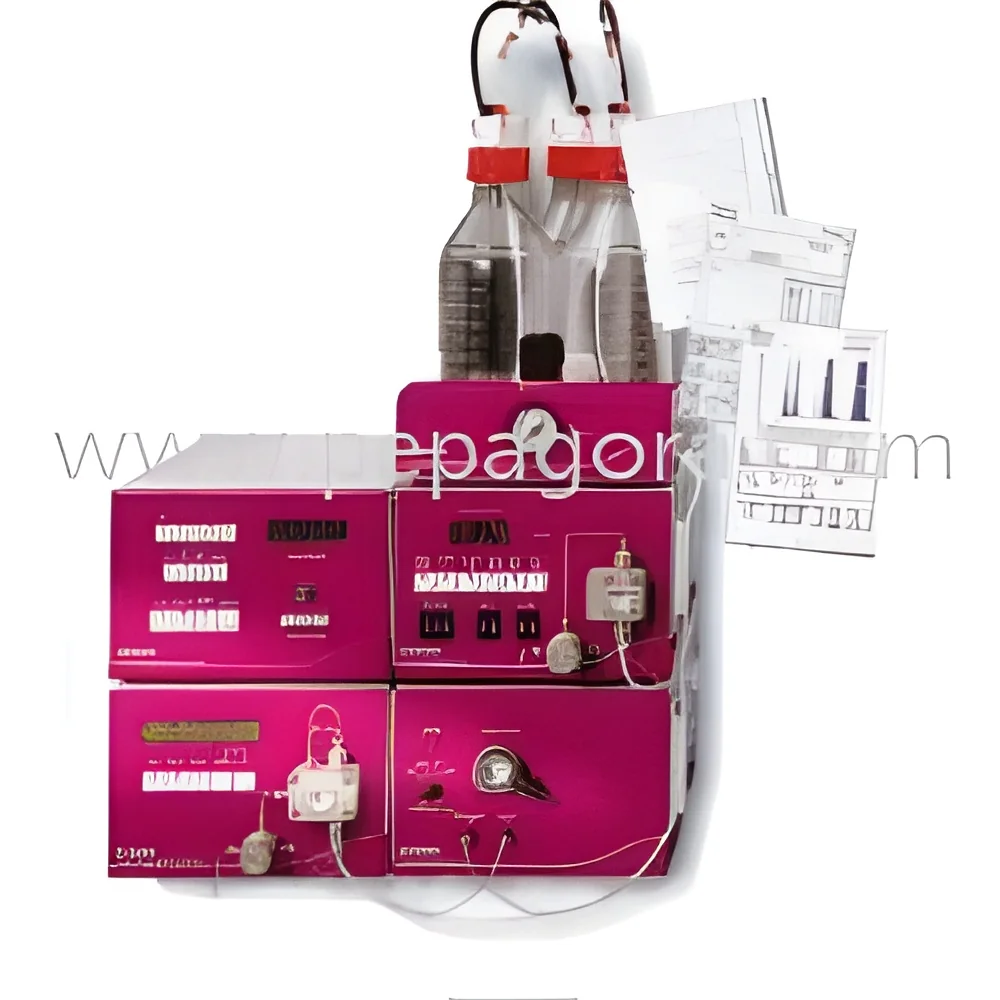
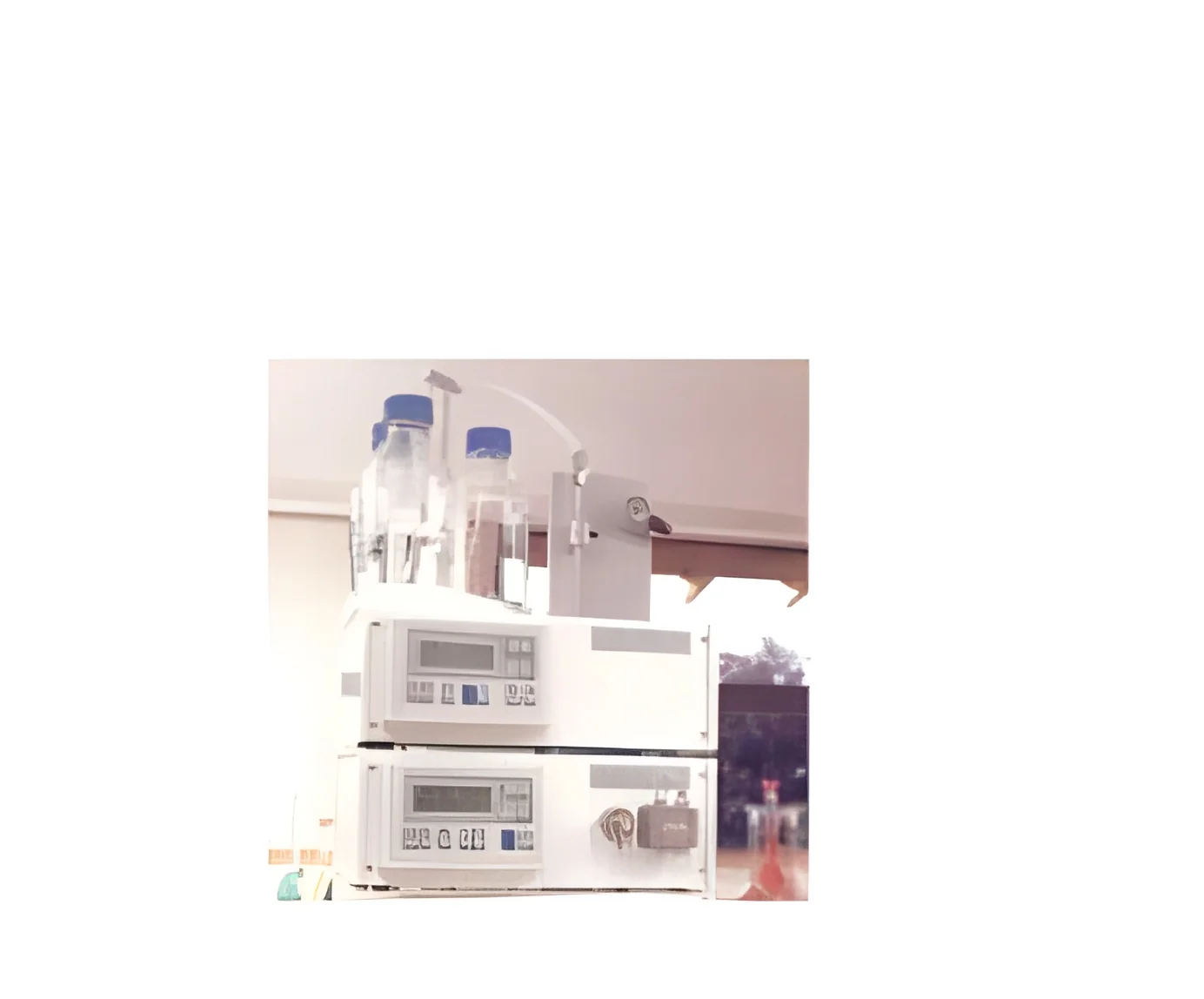
Chromatography Systems, including High-Performance Liquid Chromatography (HPLC) and Gas Chromatography-Mass Spectrometry (GC-MS), are analytical techniques used to separate, identify, and quantify components in a mixture. HPLC utilizes liquid as a mobile phase, while GC-MS combines gas chromatography with mass spectrometry for detailed analysis.
What are the different types of Chromatography Systems (HPLC, GC-MS)?
The main types of chromatography systems include HPLC, GC-MS, and Ultra-High Performance Liquid Chromatography (UHPLC). Other variants include Supercritical Fluid Chromatography (SFC) and Ion Chromatography, each designed for specific applications and types of samples.
How do I choose the right Chromatography Systems (HPLC, GC-MS)?
Choosing the right chromatography system depends on the type of analysis required, sample characteristics, and desired sensitivity. Consider factors such as the nature of the analytes, required resolution, and throughput when selecting an appropriate system.
What are the standard specifications for Chromatography Systems (HPLC, GC-MS)?
Standard specifications for chromatography systems typically include flow rate, pressure limits, column dimensions, and temperature control capabilities. Additionally, systems may vary in detection methods, such as UV, fluorescence, or mass detection.
What is the price range for Chromatography Systems (HPLC, GC-MS)?
The price range for chromatography systems can vary widely, typically starting from INR 1,00,000 for basic models and reaching up to several crores for advanced systems with high-end features. Factors influencing cost include system type, specifications, and manufacturer.
What quality standards apply to Chromatography Systems (HPLC, GC-MS)?
Quality standards for chromatography systems often include ISO certification, GLP (Good Laboratory Practice), and GMP (Good Manufacturing Practice) compliance. Manufacturers may also adhere to industry-specific standards depending on the application, such as FDA regulations for pharmaceutical testing.
Where can I find Chromatography Systems (HPLC, GC-MS) suppliers in India?
Chromatography systems suppliers in India can be found through online B2B marketplaces like Pepagora.com, industry trade shows, and specialized suppliers' directories. It's advisable to verify supplier credentials and product offerings before making a purchase.
Can Chromatography Systems (HPLC, GC-MS) be customized?
Yes, many manufacturers offer customization options for chromatography systems to meet specific analytical requirements. Customizations may include modifications to hardware, software, and even tailored applications for unique sample types.
What is the typical minimum order quantity for Chromatography Systems (HPLC, GC-MS)?
The typical minimum order quantity (MOQ) for chromatography systems can vary by supplier and model, often starting from one unit for standard systems. Bulk purchases may lead to negotiated terms and pricing.
What is the typical lead time for Chromatography Systems (HPLC, GC-MS)?
The typical lead time for chromatography systems can range from a few weeks to several months, depending on the manufacturer's production schedule and the complexity of the system ordered. Custom orders may have longer lead times.
Why Businesses Trust Pepagora
Thousands of companies trust Pepagora to source smarter and sell faster
Expand Your Sales Globally

Source Smarter,Grow Faster
