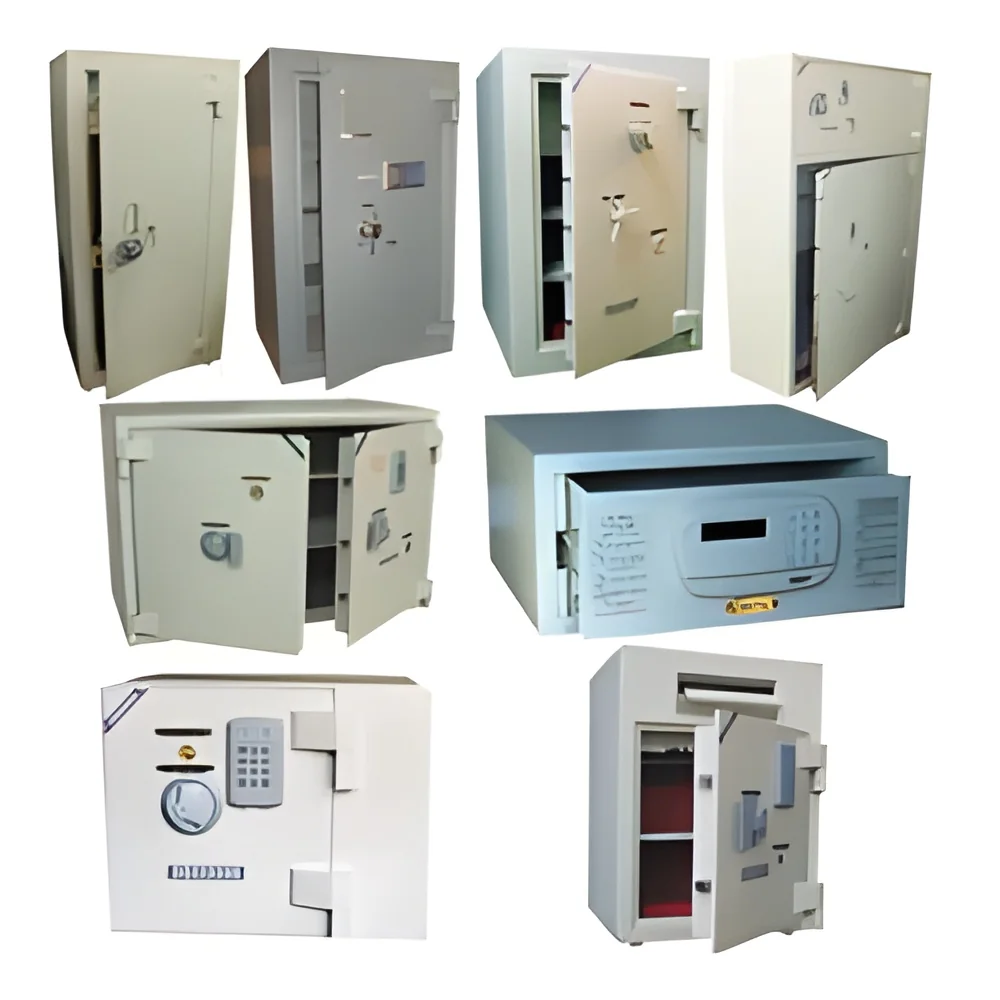
What are Cabinet & Drawer Locks?
Cabinet and drawer locks are essential security devices designed to protect the contents of cabinets, drawers, and other storage units. These locks come in various designs and mechanisms, including key-based, combination, and electronic options. Their primary function is to prevent unauthorized access to sensitive or valuable items, ensuring safety and security in various environments.
These locks are widely used in industries such as retail, healthcare, and manufacturing. In retail settings, they secure display cabinets and storage areas. In healthcare facilities, they protect medication cabinets and confidential patient records. In manufacturing, they safeguard tools and sensitive equipment. With the increasing importance of security in various sectors, the demand for reliable cabinet and drawer locks continues to grow.
In the current market, cabinet and drawer locks are becoming more sophisticated, with advancements in technology leading to features such as electronic access control and integration with security systems. The relevance of these locks spans across multiple industries, reflecting an ongoing commitment to safety and security in both commercial and industrial applications.
Key Features and Specifications
Cabinet and drawer locks are designed with several key features that enhance their functionality and security. Understanding these specifications can help buyers make informed decisions based on their specific needs.
Key specifications include:
1. Lock Type
- Options include key-based, combination, and electronic locks
- Each type offers different levels of security and convenience
2. Material
- Common materials include steel, brass, and plastic
- The choice of material affects durability and resistance to tampering
3. Size
- Various sizes available to fit different cabinet and drawer designs
- Typically ranges from small locks suitable for lockers to larger locks for commercial cabinets
4. Security Rating
- Many locks come with a security rating that indicates their resistance to unauthorized access
- Ratings can vary based on the manufacturer and testing standards
5. Mounting Style
- Options for surface mounting or mortise installation
- The choice depends on the cabinet or drawer construction
6. Finish
- Available in various finishes, including chrome, satin, and powder-coated options
- Aesthetic choice can complement the design of cabinets
7. Key Options
- Many locks offer options for master keys or restricted key systems
- Ensures added security in environments where multiple users need access
8. Warranty
- Most locks come with a warranty period, reflecting the manufacturer's confidence in their product
- Warranties typically range from one to five years
In summary, understanding these key features and specifications is crucial for selecting the right cabinet and drawer locks that meet security needs while fitting the design and functionality of the intended application.
Common Applications and Use Cases
Cabinet and drawer locks serve a variety of industries, ensuring security and access control where necessary.
1. Retail: In retail environments, these locks secure display cases and storage areas, protecting merchandise from theft and unauthorized access.
2. Healthcare: Hospitals and clinics use cabinet locks to safeguard medication cabinets and patient records, ensuring compliance with privacy regulations and preventing unauthorized access.
3. Education: Schools and universities utilize these locks for classroom cabinets and faculty offices, protecting sensitive materials and equipment.
4. Manufacturing: In manufacturing settings, cabinet locks secure tools and machinery, preventing theft and ensuring safety around hazardous materials.
5. Hospitality: Hotels and restaurants use drawer locks to protect sensitive documents and valuables, enhancing guest security and trust.
6. Government: Government facilities secure confidential records and equipment with cabinet locks, ensuring compliance with security protocols.
7. Office: Offices use cabinet locks for file cabinets and desks, protecting sensitive corporate information and documents from unauthorized access.
Product Variants and Subcategories
Cabinet and drawer locks come in various forms to meet diverse security needs. Each variant is tailored for specific applications.
Keyed Locks
These traditional locks require a physical key for access. Keyed locks are reliable and straightforward, making them ideal for offices and retail environments where controlled access is necessary.
Combination Locks
Combination locks use a numerical code for access, eliminating the need for keys. They are often used in settings where multiple users need access, such as gyms and schools.
Electronic Locks
Electronic cabinet locks provide advanced security features such as keypads and biometric access. These locks are increasingly popular in commercial settings where high security is crucial.
Benefits and Advantages
Investing in cabinet and drawer locks offers several benefits for businesses seeking to enhance security and control access.
Key benefits include:
1. Enhanced Security: These locks provide a physical barrier against unauthorized access, protecting valuable assets and sensitive information.
2. Increased Control: By implementing locks, businesses can manage who has access to specific areas or items, ensuring that only authorized personnel can enter.
3. Compliance Assurance: Organizations in regulated industries can ensure compliance with legal and industry standards regarding data protection and security.
4. Customizable Options: With various types and features available, businesses can select locks that meet their unique security needs and operational requirements.
5. Durability: High-quality materials used in cabinet and drawer locks ensure longevity, reducing the need for frequent replacements and maintenance.
6. Cost-Effective: Investing in reliable locks can prevent loss and theft, making them a cost-effective solution for protecting assets.
Buying Guide for B2B Buyers
When sourcing cabinet and drawer locks, buyers should consider several key factors that influence their purchase decisions.
1. Quality Assessment: Evaluate the quality of the locks by reviewing material specifications and security ratings. High-quality locks should withstand tampering and wear over time.
2. Supplier Verification: Vet suppliers by checking their credentials and customer reviews. Ensure they have a reputation for providing reliable products and good customer service.
3. Pricing and MOQ: Consider the cost of the locks and any minimum order quantities that suppliers may impose. Compare pricing across multiple vendors to find the best value.
4. Delivery and Lead Times: Assess the supplier's delivery capabilities and lead times. Timely delivery is crucial for maintaining project schedules and operational efficiency.
5. Compliance Requirements: Ensure that the locks meet relevant industry regulations and standards. Understanding compliance needs is essential to avoid legal issues.
Compliance and Certifications
Cabinet and drawer locks are subject to various quality standards and certifications that ensure their performance and reliability.
Relevant standards include ISO 9001, which outlines quality management systems, ensuring that manufacturers adhere to consistent quality processes. Compliance with HACCP (Hazard Analysis Critical Control Point) is crucial in industries like food and healthcare, where security plays a vital role in safety.
In addition, many cabinet and drawer locks carry CE certification, indicating they meet European safety and environmental requirements. This certification is essential for businesses operating in or exporting to European markets.
Safety and testing requirements may include assessments for tampering resistance and durability under various conditions. Regional compliance considerations may vary, so businesses should ensure that locks meet local regulations.
Why Source Cabinet & Drawer Locks from Pepagora?
Pepagora provides a trusted platform for sourcing cabinet and drawer locks with several key advantages.
Verified Supplier Network: Pepagora vets its suppliers to ensure that businesses have access to high-quality products from reputable manufacturers. This network helps buyers find reliable partners.
Streamlined RFQ Process: The request for quotation (RFQ) system simplifies the procurement process, allowing buyers to efficiently compare prices and specifications from multiple suppliers.
Trade Assurance and Support: Pepagora offers buyer protection through trade assurance programs, ensuring that businesses receive the products they order while receiving support throughout the procurement process.
Regional Coverage: With a strong presence in India, the Gulf Cooperation Council (GCC), and Southeast Asia, Pepagora provides access to a wide range of suppliers, making it easier for businesses to source locks that meet their needs across different regions.

 IN
IN