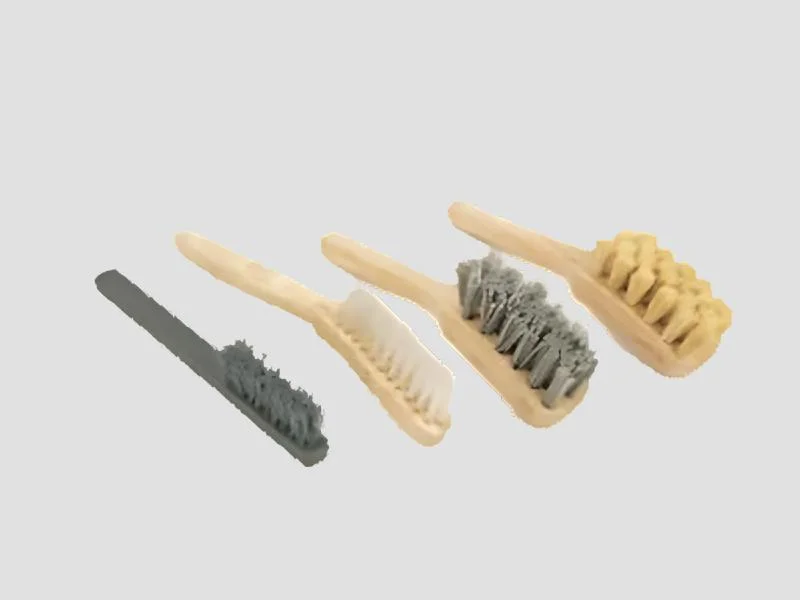
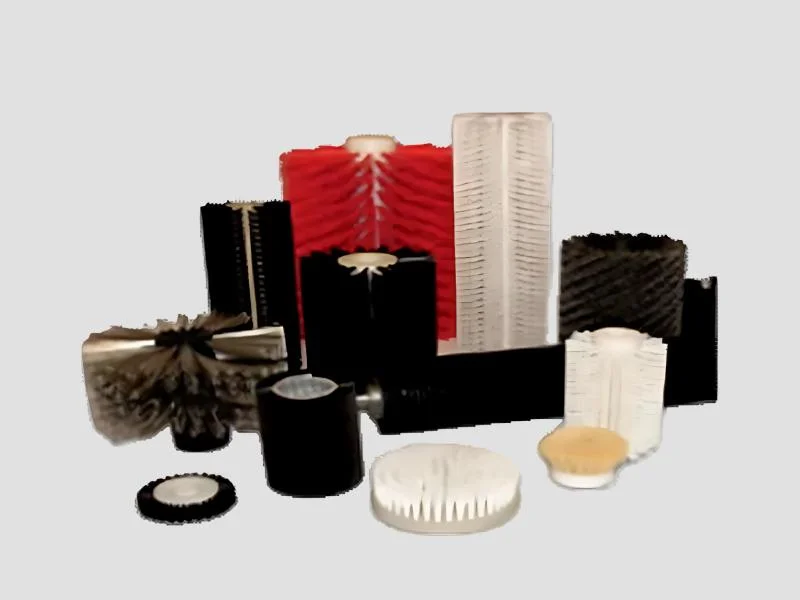
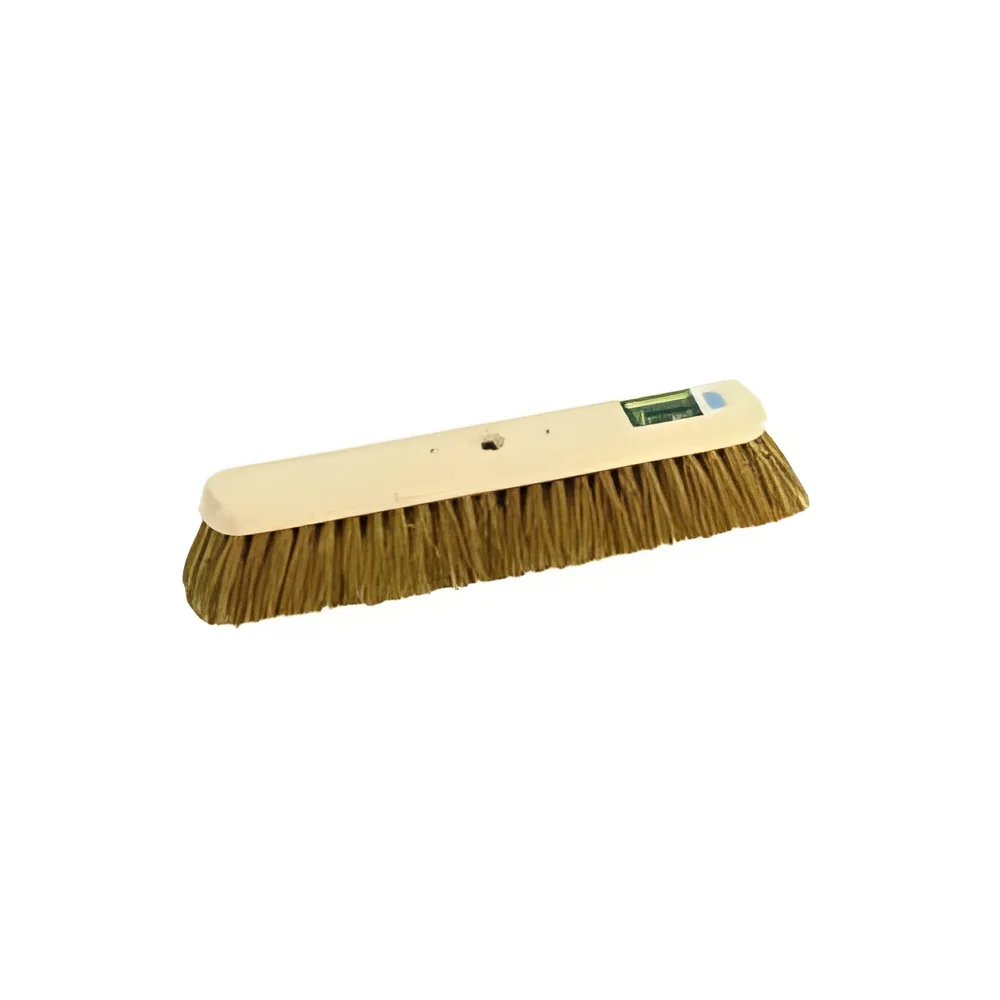
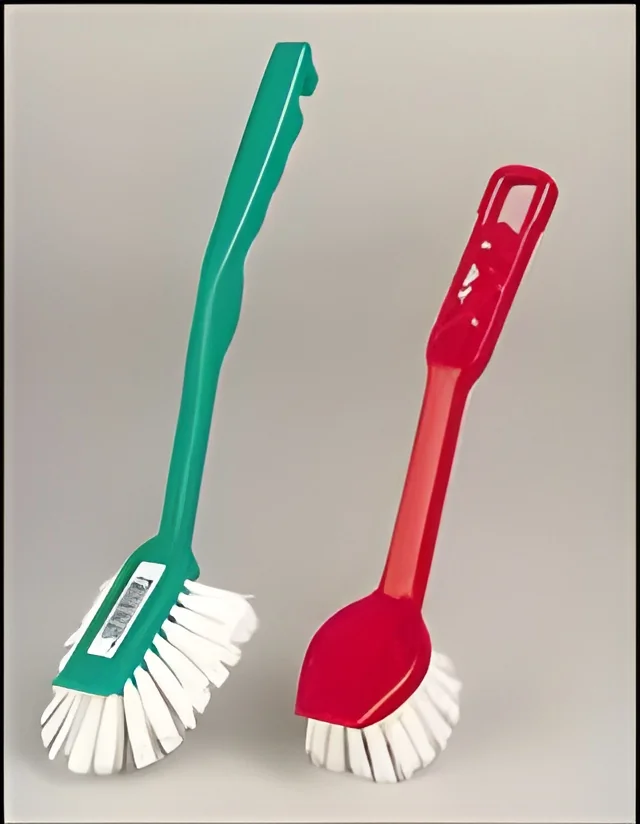
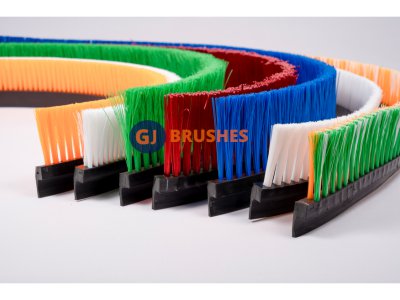
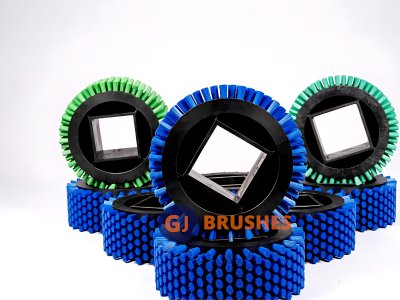
What are Brushes & Scrapers?
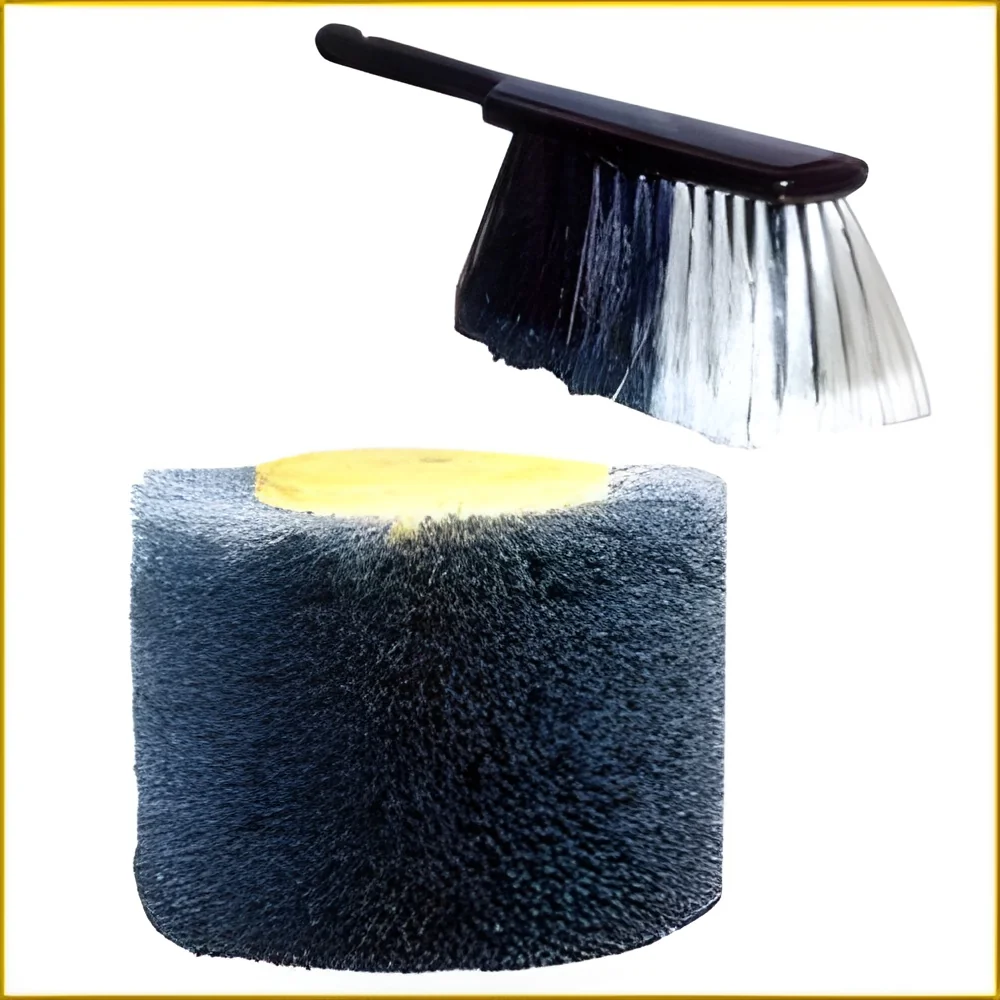
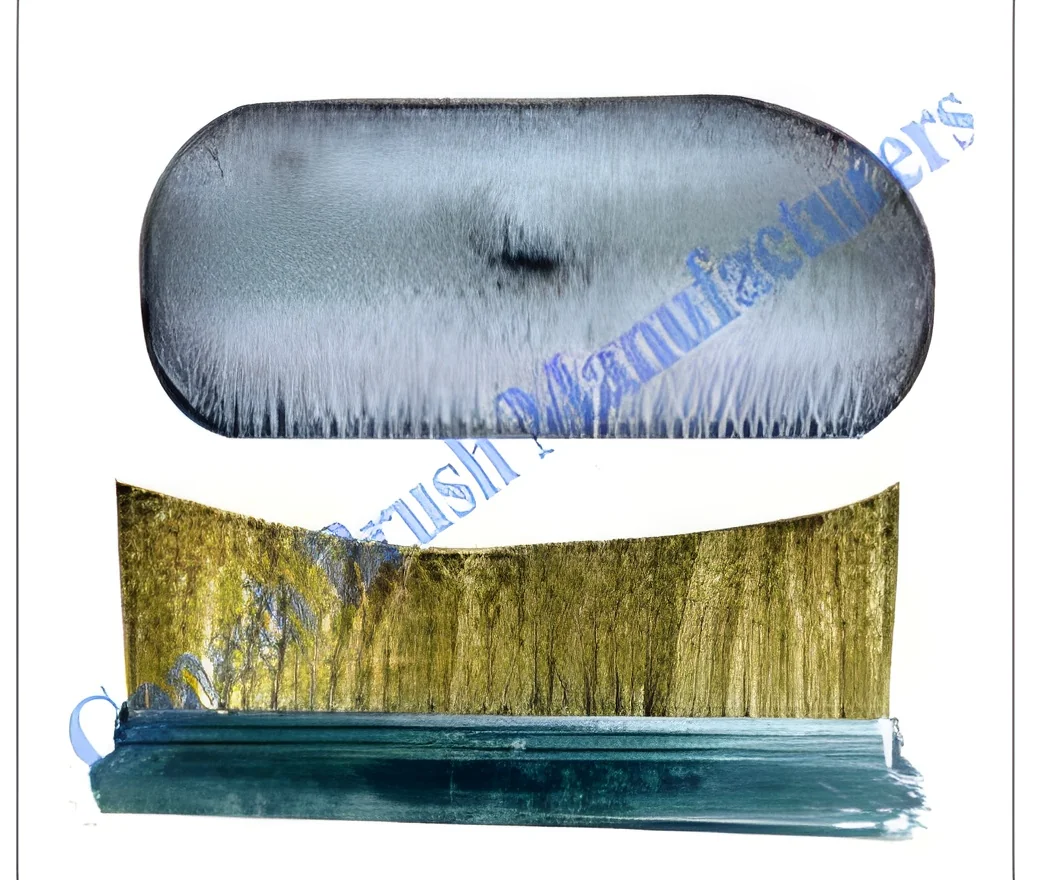
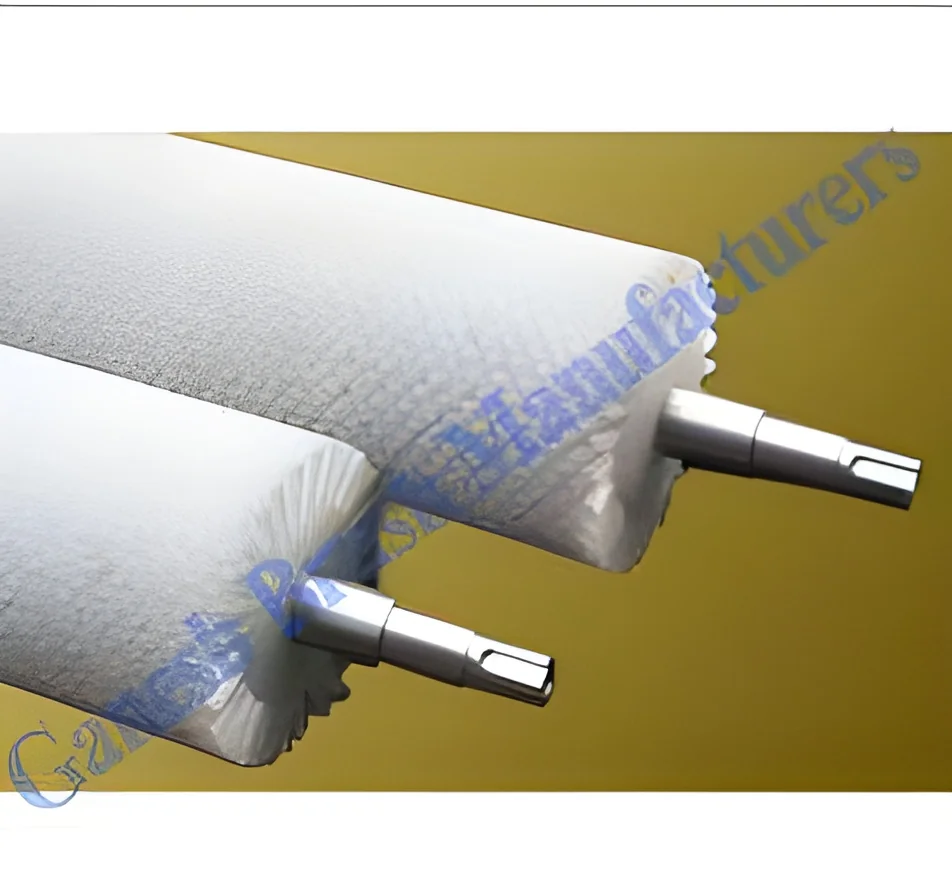
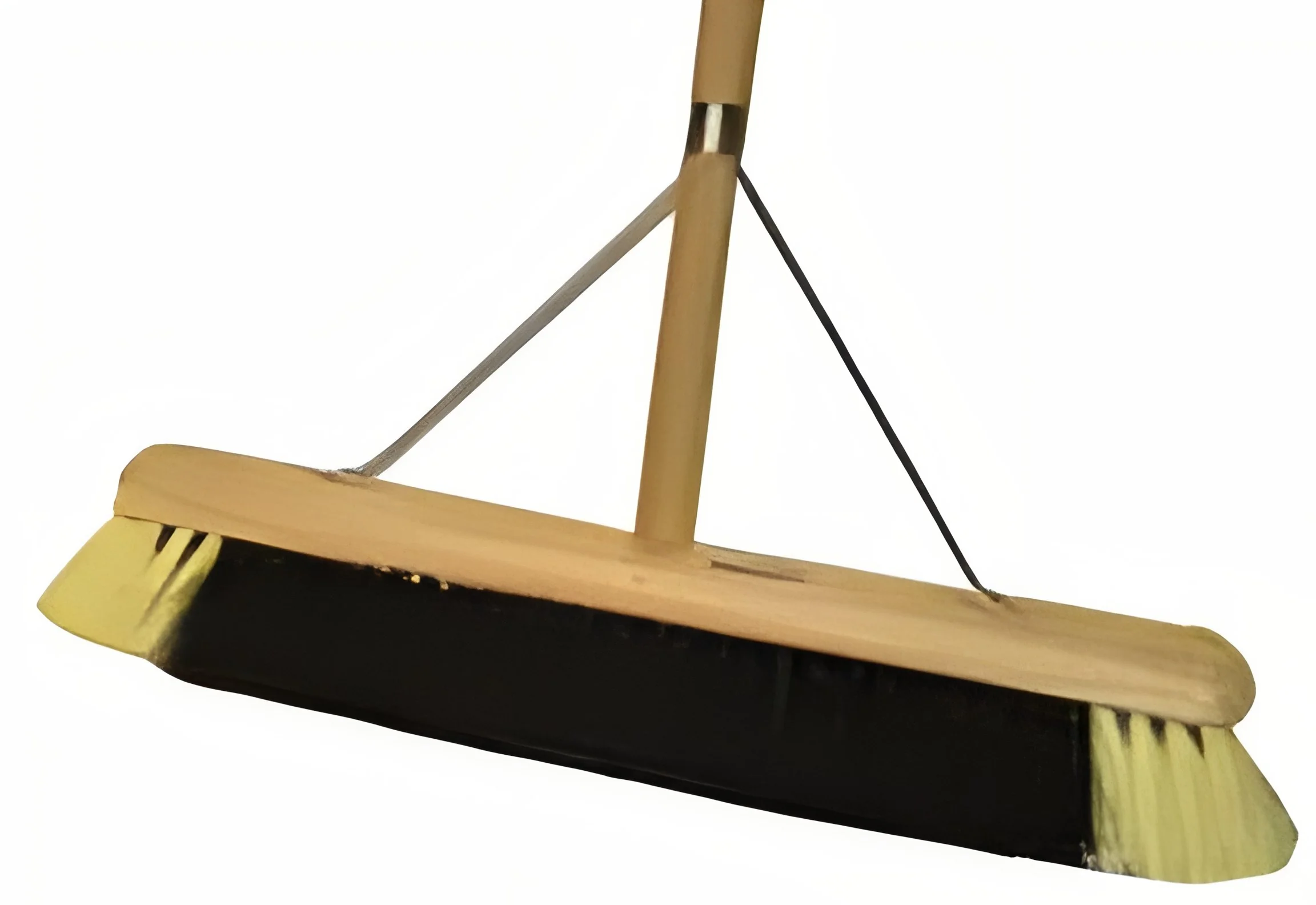
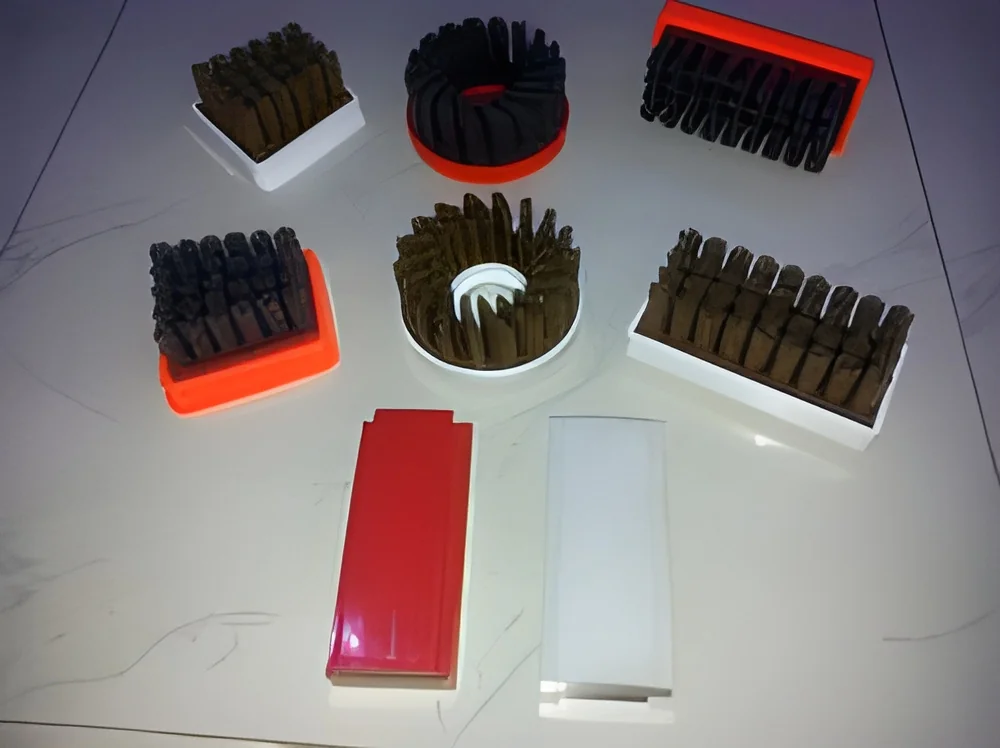
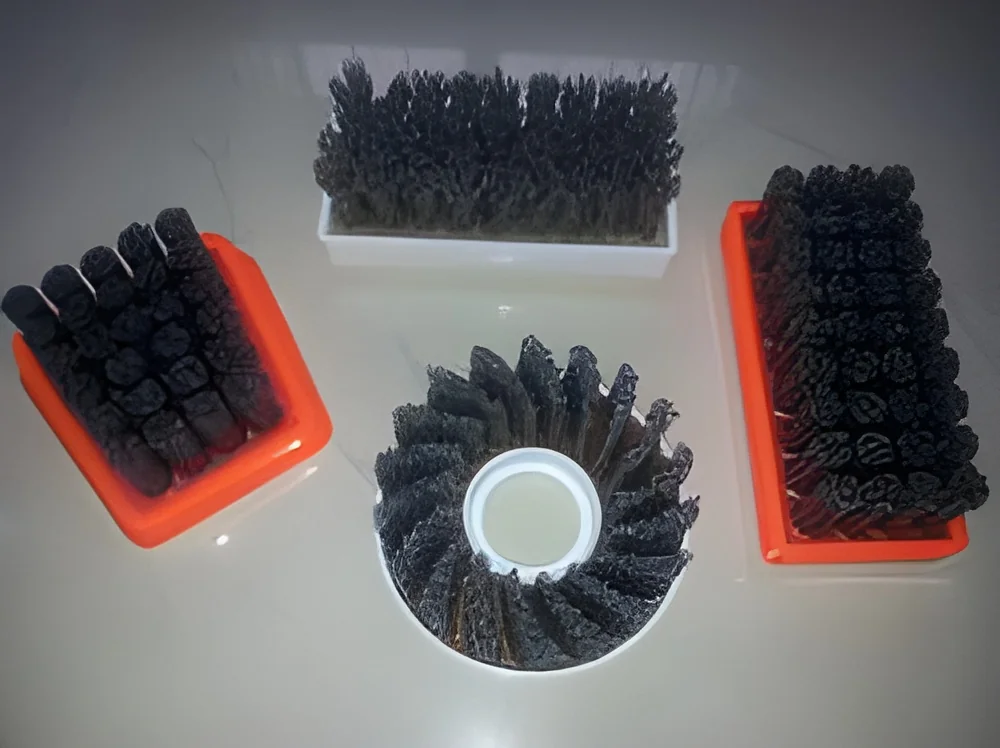
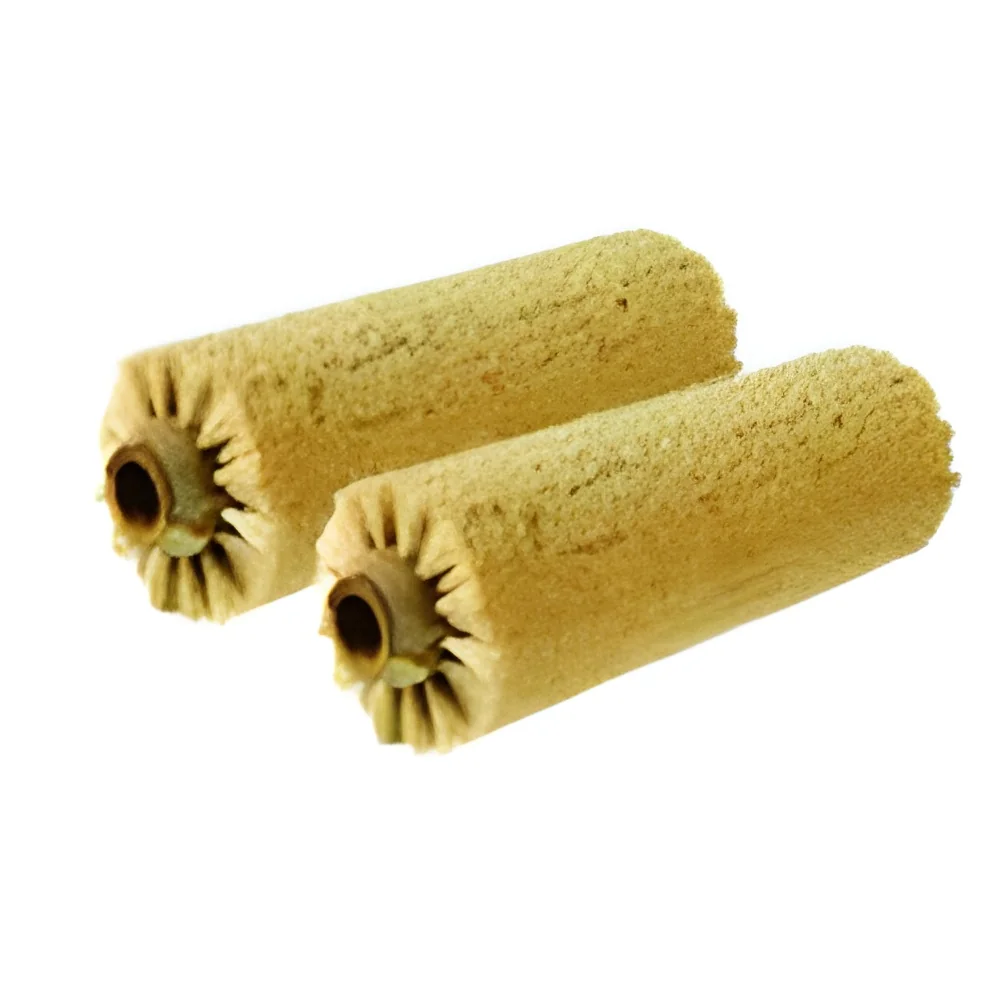
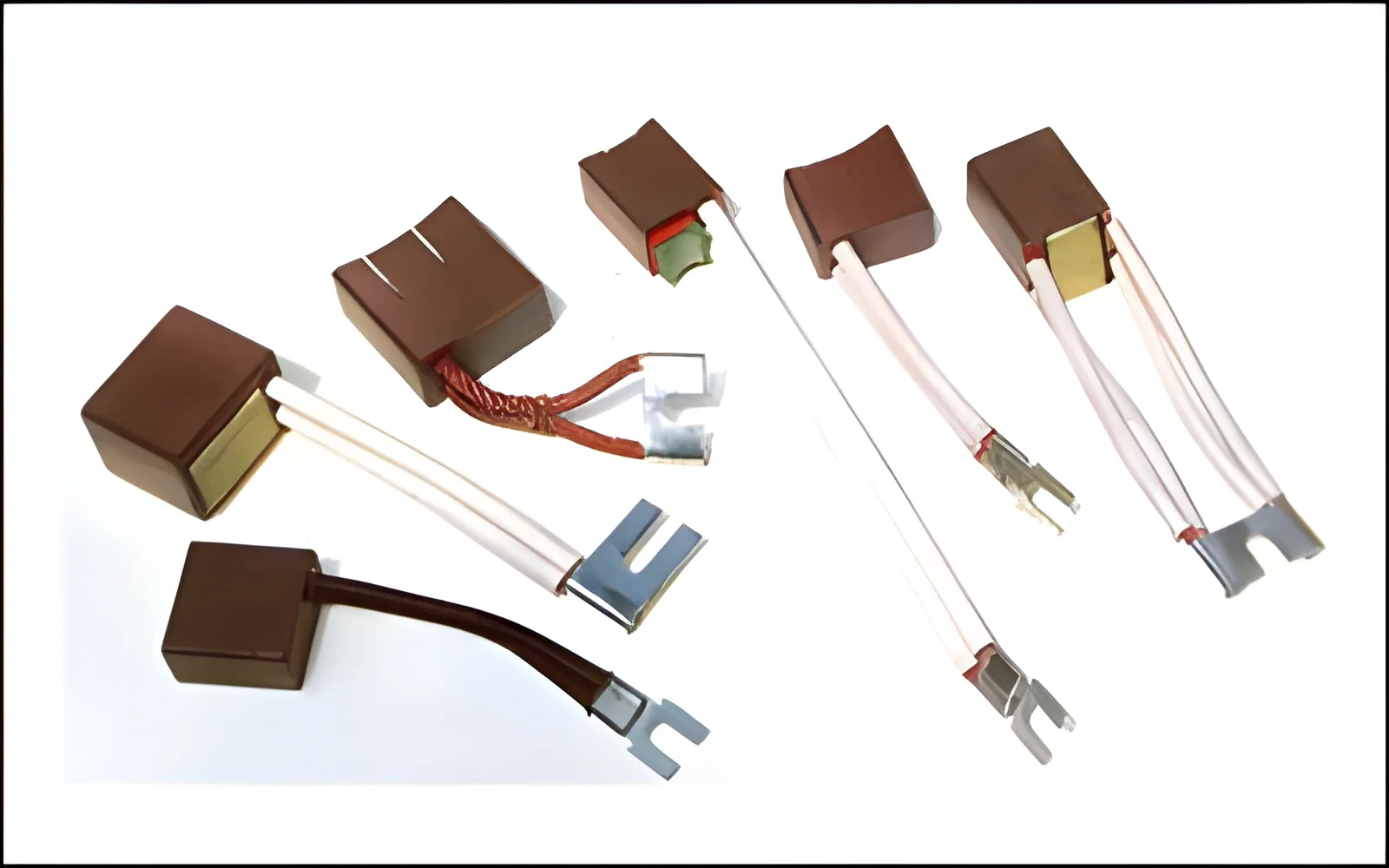
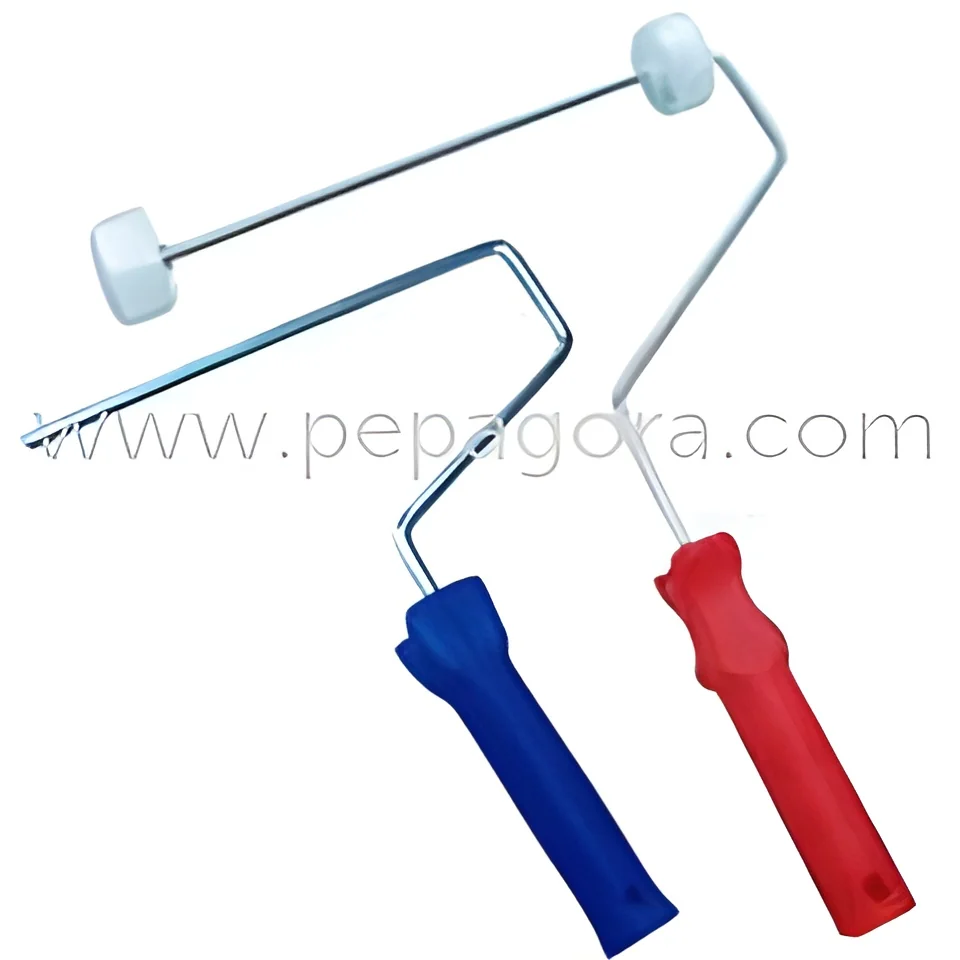
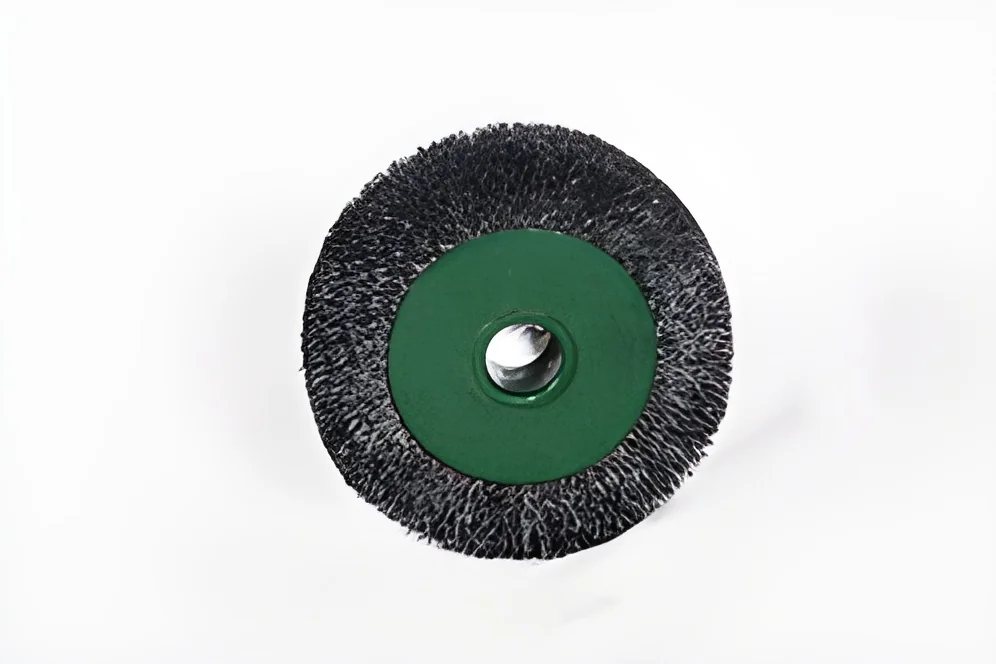
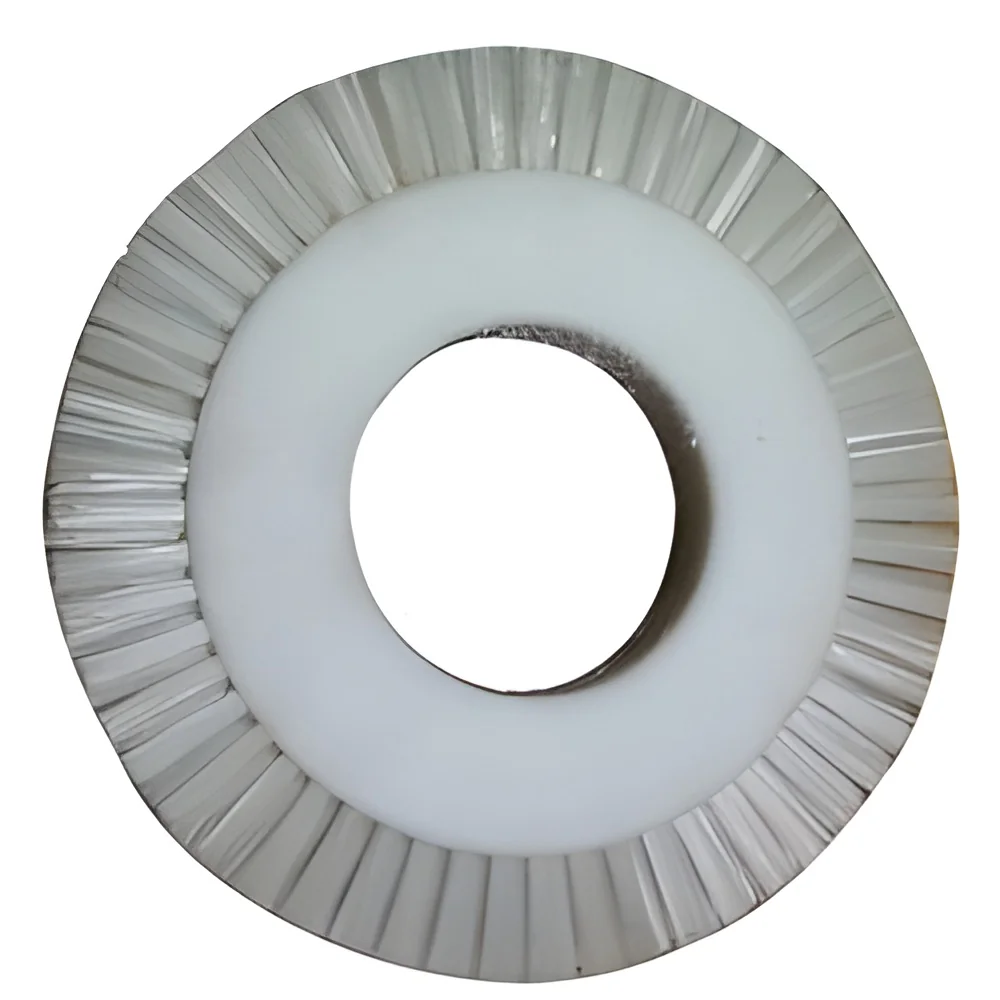
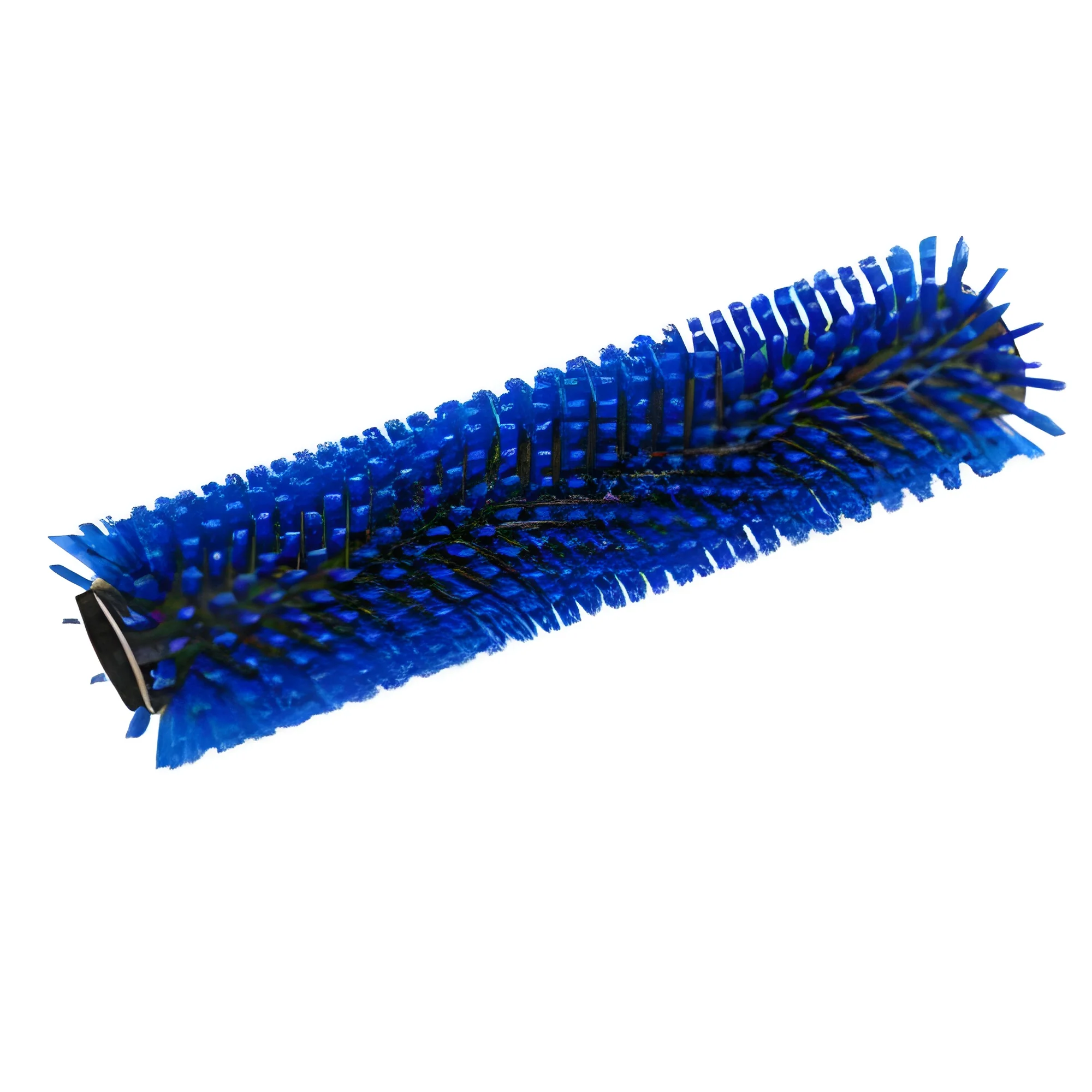
Brushes and scrapers are essential tools used in a variety of industrial and commercial applications. Brushes are designed with bristles that can vary in material and stiffness, enabling them to clean, polish, or apply substances to surfaces. Scrapers, on the other hand, are typically flat tools used to remove unwanted materials like paint, rust, or debris from surfaces. Together, these tools facilitate efficient cleaning and maintenance across different settings.
In business applications, brushes and scrapers are employed in manufacturing, maintenance, and cleaning processes. Industries such as automotive, aerospace, and food processing rely on these tools to ensure cleanliness and adherence to safety standards. They are vital for preparing surfaces, maintaining equipment, and ensuring the quality of products being manufactured. The demand for high-quality brushes and scrapers is steadily growing in the industrial sector, reflecting their importance in maintaining operational efficiency.
As industries evolve and expand, the relevance of brushes and scrapers remains strong. The increasing focus on cleanliness, safety, and efficiency in manufacturing processes drives the market for these tools. Companies are continually looking for durable and effective solutions to meet their specific needs, making brushes and scrapers a crucial aspect of industrial supply chains.
Key Features and Specifications
Brushes and scrapers come with a range of features that cater to various applications. Understanding these specifications is crucial for selecting the right tools for your needs. The following are key specifications to consider:
1. Bristle Material
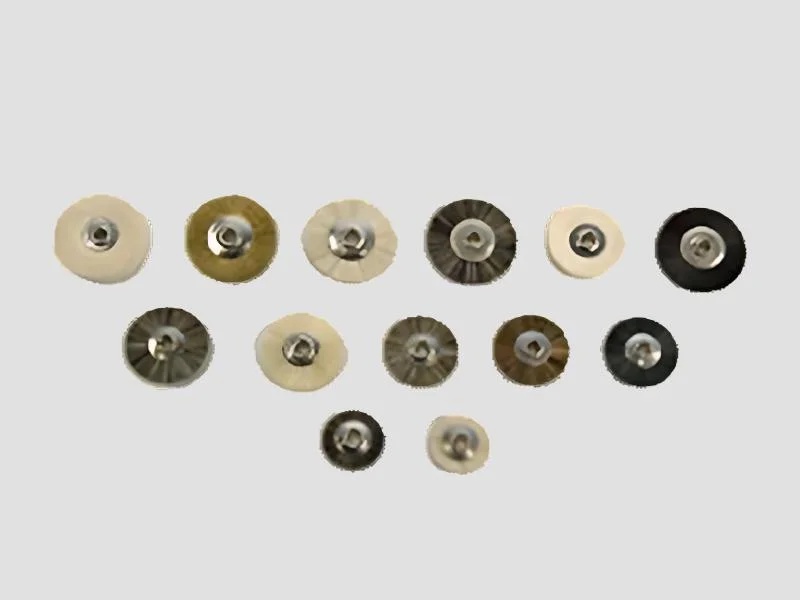
- Options include nylon, polyester, natural fibers, and metal.
- Each material offers different levels of stiffness and durability.
2. Handle Design
- Ergonomic handles are available for comfort during extended use.
- Handle materials can vary from plastic to wood and metal.
3. Size and Shape
- Brushes come in various sizes and shapes, including flat, round, and angled.
- Scrapers are typically flat but may have different blade widths.
4. Cleaning Efficiency
- Some brushes are designed for specific surfaces like delicate electronics or heavy-duty industrial cleaning.
- Scrapers may feature specialized edges for specific applications.
5. Temperature Resistance
- Brushes and scrapers may be rated for high or low-temperature applications.
- Always check specifications for appropriate use in extreme conditions.
6. Durability Rating
- Tools can be rated based on their lifespan and resistance to wear.
- Higher durability ratings indicate longer-lasting tools.
7. Compliance Standards
- Look for compliance with industry standards such as CE certifications.
- Ensure that products meet safety and quality benchmarks.
8. Customizability
- Many suppliers offer options for custom designs based on specific needs.
- Customization may include size, shape, and material.
In summary, understanding the features and specifications of brushes and scrapers is essential for making informed purchasing decisions. Selecting the right tool can significantly impact operational efficiency and maintenance effectiveness.
Common Applications and Use Cases
Brushes and scrapers are utilized across numerous industries for a variety of tasks. They play a crucial role in ensuring cleanliness and maintenance.
1. Automotive Industry: Brushes are commonly used for cleaning engine components and polishing surfaces. Scrapers help remove paint and debris from vehicles during repairs.
2. Aerospace Industry: Brushes are employed for precision cleaning of aircraft parts, while scrapers are used to remove coatings and contaminants.
3. Food Processing Industry: Specialized brushes are used for cleaning equipment and surfaces to maintain hygiene standards. Scrapers help ensure that no food residue remains on machinery.
4. Construction Industry: Brushes assist in cleaning tools and surfaces before painting or sealing. Scrapers are vital for removing old paint and smoothing surfaces.
5. Electronics Manufacturing: Delicate brushes are utilized for cleaning sensitive components. Scrapers are used to remove excess solder or debris from circuit boards.
6. Metalworking: Brushes are essential for deburring and cleaning metal surfaces. Scrapers help in removing scale and rust.
7. Textile Industry: Brushes clean machinery and fabric surfaces, while scrapers are used to remove lint and dust.
These applications illustrate the versatility and necessity of brushes and scrapers across different sectors.
Product Variants and Subcategories
Brushes and scrapers come in various forms to cater to specific needs. This diversity allows businesses to select the most appropriate tools for their applications.
General Purpose Brushes
These brushes are designed for a wide range of cleaning tasks. They typically feature durable bristles and ergonomic handles, making them suitable for both light and heavy-duty use.
Detailing Brushes
Detailing brushes are ideal for precision cleaning in hard-to-reach areas. They often have softer bristles to avoid damaging delicate surfaces and are commonly used in automotive and electronics applications.
Heavy-Duty Scrapers
These scrapers are built for tough tasks, such as removing paint, rust, or adhesives. They feature sturdy blades that can withstand significant pressure and are often used in construction and manufacturing environments.
Soft Bristle Brushes
Soft bristle brushes are perfect for cleaning sensitive surfaces without causing scratches. They are commonly used in the food industry and for cleaning delicate electronic components.
Ergonomic Handle Scrapers
These scrapers are designed for comfort and efficiency. Their ergonomic handles reduce hand fatigue during prolonged use, making them suitable for various industrial applications.
Benefits and Advantages
Using brushes and scrapers in industrial settings provides significant advantages. These benefits can enhance productivity and maintain standards.
1. Enhanced Cleaning Efficiency: Brushes and scrapers are designed to effectively remove dirt and contaminants, ensuring surfaces are clean and ready for use.
2. Versatility: These tools can be used across different applications and industries, making them a valuable addition to any toolkit.
3. Improved Safety: Regular cleaning with brushes and scrapers helps maintain safety standards, reducing the risk of accidents caused by debris or contaminants.
4. Cost-Effective Maintenance: Investing in quality brushes and scrapers can lead to longer-lasting equipment and reduced downtime, ultimately saving costs.
5. Customization Options: Many suppliers offer customizable brushes and scrapers, allowing businesses to tailor tools to their specific needs.
6. Ergonomic Designs: Many tools feature ergonomic designs that enhance user comfort and reduce fatigue during prolonged use.
Buying Guide for B2B Buyers
When sourcing brushes and scrapers, several factors should be considered to ensure the best purchase decisions.
1. Quality Assessment: Look for tools made from high-quality materials that ensure durability and effectiveness. Check reviews and case studies to gauge performance.
2. Supplier Verification: Vet suppliers to ensure they have a reliable track record and can provide quality products. Consider suppliers with industry certifications.
3. Pricing and MOQ: Understand the pricing structure and minimum order quantities required. Compare quotes from multiple suppliers to find the best value.
4. Delivery and Lead Times: Inquire about delivery schedules and lead times to ensure timely availability of tools. Plan purchases based on operational needs.
5. Compliance Requirements: Ensure that the brushes and scrapers meet all relevant compliance and safety standards required for your industry. This includes certifications like CE.
Compliance and Certifications
Compliance with industry standards is critical for brushes and scrapers to ensure safety and quality. Several relevant quality standards apply, including ISO 9001, which focuses on quality management systems. This standard ensures that products are consistently manufactured to meet customer and regulatory requirements.
In addition to ISO certifications, industry-specific certifications such as CE are important. CE marking indicates that products comply with European health, safety, and environmental standards.
Safety and testing requirements are also vital. Brushes and scrapers should undergo rigorous testing to ensure they meet performance standards and do not pose safety risks to users.
Regional compliance considerations may vary, so it is crucial for businesses to ensure that their products meet local regulations. This ensures smooth operations and avoids legal complications.
Why Source Brushes & Scrapers from Pepagora?
Pepagora provides a trusted platform for sourcing brushes and scrapers with several key advantages. The verified supplier network ensures that buyers can find reliable sources for quality tools. Each supplier undergoes thorough vetting, offering peace of mind regarding product quality and service.
The streamlined RFQ process simplifies the quotation system, allowing buyers to request and receive quotes efficiently. This system saves time and enhances the procurement experience.
Trade assurance and support are fundamental aspects of Pepagora's service. Buyers are protected through various measures that ensure their transactions are secure and satisfactory. This support extends to customer service, addressing any concerns that may arise during the purchasing process.
Lastly, Pepagora's geographic reach spans India, GCC, and Southeast Asia. This regional coverage enables businesses to access a diverse range of suppliers and products, catering to specific local needs while ensuring quality and reliability.

 IN
IN
 India
India