
 IN
Broaching Tools
4 products available
What are Broaching Tools?
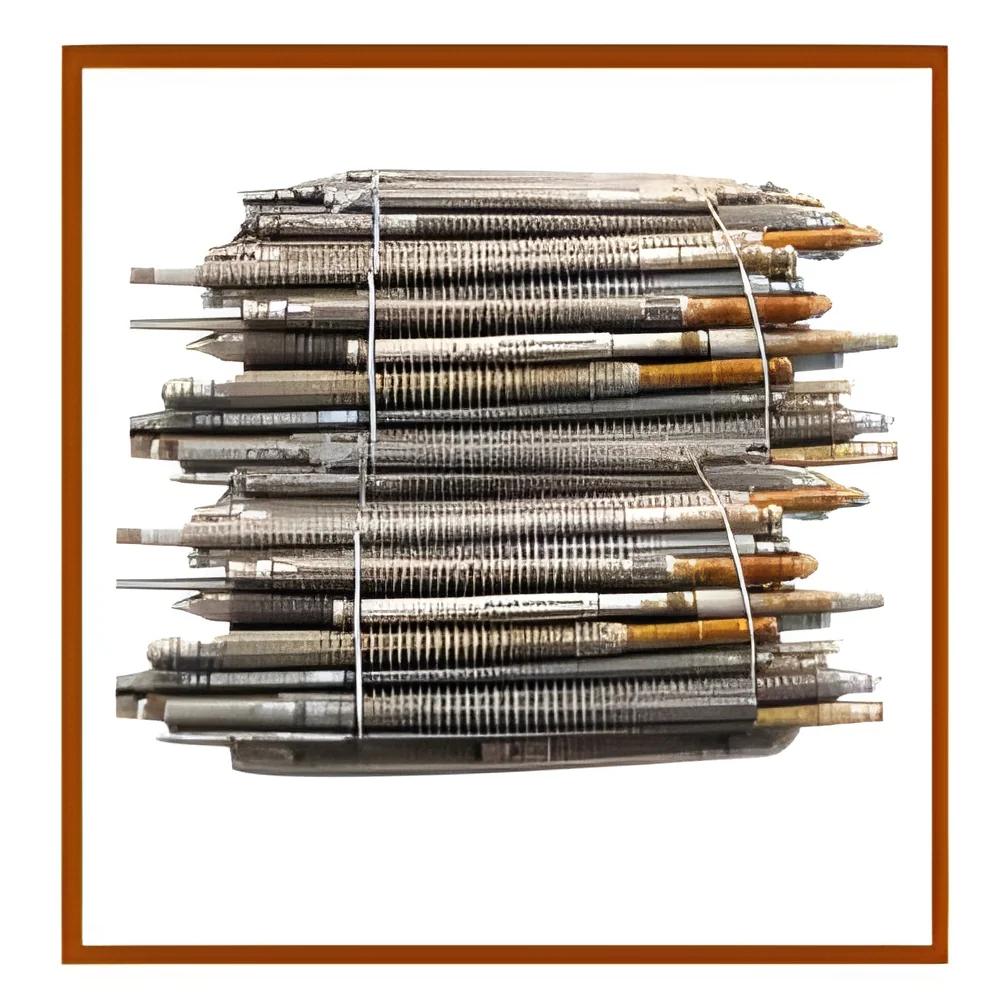
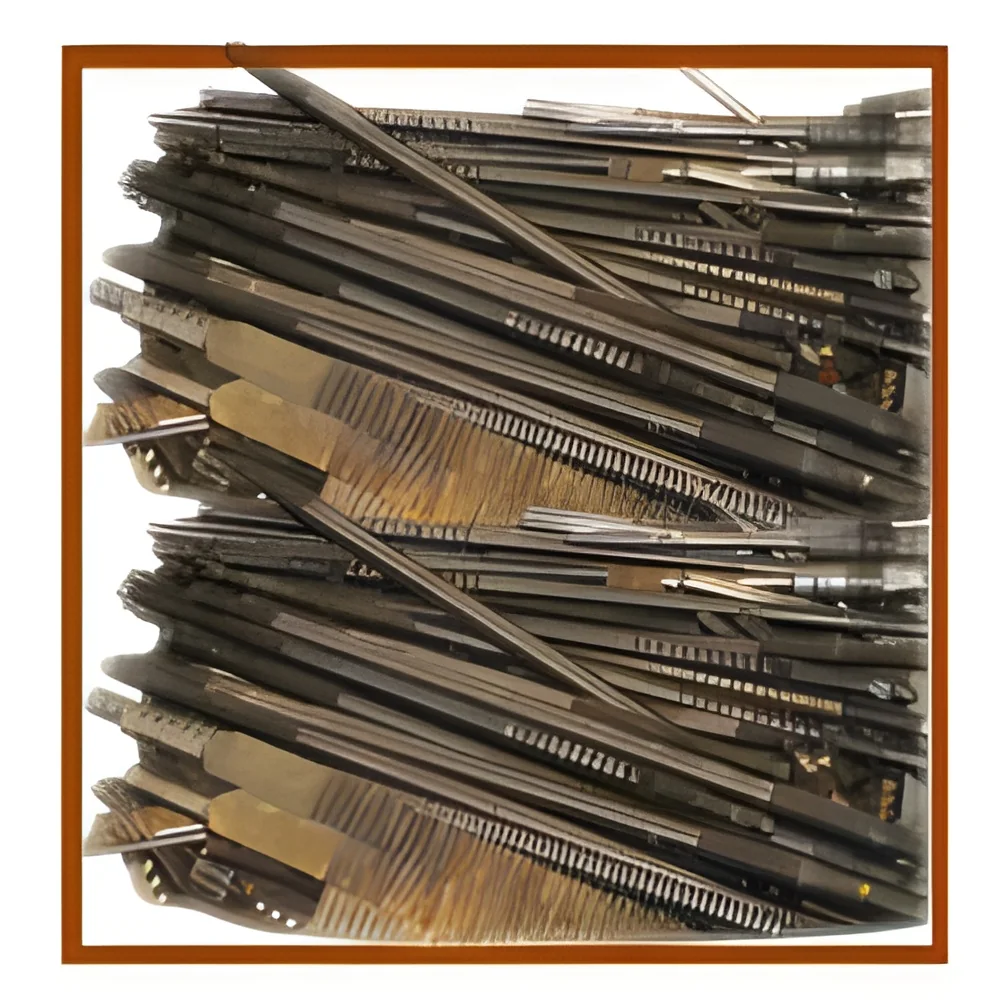
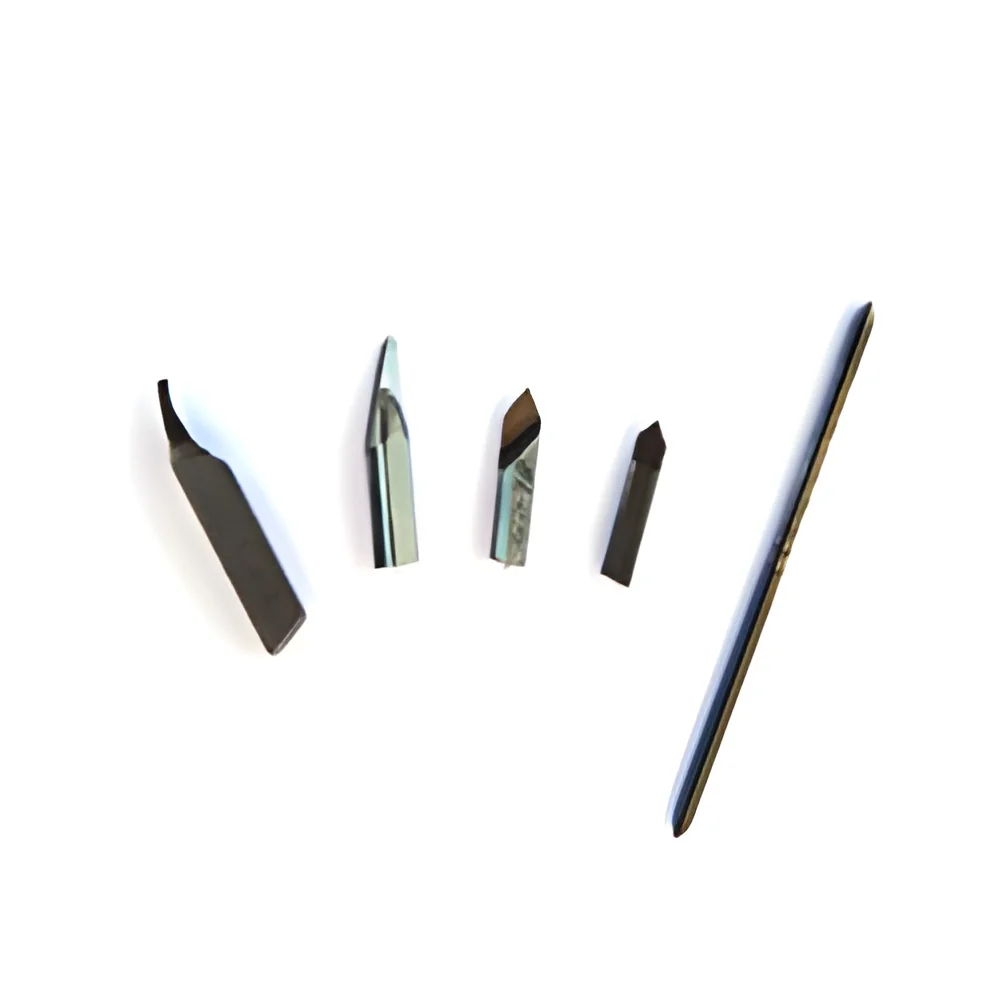
Broaching tools are specialized cutting tools used to remove material from a workpiece through a linear motion. They are designed with a series of teeth that progressively cut into the material, allowing for precision shaping and finishing. Broaching tools can be made from various materials, including high-speed steel and carbide, depending on the application requirements. These tools are known for their ability to create complex shapes and features in a single pass, reducing the need for multiple operations.
These tools find primary applications in industries such as automotive, aerospace, and manufacturing. They are particularly useful for creating keyways, gears, and other intricate profiles in metal components. By utilizing broaching tools, businesses can improve efficiency and accuracy in their machining processes. The market for broaching tools is significant, driven by the ongoing demand for precision-engineered components across various sectors.
Key Features and Specifications
Broaching tools boast a range of features and specifications that make them suitable for various applications. Understanding these specifications is crucial for selecting the right tool for specific needs.
Key specifications include:
1. Material Composition
- Typically made from high-speed steel or carbide for durability and performance.
- Hardness and wear resistance vary with material choice.
2. Tooth Design
- Features a series of cutting edges designed for specific profiles.
- Tooth geometry can affect cutting efficiency and precision.
3. Length and Width
- Available in various lengths and widths to accommodate different workpiece sizes.
- Standard lengths often range from a few inches to several feet.
4. Cutting Angle
- Designed with specific cutting angles for optimized material removal.
- Angles can vary based on the intended application.
5. Tolerance Levels
- Precision tolerances are achievable, often within microns.
- Critical for applications requiring high accuracy.
6. Surface Finish
- Capable of achieving fine surface finishes in one pass.
- Reduces or eliminates the need for secondary finishing operations.
7. Customization Options
- Many manufacturers offer custom tooling solutions.
- Tailored designs for unique applications enhance performance.
In summary, understanding the key features and specifications of broaching tools is essential for businesses to ensure they select the right tools for their machining needs.
Common Applications and Use Cases
Broaching tools serve various industries and applications, making them essential in many manufacturing processes.
1. Automotive: Broaching tools are widely used to create keyways and other complex shapes in engine components, ensuring precise fit and function.
2. Aerospace: These tools are crucial for producing high-precision parts such as gears and landing gear components, where accuracy is paramount.
3. Manufacturing: Broaching tools help in machining operations for various metal parts, improving efficiency and reducing production times.
4. Tool and Die Making: Custom broaching tools are often employed to produce dies and molds, further enhancing their importance in this field.
5. Electronics: In the electronics industry, broaching tools are used to create precise slots and features in connectors and housings.
6. Medical Devices: Precision broaching assists in the production of components used in medical equipment, where stringent quality standards are required.
7. Construction Equipment: Broaching tools are utilized in the manufacture of various components for heavy machinery, ensuring durability and reliability.
Product Variants and Subcategories
Broaching tools come in various forms to meet specific industrial needs. Their diversity allows businesses to choose the right tool for their unique applications.
Standard Broaching Tools
These tools are designed for general applications and are used across various industries. They offer a balance of performance and versatility, making them ideal for standard machining tasks.
Specialized Broaching Tools
Specialized designs cater to specific applications, such as creating unique shapes or profiles. These tools often feature custom tooth geometries tailored to particular components, enhancing efficiency.
Continuous Broaching Tools
Continuous broaching tools are designed for high-volume production runs. They allow for uninterrupted machining, increasing output while maintaining precision.
Rotary Broaching Tools
Used for creating internal shapes, rotary broaching tools are essential in applications requiring precision in blind holes. They provide an effective solution for specific machining challenges.
Benefits and Advantages
Broaching tools offer numerous benefits that enhance machining processes and improve operational efficiency.
1. High Precision: Broaching tools provide exceptional accuracy, achieving tight tolerances that are critical in many applications.
2. Increased Efficiency: The ability to create complex shapes in a single pass reduces machining time and minimizes production costs.
3. Versatility: With various designs available, broaching tools can be utilized across multiple industries, making them a flexible option for manufacturers.
4. Improved Surface Finish: Broaching often results in superior surface finishes compared to other machining methods, reducing the need for secondary operations.
5. Customization: Many suppliers offer the option to customize broaching tools, ensuring they meet specific project requirements.
6. Durability: Made from high-quality materials, broaching tools are built to withstand rigorous machining conditions, ensuring longevity and reliability.
Buying Guide for B2B Buyers
When sourcing broaching tools, several factors should be considered to ensure optimal selection and procurement.
1. Quality Assessment: Evaluate tools based on material composition, construction quality, and performance specifications. High-quality tools lead to better machining results.
2. Supplier Verification: Conduct thorough research on suppliers to ensure they have a reputation for reliability and quality. Check for certifications and customer reviews.
3. Pricing and MOQ: Understand the pricing structure and minimum order quantities (MOQ) to align with budget constraints and production needs.
4. Delivery and Lead Times: Consider logistics and delivery timelines, as timely procurement is crucial for maintaining production schedules.
5. Compliance Requirements: Ensure that the tools meet industry standards and regulatory requirements to avoid compliance issues during manufacturing.
Compliance and Certifications
Broaching tools must adhere to various compliance and certification standards to ensure quality and safety in manufacturing processes.
Relevant quality standards, such as ISO 9001, are important for ensuring consistent quality management systems within manufacturing. These standards help in maintaining high production quality and reliability.
Industry certifications, like CE marking, signify that broaching tools meet European safety and environmental protection requirements. This is particularly important for companies operating in or exporting to Europe.
Safety and testing requirements are also critical in the manufacturing of broaching tools. Tools must undergo rigorous testing to ensure they perform safely and effectively under operational conditions.
Additionally, regional compliance considerations may vary based on local regulations. It is essential for businesses to be informed about these requirements to avoid penalties and ensure smooth operations.
Why Source Broaching Tools from Pepagora?
Pepagora offers a trusted platform for sourcing broaching tools, providing several key advantages for B2B buyers.
Verified Supplier Network: Pepagora has established a network of verified suppliers, ensuring that buyers have access to high-quality broaching tools and reliable service. This verification process helps mitigate risks associated with sourcing.
Streamlined RFQ Process: The Request for Quotation (RFQ) process on Pepagora is designed for efficiency, allowing buyers to quickly gather quotes from multiple suppliers. This simplifies the procurement process and helps businesses compare options easily.
Trade Assurance and Support: Buyers can benefit from trade assurance programs that protect their investments and provide support throughout the procurement process. This includes assistance with negotiations and resolving potential issues.
Regional Coverage: Pepagora has a significant presence in regions like India, the GCC, and Southeast Asia, allowing businesses to connect with suppliers that cater to their specific geographic needs. This regional coverage enhances accessibility to a diverse range of broaching tools.

 India

 India
Frequently Asked Questions
What are Broaching Tools?
Broaching tools are cutting tools used to remove material from a workpiece by moving the tool in a linear motion across the surface. They are commonly used in machining processes to create precise shapes and sizes in metal, plastic, or other materials.
What are the different types of Broaching Tools?
There are primarily two types of broaching tools: internal broaching tools, which are used to cut internal features, and external broaching tools, which shape the outer surfaces. Additionally, broaches can be classified based on their design, such as flat broaches, round broaches, and keyway broaches.
How do I choose the right Broaching Tools?
Choosing the right broaching tools involves considering factors such as the material of the workpiece, the required tolerances, and the type of cut needed. It is also important to assess the machine's capabilities and the broach's compatibility with the production process.
What are the standard specifications for Broaching Tools?
Standard specifications for broaching tools include dimensions such as length, width, and thickness, as well as the shape of the cutting edges. Additionally, the material of the broach, tooth geometry, and cutting angle are important specifications that affect performance.
What is the price range for Broaching Tools?
The price of broaching tools can vary widely based on factors such as size, type, and manufacturer. On average, prices may range from a few hundred to several thousand Indian Rupees, depending on the complexity and material of the tool.
What quality standards apply to Broaching Tools?
Broaching tools are typically manufactured following industry standards such as ISO, ASTM, or specific customer requirements. Quality assurance measures, including hardness testing and dimensional verification, are also important to ensure the tools meet performance expectations.
Where can I find Broaching Tools suppliers in India?
You can find broaching tools suppliers in India through various B2B marketplaces like Pepagora.com, industry trade shows, and local manufacturing directories. Additionally, networking within the machining industry can help identify reliable suppliers.
Can Broaching Tools be customized?
Yes, broaching tools can be customized to meet specific requirements, such as unique shapes or sizes. Many manufacturers offer customization services to cater to the particular needs of their clients, ensuring optimal performance in specific applications.
What is the typical minimum order quantity for Broaching Tools?
The typical minimum order quantity (MOQ) for broaching tools can vary by manufacturer but often starts at 5 to 10 pieces. It's advisable to check with individual suppliers for their specific MOQs, as they may also offer flexibility based on the customer’s needs.
What is the typical lead time for Broaching Tools?
The lead time for broaching tools can vary based on factors such as the type of tool, customization, and supplier. Generally, it ranges from a few days to several weeks, depending on the availability of materials and production schedules.
Why Businesses Trust Pepagora
Thousands of companies trust Pepagora to source smarter and sell faster
Expand Your Sales Globally

Source Smarter,Grow Faster
