
 IN
Bone Meal & Blood Meal
1 products available
What are Bone Meal & Blood Meal?
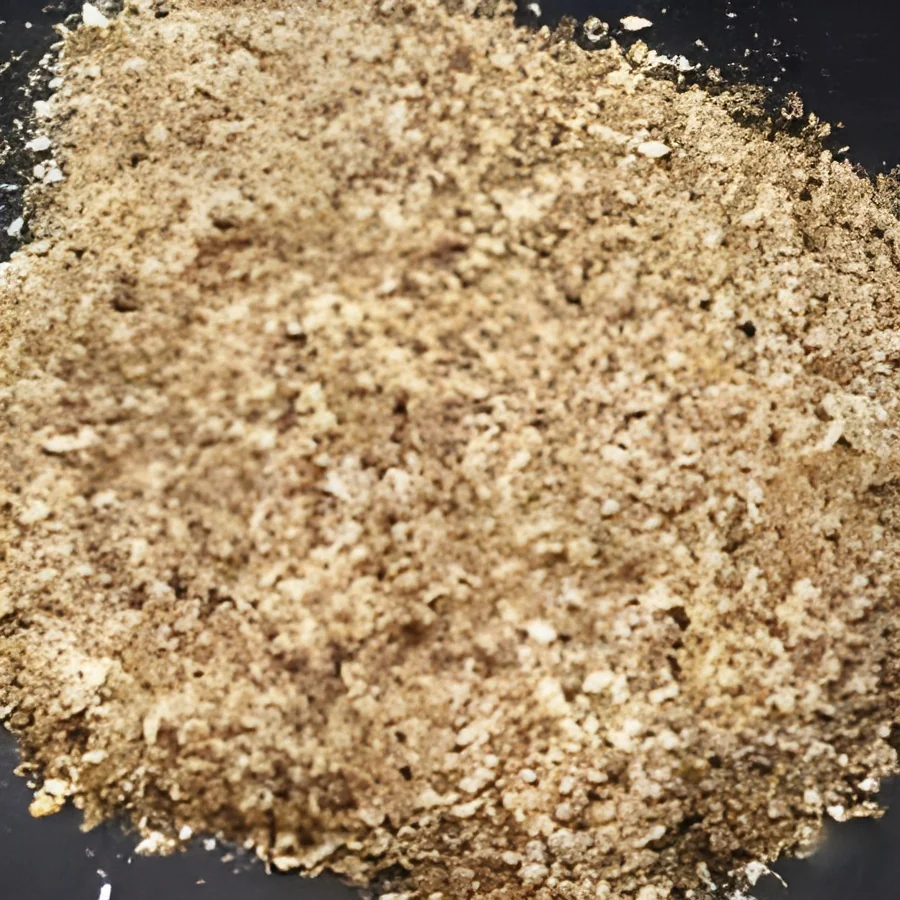
Bone Meal and Blood Meal are organic fertilizers derived from animal byproducts. Bone Meal is produced by grinding animal bones into a fine powder, rich in phosphorus and calcium, which are essential nutrients for plant growth. Blood Meal, on the other hand, is made from dried animal blood, providing a high nitrogen content that promotes vigorous plant growth and enhances green foliage.
These products are primarily used in agriculture and gardening to improve soil fertility and promote healthy plant development. Bone Meal is often applied during planting to strengthen root systems, while Blood Meal is typically used as a nitrogen supplement throughout the growing season. Both products are crucial in sustainable farming practices, providing a natural alternative to synthetic fertilizers, thereby supporting soil health and crop productivity.
In the current market, there is an increasing demand for organic fertilizers as consumers and businesses alike seek environmentally friendly solutions. Bone Meal and Blood Meal are gaining traction among organic farmers, landscapers, and gardeners who prioritize sustainability and crop quality. The global market for organic fertilizers is projected to grow, driven by the need for sustainable agricultural practices.
Key Features and Specifications
Bone Meal and Blood Meal offer several key features that make them valuable in various agricultural applications. Their specifications can vary based on the source and processing methods.
Key specifications include:
1. Nutrient Composition
- Bone Meal typically contains 4-20% phosphorus and 2-5% calcium.
- Blood Meal usually has around 12-15% nitrogen content.
2. Particle Size
- Bone Meal is available in fine to coarse granules, allowing for varied application methods.
- Blood Meal is usually a fine powder, ensuring easy mixing with soil or compost.
3. Moisture Content
- Bone Meal generally has a moisture content below 10%, which helps in storage and application.
- Blood Meal has a moisture level of around 8-12%, impacting stability and shelf life.
4. pH Level
- Bone Meal typically has a neutral pH between 6.0-7.5.
- Blood Meal usually has a slightly acidic pH, around 5.5-6.5.
5. Solubility
- Bone Meal has limited solubility in water, providing slow-release nutrients.
- Blood Meal is more soluble, offering rapid nutrient availability to plants.
6. Origin
- Bone Meal is sourced from various livestock, including cattle and poultry.
- Blood Meal is primarily derived from cattle and pigs.
7. Organic Certification
- Both Bone Meal and Blood Meal can be certified organic, depending on the sourcing and processing methods.
In summary, the specific features and specifications of Bone Meal and Blood Meal highlight their essential roles as organic fertilizers, supporting sustainable agriculture and effective nutrient management.
Common Applications and Use Cases
Bone Meal and Blood Meal serve various industries, reflecting their versatility in agricultural practices.
1. Agriculture: Farmers utilize Bone Meal for improving soil fertility and enhancing crop yields, particularly for root vegetables and flowering plants.
2. Horticulture: Gardeners often incorporate Blood Meal to promote lush green foliage in ornamental plants and vegetables, improving overall plant health.
3. Landscaping: Landscape professionals use both products to enrich soil in garden beds and lawns, ensuring robust plant growth and vibrant landscapes.
4. Organic Farming: Organic growers favor Bone Meal and Blood Meal as natural fertilizers, aligning with their commitment to sustainable practices and avoiding synthetic chemicals.
5. Home Gardening: Home gardeners apply these products to boost nutrient levels in their home gardens, fostering healthy plant growth and improved harvests.
6. Turf Management: Sports fields and golf courses benefit from the application of these organic fertilizers to maintain healthy grass and turf conditions.
7. Composting: Both Bone Meal and Blood Meal can be added to compost piles to enhance nutrient content, speeding up the decomposition process and enriching the finished compost.
Product Variants and Subcategories
Bone Meal and Blood Meal come in various forms to suit different agricultural needs, ensuring flexibility for users.
Bone Meal (Standard Grade)
This variant is finely ground, ensuring easy application and optimal nutrient release. It is suitable for a wide range of plants, including vegetables and flowers, making it a versatile choice for gardeners and farmers.
Blood Meal (High Nitrogen)
This variant offers a concentrated source of nitrogen, ideal for leafy greens and other nitrogen-loving plants. It is commonly used by organic farmers to boost growth during critical growing periods.
Bone Meal (Organic Certified)
This variant is sourced from organic livestock and processed without synthetic additives. It is preferred by organic farmers and gardeners seeking to maintain organic certification for their crops.
Blood Meal (Dried Powder)
This variant is available in a dried powder form for easy mixing with soil or other fertilizers. Its fine texture promotes quick nutrient absorption, making it ideal for rapid plant growth.
Benefits and Advantages
Bone Meal and Blood Meal provide a range of benefits that enhance their appeal as organic fertilizers.
1. Nutrient Rich: Both products supply essential nutrients, promoting healthy plant growth and improving yield.
2. Environmentally Friendly: As natural fertilizers, they contribute to sustainable farming practices and reduce reliance on synthetic chemicals.
3. Soil Health Improvement: They enhance soil fertility and structure, benefiting long-term agricultural productivity.
4. Versatile Applications: Suitable for various crops and gardening methods, these products meet diverse agricultural needs.
5. Cost-Effective: They offer an economical solution for nutrient management in large-scale farming and home gardening.
6. Organic Certification: Many variants are certified organic, appealing to growers focused on organic practices.
Buying Guide for B2B Buyers
When sourcing Bone Meal and Blood Meal, it is essential to consider several factors to ensure quality and suitability for your needs.
1. Quality Assessment: Look for products that meet established nutrient content specifications. Conduct laboratory tests if necessary to verify purity and nutrient levels.
2. Supplier Verification: Vet suppliers by checking their certifications, production processes, and customer reviews. Ensure they comply with industry standards and regulations.
3. Pricing and MOQ: Compare prices from different suppliers and consider minimum order quantities. Understanding market rates can help in negotiating better deals.
4. Delivery and Lead Times: Assess suppliers' logistics capabilities to ensure timely delivery. Confirm lead times to avoid disruptions in your production schedule.
5. Compliance Requirements: Ensure that the products meet local and regional regulations regarding animal byproducts and organic fertilizers. Familiarize yourself with any necessary certifications.
Compliance and Certifications
Bone Meal and Blood Meal must adhere to specific quality standards to ensure safety and effectiveness in agricultural use. Relevant quality standards include ISO 9001, which emphasizes consistent quality management systems in production. Additionally, Hazard Analysis and Critical Control Points (HACCP) guidelines are important for identifying and mitigating potential safety risks in the manufacturing process.
Industry certifications such as CE are crucial for demonstrating compliance with European safety standards, making these products suitable for international markets.
Safety and testing requirements involve rigorous checks for contaminants and proper labeling, ensuring transparency in ingredient sourcing and processing. Regional compliance considerations may vary, so it is vital to stay informed about local regulations governing the use of animal byproducts in fertilizers.
Why Source Bone Meal & Blood Meal from Pepagora?
Pepagora provides a trusted platform for sourcing Bone Meal and Blood Meal with several key advantages that cater to B2B buyers.
Verified Supplier Network: Pepagora ensures that all suppliers in its network are thoroughly vetted for quality and compliance. This gives buyers confidence in the products they source.
Streamlined RFQ Process: The request for quotation (RFQ) system simplifies the procurement process, allowing buyers to receive competitive quotes from multiple suppliers quickly.
Trade Assurance and Support: Buyers are protected through trade assurance policies that ensure product quality and timely delivery. Pepagora offers dedicated support throughout the purchasing process.
Regional Coverage: With a strong presence in India, the GCC, and Southeast Asia, Pepagora facilitates connections between buyers and suppliers across multiple regions, enhancing market reach and accessibility.

 India
Frequently Asked Questions
What are Bone Meal & Blood Meal?
Bone meal is a natural fertilizer made from ground animal bones, providing essential nutrients like phosphorus and calcium to plants. Blood meal, on the other hand, is a dry powder made from animal blood, rich in nitrogen, making it an excellent organic fertilizer for promoting plant growth.
What are the different types of Bone Meal & Blood Meal?
Bone meal is primarily available in two types: steamed bone meal and raw bone meal, with steamed being more processed and safer for plants. Blood meal is also available in various forms, including granular and powdered, catering to different application methods.
How do I choose the right Bone Meal & Blood Meal?
To choose the right Bone Meal & Blood Meal, consider your specific gardening or agricultural needs, such as the nutrient requirements of your soil. Additionally, evaluate the source and processing methods to ensure quality and safety.
What are the standard specifications for Bone Meal & Blood Meal?
Standard specifications for Bone Meal typically include a phosphorus content of 4-12% and calcium content of 15-30%. Blood Meal usually has a nitrogen content of 12-15%, and it's important to check the moisture content and particle size for optimal use.
What is the price range for Bone Meal & Blood Meal?
The price range for Bone Meal & Blood Meal can vary significantly based on quality, sourcing, and quantity. Generally, Bone Meal can range from INR 30 to INR 100 per kg, while Blood Meal can range from INR 50 to INR 150 per kg.
What quality standards apply to Bone Meal & Blood Meal?
Quality standards for Bone Meal & Blood Meal typically include compliance with organic certification standards, absence of contaminants, and meeting specific nutrient content requirements. It's essential to source from reputable manufacturers who adhere to these standards.
Where can I find Bone Meal & Blood Meal suppliers in India?
You can find Bone Meal & Blood Meal suppliers in India through various online marketplaces, agricultural supply stores, and specialized fertilizer manufacturers. Platforms such as Pepagora.com provide a comprehensive list of verified suppliers.
Can Bone Meal & Blood Meal be customized?
Yes, Bone Meal & Blood Meal can often be customized based on specific nutrient ratios or particle sizes according to the buyer's requirements. It is advisable to discuss customization options directly with manufacturers or suppliers.
What is the typical minimum order quantity for Bone Meal & Blood Meal?
The typical minimum order quantity (MOQ) for Bone Meal & Blood Meal can vary by supplier but generally ranges from 100 kg to 1 ton. Larger suppliers may offer flexibility in MOQs based on customer needs.
What is the typical lead time for Bone Meal & Blood Meal?
The typical lead time for Bone Meal & Blood Meal orders can range from 1 week to 4 weeks, depending on the supplier, availability, and order size. It is advisable to confirm the lead time with the supplier before placing an order.
Why Businesses Trust Pepagora
Thousands of companies trust Pepagora to source smarter and sell faster
Expand Your Sales Globally

Source Smarter,Grow Faster
