What are Binoculars & Telescopes?
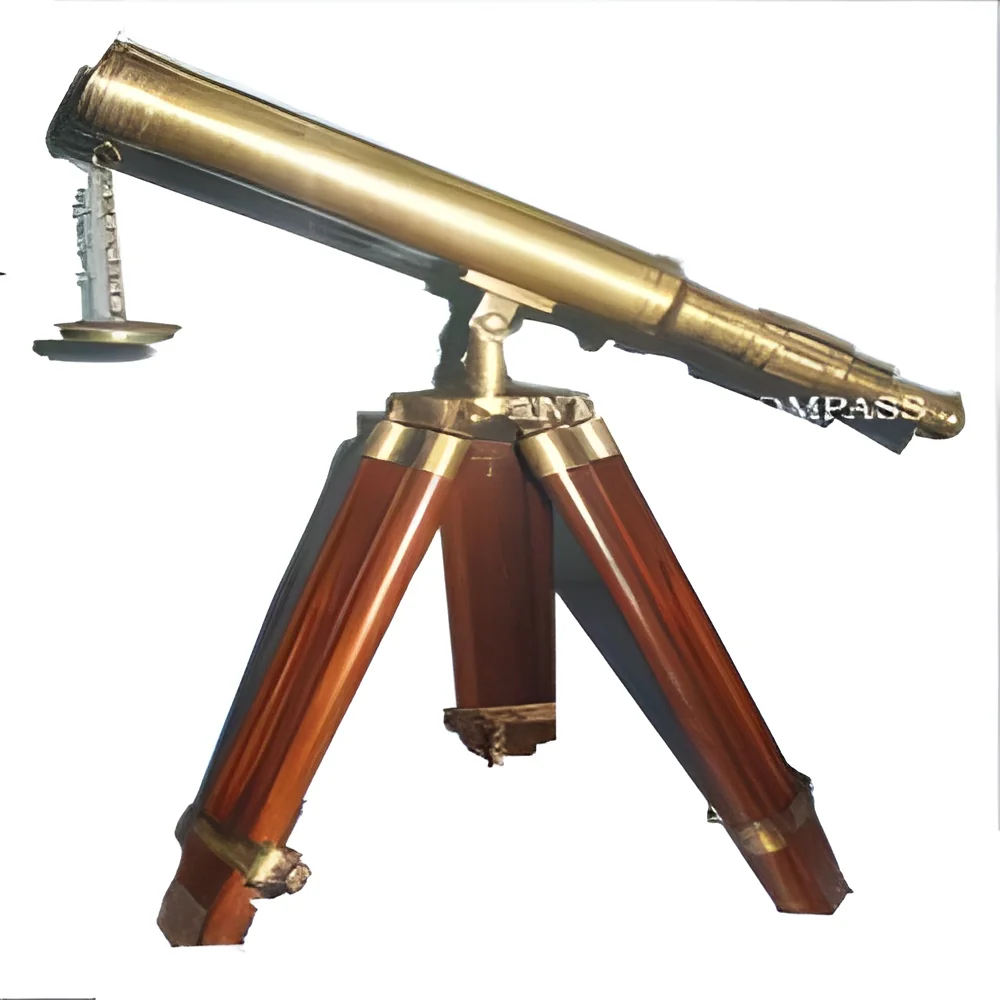
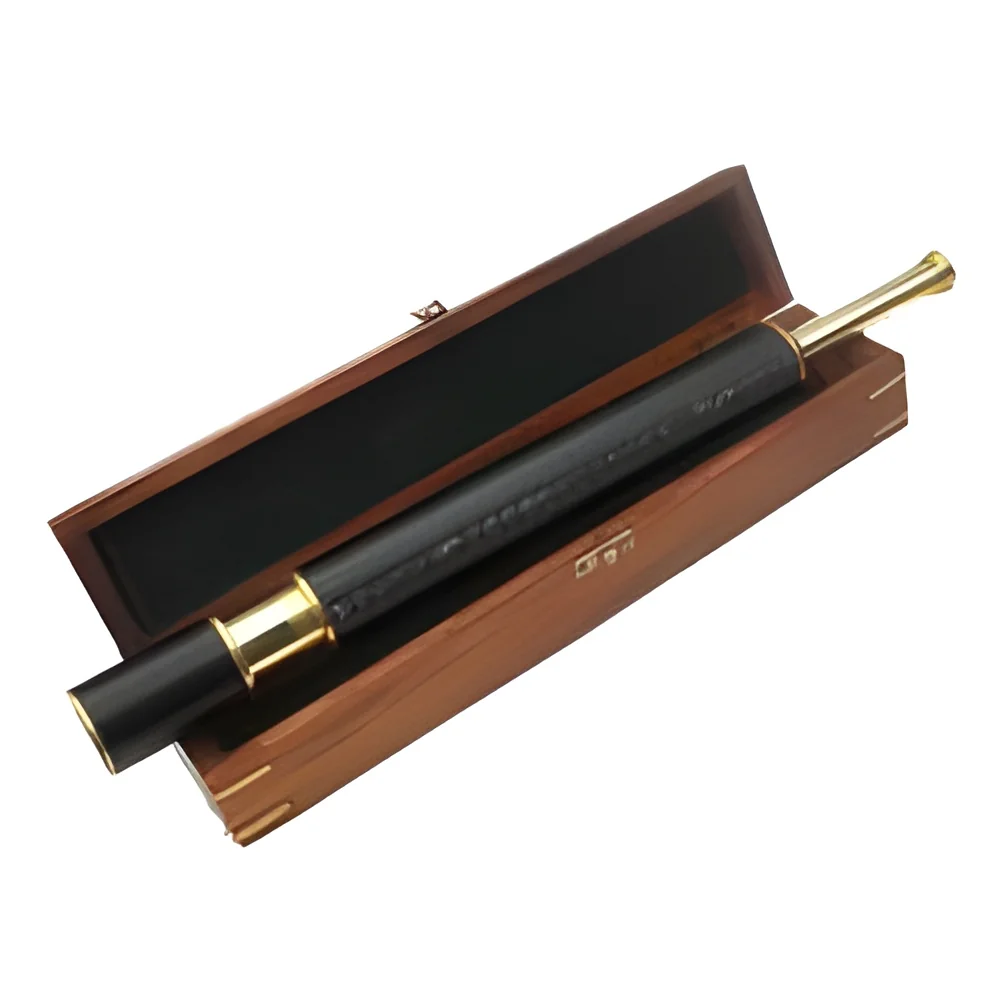
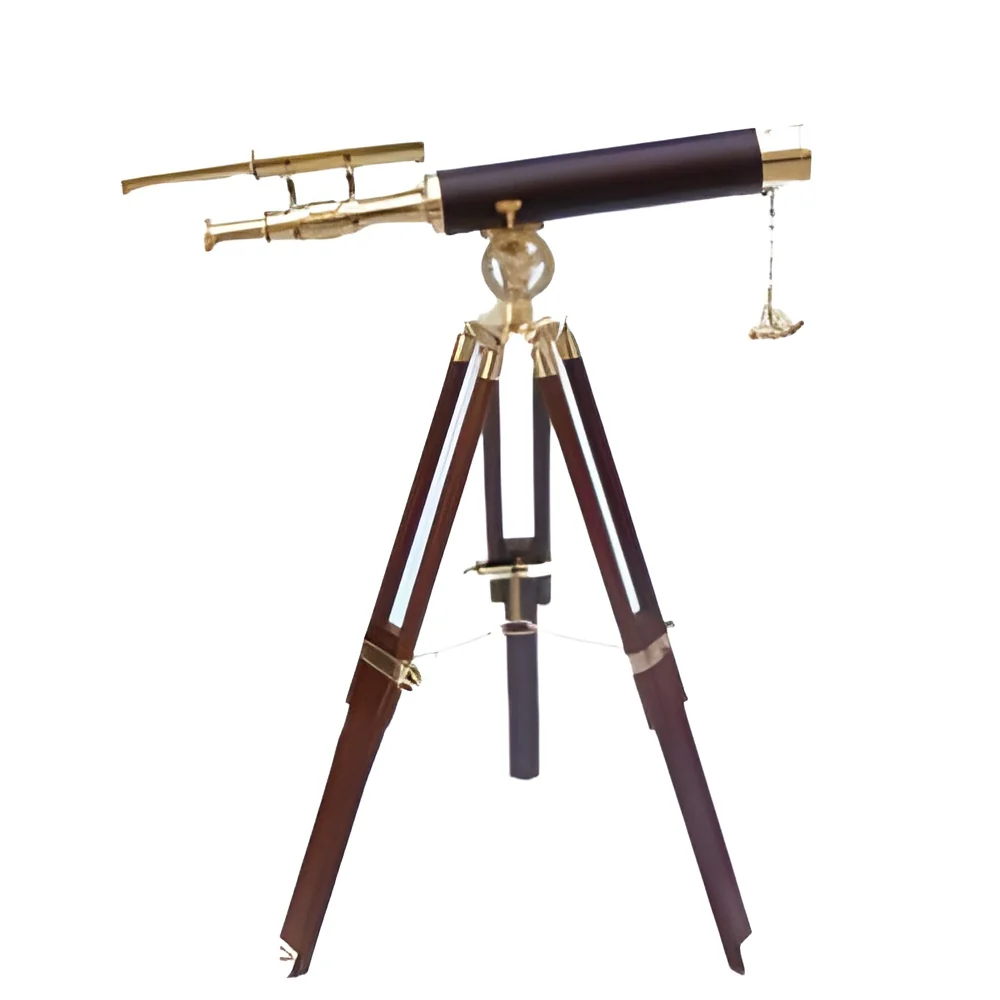
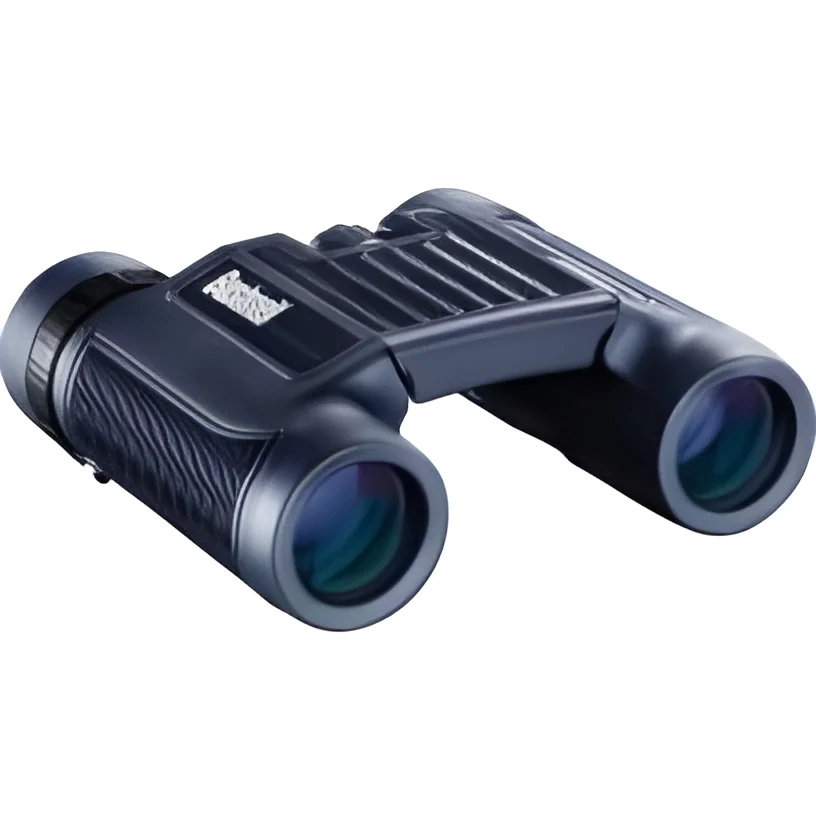
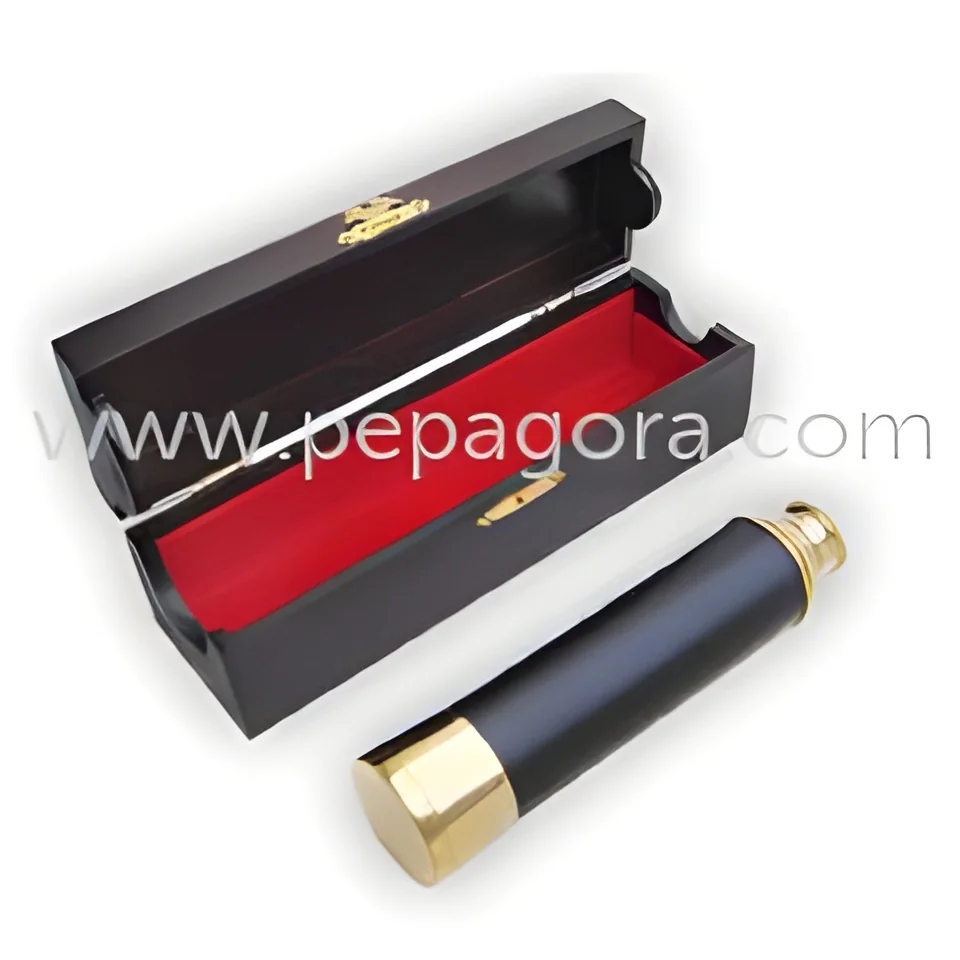
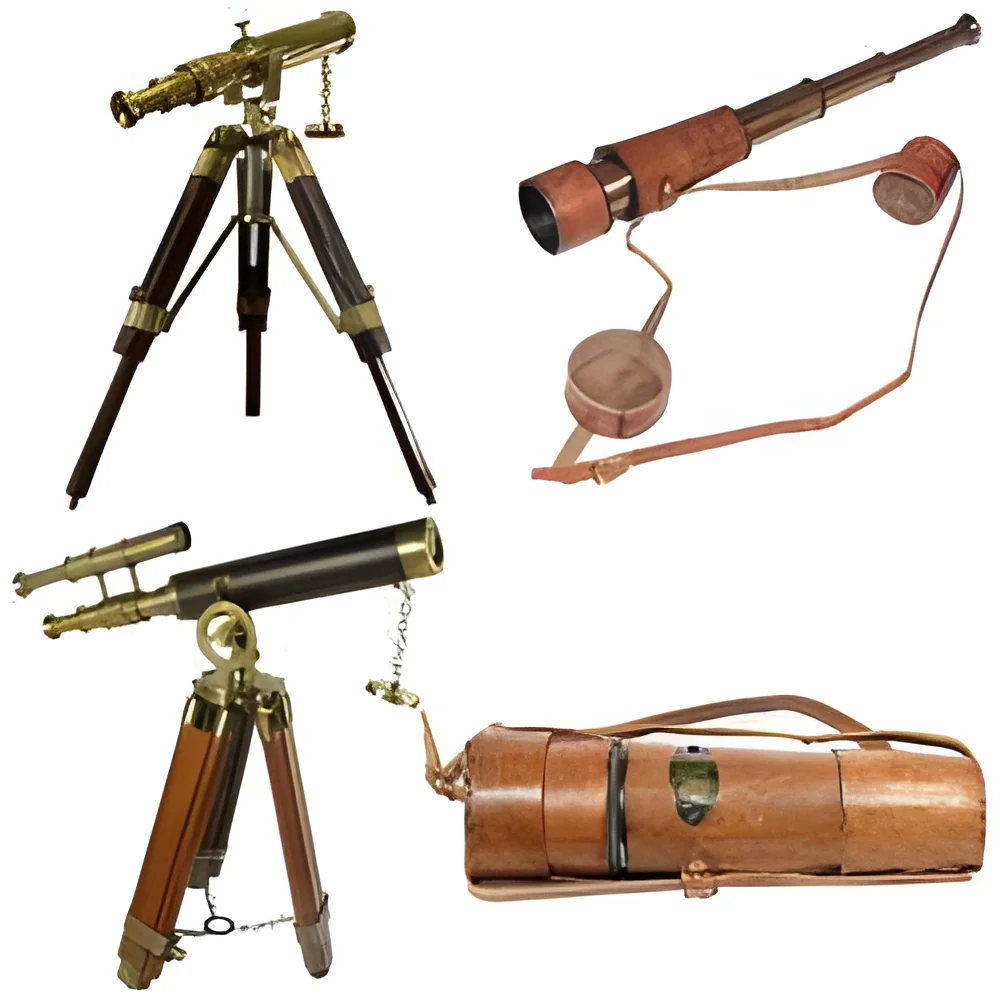
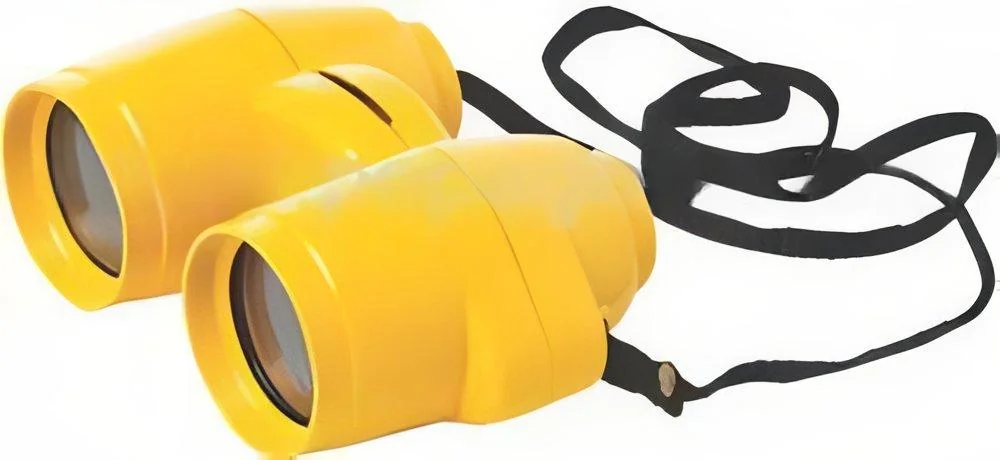
Binoculars and telescopes are optical devices designed for magnifying distant objects. Binoculars consist of two telescopes mounted side by side, allowing for a three-dimensional view, while telescopes are typically used for astronomical observations and can magnify distant celestial bodies. Both devices utilize lenses and prisms to enhance visibility and detail, making them essential tools in various applications.
These optical instruments find primary use in fields such as astronomy, wildlife observation, surveying, and security. Businesses rely on binoculars for tasks like monitoring wildlife, conducting field research, and ensuring safety in large areas. Telescopes are fundamental in academic and research settings, providing detailed observations of stars and planets. The market for these products continues to grow as technology advances, and as more industries recognize the importance of high-quality optical solutions.
Key Features and Specifications
When selecting binoculars and telescopes, certain features and specifications are crucial for ensuring performance and suitability for various applications. Understanding these specifications helps buyers make informed decisions based on their specific needs.
Key specifications include:
1. Magnification
- Indicates how much larger an object appears through the device.
- Common ranges include 8x to 20x for binoculars and up to 100x for telescopes.
2. Objective Lens Diameter
- Refers to the lens at the front of the binoculars or telescope, impacting light-gathering ability.
- Typical sizes range from 25mm to 70mm for binoculars and 70mm to 200mm for telescopes.
3. Field of View
- Represents the width of the observable area at a distance of 1,000 yards.
- Generally expressed in feet and varies widely based on design.
4. Prism Type
- Describes the optical prisms used, which affect image quality and size.
- Common types include Porro and Roof prisms in binoculars.
5. Coating Type
- Refers to the lens coatings that enhance light transmission and reduce glare.
- Multi-coated and fully multi-coated lenses provide superior performance.
6. Weight
- Important for portability, especially for field use.
- Binoculars typically range from 1-3 pounds; telescopes can vary more significantly.
7. Waterproof and Fog-proof
- Indicates the device's ability to withstand moisture and temperature changes.
- Essential for outdoor use, especially in humid or wet environments.
8. Tripod Adaptability
- Refers to the ability to mount the device on a tripod for stability.
- Widely available in telescope models and some high-power binoculars.
In summary, understanding these features and specifications helps users select the right binoculars or telescopes for their specific needs and enhances overall usability and performance.
Common Applications and Use Cases
Binoculars and telescopes are utilized in a variety of industries, each with unique applications.
1. Astronomy: Telescopes are essential for stargazing and studying celestial events, enabling astronomers to observe distant stars and galaxies in detail.
2. Wildlife Observation: Binoculars provide naturalists and researchers with the ability to observe animals in their habitats without disturbing them, aiding in research and conservation efforts.
3. Security and Surveillance: Both devices are crucial for security personnel to monitor large areas and identify potential threats from a distance.
4. Education: Educational institutions use telescopes and binoculars to teach students about optics, astronomy, and biology, fostering curiosity and learning.
5. Sports: Spectators use binoculars to enhance their viewing experience at sporting events, providing a closer view of the action.
6. Military and Defense: Binoculars are used for reconnaissance, allowing soldiers to assess situations from a safe distance.
7. Surveying: Professionals use these devices for land surveying and construction planning, providing accurate measurements and observations.
Product Variants and Subcategories
Binoculars and telescopes come in various types and models, catering to different user needs and preferences.
Compact Binoculars: These lightweight and portable binoculars are designed for casual use, making them ideal for hiking, birdwatching, and travel. They offer convenience without compromising on quality.
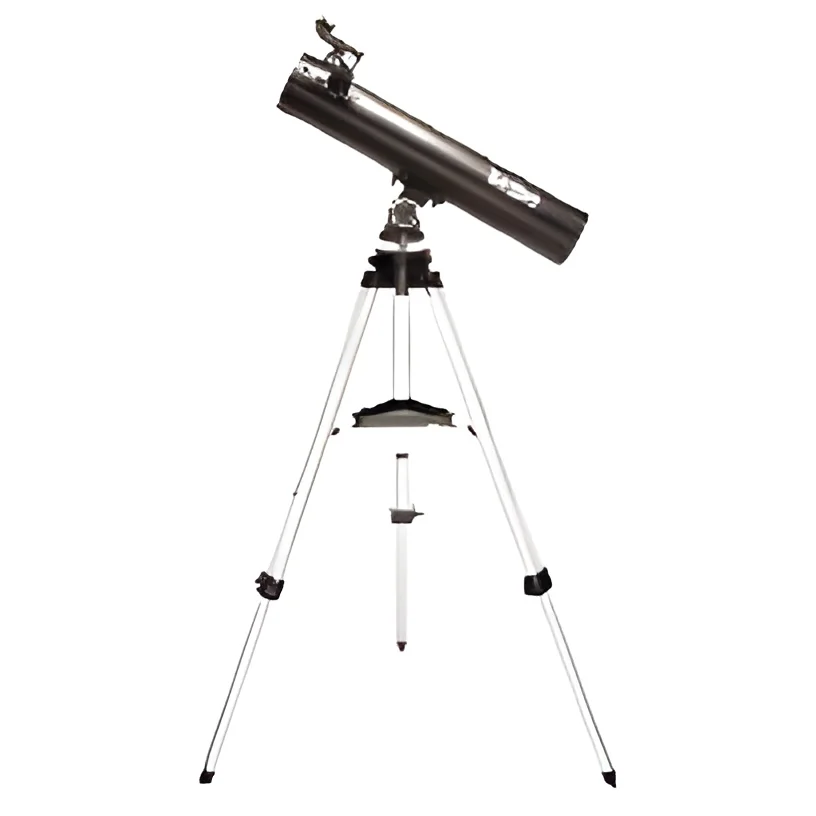
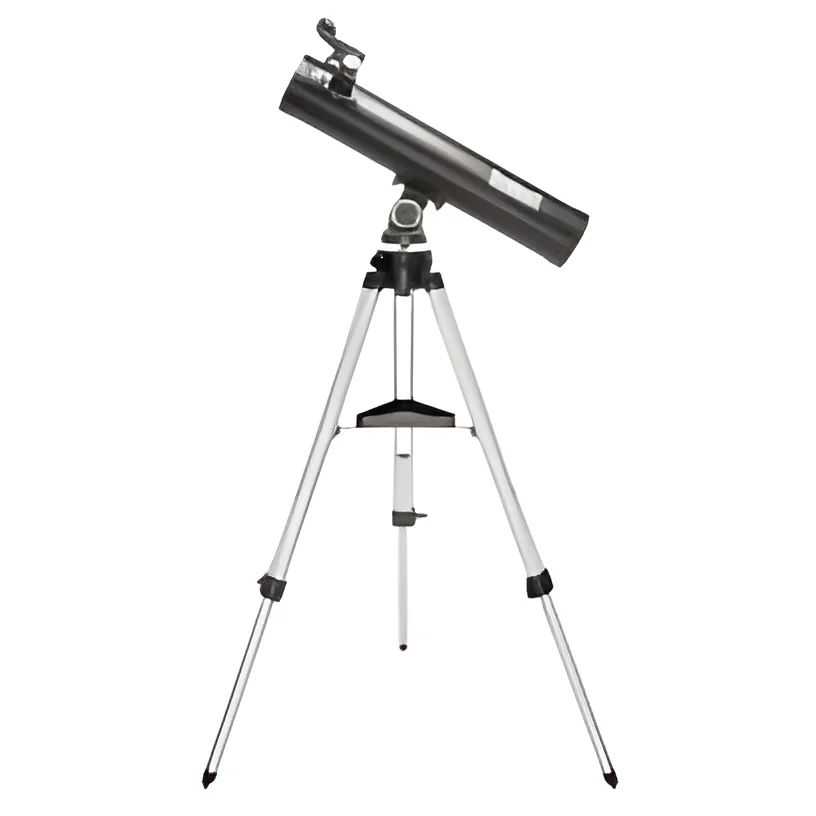
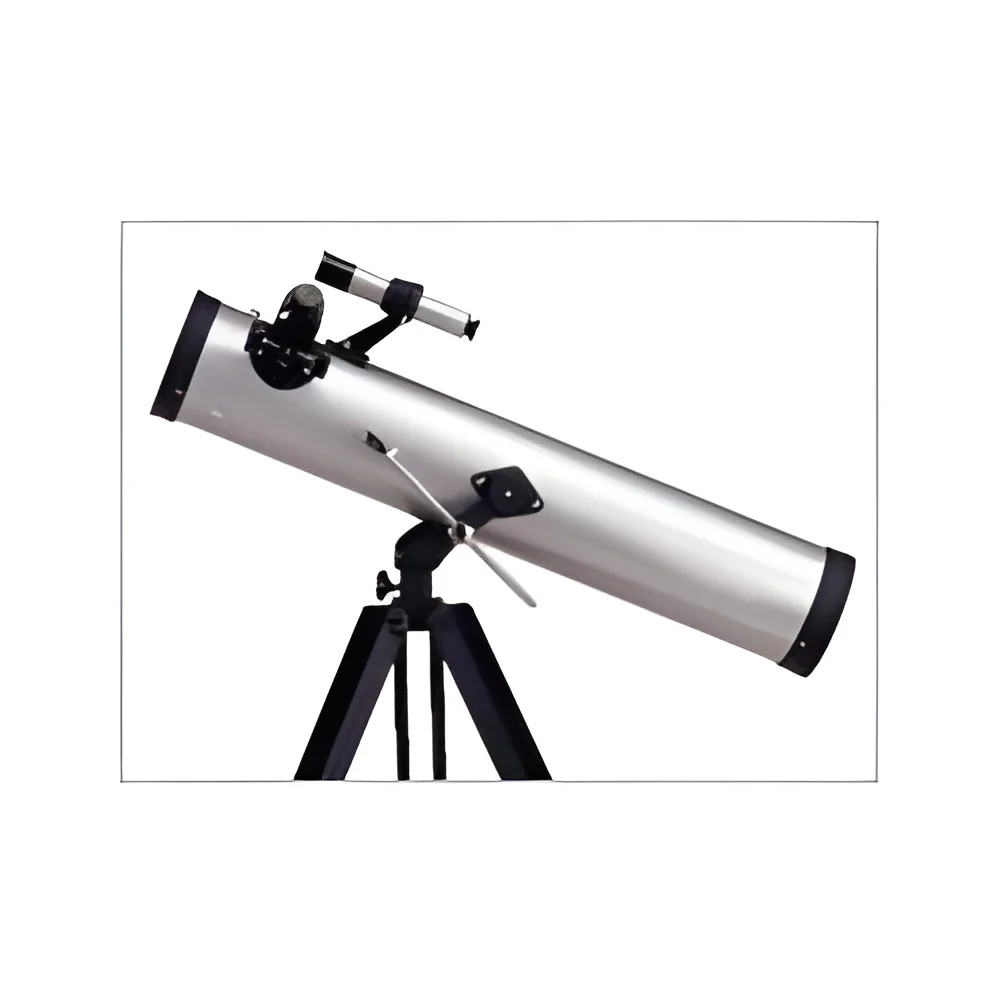
Astronomical Telescopes: Specifically designed for stargazing, these telescopes feature larger apertures and advanced optics, allowing for detailed observations of celestial bodies.
Marine Binoculars: Built for durability and functionality in marine environments, these binoculars are waterproof and may include features such as compass integration and stabilized images.
Night Vision Binoculars: These specialized binoculars enhance visibility in low-light conditions, making them suitable for security and wildlife observation at night.
Benefits and Advantages
Investing in high-quality binoculars and telescopes offers numerous benefits for businesses and individuals alike.
1. Enhanced Visibility: These optical devices significantly improve the ability to see distant objects clearly, which is essential for various applications.
2. Increased Accuracy: With better sighting capabilities, users can make more precise observations and measurements, leading to more informed decisions.
3. Versatile Use: Binoculars and telescopes can be used across different fields, from astronomy to security, making them valuable tools in many industries.
4. Improved Learning: Educational settings benefit from the use of these devices, as they engage students in hands-on learning experiences.
5. Durable Construction: Many models are built to withstand harsh environmental conditions, ensuring longevity and reliability in the field.
6. Cost-Effective Solutions: Quality binoculars and telescopes provide excellent value for the investment, delivering superior performance over time.
Buying Guide for B2B Buyers
When sourcing binoculars and telescopes, it is essential to consider several factors to ensure quality and suitability for your specific needs.
1. Quality Assessment: Examine the optical quality, build materials, and brand reputation. Look for devices that meet industry standards to guarantee durability and performance.
2. Supplier Verification: Conduct thorough research on potential suppliers. Verify their credentials, customer reviews, and track record in the industry to ensure reliability.
3. Pricing and MOQ: Compare pricing structures among different suppliers. Be aware of minimum order quantities and negotiate terms that suit your budget and requirements.
4. Delivery and Lead Times: Understand the logistics involved in the order process. Confirm estimated delivery times to ensure timely availability of products.
5. Compliance Requirements: Check for necessary certifications and compliance with industry standards. Ensure products meet safety regulations and quality assurances relevant to your industry.
Compliance and Certifications
Compliance with relevant quality standards and certifications is crucial for ensuring the reliability and safety of binoculars and telescopes.
ISO 9001 is a widely recognized standard that ensures manufacturers maintain quality management systems. This certification assures buyers of consistent product quality and performance.
Industry certifications such as UL and CE indicate that products meet safety and performance standards. These marks are essential for gaining trust in the marketplace and ensuring compliance with regulatory requirements.
Testing requirements for binoculars and telescopes often include durability tests, optical performance assessments, and environmental impact evaluations. Manufacturers should adhere to these testing protocols to guarantee a high-quality product.
Additionally, regional compliance considerations may vary. Buyers should be aware of specific regulations and standards in their respective markets to ensure compliance and avoid potential issues.
Why Source Binoculars & Telescopes from Pepagora?
Pepagora provides a trusted platform for sourcing binoculars and telescopes, offering several key advantages that cater to B2B buyers.
Verified Supplier Network: Pepagora has built a comprehensive network of verified suppliers, ensuring that buyers have access to high-quality products from reputable manufacturers. This network streamlines the sourcing process and reduces the risks associated with procurement.
Streamlined RFQ Process: The Request for Quotation (RFQ) system at Pepagora simplifies the quotation process, allowing buyers to easily compare offers from multiple suppliers. This transparency helps businesses make informed purchasing decisions.
Trade Assurance and Support: Pepagora prioritizes buyer protection through trade assurance programs. Buyers can have confidence in their transactions, knowing that support is available throughout the purchasing process.
Regional Coverage: With a strong presence in India, the GCC, and Southeast Asia, Pepagora offers extensive regional coverage, facilitating easy access to a diverse range of binoculars and telescopes for various industries. This geographic reach enhances the platform's effectiveness in connecting buyers and suppliers.

 IN
IN
 India
India