What are Sleeping Bags?
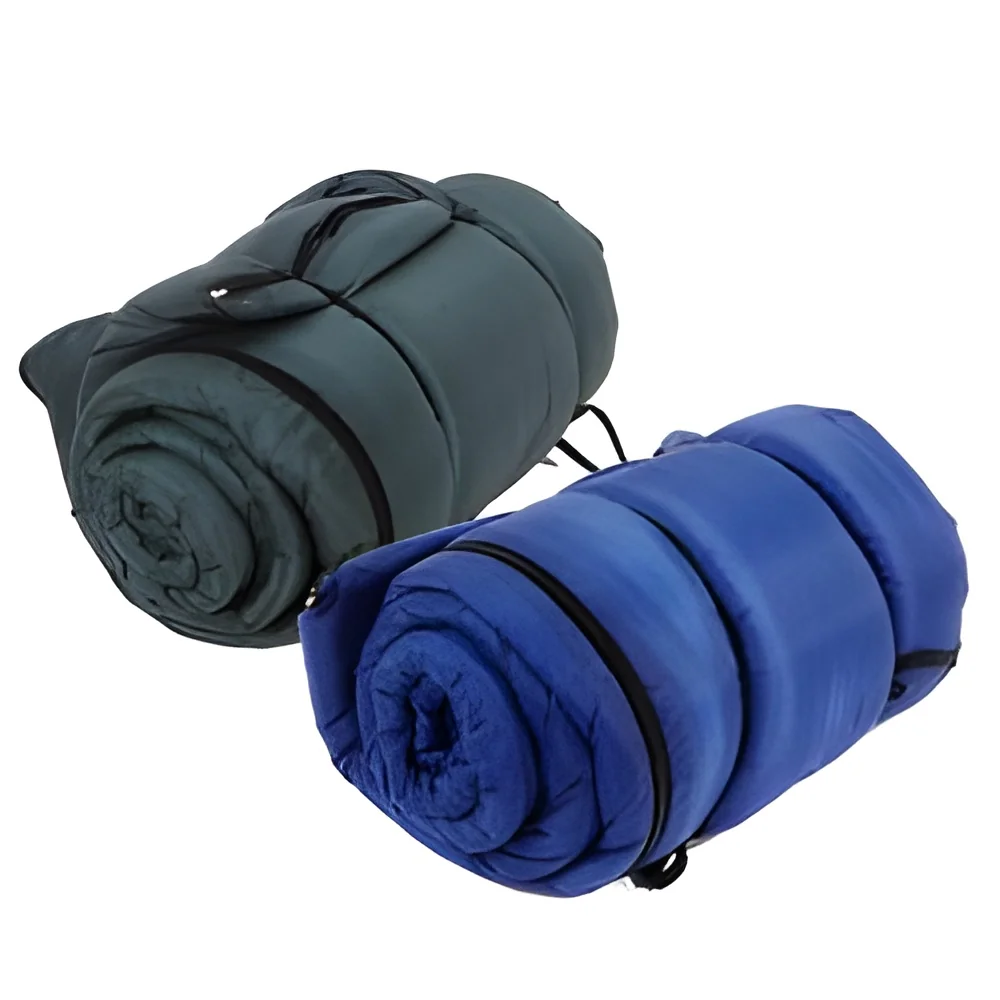
Sleeping bags are portable bedding solutions designed to provide warmth and comfort during outdoor activities or emergencies. They typically consist of an insulated outer layer, a soft inner lining, and a closure mechanism, often in the form of a zipper. Sleeping bags come in various shapes, sizes, and insulation types, catering to different temperature conditions and user preferences.
These products are primarily used in camping, hiking, and backpacking situations, where traditional bedding is impractical. They can also be utilized in emergency shelters or during travel. The versatility of sleeping bags makes them an essential item for outdoor enthusiasts and a valuable product for retailers and suppliers in the camping gear market. As outdoor recreation continues to grow in popularity, the demand for high-quality sleeping bags remains strong, establishing a competitive market landscape.
Key Features and Specifications
When considering sleeping bags, it's essential to understand the key features and specifications that can influence performance and comfort. These specifications can vary widely based on the intended use and target market.
Key specifications include:
1. Shape
- Common shapes include rectangular, mummy, and semi-rectangular.
- Mummy bags offer a snug fit for warmth, while rectangular bags provide more space.
2. Insulation Type
- Insulation can be down, synthetic, or a blend.
- Down insulation is lightweight and compressible, whereas synthetic insulation performs better in wet conditions.
3. Temperature Rating
- Sleeping bags are rated for different temperature ranges.
- Ratings can vary from summer bags (above 35°F) to winter bags (below 10°F).
4. Weight
- Weight is a crucial factor for backpackers and campers.
- Lightweight options are available for those prioritizing portability.
5. Size
- Sleeping bags come in various sizes to accommodate different user heights and preferences.
- Standard sizes include adult, youth, and children's options.
6. Closure Type
- Zipper closures are standard, with some bags featuring draft tubes for added warmth.
- Some models offer additional features like hoods or pockets.
7. Fabric Material
- The outer material can be nylon, polyester, or cotton.
- Breathability and water resistance are important considerations.
8. Packability
- Many sleeping bags are designed to compress into small sizes for easy transport.
- Compression sacks may be employed to minimize space during packing.
In summary, understanding these specifications will help buyers select sleeping bags that best meet their needs and expectations.
Common Applications and Use Cases
Sleeping bags serve various industries and purposes beyond just camping.
1. Outdoor Recreation: Many camping enthusiasts rely on sleeping bags for comfort during overnight trips in national parks or backcountry camping.
2. Emergency Services: Sleeping bags are often included in emergency response kits for shelters during natural disasters or humanitarian aid efforts.
3. Military and Tactical Use: Military personnel utilize specialized sleeping bags designed for extreme conditions and portability.
4. Hospitality: Some hotels and hostels provide sleeping bags for guests participating in outdoor activities or events.
5. Education: Outdoor education programs use sleeping bags for students participating in camping trips or survival training.
6. Sports Teams: Teams traveling for competitions may use sleeping bags to facilitate overnight stays in different locations.
7. Adventure Travel: Tour companies often supply sleeping bags for clients during trekking or adventure tours.
Product Variants and Subcategories
Sleeping bags are available in a variety of designs to suit different needs and activities.
Mummy Sleeping Bags
These bags are designed to fit closely around the body, minimizing heat loss. They are ideal for cold weather camping and are often favored by backpackers for their lightweight and compact nature.
Rectangular Sleeping Bags
These bags offer more space and comfort, making them suitable for casual camping. They are often preferred for car camping where weight and packability are less of a concern.
Semi-Rectangular Sleeping Bags
A hybrid option that provides a balance between space and warmth. These bags offer a little more room than mummy bags while still retaining some heat efficiency.
Benefits and Advantages
Sleeping bags offer numerous benefits that make them an attractive option for outdoor enthusiasts and businesses alike.
1. Portability: Sleeping bags are lightweight and designed for easy transport, making them perfect for hiking and camping.
2. Versatility: They can be used in various settings, from outdoor recreation to emergency situations, demonstrating their adaptability.
3. Comfort: Modern sleeping bags are designed with user comfort in mind, featuring soft linings and adequate insulation.
4. Insulation Performance: High-quality sleeping bags provide excellent thermal efficiency, keeping users warm in cold conditions.
5. Easy Maintenance: Most sleeping bags are machine washable, ensuring they can be cleaned easily after outdoor use.
6. Customization Options: Many manufacturers offer customization in color and features, allowing businesses to meet specific customer preferences.
Buying Guide for B2B Buyers
When sourcing sleeping bags, there are several key factors to consider to ensure quality and suitability for your needs.
1. Quality Assessment: Evaluate the materials and construction of the sleeping bags. Look for durable fabrics and reliable insulation types to ensure longevity.
2. Supplier Verification: Vet suppliers thoroughly by checking their reputation, customer reviews, and product certifications to ensure reliability.
3. Pricing and MOQ: Understand the pricing structure and minimum order quantities (MOQ) to align with your budget and inventory needs.
4. Delivery and Lead Times: Confirm the expected delivery timelines and lead times to ensure timely availability of products for your business.
5. Compliance Requirements: Ensure that the sleeping bags meet relevant safety and quality standards, such as CE certification, to comply with industry regulations.
Compliance and Certifications
Sleeping bags must meet specific quality and safety standards to ensure they are safe for consumers.
Relevant quality standards include ISO 9001, which focuses on quality management systems, ensuring that manufacturers maintain high-quality production processes.
Additionally, industry certifications like CE indicate that the products comply with European health, safety, and environmental protection standards.
Safety and testing requirements are crucial in the sleeping bag industry. Manufacturers should conduct thorough testing to confirm insulation performance, durability, and safety features.
Regional compliance considerations may vary, so it's essential to be aware of local regulations that could affect the sale and use of sleeping bags in different markets.
Why Source Sleeping Bags from Pepagora?
Pepagora provides a trusted platform for sourcing sleeping bags with several key advantages.
Verified Supplier Network: Pepagora connects buyers with verified suppliers, ensuring that all listed manufacturers meet quality and ethical standards. This reduces the risk of sourcing from unreliable vendors.
Streamlined RFQ Process: The request for quotation (RFQ) system simplifies the purchasing process, allowing buyers to easily compare prices and terms from multiple suppliers in one place.
Trade Assurance and Support: Buyers benefit from trade assurance programs that protect their purchases, offering peace of mind in transactions. Additionally, dedicated support is available to assist with any inquiries or issues.
Regional Coverage: Pepagora's extensive network covers various regions, including India, the GCC, and Southeast Asia, facilitating access to a wide range of sleeping bag options tailored to diverse market needs.

 IN
IN