What are Insect Repellents & Bug Nets?
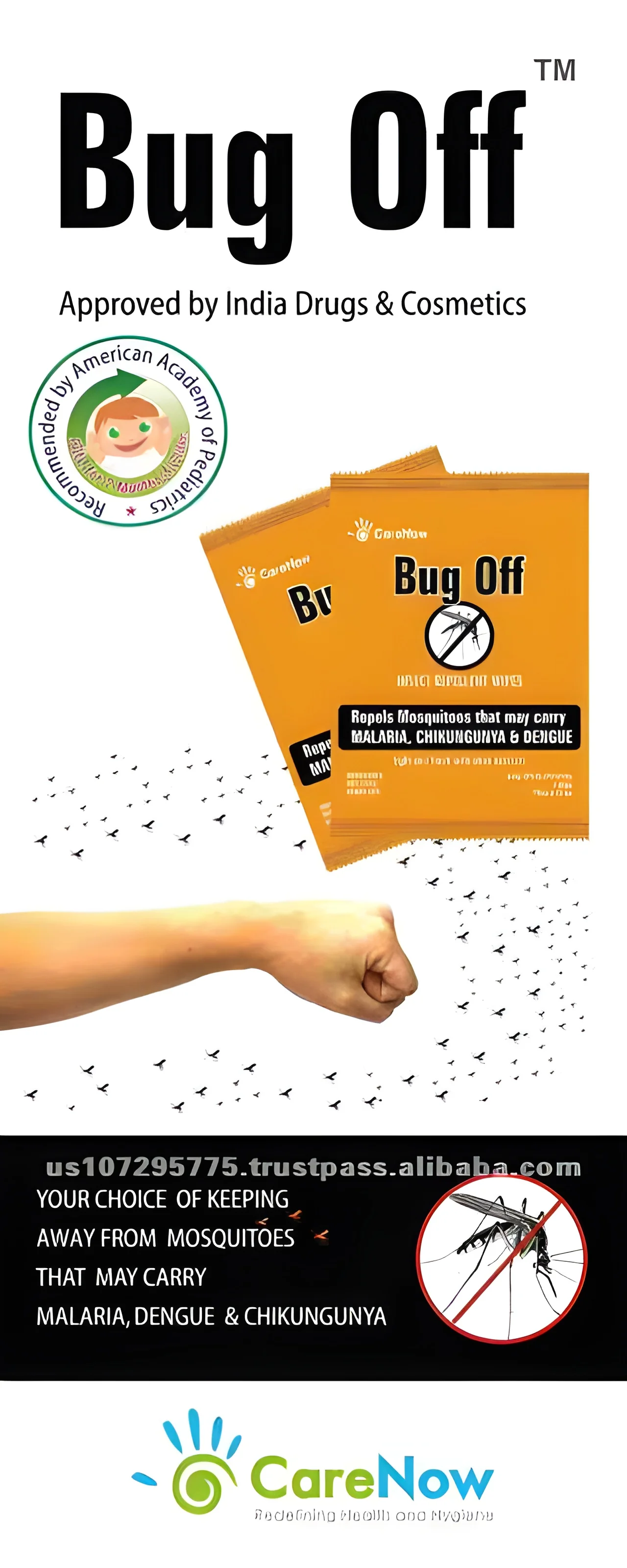
Insect repellents and bug nets are essential products designed to protect individuals and environments from the nuisance and dangers posed by insects. Insect repellents are chemical formulations that deter bugs from landing on or biting humans and animals. They come in various forms such as sprays, lotions, and wipes, each designed for ease of use and effectiveness. Bug nets, on the other hand, are physical barriers made of fine mesh that prevent insects from entering a specific area, such as tents or sleeping quarters.
The primary uses of these products span across numerous business applications, including outdoor recreation, agriculture, public health, and pest control. In outdoor settings, repellents and nets are vital for travelers, campers, and hikers who want to enjoy nature without the discomfort of insect bites. In agriculture, bug nets protect crops from pests, ensuring higher yields and better quality produce. Moreover, in public health, these products are crucial in preventing the spread of insect-borne diseases, making them relevant in healthcare settings and community programs.
As the global market for insect repellents and bug nets continues to grow, driven by increasing awareness of health risks associated with insect bites, the relevance of these products is undeniable. Companies that supply these goods are positioned to meet the demands of various sectors, enhancing their operations with effective pest management solutions.
Key Features and Specifications
Insect repellents and bug nets offer a variety of features that cater to different user needs. Understanding these specifications is essential for selecting the right product for specific applications.
Key specifications include:
1. Repellent Duration
- Indicates how long the product remains effective after application.
- Common ranges are from 2 to 12 hours depending on the formulation.
2. Active Ingredients
- Contains various chemicals that provide insect-repelling properties.
- Common active ingredients include DEET, Picaridin, and Oil of Lemon Eucalyptus.
3. Mesh Size (for Bug Nets)
- Refers to the size of the holes in the mesh, which determines insect exclusion capabilities.
- Typical mesh sizes are around 1.0 to 1.2 mm.
4. Material Durability
- The quality of materials used in both repellents and nets affects their longevity.
- Repellents typically come in plastic or aluminum containers, while nets may be made from polyester or nylon.
5. Weight (for Bug Nets)
- Important for portability, especially for outdoor applications.
- Nets typically weigh between 200 to 500 grams.
6. Chemical Safety Standards
- Compliance with safety standards and regulations regarding human and environmental health.
- Certifications such as CE ensure products are tested and safe for use.
7. Water Resistance
- Indicates how well the repellent or net can withstand exposure to moisture.
- Some repellents may be waterproof, while bug nets are designed to resist rain.
8. Availability of Customization
- Some suppliers offer customized solutions based on specific requirements.
- Customization options may include size, mesh density, and packaging.
These specifications help businesses make informed decisions on the most suitable products for their needs.
Common Applications and Use Cases
Insect repellents and bug nets serve various industries that require protection from pests.
1. Outdoor Recreation: Campers and hikers use insect repellents and bug nets to enjoy outdoor activities without the interference of insects. These products enhance comfort and safety during excursions.
2. Agriculture: Farmers utilize bug nets to shield crops from harmful insects, thereby reducing the need for chemical pesticides. This approach promotes healthier produce and sustainable farming practices.
3. Public Health: Organizations focused on health employ insect repellents and bug nets as preventive measures against diseases transmitted by insects, such as malaria and dengue fever, especially in endemic regions.
4. Hospitality: Hotels and resorts in tropical or rural locations provide insect repellents and bug nets to ensure a comfortable stay for guests. This enhances the overall experience and encourages repeat business.
5. Residential Use: Homeowners often use these products to protect their living spaces from insects, particularly in areas prone to mosquito infestations.
6. Travel and Tourism: Travel agencies may include insect repellents and nets in their packages for tourists visiting areas with high insect activity, ensuring traveler safety.
7. Disaster Relief: Humanitarian organizations provide insect repellents and bug nets in disaster-stricken areas to prevent outbreaks of insect-borne diseases among displaced populations.
Product Variants and Subcategories
Insect repellents and bug nets come in various variants to cater to different needs and preferences.
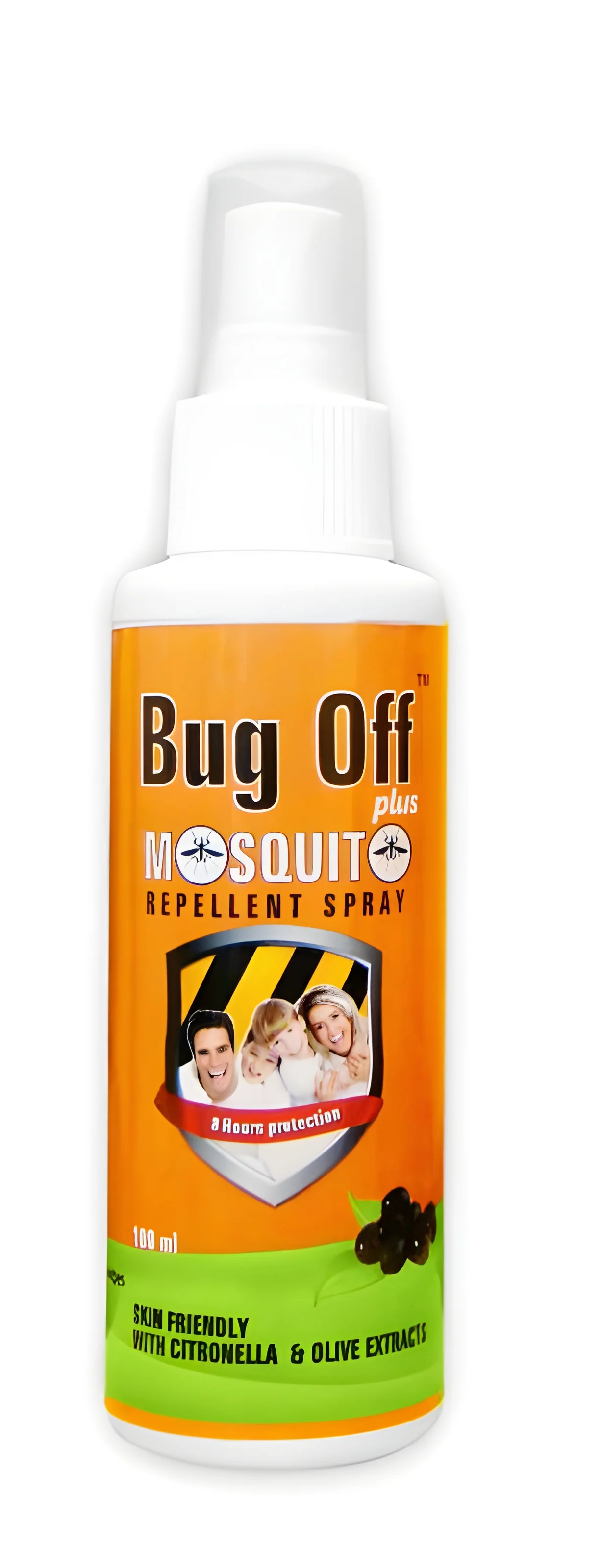
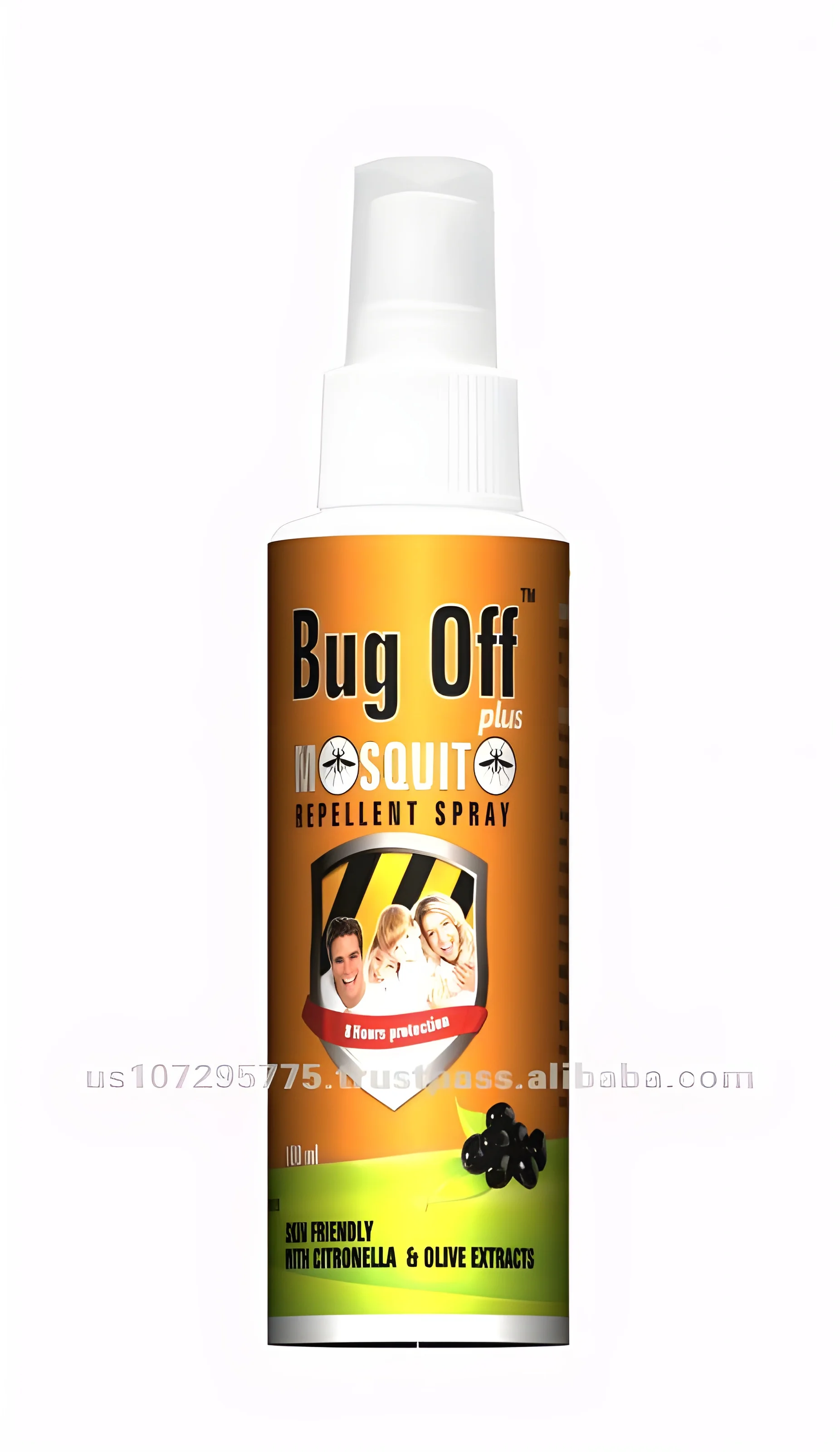
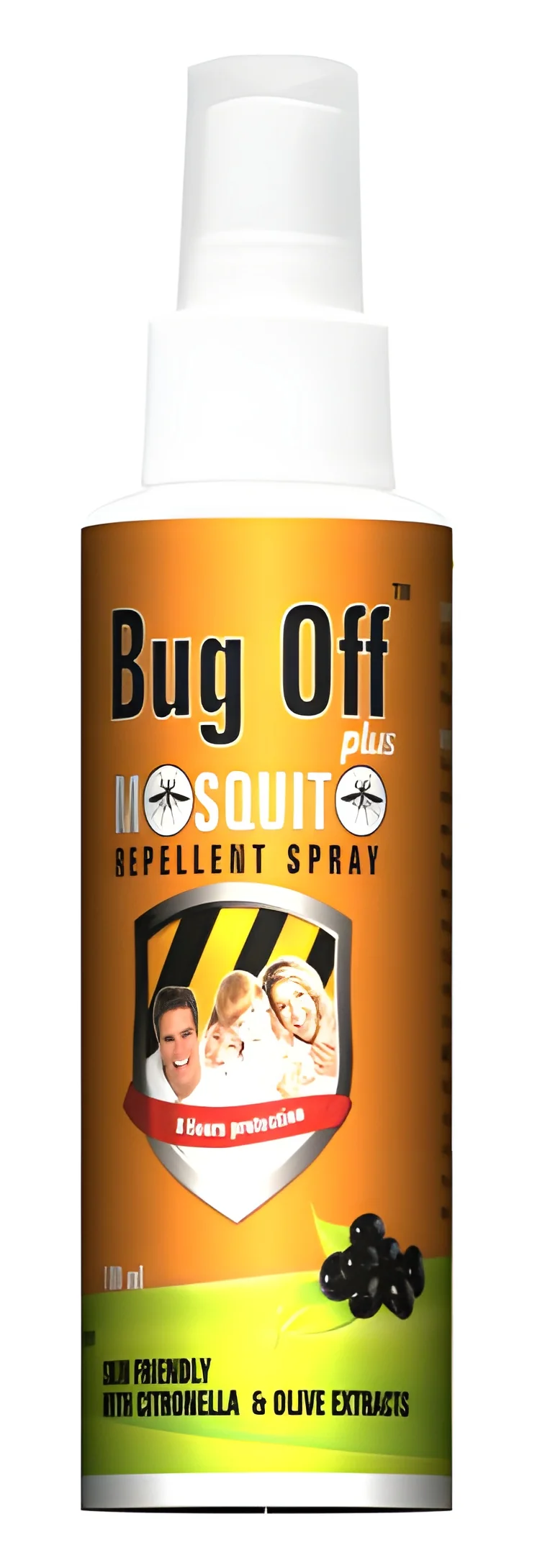
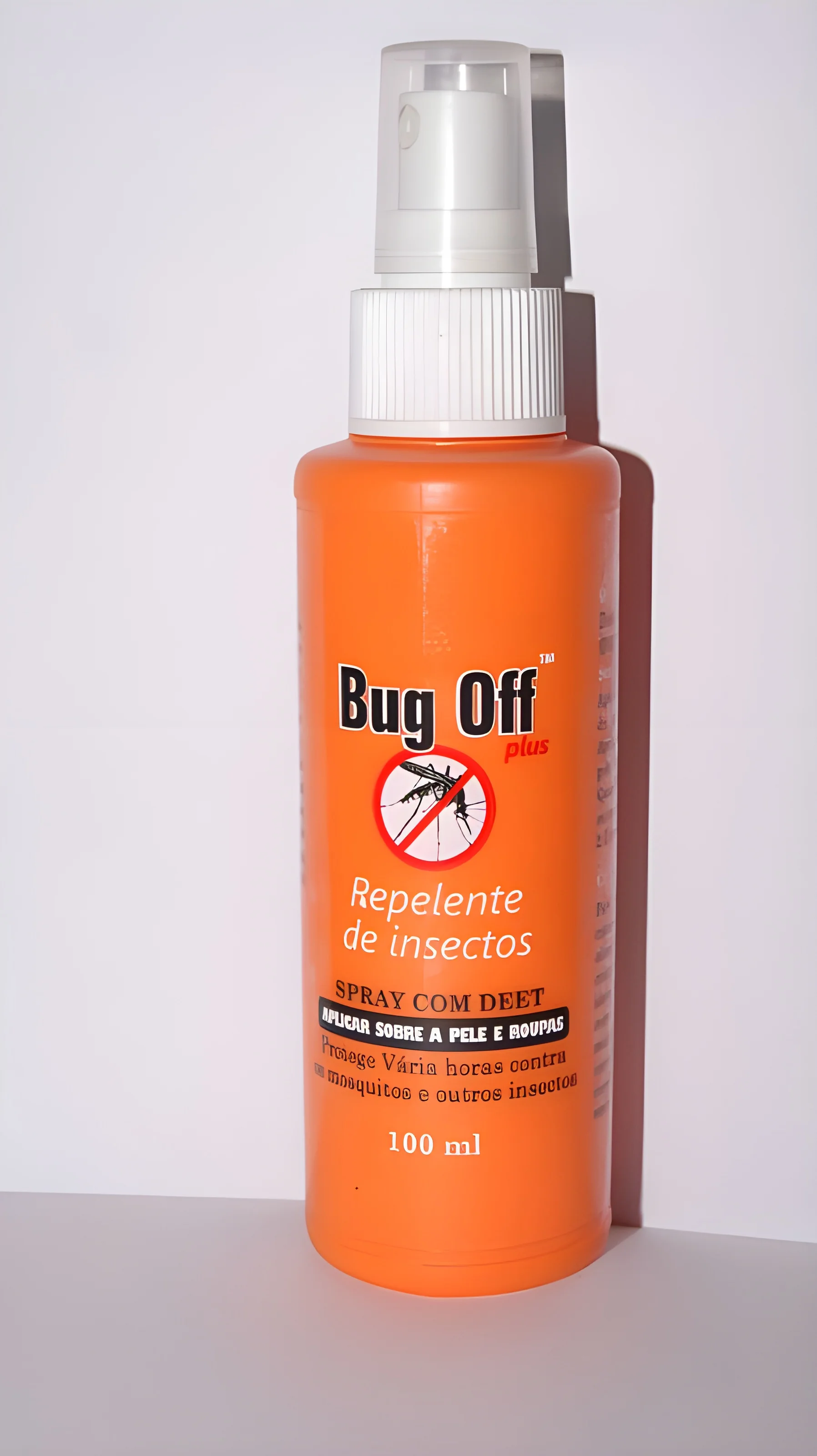
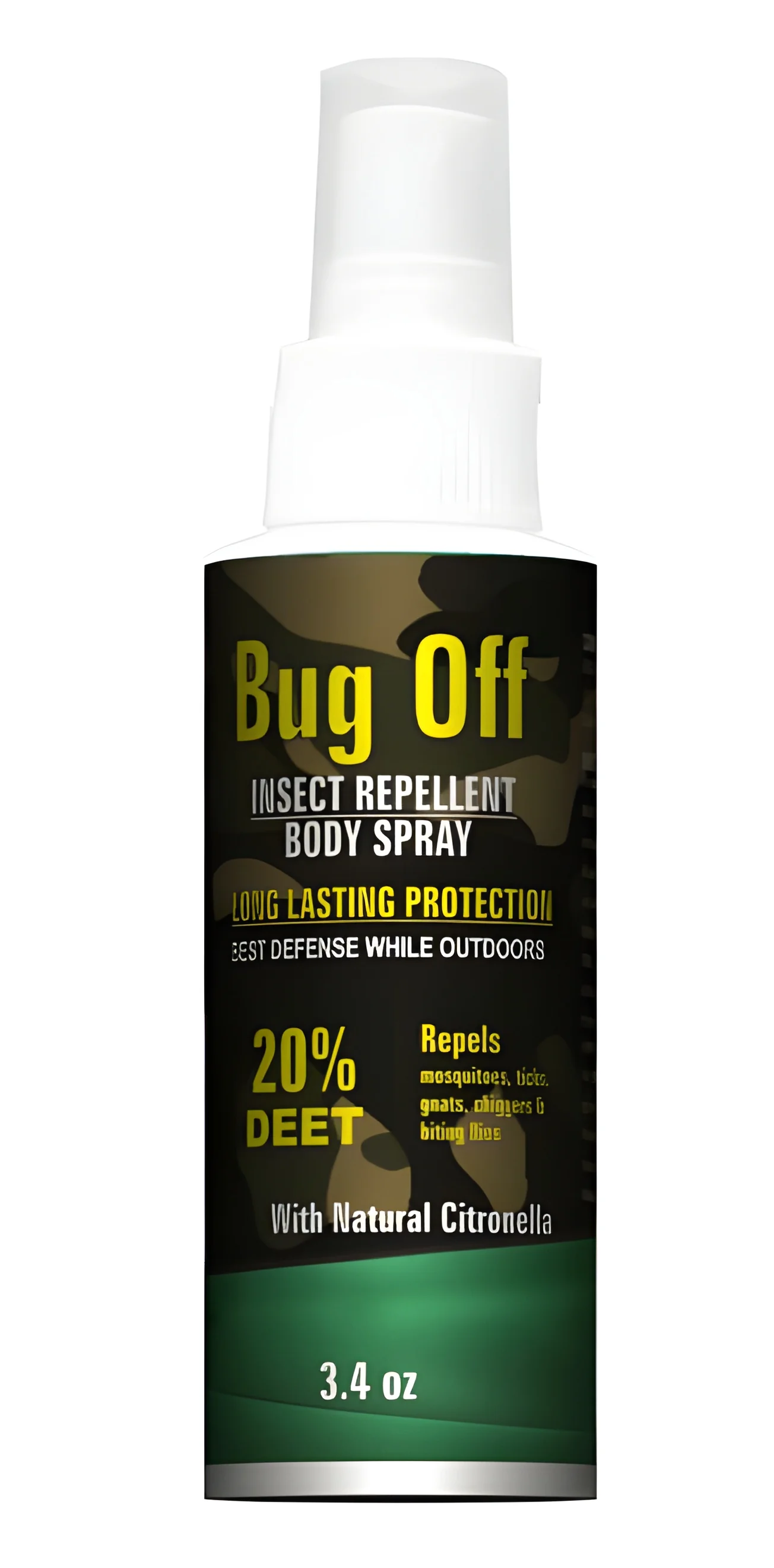
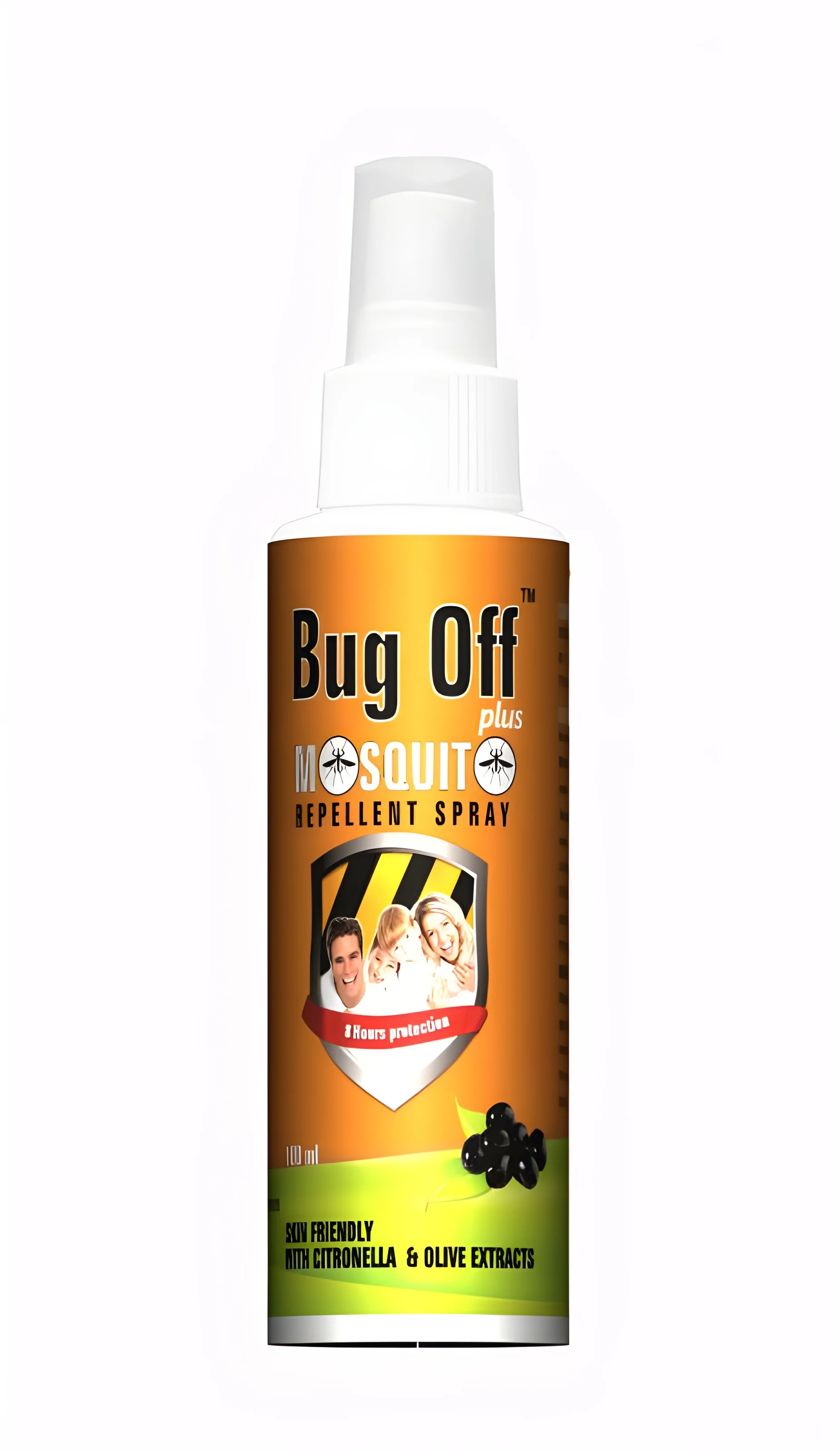
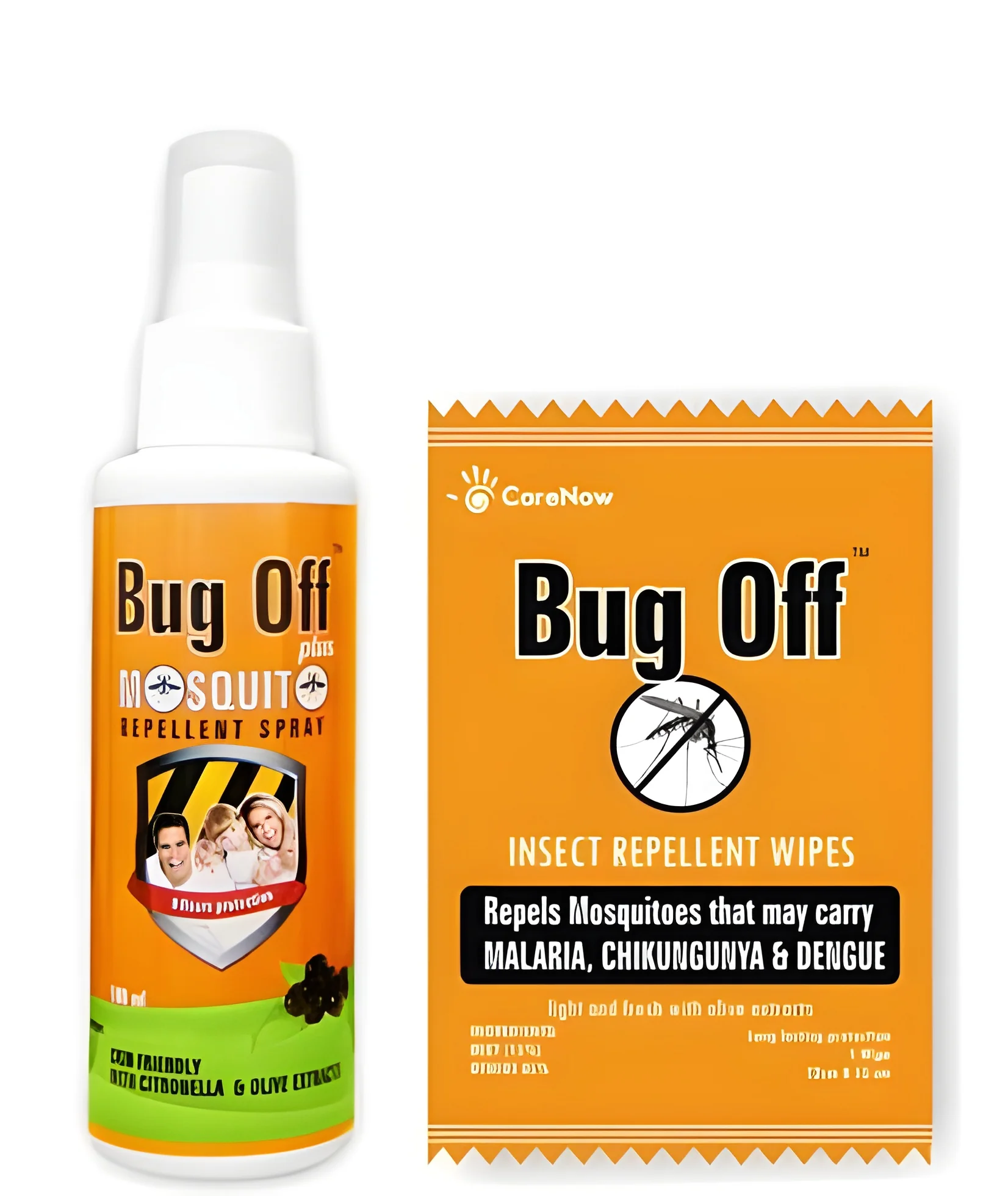
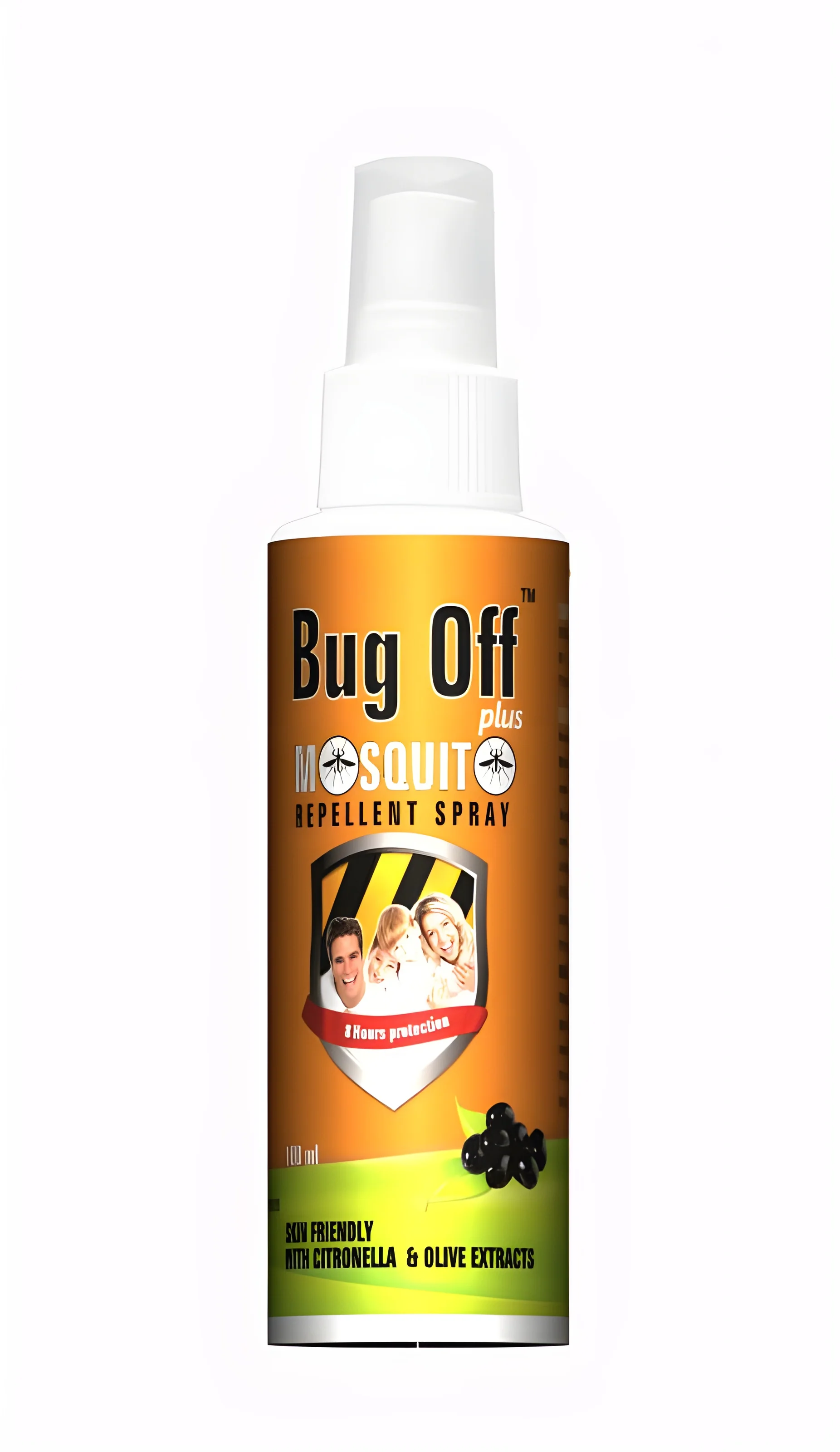
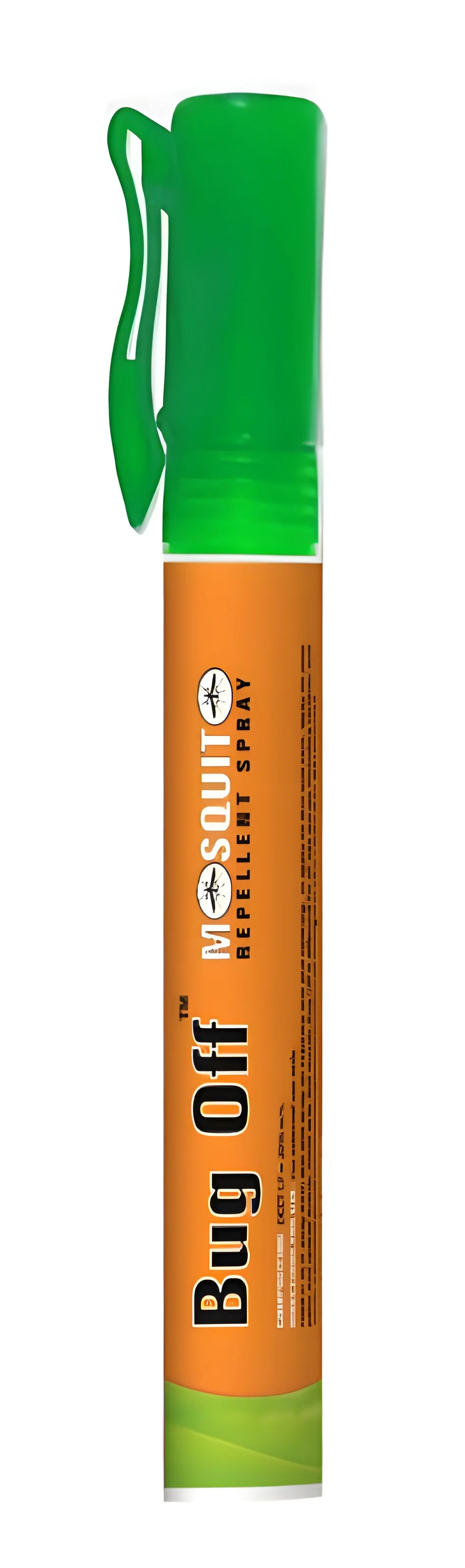
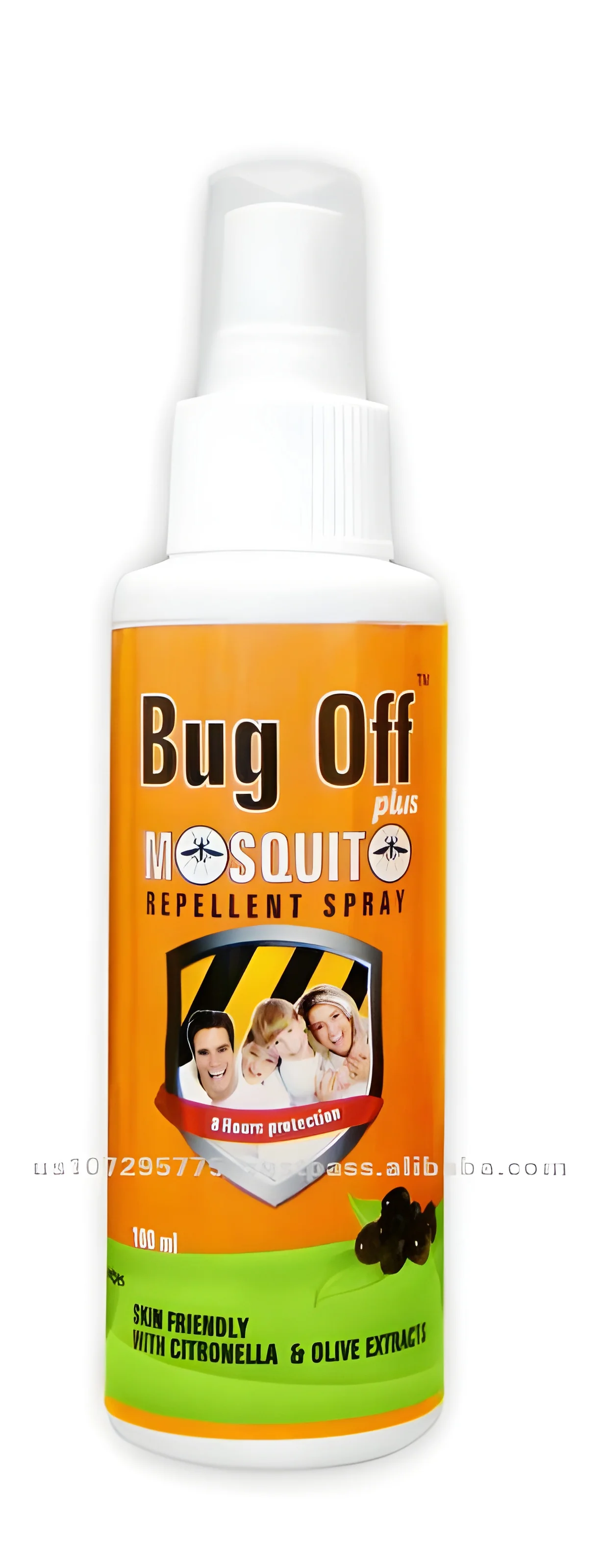
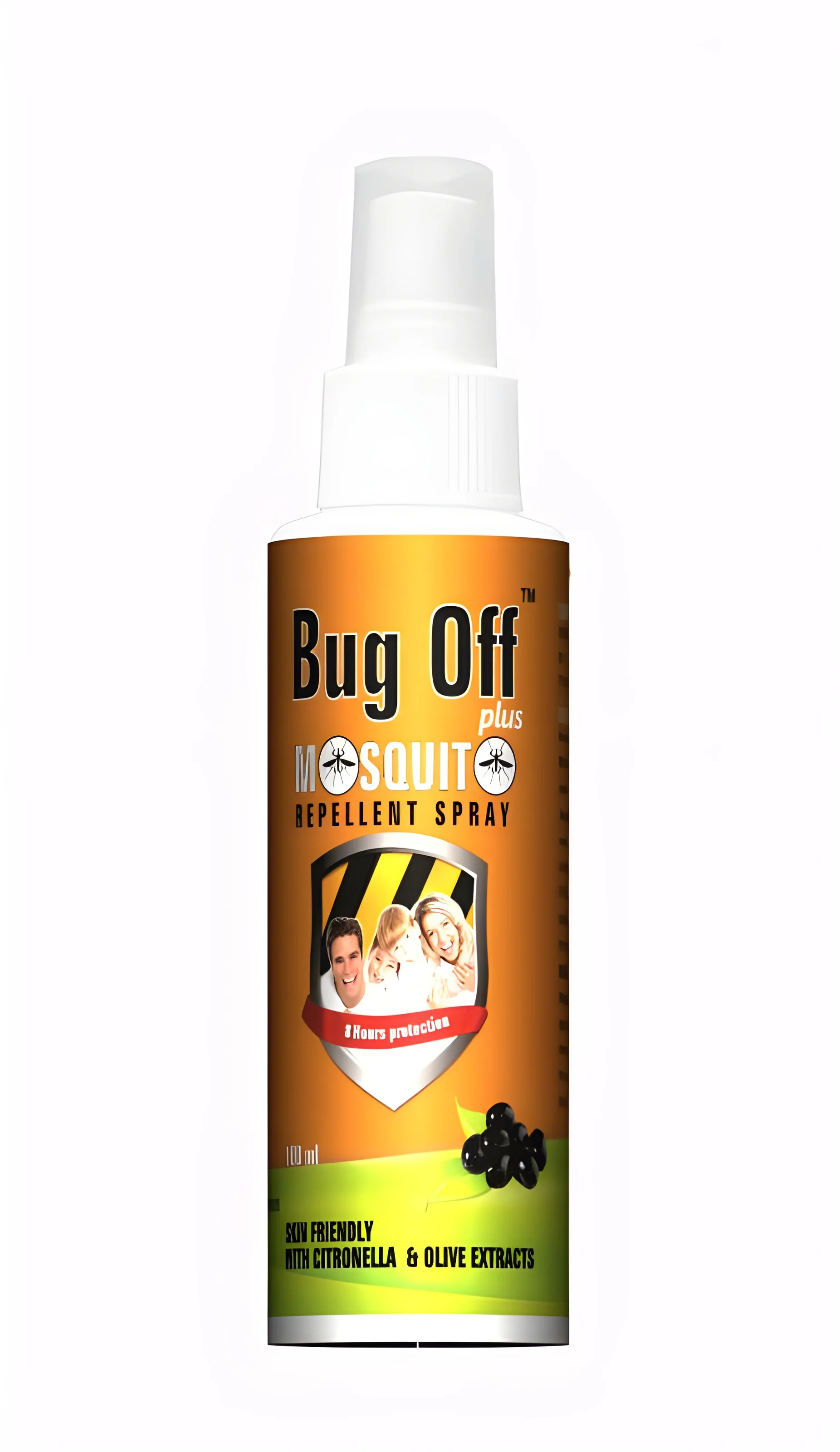
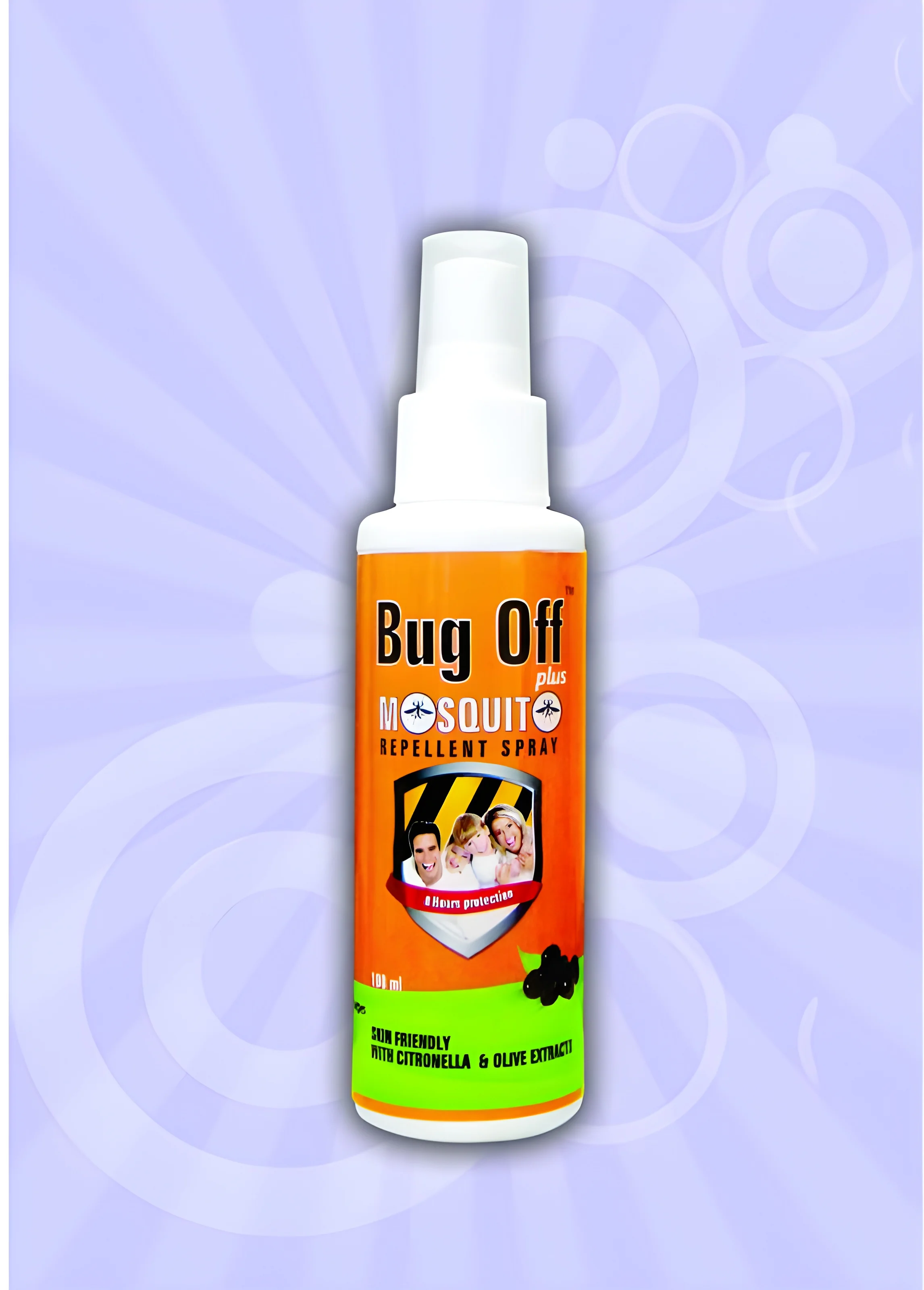
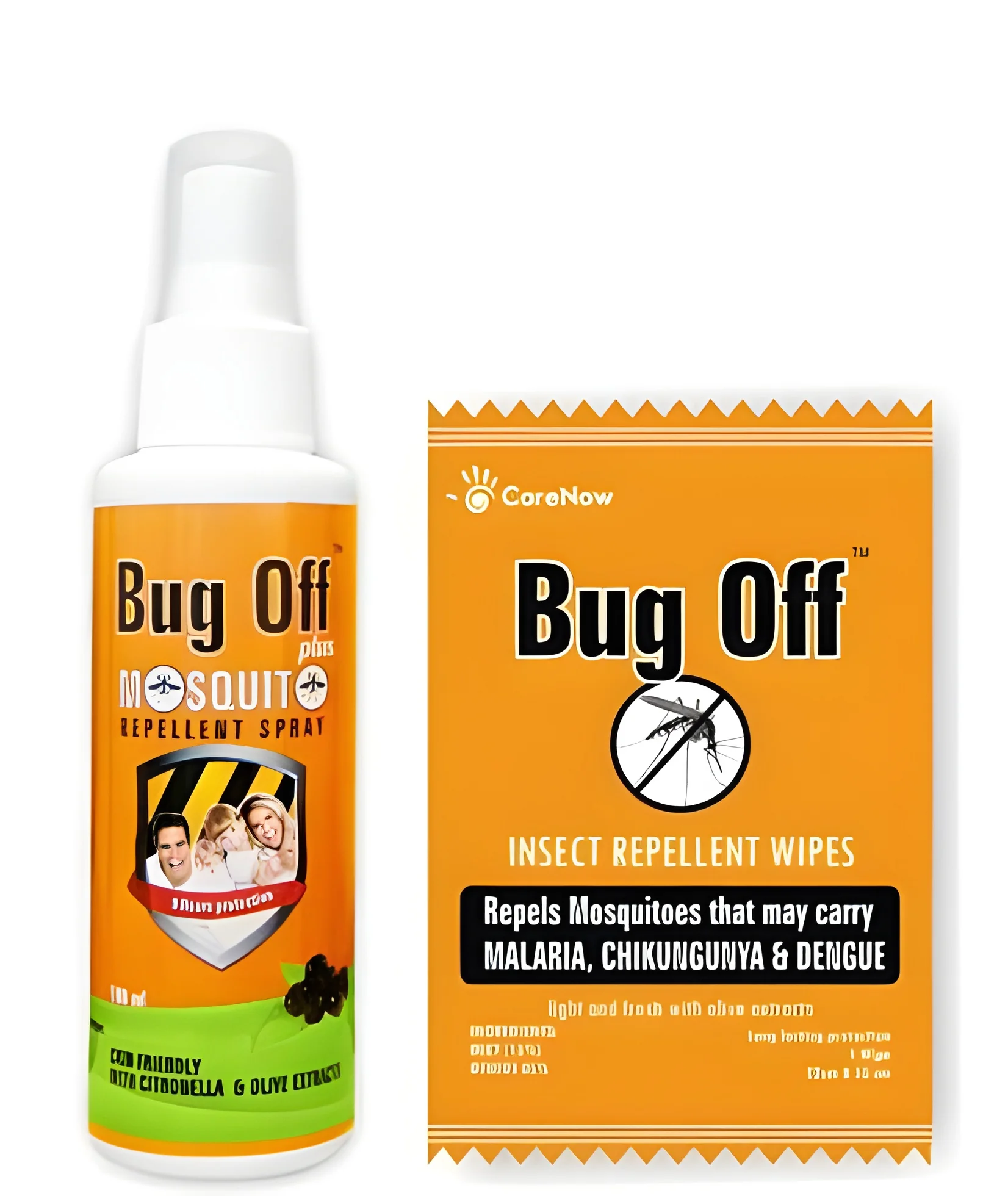
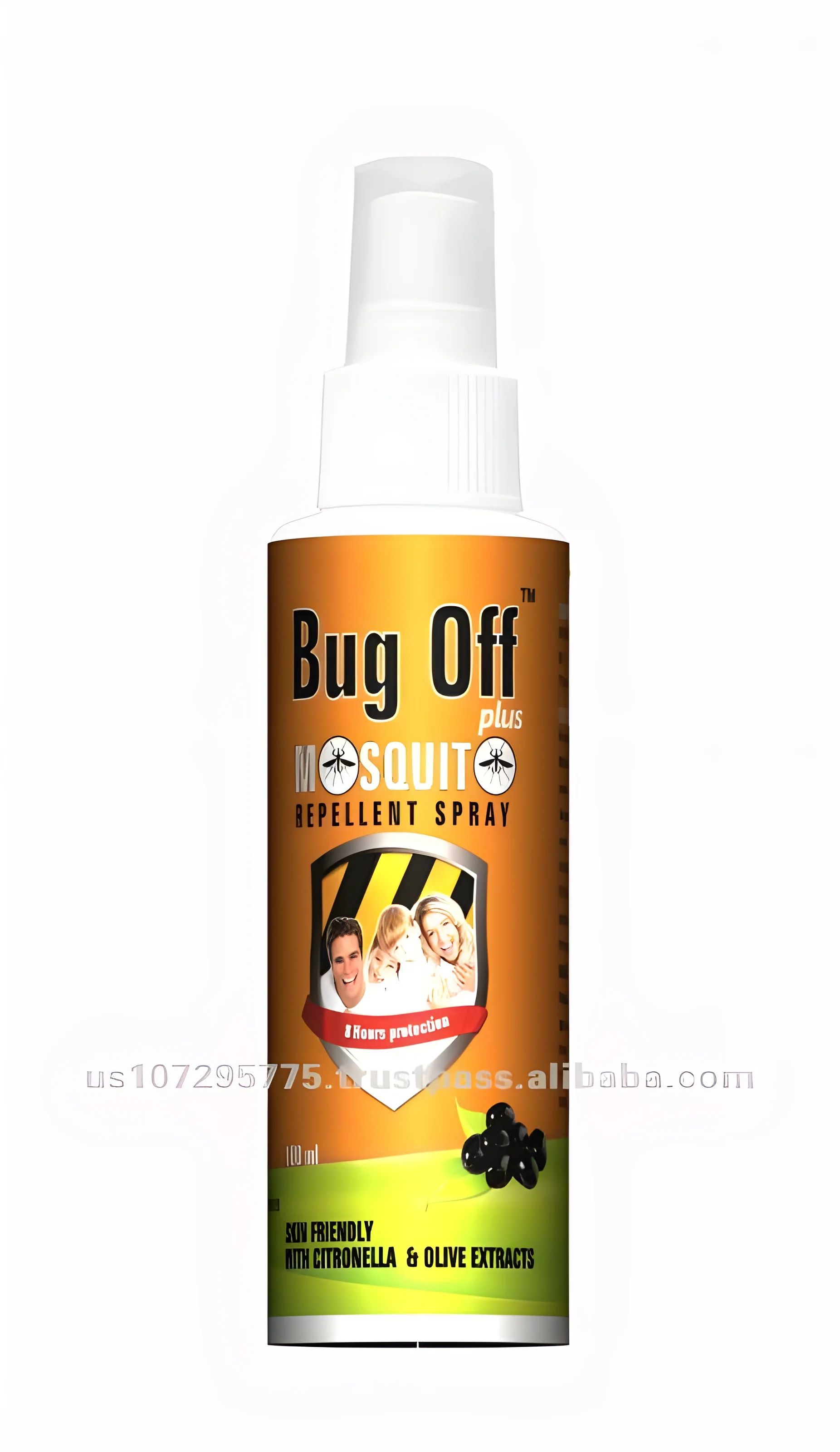
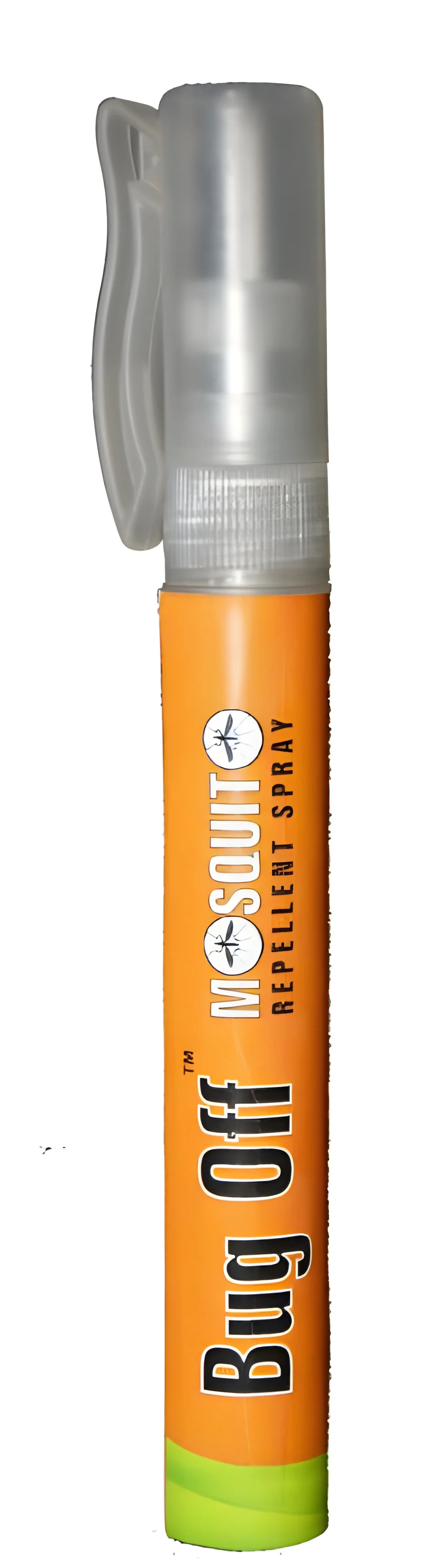
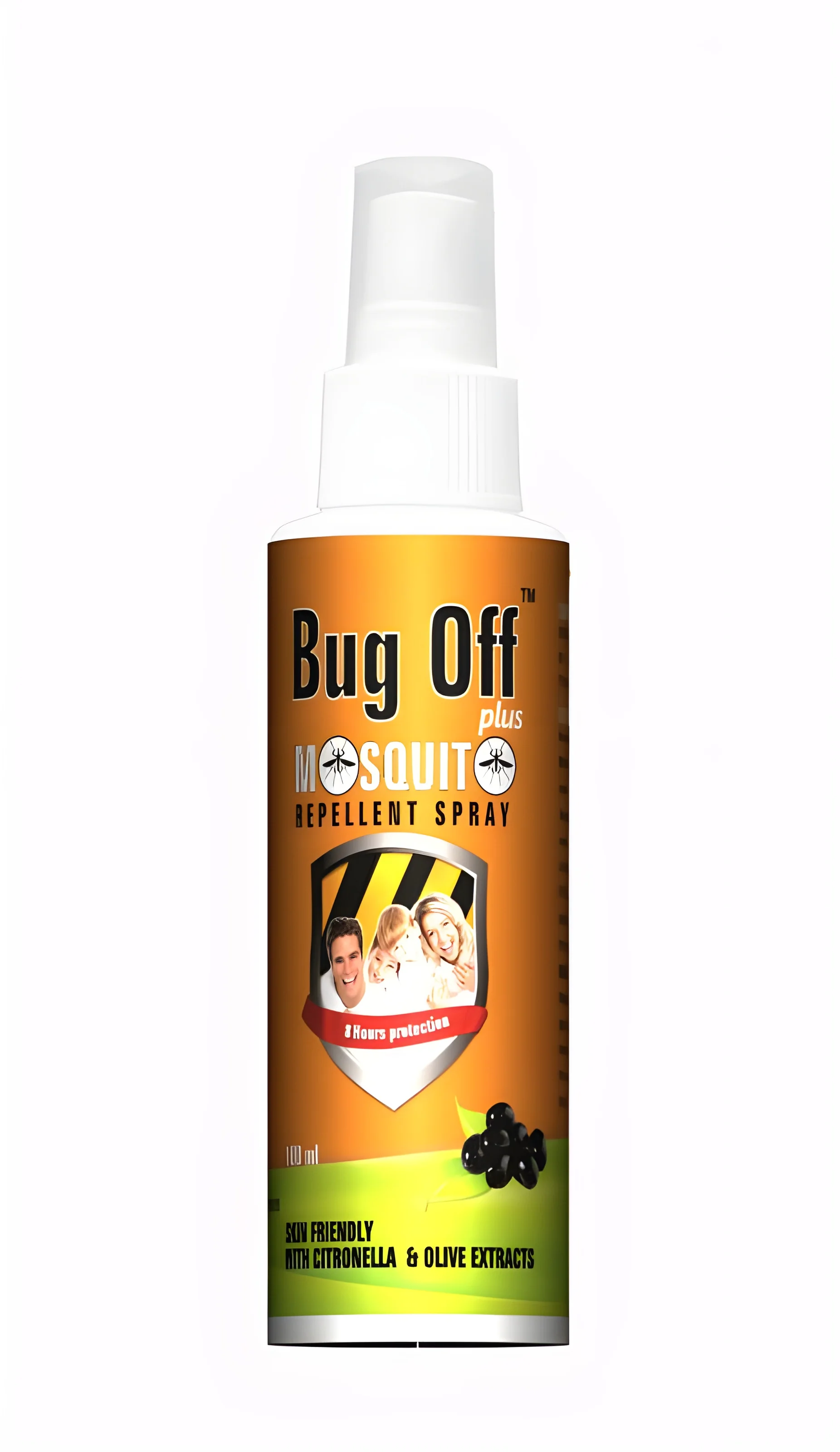
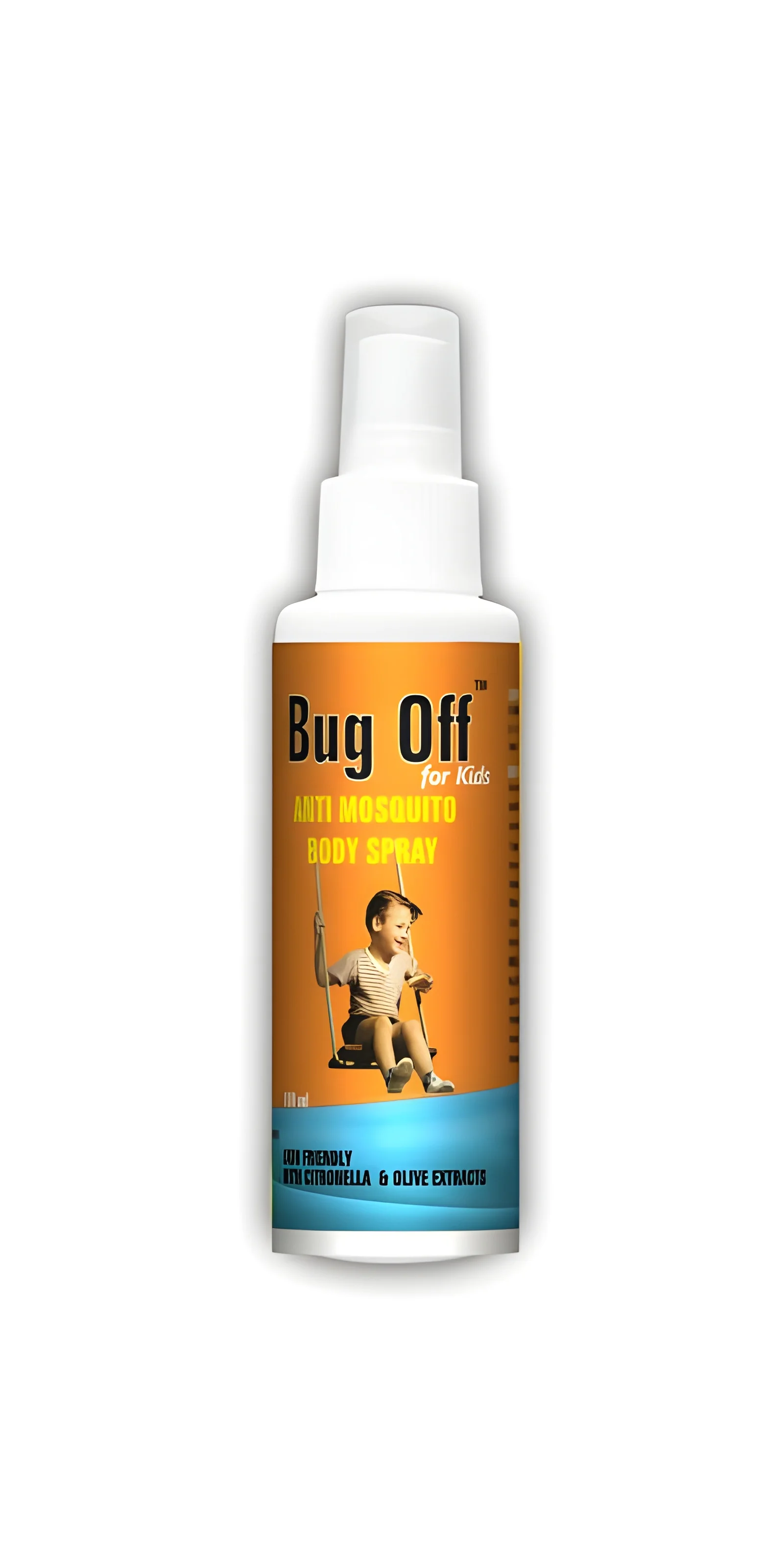
Insect Repellent Spray
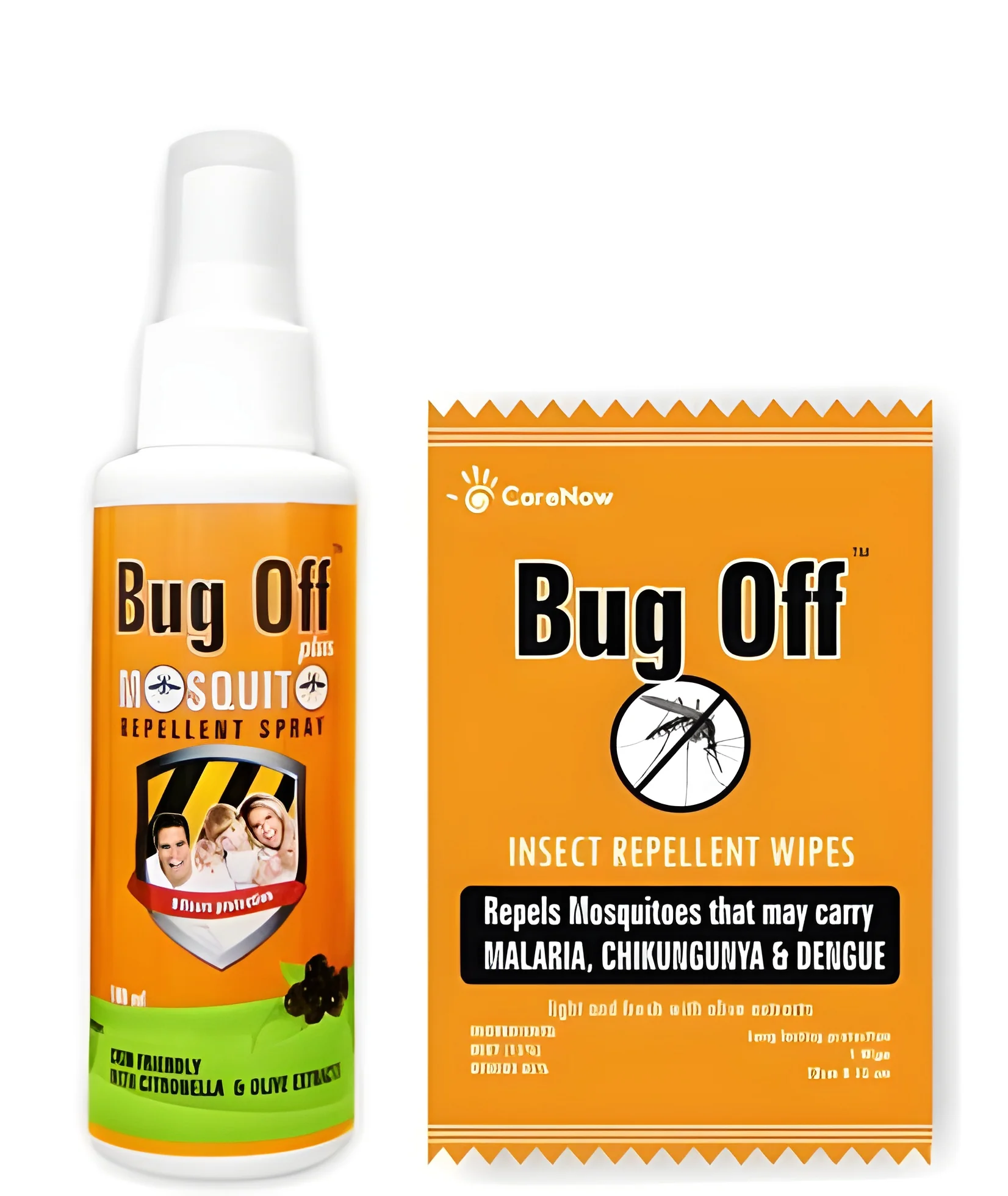
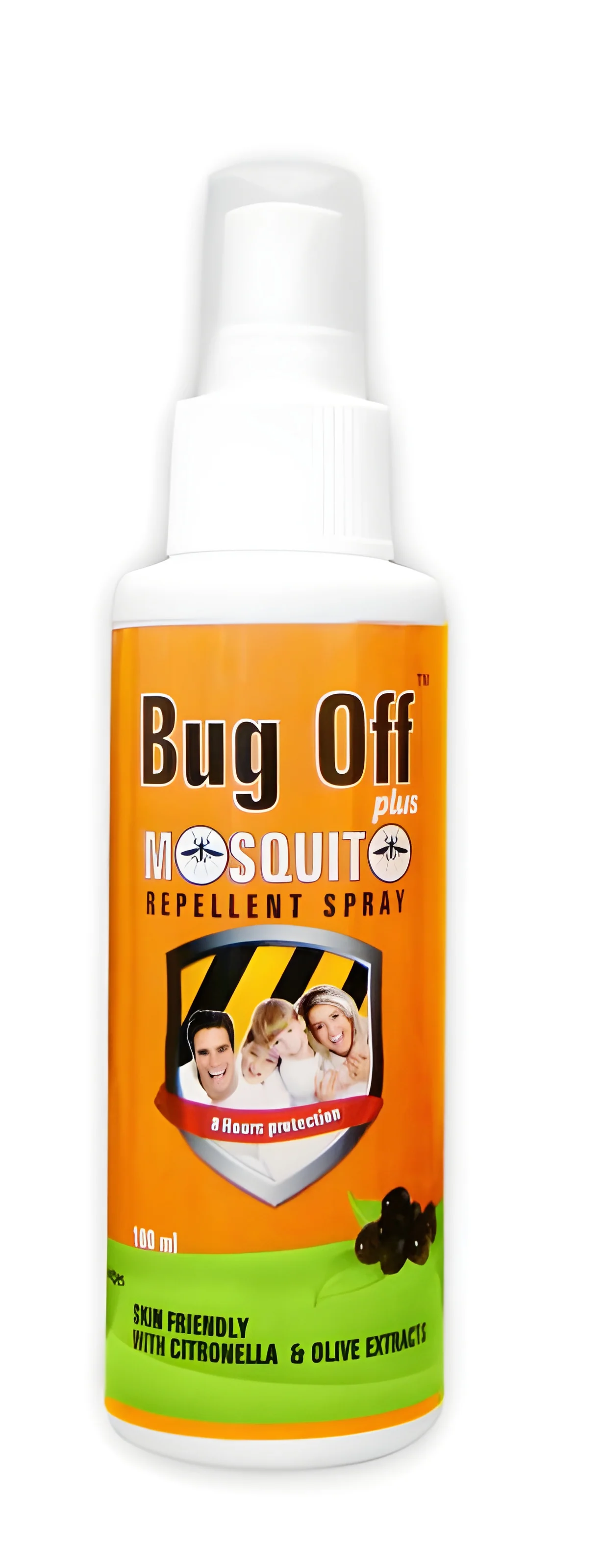
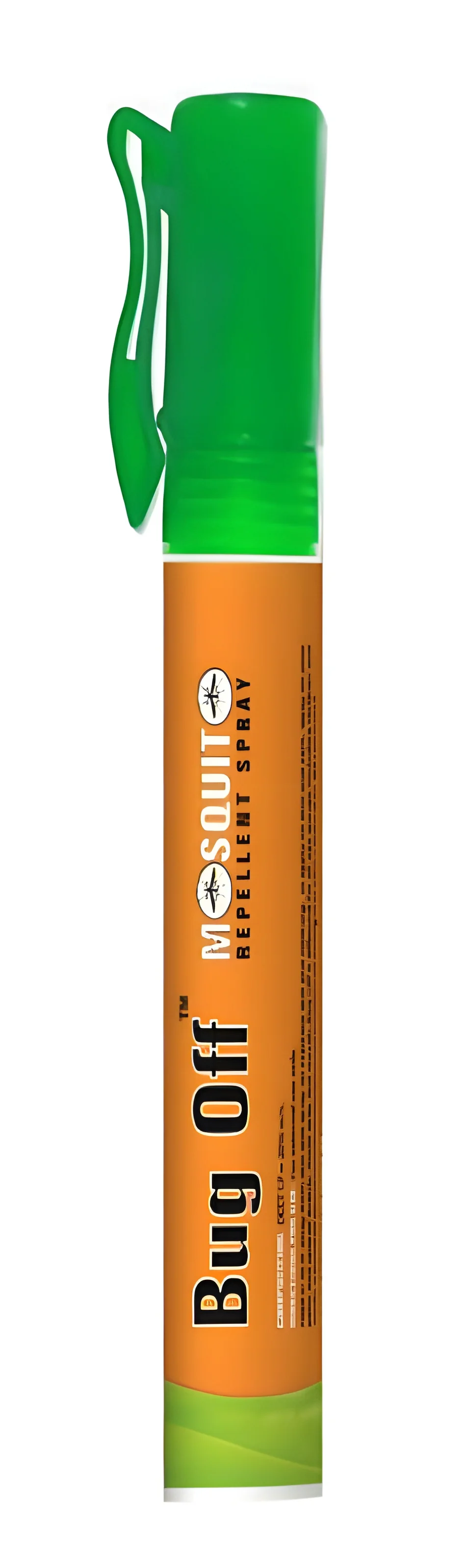
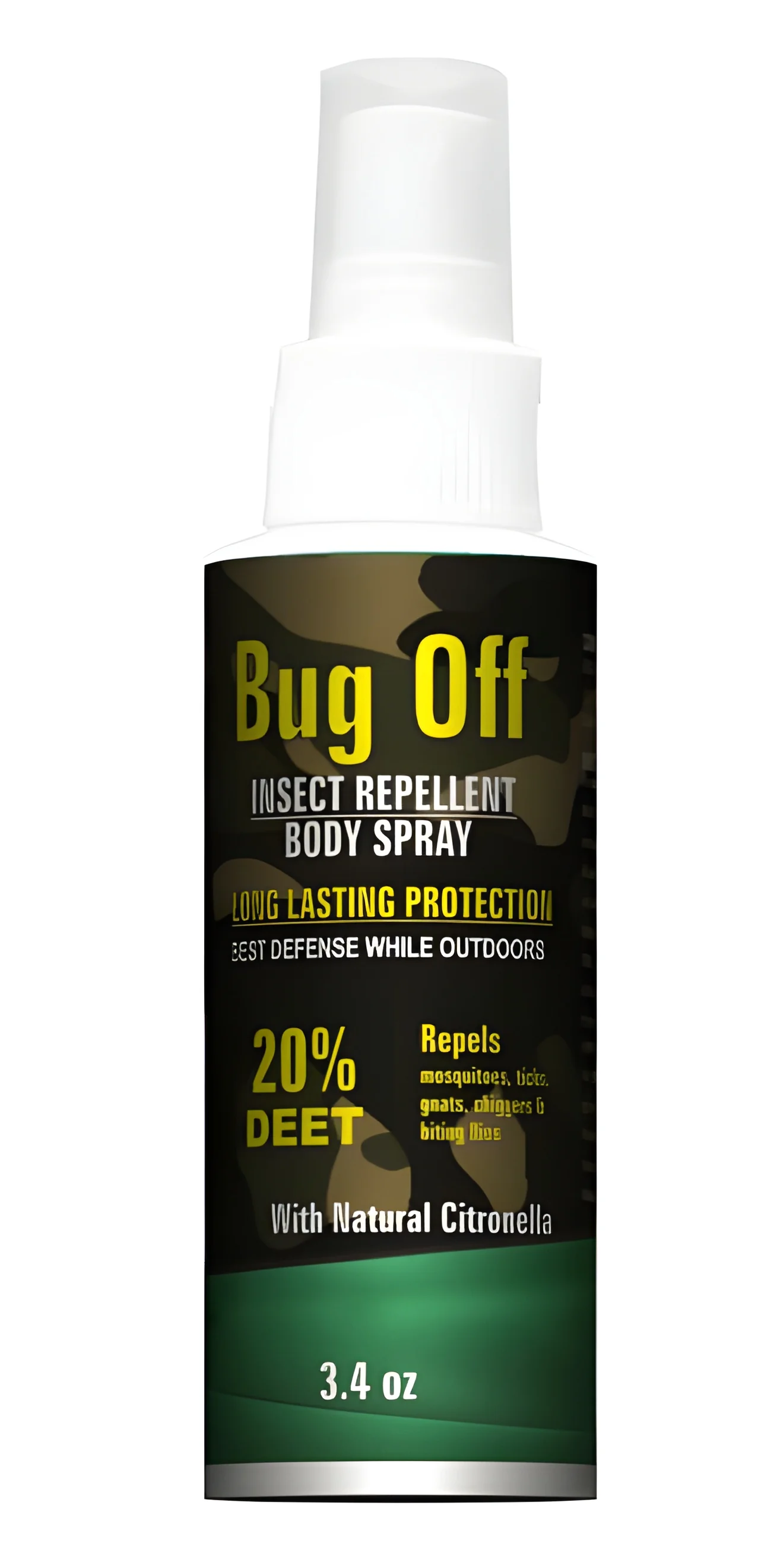
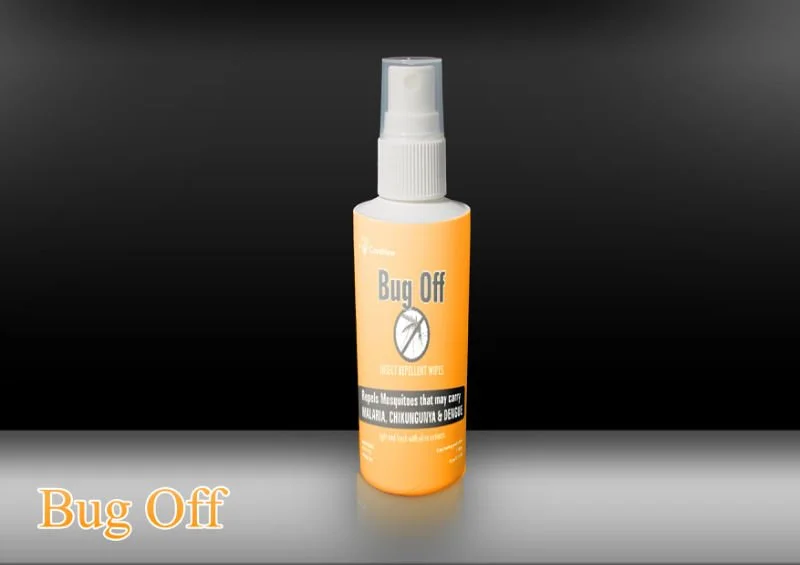
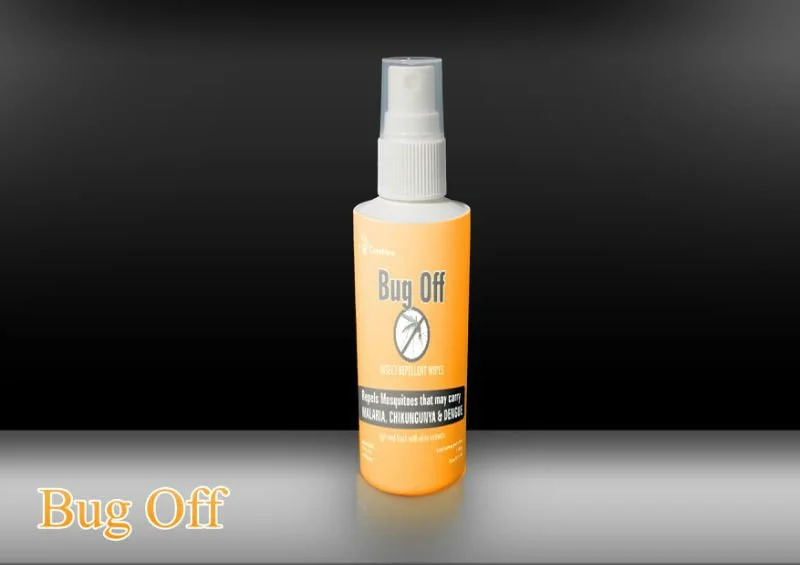
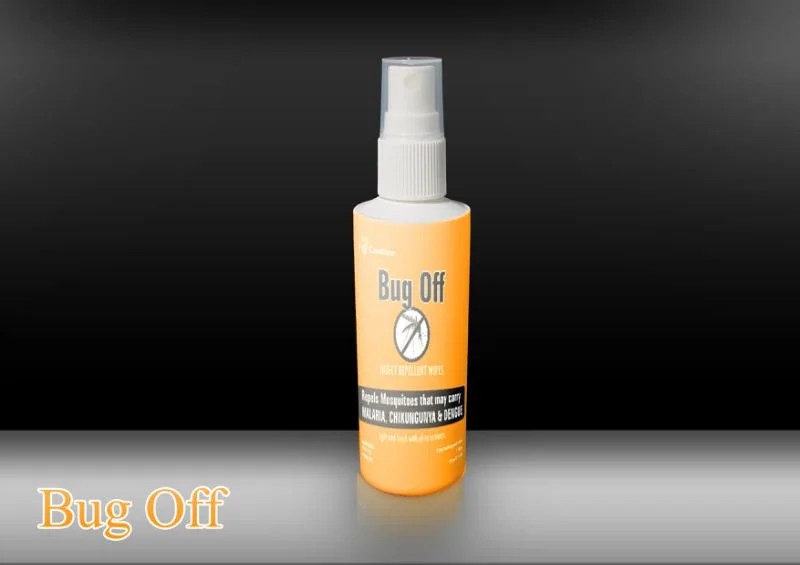
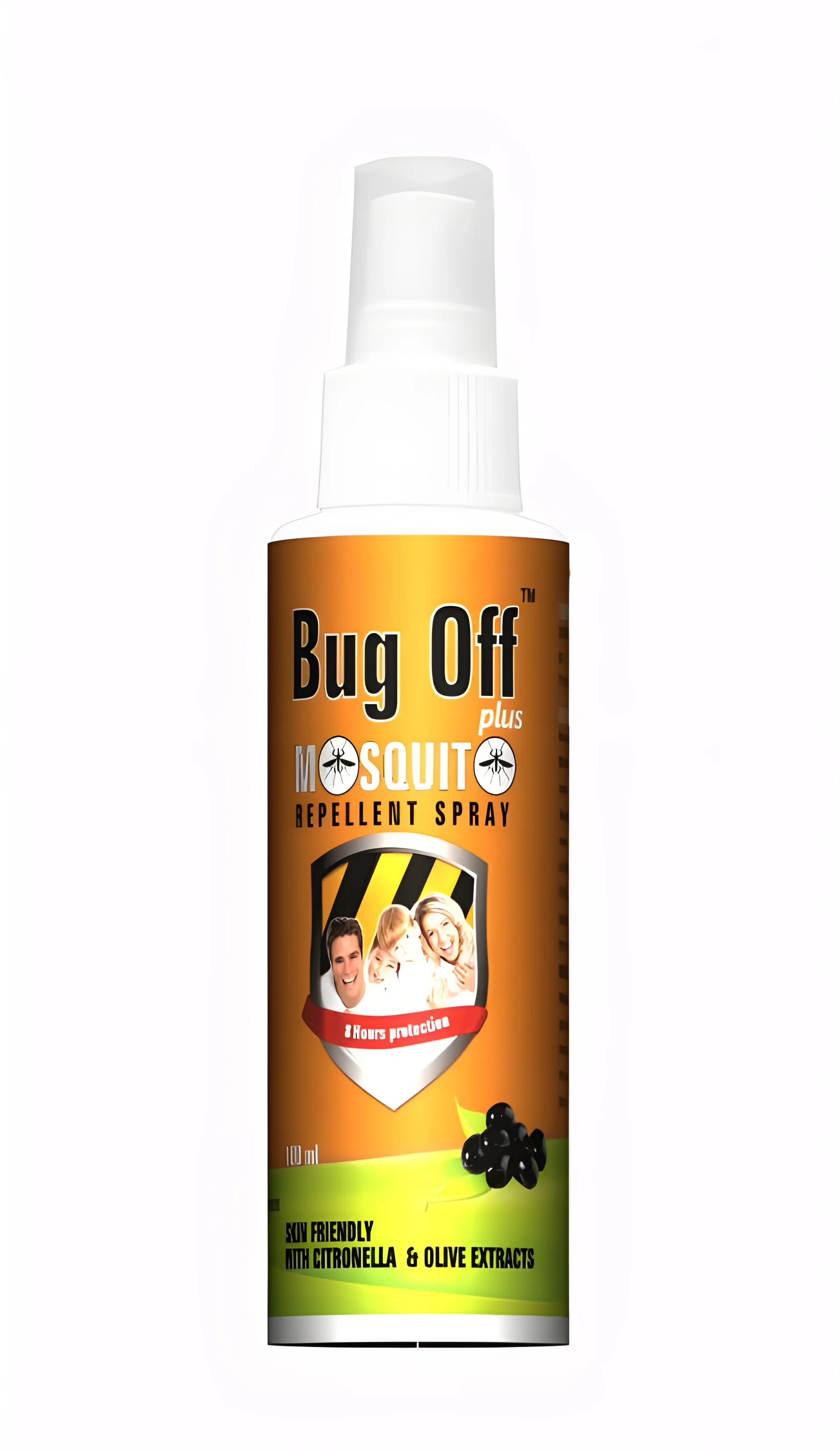
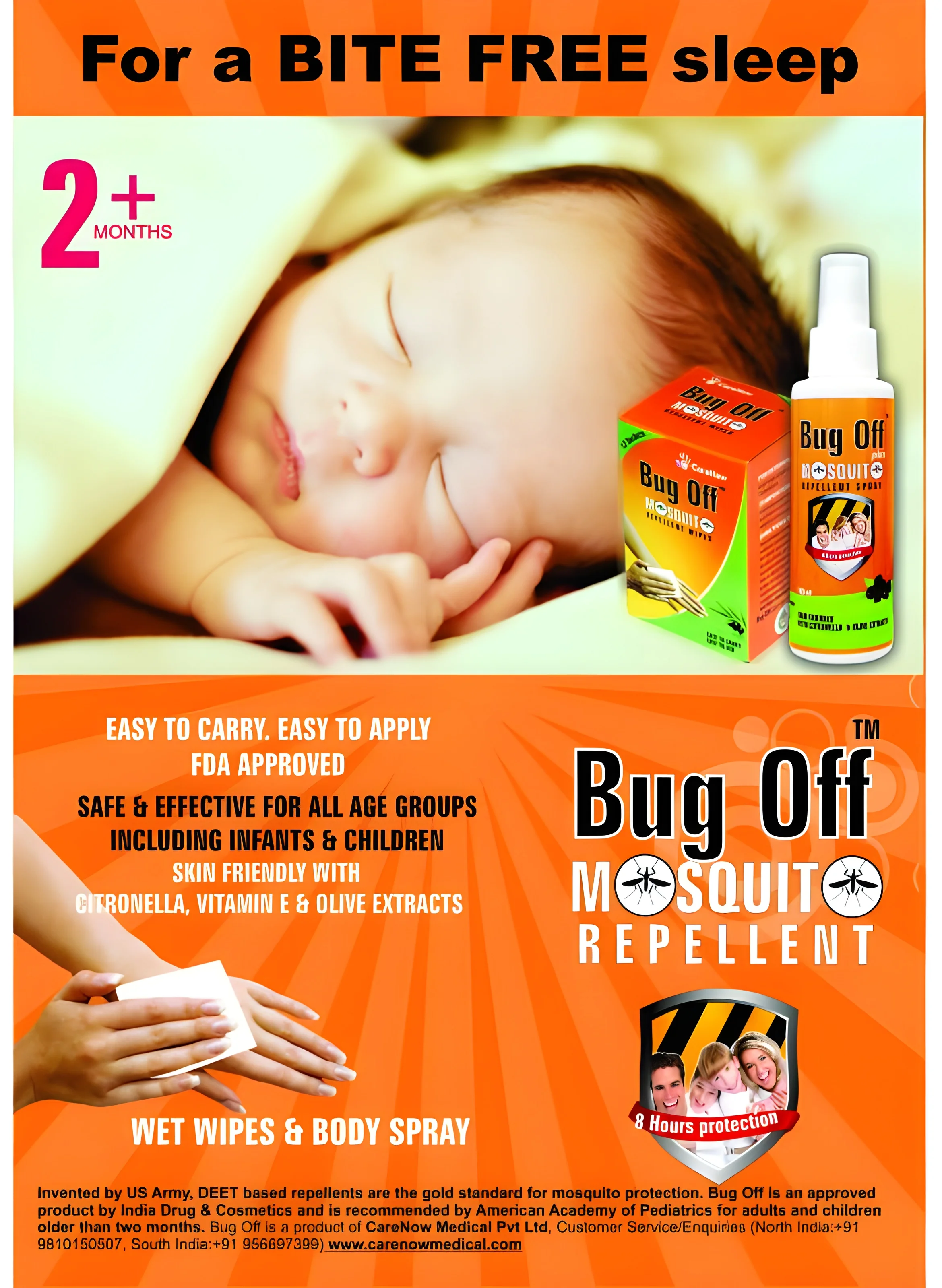
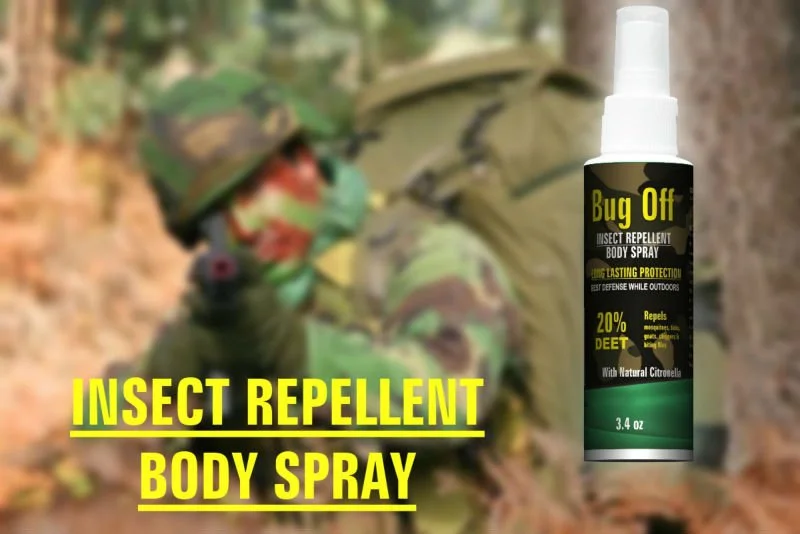
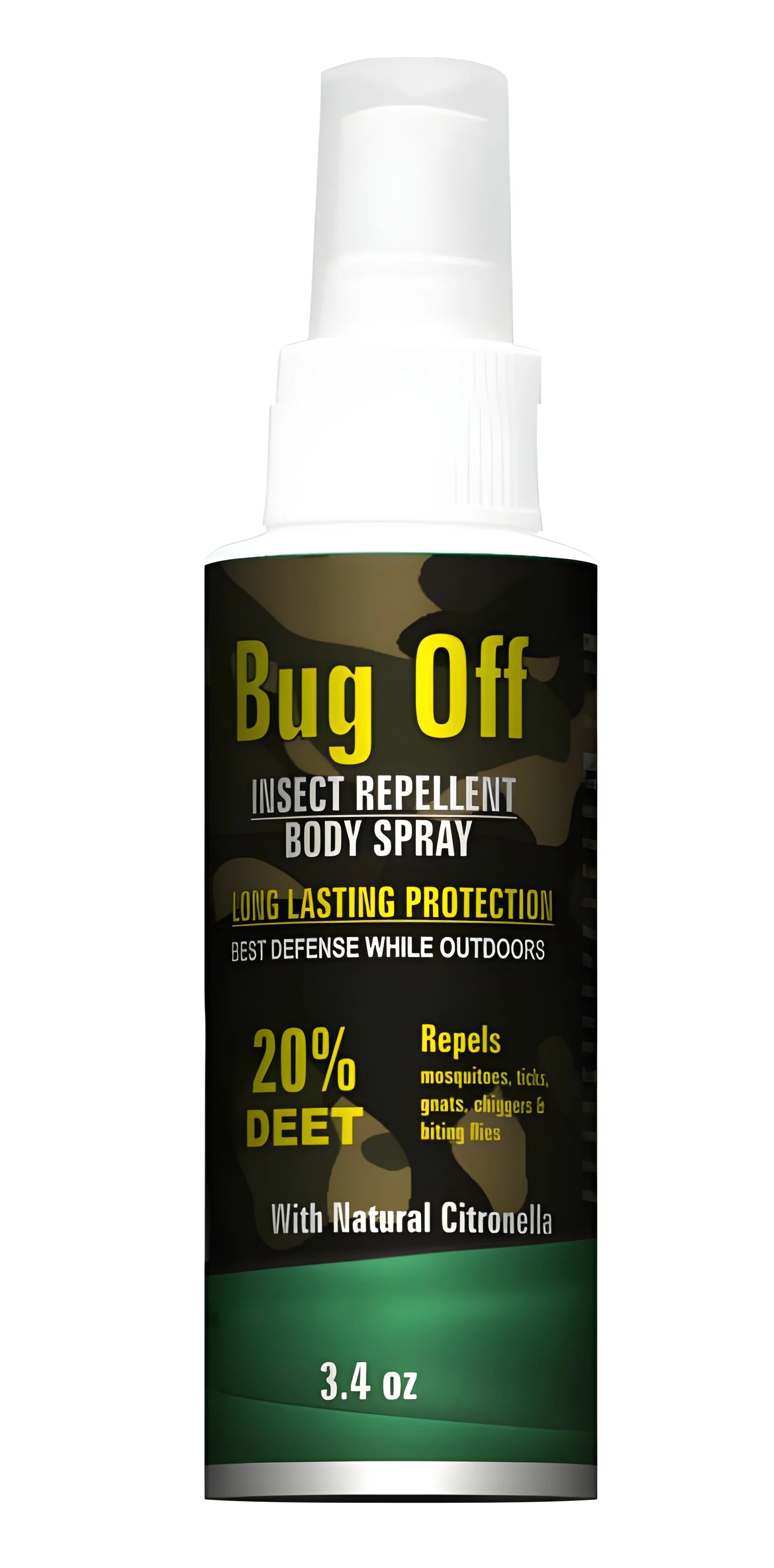
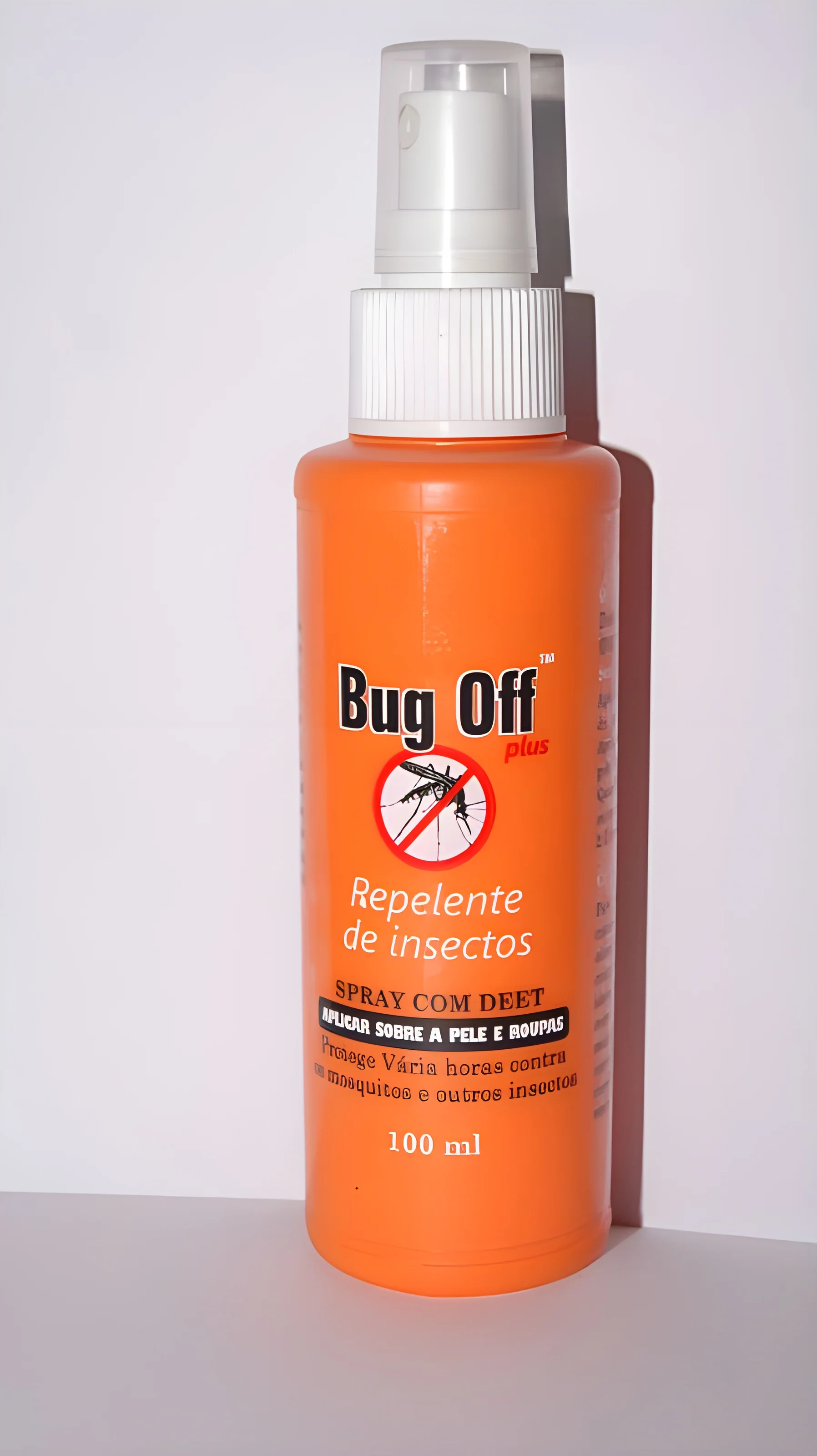
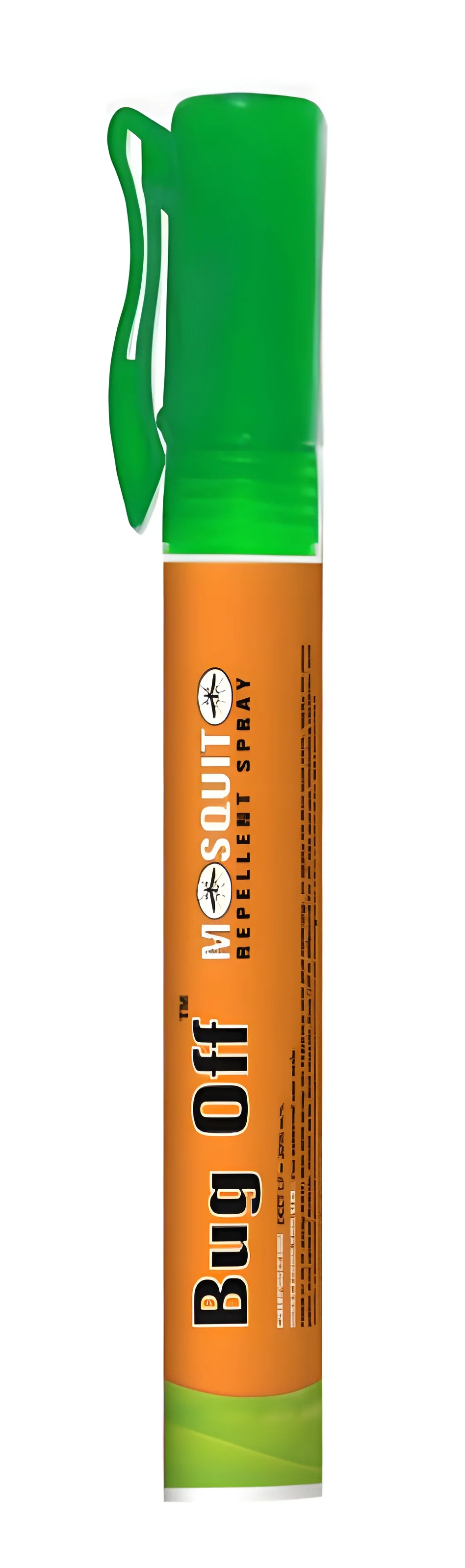
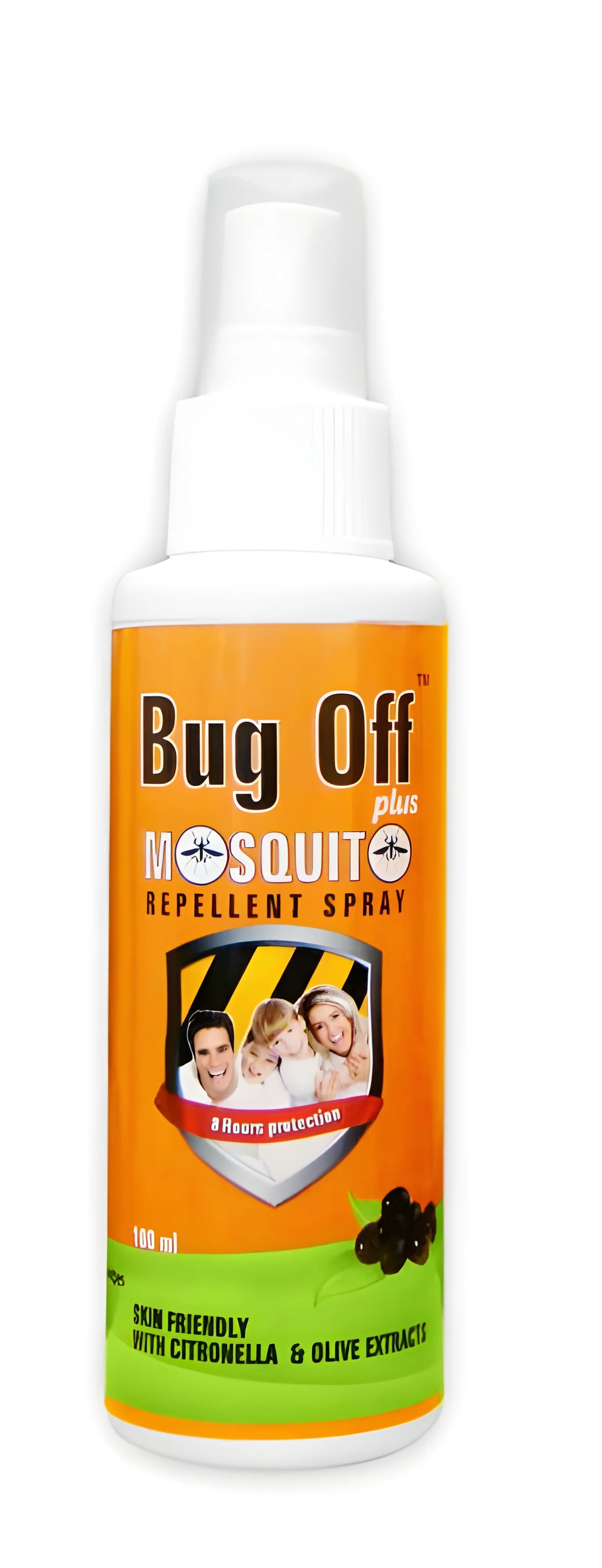
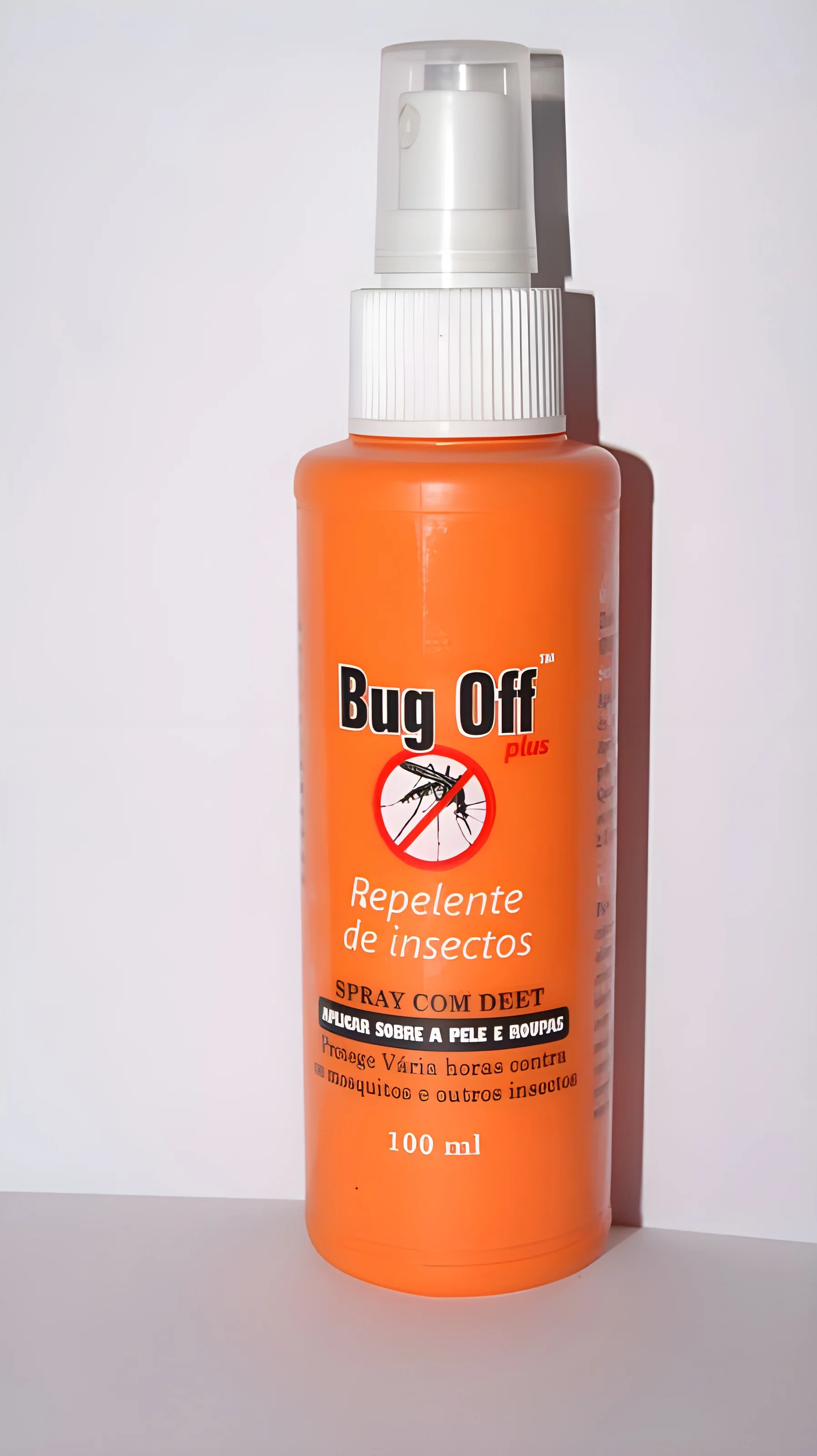
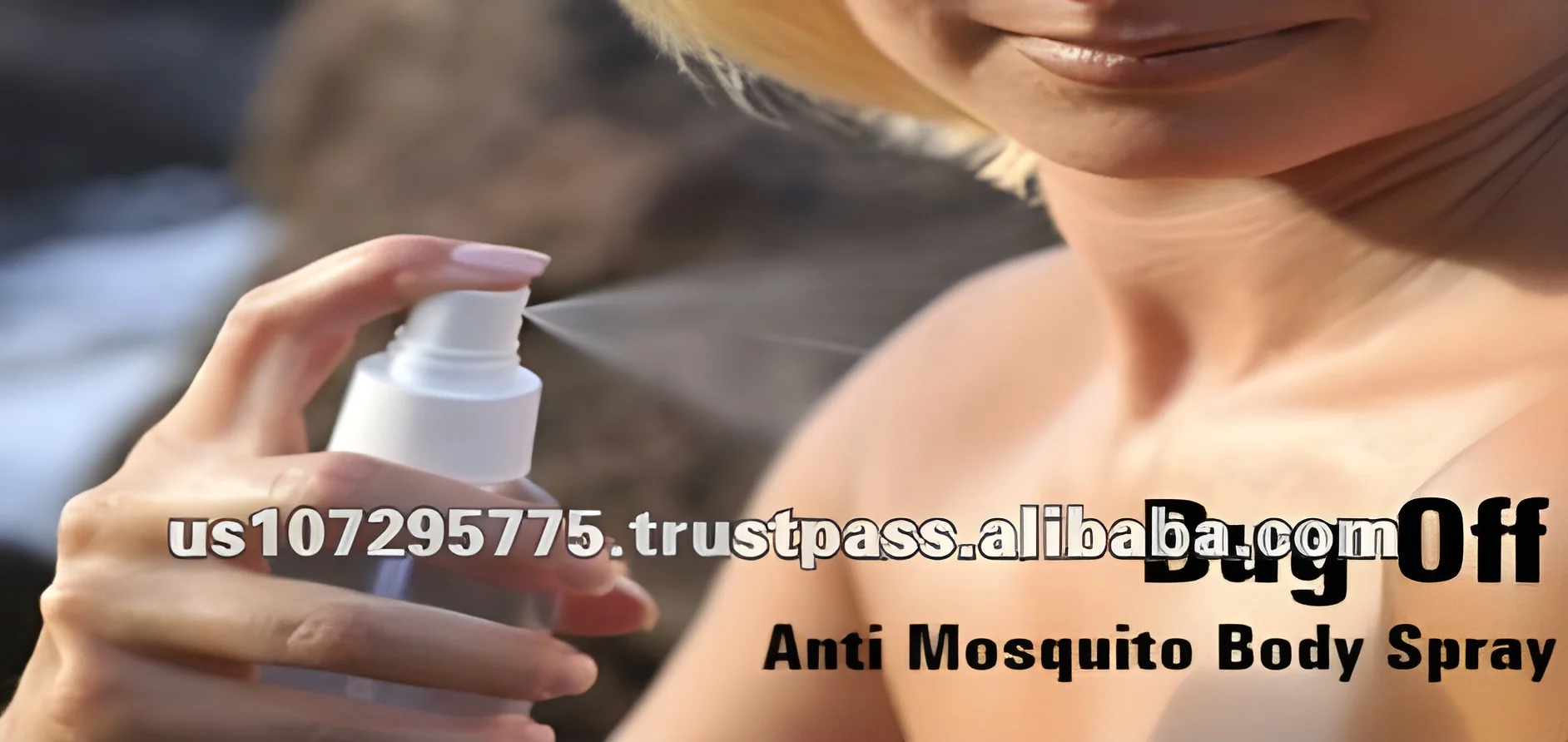
This variant is designed for easy application on exposed skin and clothing. It provides long-lasting protection against a wide range of insects, making it ideal for outdoor activities.
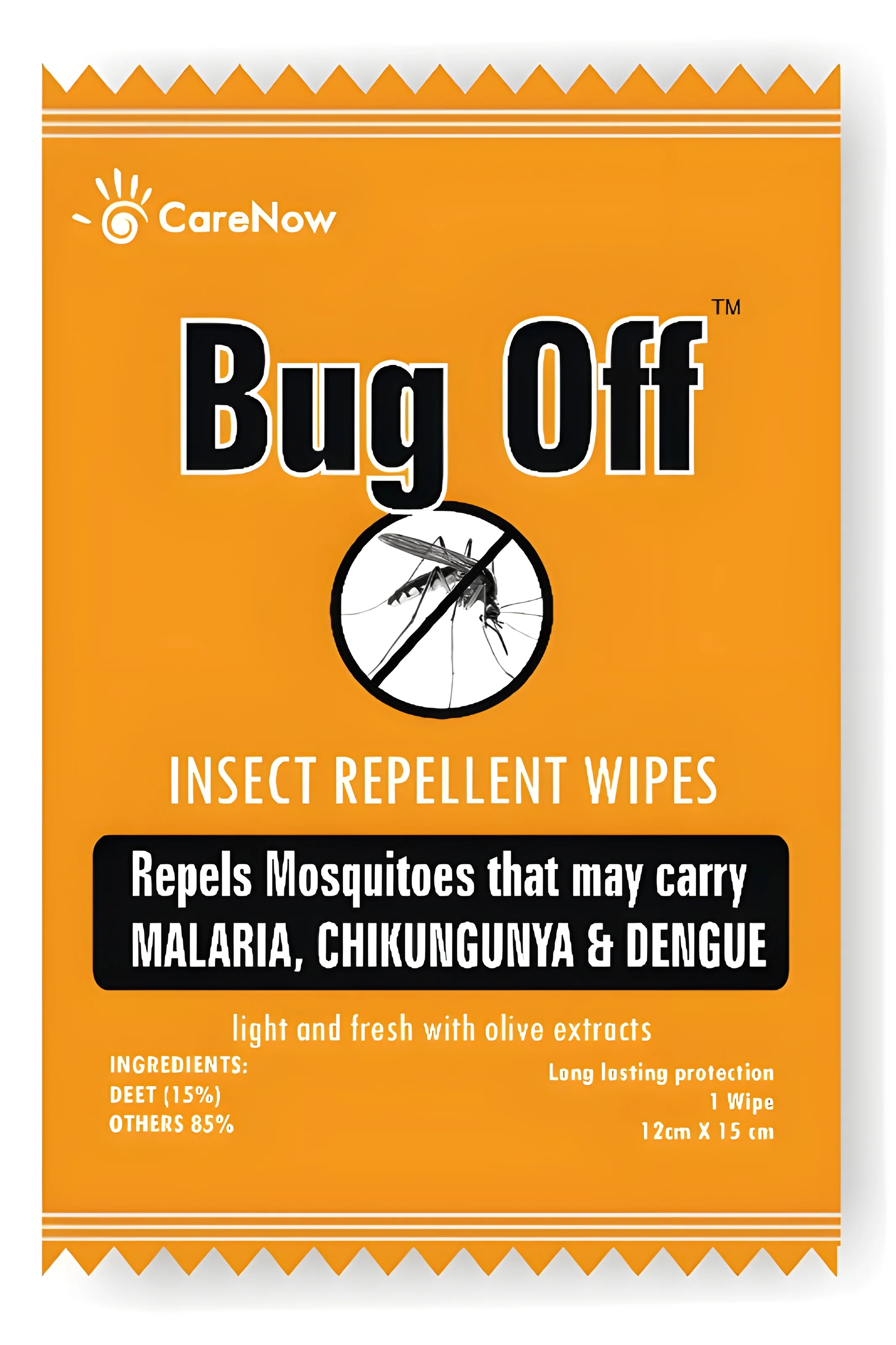
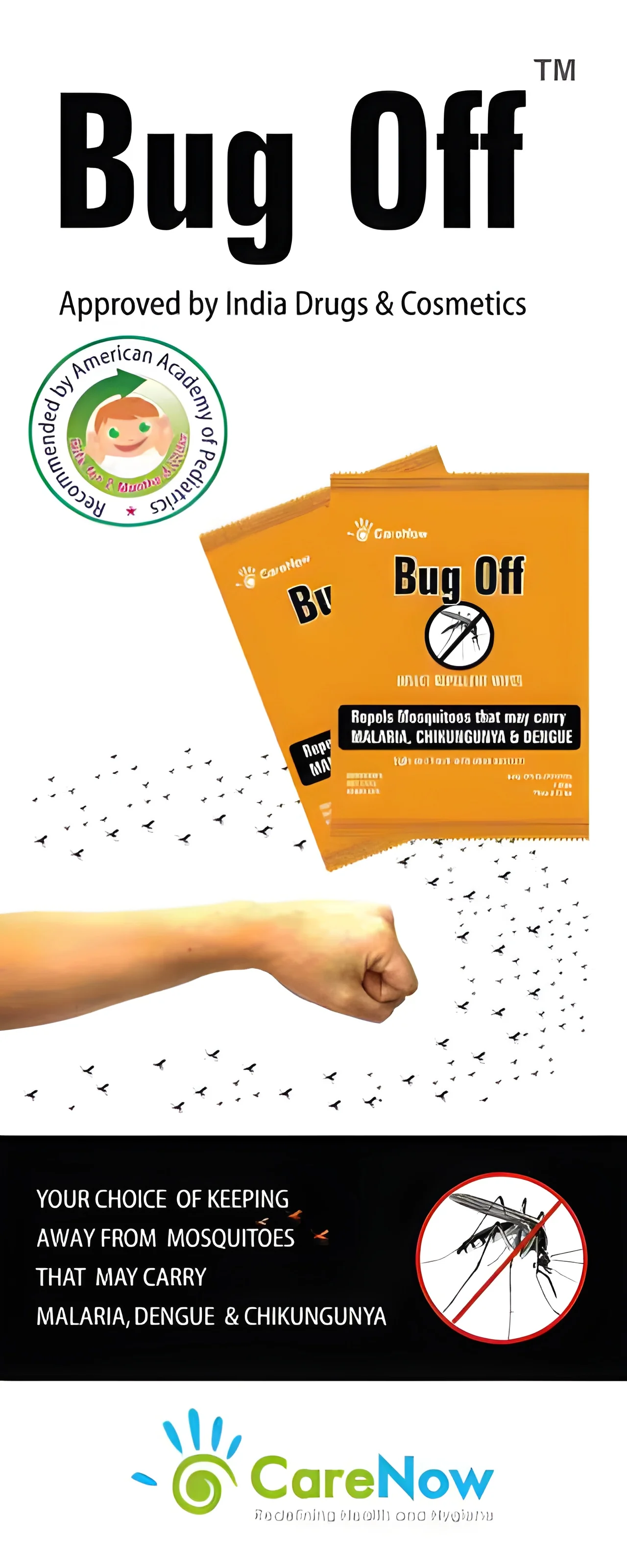
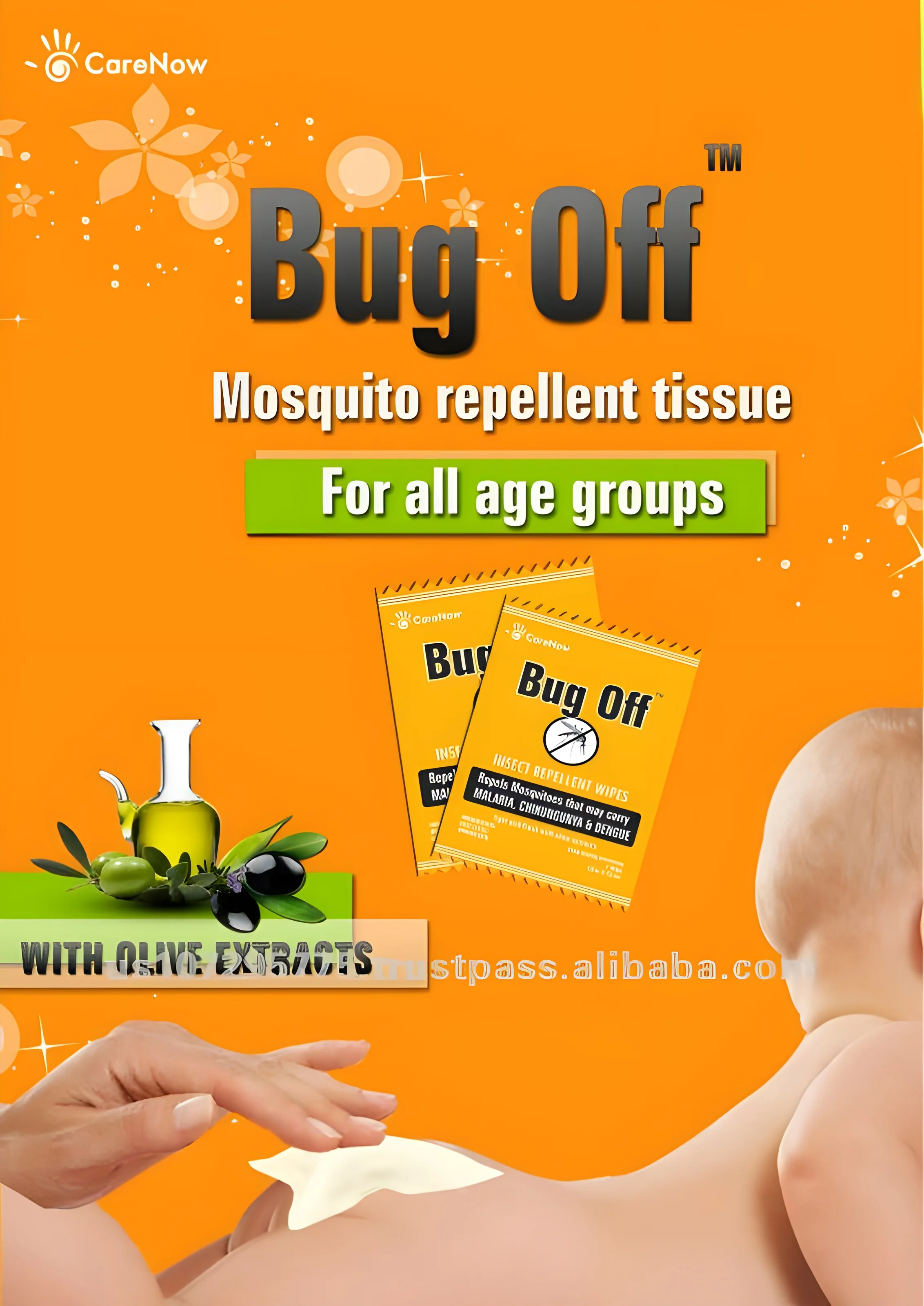
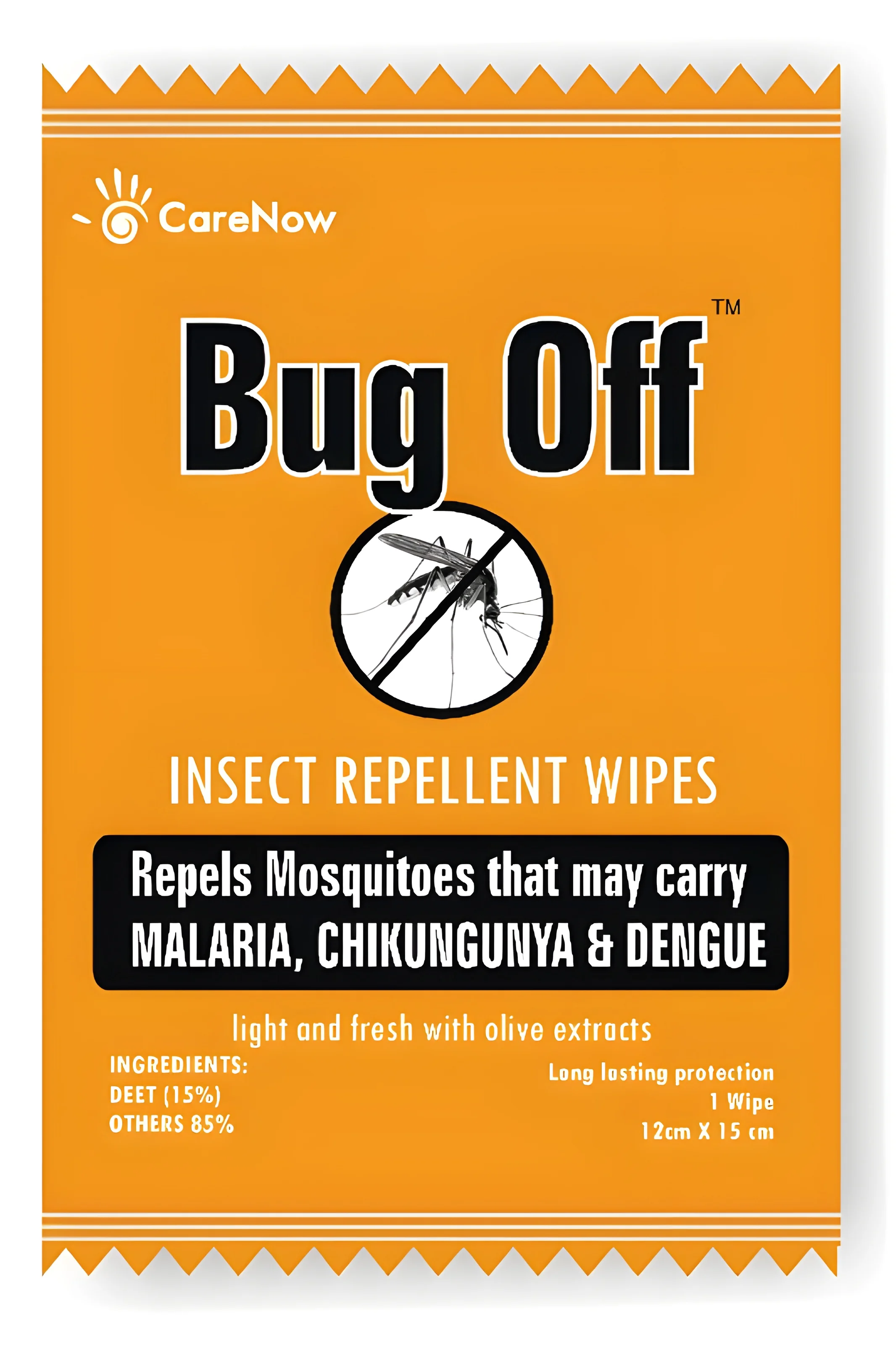
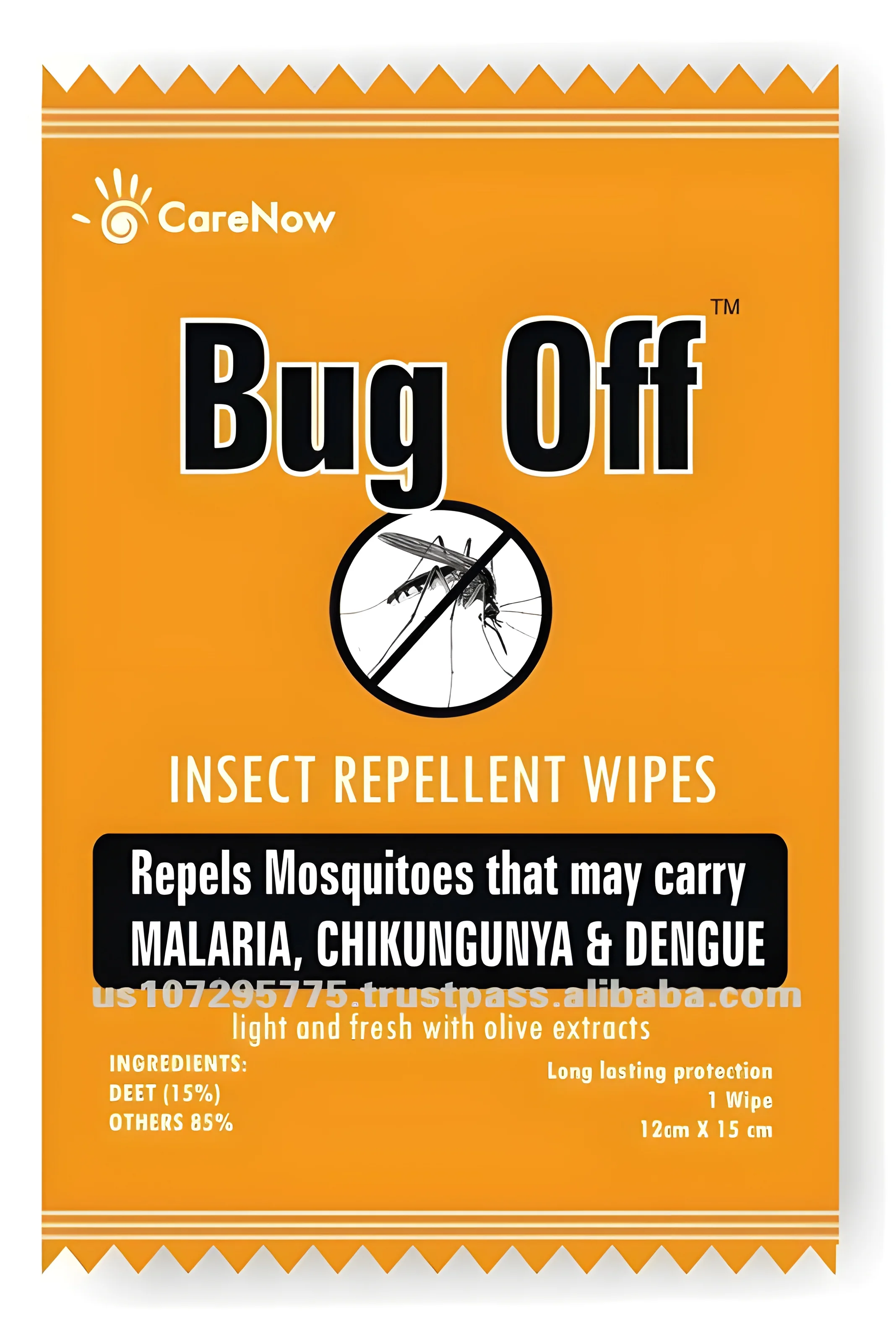
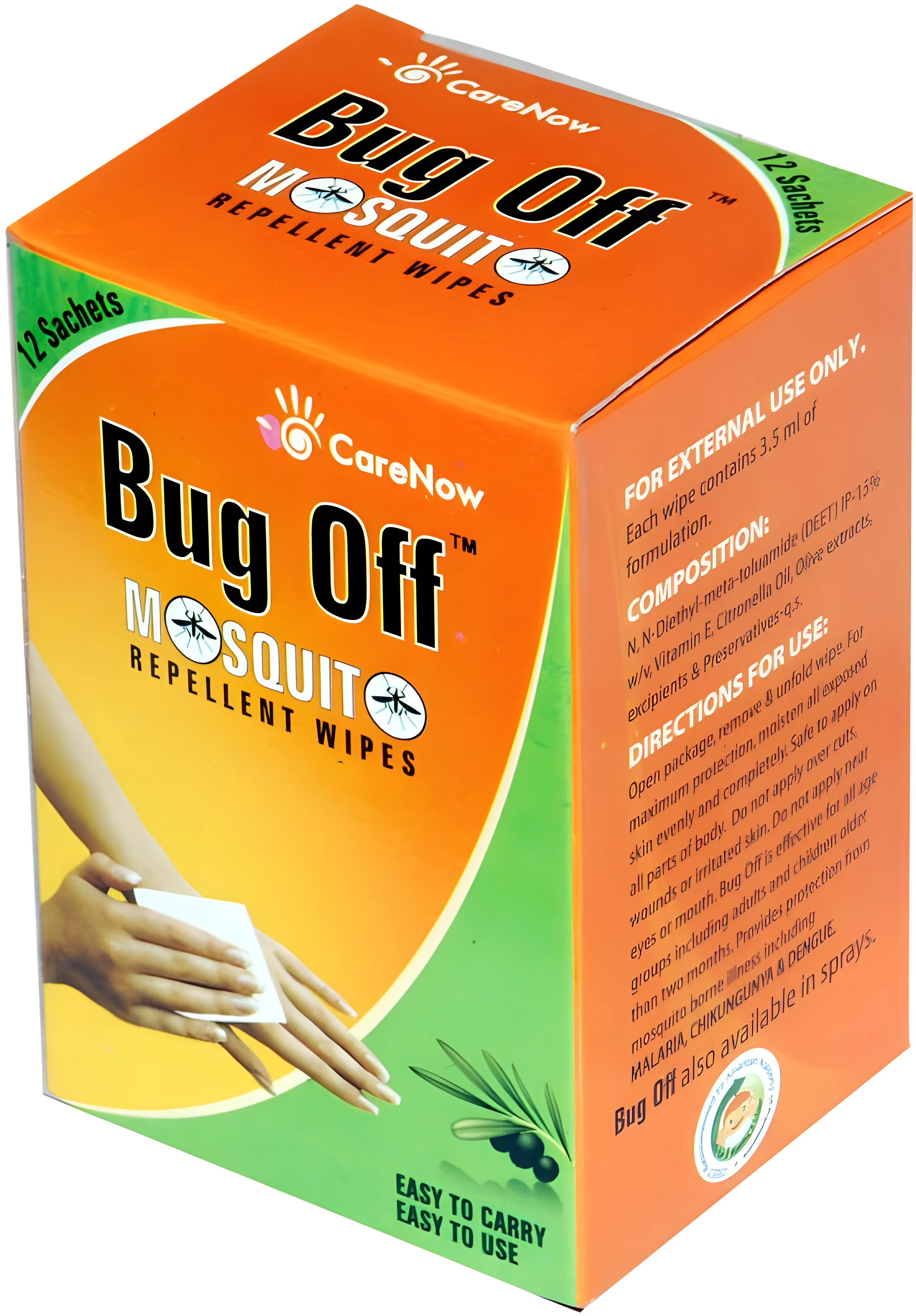
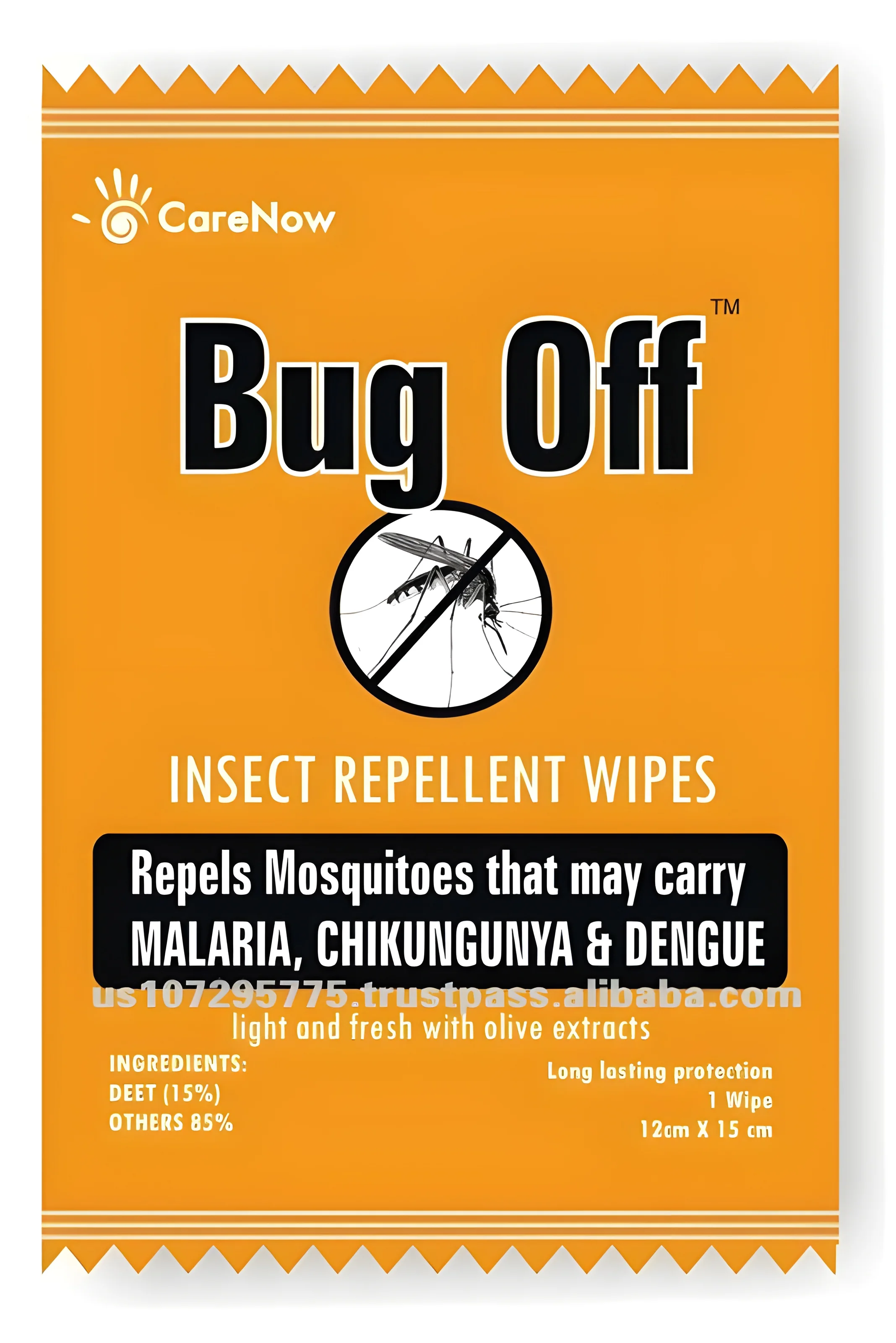
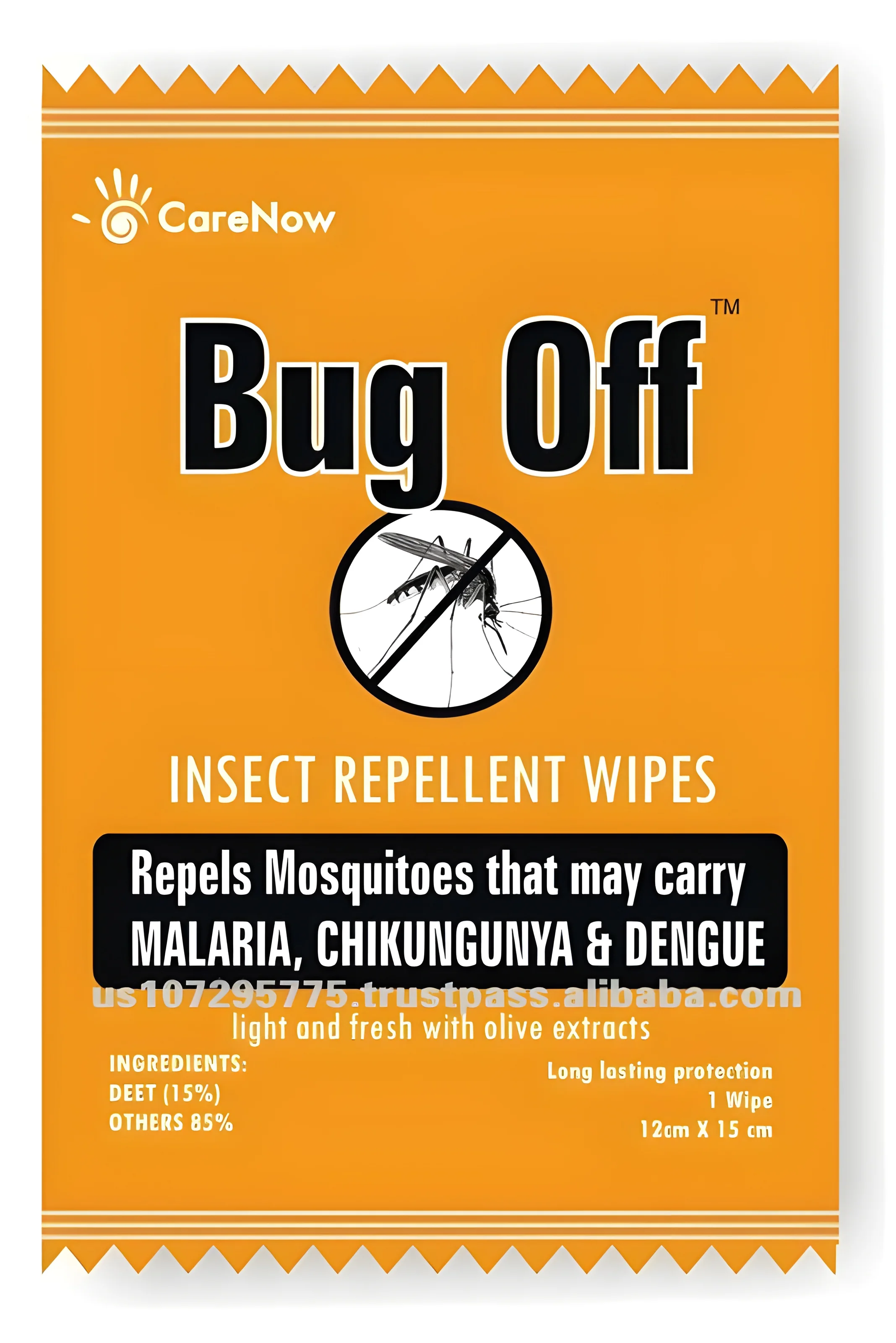
Insect Repellent Wipes
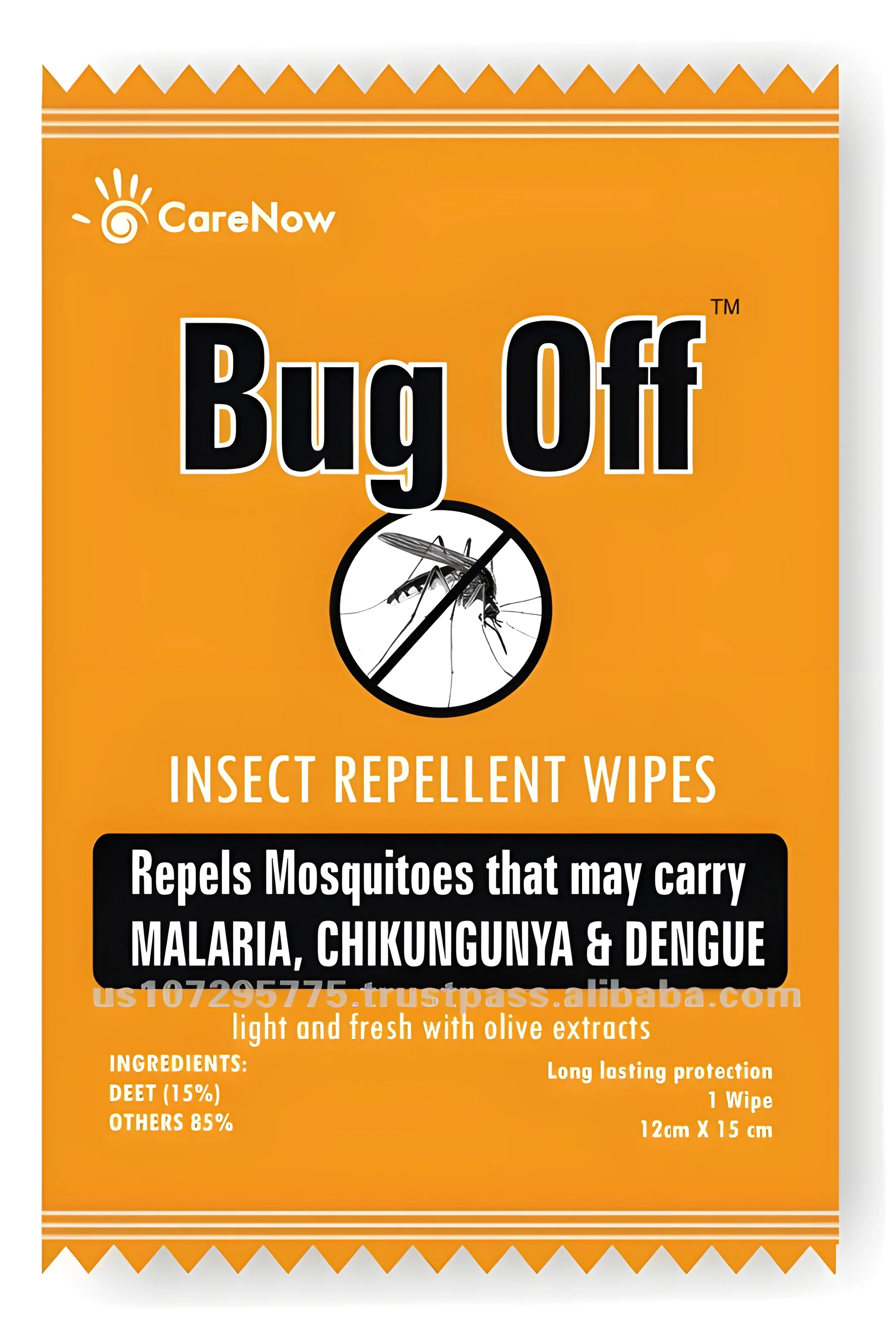
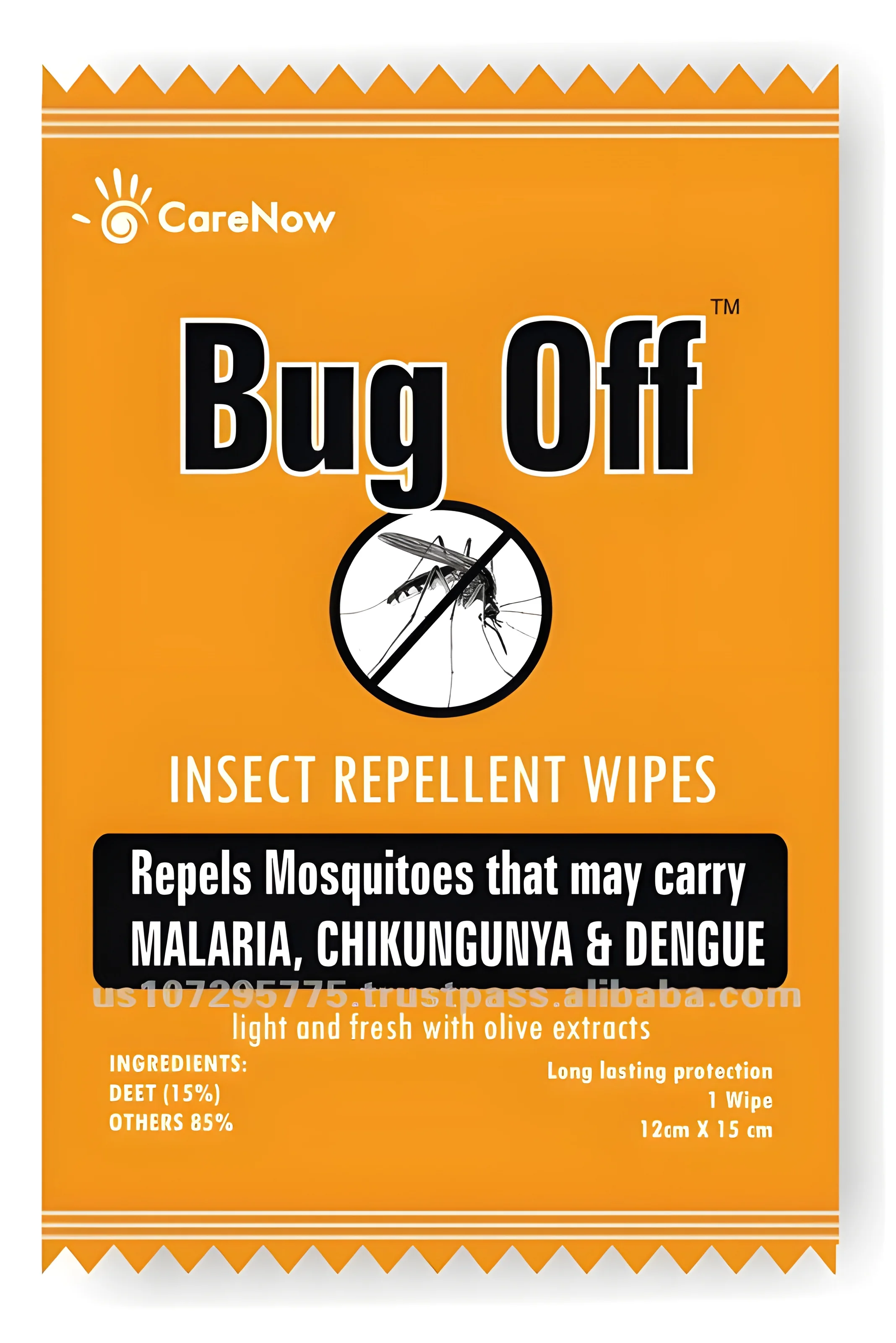
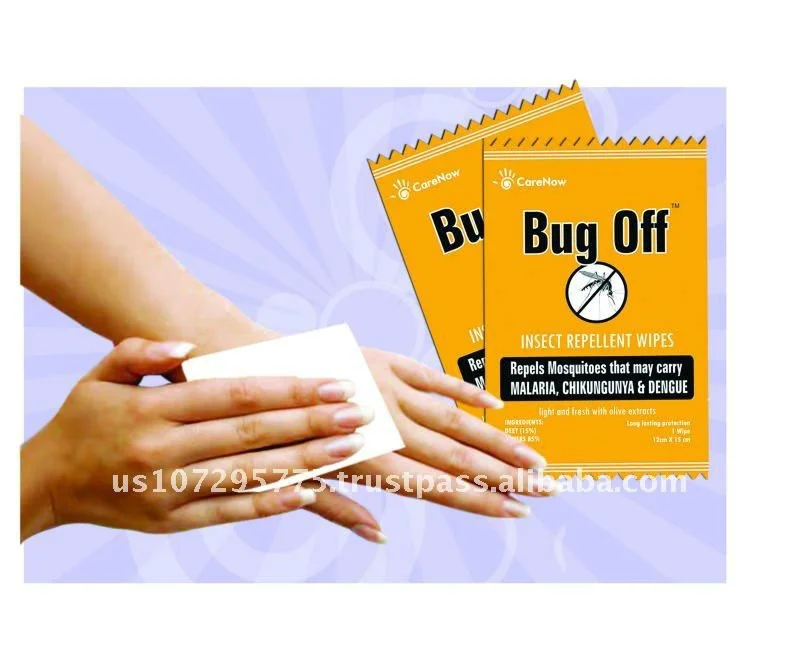
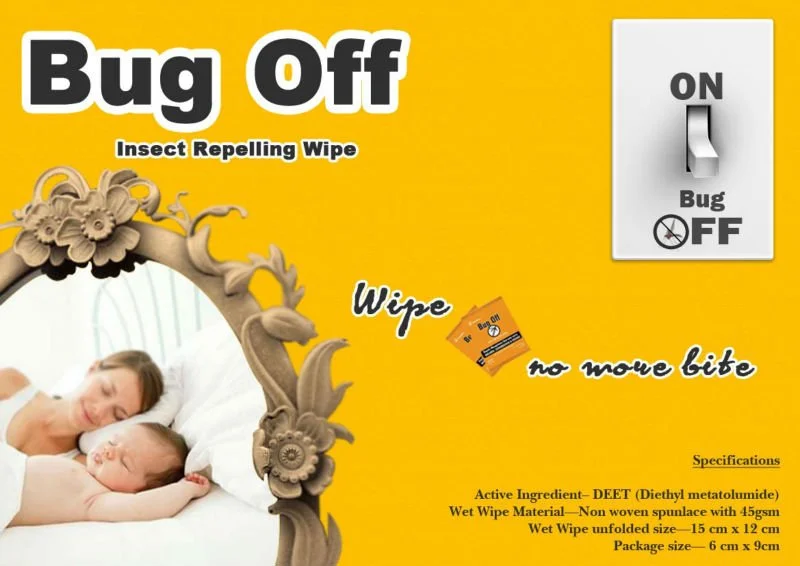
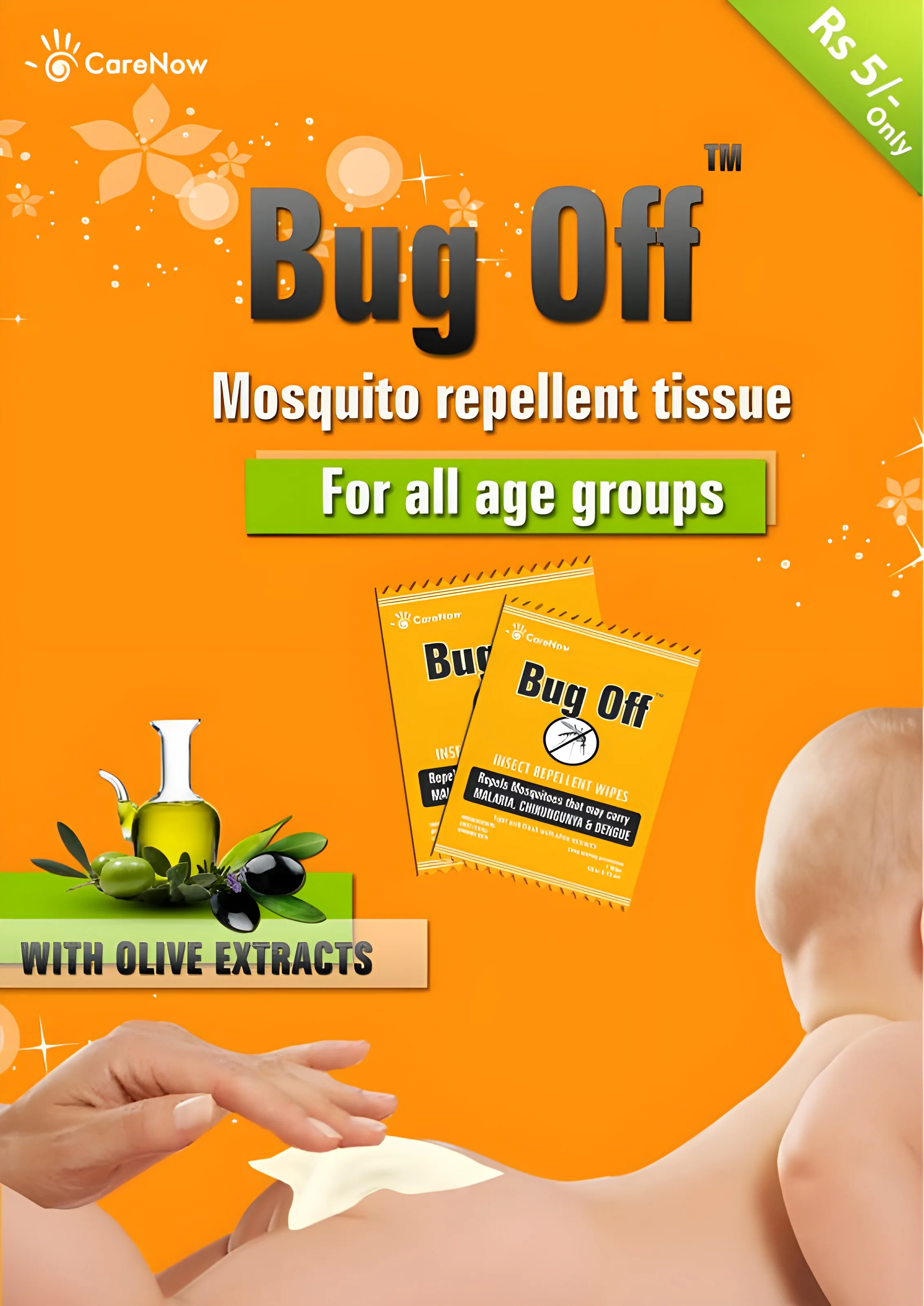
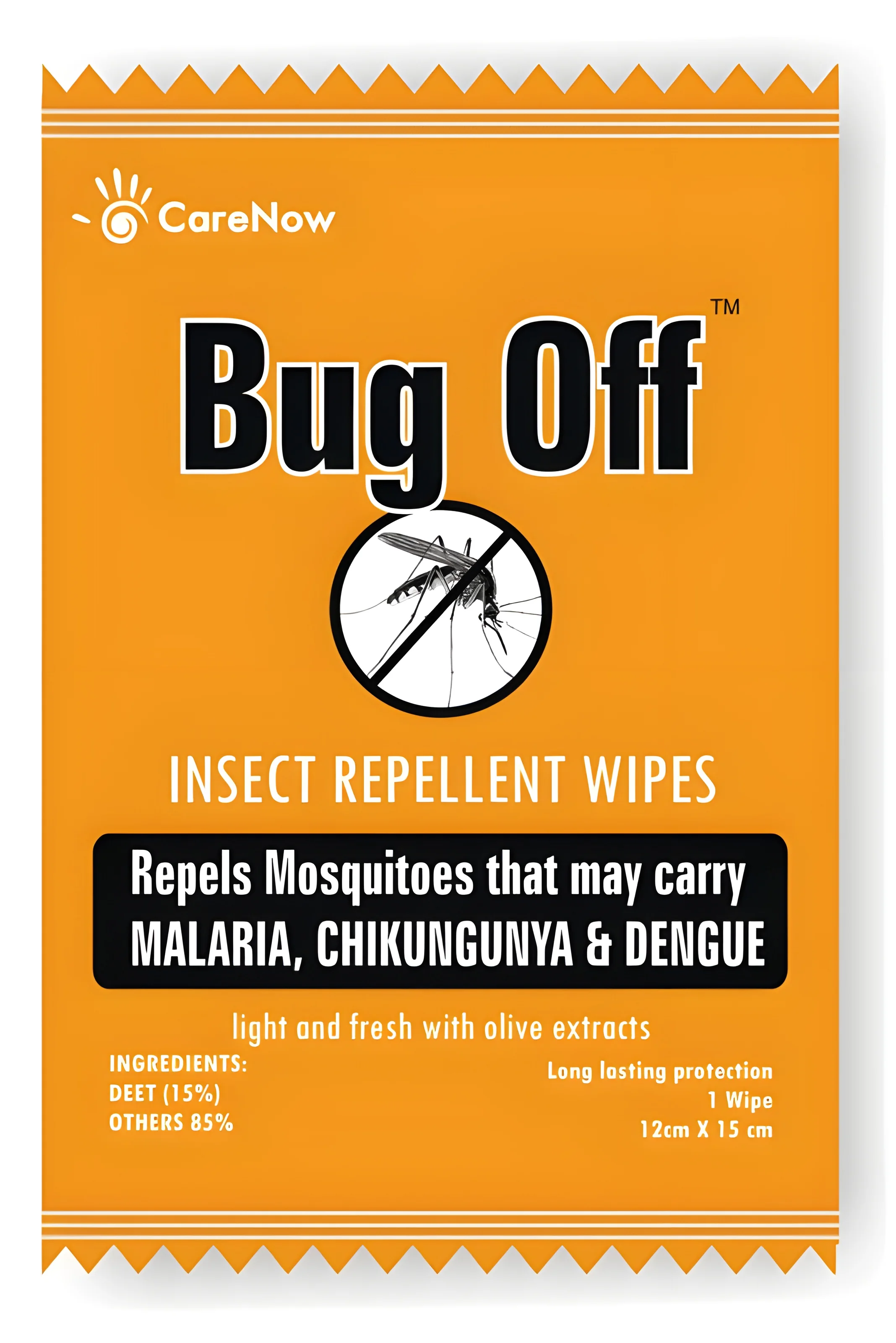
Portable and convenient, these wipes allow for on-the-go application. They are perfect for travelers who need quick protection without carrying bulky bottles.
Bug Nets for Tents
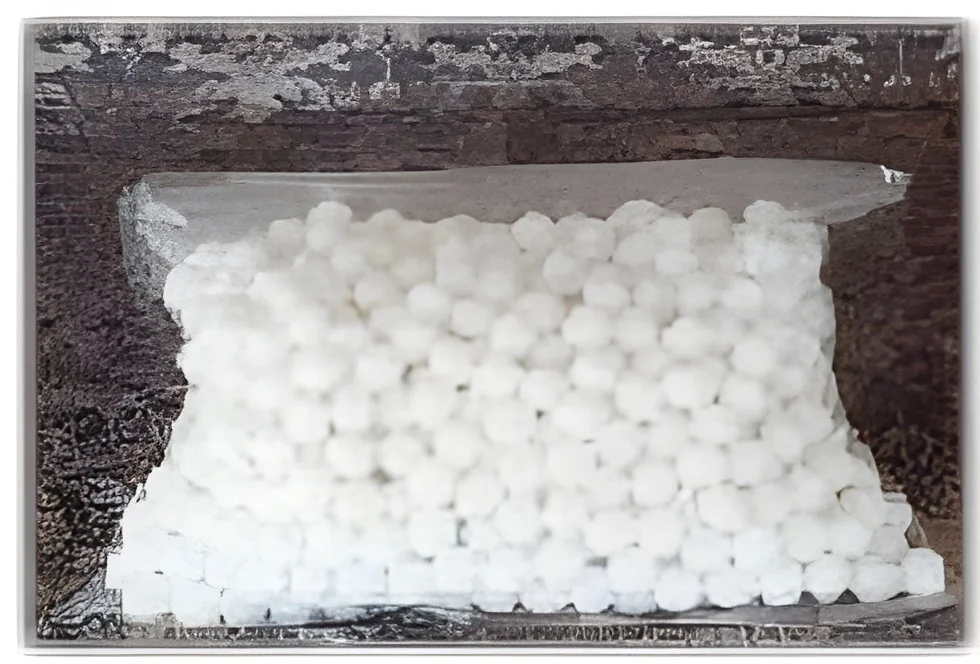
These nets are specifically designed to fit over camping tents, providing a barrier against mosquitoes and other insects while allowing for ventilation.
Bug Nets for Beds
Designed to drape over beds, these nets offer protection while sleeping, particularly in areas where insect-borne diseases are a concern.
Benefits and Advantages
Insect repellents and bug nets provide several advantages that enhance their appeal to B2B buyers.
1. Enhanced Safety: These products help reduce the risk of insect-borne diseases, contributing to overall health and safety for users.
2. Increased Comfort: By minimizing insect bites, they enhance the comfort of individuals in outdoor and indoor settings.
3. Environmental Protection: Bug nets provide a non-chemical solution to pest control, reducing the reliance on pesticides and minimizing environmental impact.
4. Cost-Effectiveness: Using these products can lead to savings by preventing crop damage and reducing healthcare costs associated with insect-borne illnesses.
5. Versatility: These products are suitable for various environments, from urban settings to remote wilderness areas, making them widely applicable.
6. Improved Quality of Life: By reducing insect-related nuisances, they contribute to a better quality of life for individuals and communities.
Buying Guide for B2B Buyers
When sourcing insect repellents and bug nets, it is important for buyers to consider several key factors.
1. Quality Assessment: Ensure that products meet established quality standards and have undergone appropriate testing. Look for certifications like CE to guarantee safety and effectiveness.
2. Supplier Verification: Vet suppliers by checking their reputation, customer reviews, and compliance with industry regulations. A reliable supplier will have a track record of delivering quality products.
3. Pricing and MOQ: Understand the pricing structure and minimum order quantities. This information is crucial for budgeting and inventory management.
4. Delivery and Lead Times: Confirm logistics details, including delivery times and shipping options. Timely delivery is essential to maintain operations and meet customer needs.
5. Compliance Requirements: Familiarize yourself with any regional compliance regulations that may apply to insect repellents and bug nets. This ensures that the products can be legally sold and used in your area.
Compliance and Certifications
Insect repellents and bug nets must adhere to various quality standards and certifications to ensure safety and effectiveness. Compliance with ISO 9001 guarantees that manufacturers maintain high-quality management systems. This standard is crucial for ensuring consistent product quality.
In addition, certifications like CE indicate that products meet European safety, health, and environmental protection standards. This certification is particularly important for companies exporting products to European markets.
Safety and testing requirements dictate that insect repellents undergo rigorous evaluations to confirm their efficacy and safety for human use. Testing for skin sensitivity and environmental impact is essential in product development.
Furthermore, regional compliance considerations can vary significantly. Different countries may have specific regulations regarding the use of chemical ingredients in repellents or the materials used in bug nets. Understanding these requirements is crucial for companies operating in multiple jurisdictions.
Why Source Insect Repellents & Bug Nets from Pepagora?
Pepagora provides a trusted platform for sourcing insect repellents and bug nets, backed by several key advantages that appeal to B2B buyers.
Verified Supplier Network: Pepagora connects buyers with a network of verified suppliers who meet stringent quality and safety standards. This ensures that buyers receive products that are both effective and compliant with regulations.
Streamlined RFQ Process: The quotation system at Pepagora simplifies the procurement process. Buyers can easily request quotes from multiple suppliers, allowing for competitive pricing and informed purchasing decisions.
Trade Assurance and Support: Pepagora offers trade assurance, providing buyers with protection against potential issues such as product quality and delivery delays. This support fosters confidence in the purchasing process.
Regional Coverage: With a geographic reach that extends across India, the GCC, and Southeast Asia, Pepagora connects buyers to suppliers in various markets. This broad coverage ensures access to a diverse range of products tailored to specific regional needs.

 IN
IN