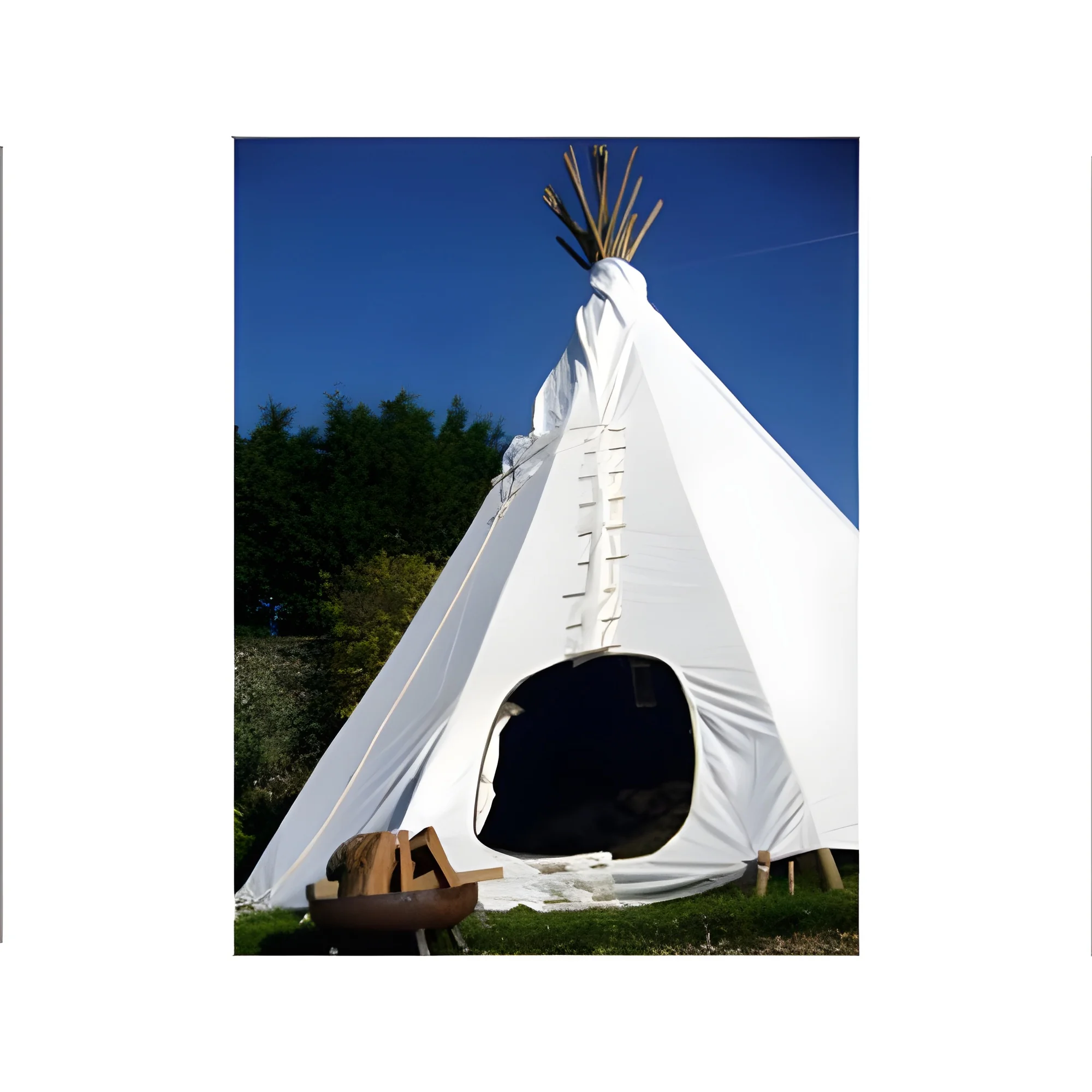
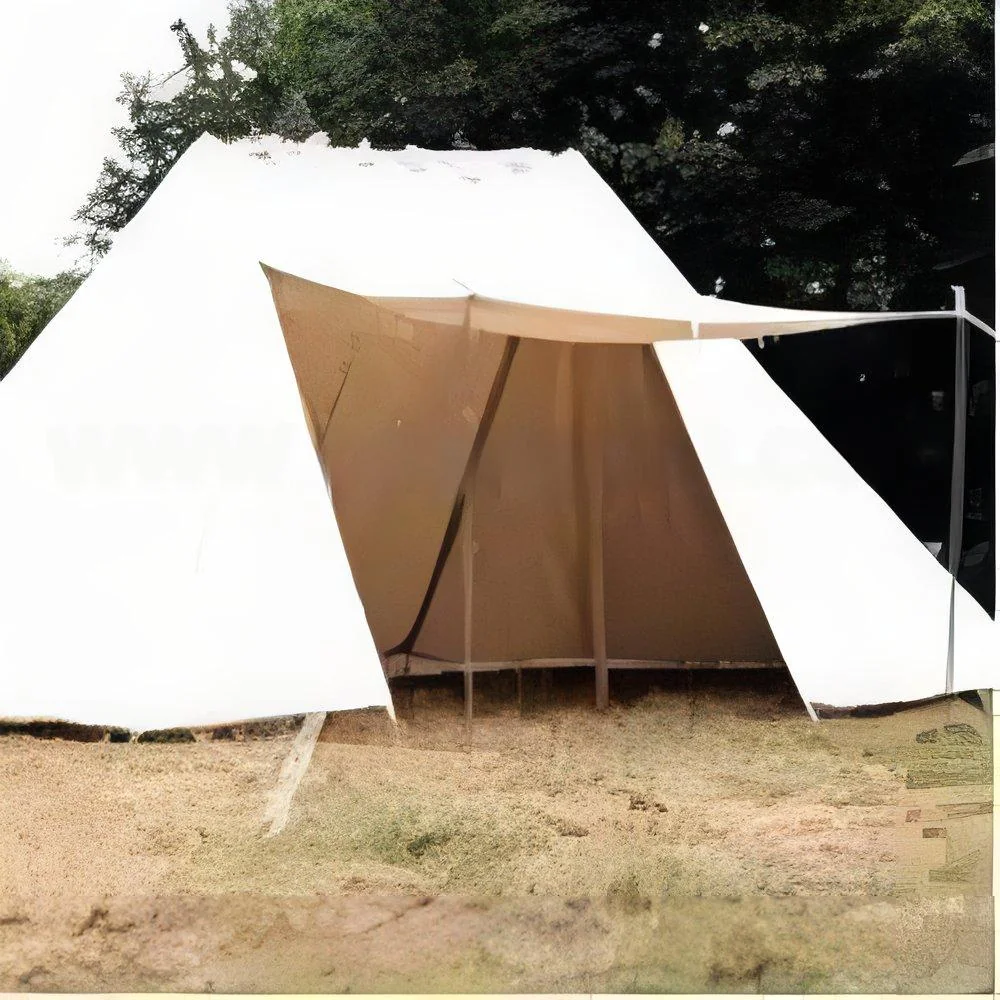
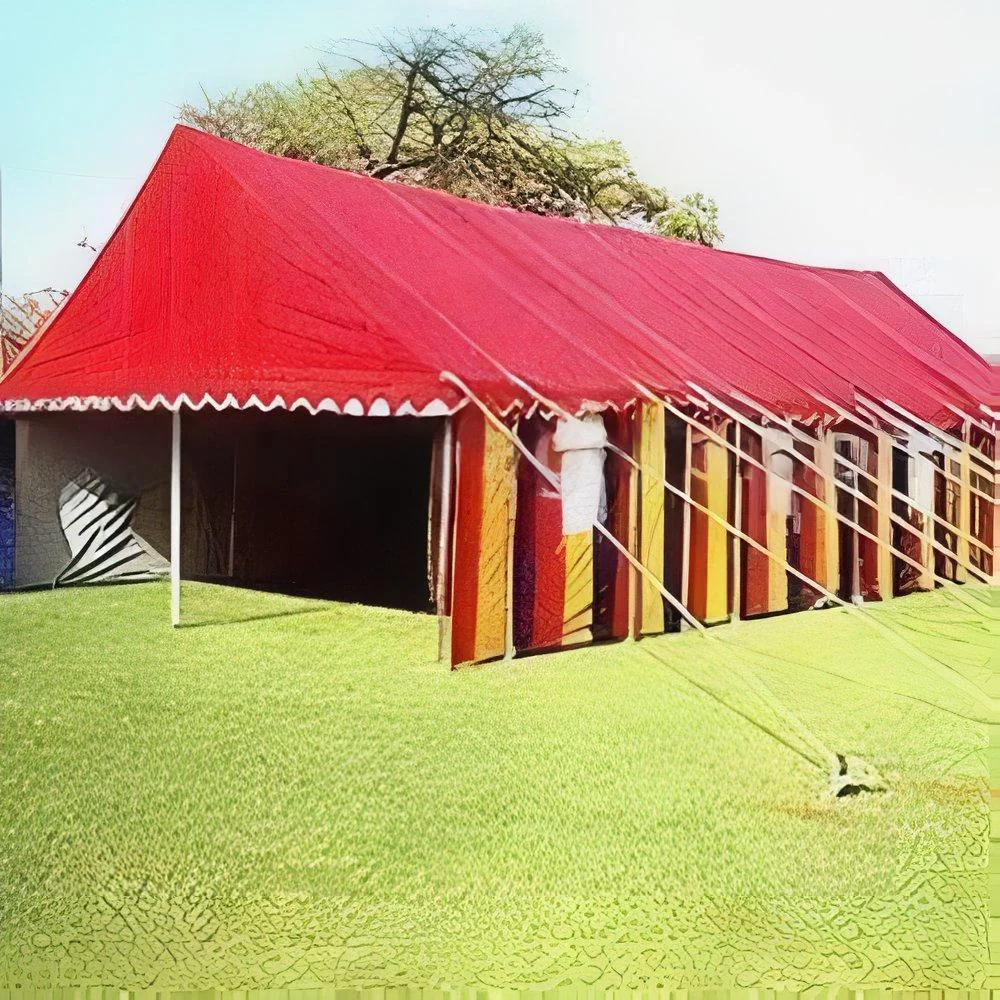
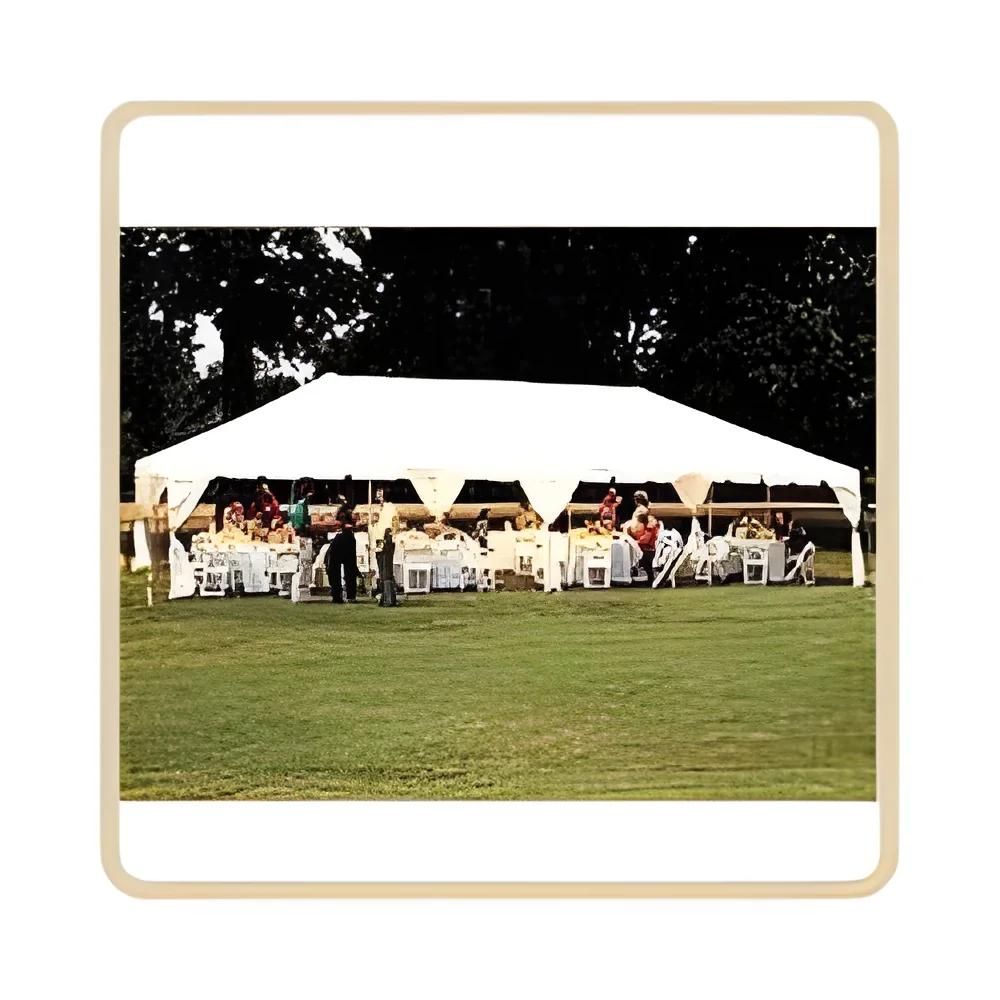
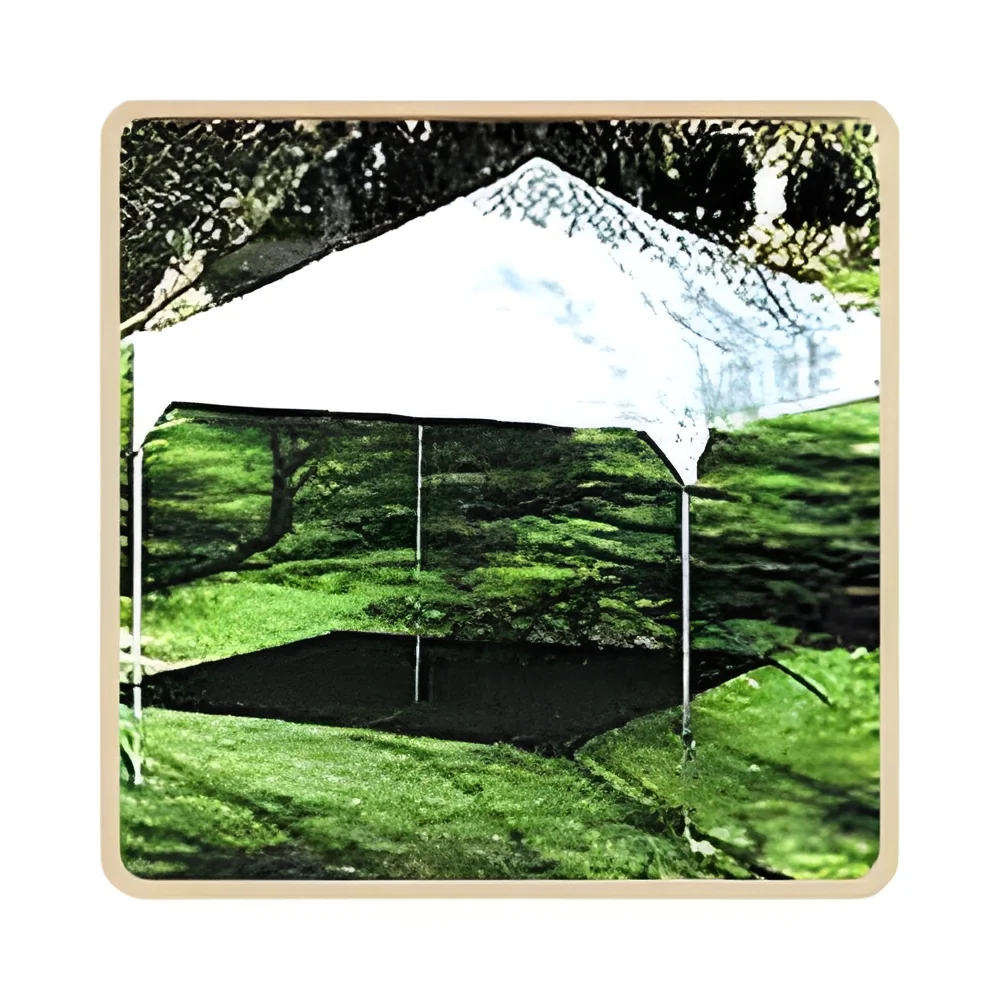
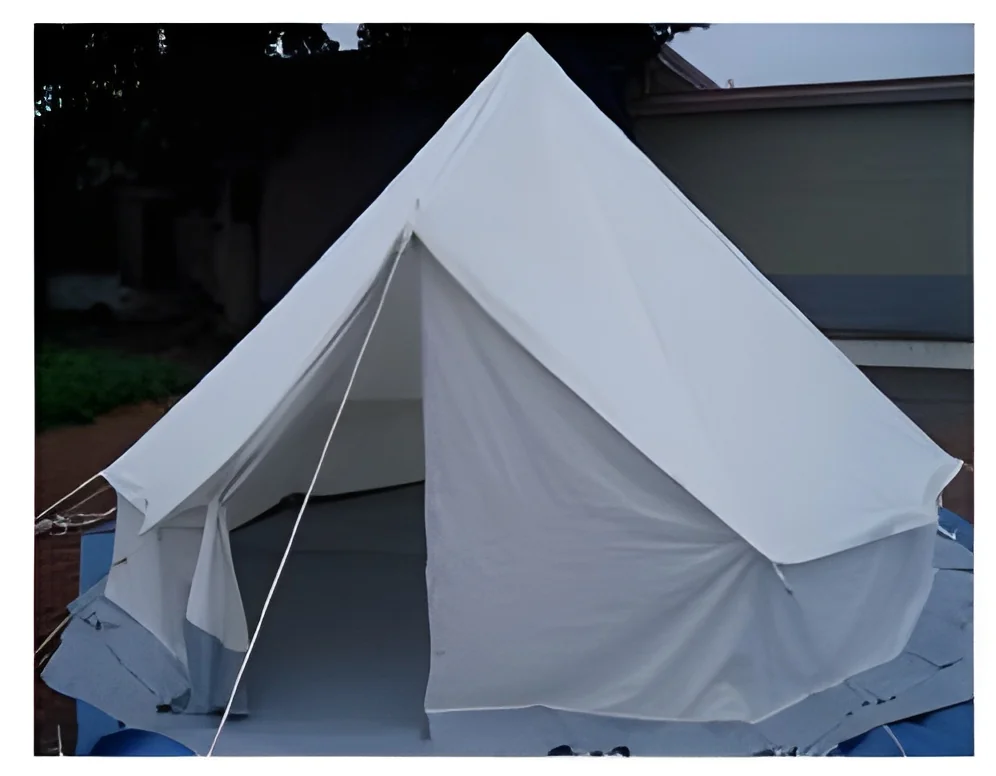
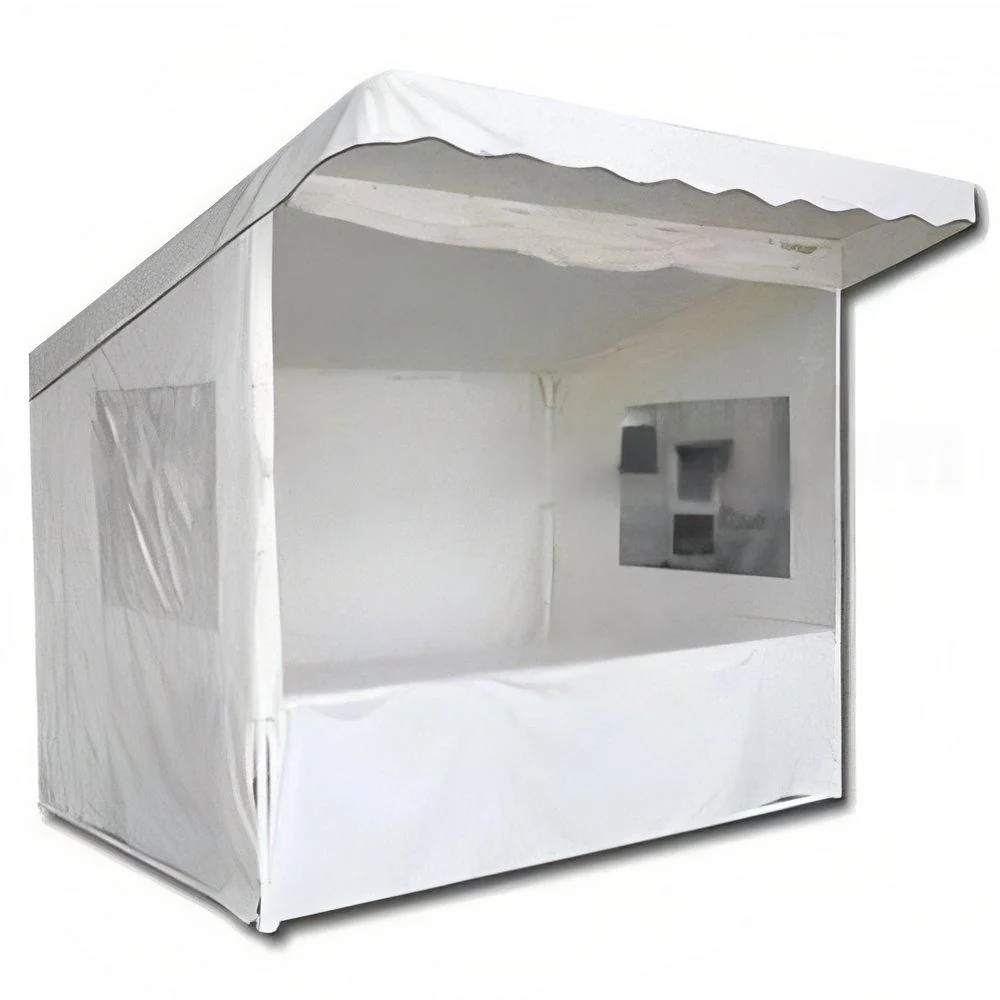
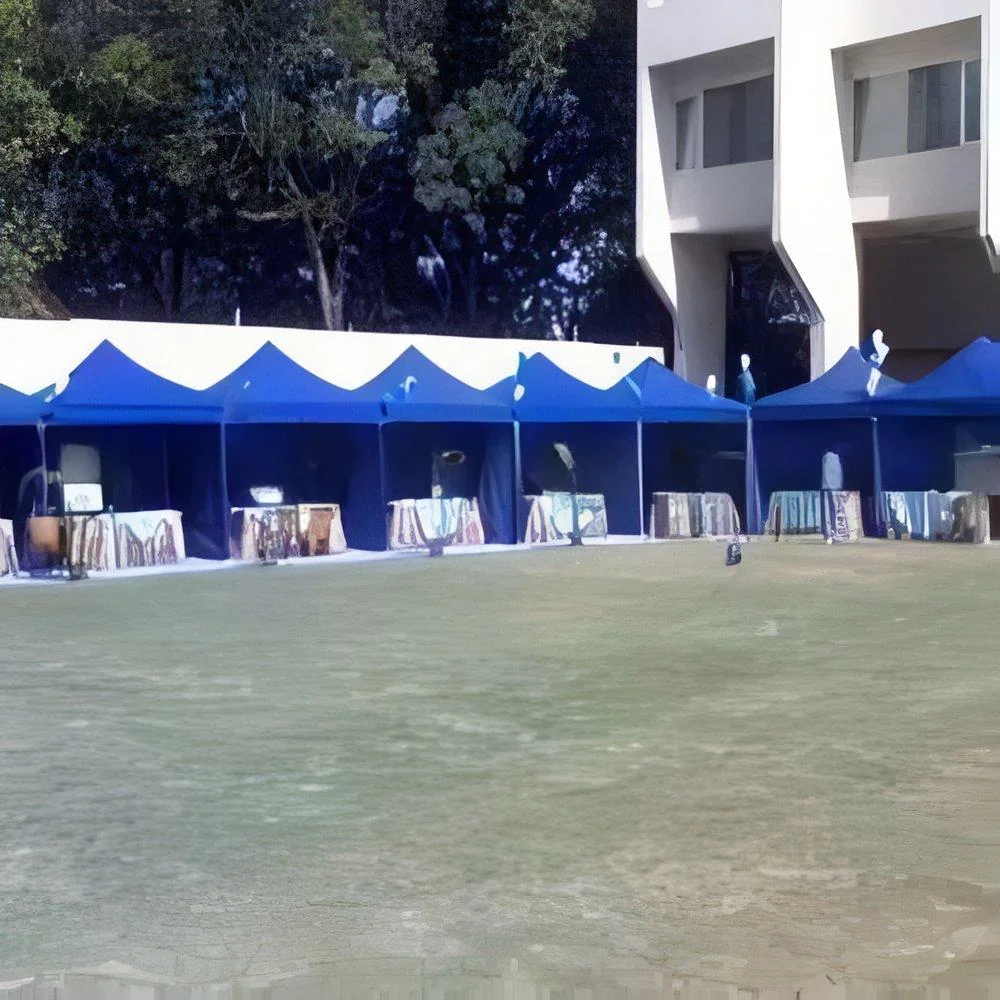
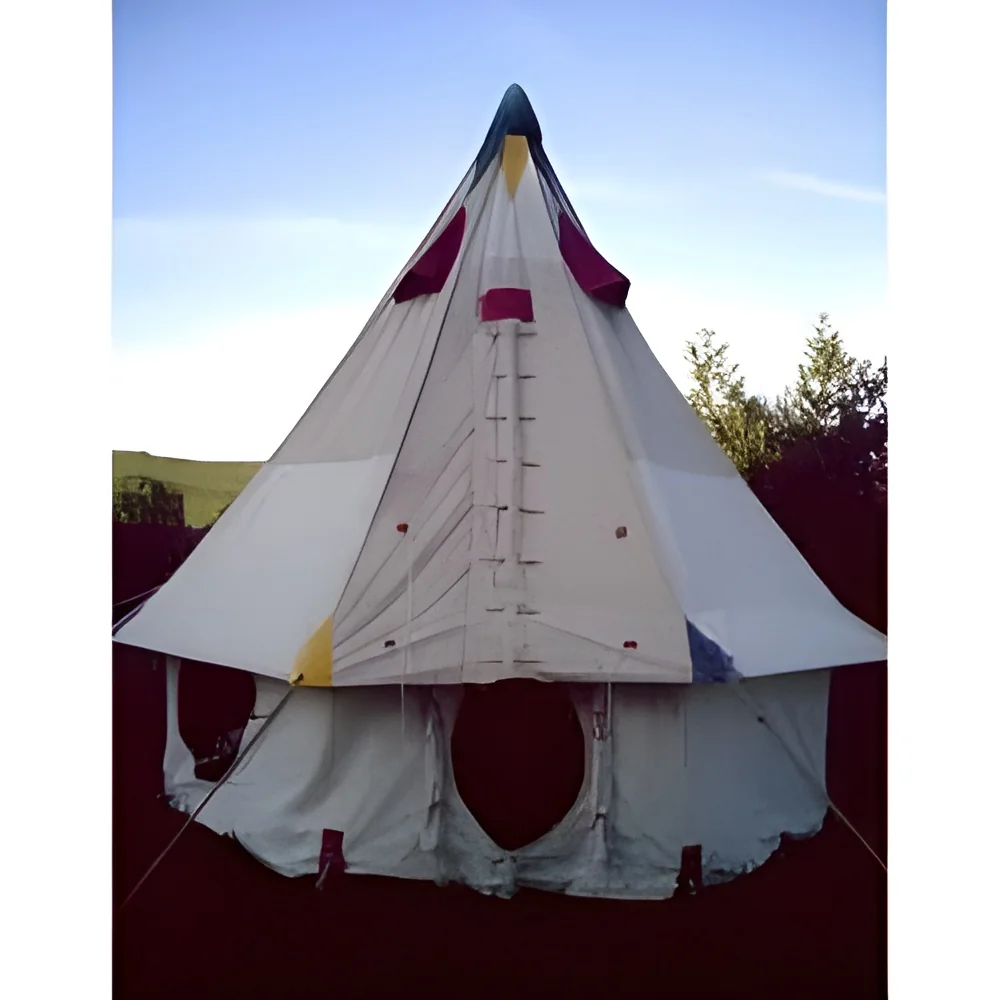
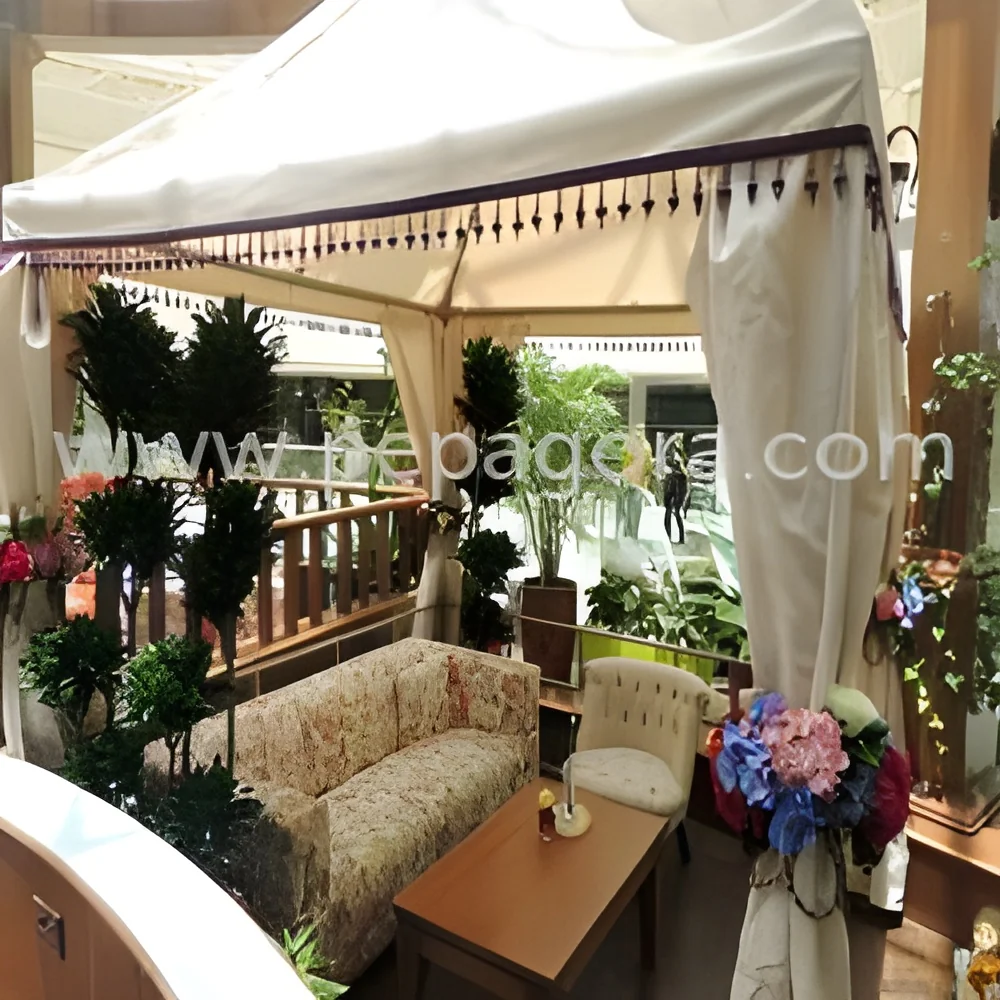
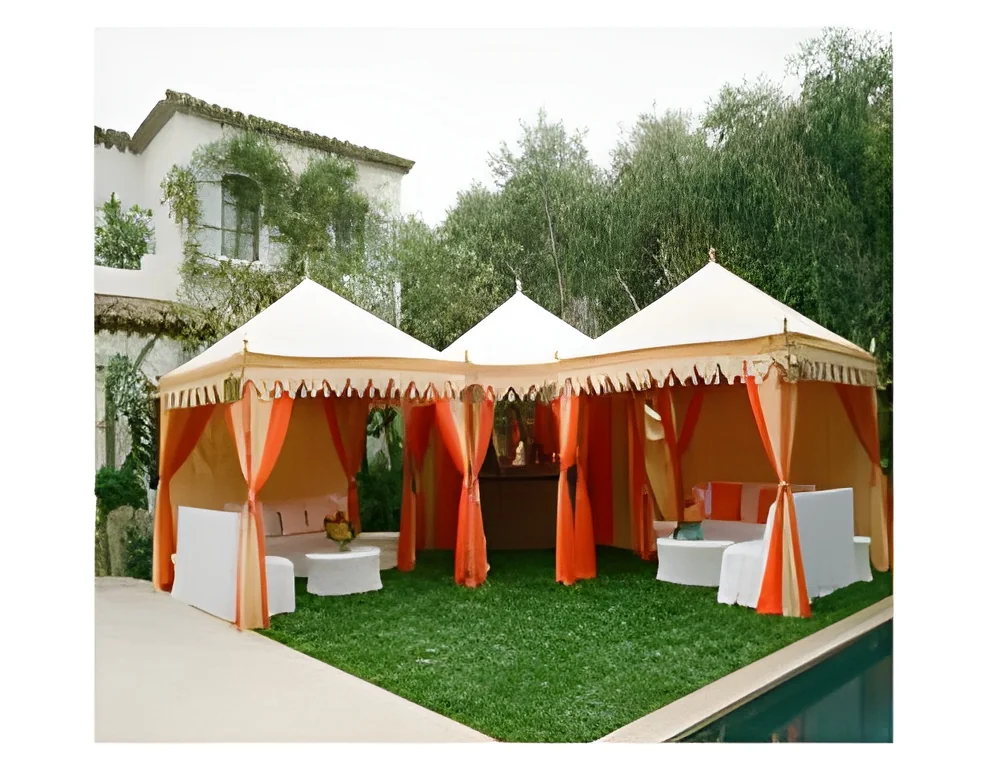
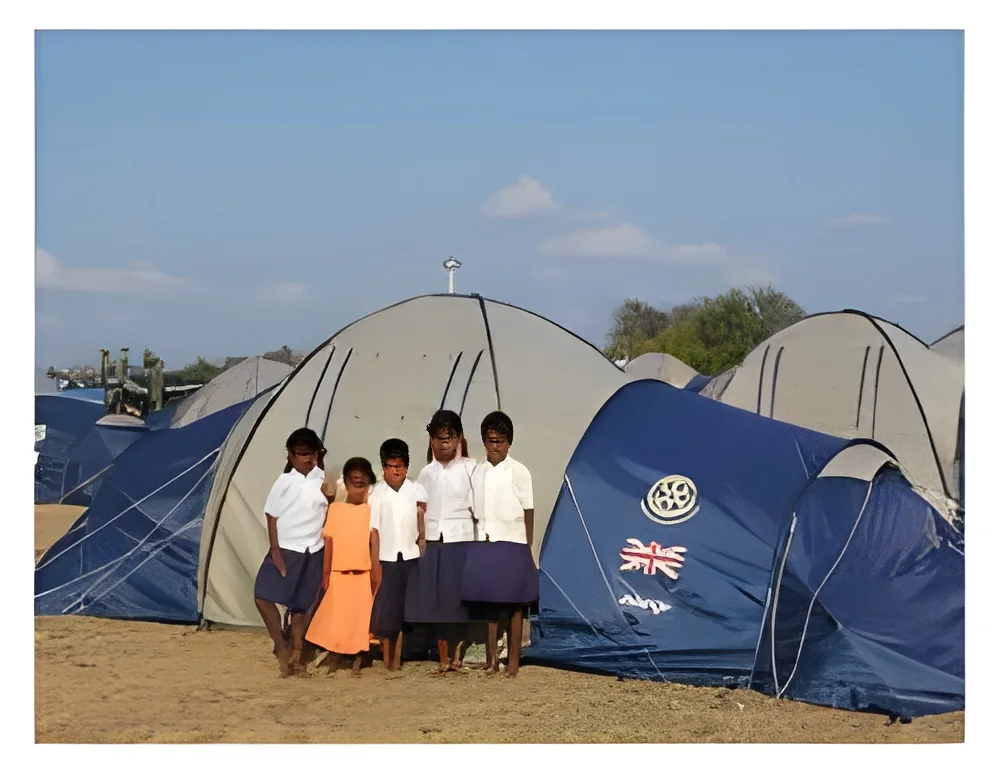
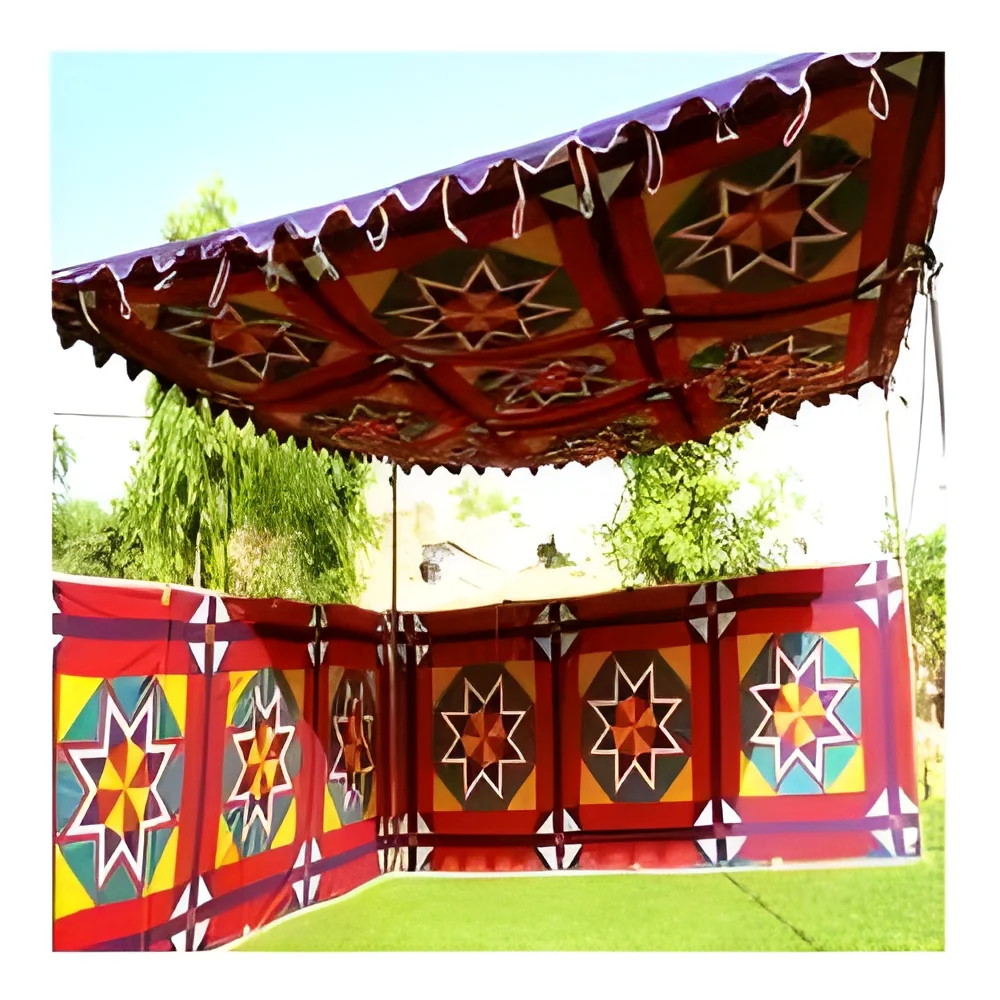
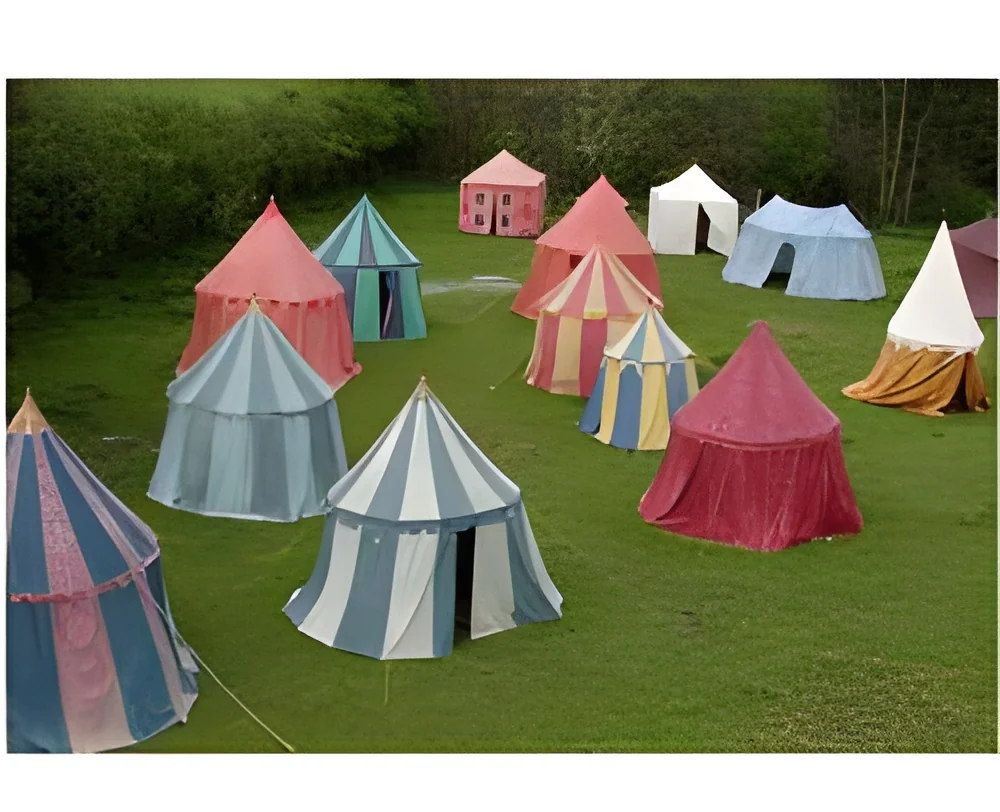
What are Camping Tents?
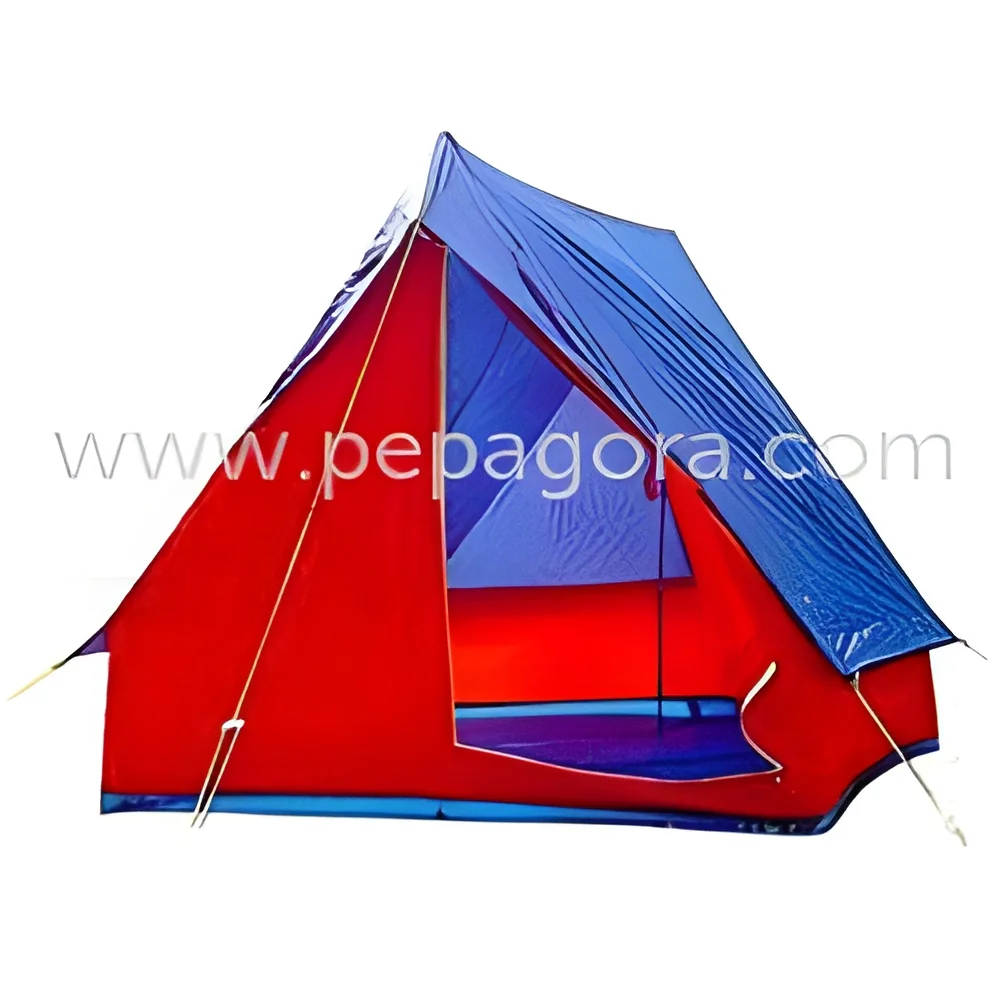
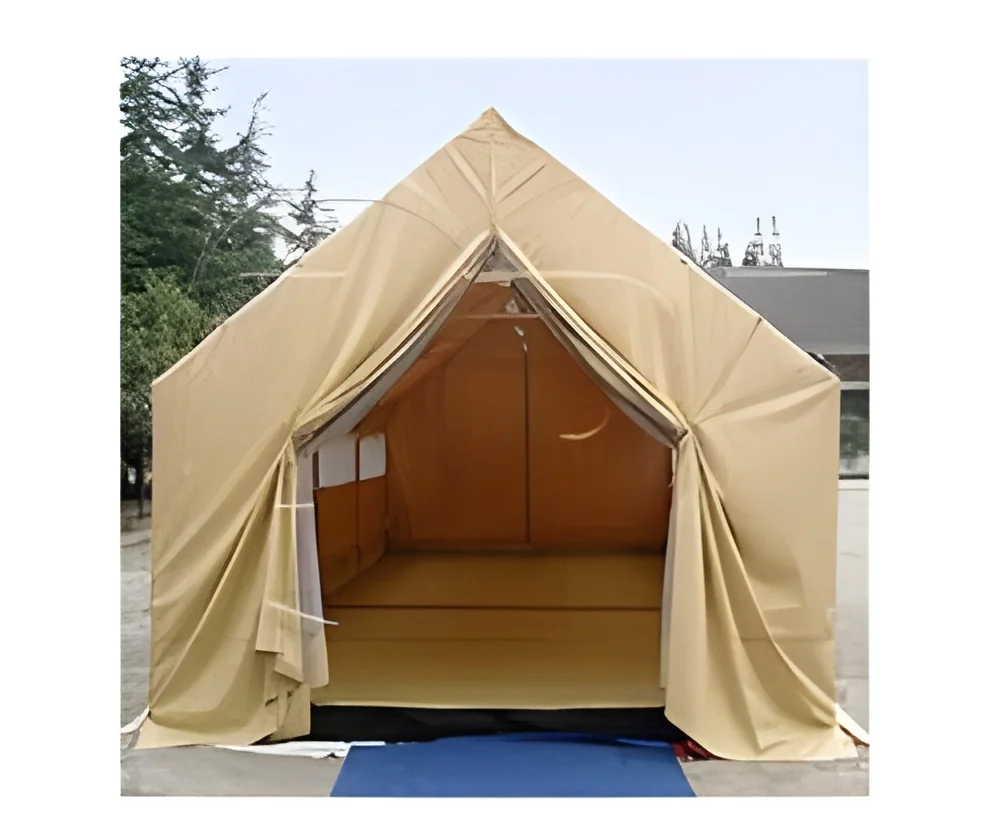
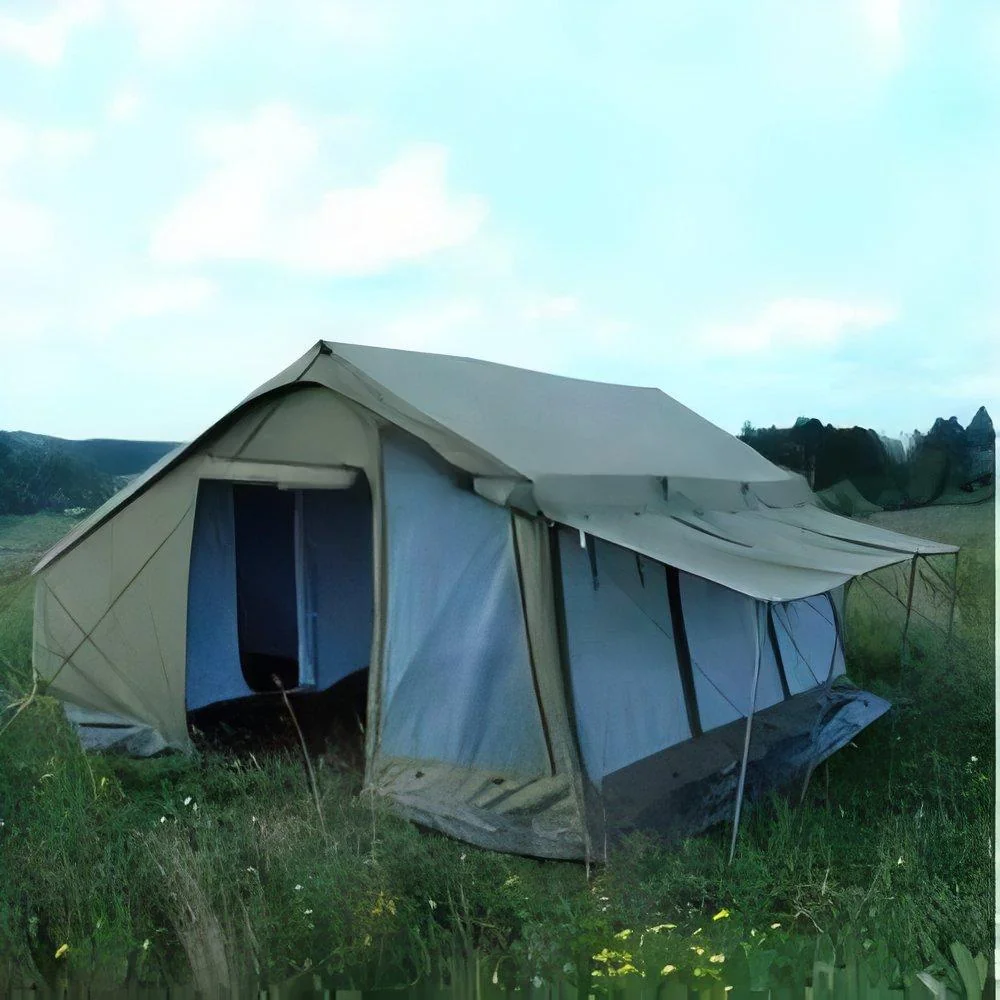
Camping tents are temporary structures designed to provide shelter for outdoor activities such as camping, hiking, and recreational events. They are typically made from durable materials that can withstand various weather conditions, offering protection from rain, wind, and sun. Camping tents come in various shapes, sizes, and designs, catering to different needs and preferences of outdoor enthusiasts.
These tents serve a multitude of primary uses in both recreational and commercial sectors. They are popular among individuals and families seeking outdoor experiences, as well as organizations that require portable shelter solutions for events, festivals, or disaster relief. In the context of the B2B market, camping tents are essential for businesses involved in tourism, outdoor events, and emergency preparedness, making them a significant product in the outdoor equipment industry.
The camping tent market has shown considerable growth due to increasing interest in outdoor activities and adventure sports. As more people seek experiences in nature, the demand for high-quality, reliable tents has surged. This has led to innovations in materials and designs, resulting in more specialized options catering to different types of users and environments.
Key Features and Specifications
When considering camping tents, several key features and specifications are crucial for ensuring the right choice for specific needs. These features contribute to the tent's overall performance, durability, and user experience.
Key specifications include:
1. Material Composition
- Tents are typically made from polyester or nylon fabrics, often treated for water resistance.
- The material's denier, which indicates thickness, ranges from lightweight options (20D) to more robust choices (500D).
2. Size and Capacity
- Camping tents are available in various sizes, accommodating from one person to large groups.
- Common configurations include 1-person, 2-person, 4-person, and family-sized tents.
3. Weight
- The weight of camping tents varies based on size and materials, with lightweight options starting around 1 kg for solo tents.
- Heavier tents may exceed 5 kg for larger family models.
4. Setup Type
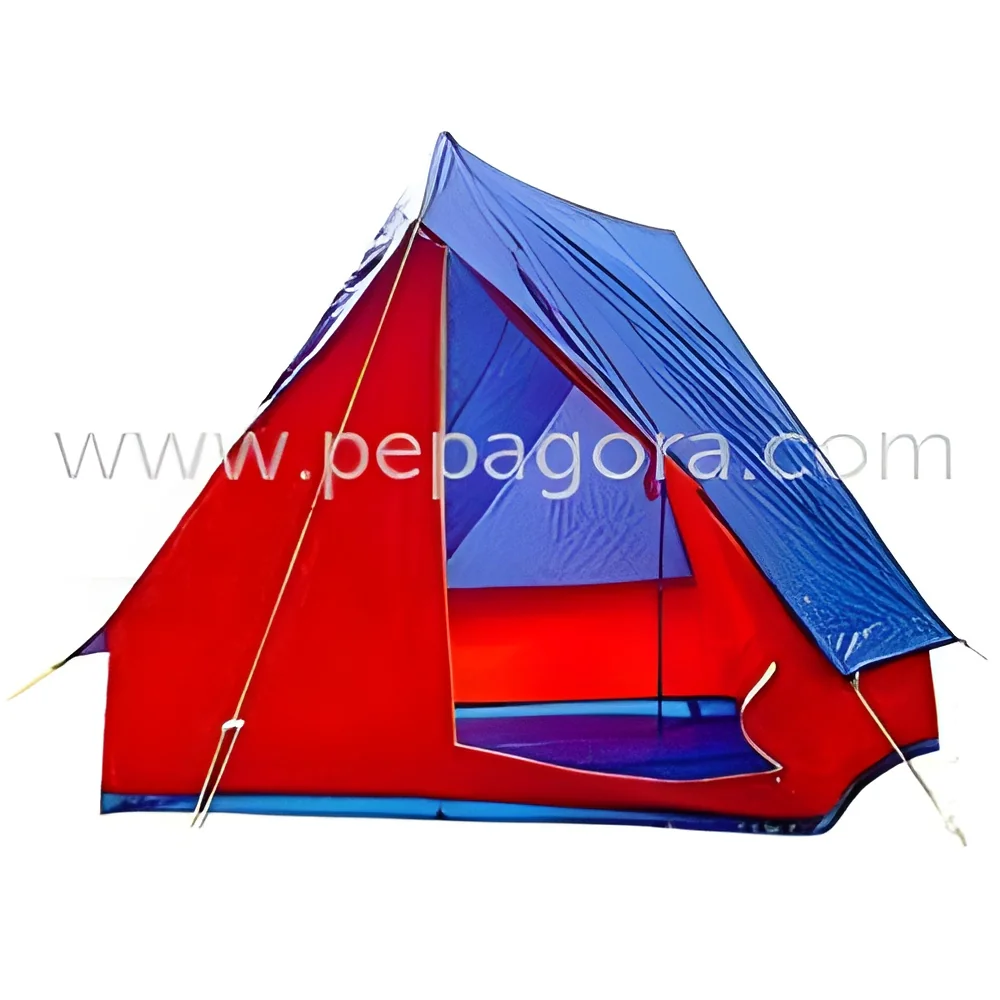
- Tents are categorized by their setup methods, including pop-up, dome, and tunnel styles.
- Ease of setup is a crucial feature, with many models designed for quick assembly.
5. Weather Resistance
- Tents are rated for weather resistance, with features such as waterproof coatings and wind stability ratings.
- Some tents are designed for specific climates, such as 3-season or 4-season tents.
6. Ventilation
- Proper ventilation features include mesh panels and adjustable vents to reduce condensation.
- Good airflow is essential for comfort during warm weather.
7. Storage Options
- Many tents come with internal pockets and gear lofts for organizing personal items.
- Some larger models include vestibules for additional storage space.
8. Accessories
- Additional features may include footprint groundsheets, repair kits, and rainfly covers.
- Accessories enhance the overall experience by providing extra protection and convenience.
In summary, understanding these specifications helps buyers select camping tents that best meet their needs, ensuring satisfactory performance in various outdoor conditions.
Common Applications and Use Cases
Camping tents are versatile products used across various industries, serving multiple applications.
1. Outdoor Recreation: Camping tents are primarily used by individuals and families for recreational camping trips, offering a convenient shelter for overnight stays in nature.
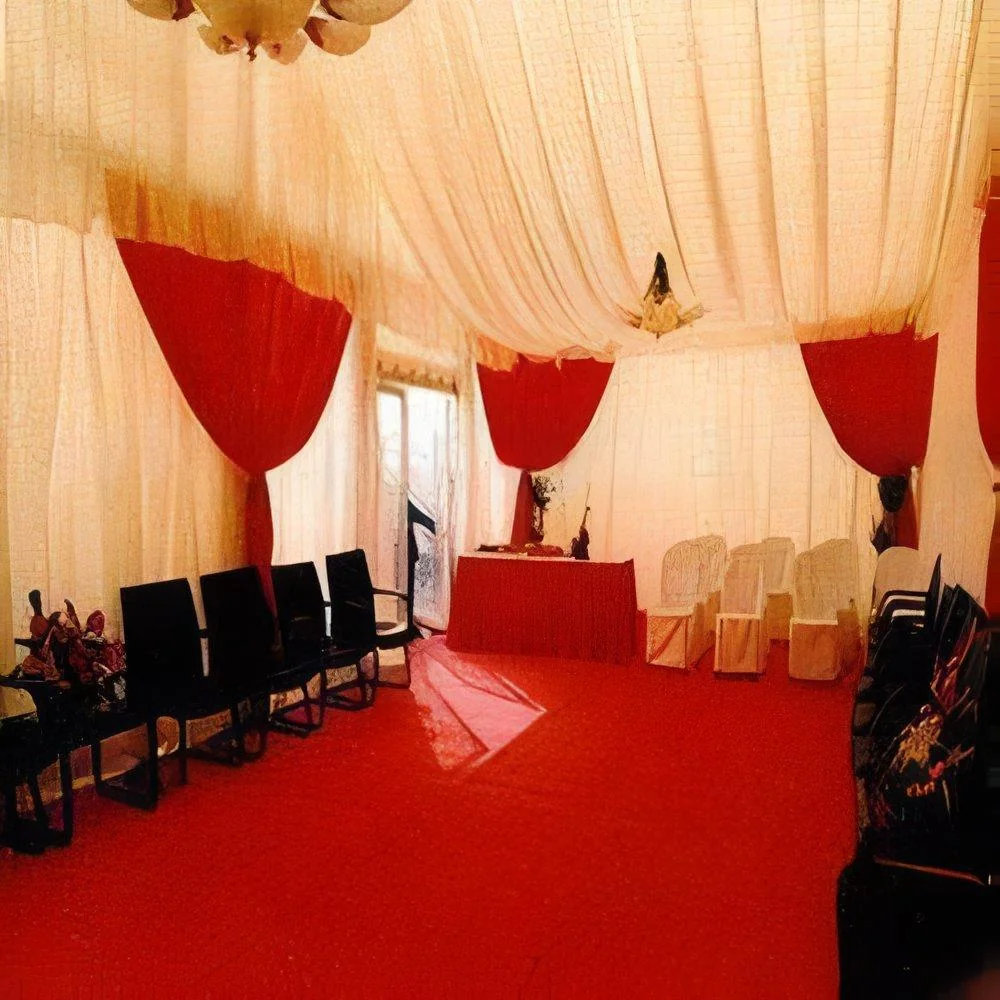
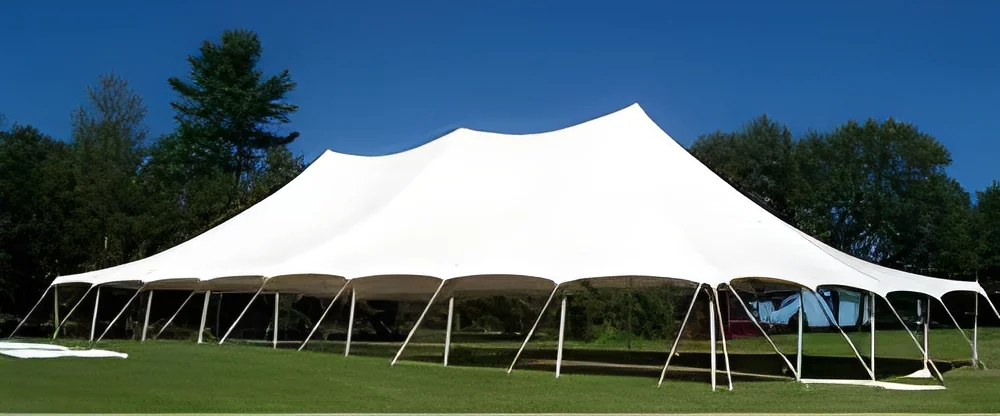
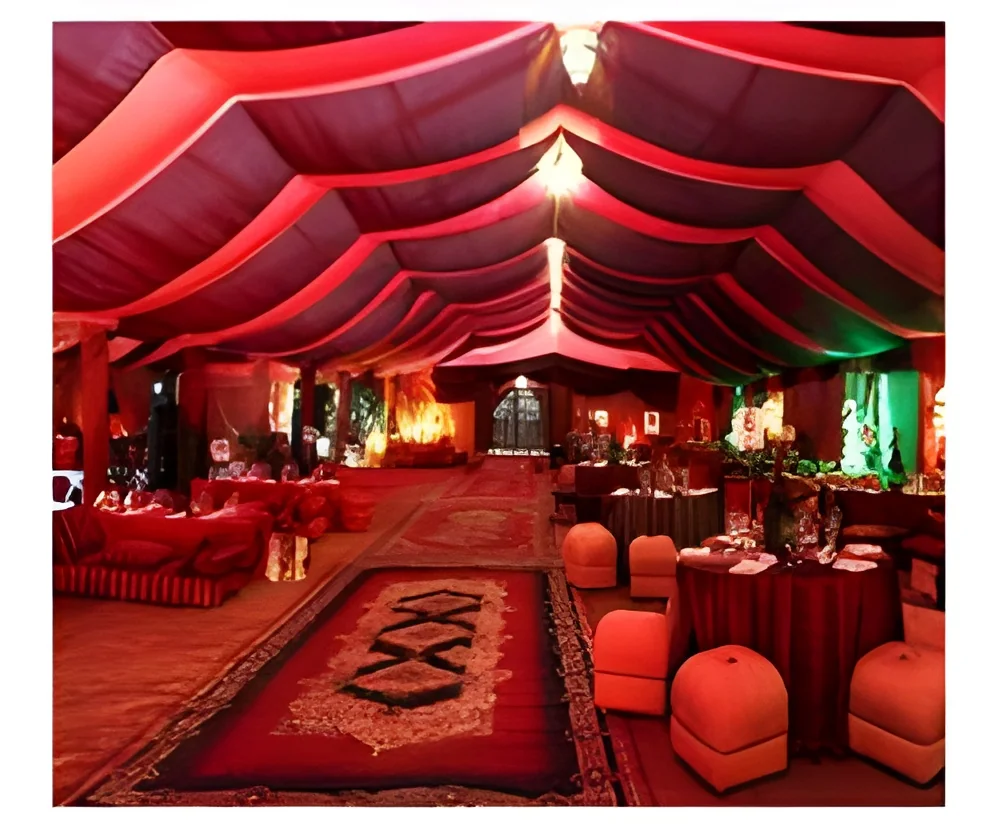
2. Event Management: Businesses in the event management sector utilize camping tents for outdoor festivals, trade shows, and corporate events, providing temporary shelter and hospitality areas.
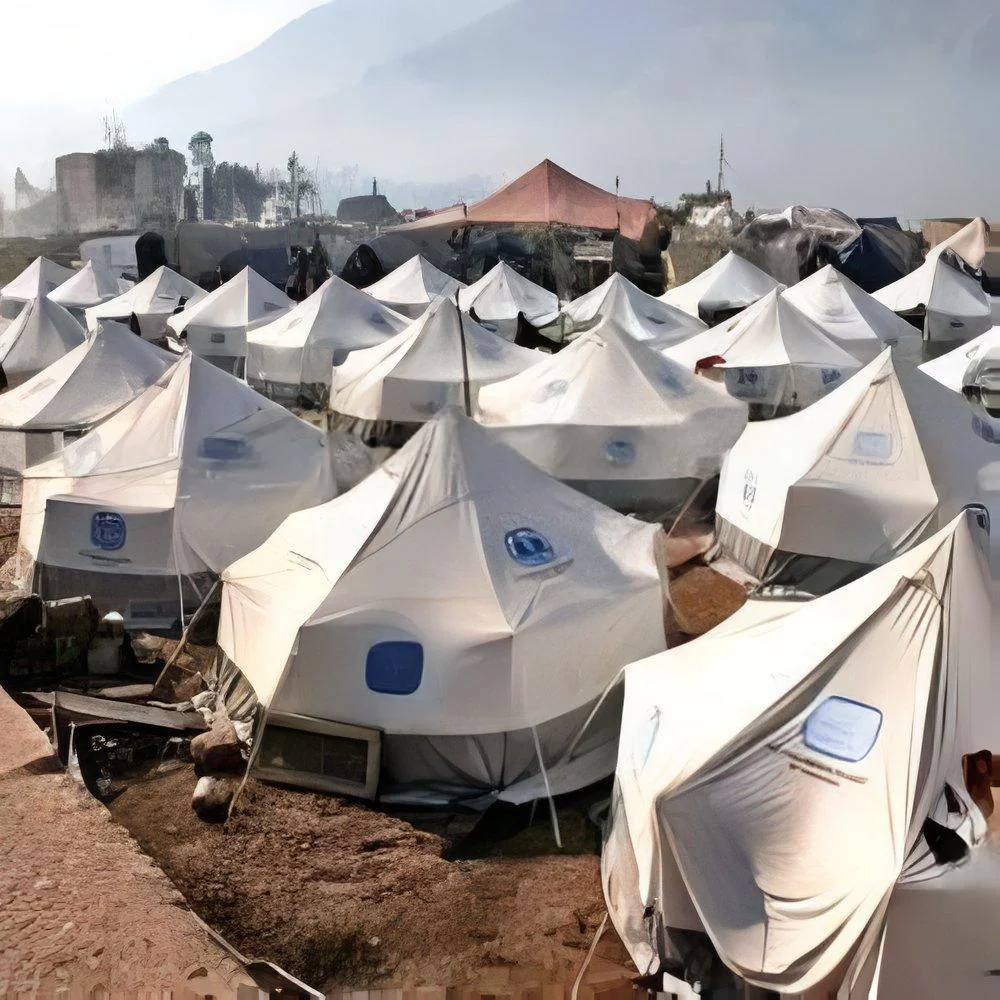
3. Emergency Services: Camping tents are employed by emergency response teams for disaster relief efforts, offering immediate shelter for affected individuals during crises.
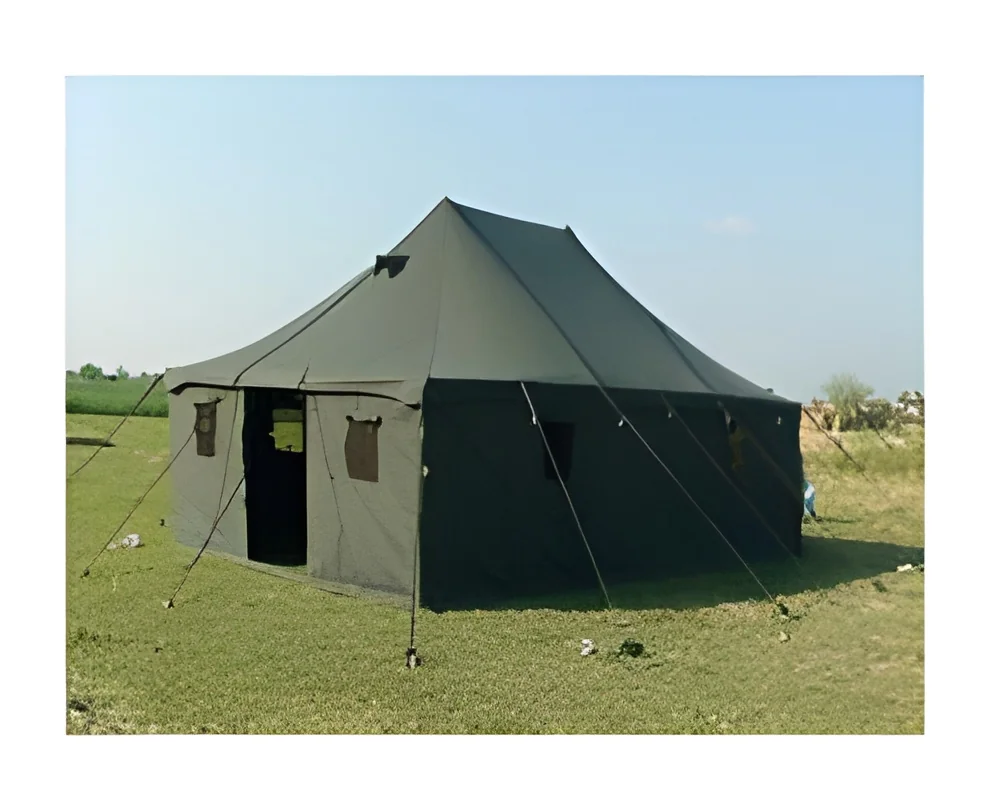
4. Military and Defense: Military organizations use specialized tents for training exercises and field operations, ensuring soldiers have portable and reliable shelter.
5. Tourism and Hospitality: Campsites and eco-tourism facilities often provide camping tents as accommodations, enhancing the outdoor experience for guests.
6. Educational Programs: Schools and summer camps incorporate camping tents into outdoor education programs, teaching students survival skills and fostering an appreciation for nature.
7. Research Expeditions: Scientific research teams use camping tents as fieldwork bases, allowing researchers to conduct studies in remote locations.
Product Variants and Subcategories
Camping tents come in various forms to cater to different needs and preferences.
Dome Tents
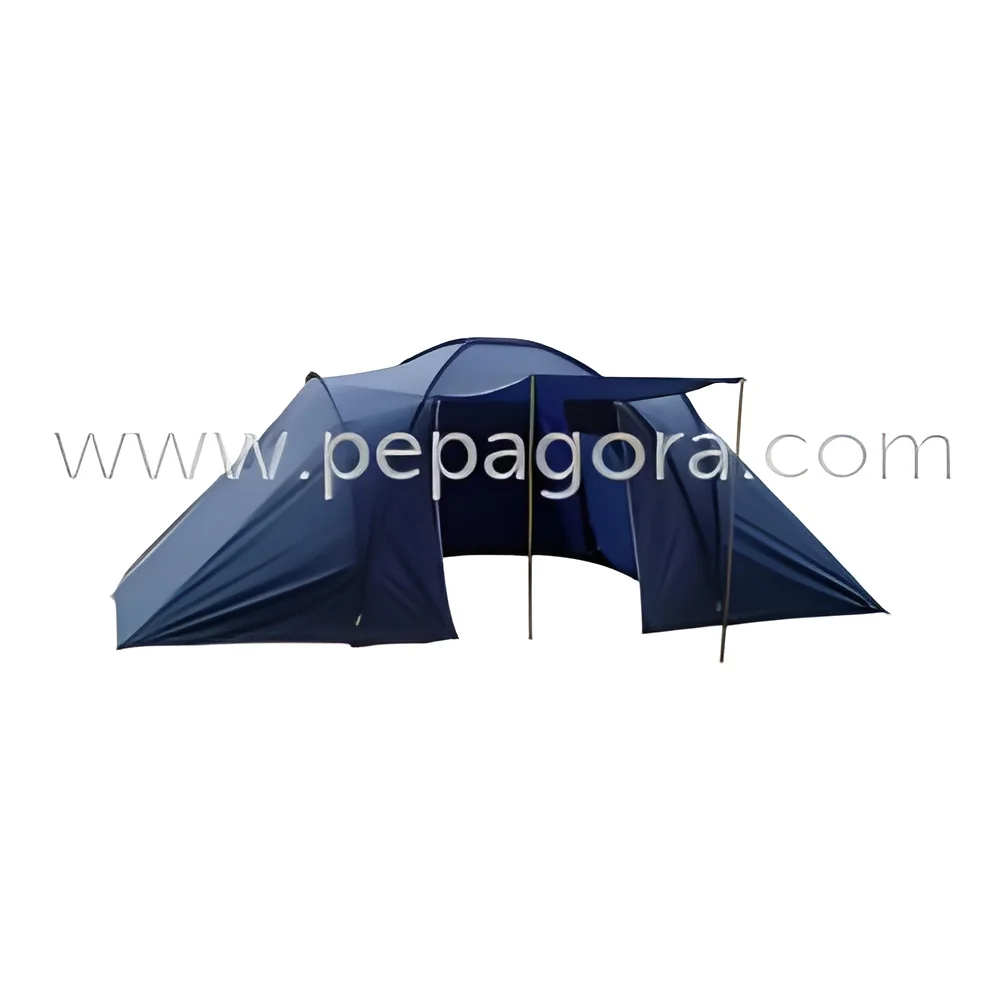
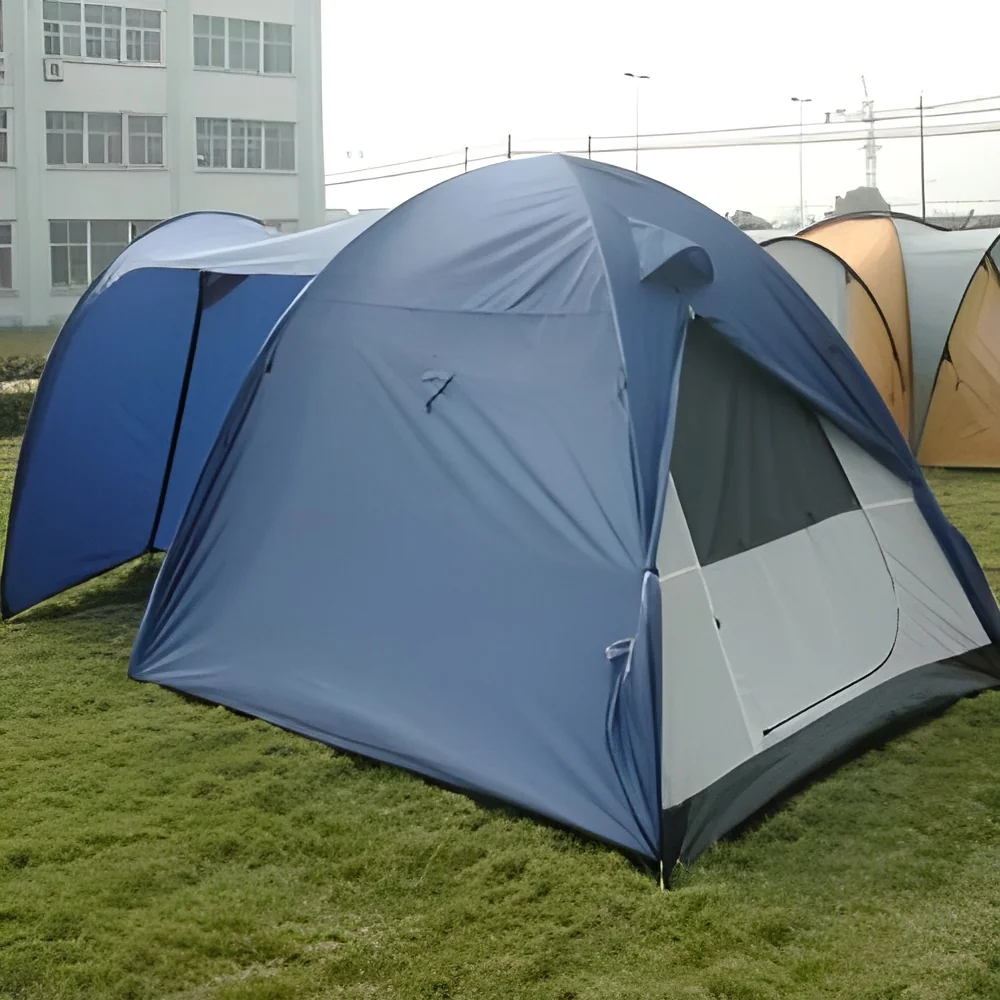
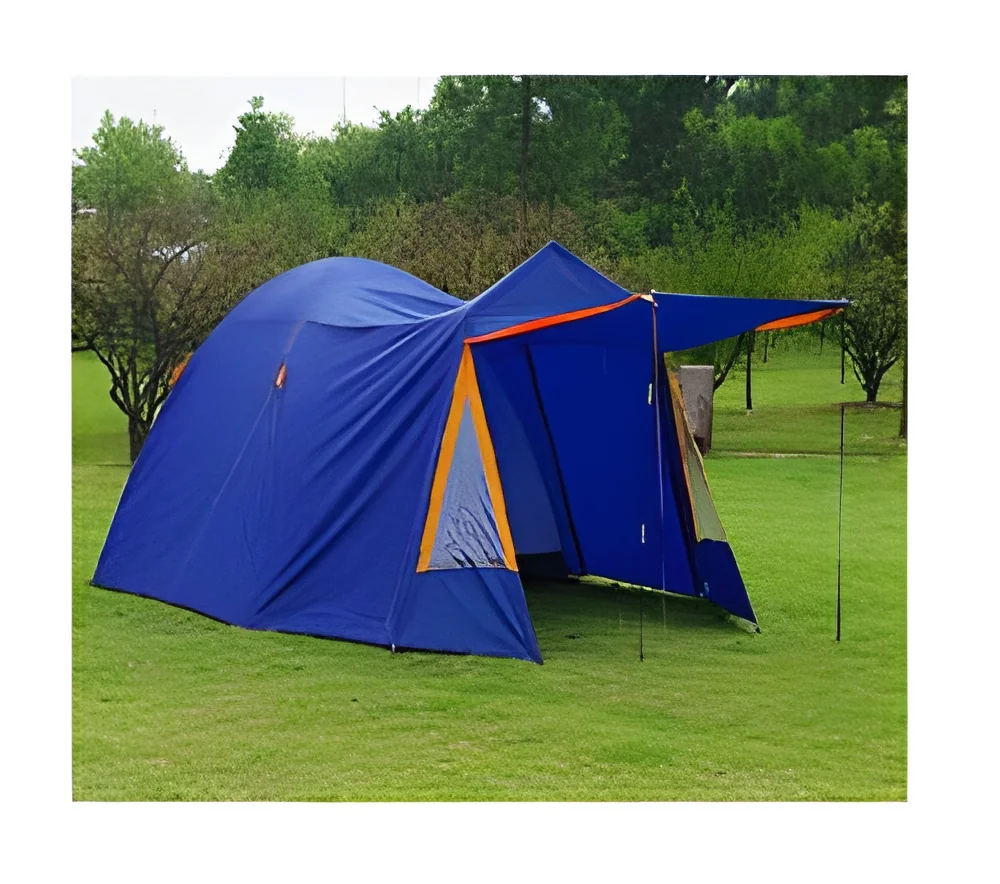
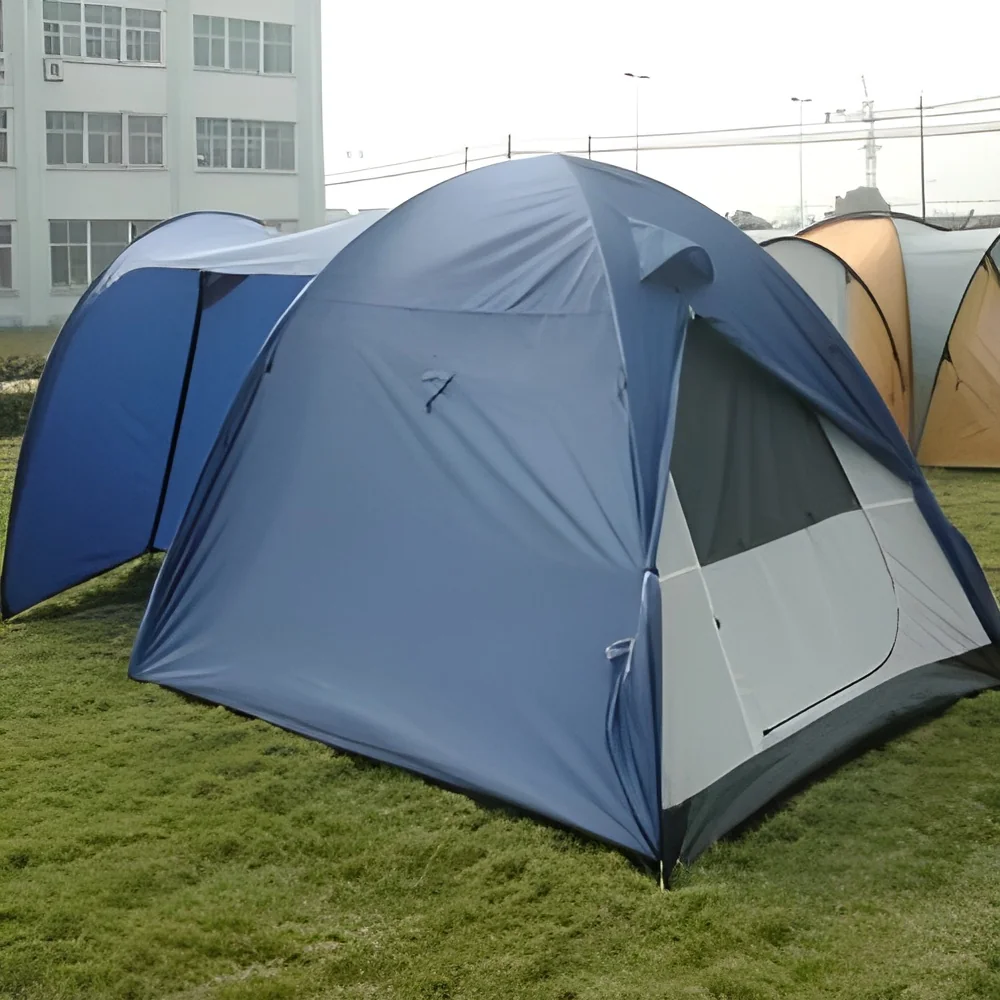
Dome tents feature a curved structure that provides excellent stability against wind. They are easy to set up and offer good interior space. Ideal for family camping trips, they can accommodate multiple occupants comfortably.
Backpacking Tents
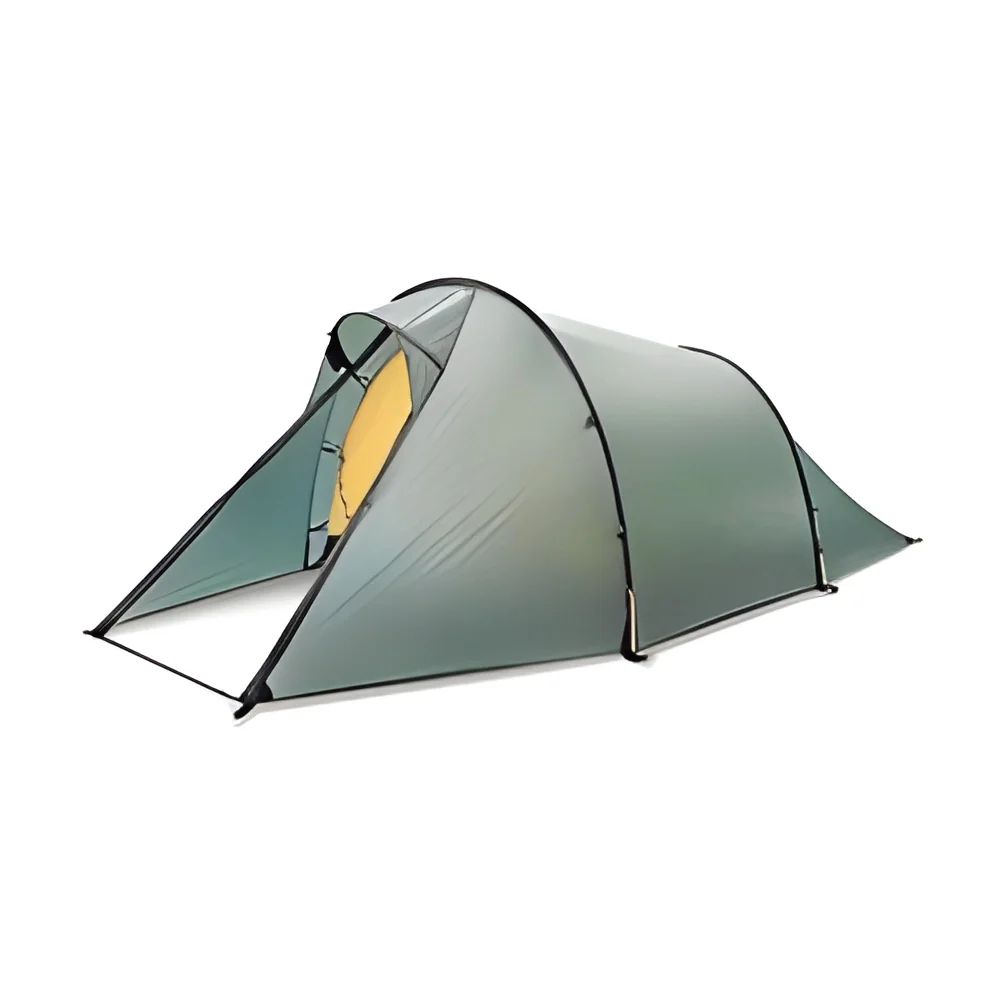
These tents are designed for lightweight portability, making them perfect for hikers and backpackers. They typically have a smaller footprint and are made with lightweight materials, ensuring easy transport.
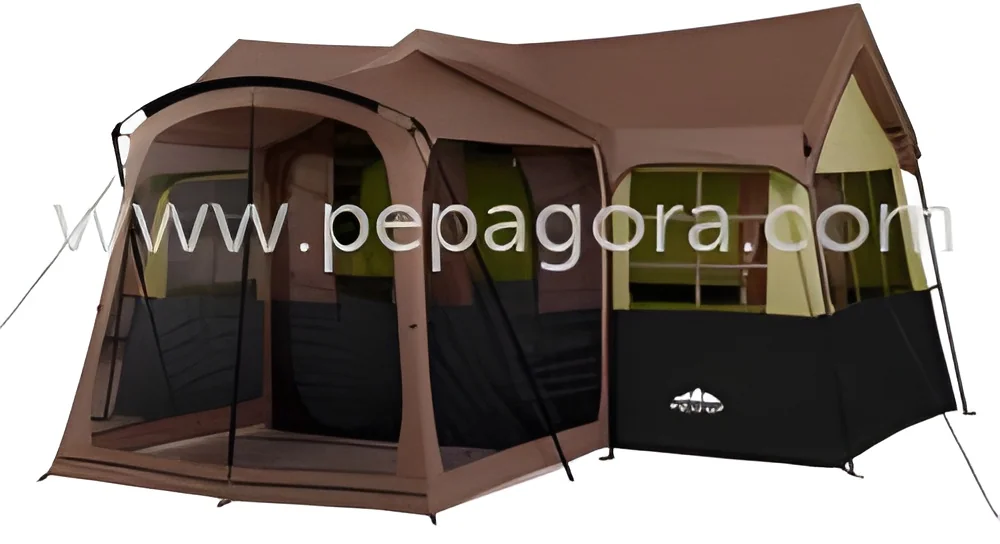
Cabin Tents
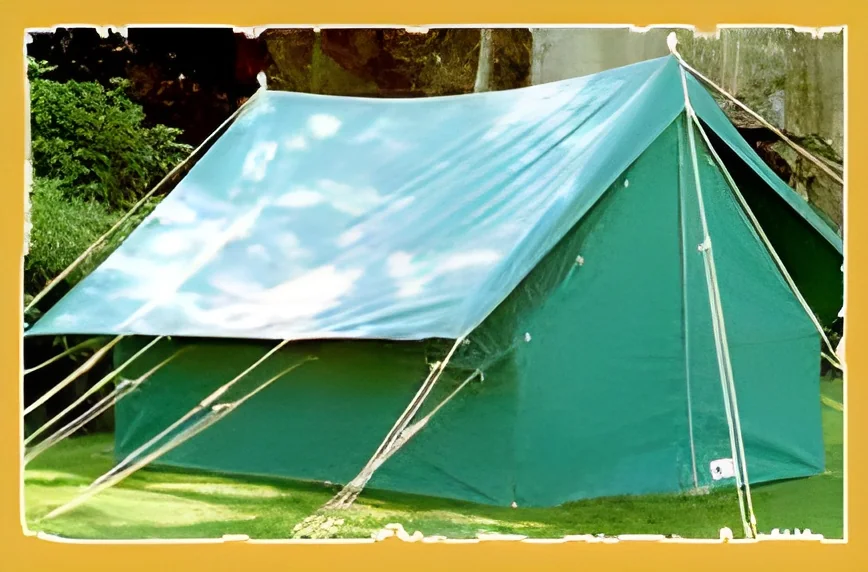
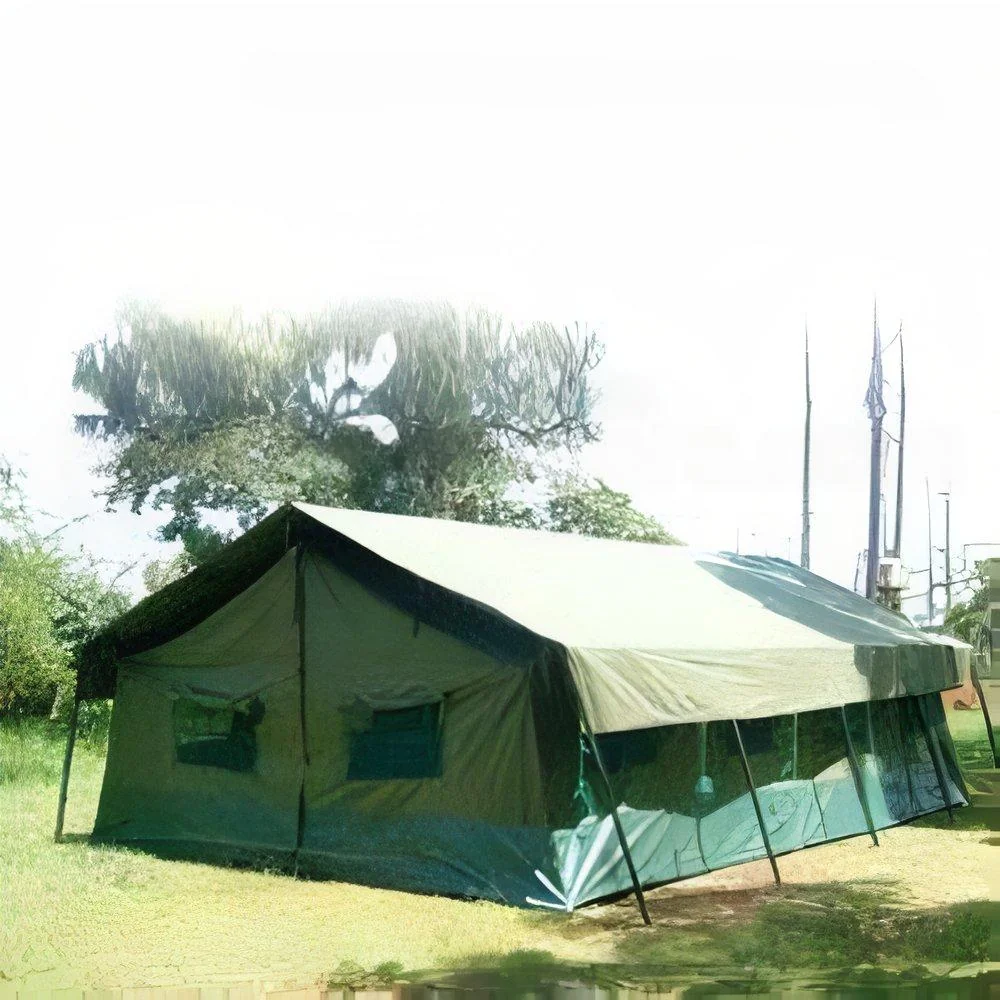
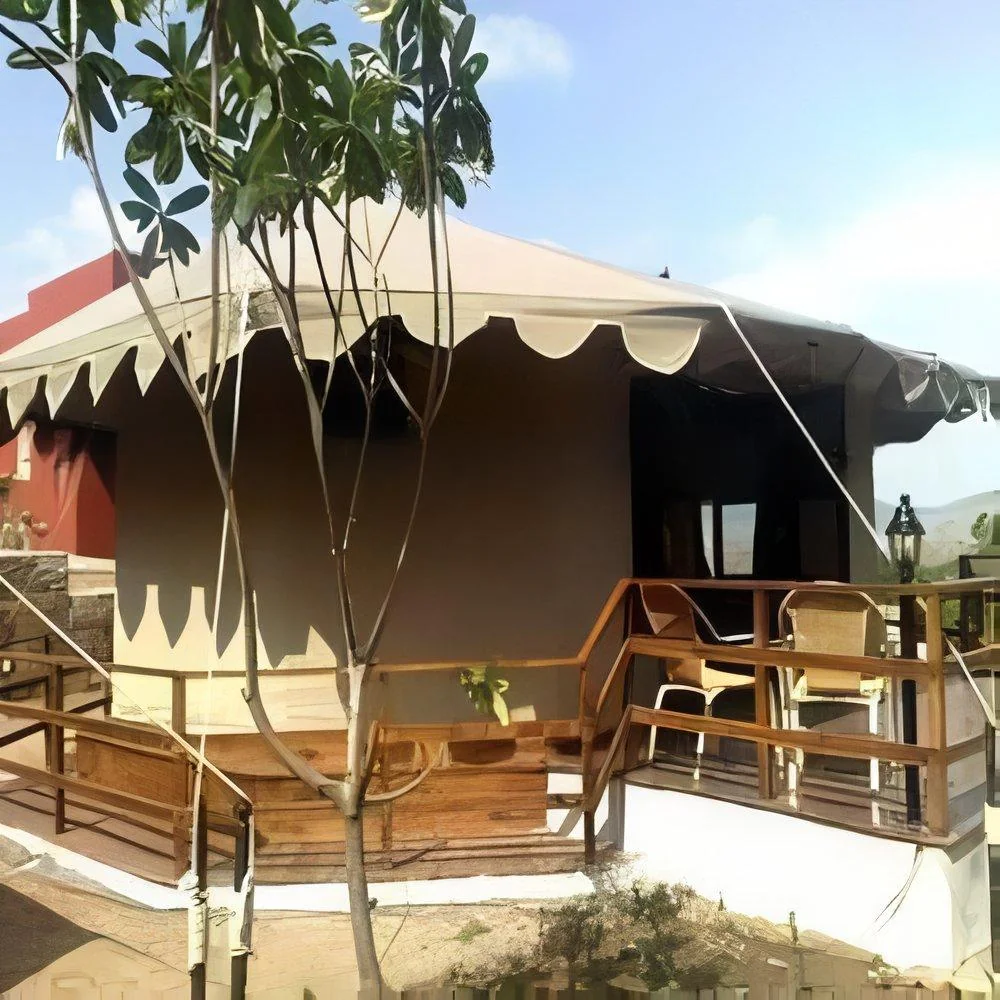
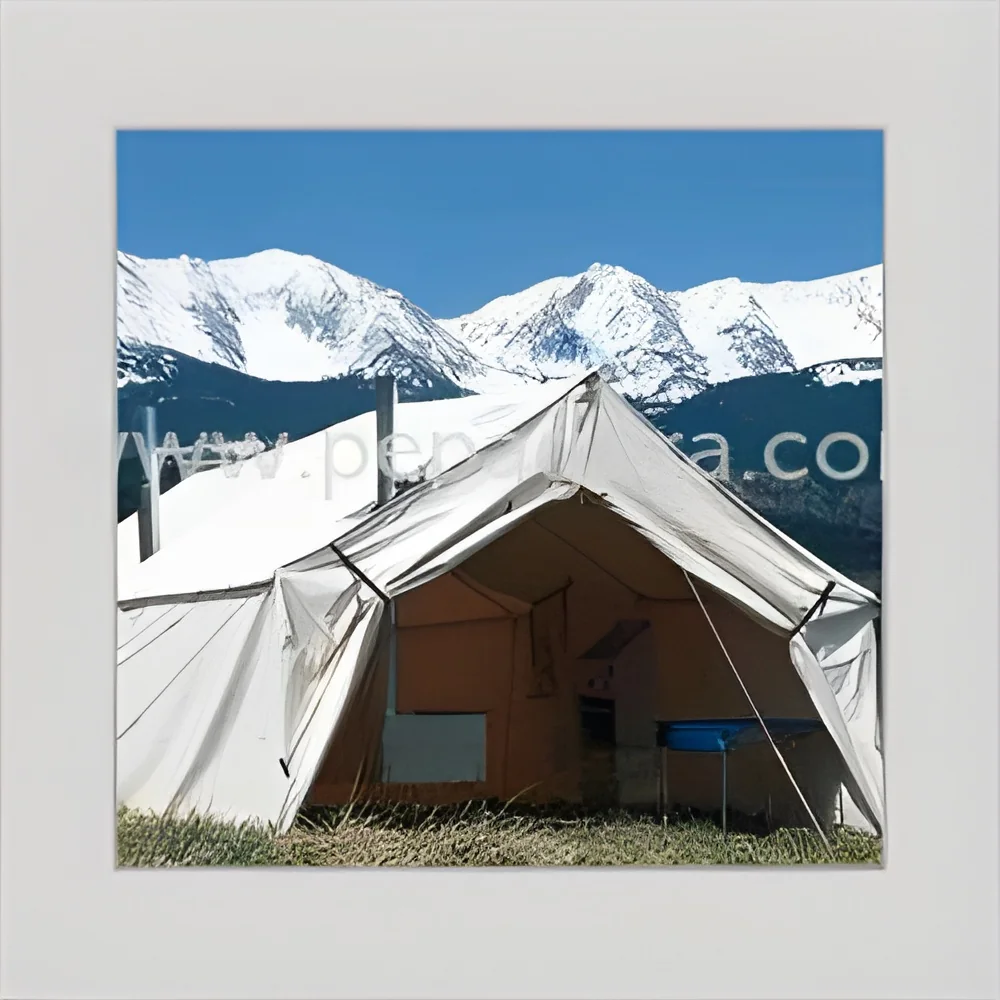
Cabin tents are larger and provide more headroom, resembling a room in a house. They are suitable for family camping, offering ample space for larger groups and comfortable living conditions.
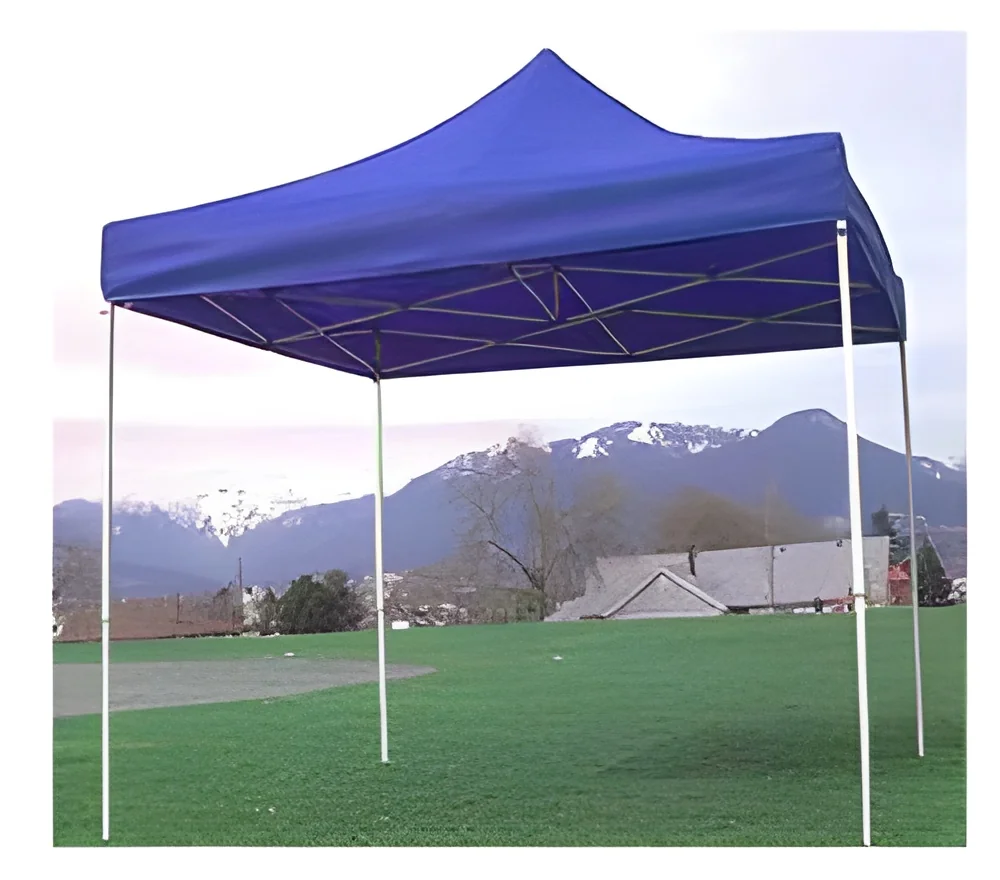
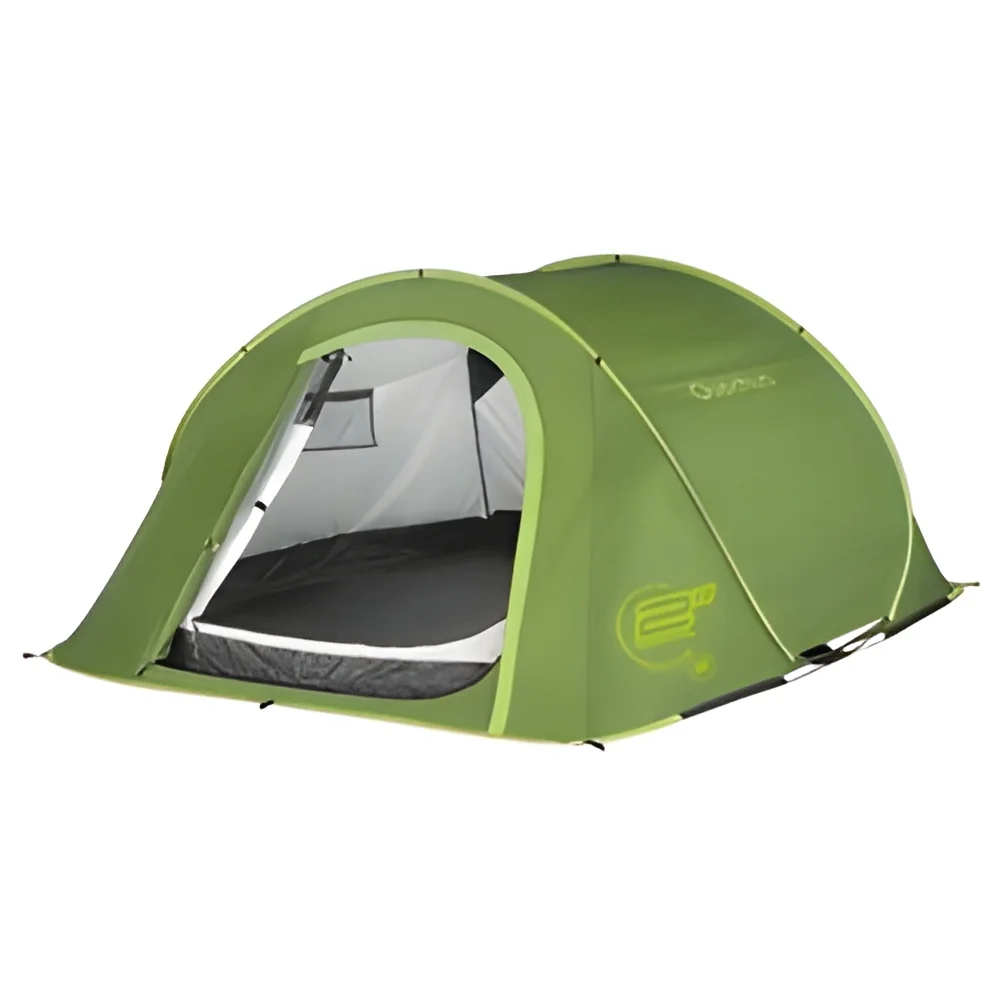
Pop-Up Tents
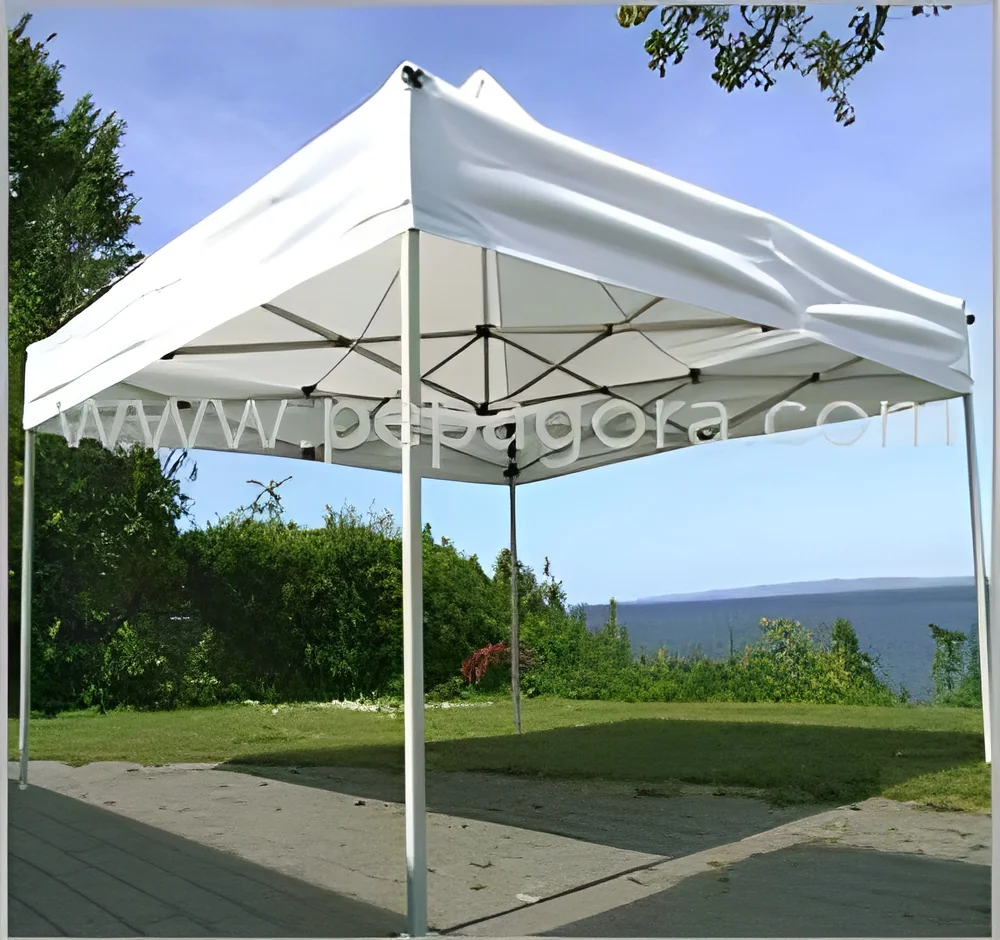
Pop-up tents are designed for quick and easy setup, ideal for casual campers. They spring into shape and require minimal assembly, making them suitable for festivals and day trips.
Benefits and Advantages
Camping tents offer numerous advantages for users engaging in outdoor activities.
1. Shelter and Protection: Camping tents provide essential shelter from environmental elements such as rain, wind, and sun, ensuring a comfortable camping experience.
2. Portability: Most camping tents are lightweight and compact, making them easy to transport to various locations for outdoor adventures.
3. Versatile Use: Tents can be used for diverse applications, from recreational camping to emergency shelters, enhancing their overall value.
4. Cost-Effective Accommodation: Camping tents offer an affordable lodging option compared to traditional hotels or cabins, making them accessible for budget-conscious travelers.
5. Community Experience: Camping in tents fosters community and connection among users, as they often share spaces and experiences in nature.
6. Customization Options: Many camping tents can be customized with accessories, allowing users to tailor their setup according to specific needs and preferences.
Buying Guide for B2B Buyers
When sourcing camping tents for business use, several key factors should be considered to ensure the right purchase.
1. Quality Assessment: Evaluate the quality of materials and construction, looking for durable fabrics and reliable stitching. Check for user reviews and performance ratings.
2. Supplier Verification: Vet suppliers thoroughly to ensure credibility and reliability. Look for suppliers with a strong track record in the camping equipment industry.
3. Pricing and MOQ: Consider the price range and minimum order quantities offered by suppliers. Compare costs against budget constraints and expected usage levels.
4. Delivery and Lead Times: Assess suppliers' logistics capabilities, including estimated delivery times and shipping options, to ensure timely procurement.
5. Compliance Requirements: Verify that the camping tents meet relevant safety and quality standards, including any industry-specific regulations that may apply.
Compliance and Certifications
Camping tents must adhere to various quality and safety standards to ensure reliability and user safety. Key compliance standards include ISO 9001, which focuses on quality management systems and helps ensure that products meet customer and regulatory requirements.
Additionally, many camping tents are certified under CE regulations, indicating conformity with health, safety, and environmental protection standards within the European market.
Safety testing is also crucial, involving assessments for fire resistance, waterproofing, and structural integrity under various weather conditions. These tests help guarantee that the tents provide adequate protection during use.
Regional compliance considerations may vary based on local regulations, so it is essential for manufacturers and suppliers to stay informed about specific requirements in different markets.
Why Source Camping Tents from Pepagora?
Pepagora provides a trusted platform for sourcing camping tents, offering several key advantages for B2B buyers.
Verified Supplier Network: Pepagora maintains a network of verified suppliers, ensuring that buyers have access to quality products from reputable manufacturers. This verification process helps reduce the risk associated with sourcing.
Streamlined RFQ Process: The platform features a streamlined request for quotation (RFQ) process that allows buyers to easily compare offerings from multiple suppliers. This system promotes competitive pricing and efficient procurement.
Trade Assurance and Support: Buyers can benefit from trade assurance programs that protect their purchases, providing peace of mind during transactions. Pepagora also offers support services to assist buyers throughout the sourcing process.
Regional Coverage: With a geographic reach that includes India, the Gulf Cooperation Council (GCC) countries, and Southeast Asia, Pepagora effectively connects buyers with suppliers across diverse markets. This broad coverage enhances accessibility to a wide range of camping tent options.

 IN
IN