What are Climbing Harnesses?
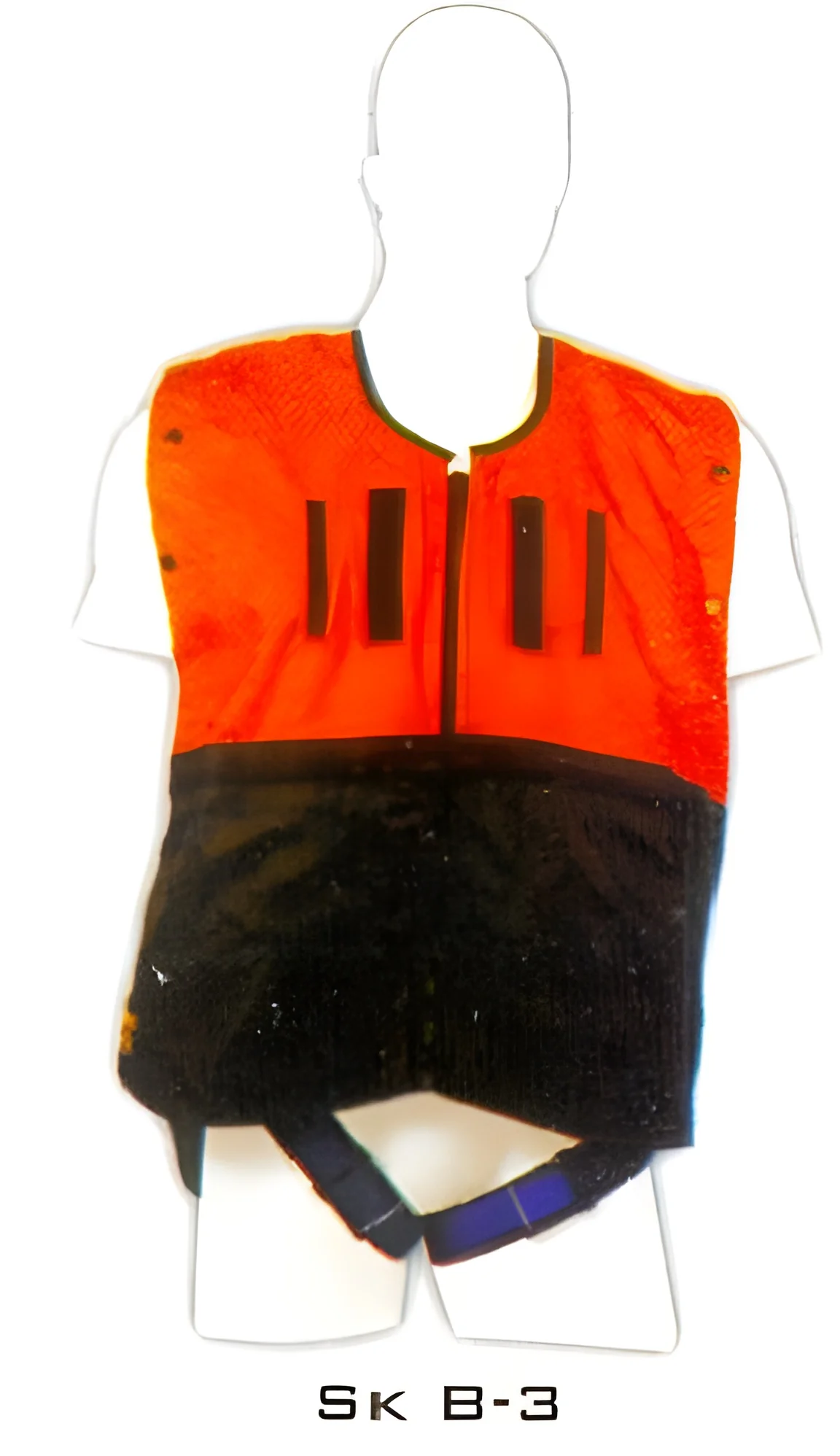
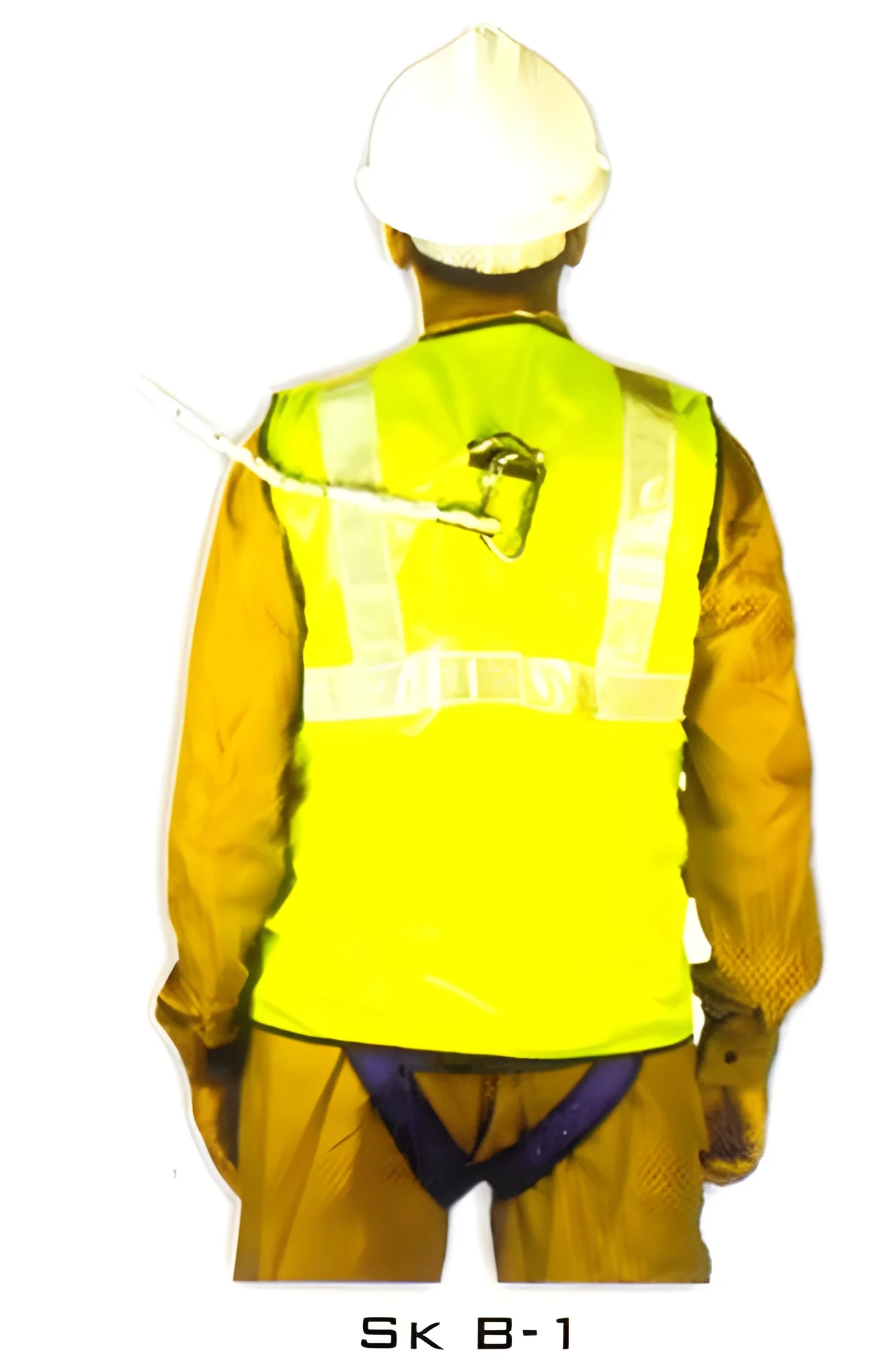
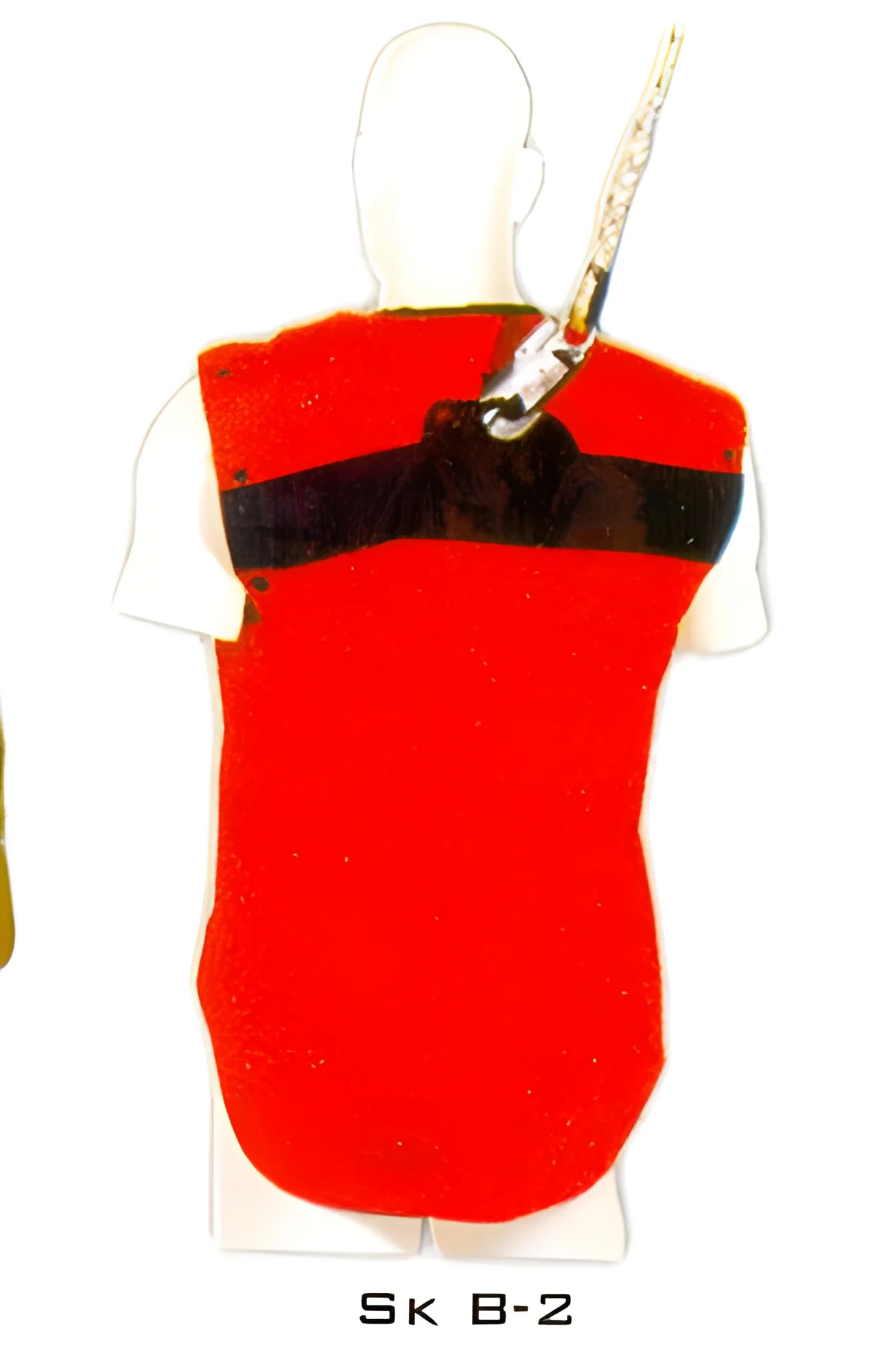
Climbing harnesses are essential safety equipment used to secure individuals during climbing activities. They are designed to distribute weight evenly across the body, reducing pressure on specific areas, and minimizing injury risks in the event of a fall. Most harnesses consist of a webbing structure that wraps around the waist and thighs, along with attachment points for climbing gear.
These harnesses are primarily used in various outdoor and industrial applications. In recreational climbing, they provide safety for climbers on rock faces, ice walls, and indoor climbing gyms. In industrial settings, climbing harnesses are crucial for workers who perform tasks at height, such as construction, maintenance, and telecommunications. The growing emphasis on safety regulations has increased the demand for high-quality climbing harnesses across multiple sectors.
The climbing harness market is increasingly relevant in industries where height safety is paramount. As more companies prioritize employee safety and compliance with safety regulations, the demand for reliable climbing harnesses continues to grow. The market is characterized by a diverse range of products tailored to different applications, ensuring that users can find harnesses that meet their specific needs.
Key Features and Specifications
Climbing harnesses come with a variety of features and specifications that ensure safety and functionality. Key specifications include:
1. Weight Capacity
- Typically ranges from 300 to 400 pounds.
- Important for ensuring the harness can support the user and any additional gear.
2. Material
- Commonly made from nylon or polyester webbing.
- Provides durability and resistance to wear and tear.
3. Adjustable Straps
- Allows for a customizable fit for various body sizes.
- Enhances comfort and security during use.
4. Gear Loops
- Usually includes multiple loops for attaching climbing gear.
- Facilitates organization and accessibility of equipment.
5. Certification
- Many harnesses are CE certified.
- Indicates compliance with European safety standards.
6. Padding
- Often features padding in key areas for comfort during prolonged use.
- Reduces pressure points when suspended.
7. Connection Points
- Typically includes one or more D-rings for attaching safety lines.
- Enhances versatility for different climbing activities.
8. Weight
- Generally weighs between 1 to 3 pounds.
- Lightweight designs are preferred for ease of movement.
In summary, understanding these specifications is crucial for selecting the right climbing harness that meets safety standards and user requirements.
Common Applications and Use Cases
Climbing harnesses serve a wide range of industries, ensuring safety for workers and outdoor enthusiasts alike.
1. Construction: In construction, harnesses are vital for workers involved in roofing and high-rise building projects. They prevent falls and ensure compliance with safety regulations.
2. Telecommunications: Technicians who climb towers for installation or maintenance rely on harnesses for safety. These harnesses allow them to work at significant heights securely.
3. Adventure Sports: In recreational climbing, harnesses provide essential safety for climbers in rock climbing, ice climbing, and mountaineering. They enhance the overall climbing experience by ensuring safety.
4. Emergency Services: Rescue teams use climbing harnesses for operations that involve heights, such as rescues from buildings or cliffs. The safety features of these harnesses are critical in emergency situations.
5. Industrial Maintenance: Workers in industries like oil and gas, and manufacturing use harnesses for maintenance tasks that require working at heights.
6. Arboriculture: Tree care professionals employ climbing harnesses for safe tree climbing and pruning activities. These harnesses provide stability and ease of movement.
7. Film Production: In the film industry, harnesses are used for stunt work and aerial filming. They ensure the safety of performers while capturing dynamic shots.
Product Variants and Subcategories
Climbing harnesses come in various designs to cater to different needs and preferences.
Standard Harnesses
These are the most common types, designed for general climbing activities. They offer essential safety features and are suitable for both beginners and experienced climbers.
Speed Harnesses
These harnesses are lightweight and quick to put on, making them ideal for mountaineering and alpine climbing. They are designed for efficiency without compromising safety.
Full-Body Harnesses
Full-body harnesses provide additional support for the torso and are often used in industrial applications. They are suitable for situations where a worker may be suspended for long periods.
Women’s Specific Harnesses
These harnesses are designed to fit the female form, incorporating features that enhance comfort and fit. They are tailored for women climbers who require a more customized harness.
Benefits and Advantages
Climbing harnesses offer numerous advantages that make them essential for safety in various activities.
1. Enhanced Safety: Harnesses prevent falls and injuries, providing peace of mind for users in high-risk environments.
2. Improved Comfort: Many harnesses are designed with padding and adjustable features, ensuring comfort during prolonged use.
3. Versatile Applications: Climbing harnesses can be used across various industries, from recreational climbing to industrial safety.
4. Ease of Use: Most harnesses are designed for quick donning and doffing, making them user-friendly for both professionals and recreational users.
5. Compliance with Standards: Many harnesses meet industry-specific safety standards, ensuring that users are protected according to regulations.
6. Customization Options: Various harness types and sizes allow users to select the most suitable option for their specific needs and body types.
Buying Guide for B2B Buyers
When sourcing climbing harnesses for business needs, several factors should be considered to ensure the right choice.
1. Quality Assessment: Look for harnesses that meet recognized safety standards and have undergone rigorous testing. Quality materials and construction are essential for durability and safety.
2. Supplier Verification: Vet suppliers to ensure they have a strong reputation and provide high-quality products. Check for certifications and customer reviews to gauge reliability.
3. Pricing and MOQ: Consider the cost of harnesses and the minimum order quantity. Compare prices across suppliers to find competitive offers without compromising quality.
4. Delivery and Lead Times: Evaluate the logistics of delivery, including lead times. Ensure that the supplier can meet your project timelines to avoid delays.
5. Compliance Requirements: Ensure that the harnesses comply with relevant safety regulations in your region. This may include certifications such as CE to guarantee safety standards.
Compliance and Certifications
Climbing harnesses must adhere to various compliance and certification standards to ensure safety and reliability.
Many climbing harnesses are manufactured to meet ISO 9001 standards, which focus on quality management systems. This ensures that products are consistently produced and controlled to meet customer and regulatory requirements.
Additionally, climbing harnesses often carry CE certification, indicating compliance with European safety standards. This certification is essential for harnesses used in the European market and assures users of the product's safety and performance.
Safety and testing requirements are critical for climbing harnesses. They must undergo rigorous testing to assess their strength, durability, and performance under various conditions. Manufacturers should provide documentation of these tests to ensure transparency.
Lastly, regional compliance considerations are important. Different regions may have specific regulations governing the use of safety equipment, including climbing harnesses. It is essential for businesses to be aware of these requirements to ensure compliance and protect their workers.
Why Source Climbing Harnesses from Pepagora?
Pepagora provides a trusted platform for sourcing climbing harnesses with several key advantages.
The verified supplier network ensures that buyers have access to reputable manufacturers and suppliers. Each supplier is vetted for quality and reliability, minimizing the risk of purchasing substandard products.
The streamlined RFQ process simplifies the quotation system. Buyers can quickly request quotes from multiple suppliers, making it easy to compare prices and features.
Trade assurance and support offer buyers protection during transactions. Pepagora ensures that buyers receive the products as promised, providing peace of mind.
With regional coverage in areas such as India, the GCC, and Southeast Asia, Pepagora connects buyers with local suppliers. This geographic reach enhances accessibility and reduces shipping times, making it easier for businesses to acquire the climbing harnesses they need.

 IN
IN