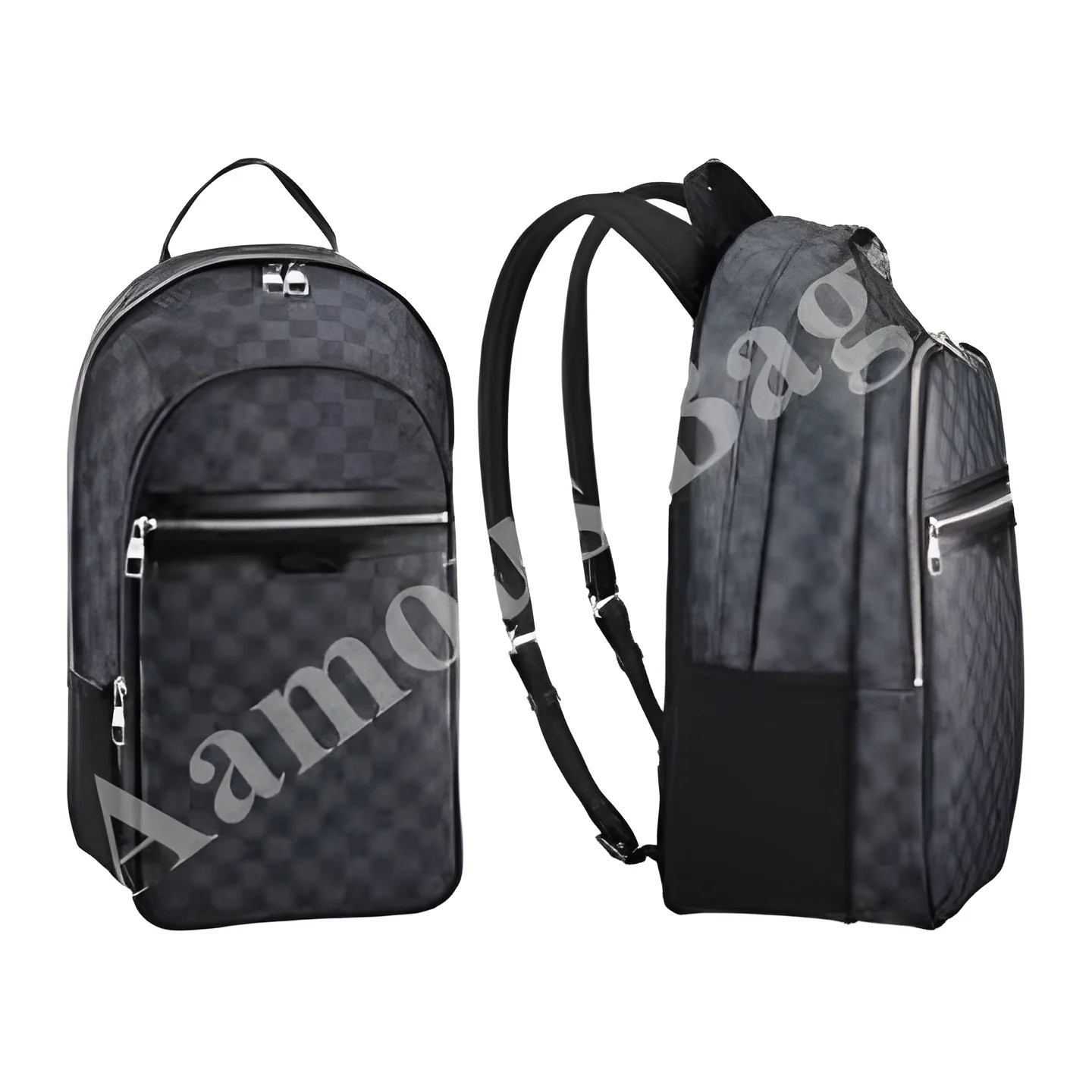
What are Hiking Backpacks?
Hiking backpacks are specialized bags designed to carry essential gear and supplies for outdoor activities such as hiking, trekking, and camping. These backpacks are crafted to distribute weight evenly across the body, providing comfort and support during extended periods of use. They typically feature various compartments, adjustable straps, and often include hydration reservoirs to keep users hydrated on the go.
These backpacks are primarily used by outdoor enthusiasts, including hikers, campers, and backpackers. In a business context, hiking backpacks are also relevant to companies that offer outdoor recreational services, guide services, or sell outdoor gear. They are essential for retailers in the outdoor sports industry, as well as organizations focused on environmental education and adventure tourism. The market for hiking backpacks is growing, driven by increased interest in outdoor activities and adventure sports.
Key Features and Specifications
Hiking backpacks are designed with several key features that enhance their usability and comfort. When evaluating these products, it is essential to consider specific specifications that meet the needs of users.
Key specifications include:
1. Capacity
- Measured in liters, this specification indicates how much gear the backpack can hold.
- Typical ranges include 20-80 liters, depending on the intended use.
2. Weight
- The overall weight of the backpack is crucial for comfort during hikes.
- Lightweight options typically weigh between 1-3 pounds.
3. Material
- Made from durable, weather-resistant materials to withstand outdoor conditions.
- Common materials include nylon and polyester.
4. Suspension System
- A feature that enhances comfort by helping distribute the weight.
- Various systems include internal frames and external frames.
5. Hydration Compatibility
- Many hiking backpacks come with built-in hydration reservoirs or sleeves for water bladders.
- This feature is essential for staying hydrated on long hikes.
6. Pockets and Compartments
- Multiple pockets for organization, including side pockets, hip belt pockets, and front pockets.
- Helps with easy access to smaller items.
7. Adjustability
- Adjustable straps and belts for a customized fit.
- Ensures comfort and stability during movement.
8. Ventilation
- Mesh back panels or ventilation channels to promote airflow.
- Reduces sweating and enhances comfort.
These features are designed to optimize the hiking experience, ensuring that users can carry their gear efficiently and comfortably.
Common Applications and Use Cases
Hiking backpacks serve numerous industries and applications, making them versatile products in the outdoor equipment market.
1. Outdoor Recreation: Used by individuals participating in hiking, camping, and backpacking activities, providing adequate storage for gear and supplies.
2. Adventure Tourism: Essential for tour operators and adventure companies that lead hiking excursions, ensuring participants have the necessary equipment.
3. Environmental Education: Used by organizations focused on teaching outdoor skills and environmental stewardship, facilitating hands-on learning experiences.
4. Emergency Services: Utilized by rescue teams and first responders who require mobility and storage for emergency supplies during outdoor operations.
5. Military and Tactical: Designed for military personnel and tactical teams, offering rugged features and durability for challenging environments.
6. Sporting Goods Retail: Retailers selling outdoor gear rely on hiking backpacks as a core product category, catering to the growing demand for outdoor activities.
Product Variants and Subcategories
Hiking backpacks come in various styles and designs to meet different user needs and preferences.
Daypacks: These are smaller backpacks designed for short hikes or day trips. They typically have a capacity of 20-30 liters and are lightweight, making them easy to carry.
Multi-Day Packs: Larger than daypacks, these backpacks are suitable for extended trips lasting several days. They generally range from 50-80 liters and feature more compartments for organization.
Hydration Packs: Specifically designed to hold water reservoirs, these packs focus on hydration during activities. They are ideal for running, biking, or hiking.
Technical Packs: These backpacks are tailored for specific outdoor activities such as climbing or skiing. They include features like gear loops and reinforced areas for carrying specialized equipment.
Benefits and Advantages
Hiking backpacks offer several advantages that enhance the outdoor experience for users.
1. Ergonomic Design: Provides comfort and support, reducing strain on the back and shoulders during hikes.
2. Versatility: Suitable for various outdoor activities, making them valuable for a wide range of users.
3. Organization: Multiple compartments and pockets help users keep their gear organized and accessible.
4. Durability: Made from high-quality materials that withstand rugged outdoor conditions, ensuring longevity.
5. Hydration Options: Many models include hydration systems, encouraging users to stay hydrated on the trail.
6. Safety Features: Some backpacks come with reflective elements and emergency whistle attachments, enhancing safety during outdoor activities.
Buying Guide for B2B Buyers
When sourcing hiking backpacks for business purposes, it is crucial to consider several key factors to ensure the right selection.
1. Quality Assessment: Evaluate the materials and construction of the backpacks. Look for robust features that can withstand outdoor use, as this impacts durability and user satisfaction.
2. Supplier Verification: Vet potential suppliers carefully. Check for reviews, certifications, and their experience in the outdoor gear market to ensure reliability.
3. Pricing and MOQ: Consider the cost of the backpacks and any minimum order quantities (MOQ) set by suppliers. This will help in budgeting and inventory planning.
4. Delivery and Lead Times: Assess the logistics involved in shipping. Understand lead times to ensure that your supply chain aligns with demand.
5. Compliance Requirements: Verify any regulatory standards applicable to hiking backpacks in your region. This may include safety certifications and environmental considerations.
Compliance and Certifications
Hiking backpacks must adhere to various industry standards and certifications to ensure quality and safety.
Relevant quality standards like ISO 9001 focus on quality management systems that can help manufacturers maintain consistent product quality. Compliance with such standards ensures that the backpacks meet customer expectations and regulatory requirements.
Industry certifications, such as CE marking, indicate that the product meets European health, safety, and environmental protection standards. This certification is vital for products intended for sale in European markets.
Safety and testing requirements are also essential. Hiking backpacks should undergo rigorous testing to ensure they can withstand the conditions for which they are designed. This may include tests for material durability, weight bearing, and functionality in different environments.
Additionally, regional compliance considerations should be taken into account. Different regions may have specific regulations regarding outdoor gear, and it is crucial to ensure that products meet these local requirements.
Why Source Hiking Backpacks from Pepagora?
Pepagora is a trusted platform for sourcing hiking backpacks, offering several key advantages to buyers.
Verified Supplier Network: The platform features a network of verified suppliers, ensuring that buyers can trust the quality and reliability of the products they purchase. This verification process helps mitigate risks associated with sourcing.
Streamlined RFQ Process: Pepagora simplifies the request for quotation (RFQ) process, allowing buyers to receive competitive quotes from multiple suppliers quickly. This efficiency saves time and helps in making informed purchasing decisions.
Trade Assurance and Support: Buyers are protected through trade assurance programs that provide security in transactions. This support ensures that buyers can confidently place orders knowing that their interests are safeguarded.
Regional Coverage: Pepagora has a broad geographic reach, covering markets in India, the Gulf Cooperation Council (GCC), and Southeast Asia. This extensive network enables buyers to access a wide range of hiking backpack options tailored to their regional needs.

 IN
IN