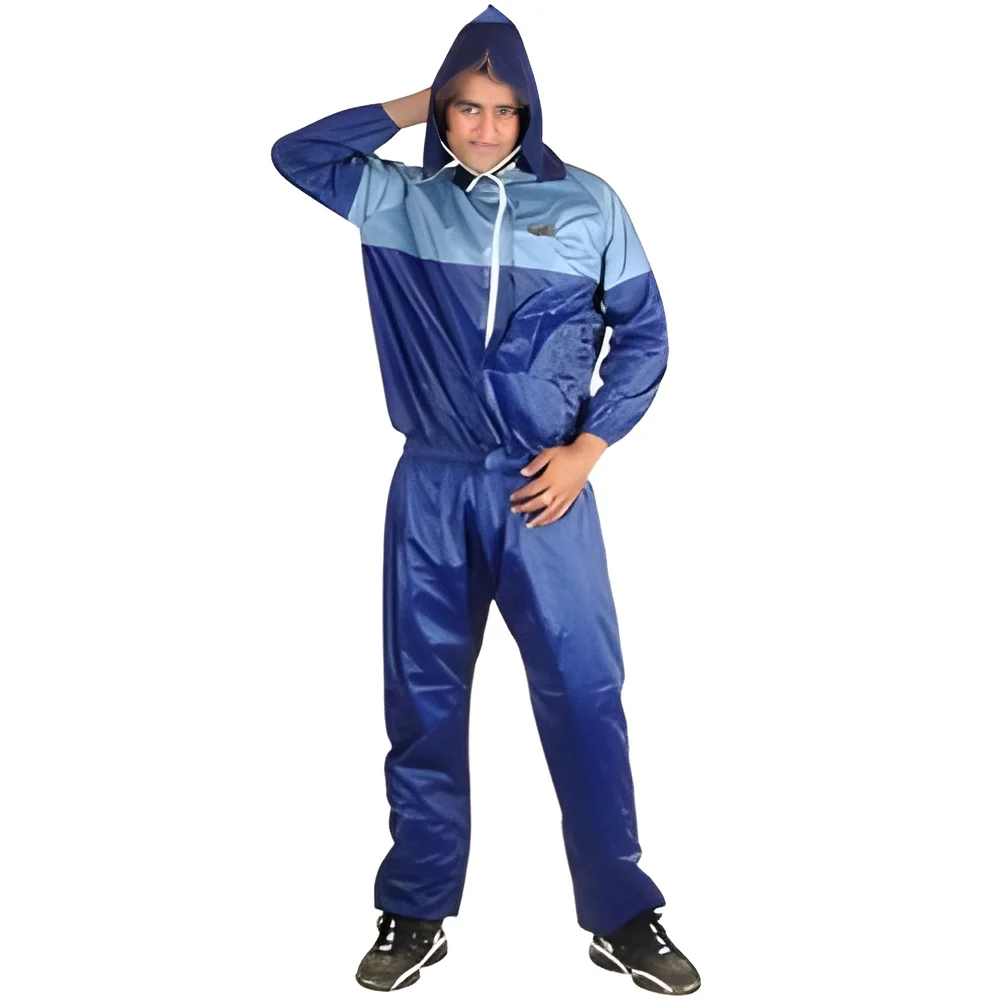
Key Features and Specifications
When selecting outdoor clothing, it is essential to understand the key features and specifications that contribute to their performance and durability. These specifications often dictate the usability of the garments in various conditions.
Key specifications include:
1. Material Composition
- Typically includes waterproof and breathable fabrics such as Gore-Tex or nylon.
- Provides protection from moisture while allowing sweat to evaporate.
2. Insulation Type
- Varies between synthetic and natural insulation, such as down or fleece.
- Ensures warmth in cold weather conditions.
3. Seams and Construction
- Features taped seams to prevent water penetration.
- Reinforced stitching for increased durability and longevity.
4. Fit and Design
- Options for both regular and tailored fits to accommodate movement.
- Ergonomic designs enhance comfort and mobility.
5. Weather Resistance
- Ratings for water resistance and breathability are essential.
- Determines suitability for specific weather conditions.
6. Weight and Packability
- Lightweight materials for easy transport and storage.
- Some garments can be packed into their own pockets for convenience.
7. Ventilation Features
- Pit zips and mesh-lined pockets to enhance airflow.
- Helps regulate temperature during active use.
8. Care Instructions
- Most garments require specific washing and drying processes.
- Ensures the longevity and performance of the clothing.
In summary, understanding these specifications will help buyers select the right outdoor clothing that meets their specific needs, ensuring both functionality and comfort.
Common Applications and Use Cases
Outdoor clothing serves various industries that require protective and functional wear.
1. Construction: Workers in this industry often face extreme weather conditions and require jackets and pants that are both weatherproof and durable, allowing them to work safely outside.
2. Agriculture: Farmers and agricultural workers need rainwear and insulated clothing to protect against the elements while performing tasks in the field.
3. Emergency Services: First responders rely on reliable outdoor clothing to keep them warm and dry during rescue operations in adverse weather conditions.
4. Adventure Sports: Enthusiasts in hiking, climbing, and skiing require specialized jackets and pants that offer protection, insulation, and breathability.
5. Military and Tactical: Outdoor clothing is essential for military personnel, providing them with camouflage, durability, and adaptability to various environments.
6. Outdoor Recreation: Campers and outdoor enthusiasts look for versatile and comfortable clothing that can handle a range of activities while providing protection from the elements.
7. Forestry and Wildlife Management: Professionals in these fields need durable and weather-resistant clothing to perform outdoor tasks in varying climates.
Product Variants and Subcategories
Outdoor clothing encompasses a range of variants designed for specific tasks and preferences.
Insulated Jackets: These jackets are designed to provide warmth in cold conditions, often featuring down or synthetic insulation. They are ideal for winter sports and outdoor activities in low temperatures.
Waterproof Pants: Essential for wet weather, these pants are constructed from waterproof materials to keep the wearer dry during rain or snow. They are commonly used in hiking and construction.
Lightweight Rain Jackets: Designed for portability, these jackets are easy to pack and carry, making them suitable for unexpected weather changes during outdoor activities.
Softshell Jackets: Offering a balance between warmth and breathability, softshell jackets are perfect for active endeavors where flexibility and comfort are paramount.
Benefits and Advantages
Investing in quality outdoor clothing comes with numerous benefits.
1. Protection from Elements: Outdoor clothing provides essential defense against wind, rain, and cold, keeping individuals comfortable and safe during outdoor activities.
2. Enhanced Performance: The right clothing allows for improved mobility and breathability, enabling users to perform tasks and enjoy activities without restriction.
3. Durability: High-quality outdoor clothing is built to withstand harsh conditions, offering long-lasting use and value for money.
4. Versatility: Many outdoor garments can be used in various settings and activities, making them practical for both work and leisure.
5. Safety Compliance: Proper outdoor clothing often meets industry safety standards, ensuring that users are compliant while working in hazardous environments.
6. Improved Comfort: Features like moisture-wicking fabrics and ergonomic designs contribute to overall comfort, which is crucial for prolonged wear.
Buying Guide for B2B Buyers
When sourcing outdoor clothing, it is essential to consider several factors to make informed purchasing decisions.
1. Quality Assessment: Evaluate the materials and construction of garments to ensure they meet durability and performance standards. Look for reviews or certifications that speak to quality.
2. Supplier Verification: Vet suppliers by checking their backgrounds, certifications, and customer feedback. This ensures reliability and trust in the sourcing process.
3. Pricing and MOQ: Understand the cost structures and minimum order quantities required by suppliers. This helps in budgeting and planning for inventory needs.
4. Delivery and Lead Times: Discuss logistics with suppliers to establish expected delivery times and ensure they align with your operational requirements.
5. Compliance Requirements: Familiarize yourself with any relevant industry regulations and standards to ensure the clothing meets necessary compliance criteria.
Compliance and Certifications
Outdoor clothing must adhere to various quality standards and certifications to ensure safety and performance. Notable standards include ISO 9001, which outlines requirements for quality management systems, and HACCP, which focuses on food safety management, though less relevant to apparel.
Industry certifications like CE mark products as compliant with European health and safety standards. Safety and testing requirements may include assessments for water resistance, breathability, and durability under specific conditions.
Regional compliance considerations may vary by market, highlighting the importance of understanding local regulations and guidelines when sourcing outdoor clothing for various applications.
Why Source Outdoor Clothing (Jackets, Pants, Rainwear) from Pepagora?
Pepagora provides a trusted platform for sourcing outdoor clothing with several key advantages.
Verified Supplier Network: Pepagora connects buyers with a network of verified suppliers, ensuring that businesses can source high-quality outdoor clothing from reputable manufacturers.
Streamlined RFQ Process: The request for quotation (RFQ) process is designed to simplify sourcing. Buyers can easily compare offers from multiple suppliers, saving time and facilitating better decision-making.
Trade Assurance and Support: Buyers are protected through trade assurance programs that offer support in case of disputes or issues with orders. This adds a layer of security to the purchasing process.
Regional Coverage: With a strong presence in India, the GCC, and Southeast Asia, Pepagora offers extensive geographic reach, making it easier for businesses to access outdoor clothing suited to their specific environmental and industry needs.

 IN
IN