
 IN
Automatic Water Timers
2 products available
What are Automatic Water Timers?
Automatic water timers are devices designed to control the irrigation or watering of plants and landscapes at predetermined intervals. These timers can be programmed to activate at specific times, ensuring that plants receive the right amount of water without the need for manual intervention. They are essential tools for both residential gardens and larger agricultural operations, allowing for efficient water management and conserving resources.
In business applications, automatic water timers are primarily used in agriculture, horticulture, and landscaping. They help optimize water usage, enhance crop yields, and maintain healthy landscapes by providing precise watering schedules. This automation reduces labor costs and minimizes water wastage, making them a valuable investment for businesses focused on sustainability and operational efficiency.
In the current market, the relevance of automatic water timers has surged as industries seek to adopt smart technologies for resource management. With increasing water scarcity and the need for efficient agricultural practices, these devices have become critical in ensuring that businesses can meet their water needs while adhering to environmental regulations and sustainability goals.
Key Features and Specifications
Automatic water timers come with several key features that enhance their functionality and ease of use. These features vary by model and manufacturer but often include programmable settings, rain delay options, and compatibility with various irrigation systems.
Key specifications include:
1. Programmable Settings
- Allows users to set specific watering schedules.
- Typically offers multiple start times and durations.
2. Rain Delay Feature
- Pauses watering during rainfall.
- Helps conserve water and prevent overwatering.
3. User Interface
- Digital or analog display for easy programming.
- Some models offer smartphone connectivity for remote control.
4. Power Source
- Battery-operated or plug-in options.
- Battery life may vary based on usage and model.
5. Valve Compatibility
- Designed to work with various valve types.
- Ensures compatibility with existing irrigation systems.
6. Durability
- Weatherproof casing for outdoor use.
- Resistance to UV rays and water exposure.
7. Flow Rate
- Designed to handle specific flow rates.
- Important for matching with irrigation needs.
8. Size and Design
- Compact designs available for small spaces.
- Larger models suitable for extensive irrigation systems.
These specifications help ensure that buyers can select the right automatic water timer that meets their specific irrigation requirements.
Common Applications and Use Cases
Automatic water timers are versatile tools used across various industries to improve water management practices.
1. Agriculture: Farmers use automatic water timers to schedule irrigation for crops, ensuring optimal growth conditions while conserving water resources.
2. Horticulture: Nurseries and garden centers utilize these timers to maintain consistent moisture levels for plants, enhancing plant health and reducing labor.
3. Landscaping: Landscape contractors employ automatic water timers to efficiently manage watering schedules for residential and commercial properties, ensuring lush and healthy landscapes.
4. Golf Courses: Golf course maintenance teams rely on these timers to manage irrigation systems, promoting healthy turf while minimizing water usage.
5. Greenhouses: Greenhouse operators implement automatic water timers to maintain precise humidity and moisture levels, crucial for plant growth.
6. Parks and Recreational Areas: Municipalities use automatic water timers to manage watering of public parks and gardens, ensuring they remain vibrant and attractive.
7. Sports Fields: Automatic timers help in maintaining optimal playing conditions by controlling the irrigation of sports fields according to weather patterns.
Product Variants and Subcategories
Automatic water timers come in various models and configurations to cater to diverse needs and preferences.
Digital Automatic Water Timers
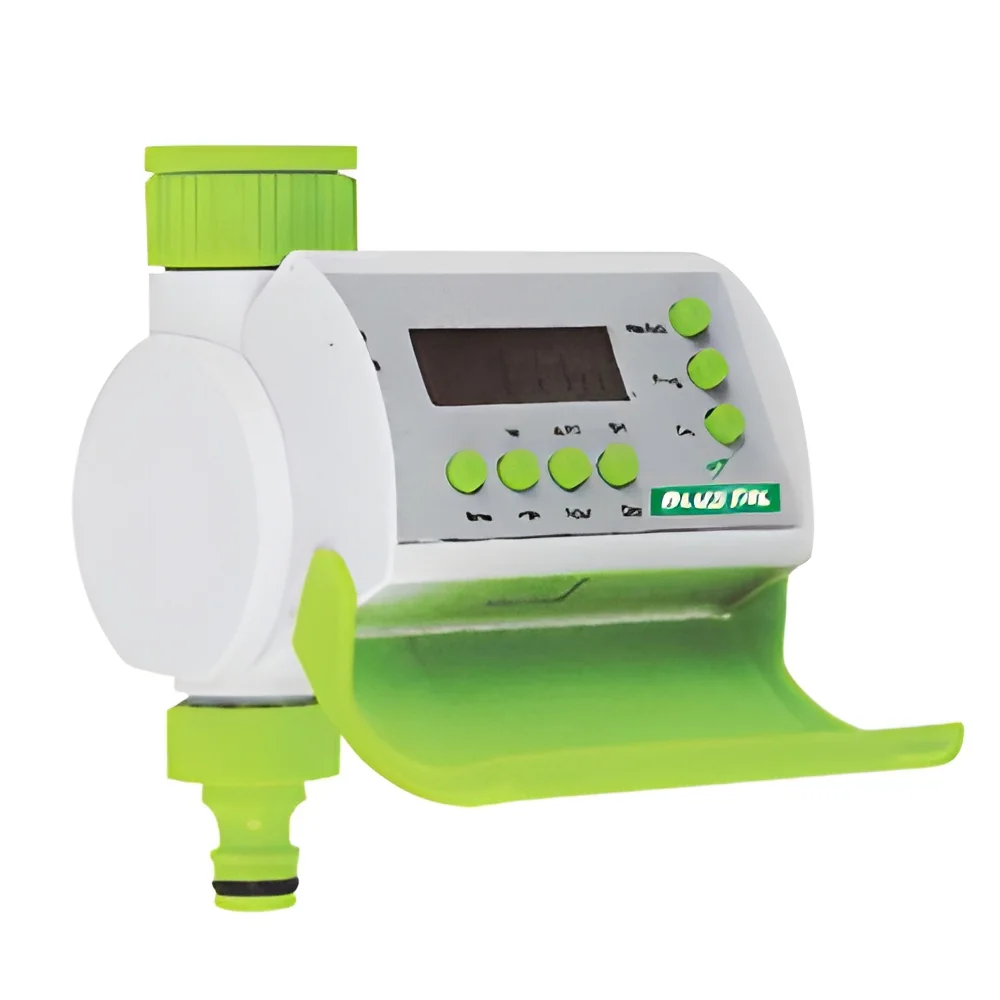
These timers feature digital interfaces and programmable schedules, allowing for precise control over watering times. They often include advanced features like rain delay options and smartphone connectivity for remote management.
Mechanical Automatic Water Timers
Mechanical models are typically simpler and more affordable. They use analog settings to control watering schedules and are ideal for users seeking straightforward solutions without complex programming.
Solar-Powered Water Timers
These environmentally friendly timers utilize solar energy to operate, making them ideal for remote locations where traditional power sources are unavailable. They are efficient and reduce reliance on electricity.
Smart Water Timers
Smart models can connect to Wi-Fi networks, enabling users to control and monitor their watering systems remotely via mobile apps. This technology provides users with flexibility and convenience, allowing for real-time adjustments based on weather conditions.
Benefits and Advantages
Investing in automatic water timers provides numerous advantages that benefit both businesses and individual users.
1. Water Conservation: Automatic water timers optimize irrigation schedules, reducing water wastage and promoting sustainable practices.
2. Labor Savings: By automating the watering process, businesses can save on labor costs and allocate resources more efficiently.
3. Improved Plant Health: Timers ensure consistent watering, contributing to healthier plants and better crop yields.
4. Customization: Users can program specific schedules tailored to different plant types, ensuring optimal moisture levels.
5. Reduced Overhead Costs: Efficient water management lowers utility bills and operational costs over time.
6. Enhanced Control: Automatic timers provide users with greater control over their irrigation systems, allowing for real-time adjustments based on climate conditions.
Buying Guide for B2B Buyers
When sourcing automatic water timers for business applications, there are several key factors to consider to ensure a suitable purchase.
1. Quality Assessment: Evaluate the quality of the timers based on durability, reliability, and user reviews. Look for products that meet industry standards and have proven performance records.
2. Supplier Verification: Vet potential suppliers to ensure they are reputable and provide quality products. Check for certifications, customer testimonials, and service history.
3. Pricing and MOQ: Consider the pricing structure and minimum order quantities (MOQ) offered by suppliers. Compare various options to find the best value for your budget.
4. Delivery and Lead Times: Assess suppliers' delivery capabilities and lead times to ensure timely receipt of products for your operations.
5. Compliance Requirements: Ensure that the selected automatic water timers comply with relevant industry regulations and standards, which can vary by region and application.
Compliance and Certifications
Automatic water timers must adhere to various quality standards and certifications to ensure safety and performance in industrial settings.
ISO 9001 is a widely recognized standard that outlines requirements for quality management systems. Compliance with this standard indicates that a manufacturer maintains consistent quality in their products.
CE certification signifies that a product meets European safety, health, and environmental protection standards. This certification is essential for accessing markets within the European Union.
Safety and testing requirements include rigorous assessments to ensure that the devices operate safely under various environmental conditions. Manufacturers may also need to comply with regional regulations specific to their market.
It is important for businesses to verify compliance and certifications to ensure that the automatic water timers they purchase meet necessary safety and performance criteria.
Why Source Automatic Water Timers from Pepagora?
Pepagora offers a reliable platform for sourcing automatic water timers, providing several key advantages that benefit B2B buyers.
Verified Supplier Network: Pepagora maintains a network of verified suppliers, ensuring that buyers can access high-quality products from trusted manufacturers. This verification process helps mitigate risks associated with sourcing.
Streamlined RFQ Process: The request for quotation (RFQ) process on Pepagora is designed to be straightforward, allowing buyers to quickly obtain quotes from multiple suppliers. This efficiency helps businesses make informed purchasing decisions.
Trade Assurance and Support: Pepagora provides trade assurance to protect buyers against potential risks during transactions. Their support system is designed to assist buyers with any concerns throughout the sourcing process.
Regional Coverage: With a strong presence in India, the GCC, and Southeast Asia, Pepagora offers extensive regional coverage, making it easier for businesses in these markets to find suitable suppliers for their automatic water timer needs.

 India
Frequently Asked Questions
What are Automatic Water Timers?
Automatic Water Timers are devices designed to control the watering schedule of gardens, lawns, or agricultural fields. They automatically turn on and off water supply based on pre-set timings, ensuring efficient water usage and convenience for users.
What are the different types of Automatic Water Timers?
There are several types of Automatic Water Timers, including mechanical timers, digital timers, and smart timers. Mechanical timers operate through a simple dial mechanism, while digital timers offer programmable settings. Smart timers can be controlled remotely using smartphone applications.
How do I choose the right Automatic Water Timers?
When selecting an Automatic Water Timer, consider factors such as the size of the area to be watered, the type of plants, and desired features like programmability. Additionally, assess the timer's compatibility with your existing irrigation system and its ease of installation.
What are the standard specifications for Automatic Water Timers?
Standard specifications for Automatic Water Timers typically include flow rate, pressure ratings, and programming options. Many timers also feature weather resistance, battery life, and connectivity options for smart devices, which can enhance their functionality.
What is the price range for Automatic Water Timers?
The price range for Automatic Water Timers can vary significantly based on features and brand. Generally, basic models may start from around INR 1,000, while advanced models with smart features can go up to INR 10,000 or more.
What quality standards apply to Automatic Water Timers?
Quality standards for Automatic Water Timers often include compliance with safety and performance regulations set by relevant authorities. Certifications such as ISI (Indian Standards Institute) can also indicate adherence to established quality benchmarks.
Where can I find Automatic Water Timers suppliers in India?
You can find Automatic Water Timers suppliers in India through various online B2B marketplaces, industry trade shows, and local hardware stores. Websites like Pepagora offer a range of manufacturers and suppliers for easy comparison and procurement.
Can Automatic Water Timers be customized?
Yes, many manufacturers offer customization options for Automatic Water Timers to meet specific user requirements. Customizations can include alterations in design, functionality, and features based on individual needs.
What is the typical minimum order quantity for Automatic Water Timers?
The typical minimum order quantity (MOQ) for Automatic Water Timers can vary by supplier, but it generally ranges from 10 to 50 units. It's advisable to check with specific manufacturers or suppliers for their MOQ policies.
What is the typical lead time for Automatic Water Timers?
The typical lead time for Automatic Water Timers can range from a few days to several weeks, depending on the supplier and order size. Custom orders may take longer, so it's important to communicate with the supplier for accurate delivery timelines.
Why Businesses Trust Pepagora
Thousands of companies trust Pepagora to source smarter and sell faster
Expand Your Sales Globally

Source Smarter,Grow Faster
